The Ultimate Pingyao Ancient City Travel Guide: Travel Through Time and Discover the Real Shanxi

Here is the SEO-optimized, rewritten version of your article, designed to rank for high-intent travel queries while preserving the original's depth and authenticity.
SEO Title: The Ultimate Pingyao Ancient City Travel Guide 2024: How to Explore China’s Best-Preserved Ming Dynasty City
Meta Description: Discover the real Shanxi in our complete Pingyao Ancient City guide. Explore UNESCO sites, Ming Dynasty walls, and underground vaults. Plan your 2024 trip with insider tips.
The Ultimate Pingyao Ancient City Travel Guide: Travel Through Time and Discover the Real Shanxi
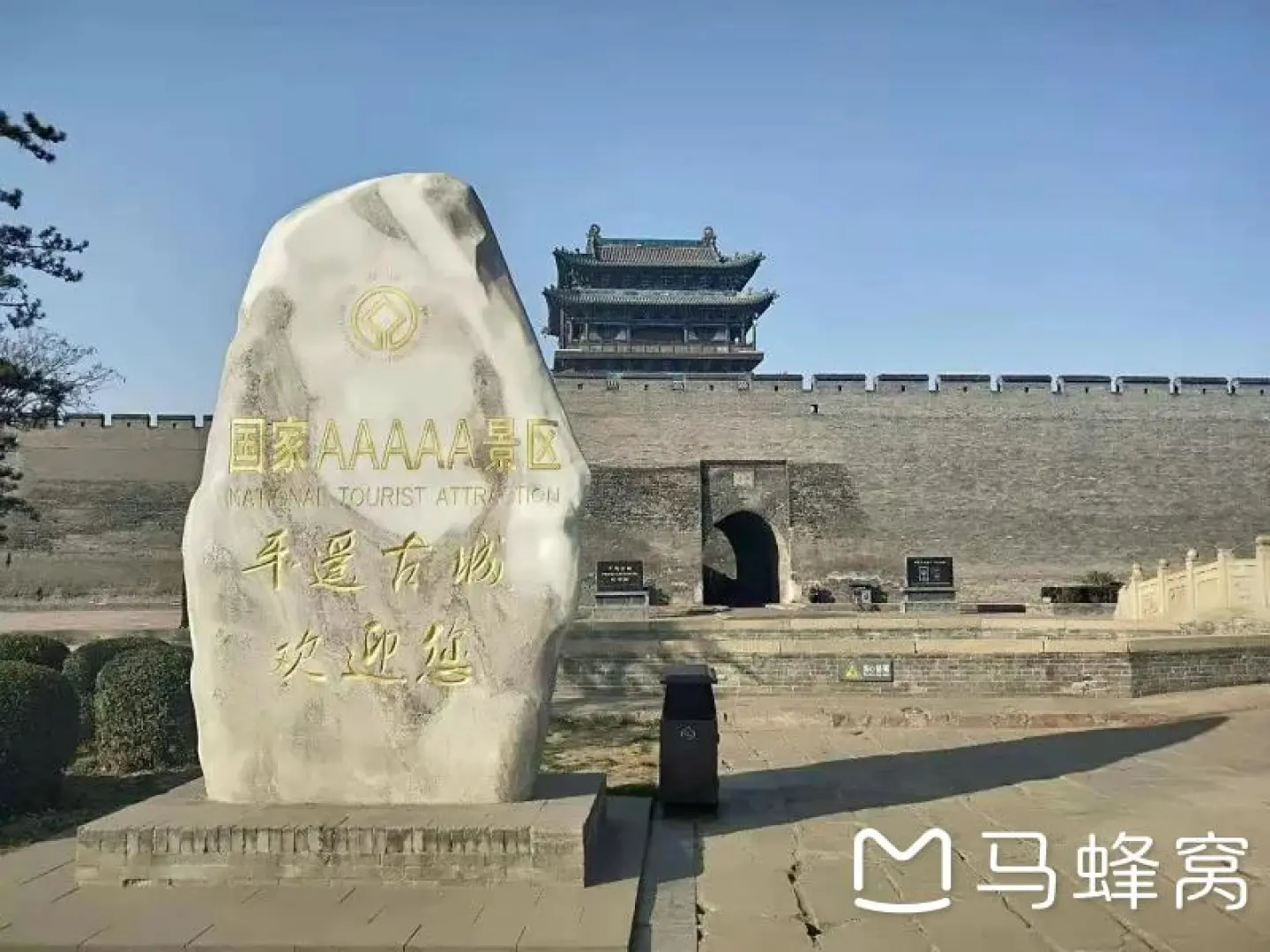
If you are searching for a destination that instantly transports you back to the Ming and Qing dynasties, Pingyao Ancient City deserves a top spot on your 2024 travel list. Located in Jinzhong City, Shanxi Province, this ancient city is no over-commercialized "fake ancient town." It is a living, breathing historical museum. With over 2,700 years of history, it stands alongside Langzhong in Sichuan, Lijiang in Yunnan, and Shexian in Anhui as one of China's "Four Best-Preserved Ancient Cities." More remarkably, it is the only county in China to have its entire old town designated a UNESCO World Heritage Site.
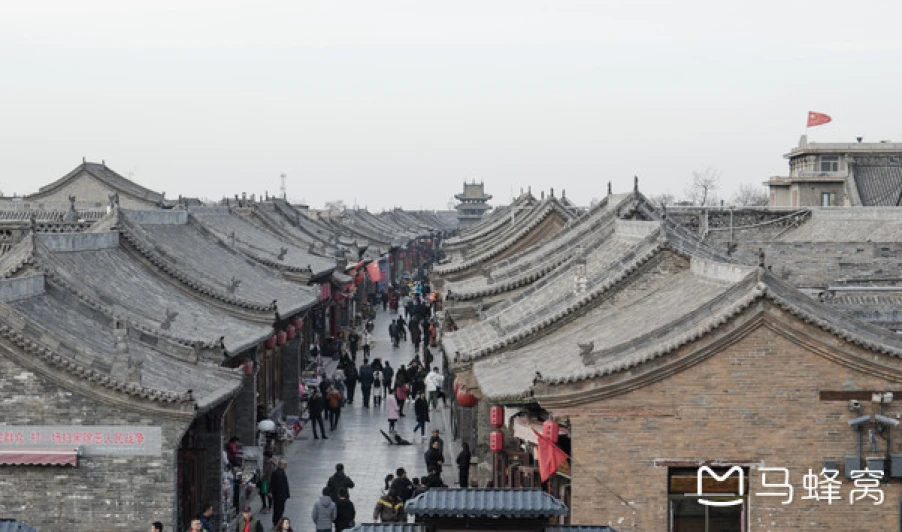
Picture this: You are walking on cobblestone streets, flanked by perfectly preserved Ming and Qing architecture. The sound of abacus beads clicking from a traditional bank drifts through the air, mingling with the aroma of Shanxi vinegar and braised beef. This is not a movie set — it is an ordinary day in Pingyao.
Why Pingyao Ancient City Is Worth the Trip in 2024
Pingyao’s history stretches back to the Western Zhou dynasty (1046–771 BCE), when it was known as "Gutao." During the early Ming dynasty, city walls were built for defense against invaders. In the third year of the Hongwu Emperor’s reign (1370 CE), the existing walls were massively expanded and reinforced, fully clad in gray brick. After numerous renovations over the centuries, the imposing defensive system we see today took shape.
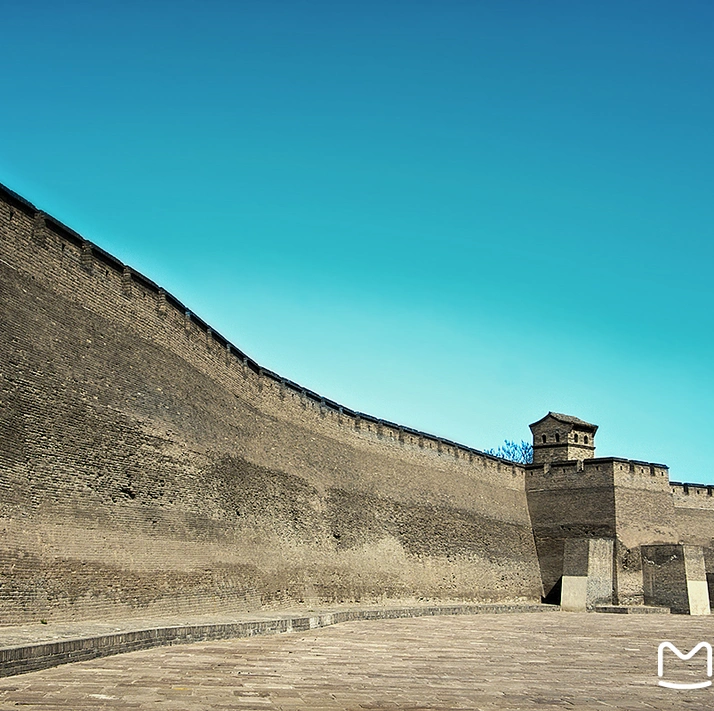
The Pingyao City Wall stretches 6,163 meters (about 3.8 miles) and stands roughly 12 meters (39 feet) tall. It divides the ancient city’s 2.25-square-kilometer (0.87-square-mile) area into two distinct zones: inside the walls lies the old town, preserving Ming and Qing character, while outside lies the modern new city. This "old-meets-new" layout makes Pingyao an exceptional case study for ancient Chinese urban planning and architectural art.
[Link: Best time to visit Shanxi Province for cultural tours]
Must-Visit Attractions in Pingyao: Don’t Miss These

Pingyao Ancient City contains 22 attractions of varying sizes. If time is tight, prioritize these representative sites for a comprehensive Shanxi cultural tour.
Pingyao City Wall — "Ascending to Heaven" in Local Lore
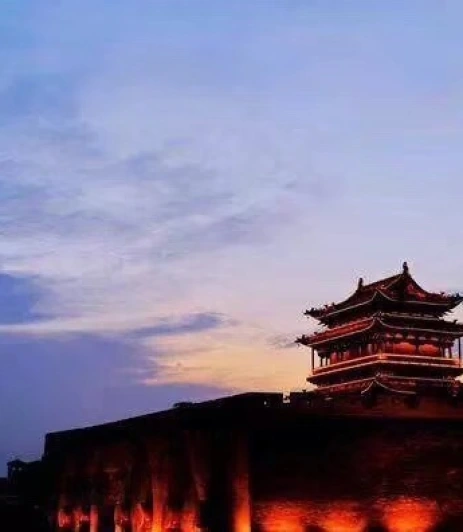
Locals have a saying: "Ascend to heaven, descend to earth." "Descending to earth" refers to the underground vaults of the ancient banks, while "ascending to heaven" means climbing the city wall. The existing wall features six barbican gates, four corner towers, and 72 watchtowers, ranking among China’s best-preserved ancient fortifications.
Walking along the 6,163-meter wall, you will not only feel the weight of history but also glimpse the real lives of residents: laundry hanging to dry, chimney smoke rising from rooftops, children playing in courtyards. This fascinating blend of past and present is what makes Pingyao truly special.
Pingyao County Government Office — Step Into Ming-Qing Officialdom
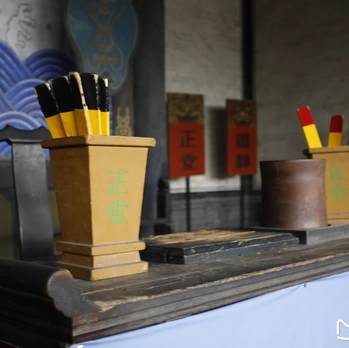
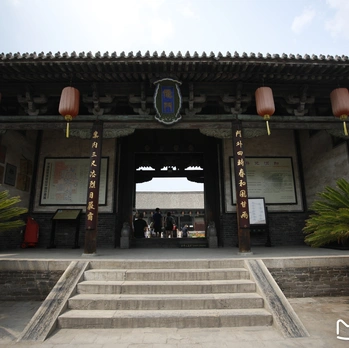
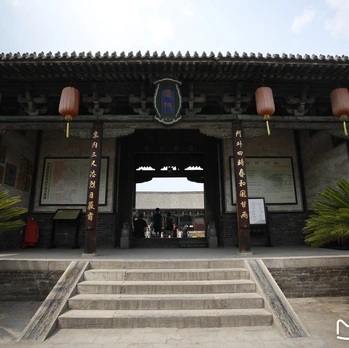
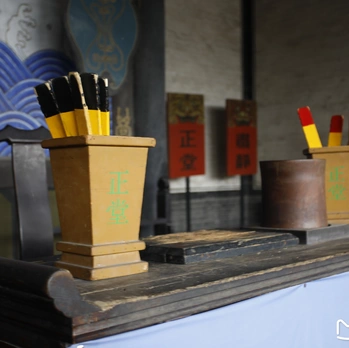
The County Government Museum was once the administrative and judicial office of a seventh-rank magistrate. Built in 1346 CE (the sixth year of the Yuan dynasty’s Zhizheng era), it is over 600 years old. Unlike typical museums, this one uses its architectural layout to tell history. You will see the complete official complex, including the main hall, secondary hall, and prison cells. Daily free "court session performances" let you experience ancient judicial proceedings firsthand.
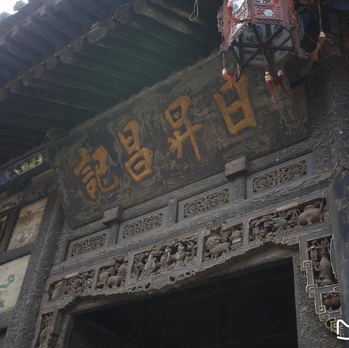
Rishengchang Draft Bank — The Birthplace of Chinese Banking
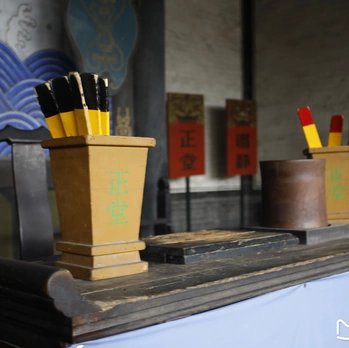
Founded in 1823 on what was then "the No. 1 Financial Street of the Great Qing," Rishengchang was China’s first private financial institution specializing in deposits, loans, and remittances. Known as "the world’s first" and "uniting the realm through exchange," it showcases how ancient banks operated. Exhibits include bank drafts, ledgers, and safes — true treasures of financial history.
Confucian Temple and Academy — China’s Oldest Confucian Temple
Built during the early Tang dynasty (around 627–649 CE), Pingyao’s Confucian Temple is China’s oldest and best-preserved temple dedicated to Confucius. Covering 35,811 square meters (about 385,000 square feet), it houses the country’s largest collection of statues of Confucius and his disciples. The temple’s crown jewel: the only surviving imperial examination answer sheet from a top scholar (Zhuangyuan), its handwriting so neat it looks printed.
North China’s No. 1 Escort Agency — Wuxia Comes to Life
Located on East Street, this museum spans over 1,000 square meters (about 10,760 square feet) across four sections: front, middle, rear, and upper courtyards. It authentically recreates the unique atmosphere of escort agencies from the Qing dynasty’s Qianlong era onward. See actual escort carts, banners, and weapons, and hear legendary tales of ancient "logistics security."
City God Temple — A Unique Triple-Temple Layout
Pingyao’s City God Temple is a distinctive Taoist complex. The main temple (City God Temple) prays for safety, the eastern Zaojun Temple (Kitchen God) handles food and drink, while the western Caishen Temple (God of Wealth) manages finances. This three-in-one, temple-within-temple layout is unique nationwide — an unmissable photo spot.
Xietongqing Money Exchange — The Underground Vault
If Rishengchang is the bank museum, Xietongqing is the money exchange museum. Its highlight is the massive underground vault, centered around a dragon-entwined pillar. This underground treasury has become almost synonymous with Pingyao — a "can’t-miss" destination for every visitor.
Shuanglin Temple and Zhenguo Temple — Artistic Treasures
If time allows, visit Shuanglin Temple and Zhenguo Temple. Shuanglin is hailed as the "Oriental Treasure House of Painted Sculpture," while Zhenguo’s Ten Thousand Buddha Hall is one of China’s oldest and most precious surviving wooden structures.
Day Trips from Pingyao: Wang Family Compound or Qiao Family Compound?
From Pingyao, you can visit the Wang Family Compound in Lingshi County or the Qiao Family Compound in Qi County. If you can only choose one, go with the Wang Family Compound — it is an official’s residence, grand in scale and breathtaking in majesty. As the saying goes, "After visiting the Wang compound, no other courtyard is worth seeing." The Qiao Family Compound, by contrast, is a merchant’s residence laid out in the shape of the Chinese character "囍" (double happiness). While less imposing, it is a quintessential representation of Shanxi merchant culture and served as the filming location for the TV series Qiao’s Grand Courtyard and the movie Raise the Red Lantern.
The two compounds are 40 kilometers (25 miles) and 60 kilometers (37 miles) from Pingyao, respectively. Ask your guesthouse to arrange shared transport — door-to-door service is convenient, costing about 50 RMB per person (one way).
[Link: Complete guide to Shanxi merchant family compounds]
Seeing Pingyao Again: A Soul-Stirring Live Performance
Seeing Pingyao Again is a highlight of any visit. This immersive play tells a story of bloodline and sacrifice: In the late Qing dynasty, Zhao Yishuo, owner of a Pingyao bank, sells all his assets to rescue the sole surviving heir of a branch manager from Tsarist Russia. The Tongxinggong Escort Agency sends 232 guards on the mission. In the end, Zhao and all the guards perish — but the Wang family bloodline survives.
The performance is breathtaking. Audiences walk through the scenes, feeling as though they have time-traveled. Standard tickets cost 238 RMB; prices rise during holidays and availability shrinks, so book in advance.
Where to Stay in Pingyao: Sleep in a Ming-Qing Courtyard
Most inns inside the ancient city are converted Ming-Qing residences, blending modern comfort with classical charm. In the courtyard, you can gaze at blue skies and ancient rooftops; at night, lanterns create a magical atmosphere.
Recommended: Deshenglou Inn — a classic Ming-Qing courtyard. When lanterns glow at dusk, the time-travel effect is uncanny. Their traditional Shanxi kang (heated brick bed) rooms are especially popular.
Reminder: Holiday rates surge, so book your Pingyao accommodation at least 2–3 weeks in advance for the best courtyard rooms.
FAQ: Your Pingyao Ancient City Questions Answered
1. How many days do I need to visit Pingyao Ancient City?
Most travelers spend 2 full days inside the walls, plus an extra day for a day trip to the Wang Family Compound or Shuanglin Temple. For a relaxed pace, plan for 3 days and 2 nights.
2. Is Pingyao Ancient City very touristy?
 While Pingyao is popular, it remains far less commercialized than Lijiang or Zhouzhuang. The old town is a living community, not a theme park. You will see real residents going about daily life, which adds to its authenticity.
3. What is the best time of year to visit Pingyao?
 Spring (April–May) and autumn (September–October) offer the most pleasant weather for walking the city wall and exploring courtyards. Summer can be hot, while winter is cold but offers lower prices and fewer crowds.
4. Can I visit the Wang Family Compound and Qiao Family Compound in one day?
Technically yes, but it is a rushed 10-hour day. Most travelers choose one. If you prefer grand architecture and scale, pick Wang. If you prefer merchant culture and film history, pick Qiao.
5. Is Seeing Pingyao Again worth the ticket price?
 Absolutely. It is widely considered one of China’s best immersive live performances. The 238 RMB ticket includes a moving story, stunning staging, and a unique walking experience through the performance space.
Your Next Step: Start Planning Your Pingyao Adventure
Pingyao Ancient City is more than a tourist attraction—it is a journey through 2,700 years of Chinese history. From climbing the Ming dynasty city wall to descending into an underground vault, from sleeping in a Qing dynasty courtyard to watching a soul-stirring live performance, every moment here feels like stepping into a living museum.
Ready to travel through time? Book your train to Pingyao Ancient City Station, reserve a courtyard inn, and secure your Seeing Pingyao Again tickets today. The real Shanxi is waiting for you.
[Link: How to get to Pingyao from Beijing, Xi’an, or Taiyuan] [Link: Top 10 Shanxi foods you must try in Pingyao]
You should also read:
Four Days, Three Nights in Beijing: A Super Practical Self-Guided Travel Guide (Including Food, Stay, and Transport Tips)
Here is the SEO-optimized, rewritten version of your article, structured for maximum search visibility and reader engagement. SEO Title: 4 Days 3 Nights in Beijing: The Ultimate Self-Guided Travel Guide (Food, Stay & Transport) Meta Description (160 chars): Plan the perfect 4-day Beijing itinerary. From…
Continue reading...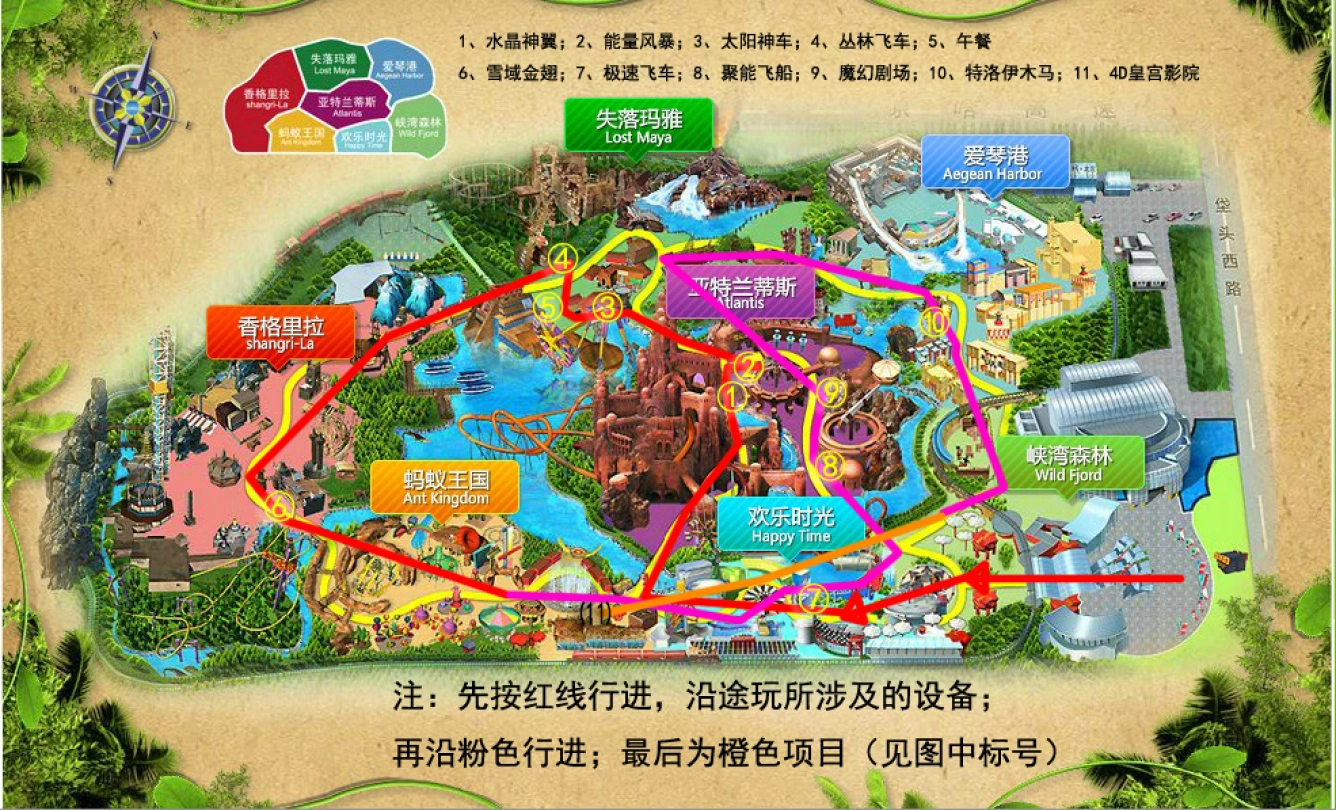
Beijing Happy Valley Ultimate Money-Saving Guide: Ride Everything, See Every Show in One Day
Here is the SEO-optimized, rewritten article based on the source material. It is structured for readability, keyword density, and user engagement, targeting approximately 1500 words. SEO Title: Beijing Happy Valley Ultimate Money-Saving Guide: Ride Everything & See Every Show in One Day Meta Description: Maximize…
Continue reading...
Peking: A Seven-Day Journey Between Old Dreams and New Realities – An SEO-Optimized Travel Guide
Meta Description: Explore Beijing in 7 days: from 798 Art District and Summer Palace to Houhai nightlife and Panjiayuan market. Discover hidden gems, local eats, and travel tips in this SEO-optimized itinerary. Some cities you never set foot in, yet you have painted them in…
Continue reading...