The Vast Frontier of Anxi: A 12-Day Self-Drive Cultural Pilgrimage Through Southern Xinjiang
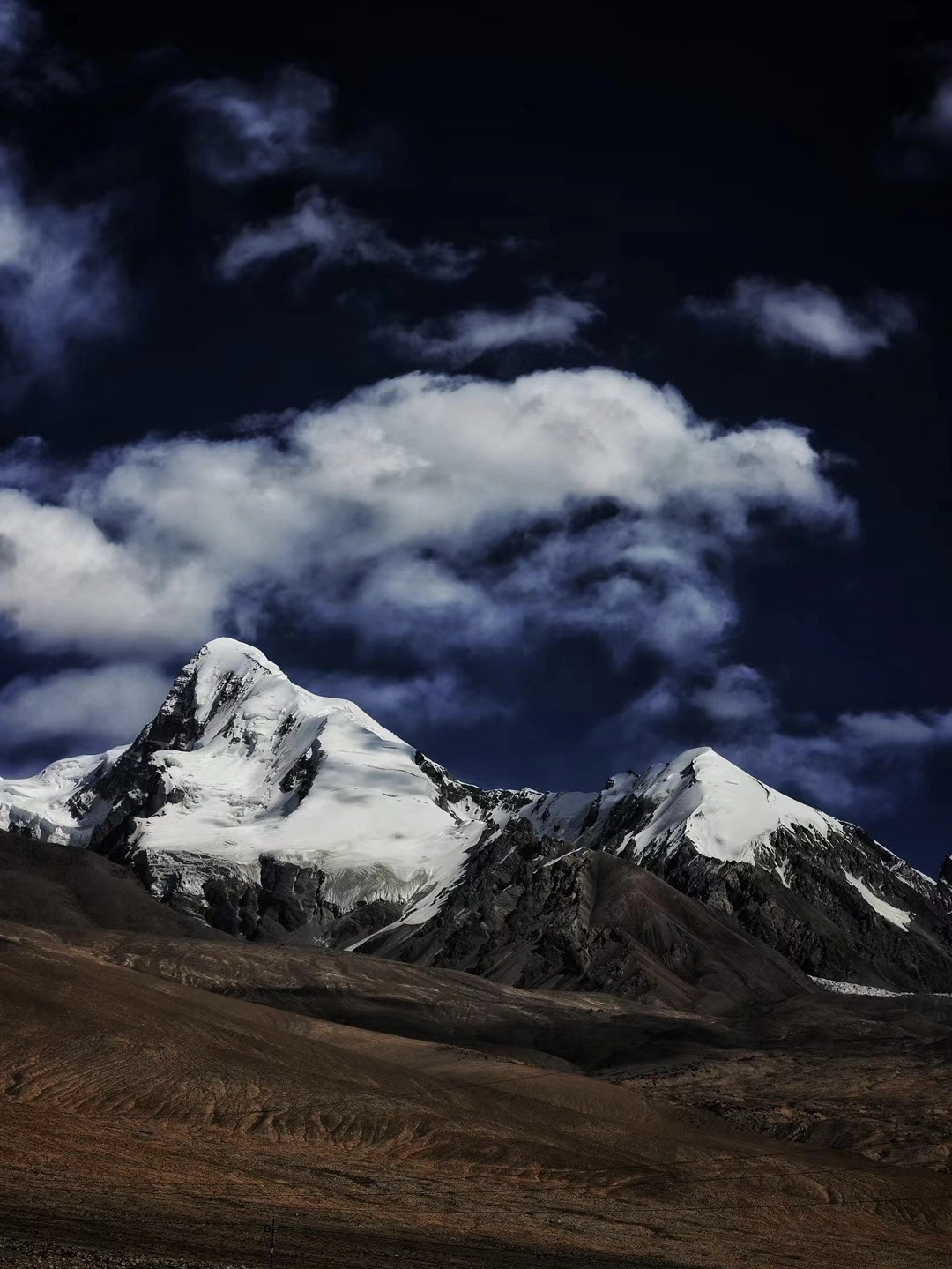
Meta Description: Discover Southern Xinjiang on a 12-day self-drive pilgrimage from Kashgar to Korla. Explore ancient cities, the Pamir Plateau, and Taklamakan Desert. Expert tips, history, and cultural insights for your ultimate Southern Xinjiang road trip.
Introduction: Why Southern Xinjiang Should Be Your Next Cultural Pilgrimage
While most travelers flock to crowded tourist hubs during peak seasons, the true adventurer seeks the road less traveled. Southern Xinjiang—the vast frontier of Anxi—offers exactly that: a transformative journey through time, culture, and breathtaking landscapes. This 12-day self-drive cultural pilgrimage from Kashgar to Korla takes you across the snow-capped Pamir Plateau, along the edges of the formidable Taklamakan Desert, and through alleyways echoing with millennia of history.
This isn't just another travelogue. It's a meticulously researched guide blending historical depth, cultural interpretation, and practical advice. If you're tired of superficial sightseeing and yearn to connect with the spiritual core of the Western Regions, this Southern Xinjiang travel guide is your essential companion.
Pre-Trip Preparation: Essential Lessons Before Your Xinjiang Self-Drive Adventure

Understanding Xinjiang's Epidemic Prevention and Safety Protocols
Xinjiang's epidemic prevention measures are rigorous but straightforward. Before departing, contact the local CDC for the latest nucleic acid testing requirements. Key points to remember:
- Xinjiang only accepts locally conducted test results
- You'll be tested at security checkpoints when entering new regions
- Hotan Prefecture has the strictest controls
Safety note: Rest assured—police patrols are highly visible in major cities like Kashgar, Aral, and Korla. Walking late at night is perfectly safe.
Packing for Southern Xinjiang's Extreme Temperature Swings
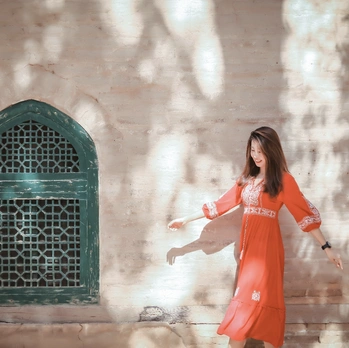
Southern Xinjiang's climate is dramatic—you might wear short sleeves in 30°C heat in Kashgar, then need a down jacket facing 0°C winds on the Pamir Plateau hours later. Layered dressing is your best strategy.
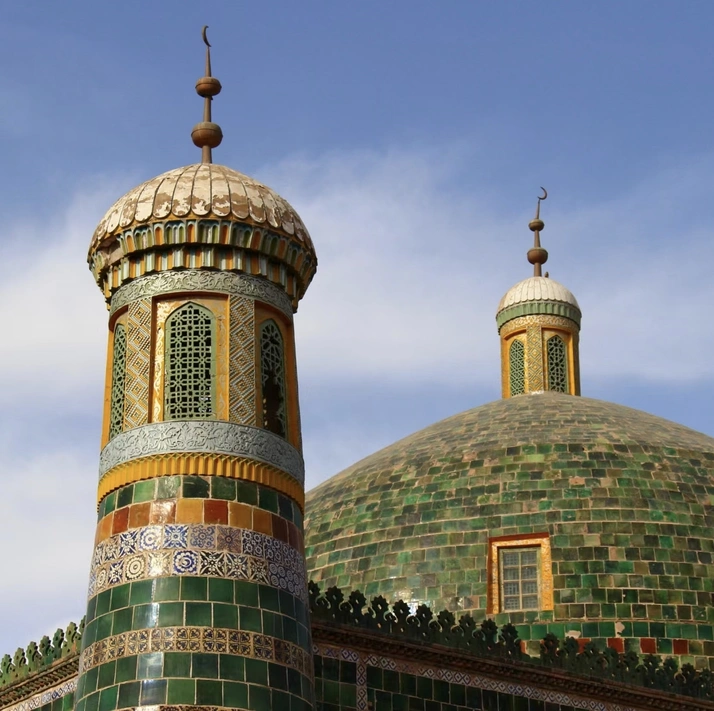
Essential packing list:
| Category | Items |
|---|---|
| Clothing | Thermal layers, fleece, down jacket, waterproof shell |
| Health | Motion sickness pills, cold medicine, vitamins (fresh veggies are scarce) |
| Skincare | SPF 50+ sunscreen, moisturizer, hydrating cosmetics (UV is merciless) |
| Comfort | U-shaped neck pillow, disposable slippers |
| Hygiene | Disposable toilet seat covers, travel sheet, towels |
| Tech | Drone (UAV is your best travel companion for aerial shots) |
Altitude alert: Tashkurgan County sits at 3,200 meters—some travelers experience mild altitude sickness. Acclimate gradually.
Knowledge Preparation: Understanding the Soul of Southern Xinjiang
The saying goes: "Northern Xinjiang is for scenery; Southern Xinjiang is for culture." To truly appreciate your journey, immerse yourself beforehand in these resources:
Books: - Two Thousand Years of Xinjiang - Southern Xinjiang - This Is China
Documentaries: - Into Hotan - Xinjiang Is a Wonderful Place - The Hexi Corridor - The Road of Xuanzang
Films: - Visitors on the Icy Mountain - The Kite Runner
Armed with this knowledge, every landscape and monument will speak to you in a deeper language.
Day 0–1: Arriving in Kashgar—History Begins at the Tomb of the Fragrant Concubine
First Impressions of Kashgar
Fly from Beijing to Kashgar and check into the Green Bark Tree Hotel—modern design with ample hot water, a cozy waystation for your journey.
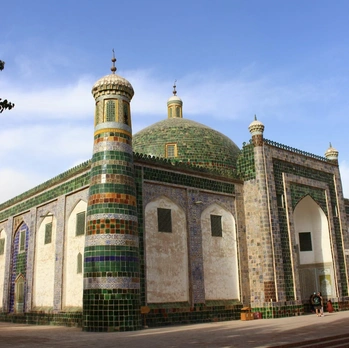
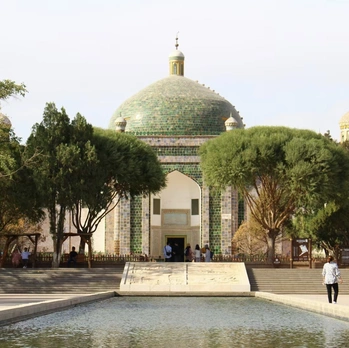
Start your morning with local specialties: nashe noodles (hand-pulled noodle soup) and meatball soup (丸子汤) near your hotel. Then head to the Tomb of the Fragrant Concubine, an Islamic architectural complex 5 kilometers east of Kashgar.
Historical context: This protected cultural relic covers 2 hectares and contains 58 visible tombs of 72 people from five generations. The first generation was Islamic missionary Yusuf Hoja. His son, Apak Hoja, became a master of the "Ishan Sect" of Islam in Kashgar during the late Ming and early Qing dynasties.
The legend of the "Fragrant Concubine" (Iparhan) adds romance—Emperor Qianlong's beloved consort supposedly emitted the scent of Russian olive flowers. Historical research suggests she's actually buried in the Eastern Qing Tombs in Hebei, but the folklore here remains captivating.
Practical tips: - The site was expanded in 2016 with Baoyue Pavilion, sculptures, and a folk performance area - Don't miss the wedding ceremony performance (ticket: 78 RMB)—far more lively than the indoor show - Uyghur weddings happen in the evening; the singing and dancing locals will make you feel welcome
Day 1–2: Wandering the Ancient City of Kashgar—The Soul of Shule
"If you haven't been to Kashgar, you haven't been to Xinjiang; if you haven't been to the Old City, you haven't been to Kashgar."
The Kashgar Old City is a national 5A-level attraction covering 20 square kilometers with over 220,000 residents. It's one of the world's largest surviving clusters of raw-earth architecture, blending Han and Tang dynasty elements, ancient Roman influences, and modern Uyghur life.
Walking through the narrow alleyways feels like stepping into a small Eastern European town or a Mediterranean postcard. Children kick soccer balls freely—a scene reminiscent of lost childhoods. The Uyghur love for bright colors, plants, and water reflects in every courtyard and building.
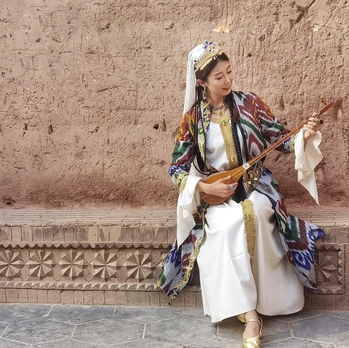
Photography tips: - Golden hour near dusk offers the best light—no filter needed - Costume rental and photography services: 399–599 RMB for traditional Uyghur attire - Western part of Old City: small cake shop sells large cream cake slices for just 5 RMB
Must-try foods in the eastern Old City: - Century-old teahouse - Kao baozi (baked stuffed buns) - Local ice cream - Gang zi rou (mutton stewed in a tin pot) - Grilled meat skewers
Evening: Id Kah Mosque
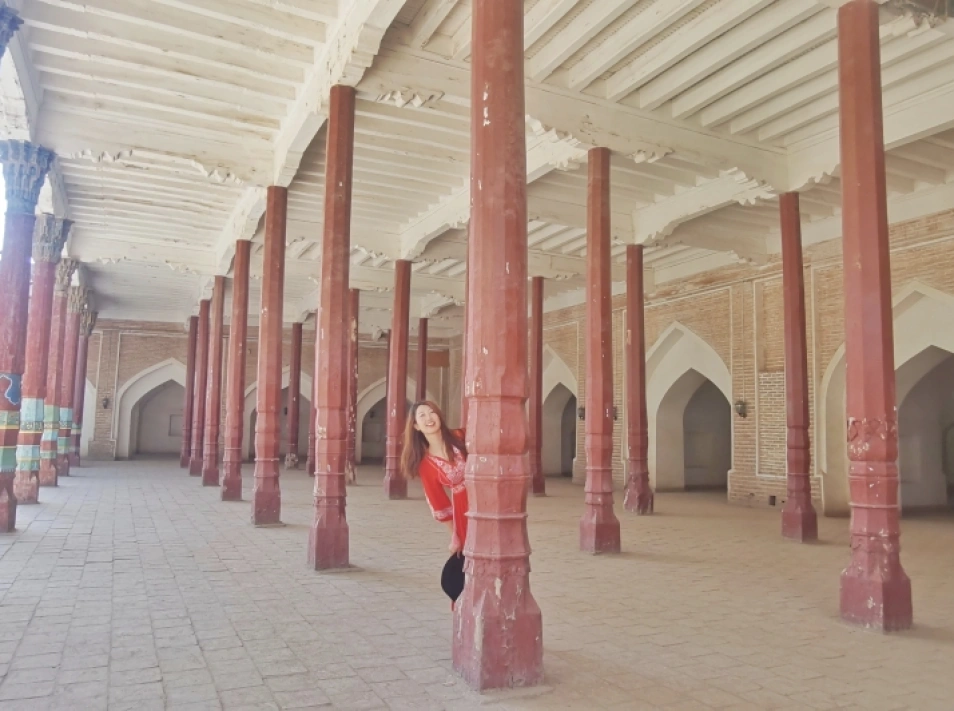
The Id Kah Mosque is Xinjiang's largest, first built in 1442, covering 16,800 square meters. A fascinating detail: the mosque has no axis of symmetry because a "holdout" household refused to relocate.
Visitor guidelines: - Dress modestly and maintain silence - Remove shoes before entering the prayer hall - No entry during prayer times (view from outside only) - Ticket: 45 RMB - The square outside is very lively at night—worth a stroll
Kashgar Grand Bazaar: A Local Shopping Paradise
In the afternoon, visit the Kashgar Grand Bazaar—a massive market where locals shop. Pick up a small Uyghur hat as a souvenir.
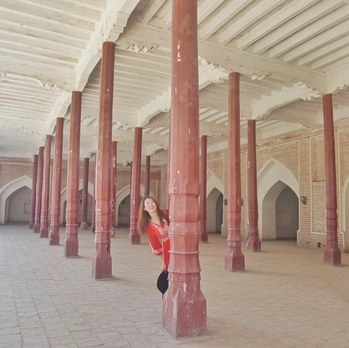
Smart shopping tips: - Vendors quote wildly inflated prices—bargain firmly - For nuts, buy on Taobao instead for better prices - Must-try: Kashgar figs (huge and incredibly sweet, available only here) - Pomegranates: 15 RMB
Internal linking suggestions: - [Link: Best Uyghur restaurants in Kashgar] - [Link: How to bargain at Xinjiang bazaars] - [Link: Kashgar Old City photography guide]
Day 2–12: The Full Southern Xinjiang Self-Drive Route
From Kashgar to the Pamir Plateau
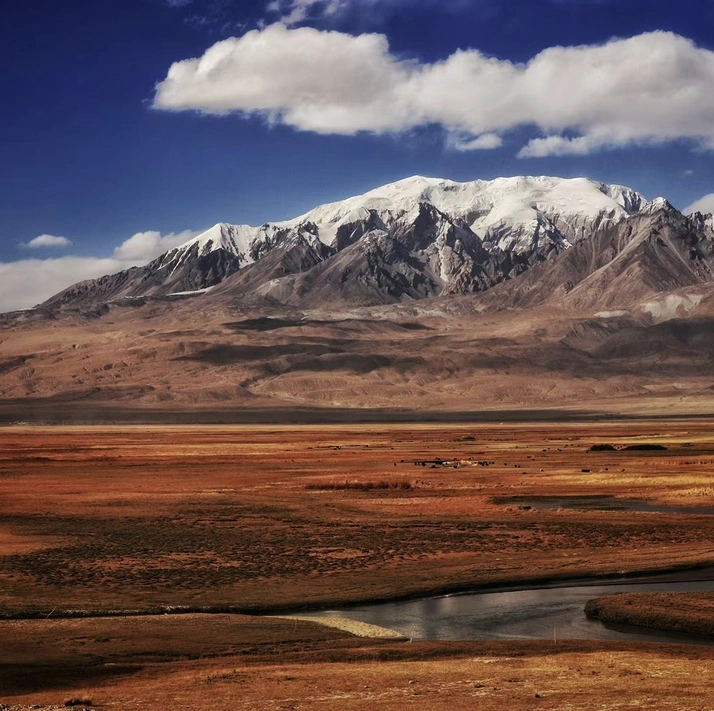
Your journey continues south toward the Pamir Plateau, the "Roof of the World." The Karakoram Highway offers stunning views of snow-capped peaks. Key stops:
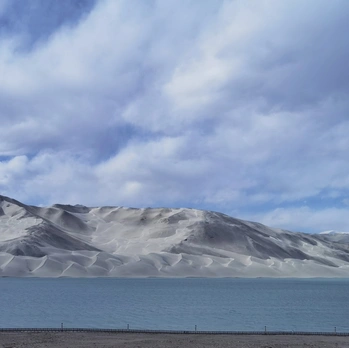
- Lake Karakul – Mirror-like waters reflecting Muztagh Ata
- Tashkurgan – Ancient Silk Road outpost at 3,200 meters
- Kunjerab Pass – China-Pakistan border (permit required)
Crossing the Taklamakan Desert
The Taklamakan Desert—"the place where you go in and never come out" in Uyghur—is China's largest desert. The desert highway offers surreal landscapes:
- Dunes changing color from golden to red at sunset
- Desert poplar forests (胡杨林) in autumn
- Ancient ruins of Silk Road cities buried in sand
Hotan: The Jade City
Hotan is famous for its jade and silk. Key experiences:
- Jade market – Watch locals pan for jade in the riverbed
- Silk workshop – See traditional silk weaving
- Hotan Museum – Artifacts from the ancient Kingdom of Khotan
Korla: The Final Destination
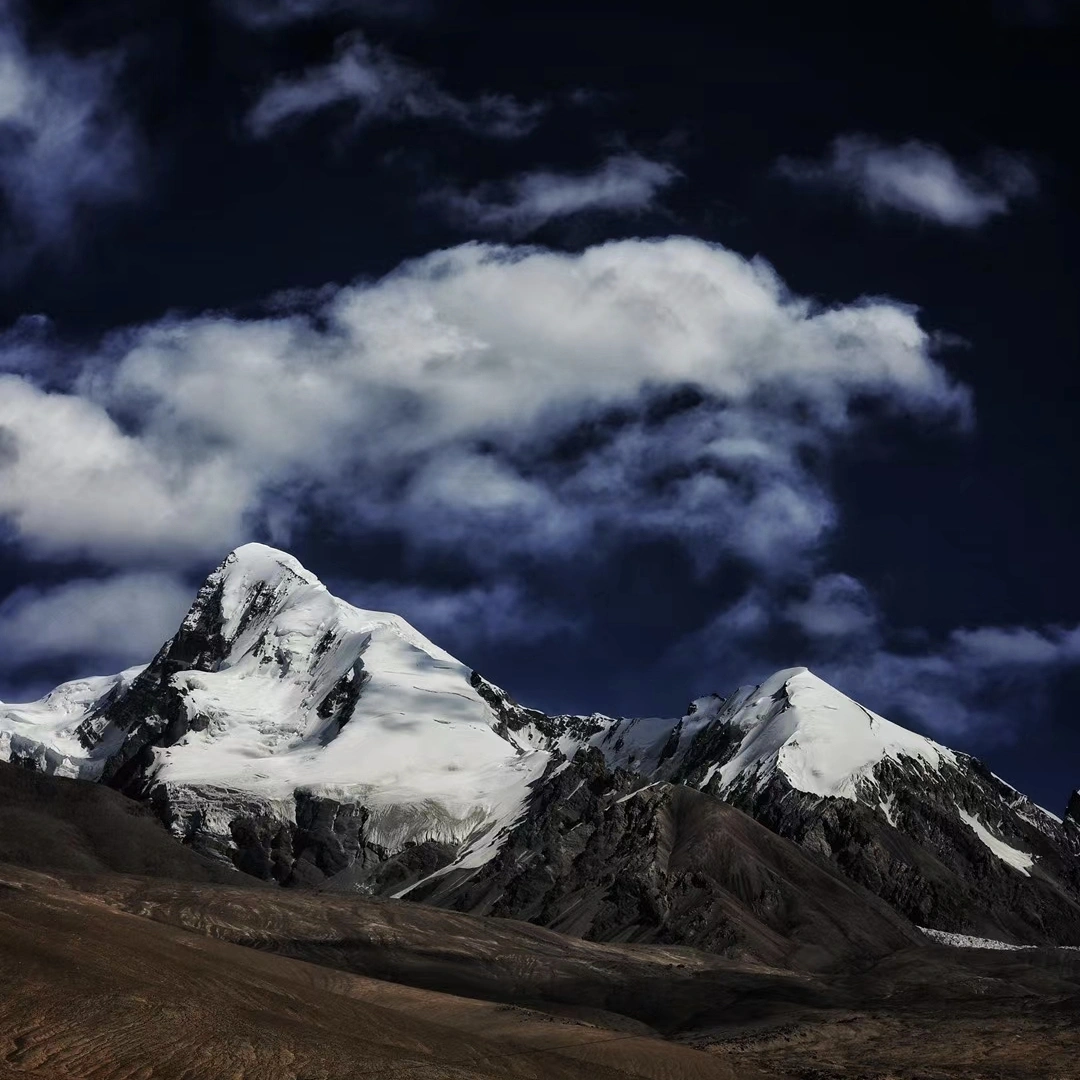
Your journey ends in Korla, the "Pearl of the Tarim Basin." Don't miss:
- Bosten Lake – China's largest inland freshwater lake
- Tiemen Pass – Strategic gorge on the Silk Road
- Lop Nur – The "Wandering Lake" (permit required)
FAQ: Your Southern Xinjiang Self-Drive Questions Answered
1. Is it safe to drive in Southern Xinjiang?
Absolutely. Major highways are well-maintained, and police checkpoints are frequent. However, avoid driving at night in remote areas. Carry your passport and driving permit at all times. [Link: Xinjiang road safety tips]
2. Do I need a special permit for the Pamir Plateau?
Yes. You need a Frontier Pass (边防证) for Tashkurgan and Kunjerab Pass. Apply at the Kashgar Public Security Bureau—it's free and takes about 30 minutes. [Link: How to get a Xinjiang Frontier Pass]
3. What's the best time for a Southern Xinjiang road trip?
September to October offers the best weather—pleasant temperatures, golden desert poplar forests, and fewer crowds. Spring (April–May) is also good but can be dusty. Summer is extremely hot in the desert. [Link: Best time to visit Xinjiang]
4. How much does a 12-day self-drive trip cost?

Budget estimate: - Car rental: 3,000–5,000 RMB (SUV recommended) - Fuel: 2,000–3,000 RMB - Accommodation: 200–500 RMB/night (mid-range) - Food: 100–200 RMB/day - Total: approximately 8,000–12,000 RMB per person
[Link: Southern Xinjiang travel budget guide]
5. Can I use my drone in Southern Xinjiang?
Yes, but with restrictions. Drones are allowed in most areas except near military zones and border checkpoints. Register your drone with local authorities. The Pamir Plateau and Taklamakan Desert offer spectacular aerial photography opportunities. [Link: Drone regulations in Xinjiang]
Final Thoughts: Why This Journey Matters

This 12-day self-drive cultural pilgrimage through Southern Xinjiang is more than a vacation—it's a journey through the crossroads of civilizations. You'll walk where Silk Road caravans once passed, taste flavors that blend Persian, Central Asian, and Chinese influences, and meet people whose hospitality will stay with you forever.
The vast frontier of Anxi isn't just a destination. It's a reminder that the most rewarding travels are those that challenge us, educate us, and transform us.
Your Next Step: Plan Your Southern Xinjiang Adventure
Ready to embark on this unforgettable journey? Here's your action plan:
- Book your flights to Kashgar (via Urumqi)
- Reserve your rental car (4WD SUV recommended)
- Apply for your Frontier Pass at least 2 weeks before departure
- Download offline maps (cell service is spotty in remote areas)
- Pack smart using our checklist above
Don't wait. The desert poplar forests are turning golden, the Pamir peaks are calling, and the ancient cities of the Silk Road are waiting for you.
[Book your Southern Xinjiang self-drive package now]
Have questions? Drop them in the comments below, or contact our travel specialists for personalized itinerary planning.
Keywords: Southern Xinjiang self-drive, Kashgar to Korla road trip, 12-day Xinjiang itinerary, Pamir Plateau travel guide, Taklamakan Desert driving, Tomb of the Fragrant Concubine, Kashgar Old City, Id Kah Mosque, Silk Road pilgrimage, Xinjiang cultural travel
Long-tail variations: Southern Xinjiang cultural pilgrimage itinerary, self-drive Southern Xinjiang tips, best time to visit Southern Xinjiang, Kashgar Old City photography spots, Pamir Plateau altitude sickness prevention
You should also read:
A Sweet Journey Through Beijing: The Hidden Philosophy of Desserts in Hutongs and Commercial Hubs
Meta Description: Discover Beijing's best dessert shops from hutongs to commercial hubs. Learn how location, aesthetics, and philosophy shape the city's sweet scene—and what entrepreneurs can learn from each. In Beijing, a city shaped by millennia of history, dessert has evolved far beyond a simple…
Continue reading...
170+ Beijing | A Complete Guide to Line 2: Unlocking a City's Soul Through 18 Stops
Meta Description: Discover Beijing's hidden stories through Line 2's 18 stops. From ancient city gates to modern landmarks, this SEO-optimized guide reveals the soul of China's capital. Perfect for travelers and locals alike. After living in Beijing for a while, you find yourself caught in…
Continue reading...
Glorious Beijing, Timeless City: A 7-Day In-Depth Journey Through Old Beijing – The Ultimate SEO-Optimized Travel Guide
Meta Description: Discover Beijing in 7 days with this SEO-optimized guide. From Forbidden City tours to hutong homestays, authentic Peking duck, and hidden gems. Perfect for first-time visitors planning a Beijing itinerary. Some encounters are simply destined to happen. In September 2016, as a Southern…
Continue reading...