There's a Kind of Travel Called the Slow Life in Vietnam: Finding Your Lost Self in the Cracks of Time
Meta Description: Discover Vietnam slow travel—a journey from Saigon to Phu Quoc Island and Hoi An. Escape the rush, embrace the "slow life," and find your lost self in this SEO-optimized travel guide. (157 characters)
Prologue: When Travel Stops Being a Race
Have you ever stood at a crossroads in life, suddenly tired of everything being arranged for you? Tired of the tour guide's whistle, tired of the assembly-line travel where you "sleep on the bus, take photos at the stops," and even more tired of that version of yourself that's always in a hurry, never catching your breath?

In January 2018, I made one of the most important decisions of my life: I threw off all the constraints of tour groups, shouldered my backpack, and set off for a country I had never set foot in—Vietnam—in my own way. This wasn't a whim of the moment; it was a long-planned "escape." From the biting cold of Shenyang to the rolling heat of Southeast Asia, from a one-hour time difference to the instant sensation of stepping into summer, I landed on this land that many had labeled "ugly, chaotic, and poor," with a heart full of both trepidation and anticipation.
But when I actually stood on the streets of Saigon, sat on a swing on Phu Quoc Island, and strolled under the bougainvillea in Hoi An Ancient Town, I realized—the world was never what I imagined it to be. And the truest version of Vietnam is something you have to experience for yourself: measure it with your feet, taste it with your tongue, and feel it with your heart.
This is what the Vietnam slow life truly means—not a checklist of sights, but a deep, unhurried immersion into a culture that teaches you to pause, breathe, and reconnect with yourself.
Why Vietnam? — A Slow Country That Defies Expectations
Before I left, I mentioned my Vietnam plans to a friend, who sneered: "That dump? What's there to do?" Honestly, I started with the same prejudice. After all, in most people's minds, Vietnam is just a backward, chaotic little Southeast Asian country. But as I traveled from south to north—from Ho Chi Minh City to Phu Quoc Island, then to Da Nang and Hoi An—every stop shattered my assumptions.
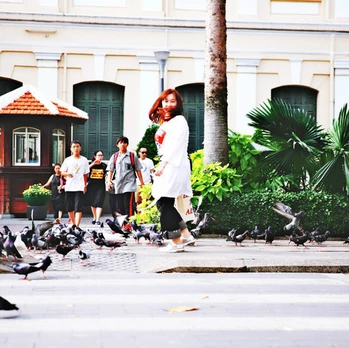
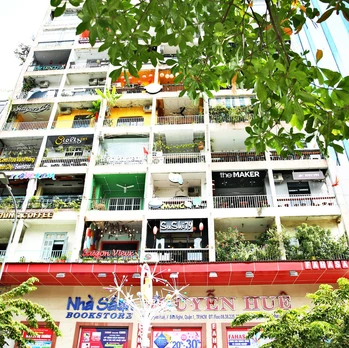
The moment I posted my location on social media, the comments exploded: "You must be in a fake Vietnam!" And yes, the French architecture here is more laid-back than in Paris, the beaches are more pristine than in the Maldives, the coffee is cheaper than in Italy, and the people are warmer than I ever imagined. Vietnam's beauty isn't the kind that makes you gasp in awe; it's like a drip coffee (cà phê phin)—you have to savor it slowly to taste its richness and lingering sweetness.
Some call Vietnam the "Little Paris of the East." Others call it a "backpacker's paradise." But for me, Vietnam was more like a remedy—it cured my anxiety and healed my rush. Here, time seems to stretch, and every minute feels worth wasting on something beautiful. This is the essence of slow travel in Vietnam: letting go of the clock and embracing the moment.
[Link: Best time to visit Vietnam for slow travel]
Travel Companions: More Important Than the Scenery
They say travel is the ultimate test of friendship. Travel with the right person, and you'll either come back as best friends or never speak again. Lucky for me, my friend Hong and his wife fell into the former category—we shared the same sense of fun, similar values, clear roles, and had an absolute blast together.
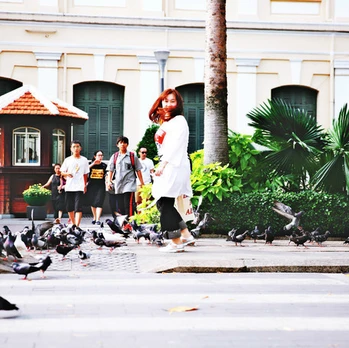
You know how hard it is to find a travel buddy who can drop everything and go? Those with money have no time; those with time have no money; and those with both have no interest in travel. The three of us had established our默契 (unspoken understanding) during a trip to Shandong in 2017, but it took years to finally make this Vietnam trip happen. And every moment of waiting was worth it—when we were bobbing our heads to music in a bar on Pham Ngu Lao Street, swinging on the beach in Phu Quoc, or setting up a portable grill on the shores of Da Nang to cook Northeastern-style barbecue, the joy was something no scenery could replace.
If you're planning a Vietnam solo travel trip, consider finding a like-minded companion—or embrace the solitude. Either way, the slow life here welcomes you.
[Link: How to find travel buddies for Vietnam]
Itinerary Planning: The Essence of Travel Is Not Rushing
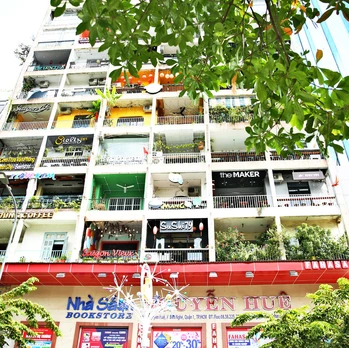
Vietnam's geography is long and narrow, with over 2,000 kilometers of coastline. To explore it from south to north, you'd need at least two weeks. But our vacation was limited—just 10 days and 9 nights. After careful consideration, we abandoned the greedy "one city per day" plan and settled on four destinations: Ho Chi Minh City, Phu Quoc Island, Da Nang, and Hoi An.
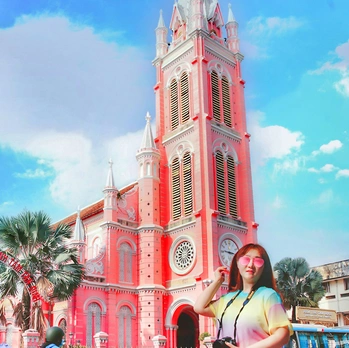
Why skip Mui Ne, Da Lat, and Nha Trang? Because I didn't want to spend my precious vacation stuck on the road. We weren't on a shoestring budget, nor were we splurging—we just followed our whims, planning our trip in vacation mode with the most relaxed pace. Find a beautiful spot, seek out a unique little shop, sip tea, read a book, or just daydream—the essence of travel is meant to be savored slowly. To borrow a line from a movie: "Some things don't have to be done all at once. We're not in a hurry."
This approach—Vietnam off the beaten path—allowed us to truly connect with each place rather than just passing through.
[Link: Vietnam 10-day itinerary for slow travelers]
Ho Chi Minh City: The Eastern Paris That Never Sleeps
Ho Chi Minh City—many still prefer to call it "Saigon." It was the most captivating city on our entire trip, dripping with a petty-bourgeois charm. As Vietnam's largest city, it's not the capital, but back in the 1960s, it was already a famously developed metropolis in the Far East. This is the setting for the film The Lover and one of the most beloved destinations for Western backpackers.
Our flight from Shanghai to Ho Chi Minh City had perfect timing—no early wake-ups, no late nights. But that night, I was too excited to sleep. As the plane descended, the first glimpse of Saigon through the clouds looked like an oil painting unfolding. Stepping out of the airport, the long-lost tropical air hit me—that instant transition from winter to summer pulled me straight into the city.
We stayed at a homestay near the Saigon Zoo and Botanical Gardens. I chose a homestay over a hotel because I wanted to escape the coldness and loneliness of a hotel room, chat with the host, and live like a local—as if I were coming home. It turned out to be the right call. The location was perfect: a 15-minute walk took us to all the major attractions—Saigon City Hall, the Central Post Office, the Notre-Dame Cathedral Basilica of Saigon... each one exuding the nostalgic air of French colonial times.
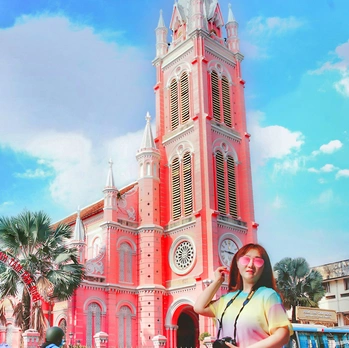
In Ho Chi Minh City, you absolutely must try the street-side bánh mì (Vietnamese baguette sandwich). The auntie selling them at the corner of our alley would smile at us every time she saw us, and her warmth reminded me of my grandmother. Her hands moved with practiced skill, assembling a bánh mì filled with egg, sausage, and lettuce in minutes. This creative twist was not unlike our Chinese shǒu zhuā bǐng (hand-grabbed pancake).
When night fell, Pham Ngu Lao Street became the soul of Saigon. Its vibrant energy is well-known to every traveler. Bars, cafés, and travel agencies lined the streets, with rows of plastic tables and chairs set up on the sidewalk. Customers sat facing the street, and those walking and those sitting became each other's scenery. We picked a quieter bar, ordered a glass of iced Coke, and followed the beats of a female DJ, mimicking TikTok dance moves and just letting loose... That sense of freedom was more intoxicating than any alcohol.
The most unforgettable night was when Vietnam's U-23 national team made history by advancing to the Asian Cup final. At 11 p.m. local time, the entire city erupted in celebration. Waves of motorbikes flooded the streets, cheers and shouts deafening. We stood on the curb, stunned by the spectacle. In that moment, I felt the Vietnamese people's passion for football—and the raw vitality of this country.
[Link: Top things to do in Ho Chi Minh City]
Phu Quoc Island: Finding a Starry Beach
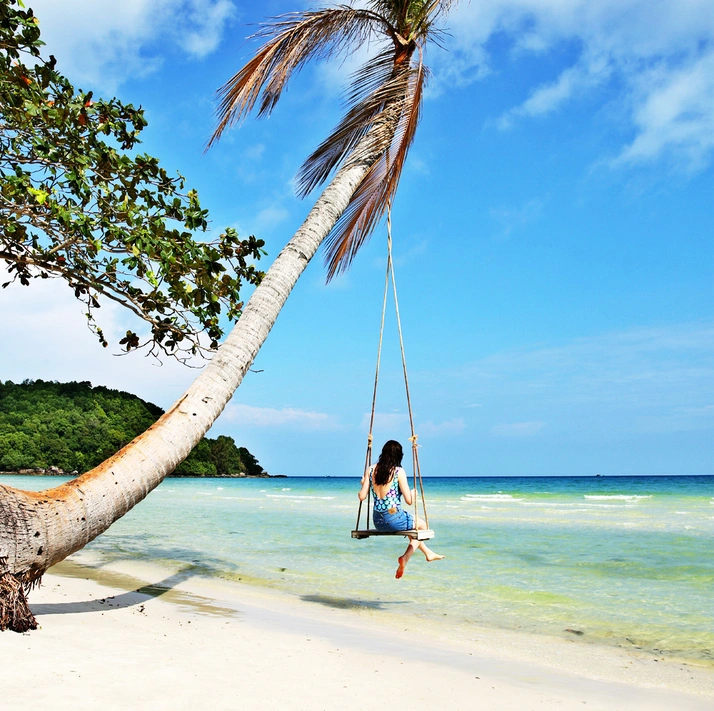
Phu Quoc Island is Vietnam's largest island, often called the "Pearl Island." It offers visa-free entry for Chinese citizens. As an emerging island destination, it still retains its pristine natural beauty with few tourists. Many hotels are under construction, and it's likely to become widely known in the next few years. But before it blows up, you have to go.
We visited Bai Sao Beach (Sao Beach), widely considered the best beach on Phu Quoc. The water was clear, the sand white, and palm trees, swings, and coconuts were everywhere. A single snap could yield a stunning photo. I sat on a swing, gazing at the deep blue horizon, and felt a peace I hadn't known in years. This is the Vietnam hidden gems you read about—places where time slows to a crawl.
[Link: Phu Quoc Island travel guide]
Da Nang and Hoi An: Where History Meets the Sea
Da Nang is a modern coastal city, but its real charm lies just 30 minutes away: Hoi An Ancient Town. This UNESCO World Heritage site is a living museum of Vietnamese, Chinese, Japanese, and French influences. We spent an afternoon wandering its lantern-lit streets, stopping for a bowl of cao lầu (a local noodle dish) and listening to the gentle strumming of a street musician.
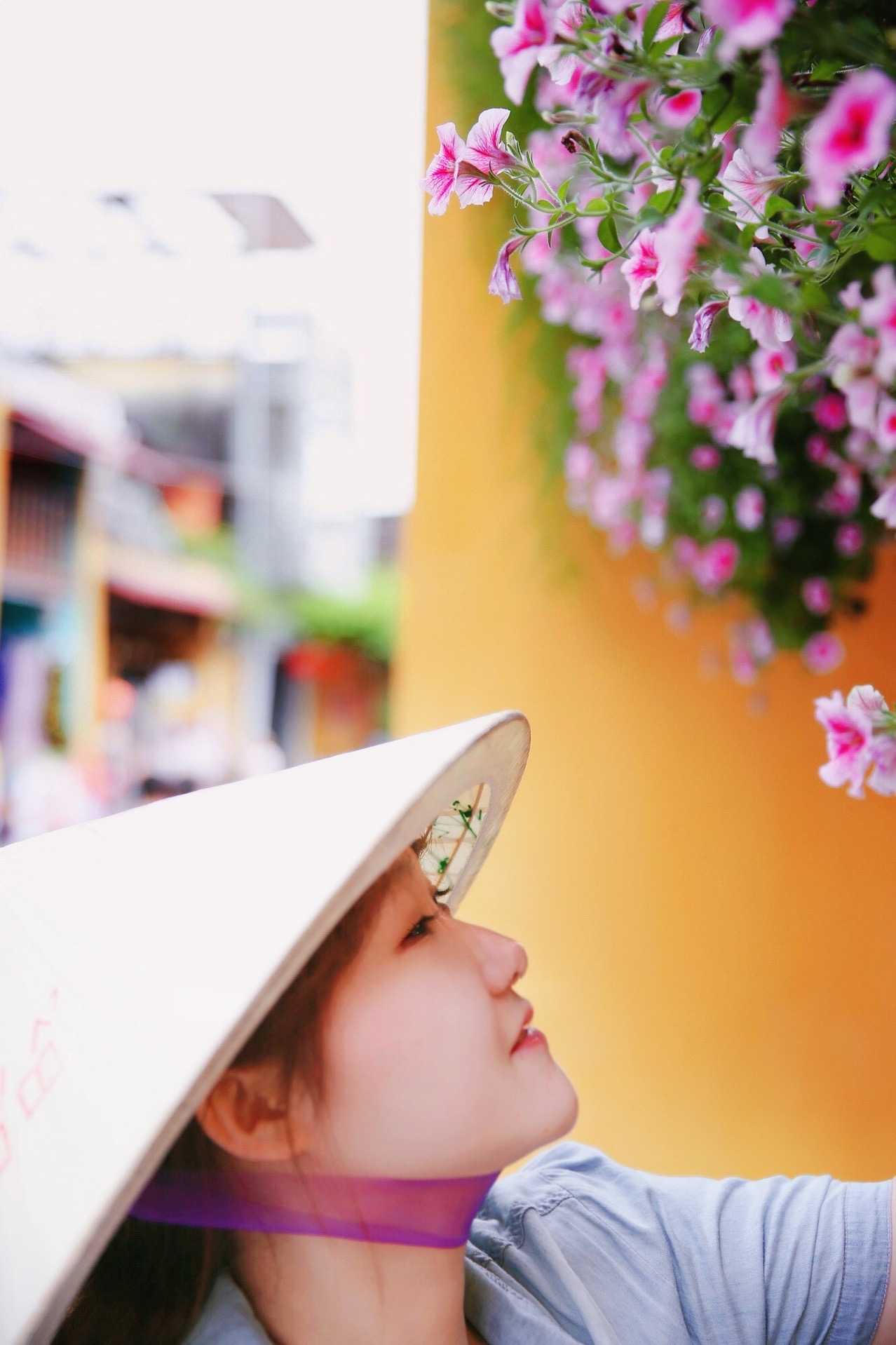
The slow life here is tangible. Locals cycle past on vintage bikes, merchants smile without pushing sales, and the Thu Bon River flows quietly by. It's a place where you can easily lose track of time—and find yourself in the process.
[Link: Hoi An travel tips for first-timers]
FAQ: Vietnam Slow Travel
Q1: What is the best time for slow travel in Vietnam? A: The dry season (November to April) is ideal for most regions. For Phu Quoc, December to March offers the best weather. Avoid the rainy season (May to October) for beach-focused trips.
Q2: How many days do I need for a slow travel Vietnam itinerary? A: At least 10–14 days. A 10-day trip covering Ho Chi Minh City, Phu Quoc, Da Nang, and Hoi An is perfect for a relaxed pace. For a deeper immersion, 2–3 weeks allows you to include lesser-known destinations like Da Lat or Mui Ne.
Q3: Is Vietnam safe for solo travelers? A: Yes, Vietnam is generally safe for solo travelers, especially women. Petty theft can occur in crowded areas, but violent crime is rare. Use common sense, avoid walking alone late at night, and keep valuables secure.
Q4: What should I pack for a slow travel trip to Vietnam? A: Lightweight clothing, comfortable walking shoes, a rain jacket, sunscreen, insect repellent, and a reusable water bottle. For Phu Quoc, pack swimwear and a beach cover-up. A power bank is useful for long days out.
Q5: How much does a slow travel Vietnam trip cost? A: Budget travelers can manage on $30–50 per day, mid-range travelers $60–100, and luxury travelers $150+. Homestays and street food keep costs low, while flights and island hopping add up.
Conclusion: Your Slow Life Awaits
Vietnam isn't just a destination—it's a state of mind. It teaches you that the best travel isn't about checking off landmarks, but about losing yourself in the cracks of time. Whether you're sipping cà phê phin in a Saigon alley, swinging on a Phu Quoc beach, or cycling through Hoi An's lantern-lit streets, the Vietnam slow life offers a remedy for the rushed soul.

So, are you ready to escape the race? Pack your backpack, leave your itinerary loose, and let Vietnam heal your hurry. Your lost self is waiting—in the quiet moments, the warm smiles, and the endless summer.
Book your flight today. The slow life begins now.
[Link: Vietnam travel resources and booking tips]
You should also read:
Four Days, Three Nights in Beijing: A Super Practical Self-Guided Travel Guide (Including Food, Stay, and Transport Tips)
Here is the SEO-optimized, rewritten version of your article, structured for maximum search visibility and reader engagement. SEO Title: 4 Days 3 Nights in Beijing: The Ultimate Self-Guided Travel Guide (Food, Stay & Transport) Meta Description (160 chars): Plan the perfect 4-day Beijing itinerary. From…
Continue reading...
A Spontaneous Escape Through Tianjin, Beijing, and Shandong: An Unforgettable Solo Travel Adventure
Meta Description: Discover the raw beauty of a spontaneous solo journey through Tianjin, Beijing, and Shandong. From Quanjude roast duck to Tanggu night views, read this heartfelt travelogue of escape and self-discovery. The July wind carried restlessness and unease. After abruptly ending a ten-day job…
Continue reading...
A Passionate Journey Through Beijing & Tianjin: Beijing Complete Guide – JOJO's In-Depth Travel Notes
Meta Description: Explore Beijing & Tianjin in 5 days with this complete travel guide. From the Forbidden City to the Great Wall, discover insider tips, transportation hacks, and must-see attractions. Plan your perfect China trip today. Beijing is not just a city—it's a living museum…
Continue reading...