Through Six Hundred Years of Time: Exploring Beijing's Imperial Ancestral Temple, China's Most Complete Royal Ancestral Worship Sanctuary
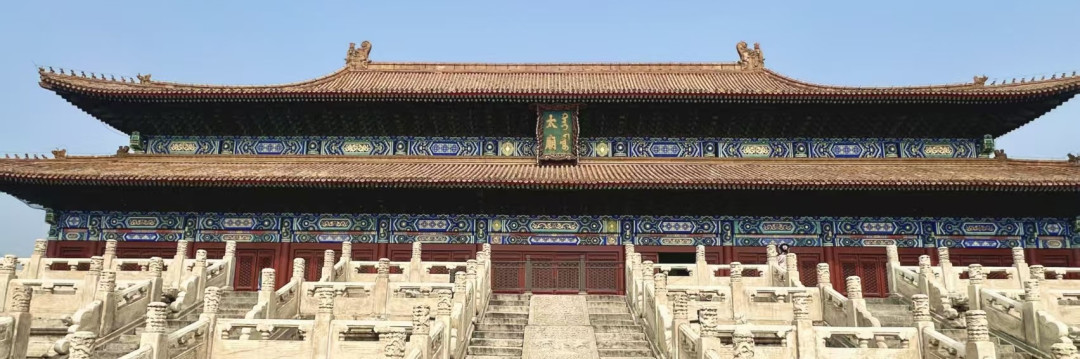
Meta Description: Discover Beijing's Imperial Ancestral Temple (Tai Miao), a UNESCO World Heritage site on the Central Axis. Explore 600 years of Ming and Qing dynasty royal ancestral worship, golden nanmu halls, and the Five-Color Glazed Gate. Plan your visit today.
Introduction: A Sacred Sanctuary on Beijing's Central Axis
East of Tiananmen, behind red walls and ancient cypress trees, lies one of Beijing's most profound cultural treasures—the Imperial Ancestral Temple (Tai Miao) . For over six centuries, this sacred site served as the holy sanctuary where Ming and Qing emperors performed grand ancestral worship ceremonies. Today, as the most complete and largest surviving royal ancestral worship complex in China, it stands as an unmissable landmark on Beijing's Central Axis, a UNESCO World Heritage site.
Whether you're a history enthusiast, architecture lover, or cultural traveler, the Imperial Ancestral Temple offers a rare glimpse into China's feudal dynastic rituals, architectural brilliance, and the timeless principle of "revering heaven and honoring ancestors." Let us step into this solemn and majestic sanctuary to feel the weight of history and the awe-inspiring power of its architecture.
From Imperial Forbidden Ground to People's Cultural Palace
The Birth of an Imperial Sanctuary (1420)
The Imperial Ancestral Temple was first built in the 18th year of the Yongle reign of the Ming Dynasty (1420), completed simultaneously with the Forbidden City. Its location follows the ancient urban planning principle of "ancestral temple on the left, altar of land and grain on the right" as prescribed in the Rites of Zhou (Zhou Li). This placed the temple in symmetrical harmony with the Altar of Land and Grain (Sheji Tan) to the west—a physical embodiment of the feudal dynastic spirit.
Throughout the Ming and Qing dynasties, this was the core venue for emperors to perform grand ancestral worship ceremonies. The temple's layout and rituals reinforced the emperor's role as the intermediary between heaven, earth, and his ancestors—a cornerstone of Chinese imperial ideology.
A Modern Transformation

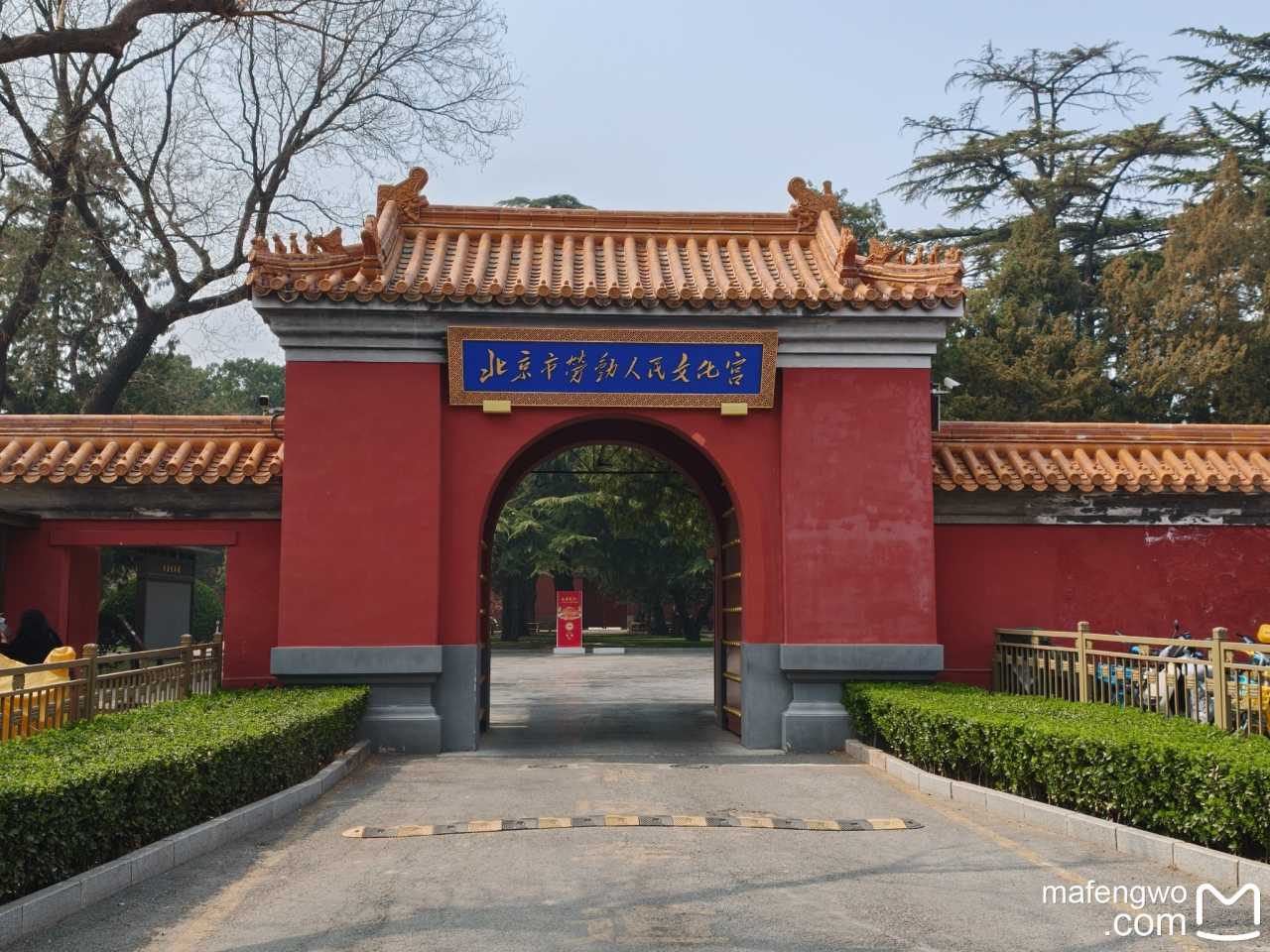
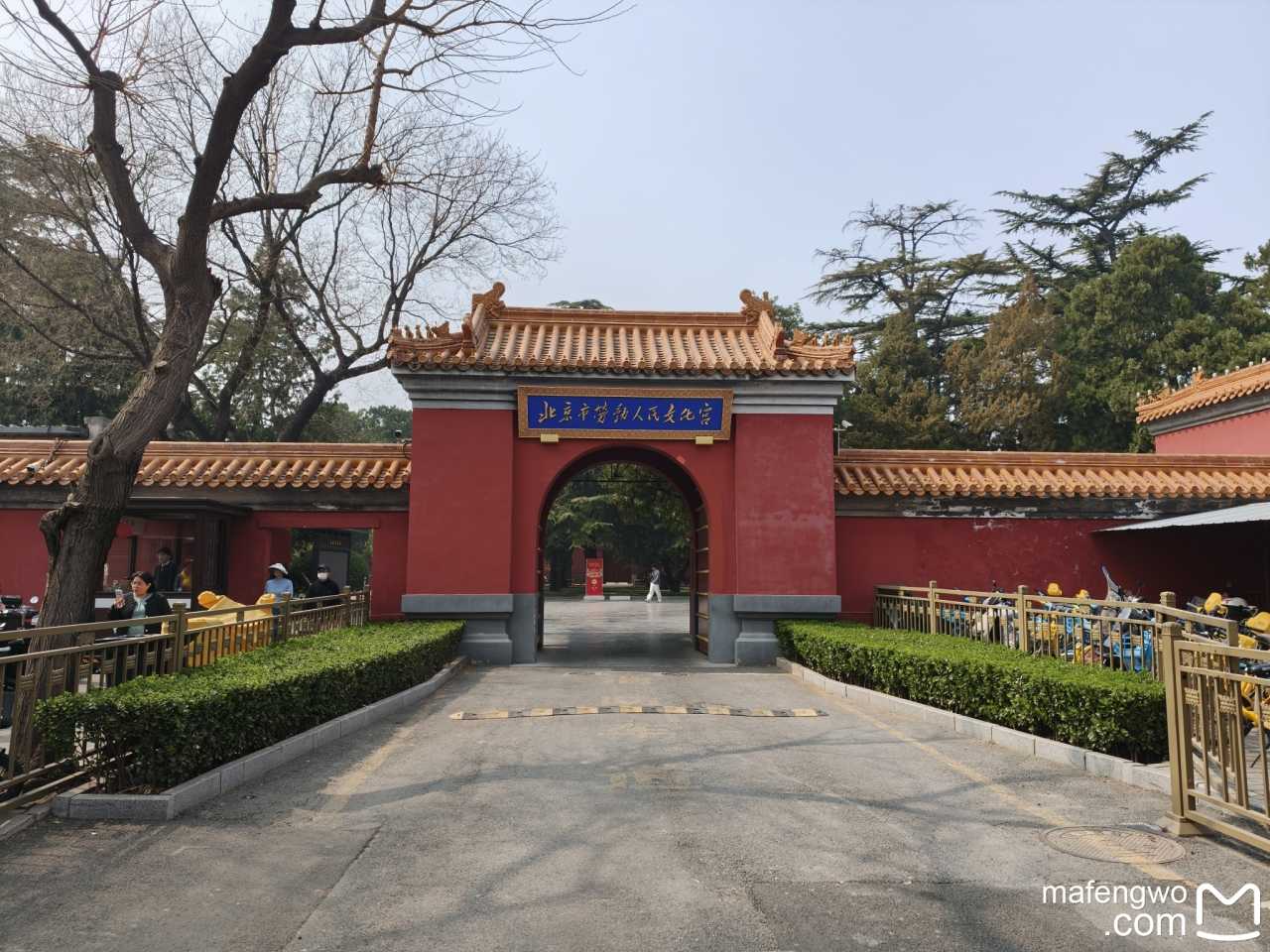
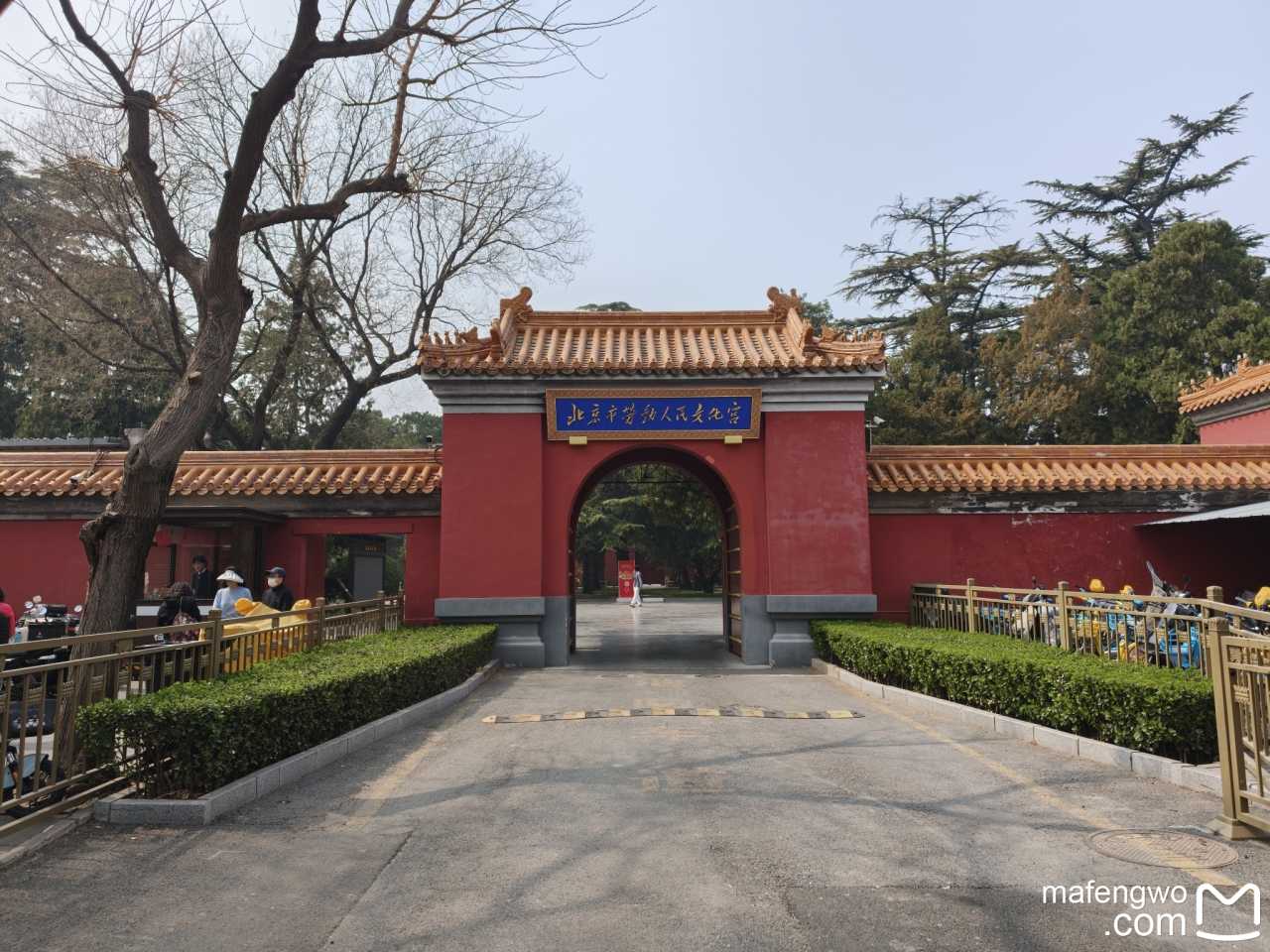
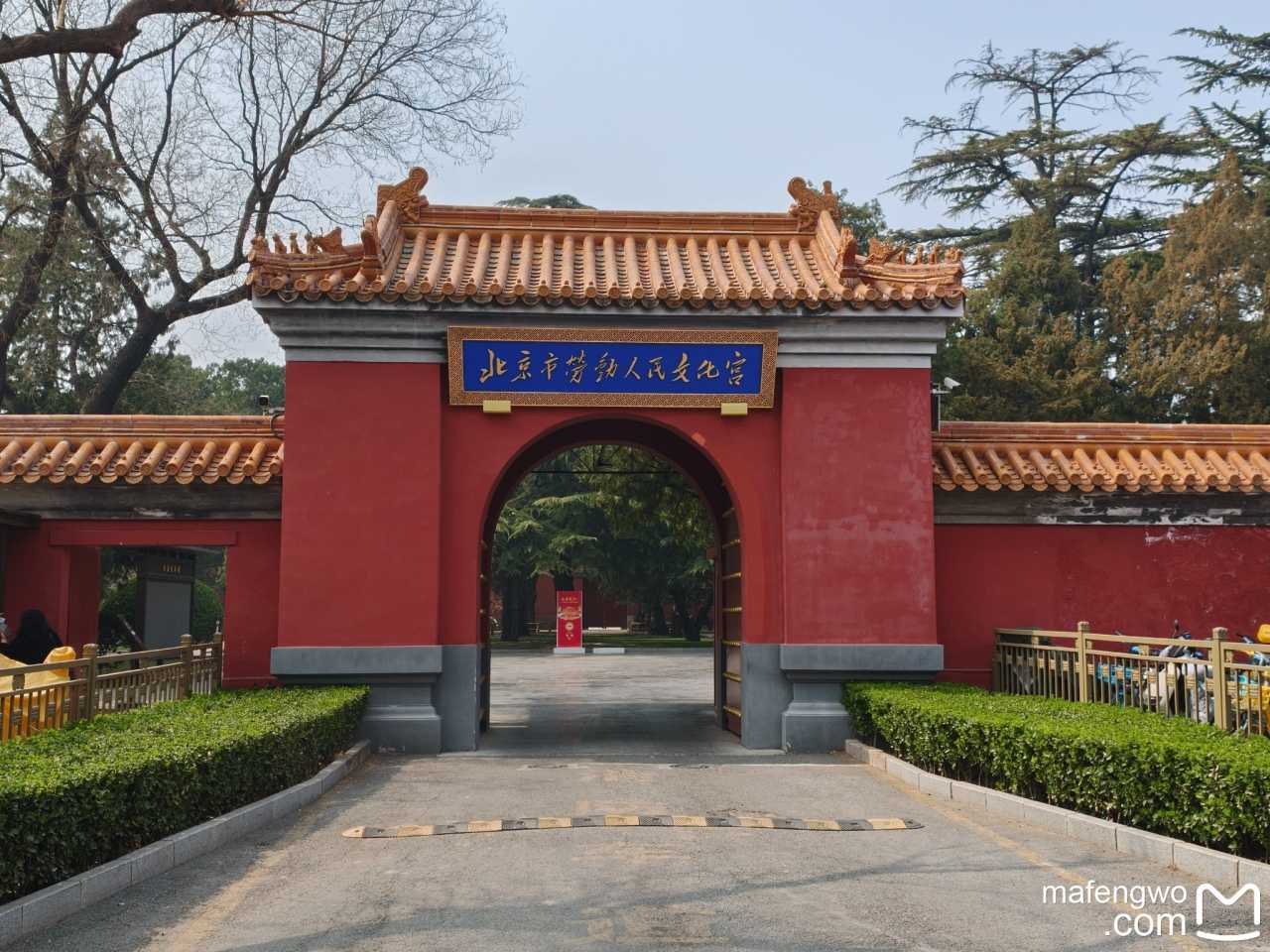
In 1924, the temple was briefly converted into Peace Park. On May 1, 1950, it was officially renamed the Beijing Working People's Cultural Palace and opened to the public. In 1988, it was designated a National Key Cultural Relic Protection Unit, and today it forms an integral part of the UNESCO World Heritage site of Beijing's Central Axis. This transformation has turned a once-forbidden imperial sanctuary into a cultural heritage site where ordinary citizens can now pause, admire, and connect with history.
Three Layers of Walls: A Ritual Space of Gradual Ascent
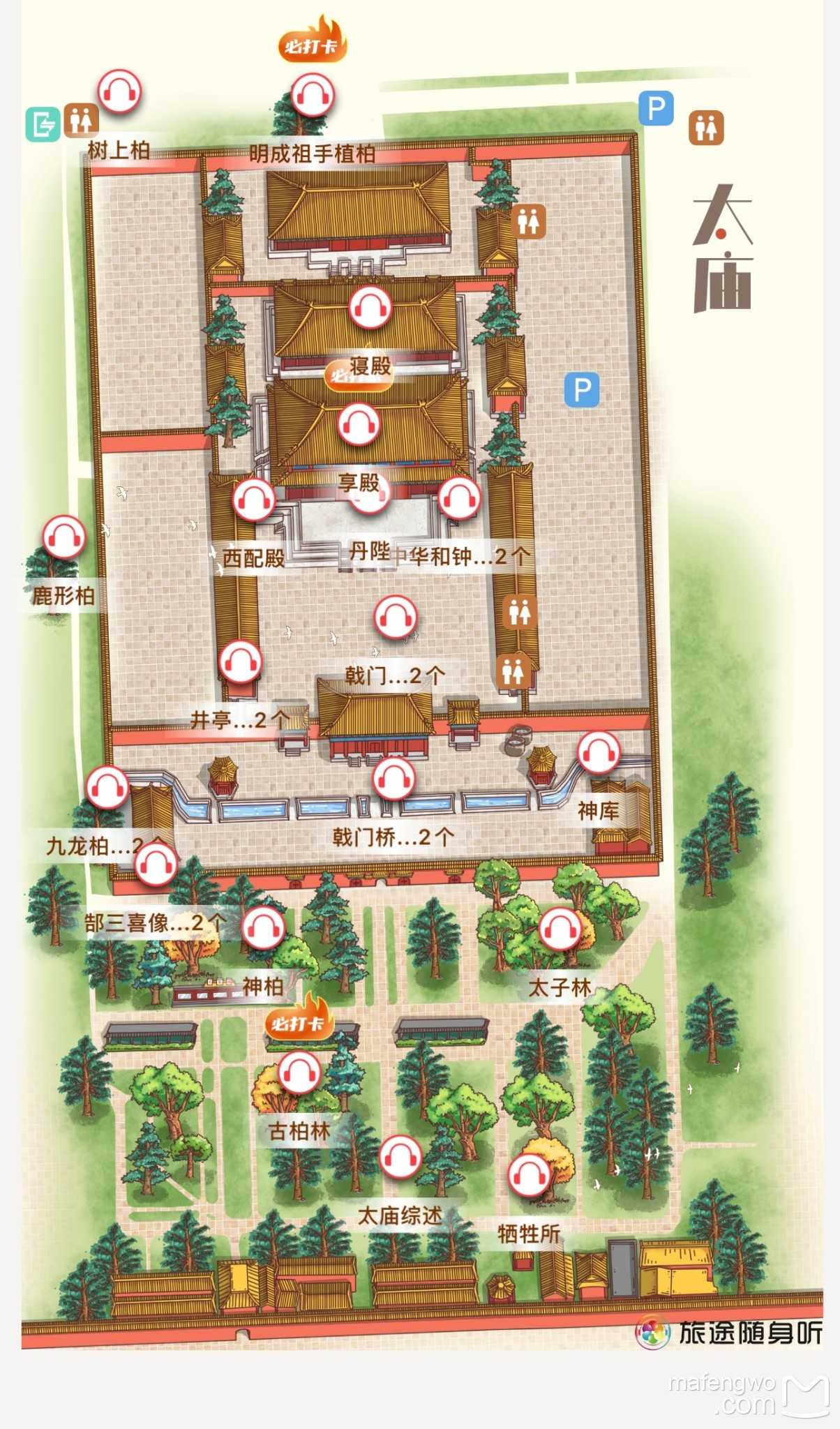
Covering approximately 197,000 square meters, the Imperial Ancestral Temple is rectangular in shape—475 meters from north to south and 294 meters from east to west—enclosed by three layers of red walls. As you enter, you'll notice the architectural layout follows a strict central axis symmetry, progressing layer by layer from south to north, creating a solemn and reverent atmosphere for worship.
The Five-Color Glazed Gate: A Perfect Union of Ritual and Aesthetics
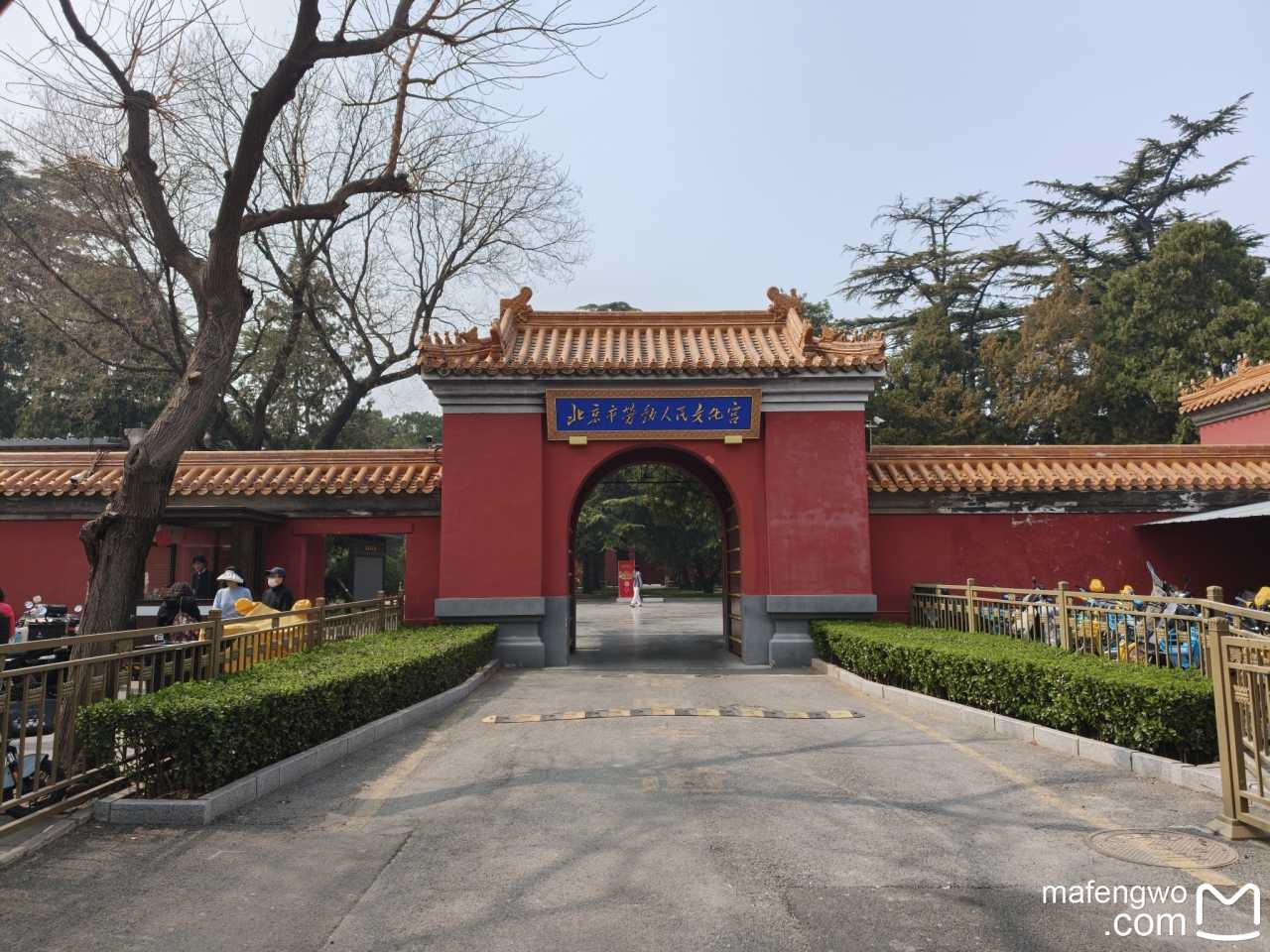
Passing through the southern gate, the first structure to catch your eye is the Five-Color Glazed Gate (Wu Cai Liu Li Men) . This ceremonial main gate, originally built during the Yongle reign of the Ming Dynasty, is embedded in the second red wall and serves as the key portal to the core worship area.
The gate features a roof of yellow and green glazed tiles, with yellow and green glazed dougong (interlocking brackets) and hanging lotus pillars beneath the eaves. The base is a white marble sumeru pedestal, rich in color yet dignified. Its five-bay, three-door configuration not only displays imperial grandeur but also strictly delineates the passage hierarchy for individuals of different ranks—a physical manifestation of feudal order.
[Link: Forbidden City architecture guide]
The Halberd Gate Bridge: A "Jade Belt Bridge" of Strict Hierarchy
Beyond the Five-Color Glazed Gate lies the Halberd Gate Bridge (Ji Men Qiao) , also known as the Jade Belt Bridge. Seven single-arch white marble bridges span the Jade Belt River, shaped like a jade belt and crafted with exquisite skill. What is most astonishing is that these seven bridges strictly define the hierarchy of passage:
- Central imperial bridge – reserved exclusively for the emperor during worship ceremonies
- Flanking prince bridges – for imperial princes and commandery princes
- Official bridges – for civil and military officials according to their rank
- Outermost bridges – for ordinary attendants
A single set of bridges carves the feudal order of rank and status into every architectural detail—a powerful reminder of the rigid social structures that governed imperial China.
The Halberd Gate: Witness to Ceremonial Majesty
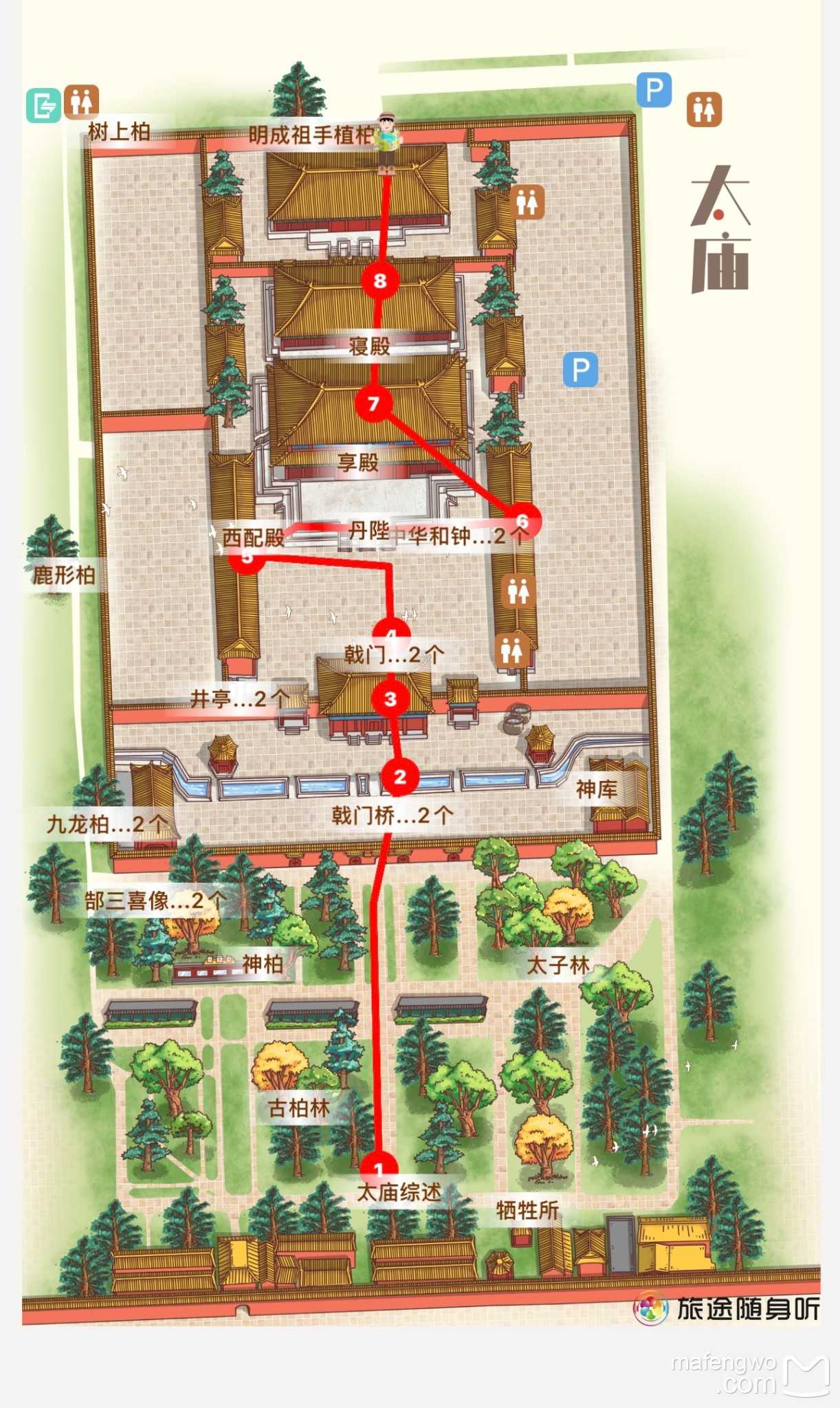
Crossing the Halberd Gate Bridge brings you to the ceremonial main gate of the temple—the Halberd Gate (Ji Men) . This five-bay-wide structure, topped with a single-eave hip roof of yellow glazed tiles, sits on a white marble sumeru pedestal base, exuding grandeur.
The gate takes its name from the 120 gilded iron halberds originally displayed inside and outside—ceremonial weapons symbolizing the highest level of imperial ancestral temple authority. Sadly, in 1900, during the invasion of the Eight-Nation Alliance, these precious halberds were looted and are now lost. Outside the eastern bay stands a small golden pavilion, used exclusively by the emperor for changing clothes and washing before worship.
The Three Main Halls: The Core of the Worship System
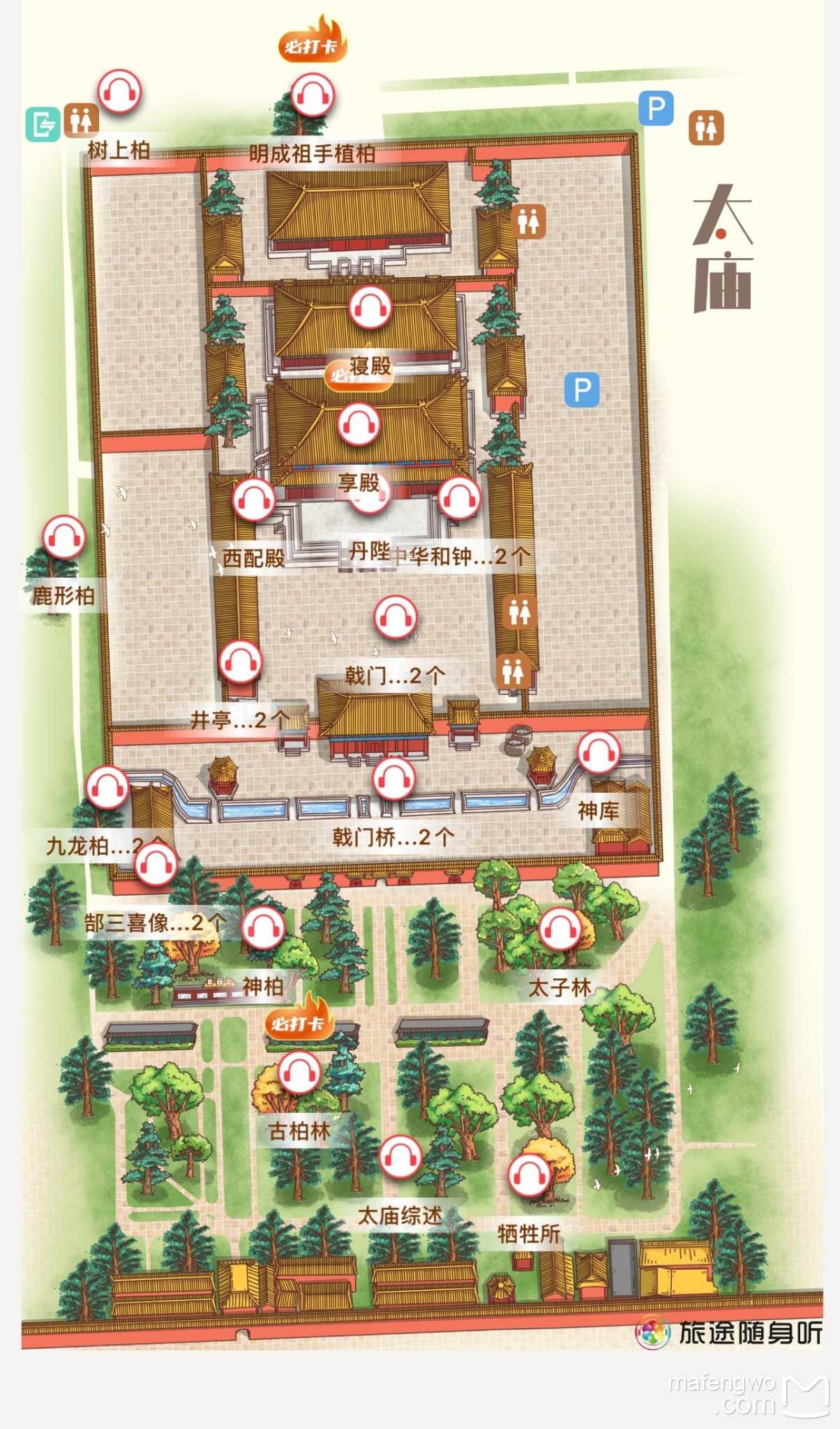
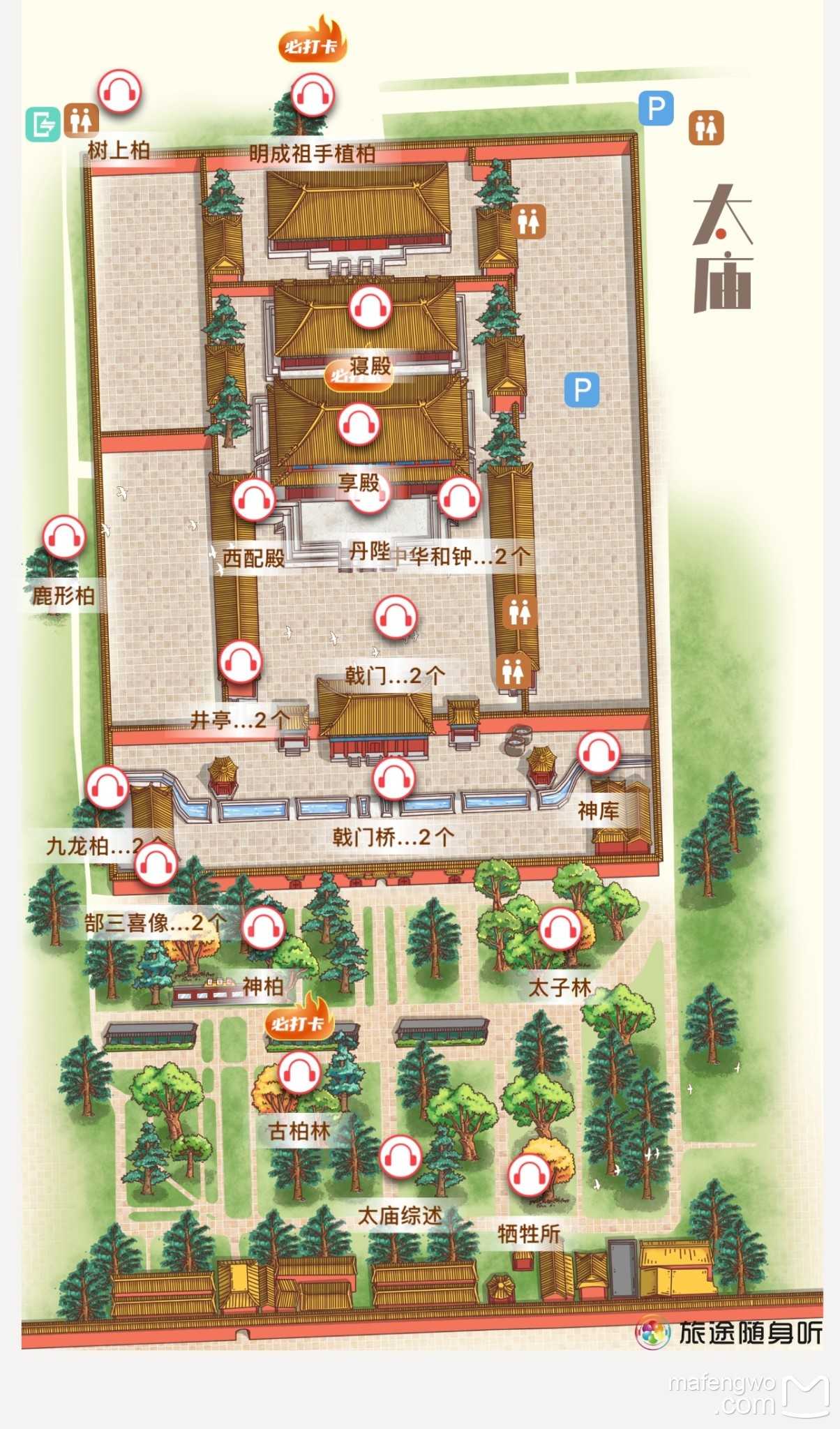
The main buildings of the Imperial Ancestral Temple consist of three great halls—the Enjoyment Hall (Xiang Dian, front hall) , the Bedchamber Hall (Qin Dian, middle hall) , and the Transcendence Hall (Tiao Miao, rear hall) —which together form a complete functional system for ancestral worship.
The Enjoyment Hall: A Supreme Hall of Golden Nanmu
The Enjoyment Hall is the core building of the temple and the main venue for grand worship ceremonies. With a width of eleven bays and a double-eave hip roof, its specifications match those of the Hall of Supreme Harmony (Tai He Dian) in the Forbidden City, embodying the ritual principle that "honoring ancestors ranks above the current court."
What is most breathtaking is that the hall contains 68 giant pillars of golden nanmu (Phoebe zhennan) , all original structures from the Yongle reign. The tallest reaches 13.32 meters, with a maximum base diameter of about 1.23 meters. These golden nanmu trees were sourced from the deep forests of Sichuan and Guizhou provinces, taking over a thousand years to mature. They naturally emit a faint fragrance, resist rot and insects, and are truly "imperial wood." By comparison, the golden nanmu pillars in the Hall of Supreme Harmony have been replaced multiple times due to rebuilding, so their quantity is far less than that in the Enjoyment Hall.
The Enjoyment Hall sits on a 3.46-meter-high three-tier white marble sumeru pedestal base, identical in specification to the base of the Hall of Supreme Harmony. The imperial path relief at the center of the terrace is a pinnacle of Ming Dynasty palace stone carving: three white marble slabs form a three-tier high relief. From top to bottom, the carvings depict:
- Two dragons playing with a pearl (the heavenly realm)
- Lions frolicking with a brocade ball (the human world)
- Ocean waves with cliffs (the unification of the four seas)
These carvings symbolize eternal imperial power and heaven-bestowed sovereignty. The technique employs high relief combined with three-dimensional carving—the dragon scales, lion manes, and wave textures are crisp and layered, leaving viewers in awe.
At the center of the hall sits the "China Harmony Chime Bells" (Zhong Hua He Zhong) , a modern masterpiece designed for the new millennium, inspired by the Marquis Yi of Zeng chime bells. The frame stands 3.8 meters high and 21 meters wide, with a total weight of 17 tons. Its three tiers contain 108 bells, symbolizing 56 ethnic groups, 31 provinces and autonomous regions, plus Hong Kong, Macau, and Taiwan, as well as 16 historical periods. The central large bell weighs 320 kilograms and bears the gilded inscription "China Harmony Chime Bells, Preserved for Ten Thousand Years." It is the world's largest stage-performing double-tone chime bell set and has been listed in the Guinness World Records.
[Link: Hall of Supreme Harmony comparison]
The Bedchamber Hall: The Daily Abode of Imperial Spirit Tablets
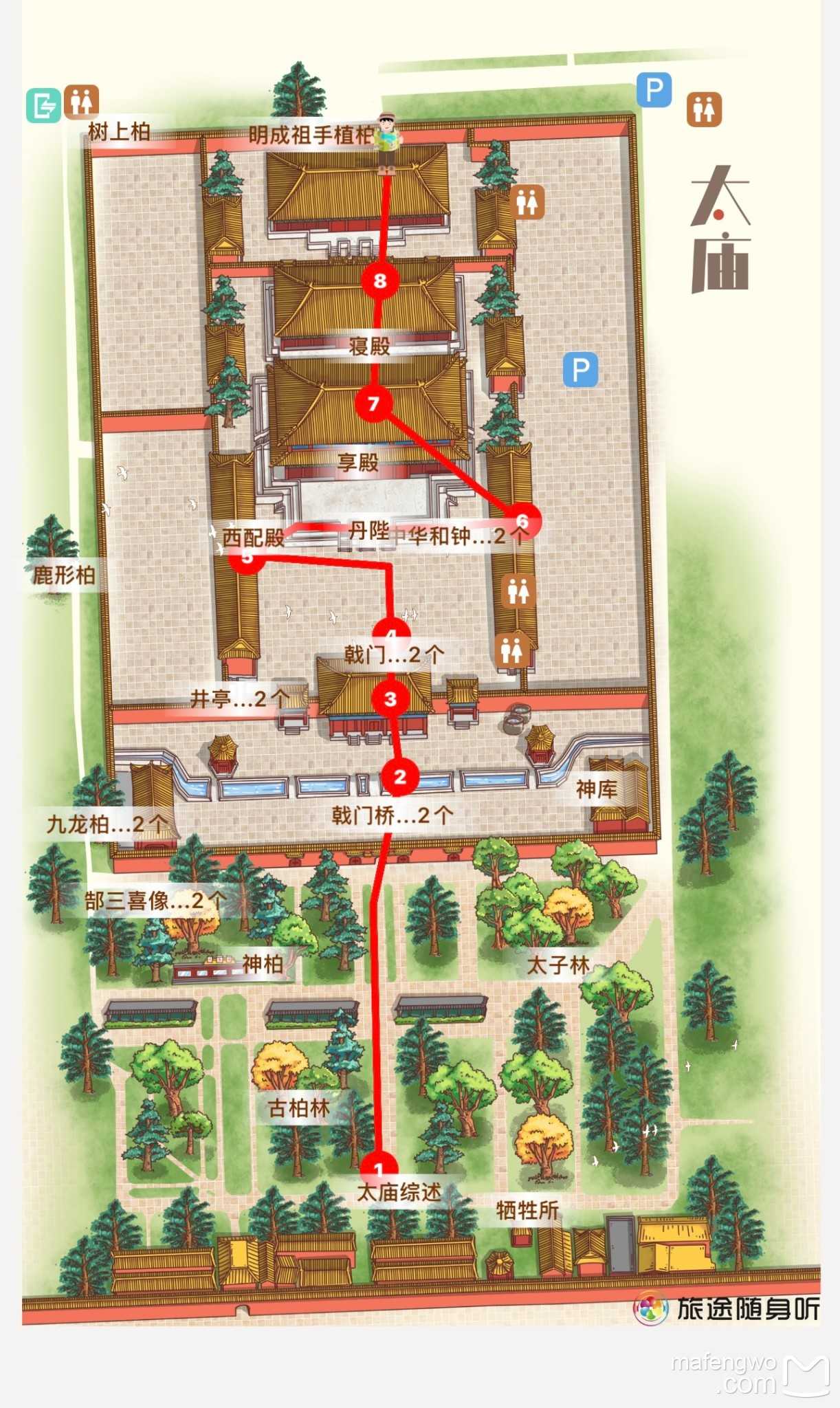
Located north of the Enjoyment Hall, the Bedchamber Hall is nine bays wide with a single-eave hip roof of yellow glazed tiles, second only in rank to the Enjoyment Hall. Here, the spirit tablets of successive emperors and empresses were housed—the daily abode where ancestral spirits were honored between major ceremonies.
The hall's design reflects its function: while the Enjoyment Hall was for grand public rituals, the Bedchamber Hall was a more intimate space for daily offerings and prayers. Its smaller scale and quieter atmosphere create a sense of reverence and continuity, connecting the living emperor with his lineage.
Practical Visitor Information
How to Get There
The Imperial Ancestral Temple is located east of Tiananmen, easily accessible via: - Subway: Line 1, Tiananmen East Station (Exit A) - Bus: Routes 1, 2, 52, 82, 120, 126 to Tiananmen East
Opening Hours
- April 1 – October 31: 8:00 AM – 6:00 PM (last entry 5:30 PM)
- November 1 – March 31: 8:00 AM – 5:00 PM (last entry 4:30 PM)
- Closed on Mondays (except public holidays)
Ticket Prices
- Adult: 10 RMB (peak season), 5 RMB (off-peak)
- Discounted tickets: Available for students, seniors, and children
- Free entry: On select holidays (check official website)
Best Time to Visit
- Spring (March–May): Mild weather, blooming flowers
- Autumn (September–November): Clear skies, golden foliage
- Early morning or late afternoon: Fewer crowds, better lighting for photography
Frequently Asked Questions (FAQ)
1. What is the difference between the Imperial Ancestral Temple and the Forbidden City?
The Imperial Ancestral Temple (Tai Miao) was specifically built for royal ancestral worship ceremonies—a sacred site where emperors honored their ancestors. The Forbidden City, by contrast, was the imperial palace where emperors lived, governed, and conducted daily court affairs. While both were built during the Yongle reign and share architectural similarities, the temple's sole purpose was ritualistic, making it more solemn and less ornate than the palace complex.
2. How long does it take to visit the Imperial Ancestral Temple?
A thorough visit typically takes 1.5 to 2 hours. This allows time to explore the Five-Color Glazed Gate, Halberd Gate Bridge, the three main halls, and the surrounding gardens. If you're a history or architecture enthusiast, you may want to allocate up to 3 hours to fully appreciate the details.
3. Is the Imperial Ancestral Temple suitable for children?
Yes, it is family-friendly. The open spaces, ancient cypress trees, and grand architecture provide a fascinating educational experience for children. However, the temple is a solemn site, so parents should encourage quiet, respectful behavior. The "China Harmony Chime Bells" are a particular highlight for younger visitors.
4. Can I take photographs inside the halls?
Photography is generally allowed in the outdoor areas and inside the halls without flash. However, some artifacts and the chime bells may have restrictions. Always check signage and respect the rules to preserve the cultural relics.
5. Is the Imperial Ancestral Temple wheelchair accessible?
The main pathways are wheelchair accessible, but some areas—such as the elevated terraces and the Halberd Gate Bridge—may be challenging due to steps. The temple management has made efforts to improve accessibility, but visitors with mobility concerns should plan accordingly.
Conclusion: Your Journey Through Six Centuries Awaits
The Imperial Ancestral Temple is more than a historical site—it is a living testament to China's imperial past, architectural genius, and enduring cultural values. From the golden nanmu pillars of the Enjoyment Hall to the hierarchical bridges that once separated emperor from subject, every corner of this sanctuary tells a story of power, reverence, and artistry.
Whether you're tracing Beijing's Central Axis, exploring Ming and Qing dynasty history, or simply seeking a peaceful escape from the city's bustle, the Imperial Ancestral Temple offers an unforgettable experience. It is a place where time stands still, and the whispers of emperors past still echo through the ancient cypress trees.
Plan your visit today. Stand where emperors once knelt. Walk the paths of princes and officials. And let the weight of six hundred years of history settle upon you.
[Link: Beijing Central Axis UNESCO tour] [Link: Top cultural attractions in Beijing]
Book your Beijing itinerary now and discover the Imperial Ancestral Temple—China's most complete royal ancestral worship sanctuary.
You should also read:
Beijing Travel Guide: A Personal Journey Through Smog, History, and Hidden Stories
Meta Description: Discover Beijing beyond the tourist traps. This personal travel story explores hutong culture, historical sites, and local secrets—from Jingshan Park to Yuanmingyuan. Perfect for travelers seeking authentic experiences. Beijing. The name alone conjures images of smog-shrouded skylines, the majestic Forbidden City, labyrinthine hutong…
Continue reading...
Beijing Through the Lens: One Person's Winter Wanderings – An SEO-Optimized Travel Guide
Meta Description: Discover Beijing's winter charm through a photographer's lens. From Nanluoguxiang's night scenes to Sanlitun's neon glow, explore the city's hidden corners and iconic landmarks in this SEO-friendly travel guide. January in Beijing is so cold you can hear your own breath. But for…
Continue reading...
A Spontaneous Escape Through Tianjin, Beijing, and Shandong: An Unforgettable Solo Travel Adventure
Meta Description: Discover the raw beauty of a spontaneous solo journey through Tianjin, Beijing, and Shandong. From Quanjude roast duck to Tanggu night views, read this heartfelt travelogue of escape and self-discovery. The July wind carried restlessness and unease. After abruptly ending a ten-day job…
Continue reading...