Time Flies, but We Press On Toward Our Prime: A Late Summer 2018 Road Trip Through Yunnan, Guizhou, and Sichuan
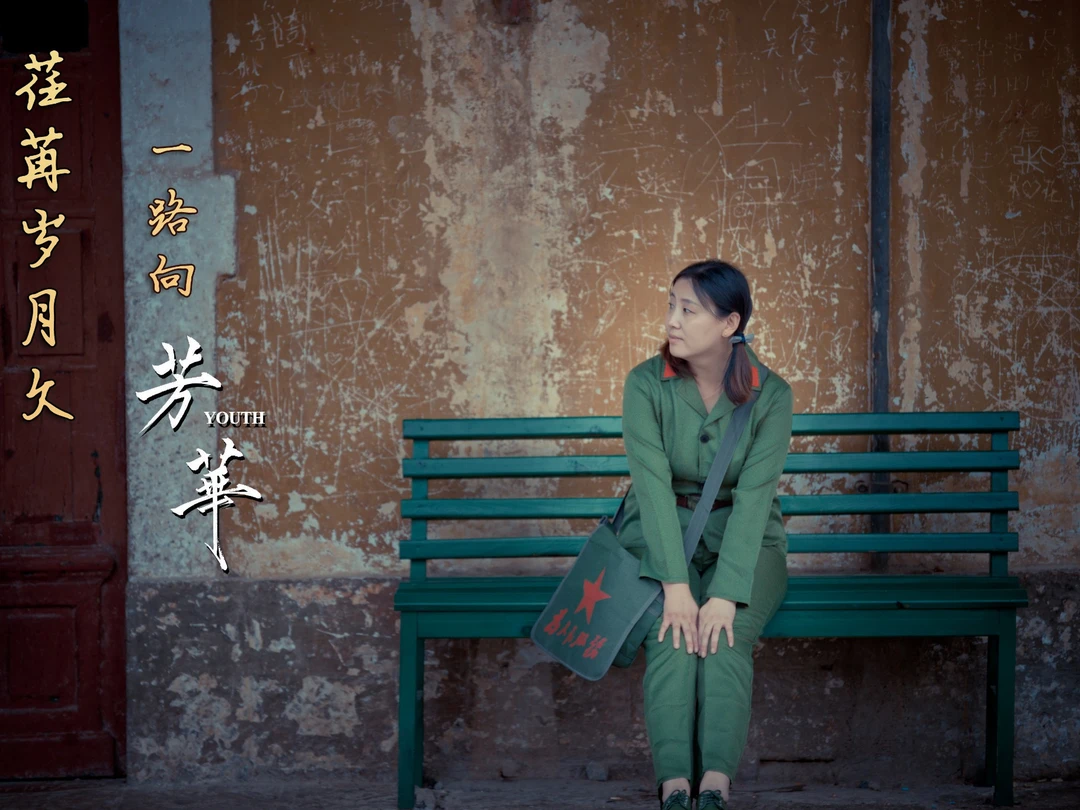
Meta Description: Relive a heartfelt 12-day road trip through Yunnan, Guizhou, and Sichuan in 2018. Discover Mengzi's forgotten charm, Huangguoshu's majesty, and Chengdu's slow life. Perfect for midlife travelers seeking nostalgia and adventure.
Introduction: When Time Leaves Its Mark, Travel Brings It Back
Have you ever stood before a mirror and realized the spirited young person you once were has quietly transformed into a middle-aged figure with crow's feet and a thickening waist? In the summer of 2018, that realization hit me hard. Ten years earlier, I was a backpacker ready to conquer the world. Now, time had carved its marks—a "spare tire" around my waist, fine lines at my eyes—and taught me only how to bow to reality.
But travel has a way of rekindling what time tries to erase. After last year's trip to Gansu, the nostalgia for days gone by grew stronger. Watching my child, now nearly as tall as I am, I realized that instead of clinging to regret, it's better to give it everything you've got—to fulfill a dream of glory.
So on August 19, 2018, we set off. Destination: Yunnan, Guizhou, Sichuan. Mode: Road trip. Duration: 12 days. Characters: Me and my child. Purpose: To press on toward our prime.
Chapter One: Mengzi, Yunnan – Where Time Slows Down

First Glimpse of Mengzi: A Forgotten Border Town
Leaving Kunming, we drove south along the G80 Guang-Kun Expressway. The scenery shifted from the vastness of the Yunnan-Guizhou Plateau to the gentle warmth of the south. Three hours later, we arrived at our first stop—Mengzi, the capital of the Honghe Hani and Yi Autonomous Prefecture.
Unlike Dali's hustle or Lijiang's romantic label, Mengzi stands like a silent old man, quietly guarding China's southwestern border. The flame trees lining the streets were in full bloom, their fiery red blossoms burning among the green leaves—a passion the city refuses to extinguish. For travelers seeking off-the-beaten-path Yunnan destinations, Mengzi offers authentic cultural immersion without the crowds.
Bisezhai Station: A Train Station Frozen in Time
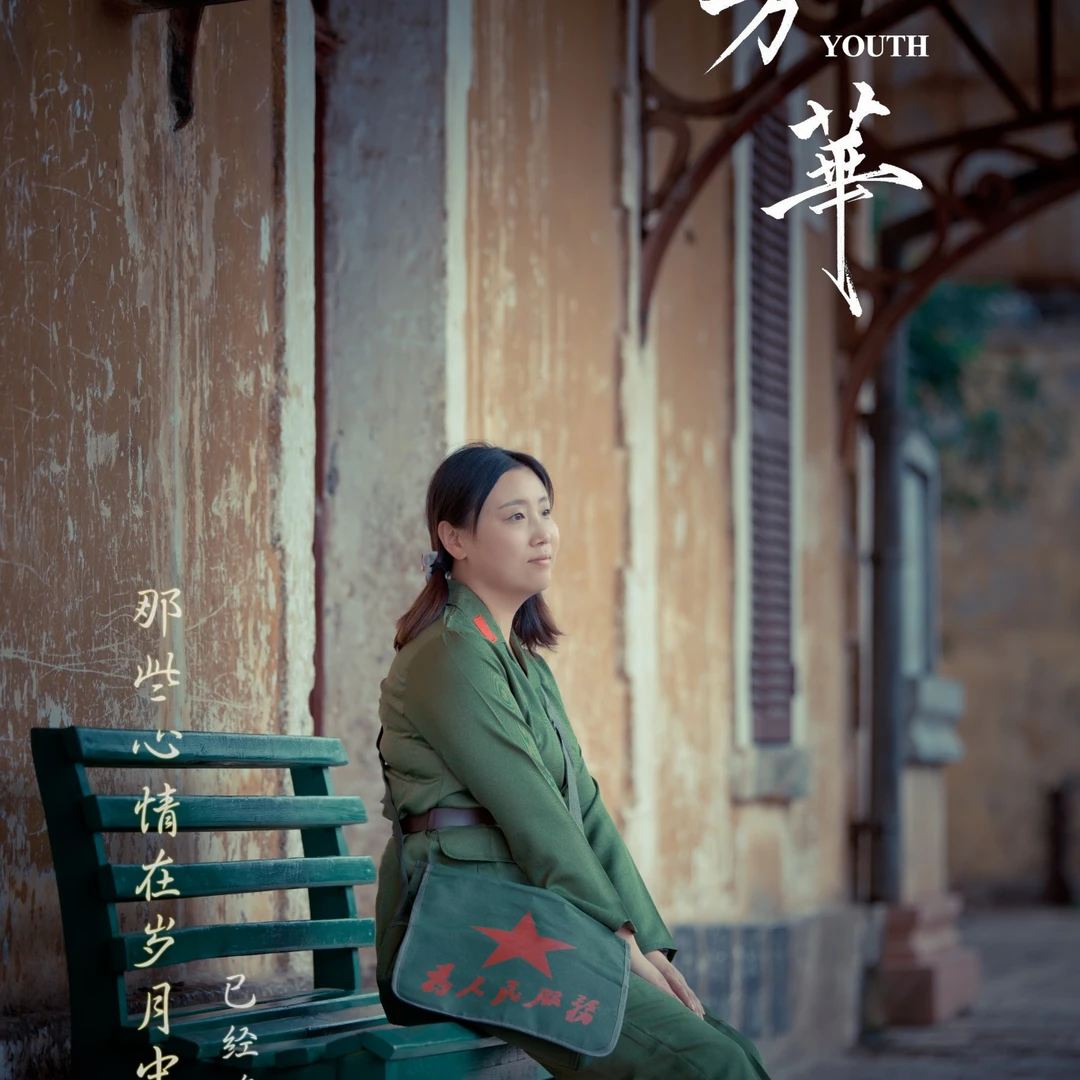
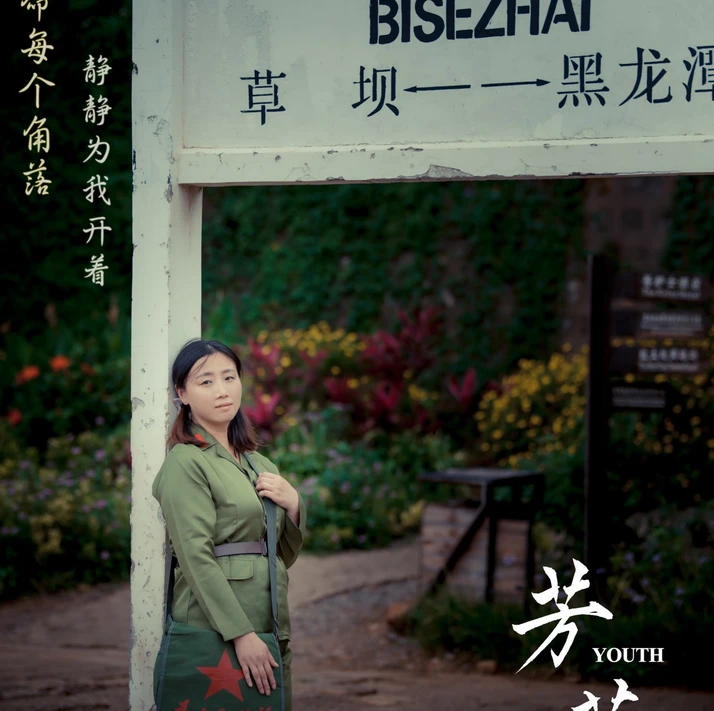
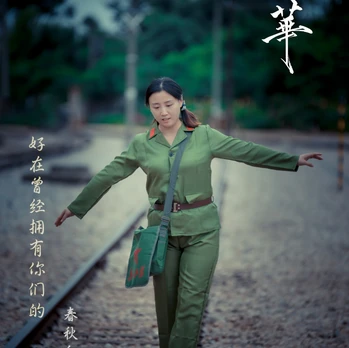
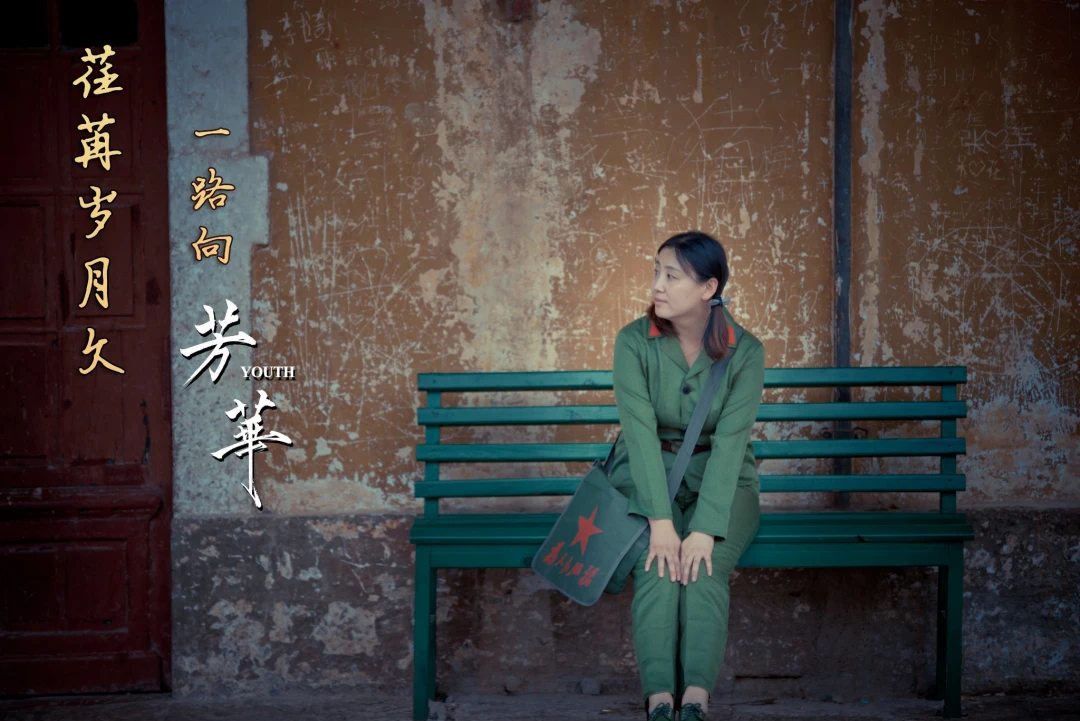
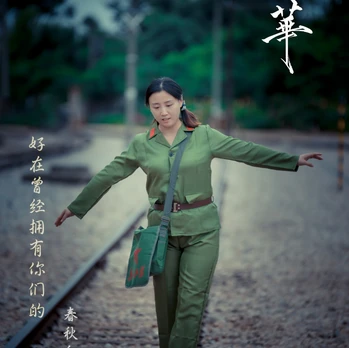
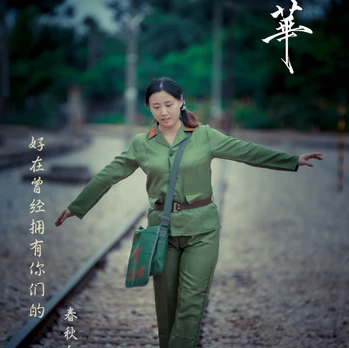
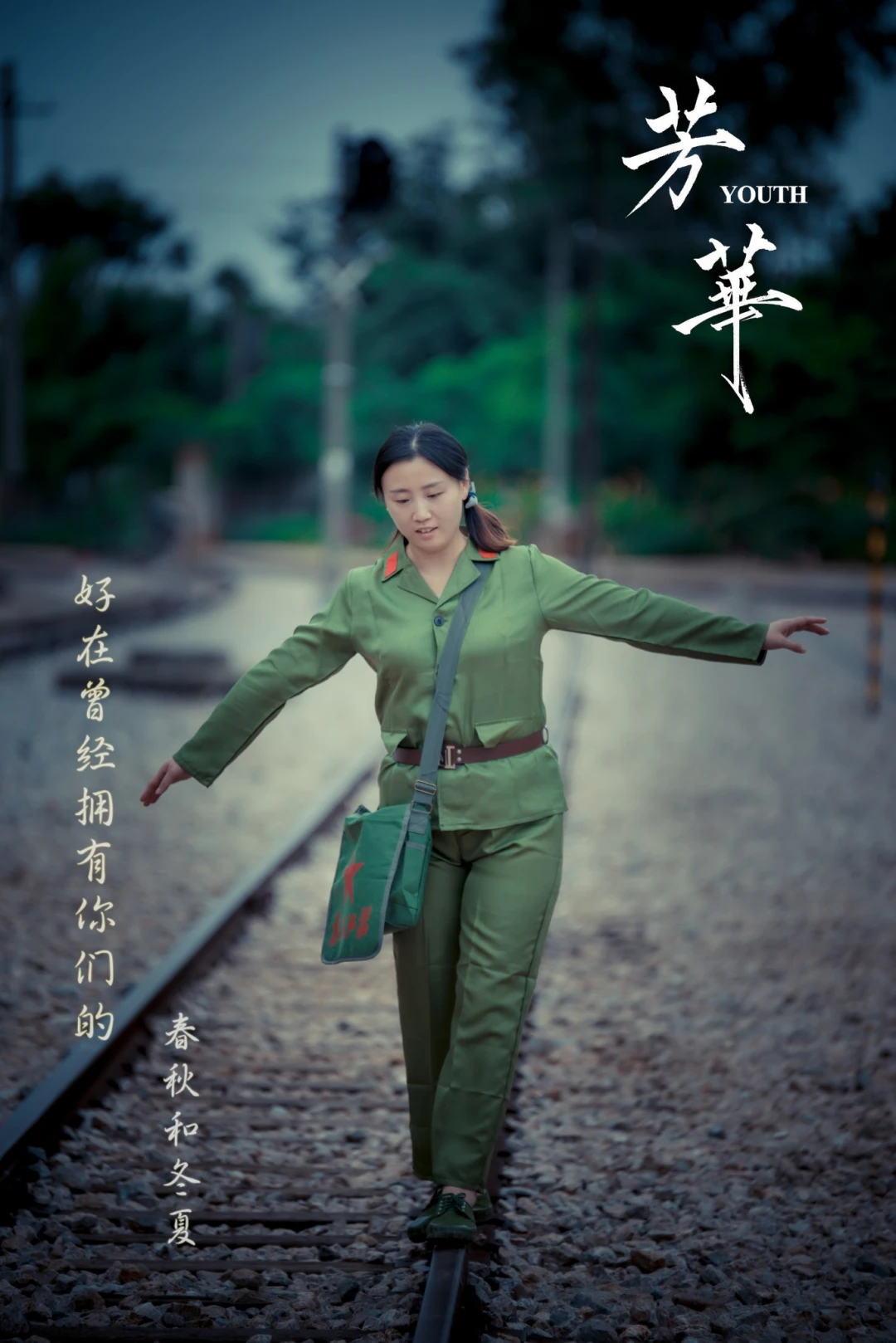
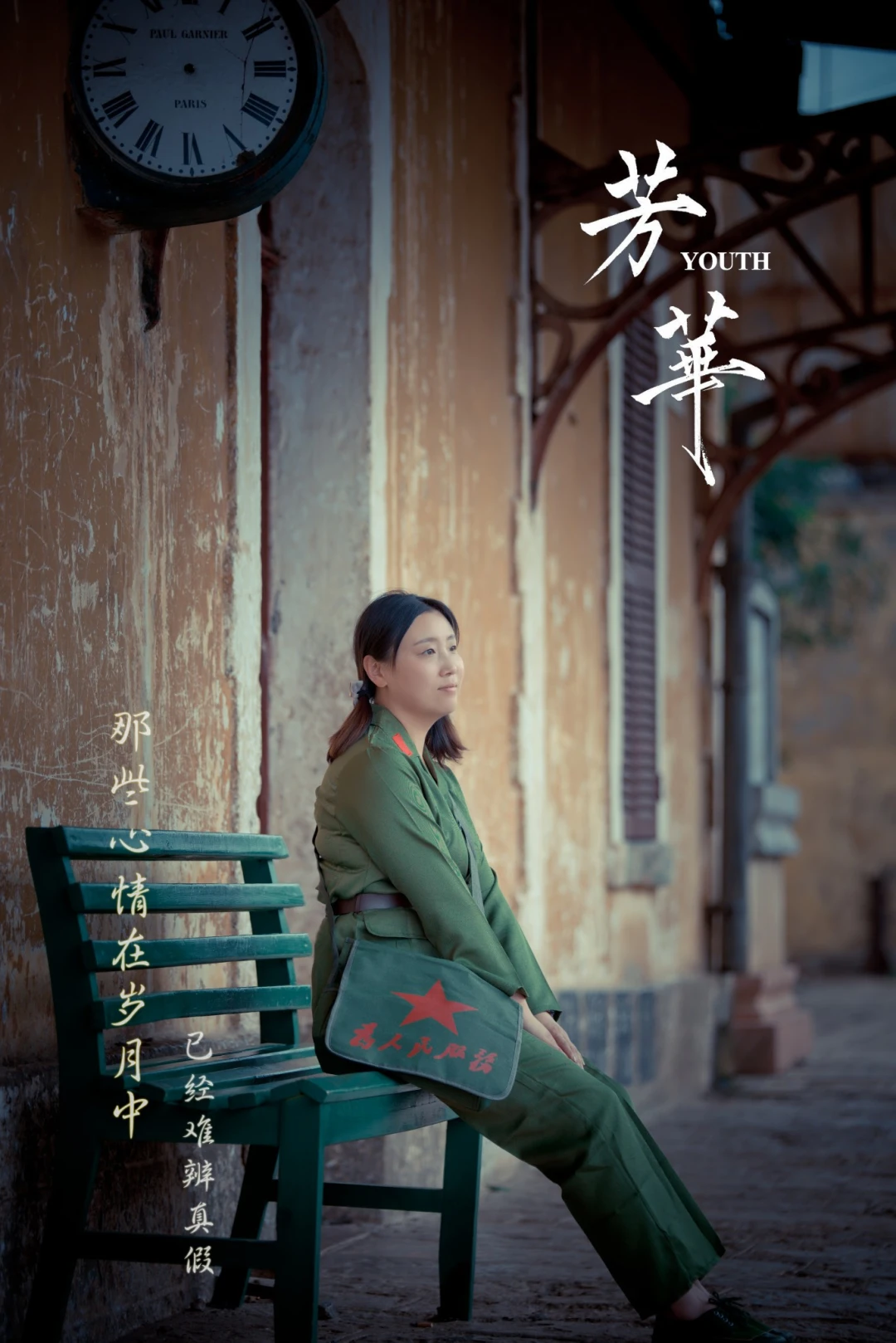
If you've seen the movie Youth (芳华), you'll remember the nostalgic train station—Bisezhai. About 20 kilometers from downtown Mengzi, it was one of the earliest railway stations in modern Chinese history and a key node on the Yunnan-Vietnam Railway.
Walking into Bisezhai felt like stepping back into the 1930s. The mottled yellow walls of French colonial buildings, the rusted iron tracks, the iconic clock tower with its hands long stopped—time seemed frozen here. My child curiously touched the rivets on the rails and asked, "Dad, where are these trains going?"
"They once carried many people to faraway places," I replied. But in my heart, I thought: They also carried a piece of history, carrying countless people's youth and dreams toward an unknown horizon.
Standing on the platform, I suddenly understood the line from the movie: "The prime of one generation will eventually pass." But passing doesn't mean disappearing. It just changes form—preserved in memories, in these old buildings. Bisezhai remains one of the most photogenic historical sites in Yunnan for travelers who love vintage railway nostalgia.
The Taste of Mengzi: A Bowl of Cross-Bridge Rice Noodles and Homesickness
How could you visit Mengzi without a bowl of authentic cross-bridge rice noodles (过桥米线) ? Unlike the flashy versions elsewhere, the broth here is simmered for hours with old hen and pork bones—clear yet incredibly savory. You slide raw meat slices, quail eggs, and vegetables into the boiling soup, where they cook instantly, then add the rice noodles. The whole process feels like a ritual.

My child ate until she was sweating, finishing every last drop of broth. Watching her satisfied face, I suddenly felt that the meaning of travel might lie in these simple moments—a bowl of hot soup, a smiling face, a shared memory.
[Link: Best restaurants for authentic cross-bridge rice noodles in Yunnan]
Chapter Two: Guizhou – Poetry and Fireworks Amid Mountains and Water
From Yunnan to Guizhou: Scenery Across Provincial Borders
Leaving Mengzi, we drove north into Guizhou. If Yunnan is a gentle, refined lady, then Guizhou is a bold, wandering swordsman. Karst landscapes reveal their wildest side here—mountains as if carved by knives, gorges so deep you can't see the bottom, caves of unfathomable mystery.
This stretch wasn't easy. Guizhou's mountain roads are winding and steep, but every turn brought an unexpected view. My child pointed excitedly from the back seat: "Dad, look! That mountain looks like a giant steamed bun!" I smiled and nodded, but thought to myself: That mountain has probably stood here for hundreds of millions of years, and we are just fleeting passersby in its existence.
For those planning a Yunnan Guizhou Sichuan road trip itinerary, this provincial border crossing offers some of the most dramatic landscape transitions in China.
Huangguoshu Waterfall: Nature's Most Stunning Confession
Huangguoshu Waterfall was one of the most breathtaking sights of the trip. Even before we got close, we could hear the thunderous roar of water. Walking along the path, mist hit our faces—cool and carrying the scent of earth. When the waterfall finally appeared before us, both my child and I stood stunned. At 77.8 meters high and 101 meters wide, water cascaded down from above, sending up thousands of waves and forming rainbows in the sunlight.
"Dad, where does the waterfall's water come from? Where does it go?" my child asked.
"From the mountains, flowing far away, eventually joining the sea," I answered.
"Does it ever get tired?"
"No, a waterfall never asks if it's tired. It just keeps flowing, like time."
My child nodded, half-understanding, while I fell into thought. We're always chasing distant horizons, forgetting to appreciate the scenery right in front of us. We constantly lament how fast time flies, yet forget to cherish every single moment. Huangguoshu is undoubtedly one of Asia's most spectacular waterfalls and a must-see for any Guizhou road trip.
Libo's Seven Small Arches: The Emerald on Earth's Belt
If Huangguoshu is majestic, then Libo's Seven Small Arches Scenic Area (小七孔) is ethereal. The water here is green—like an uncut emerald. The 68-tiered cascading waterfall flows layer upon layer, Laya Waterfall hangs like silk threads, and in the water forest, trees grow in the water while water flows among the trees.
We walked slowly along the path. My child took off her shoes and splashed in the shallow stream. Water droplets wet her dress—and also wet my memories. I remembered my own childhood, playing in streams just like this. Back then, happiness was so simple: a stone, a leaf could entertain me for half a day. Now, our happiness has become complicated—we need bigger houses, better cars, more money.
Maybe the meaning of travel is to help us rediscover those simple joys. Libo's Seven Small Arches remains one of China's most beautiful karst water landscapes, perfect for family-friendly hiking and photography.
[Link: Best time to visit Libo Seven Small Arches for fewer crowds]
Chapter Three: Sichuan – The Difficulty of the Shu Road and the Flavors of Life
The Difficulty of Shu: A Driving Experience to Remember
From Guizhou into Sichuan, we chose the G76 Xiamen-Chengdu Expressway, crossing the Wumeng Mountain region. This stretch made me truly understand the saying: "The road to Shu is harder than the road to heaven." Continuous mountain roads, tunnels, viaducts, plus sudden patches of fog, made driving incredibly tense.
But the scenery was breathtaking. Mist-shrouded peaks appeared and disappeared like a flowing ink painting. Occasionally, a village would emerge from a mountain hollow, with cooking smoke curling upward, chickens clucking, dogs barking—reminiscent of Tao Yuanming's Peach Blossom Spring.
For drivers tackling this route, I recommend checking weather conditions in advance and allowing extra time for mountain passes. This is one of the most scenic but challenging drives in Southwest China, rewarding patient travelers with unforgettable vistas.
Chengdu: A City You Never Want to Leave
After two days of arduous travel, we finally reached Chengdu. This city, famous for its "slow life," conquered us with just one hotpot meal. The bubbling red broth, the numbing Sichuan peppercorns, the tender beef slices—every bite was a revelation. My child, who usually avoids spicy food, couldn't stop eating.
Beyond the food, Chengdu's charm lies in its rhythm. People sip tea in bamboo chairs at Wuhou Temple, play mahjong in parks, and watch Sichuan opera face-changing performances. The giant pandas at the Chengdu Research Base of Giant Panda Breeding were the highlight for my child—she spent an hour watching them eat bamboo and roll around.
Chengdu is the ultimate destination for slow travel in China, offering a perfect blend of history, cuisine, and modern comfort. Whether you're exploring Jinli Ancient Street or relaxing in a traditional tea house, this city reminds you that life is meant to be savored.
FAQ: Planning Your Yunnan, Guizhou, and Sichuan Road Trip
1. What is the best time for a Yunnan-Guizhou-Sichuan road trip?
 Late summer (August to September) offers pleasant weather with moderate temperatures and fewer crowds than peak tourist season. The landscapes are lush, and waterfalls like Huangguoshu are at their most powerful.
2. How many days do I need for this road trip?
 A minimum of 10-12 days is recommended to cover the highlights without rushing. Our 12-day itinerary allowed for comfortable driving, sightseeing, and rest stops.
3. Is it safe to drive in Guizhou's mountain roads?
Yes, but caution is required. Mountain roads are winding, and fog can reduce visibility. Drive during daylight hours, check weather forecasts, and ensure your vehicle is well-maintained. GPS navigation is essential.
4. What are the must-try foods on this route?
 - Mengzi: Cross-bridge rice noodles (过桥米线) - Guizhou: Sour fish soup (酸汤鱼) and rice tofu - Chengdu: Hotpot, mapo tofu, and dan dan noodles
5. Can I do this trip with children?
Absolutely. Our 12-year-old loved every stop, especially Huangguoshu Waterfall, Libo's water forest, and the pandas in Chengdu. Plan for frequent breaks and pack snacks for long driving stretches.
[Link: Family-friendly accommodations along the Yunnan-Guizhou-Sichuan route]
Conclusion: Press On Toward Your Prime
As our 12-day road trip came to an end, I looked at my child sleeping peacefully in the back seat. The crow's feet around my eyes were still there, the waist was still thicker than I'd like—but something had changed. The regret I carried had loosened its grip.
Time flies, yes. But we don't have to let it slip away in sighs. Every journey is a chance to rediscover the wonder we once had. Every moment with loved ones is a treasure that outlasts any mirror's reflection.
So here's my invitation to you: Don't wait for the "perfect time." Pack your bags, gather your family, and hit the road. Whether it's Yunnan's forgotten towns, Guizhou's thundering waterfalls, or Sichuan's spicy warmth—the road is waiting. Press on toward your prime.
Ready to plan your own Southwest China road trip? Start by mapping your route, booking family-friendly accommodations, and packing your sense of adventure. Share your travel stories with us in the comments below—we'd love to hear how you're pressing on toward your prime.
[Link: Downloadable 12-day Yunnan-Guizhou-Sichuan road trip itinerary PDF]
This article was originally published on Mafengwo and has been optimized for SEO while preserving the original author's voice and experiences.
You should also read:
Beijing Travel Guide: A Personal Journey Through Smog, History, and Hidden Stories
Meta Description: Discover Beijing beyond the tourist traps. This personal travel story explores hutong culture, historical sites, and local secrets—from Jingshan Park to Yuanmingyuan. Perfect for travelers seeking authentic experiences. Beijing. The name alone conjures images of smog-shrouded skylines, the majestic Forbidden City, labyrinthine hutong…
Continue reading...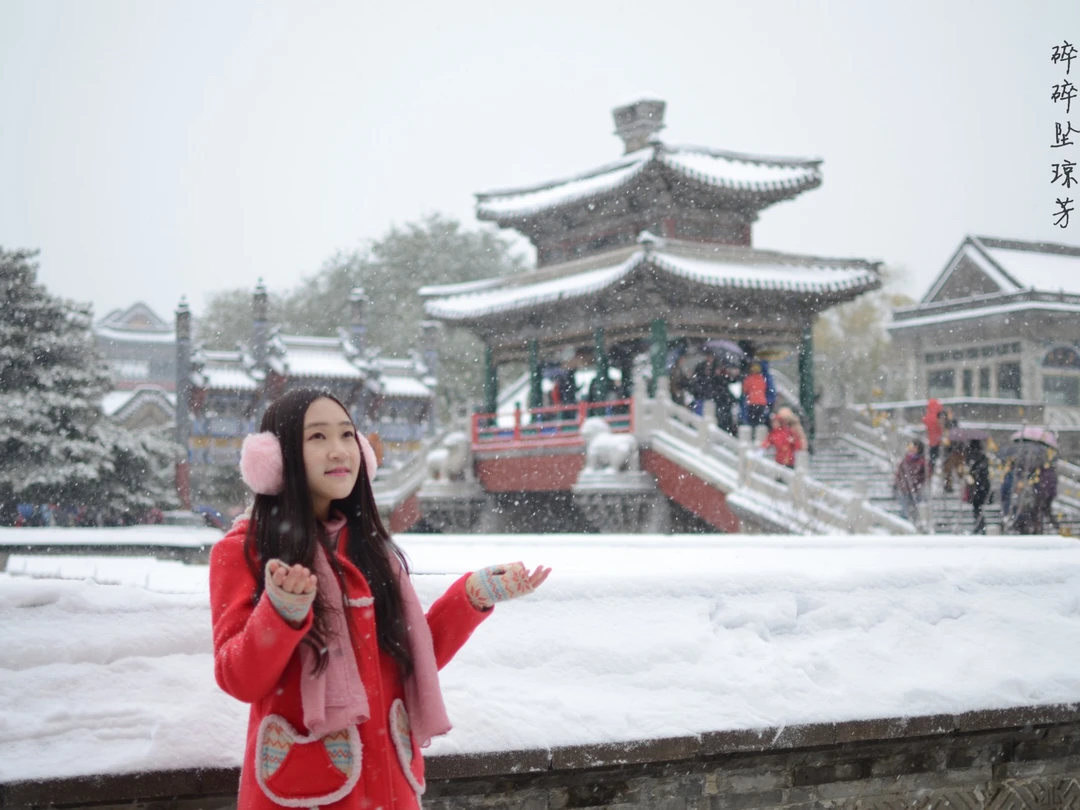
White Snow Adorning Crimson Walls: A Winter Guide to Beijing's Summer Palace
Meta Description: Discover the magic of Beijing's Summer Palace in snow. Our guide explores crimson walls, jade-like snowflakes, and winter photography tips. Plan your snowy visit today. On November 22, 2015, the solar term "Minor Snow" arrived precisely on schedule. That day, the ancient capital…
Continue reading...
Beijing Through the Lens: One Person's Winter Wanderings – An SEO-Optimized Travel Guide
Meta Description: Discover Beijing's winter charm through a photographer's lens. From Nanluoguxiang's night scenes to Sanlitun's neon glow, explore the city's hidden corners and iconic landmarks in this SEO-friendly travel guide. January in Beijing is so cold you can hear your own breath. But for…
Continue reading...