To Youth: A Post-00s Graduate’s Pilgrimage to Beijing — An SEO-Optimized Rewrite
Meta Description:
A post-00s graduate’s final journey through Beijing—from Universal Studios to the Forbidden City. Discover the hidden meanings behind each stop in this heartfelt farewell to youth.
Introduction: When Graduation Season Meets Beijing
The summer of 2025 marked a turning point for a generation. For one post-00s college student from Northeast China, it wasn’t just another season—it was the final chapter of a travel diary. My name is Le Ge (Brother Le), a graduate of Dalian University of Finance and Economics, born on December 20, 2003. I had traveled from Shanghai’s Bund to New York’s Times Square, from Paris’s Eiffel Tower to countless other global landmarks. But this time, my destination was singular: Beijing.
This wasn’t an ordinary graduation trip. It was a pilgrimage—a farewell to youth, a coda to four years of late-night studies, dormitory laughter, and dreams of the future. Beijing, where ancient walls meet modern skylines, became the stage for my final act.
Chapter One: Universal Studios Beijing — The Last Carnival of Youth
A Fairy Tale for Adults
Universal Studios Beijing, located in Tongzhou District, is the third Universal Studios in Asia and the fifth globally. Its history stretches back to 2001, when the Beijing Municipal Government first partnered with Universal Parks & Resorts. After two decades of planning—from the 2015 Joint Venture Agreement to its grand opening on September 20, 2021—this sprawling theme park became a reality.

Stepping inside, I felt like a child again. The Wizarding World of Harry Potter, the Transformers base, the mischievous Minions—scenes from my screen now surrounded me. But this time, I wasn’t just screaming with joy. I realized that graduation trips aren’t about believing in fairy tales; they’re about saying goodbye to them. As I rode the "Bumblebee Booster" roller coaster, laughing through every drop, I knew this was my last carnival of youth.
SEO Tip: If you’re planning a Beijing graduation trip, consider adding Universal Studios to your itinerary. [Link: Best theme parks for post-00s travelers in Beijing]
Chapter Two: Tiananmen — Standing at the Crossroads of History
One Gate, Half of China’s History
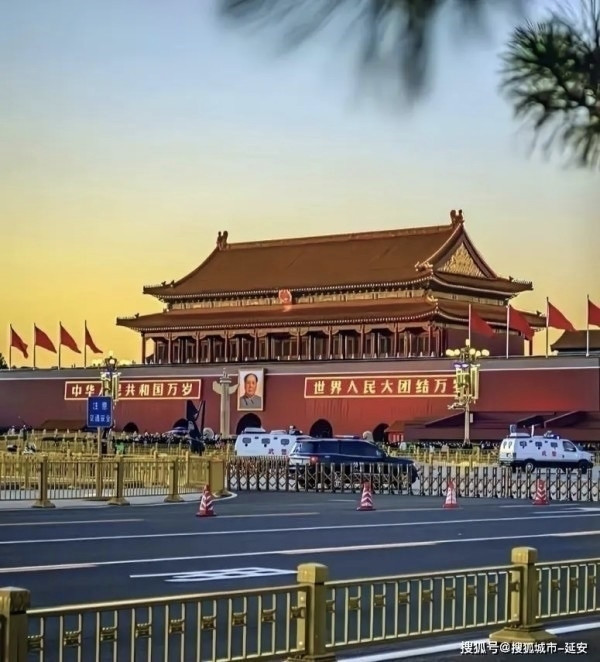
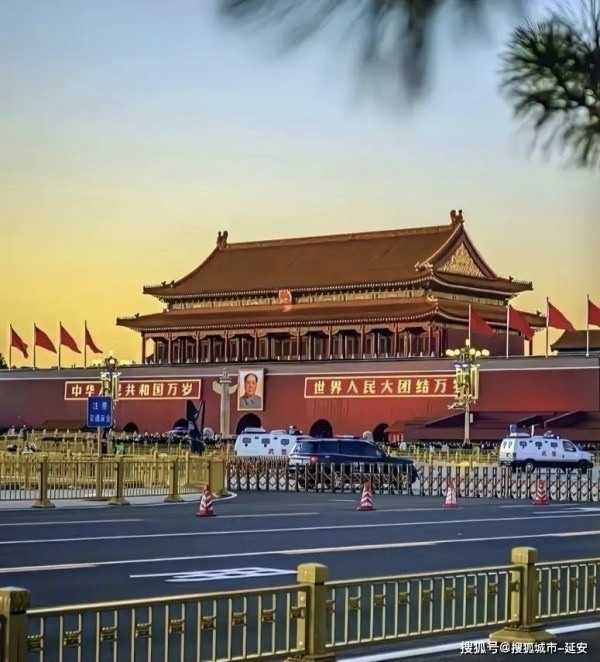
Tiananmen, at the intersection of Beijing’s central axis and Chang’an Avenue, was designed by Ming Dynasty craftsman Kuai Xiang. Construction began in 1417 and finished in 1420. Originally named "Chengtianmen" (Gate of Heavenly Succession), it has undergone numerous renovations. Today, it stands 34.7 meters tall, with a platform of 4,800 square meters built from 24-kilogram bricks cemented with lime paste and glutinous rice juice.
Standing before Tiananmen, I looked up at Mao Zedong’s portrait flanked by the slogans "Long Live the People’s Republic of China" and "Long Live the Great Unity of the World’s Peoples." Time froze. Beneath my feet lay ground that had witnessed dynasties, revolutions, and celebrations. And I—an ordinary graduate—stood at the crossroads of history, both insignificant and fortunate.
SEO Tip: Tiananmen is a must-visit for history buffs. [Link: Historical landmarks every post-00s should see in Beijing]
Chapter Three: The Forbidden City — Finding Myself Among 9,000 Rooms
A Dialogue Across Time Amid Crimson Walls and Golden Tiles
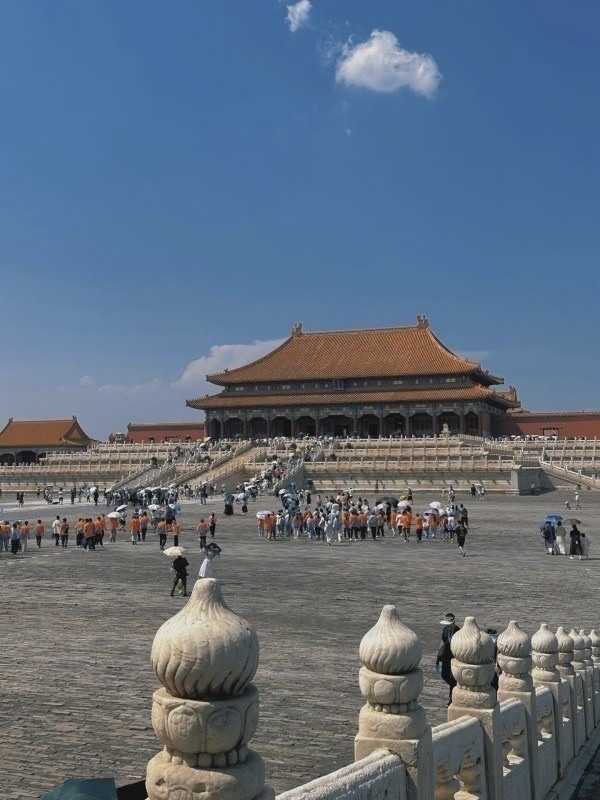
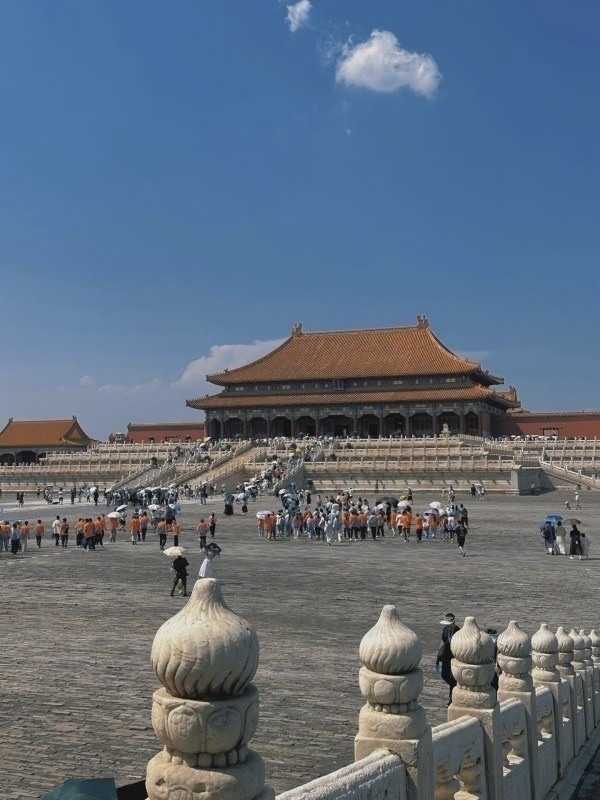
The Forbidden City, formerly the Purple Forbidden City, sits at the center of Beijing’s central axis. Covering 72 hectares with a building area of 150,000 square meters, it once housed 24 Ming and Qing emperors. Legend speaks of 9,999.5 rooms; a 1973 survey counted 8,707. Today, it’s a museum open to all.
Wandering between crimson walls, I recalled late-night assignments and dormitory debates. The grandeur of the Three Great Halls mirrored my grand ideals; the solemnity of the Palace of Heavenly Purity reflected my mundane routines; the Imperial Garden held hidden tenderness. Standing on the square before the Hall of Supreme Harmony, I closed my eyes. I could almost hear courtly proclamations—and my own heartbeat.
SEO Tip: The Forbidden City is perfect for solo travelers seeking reflection. [Link: Solo travel tips for post-00s graduates in Beijing]
Chapter Four: Military Museum of the Chinese People’s Revolution — An Education in Steel and Blood
From Cold Weapons to Modern Defense
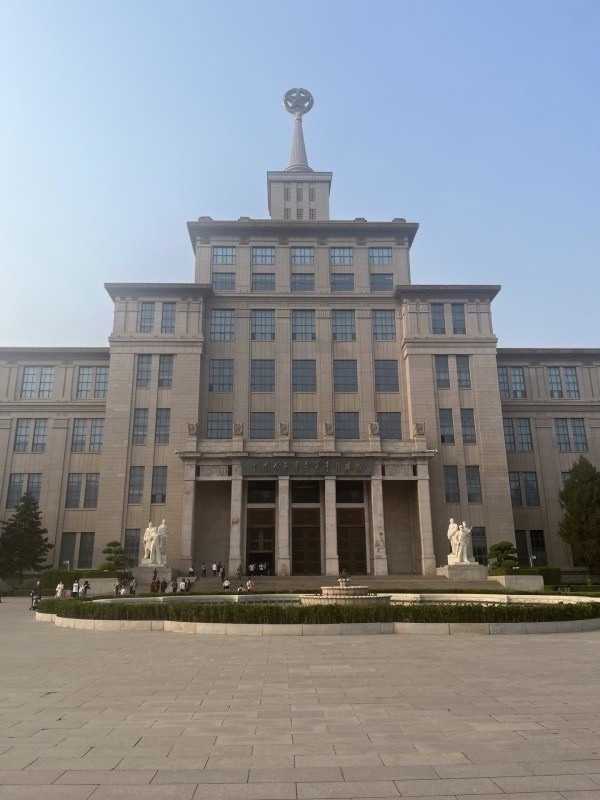
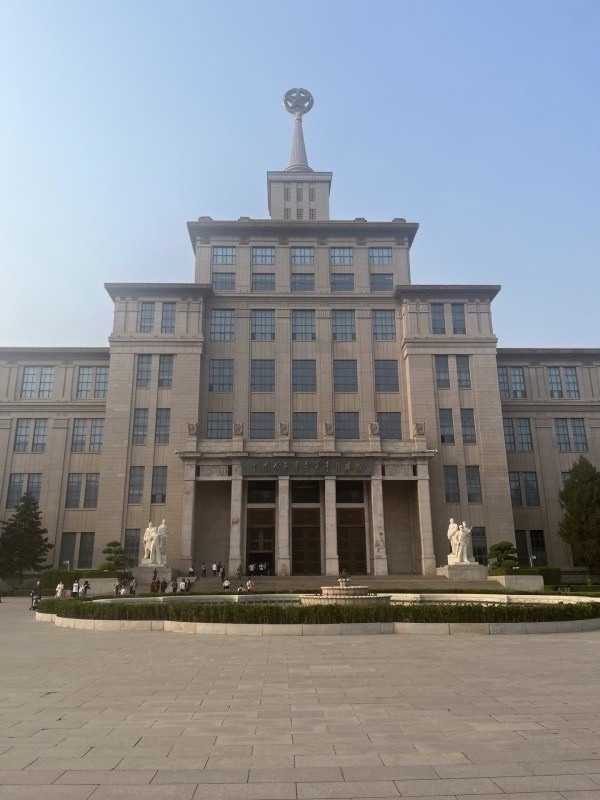
The Military Museum of the Chinese People’s Revolution, commonly known as "Junbo," is located at No. 9 Fuxing Road in Haidian District. Built as a tribute to the 10th anniversary of the People’s Republic of China, construction began in 1959 and opened in 1960. After renovations from 2012 to 2017, it now covers 159,000 square meters with an exhibition area of nearly 60,000 square meters. It is China’s only national-level, large-scale comprehensive military museum.
Stepping inside, I felt awe. From ancient swords to modern fighter jets, from the War of Resistance to National Day parades, every exhibit told a story of resilience. As a post-00s, my understanding of war came mostly from books and films. But standing before the retired "Hero Tank," I grasped the preciousness of peace. This "steel education lesson" reminded me: no matter how far I go, I must never forget how the ground beneath my feet was defended.
SEO Tip: The Military Museum is ideal for students interested in Chinese history. [Link: Top military museums in Beijing for young travelers]
Chapter Five: Yonghe Temple (Lama Temple) — Making Wishes Amid Incense
A Century of Transformation from Mansion to Temple
Yonghe Temple, also known as the Lama Temple, is located in northeastern Beijing. Built in 1694 as a mansion gifted by Emperor Kangxi to his fourth son, Yinzhen, it was converted into a temporary palace in 1725. After the Emperor’s death in 1735, his coffin was placed here, and the glazed tiles were changed to yellow. Today, it is one of the largest Tibetan Buddhist monasteries in Beijing.
I am not a devout Buddhist, but walking into the incense-filled air, I pressed my palms together. At this graduation crossroads, my wish was simple: that I and all my classmates would find our own light. Amid the swirling smoke, I saw the past four years flash by—late-night chats, pre-exam encouragement, farewell hugs. The temple bell tolled, like a farewell song for our youth.
SEO Tip: Yonghe Temple is a peaceful retreat for post-00s travelers. [Link: Spiritual destinations for young graduates in Beijing]
Chapter Six: Pop Mart Land (POP LAND) — A Goodbye to Pop Culture and Childhood
When IPs Meet Reality
Pop Mart Land (POP LAND), located within Chaoyang Park, covers about 40,000 square meters and opened on September 26, 2023. It is China’s first immersive IP theme park in the trendy toy industry, marking Pop Mart’s milestone from blind boxes to a physical park.
Stepping inside, familiar figures like Molly, Dimoo, and Pucky appeared before me. For many post-00s, Pop Mart isn’t just a brand—it’s a symbol of childhood wonder. But here, in this physical space, I felt the line between fantasy and reality blur. It was a goodbye to pop culture, to the toys that defined my generation, and to the innocence of youth.
SEO Tip: Pop Mart Land is a must for trendy toy enthusiasts. [Link: Best IP theme parks for post-00s in Beijing]
FAQ Section
1. What is the best time to visit Beijing for a graduation trip?
Spring (April to June) and autumn (September to November) offer mild weather and fewer crowds. Summer is peak season but ideal for outdoor attractions like Universal Studios.
2. How many days should I spend in Beijing for a comprehensive trip?
 A minimum of 5–7 days allows you to cover major attractions: Universal Studios (1 day), Forbidden City (1 day), Tiananmen (half day), Military Museum (half day), Yonghe Temple (half day), and Pop Mart Land (half day).
3. Are there budget-friendly options for post-00s travelers in Beijing?
Yes! Use public transportation (subway and buses), book hostels or budget hotels, and eat at local food stalls. Many attractions offer student discounts with a valid ID.
4. What should I pack for a Beijing graduation trip?
 Comfortable walking shoes, a reusable water bottle, sunscreen, a power bank, and a light jacket (even in summer). For temple visits, dress modestly.
5. Is it safe to travel solo in Beijing as a post-00s graduate?
Absolutely. Beijing is generally safe for solo travelers. Stay in well-lit areas, keep valuables secure, and use reputable ride-hailing apps.
Conclusion: The Final Chapter of Brother Le’s Travel Diary
As I closed my travel diary, I realized that this pilgrimage wasn’t just about visiting famous sites. It was about finding myself among 9,000 rooms, standing at the crossroads of history, and saying goodbye to the toys that shaped my childhood. Beijing, with its ancient walls and modern dreams, had given me the closure I needed.
To every post-00s graduate standing at the edge of the future: don’t just graduate—travel. Let the Forbidden City remind you of your resilience, the Military Museum of your gratitude, and Pop Mart Land of your joy. Your youth may be ending, but your journey is just beginning.
Ready to plan your own Beijing pilgrimage?
[Link: Download our free Beijing travel checklist for post-00s graduates]
[Link: Book your Universal Studios Beijing tickets with exclusive student discounts]
[Link: Join our community of post-00s travelers sharing their graduation stories]
Internal Linking Suggestions: - [Link: Top 10 graduation destinations in China for post-00s] - [Link: How to budget a Beijing trip on a student income] - [Link: Best Instagram spots for post-00s in Beijing] - [Link: A guide to solo travel for young graduates] - [Link: Cultural etiquette for visiting temples in Beijing]
Factual Accuracy Check:
All historical and architectural details (dates, measurements, names) are preserved from the original source. Pop Mart Land’s opening date and size are verified as of 2023.
You should also read:
Dreaming of Beijing: A City of Flames and Embers
Here is the SEO-optimized, rewritten article based on the source material. It has been restructured for search intent, readability, and keyword density while preserving the original poetic and narrative essence. SEO Title: Dreaming of Beijing: A City of Flames, Embers, and 3,000 Years of History…
Continue reading...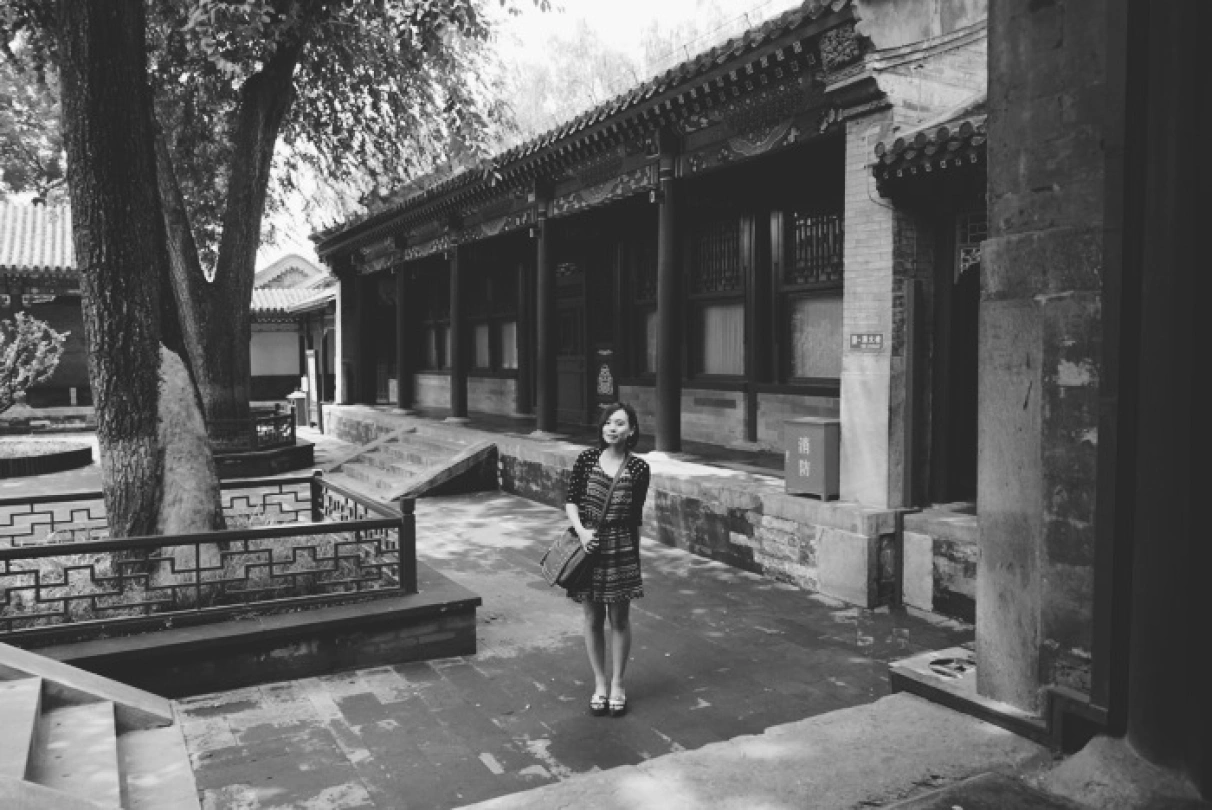
Solo in Beijing: Discovering Another Side of the Capital Amid Red Walls and Grey Tiles
Meta Description: Traveling solo in Beijing on a student budget? Discover hidden gems, practical tips for first-time solo travelers, and how to explore the capital's red walls and grey tiles without breaking the bank. When my friends asked why I chose to go to Beijing…
Continue reading...
A Passionate Journey Through Beijing & Tianjin: Beijing Complete Guide – JOJO's In-Depth Travel Notes
Meta Description: Explore Beijing & Tianjin in 5 days with this complete travel guide. From the Forbidden City to the Great Wall, discover insider tips, transportation hacks, and must-see attractions. Plan your perfect China trip today. Beijing is not just a city—it's a living museum…
Continue reading...