Traversing Six Hundred Years: A Solo Dialogue with the Forbidden City – A Guide to In-Depth Exploration and Photography
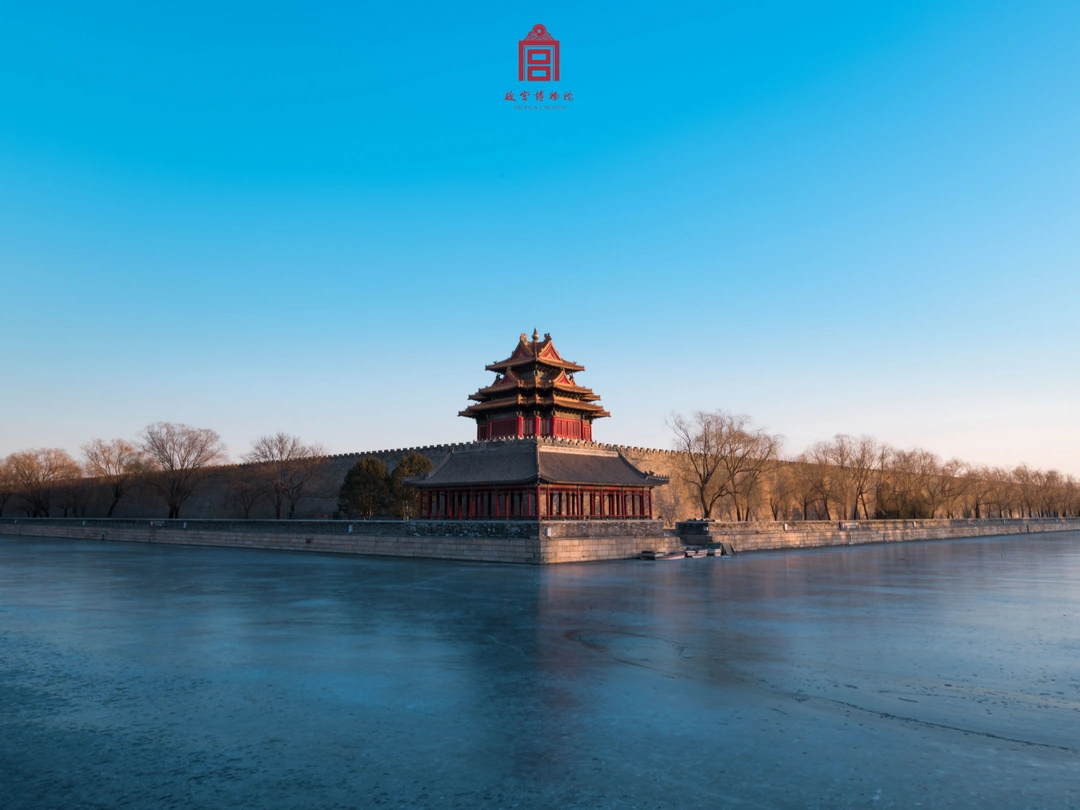
Meta Description: Discover the ultimate Forbidden City photography guide with insider tips on avoiding crowds, best shooting times, and secret spots. Learn how to capture the imperial palace like a pro in this 1500-word solo travel guide.
Introduction: A Six-Hundred-Year Dialogue
Two weeks. Four visits through the same gate. 63,000 steps. Nearly fourteen hours of standing still. This wasn't the obsessive behavior of a superfan chasing a celebrity. It was one person's fixation on a single palace—the Forbidden City.
In January 2019, I walked into this UNESCO World Heritage site with my camera, intending only to snap a few photos. Little did I know, that first step would lead me down a path with no return. Someone asked me: "Did you go for the Corner Tower Café? Because of Story of Yanxi Palace? Or for that viral ice cream bar?" I smiled and shook my head.
To me, the Forbidden City has never been about internet fame. Whether or not that coffee cup stamped with "By Imperial Order to Enter the Palace" exists, whether or not those trending cultural products are everywhere—this six-hundred-year-old imperial complex remains the irreplaceable, century-spanning IP.
Ironically, while I claim to be "unconcerned with internet fame," my trip back home for the holidays unexpectedly turned into a bustling business of commissioned photo shoots. In twelve days, I took on eight bookings, with three clients specifically requesting shoots at the Forbidden City. So, while guiding them through the maze of red walls and golden tiles, I also figured out the tricks of the trade: how to really explore the Forbidden City, how to dodge the crowds, and how to capture stunning photos.
Today, I'm sharing all these insights with you, holding nothing back.
Check the Sky First, Then Act: Pre-Visit Planning
Choosing the Right Day Matters More Than Choosing the Right Route
When visiting the Forbidden City, the first thing to do isn't checking a map—it's checking the weather forecast. The Forbidden City on a weekday and the Forbidden City on a weekend are two completely different worlds. If you can pick a Tuesday through Friday, congratulations—you've already won half the battle.
Now, look at the sky. Under a blue sky with white clouds, the red walls are more vibrant, the yellow tiles brighter, and your photos come out with a built-in filter. If you hit a smoggy day, even the best camera will only capture a hazy, gray "misty beauty"—unless, of course, you're aiming for a "Forbidden City: Silent Hill Edition," which is a different story.
As for transportation, never drive. Finding a parking spot near the Forbidden City is harder than winning the lottery. The subway is your most reliable bet. Get off at Tiananmen East or Tiananmen West Station and walk from there.
Timing is Everything: Golden Hours for Photography
The first 40 minutes after opening and the last 40 minutes before closing are the most enchanting periods at the Forbidden City. These windows offer the best lighting and the smallest crowds.
Peak Season (April 1 – October 31): Opens at 8:30 AM, closes at 5:00 PM. Ticket price: 60 RMB/person.
Off-Peak Season (November 1 – March 31): Opens at 8:30 AM, closes at 4:30 PM. Ticket price: 40 RMB/person.
The Clock and Watch Gallery and the Treasure Gallery each cost an additional 10 RMB/person. Closed on Mondays.

Speaking of which, I can't help but complain about certain trendy spots. Take the Red Brick Art Museum, for example. In 2016, tickets were only 20 RMB. Then they went up to 60 RMB. Now, they've skyrocketed to 120 RMB—a price hike faster than a high jumper. In contrast, the Forbidden City has kept its ticket prices reasonable for decades, occasionally throwing in perks like "half price for ladies on Women's Day."
How big is the Forbidden City? 720,000 square meters. Over seventy palaces and halls. More than nine thousand rooms. Want to see it all in one day? Not realistic. But if your main goal is photography, 2.5 to 3.5 hours is enough—that's one morning or one afternoon.
[Link: Best time to visit Beijing for clear skies]
The Morning Session: Seize the Advantage, Capture the Empty Space
The Joy of Being Early: Empty Central Axis
At 8:30 AM, as soon as the gates of the Forbidden City open, you should be among the first to rush in. At this hour, the central axis is almost entirely yours. The Meridian Gate (Wumen), the Gate of Supreme Harmony (Taihemen), the Hall of Supreme Harmony (Taihedian)—these spots, usually packed with people, are now as quiet as a painting. You can calmly set up your tripod and take a few majestic "straight-on shots" without worrying about a selfie stick suddenly appearing in your frame.
Head north all the way to the Imperial Garden (Yuhuayuan). Remember: this is the best time to visit the Imperial Garden. In another half hour, it will turn into a rest area for tour groups, overflowing with people.
The Treasures of the Eastern Side: Secret Photo Spots
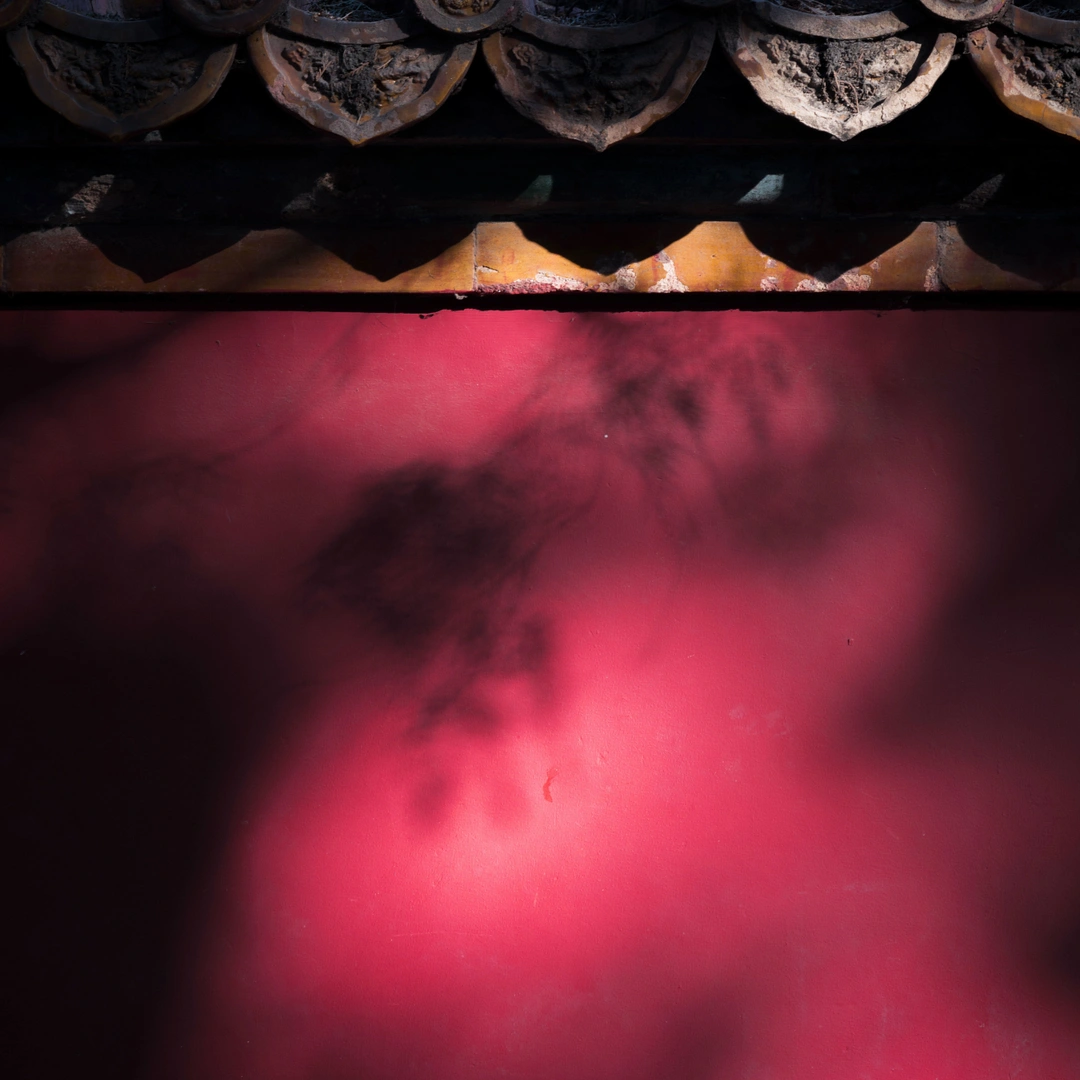
Leave the Imperial Garden from its southeastern corner and head east. You'll encounter two towering red walls. This has already become a "viral photo spot," but in the early morning, you can still have these red walls all to yourself.
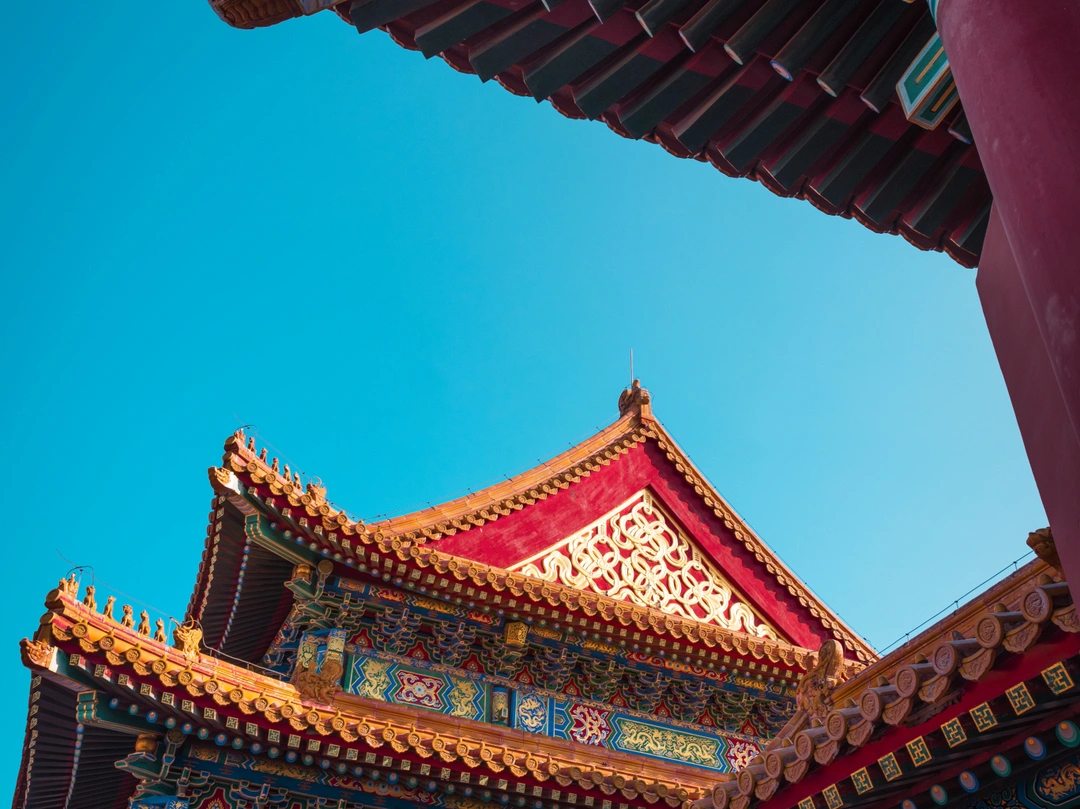
Continue south, and the Treasure Gallery and the Clock and Watch Gallery lie ahead. The exquisite items inside are dazzling, but the crowds can be suffocating. If you want to appreciate them properly, you must go early.
Hidden Gem Alert: The Weapons Hall (Wubeiguan) is also nearby, but the real highlight is the Luckin Coffee on its eastern side. This shop has no sign—you can't even see the words "Luckin"—only the logo inside reveals its identity. You can use coupons here, and they have Forbidden City-exclusive cup sleeves—rumored to taste even better than the Corner Tower Café's offerings. But be warned: this shop closes at 3:00 PM, so plan your visit accordingly if you want a cup.
Next up are the Eastern Six Palaces (Dongliugong). To be honest, these palaces all look pretty similar—after all, they were built for the imperial harem. The only thing that catches your eye is that "odd" Palace of Prolonging Happiness (Yanxigong)—a dilapidated white stone Western-style building that is neither aesthetically pleasing nor in keeping with the Forbidden City's style.
Pass through a tree-lined path, and you'll reach the Wenhua Hall (Wenhuadian) area. This place is sparsely populated, especially that library with the green eaves, which almost no one photographs. If you like peace and quiet, this is a good spot.
The Surprises of the Western Side: Historical Highlights
Symmetrical to Wenhua Hall on the western side is the Hall of Military Eminence (Wuyingdian). Though just a side hall, it has witnessed many historical events—such as the rebel leader Li Zicheng proclaiming himself emperor here.
Continue north. First, visit the Palace of Compassion and Tranquility (Cininggong). The garden of Cininggong often hosts various trade fairs and exhibitions, which are crowded and boring. I suggest skipping it.
Further north, you'll reach the Western Six Palaces (Xiliugong). They're much like the Eastern Six Palaces, so a quick look is enough.
Finally, exit the Forbidden City through the Gate of Divine Might (Shenwumen).
Pros and Cons of the Morning Session
Pros: You have the chance to see and photograph scenes completely free of other tourists. That feeling of "the entire Forbidden City is mine" is incredibly satisfying.
Cons: You need to wake up early, and the morning sun is quite harsh, creating hard light. If you're shooting portraits, you might face issues with heavy shadows on your model's face. In this case, use the shadows of the buildings to your advantage.
[Link: Forbidden City photography tips for beginners]
The Afternoon Session: Wait for Dusk, Capture the Beauty of Light and Shadow
Golden Hour Magic: Late Afternoon Photography
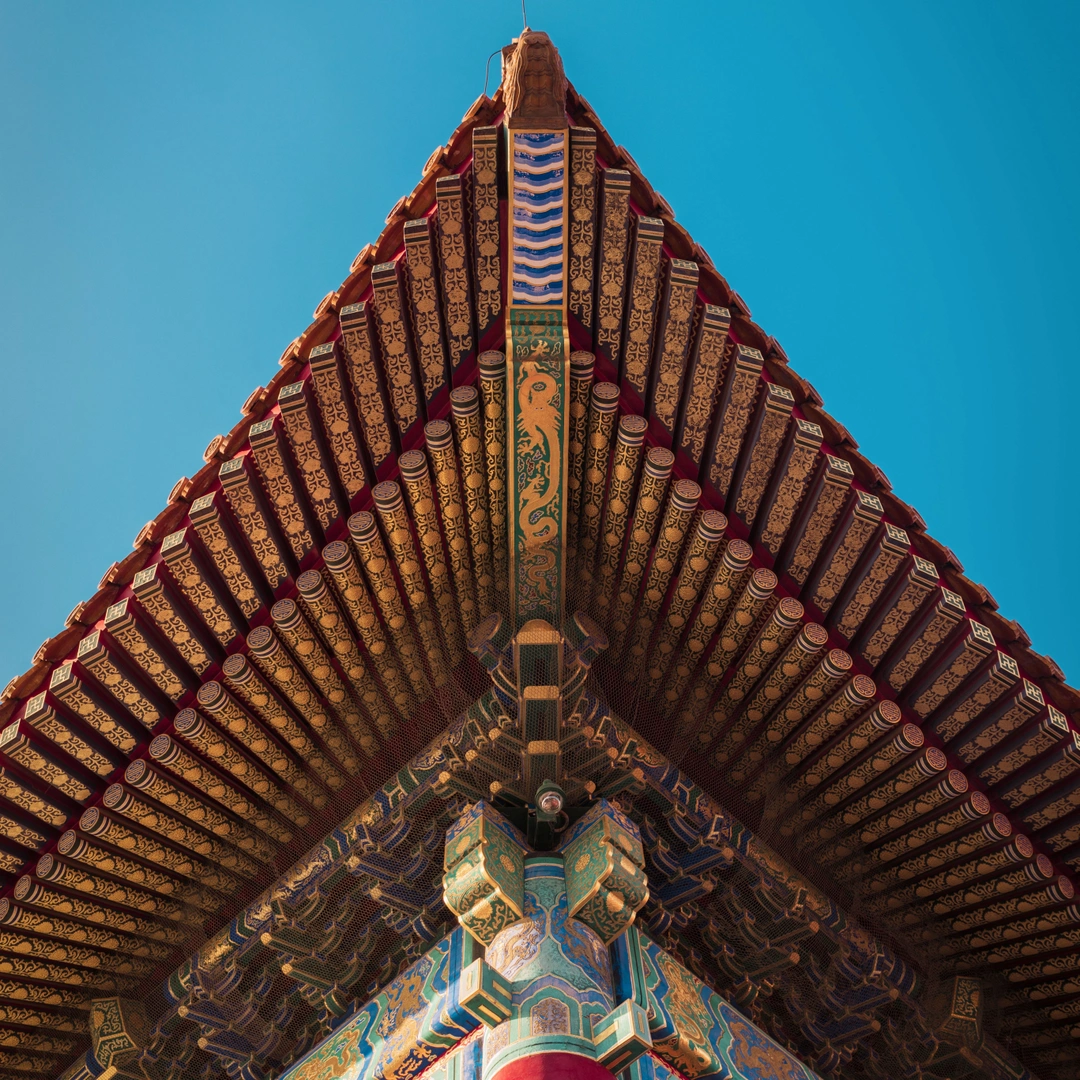
The afternoon session offers a completely different experience. As the sun begins to descend, the Forbidden City transforms into a canvas of warm, golden light. The harsh shadows of morning soften, creating the perfect conditions for portrait photography and architectural detail shots.
Recommended route: Start at the Hall of Supreme Harmony and work your way north along the central axis. By late afternoon, the crowds have thinned significantly, especially around the less popular side halls.
Capturing the Corner Towers
The Corner Towers are among the most photographed features of the Forbidden City. For the best shots, visit them during the last hour before closing. The combination of golden hour light and the reflection in the moat creates a stunning composition. Position yourself on the northwest side of the moat for the classic perspective.
Evening Exits: The Gate of Divine Might
As closing time approaches, the Gate of Divine Might becomes a dramatic backdrop. The setting sun casts long shadows across the courtyard, and the gate's intricate details are highlighted in warm tones. This is also an excellent spot for silhouette photography.
Photography Gear and Settings Guide
Essential Equipment for Forbidden City Photography
- Wide-angle lens (16-35mm): Perfect for capturing the grandeur of halls and courtyards
- Telephoto lens (70-200mm): Ideal for isolating architectural details and compressing perspective
- Tripod: Essential for early morning and late afternoon long exposures
- Polarizing filter: Reduces glare from golden tiles and enhances color saturation
- Extra batteries: Cold weather drains batteries quickly
Camera Settings Recommendations
| Scenario | Aperture | Shutter Speed | ISO |
|---|---|---|---|
| Empty central axis (morning) | f/8-f/11 | 1/60-1/125 | 100-200 |
| Portrait with red wall background | f/2.8-f/4 | 1/125-1/250 | 200-400 |
| Golden hour architecture | f/8-f/11 | 1/30-1/60 | 100-200 |
| Interior galleries (low light) | f/2.8-f/4 | 1/15-1/30 | 800-1600 |
[Link: Best camera settings for architectural photography]
Frequently Asked Questions
1. How long does it take to explore the Forbidden City thoroughly?
A thorough exploration takes at least 4-6 hours. However, if your primary goal is photography, 2.5-3.5 hours is sufficient to cover the main areas and capture quality images.
2. Can I bring a tripod into the Forbidden City?
Yes, tripods are allowed. However, they are not permitted inside the Treasure Gallery and Clock and Watch Gallery due to space constraints. Be mindful of other visitors and avoid blocking pathways.
3. What is the best month to visit the Forbidden City for photography?
 October and November offer the best combination of clear skies, comfortable temperatures, and golden autumn foliage. Spring (April-May) also provides pleasant weather, though crowds are larger.
4. Are there any hidden spots that tourists often miss?
Yes! The Wenhua Hall library with green eaves, the Luckin Coffee shop near the Weapons Hall, and the red walls near the southeastern corner of the Imperial Garden are all under-photographed gems.
5. How can I avoid the crowds during peak season?
Visit on weekdays (Tuesday-Thursday), arrive at opening time (8:30 AM), and focus on the side palaces rather than the central axis during mid-day. The last hour before closing is also relatively quiet.
Conclusion: Your Forbidden City Photography Journey Awaits
The Forbidden City is not just a tourist attraction—it's a living museum of Chinese history and architecture. Whether you're a seasoned photographer or a casual traveler, the key to an unforgettable experience lies in preparation and timing.
Your action plan: 1. Check the weather and choose a clear day 2. Book tickets online in advance (especially during peak season) 3. Arrive early to claim the empty spaces 4. Follow the routes outlined in this guide 5. Experiment with light during morning and afternoon sessions 6. Explore hidden corners for unique perspectives
Remember: The Forbidden City has stood for six hundred years. It will wait for you. But the perfect photo opportunity won't. So pack your camera, plan your visit, and step into a dialogue with time itself.
Ready to capture your own Forbidden City masterpiece? Share your photos on social media with the hashtag #ForbiddenCityPhotography and tag us for a chance to be featured in our next guide!
[Link: Complete Beijing travel itinerary for photography enthusiasts] [Link: Best Chinese historical sites for solo travelers]
You should also read:
Four Days, Three Nights in Beijing: A Super Practical Self-Guided Travel Guide (Including Food, Stay, and Transport Tips)
Here is the SEO-optimized, rewritten version of your article, structured for maximum search visibility and reader engagement. SEO Title: 4 Days 3 Nights in Beijing: The Ultimate Self-Guided Travel Guide (Food, Stay & Transport) Meta Description (160 chars): Plan the perfect 4-day Beijing itinerary. From…
Continue reading...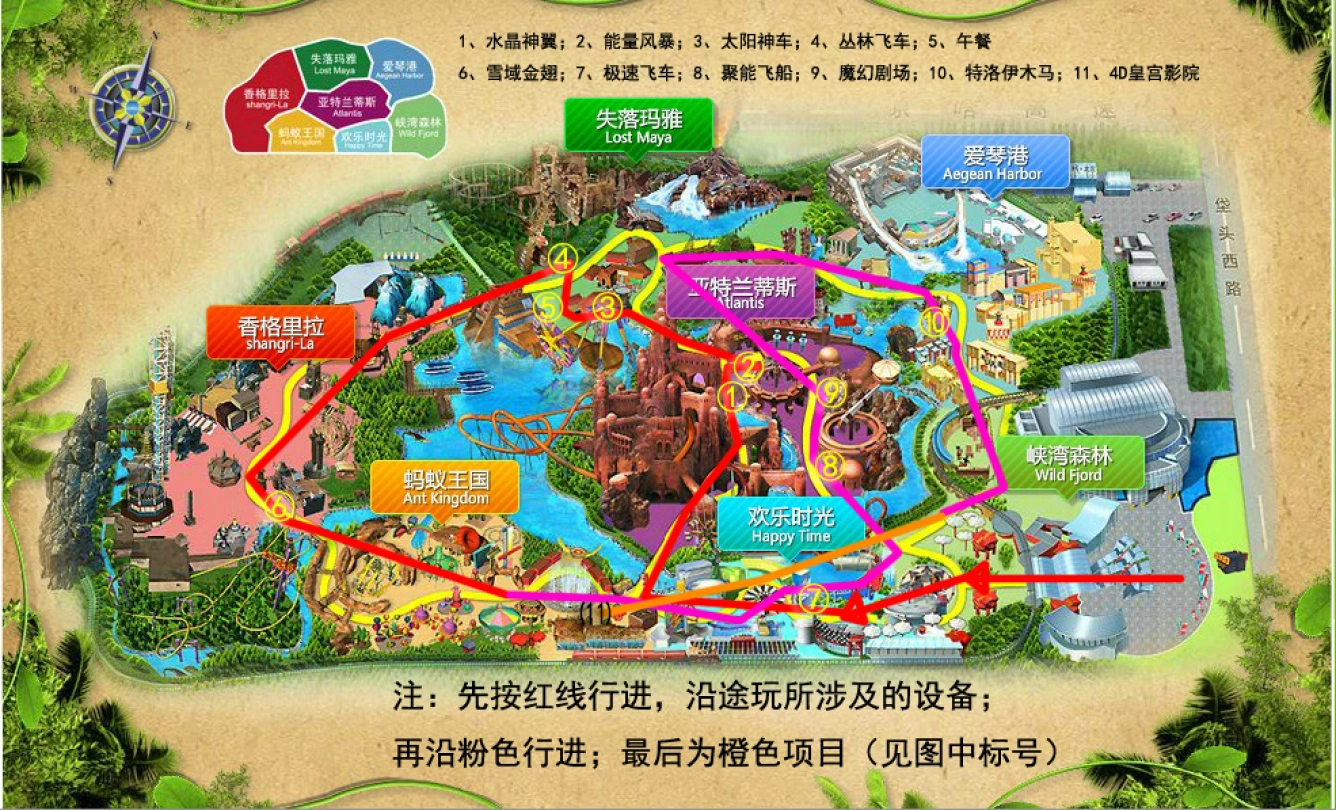
Beijing Happy Valley Ultimate Money-Saving Guide: Ride Everything, See Every Show in One Day
Here is the SEO-optimized, rewritten article based on the source material. It is structured for readability, keyword density, and user engagement, targeting approximately 1500 words. SEO Title: Beijing Happy Valley Ultimate Money-Saving Guide: Ride Everything & See Every Show in One Day Meta Description: Maximize…
Continue reading...
A Passionate Journey Through Beijing & Tianjin: Beijing Complete Guide – JOJO's In-Depth Travel Notes
Meta Description: Explore Beijing & Tianjin in 5 days with this complete travel guide. From the Forbidden City to the Great Wall, discover insider tips, transportation hacks, and must-see attractions. Plan your perfect China trip today. Beijing is not just a city—it's a living museum…
Continue reading...