Two Faces of the Hutong: When Beijing Locals Meet Out-of-Town Visitors
Meta Description: Discover the contrasting perspectives of Beijing hutong life—from a local's everyday reality to an outsider's historical awe. Explore Dongsi, Shi Jia Hutong, and the cultural clash that defines old Beijing.
Introduction: The Hutong's Dual Identity
The sky over Beijing carries an indescribable gray-blue tint. In late autumn 2022, two travel writers—one from Shandong, one a Beijing native—wandered into the hutong clusters of Dongsi. They walked flagstone paths, heard pigeon whistles overhead, visited the Shi Jia Hutong Museum, and shared a morning stall serving 糖油饼 (sugar-oil fritters). Yet by day's end, their understanding of the same alleyways diverged like branching lanes.
For Beijing locals, hutong are life itself. For out-of-town visitors, they are a codebook waiting to be deciphered. Two perspectives, two states of mind—together they sketch the city's most fascinating contradiction. This article explores both faces, offering an SEO-optimized guide to understanding Beijing's hutong through local and visitor lenses.
The Outsider's Hutong: History Piled into Mountains
Why "Dongsi Shi Tiao" Confuses Visitors

If you're not from Beijing, what comes to mind when you hear "东四十条" (Dongsi Shi Tiao)? For many, it's a straightforward misinterpretation: "the fortieth alley from the east." The reality? It's Dongsi (East Four), Shi Tiao (Tenth Alley)—not "East" and "Fortieth Alley." This small linguistic trap opens a door to understanding hutong naming conventions, which hide historical codes in plain sight.
Narrow alleys turn wide, wide ones bend narrow—horizontal, vertical, diagonal—each hutong like a specimen from a different era. For visitors, every corner feels like a museum piece. The sound of footsteps on flagstones echoes twice: once forward toward modern neon lights, once backward into the river of history. Which corner of this city hasn't witnessed heart-stopping stories? Which doorstone hasn't seen farewells between the living and the dead?
What Locals Take for Granted, Outsiders Treat with Awe
Beijingers' feelings toward hutong are complicated. One hand clings to dependency, the other dismisses them with casual disregard. They find hutong less romantic than Jiangnan alleyways, less spacious than Gulou Avenue, less orderly than modern streets. In the waves of globalization, hutong seem like a relic memory—a dated mold destined for discard.
But for outsiders, hutong are an endless mountain of piled-up history, a sea where power shifts and court bloodshed converge. Marco Polo once praised: "No better arrangement under heaven could be found." Seven hundred years later, that shock remains—not visual, but temporal.
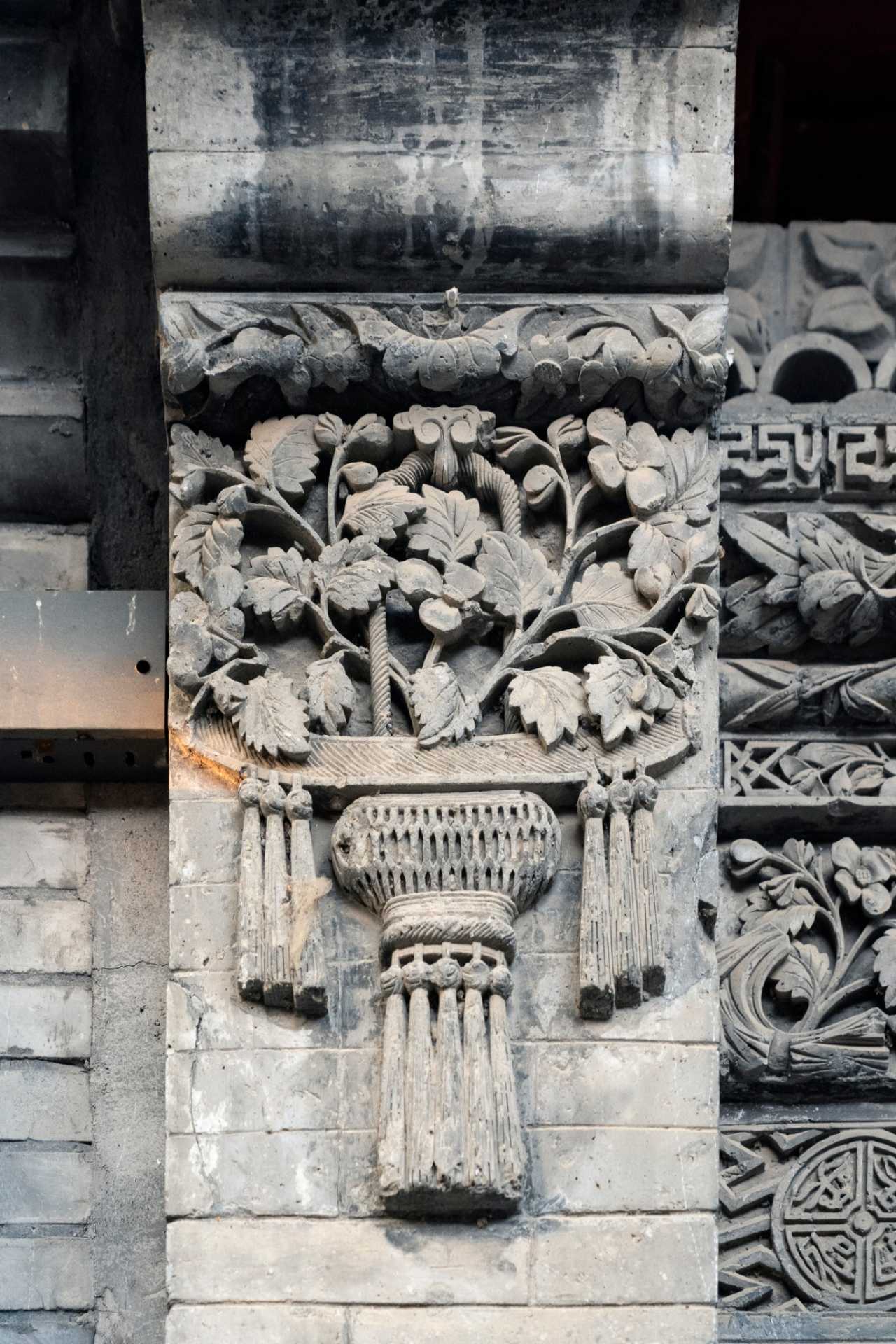
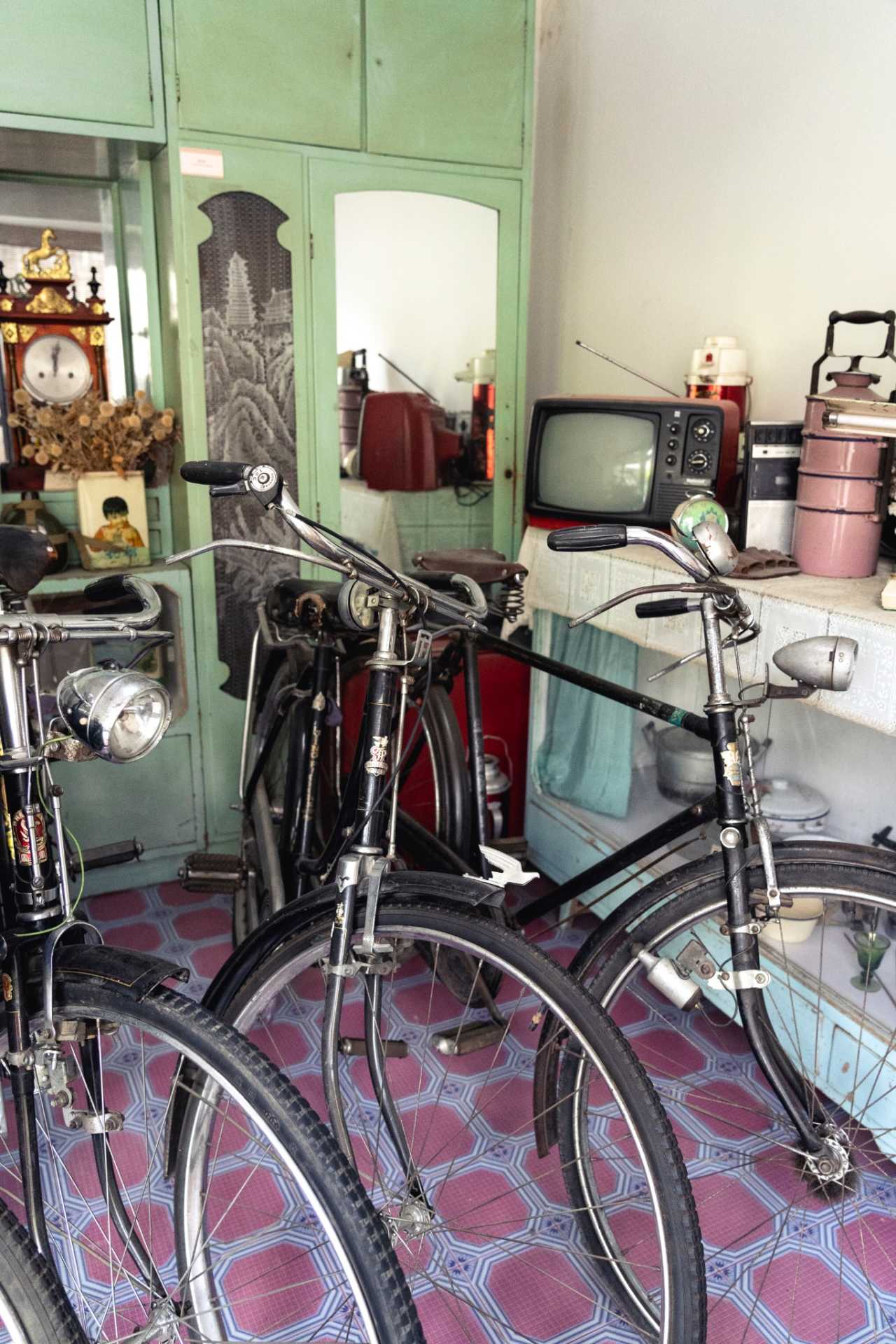
Beijing's hutong have never lacked stories of famous figures. A person leaves, makes a name, returns home in glory—then replaces their courtyard doorstep with a finer one, carves more door studs onto the hanging-flower gate. Over time, the entire alley piles into a thick book. Rusted 二八大杠 (old-fashioned bicycles) and long-stopped pendulum clocks gather dust, faithful witnesses to bygone memory.
Locals love Dongsi for its stubborn obsession with the past—the morning clatter of chamber pots, the cries of street vendors. But visitors are drawn to Shi Jia Hutong, especially when it carved out a small courtyard and hung up the sign "Museum."
Shi Jia Hutong Museum: An Era Made Tangible
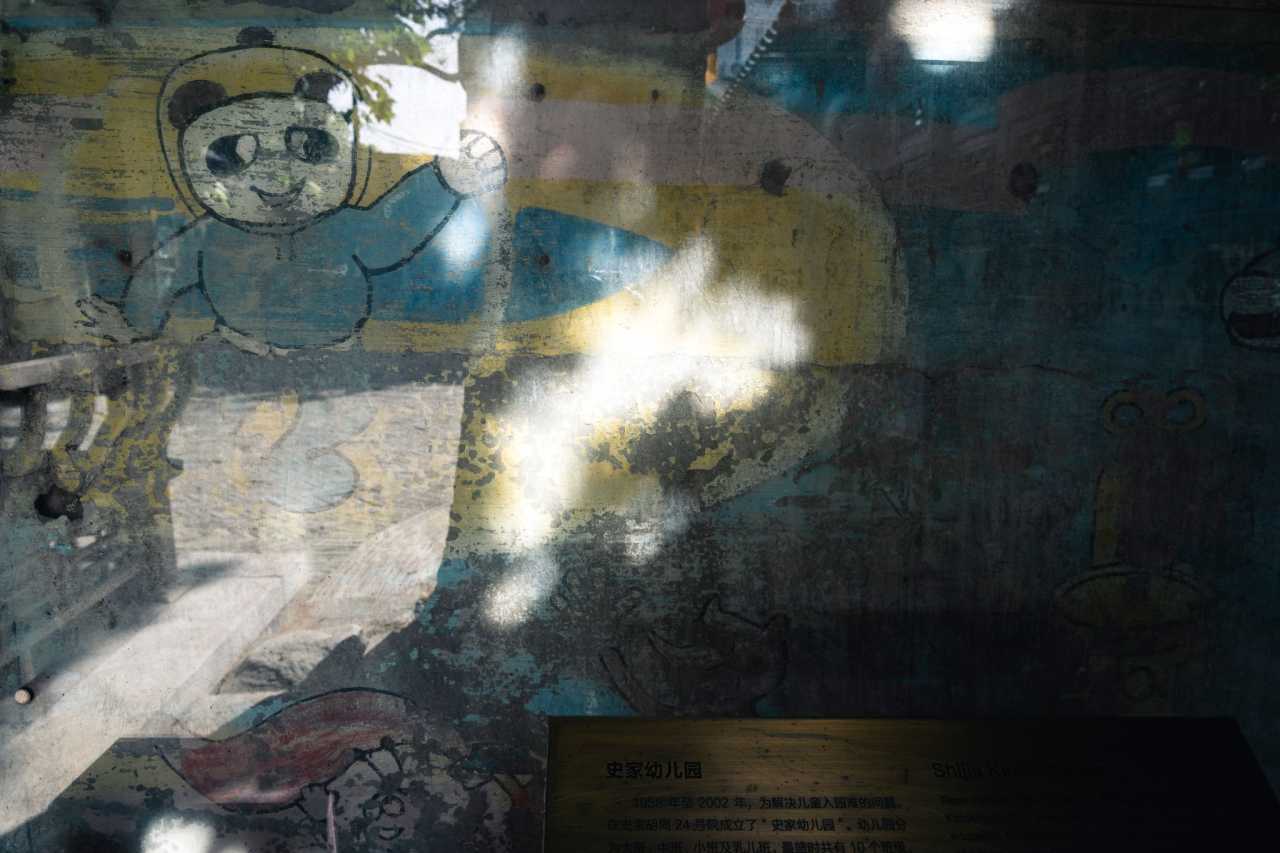
The entrance to the Shi Jia Hutong Museum isn't large, but it's easy to spot. Inside, a crooked children's crayon drawing hangs on the left wall—a remnant from when this was the Shi Jia Kindergarten. Children jumped, pondered, laughed here, then scattered into the big world beyond.
This was once the childhood playground of writer and painter Ling Shuhua. After leaving her youth, she studied under Miao Suyun (a painter favored by Empress Dowager Cixi) and received guidance from Gu Hongming and Zhou Zuoren. Half a lifetime away from Shi Jia Hutong, she became a major novelist of the Crescent Moon School, ranking alongside Bing Xin and Su Xuelin. Here, Ling Shuhua married Chen Xiying—and it became the cradle of Chen's multiple debates with Lu Xun.
Literary figures gathered irregularly. Ling Shuhua's large study became the meeting place for the "Beijing Painting Society," and her father Ling Fupeng often invited famous scholars. This "young lady's grand study" predated Lin Huiyin's "Madam's Living Room" by nearly a decade.
Such "literati debates" are unlikely to be seen again. The old era was broken, hard, impoverished—but everyone seemed to have something to do, a way forward. They held bricks and brushes, trying to construct an entire era, building a towering wall that astonishes later generations.
In 1950, the North China People's Art Troupe moved into No. 20 Shi Jia Hutong and renamed itself the Beijing People's Art Theatre. That same year, Lao She wrote Dragon Whisker Creek, laying the foundation for realist artistic style. Two years later, the "old People's Art" merged with the drama troupe affiliated with the Central Academy of Drama, birthing the Beijing People's Art Theatre as we know it.
Just a day earlier, I walked out of the theatre after watching Little Well Hutong; a day later, I sat on a flagstone bench in Shi Jia Hutong, cheering for people from over a century ago. After the Boxer Indemnity was refunded, China began sending 100 students annually to the United States starting in 1909. Before Tsinghua Academy was built, Shi Jia Hutong became the site for qualifying exams—Zhu Kezhen, Hu Shih, Zhao Yuanren, and others left their footprints here.
Perhaps Shi Jia Hutong is like an eagle's nest, offering its children the warmest shelter while urging them to soar. Ling Shuhua, far from home, returned just before her death, smiling amid kindergarten children. She remembered the alley filled with the fragrance of lilacs and peonies.
Sometimes, I regret not being born in that era of blooming brilliance, when I could have become part of the hutong's bones and blood. Now, I only hear faint murmurs of a distant age. While eating a 糖油饼, I overheard two people complaining about modern life's fast pace. My friend remained silent—at that moment, she too set aside her local pride.
Perhaps we are all outsiders—passersby of the hutong, passersby of Beijing, passersby of that golden age.
The Local's Hutong: Put Away the Awe, Taste the "Steaming Hot"
Starting with a Hand-Shaded Gaze
"I used to think '东四十条' meant the fortieth alley from the east."
"That would be a nightmare to count. Guess that's the importance of punctuation."
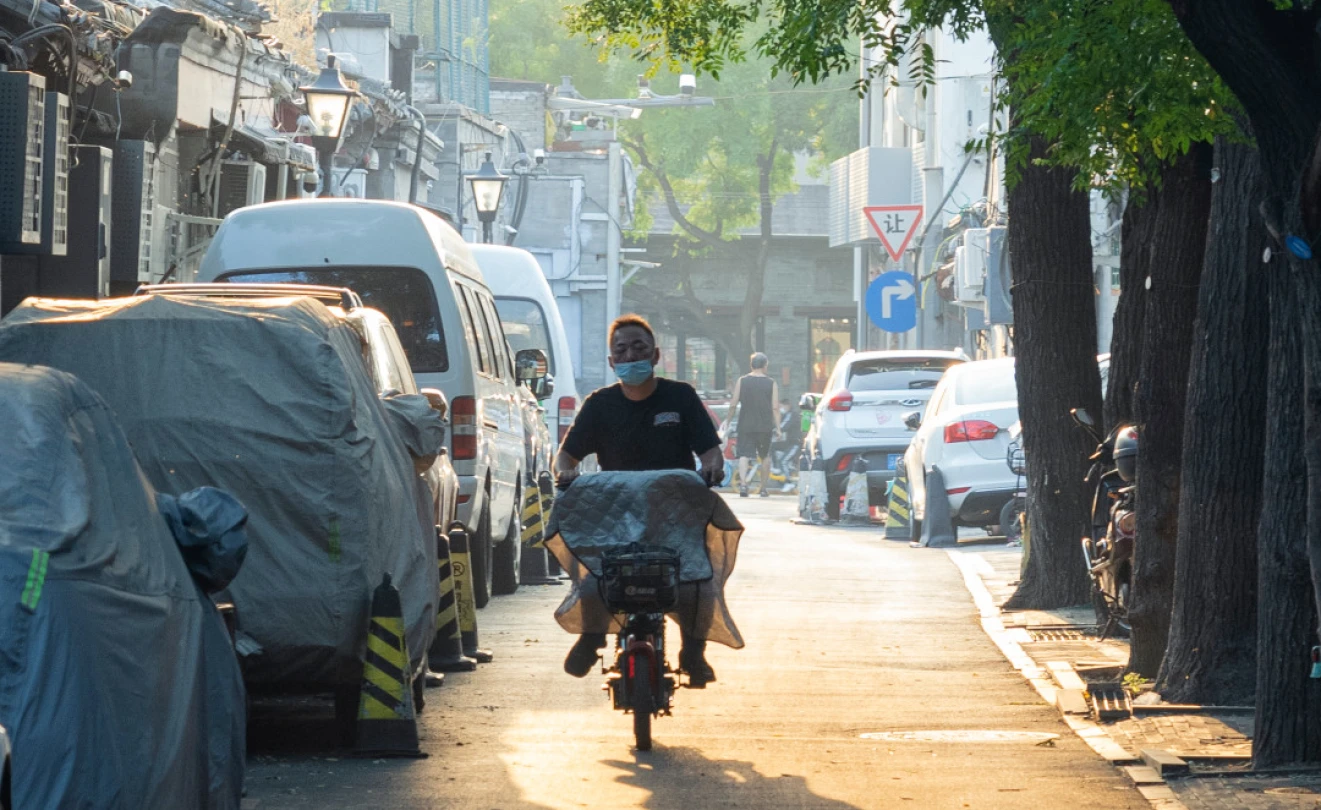
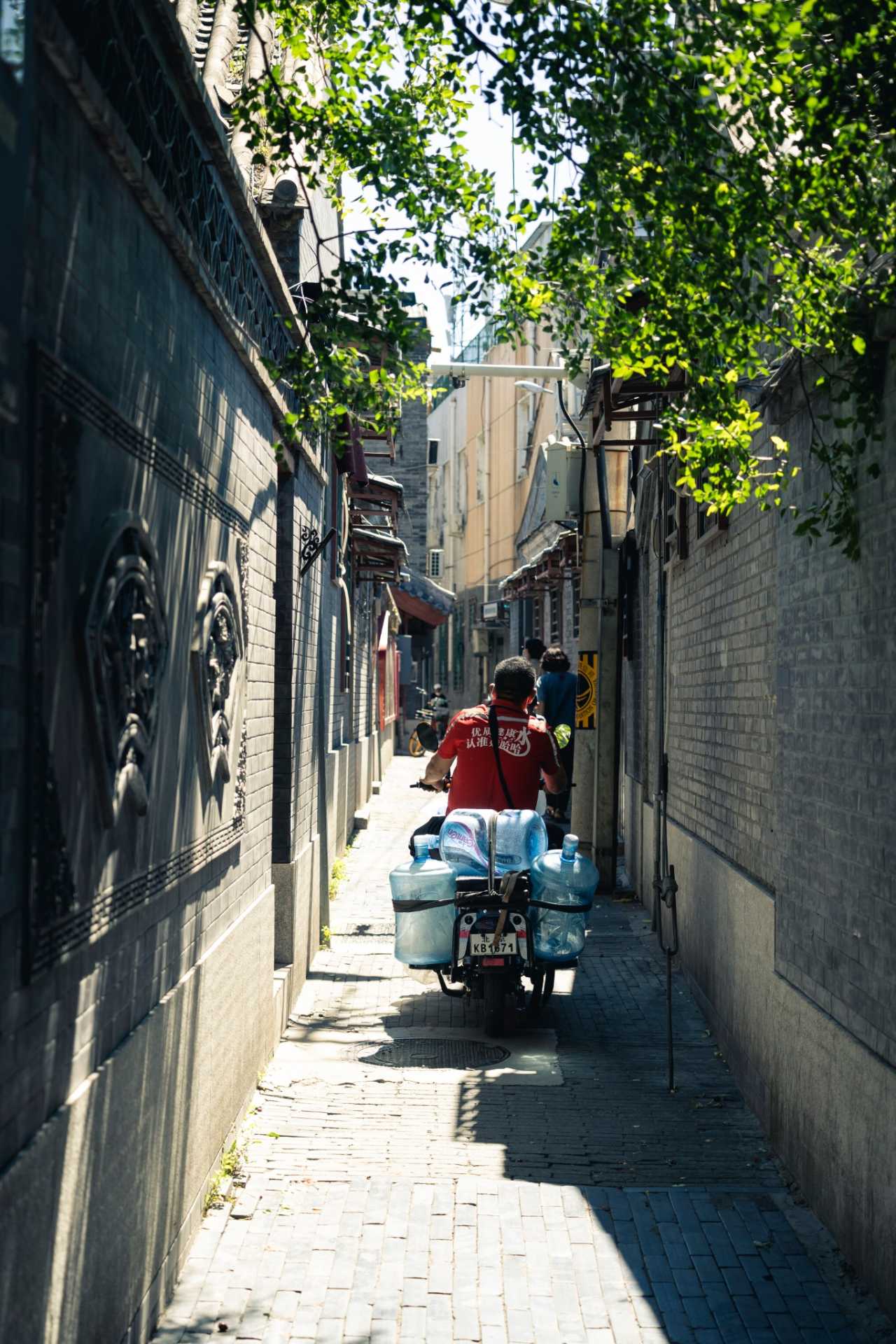
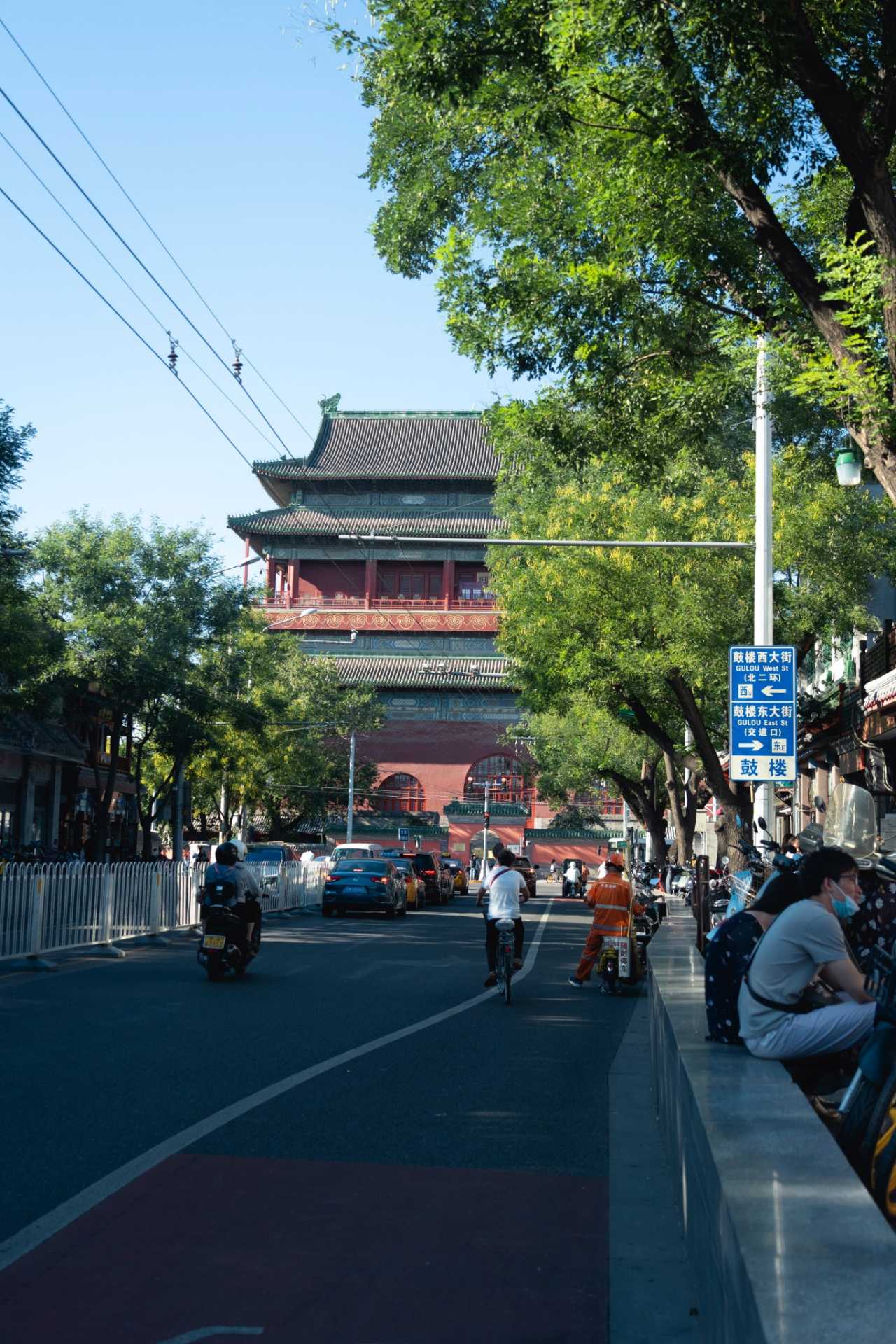
In the height of summer, Beijing's sky was a cloudless, washed blue. I stood at the busy Dongsi intersection, shading my eyes with my hand, and finally spotted my friend arriving. For locals, this intersection is just another commute—not a historical landmark. The hutong are home: places to buy groceries, park bicycles, and complain about rising rent. The awe visitors feel is replaced by familiarity, comfort, and sometimes, frustration.
The Local's Daily Hutong Experience
For a Beijing native, hutong are not museums but living spaces. Morning routines include:
- Buying fresh 糖油饼 from the neighborhood stall
- Greeting elderly neighbors sweeping their doorsteps
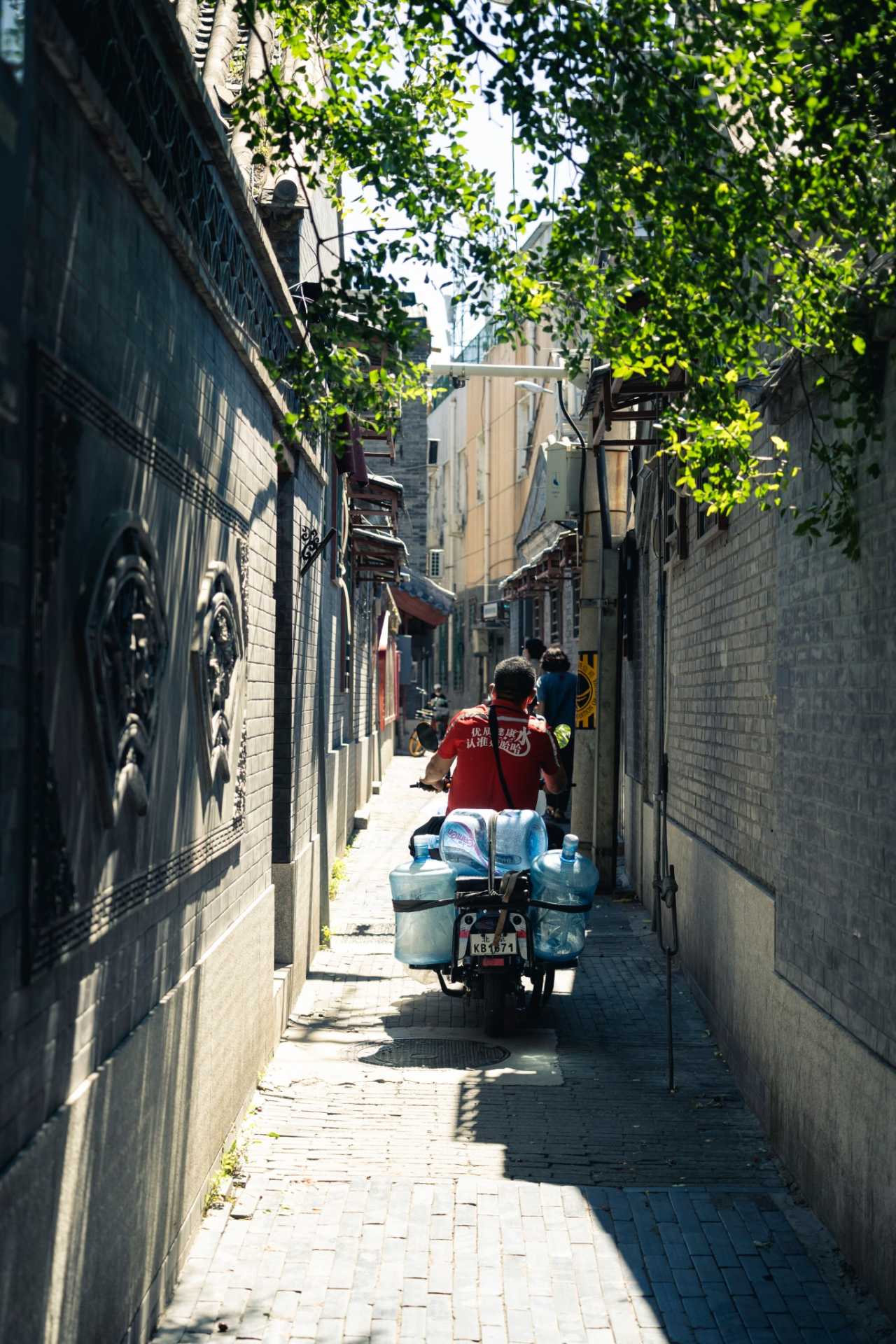
- Navigating narrow lanes on a bicycle, dodging delivery scooters
- Hearing the sound of mahjong tiles from open courtyard doors
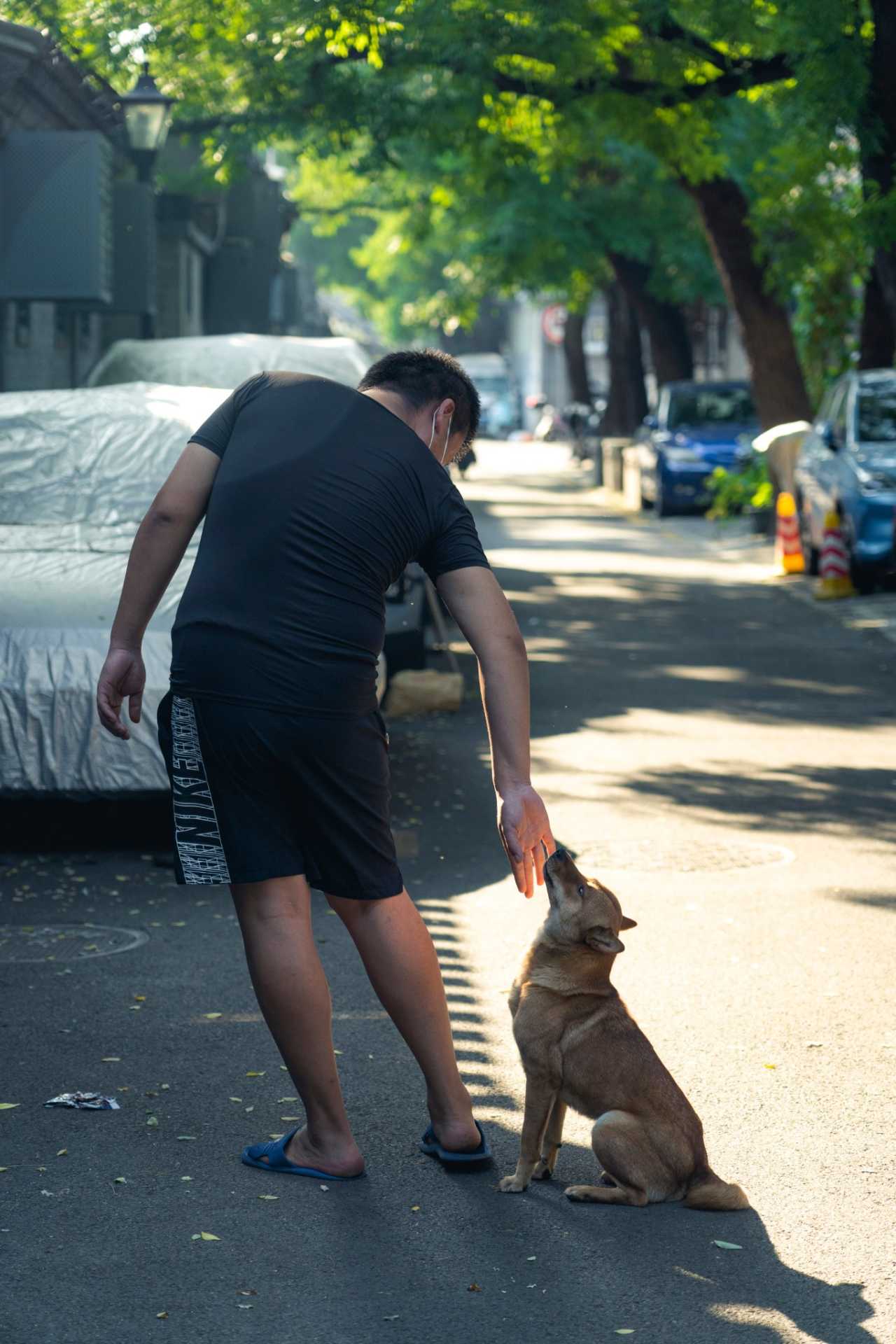
The charm of hutong for locals lies in their ordinariness. The same flagstones that awe visitors are simply the path to the subway station. The same courtyard walls that hold centuries of history are just backdrops for hanging laundry. This isn't disrespect—it's the comfort of the familiar.
Why Locals Still Love the Hutong
Despite modernization, many Beijingers remain fiercely protective of hutong culture. They value:
- Community bonds: Neighbors know each other by name, share meals, and watch each other's children.
- Slow pace: Hutong life resists the city's frantic rhythm.
- Authentic food: Street stalls serve generations-old recipes.
- Historical continuity: Even if taken for granted, the hutong represent a tangible link to ancestors.
As one local put it: "We don't need to romanticize it. We just live it."
FAQ: Understanding Beijing's Hutong
1. What is the difference between a hutong and a siheyuan?
A hutong is a narrow alley or lane, while a siheyuan is a traditional courtyard house that lines the hutong. Hutong are the streets; siheyuan are the homes.
2. Why are hutong names so confusing for visitors?
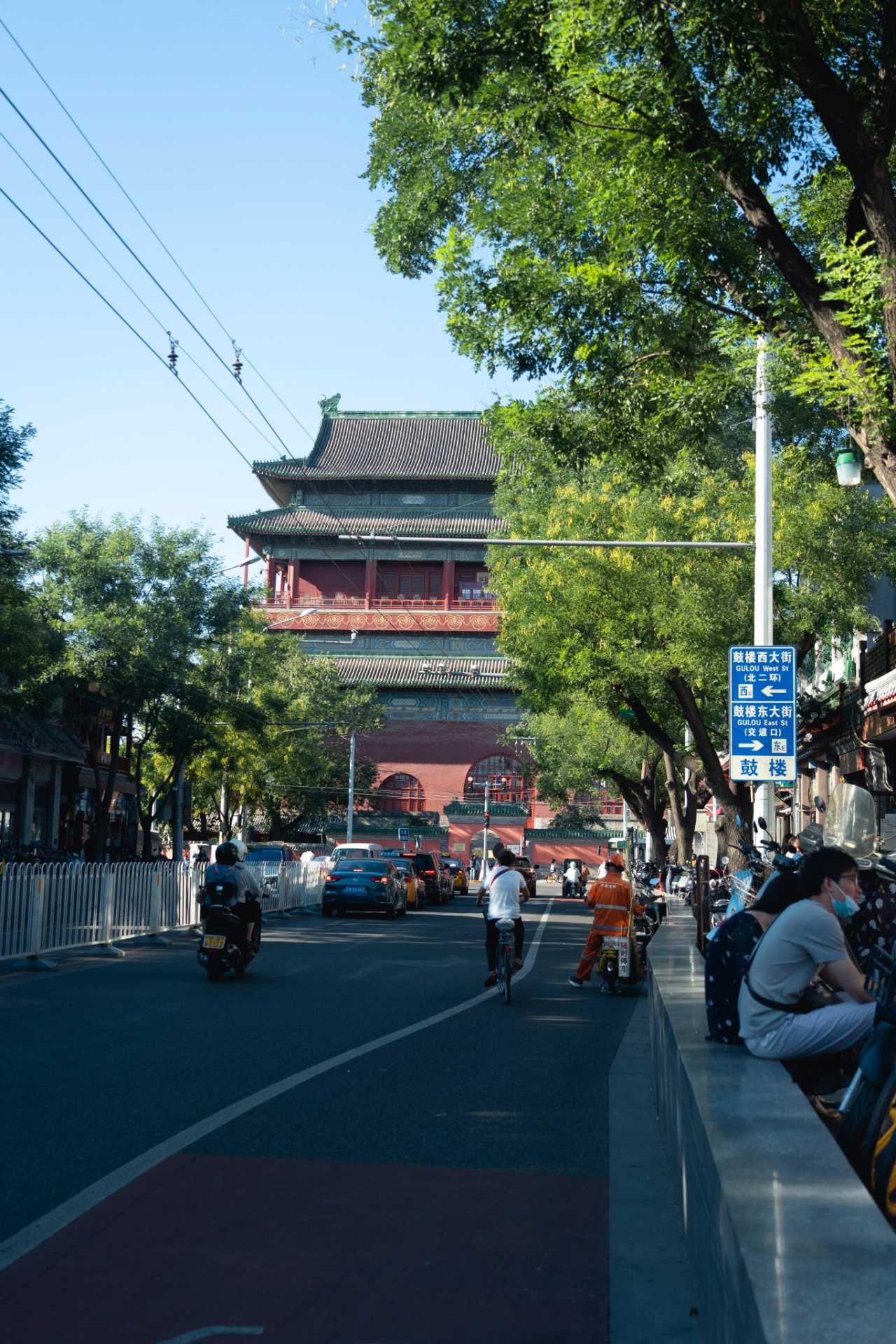
Many hutong names contain historical or numerical references that require local knowledge. For example, "东四十条" (Dongsi Shi Tiao) means "East Four, Tenth Alley," not "East Fortieth Alley." Punctuation and context matter.
3. Can tourists visit hutong freely?
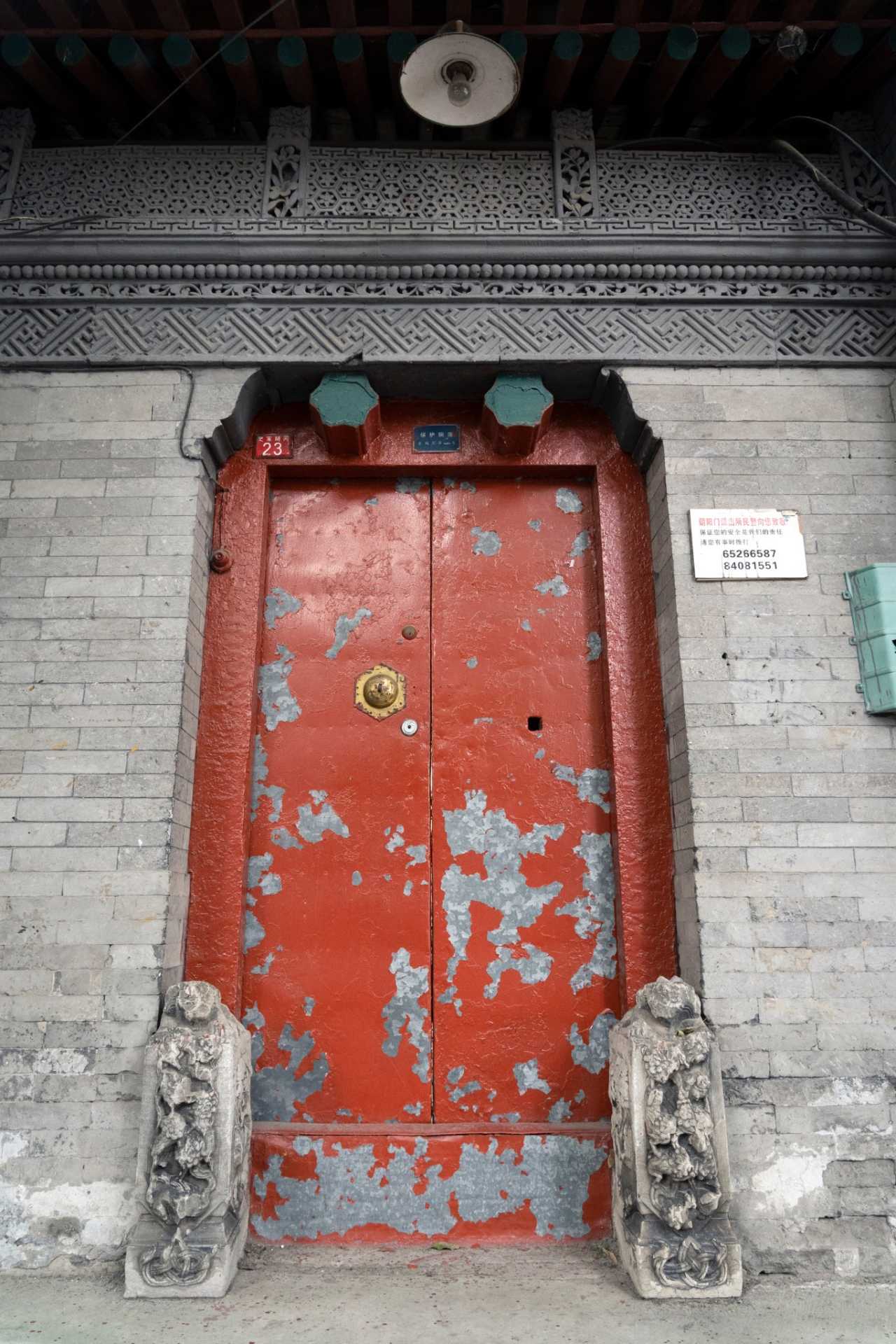
Yes, most hutong are public alleys. However, respect residents' privacy—avoid peering into courtyards or taking photos of people without permission. Some hutong, like Shi Jia Hutong, have museums open to the public.
4. What is the best way to explore hutong?
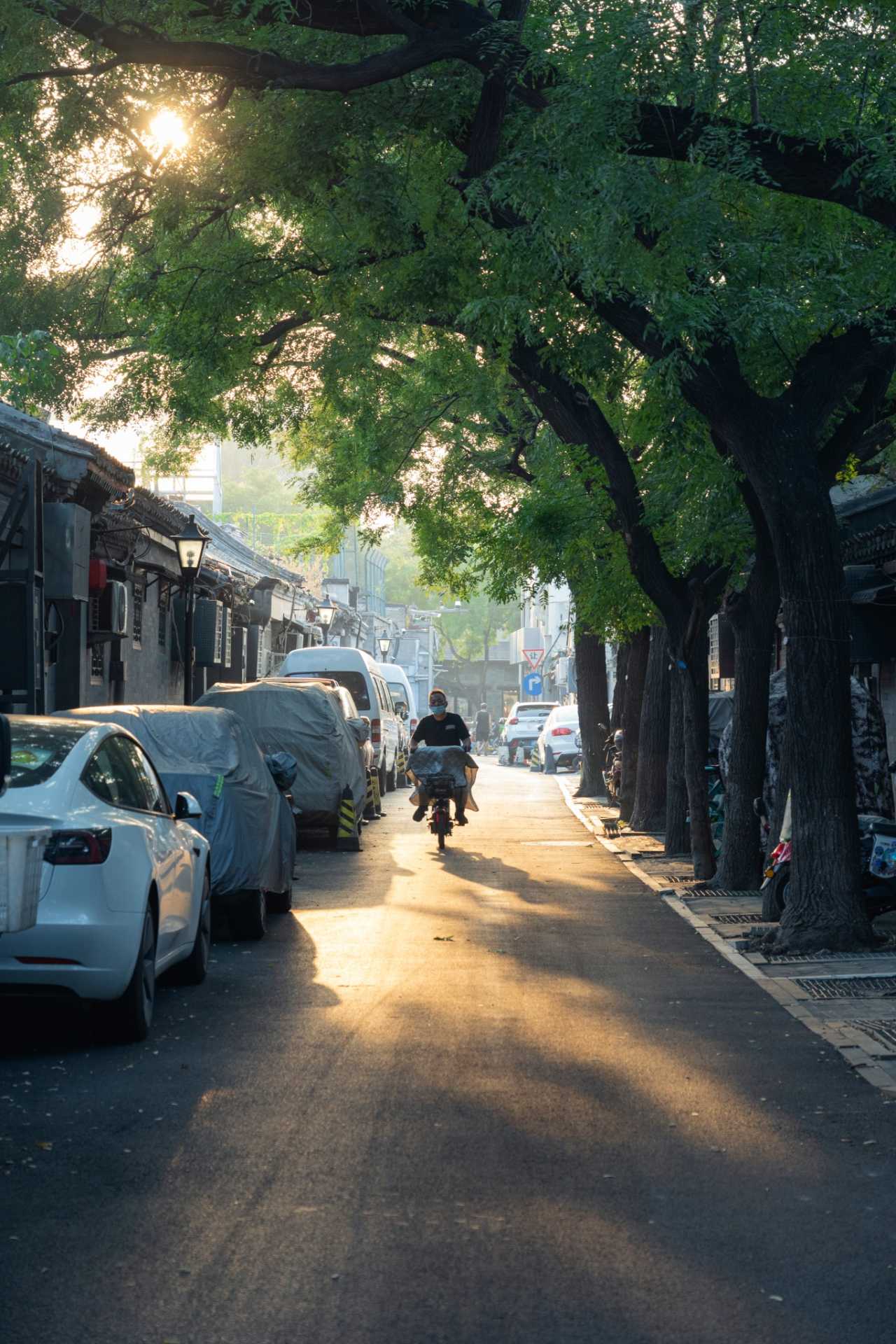
Walk or rent a bicycle. Guided tours offer historical context, but wandering independently allows you to discover hidden gems like local food stalls and small art galleries. [Link: Best Beijing hutong walking tours]
5. Are hutong disappearing in modern Beijing?
Many hutong have been demolished for urban development, but preservation efforts are growing. Areas like Dongsi, Nanluoguxiang, and Shichahai retain significant hutong clusters and are protected to varying degrees.
Internal Linking Suggestions
- [Link: Best Beijing hutong walking tours]
- [Link: History of Shi Jia Hutong Museum]
- [Link: Traditional Beijing foods to try in hutong]
- [Link: Comparing Dongsi and Nanluoguxiang hutong]
- [Link: How to navigate Beijing's hutong numbering system]
Conclusion: Embracing Both Faces of the Hutong
The hutong are not just tourist attractions or relics—they are living, breathing neighborhoods. For visitors, they offer a window into Beijing's layered history. For locals, they provide a sense of home and continuity. The beauty lies in this duality: the same flagstones can spark awe in one person and comfort in another.
Whether you come as an outsider seeking historical wonders or as a local rediscovering your roots, the hutong welcome you. The key is to put away the awe when it's not needed, and taste the "steaming hot" reality of daily life.
Ready to explore Beijing's hutong like a local? Start your journey at Dongsi Shi Tiao, grab a 糖油饼 from a morning stall, and let the alleys guide you. Share your hutong story in the comments below—we'd love to hear which face of the hutong you discovered.
Call to Action: Book a guided hutong tour today and experience both perspectives firsthand. [Link: Book your Beijing hutong experience]
You should also read:
TASTY SUMMER: A Beijing Food Journey — Where Food and Love Are Never to Be Taken for Granted
Meta Description: Explore Beijing's hidden food gems in this SEO-optimized food journey. From vegetarian utopias to state-owned halal eateries, discover where to eat in Beijing like a local. Includes restaurant addresses, tips, and FAQs. Some journeys are destined to be serendipitous encounters. On a cold…
Continue reading...
A Winter Journey in Beijing: Romance and Misery at Minus Five Degrees – An SEO-Optimized Travel Guide
Meta Description: Discover the romance and misery of a winter trip to Beijing at -5°C. Explore snowy Jingshan Park, historic hutongs, and budget-friendly tips for a 4-day Spring Festival adventure. Some say Beijing is a city you both love and hate. You love its profound…
Continue reading...
Solo in Beijing: Discovering Another Side of the Capital Amid Red Walls and Grey Tiles
Meta Description: Traveling solo in Beijing on a student budget? Discover hidden gems, practical tips for first-time solo travelers, and how to explore the capital's red walls and grey tiles without breaking the bank. When my friends asked why I chose to go to Beijing…
Continue reading...