Vietnam Motorcycle Journey: 14 Days of Free Riding from North to South – The Ultimate Budget Travel Guide
Meta Description: Discover how to ride Vietnam on a budget with this 14-day motorcycle journey from North to South. From Hanoi to Ho Chi Minh City, get visa tips, currency hacks, and gear advice for an unforgettable adventure.
If you've ever dreamed of measuring a country not in kilometers, but in the hum of an engine and the wind in your face, a Vietnam motorcycle journey is your calling. In June 2017, I set out from Beijing with my partner, crossed the Friendship Pass border, and spent 11 days riding from Hanoi to Ho Chi Minh City. Over 14 days of freewheeling adventure, we discovered that Vietnam is best experienced on two wheels—with a backpack, a sleeping bag, and a sense of adventure. Here's how you can do it too.
Planning Your Vietnam Motorcycle Tour: Before You Go
Visas and SIM Cards: Keep It Simple

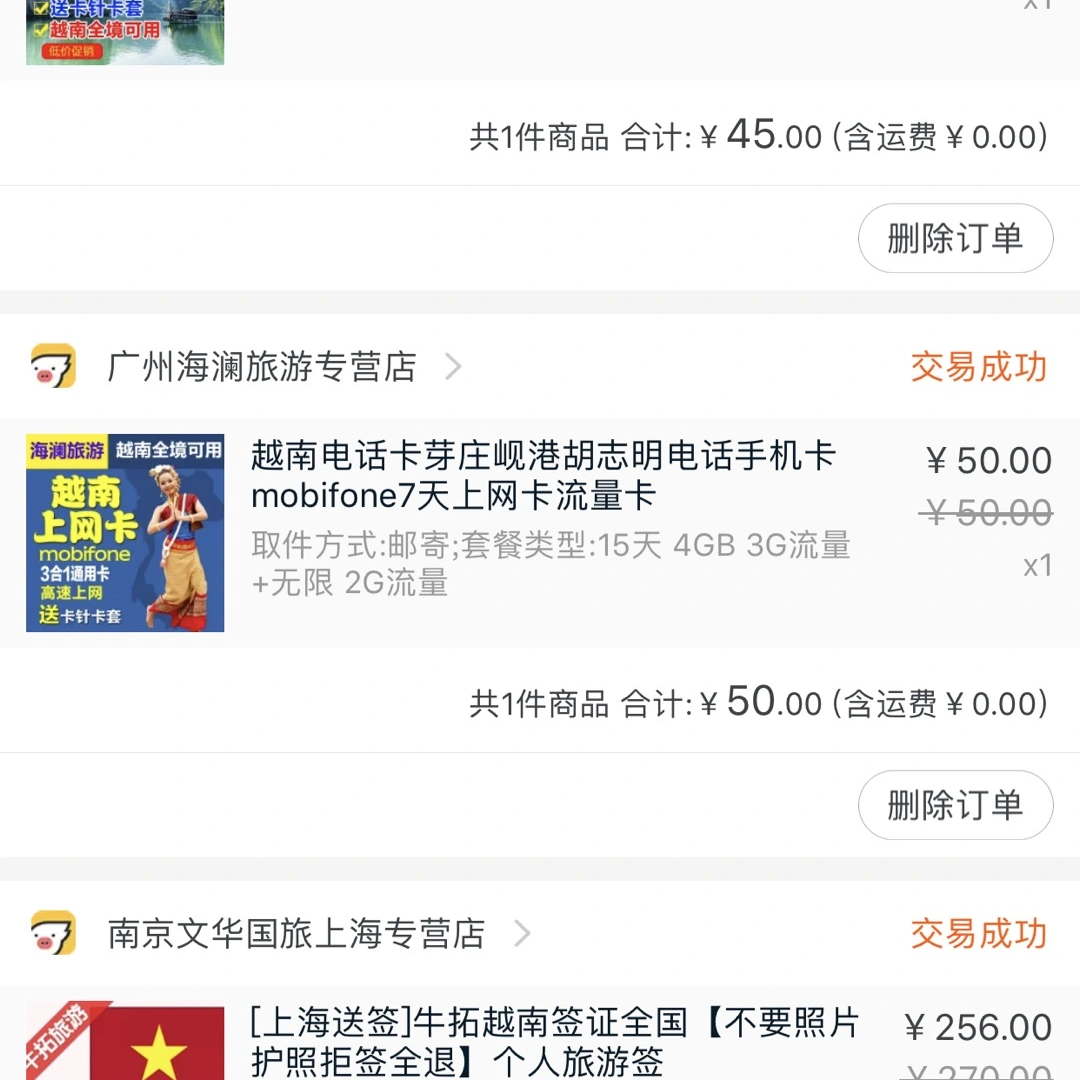
For a Vietnam motorcycle trip, the paperwork is straightforward. We handled visas and SIM cards through Taobao. Two visas cost a total of 535 RMB, with free SF Express shipping. Processing was astonishingly fast—no photos needed, and within a few business days, they were delivered to our friend in Nanning.
Pro tip: Buy two SIM cards—one Mobifone, one Vinaphone—so you can switch between whichever has better signal. This is essential when riding a motorcycle in Vietnam through remote areas.
Currency Exchange Tips: USD Is King

When planning a budget motorcycle tour Vietnam, currency strategy matters. We exchanged USD in advance at a rate of 1:6.8. Abroad, the US dollar always dominates and offers the best exchange rates. The Chinese yuan lags behind with poor rates.
Two exchange strategies: 1. Exchange RMB for Vietnamese dong directly at Friendship Pass (rate: 1:3,300) 2. Withdraw from ATMs in Vietnam (small fee of a few dozen RMB)
We exchanged USD early so we could use it in subsequent countries too. Get small bills of $5 and $10 for daily expenses, plus two $100 bills for emergencies.
Gear Checklist: Sleeping Bags and Raincoats Are Essential
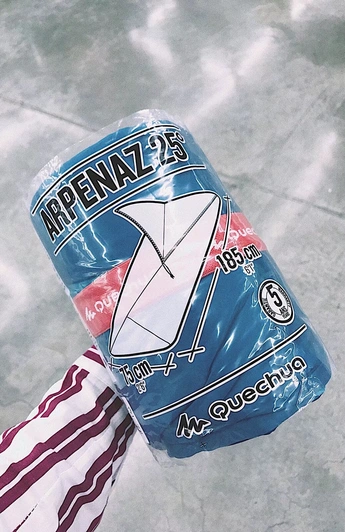
For a Vietnam self-guided motorcycle tour, pack light but smart. At Decathlon, we bought: - Two lightweight summer sleeping bags - Raincoats
I initially thought the sleeping bags would be unnecessary, but they ended up being a nightly necessity—when accommodation fell short, they were our last line of defense.
Transportation Strategy: Segmented Travel for Savings and Fun
Sticking to a budget travel Vietnam mindset, we didn't fly direct or take international trains. Instead, we traveled in segments by train and plane to Pingxiang, the city closest to the border, then exited via Friendship Pass.
After searching for cheap flights, we found that Zhengzhou to Nanning was the best deal—the longest leg was cheaper than a train ticket, while the other two short segments we took by hard-seat train. Total spending was less than a single direct flight ticket, and we got to visit two extra places within China.
Domestic Leg: Beijing → Zhengzhou → Nanning → Pingxiang
Zhengzhou: A Rainy Night at Erqi Tower
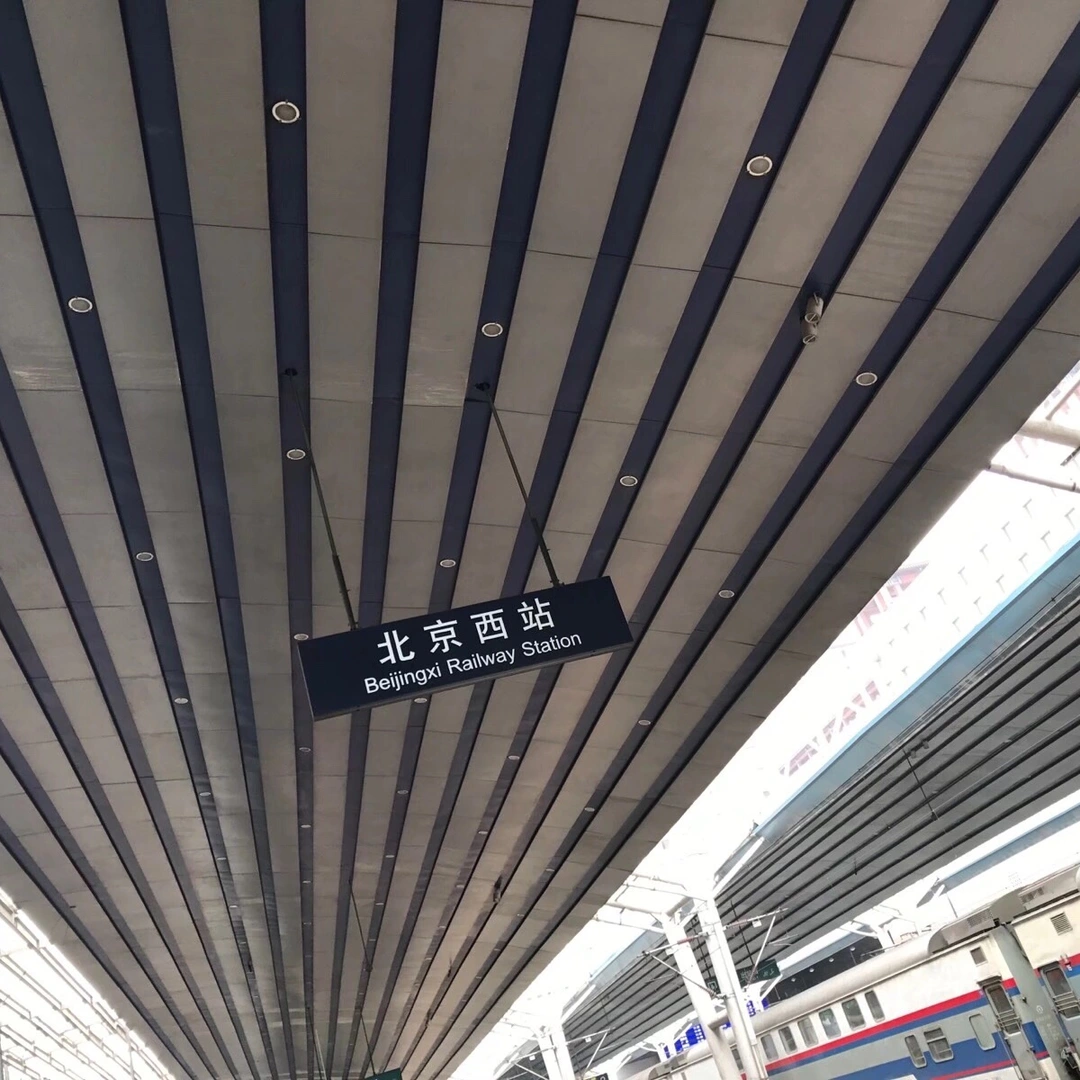
Departing from Beijing West Station, a few hours of hard-seat train brought us to Zhengzhou. As we exited, the sky was overcast and drizzling. We booked a room near Erqi Tower, but the building looked like something out of a 90s horror movie—dim hallways, trash everywhere, and an elevator so old it took five minutes to arrive. Fortunately, the room itself was clean enough, and our sleeping bags came in handy.
Looking down from the window at Zhengzhou's old city, Erqi Tower looked beautiful against the lights. Every hour on the hour, the tower chimed and played "The East Is Red." Amid the bells and rain, we ended our first day.
The next day, we went inside Erqi Tower. Its ten floors displayed historical artifacts from the "February 7th" General Strike. Climbing the spiral staircase to the top offered a panoramic view of the square. At noon, we had tomato-egg noodles on Dehua Pedestrian Street—a Zhengzhou specialty, but as a native of Shanxi, I found it just okay. In the afternoon, we visited the Henan Museum, but the main hall was under renovation, so we could only glance at the small exhibition.
That evening, a friend recommended Song Laosan Su Meat Old Shop. The braised meat and meatball soup paired with flatbread were so delicious that even I—someone who doesn't usually like lamb—couldn't stop eating. After dinner, we walked to Erqi Square, a Muslim gathering area, and sat there until dark. Then we took the subway to Zhengzhou East Station and transferred to a bullet train to the airport. We spent the night at Zhengzhou Airport, barely sleeping.
Nanning: Humid Air and an Army of E-Bikes
At 6:20 AM, we boarded Lucky Air's flight to Nanning. Moving from the north to the south, humid air greeted us. An airport bus for 20 RMB took us directly to the train station, where we rented Mobike bikes to find accommodation. We booked a private room at a hostel, but the surrounding area was demolished and chaotic, and without air conditioning, the room was unbearably hot.
We didn't visit many attractions in Nanning—just rode Mobikes around. The Guangxi Zhuang Autonomous Region Museum looked as old as a 20th-century building, but the cultural relics garden in the backyard was a delightful surprise: the Zhuang wind-and-rain bridge looked stunning against the tropical rainforest backdrop. We tried Shuji rice noodles, which had a sweet-and-spicy flavor—the dry version was better than the soup. That evening, we met up with friends and ate Laobiao Ji duck feet hot pot, followed by various snails at the night market.
Our visas and SIM cards had just arrived at our friend's place. Picking them up gave us peace of mind. Vietnam's visa is a separate paper visa, different from regular passport visas.
Pingxiang: Nerves Before Friendship Pass
The next morning in Nanning, it was pouring rain. The train ticket cost 29.5 RMB for nearly five hours of hard seat. The scenery along the way was strikingly different—small, rolling hills, lush green everywhere. The further south we went, the clearer the sky became, and the hotter it got.
We arrived in Pingxiang at 1:11 PM, both of us on edge. Crossing the border was nerve-wracking, and we didn't want any mistakes. As soon as we exited the station, we followed a crowd into a shared car heading to Friendship Pass, costing 10 RMB per person. Onboard was an uncle traveling with his family of three, who seemed to be a regular visitor to Vietnam.
[Link: How to cross the Vietnam border by road]
Entering Vietnam: First Time at Friendship Pass
Currency Exchange: Becoming Instant Millionaires
At Friendship Pass, money changers swarmed around us. The uncle said the rate was decent and recommended a woman. We exchanged our RMB for Vietnamese dong at a rate of 1:3,300. Suddenly, we had millions in our pockets.
Friendship Pass itself is a scenic spot, but we rushed through without exploring. The Vietnam exit building was right ahead. I'd read many travelogues about border officials asking for bribes, but we didn't encounter that. In fact, we were too cautious—seeing Vietnamese staff chatting and laughing with locals crossing the border, we thought they were demanding tips and quickly switched to another queue. But no one asked for anything; they just stamped our visas and passports.
My passport, issued in 2011, finally got its first stamp. I couldn't help but smile.
China's boundary marker No. 1116—one side is China, the other is Vietnam. Once we crossed the road divider, we officially exited the country. There was still a stretch to the bus stop. Many tour groups paid a few yuan for an electric cart, but we walked. The afternoon was sweltering, and my long sleeves left me drenched in sweat.
At the station, Vietnamese people gathered around to arrange transport, with the destination being Hanoi—about four hours away. The bus was luxurious inside, with powerful air conditioning. Amazingly, it even had WiFi, so I could post on social media. Coincidentally, we met the uncle and his family again on the bus.
That 500,000 Vietnamese dong note—the largest denomination, worth about 150 RMB—was something we had to get familiar with. Otherwise, we wouldn't know which note to use when buying things—everything seemed to end in "000." It was laughably confusing.
[Link: Vietnam currency guide for travelers]
Hanoi: Getting Lost in the Old Quarter
First Impressions of Hanoi: Tube Houses and BIG C
As the bus approached Hanoi, it became sluggish. The city's famous "tube houses"—narrow, tall buildings squeezed together—lined the streets. We checked into a guesthouse near Hoan Kiem Lake, dropped our bags, and immediately went to find a motorcycle rental.
Renting a motorcycle in Vietnam is straightforward. We found a shop near the Old Quarter that rented Honda Win knockoffs for about $10 per day. No deposit, just a copy of our passport. We chose a semi-automatic 110cc bike—perfect for city traffic and country roads.
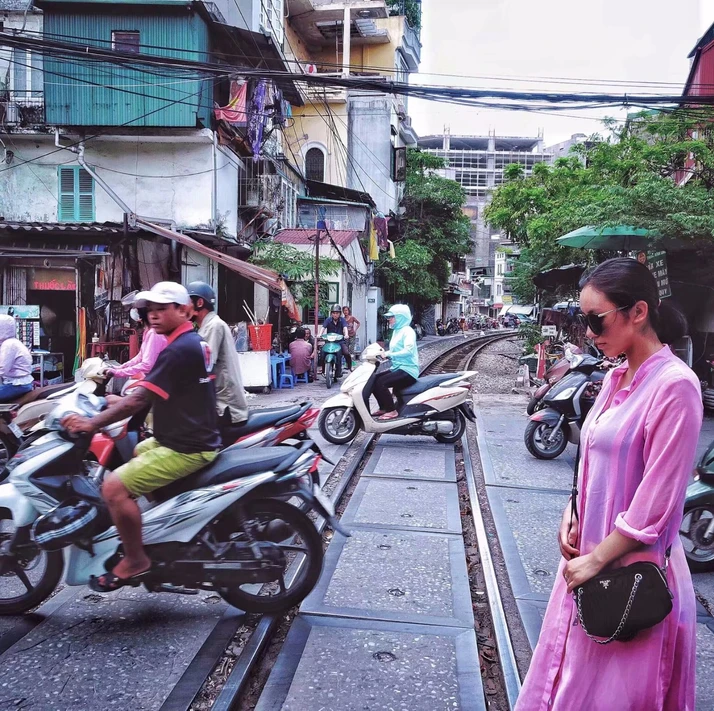
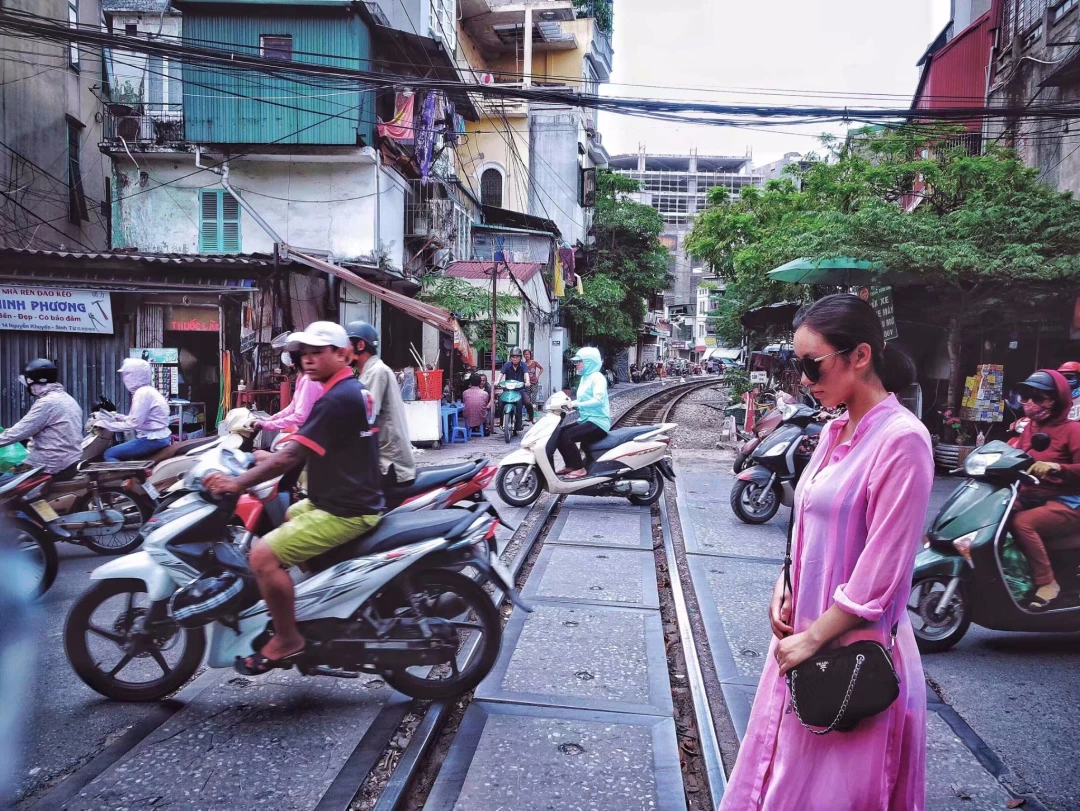
That evening, we explored the Old Quarter's maze of streets. Each street is named after the goods sold there: Silk Street, Paper Street, Jewelry Street. We ate pho at a street stall for 30,000 VND (about $1.30) and drank bia hoi (fresh beer) for 5,000 VND per glass. The chaos of Hanoi's traffic—hundreds of motorbikes weaving through intersections like a school of fish—was intimidating at first, but we quickly learned the rhythm: just keep moving, don't stop, and trust that everyone else will avoid you.
Getting Lost in Hanoi's Streets
The next morning, we set out to explore. We visited the Temple of Literature, Vietnam's first university, built in 1076. The peaceful courtyards and ancient stelae were a stark contrast to the city's frantic energy. We also visited Ho Chi Minh's Mausoleum, but the line was too long, so we settled for a photo from outside.
By afternoon, we were hopelessly lost in the Old Quarter's back alleys. We stumbled upon a hidden market where locals sold everything from live frogs to used motorcycle parts. A woman offered us a bowl of bun cha (grilled pork with noodles) for 20,000 VND. It was the best meal of the trip so far.
Pro tip: When riding a motorcycle in Hanoi, always lock your helmet to the bike. Helmet theft is common.
The Road South: Hanoi to Ho Chi Minh City
Day 1: Hanoi to Ninh Binh (100 km)
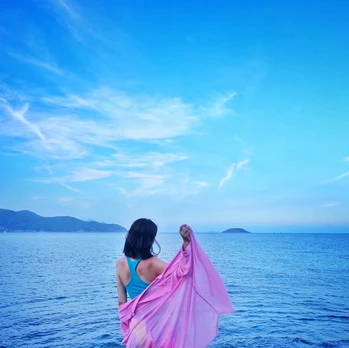
We left Hanoi at dawn, the city still waking up. The road south was a shock—suddenly, we were surrounded by rice paddies and limestone karsts. Ninh Binh, known as "Ha Long Bay on land," was our first stop. We rode through Tam Coc, where the river winds through caves and cliffs. The scenery was so stunning that we stopped every few minutes to take photos.
We stayed at a homestay run by a family who didn't speak English but communicated through smiles and gestures. They served us a dinner of fried spring rolls, rice, and fish. The room cost $8 for the night.
Day 2: Ninh Binh to Vinh (200 km)
This was our longest day of riding. The road was mostly flat, cutting through farmland and small towns. We stopped for lunch at a roadside stall where the owner pointed at a pot of bubbling broth and said, "Pho." We nodded. It was the best pho of the trip.
By evening, we reached Vinh, a city that felt more like a large town. We found a guesthouse near the market and collapsed into bed.
Day 3: Vinh to Dong Hoi (180 km)
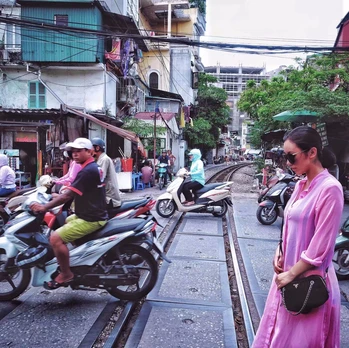
The road to Dong Hoi took us through the Hai Van Pass, a mountain road that hugs the coast. The views were breathtaking—emerald water on one side, jungle-covered mountains on the other. We stopped at a viewpoint and met a French couple who were cycling the entire length of Vietnam. They told us about the DMZ (Demilitarized Zone) we'd pass through tomorrow.
Day 4: Dong Hoi to Hue (150 km)
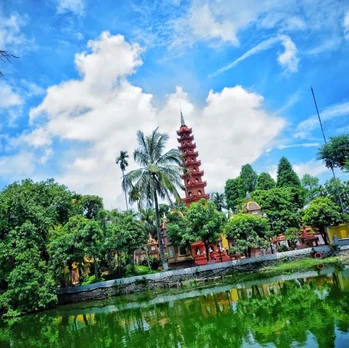
We crossed the DMZ, the former border between North and South Vietnam. The landscape was eerily quiet, with bomb craters still visible in the fields. In Hue, we visited the Imperial City, a sprawling complex of palaces and temples that was heavily damaged during the war. The contrast between the grandeur of the past and the scars of war was sobering.
Day 5: Hue to Da Nang (100 km)
The road from Hue to Da Nang is one of the most beautiful in Vietnam. The Hai Van Pass, which we'd partially covered yesterday, reached its climax here. We rode through clouds, the road winding along the cliff edge. At the top, we stopped at an abandoned French bunker and looked out over the South China Sea.
Da Nang was a welcome break—a modern city with beautiful beaches. We spent the afternoon swimming and eating seafood at a beachfront restaurant.
Day 6: Da Nang to Hoi An (30 km)
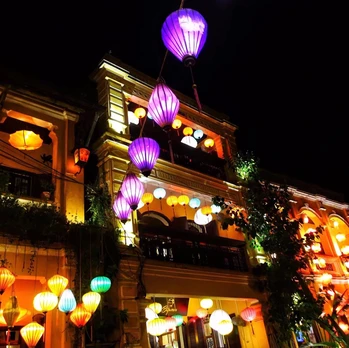
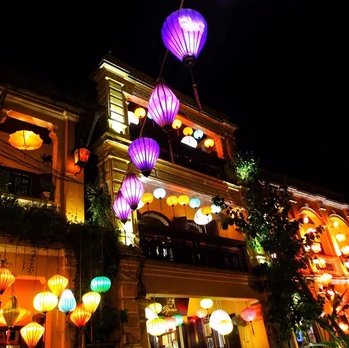
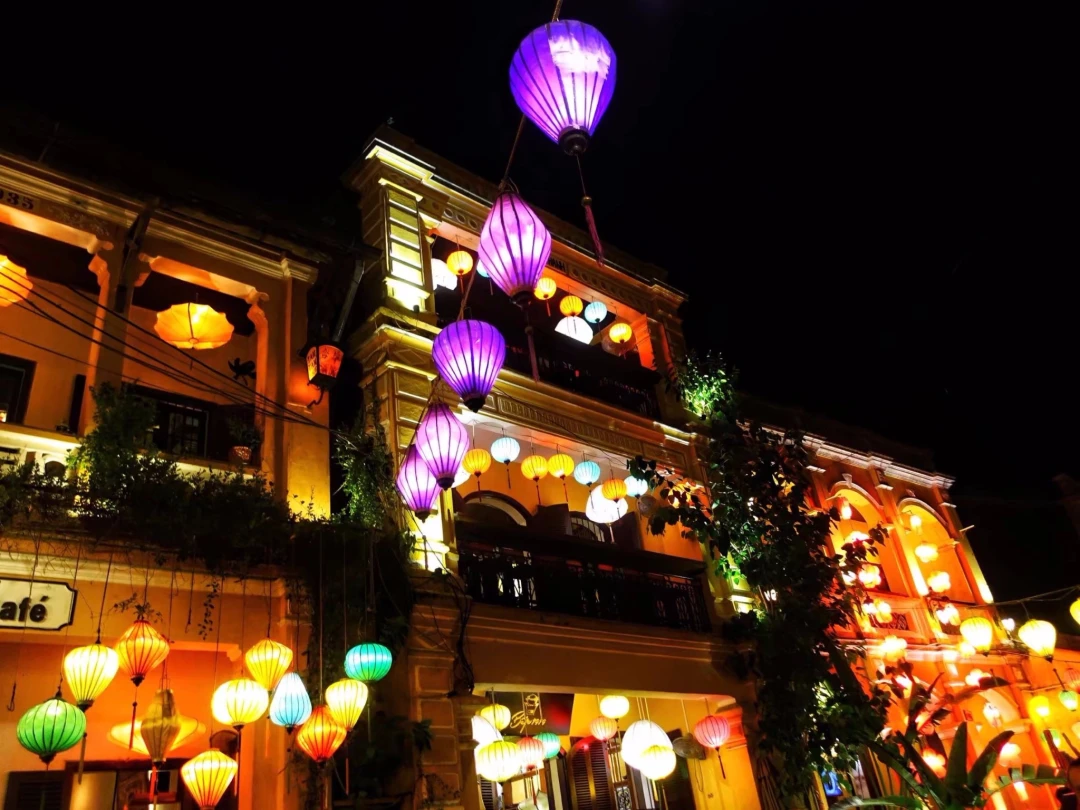
Hoi An is a UNESCO World Heritage site, famous for its ancient town, colorful lanterns, and tailor shops. We spent two days here, getting custom-made clothes (a suit for $50, a dress for $20) and eating Cao Lau, a local noodle dish. At night, the town lights up with lanterns, and the river reflects the glow.
Day 7: Hoi An to Quy Nhon (250 km)
This was a long, hot day of riding. The road hugged the coast, passing through fishing villages and salt flats. We stopped for a swim at a deserted beach near Sa Huynh. The water was warm and clear, and we had the entire beach to ourselves.
Day 8: Quy Nhon to Nha Trang (200 km)
Nha Trang is a beach resort town, famous for its party scene. We arrived in the afternoon and immediately found a bar on the beach. The next morning, we took a boat trip to the nearby islands, snorkeling in coral reefs and eating fresh seafood on a floating restaurant.
Day 9: Nha Trang to Da Lat (150 km)
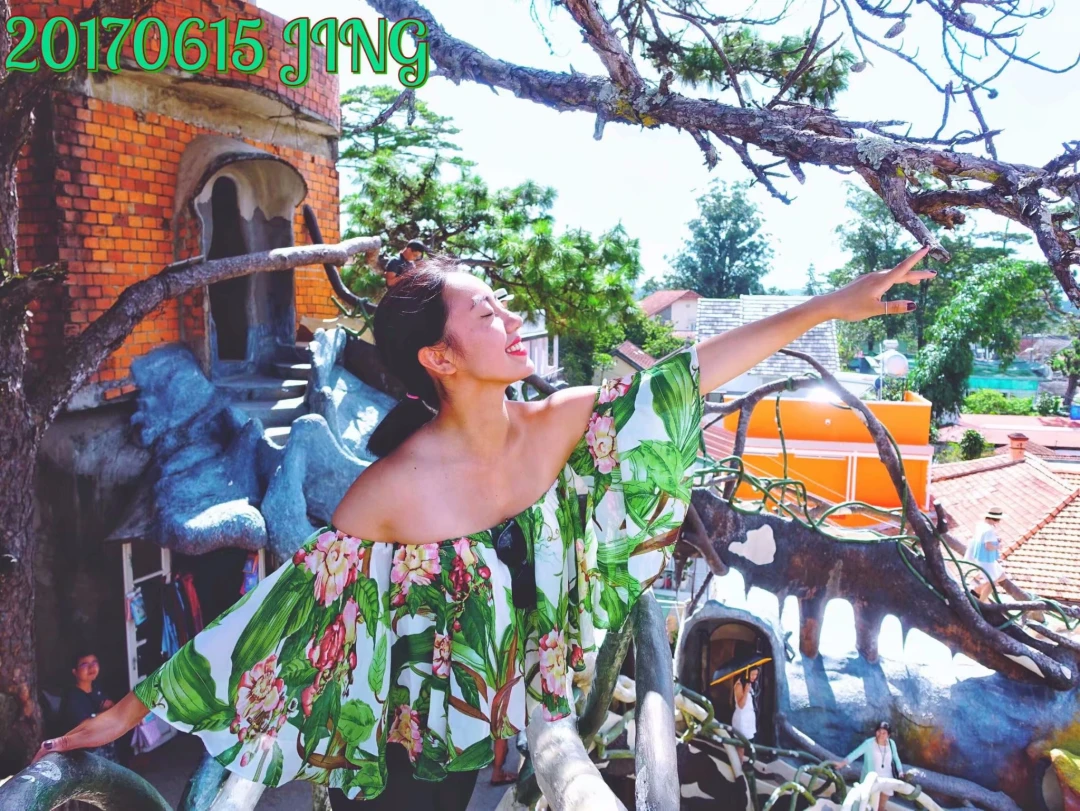
The road to Da Lat climbs into the Central Highlands. The temperature dropped, and the landscape changed from tropical beaches to pine forests and coffee plantations. Da Lat is a charming town known for its French colonial architecture, flower gardens, and waterfalls. We visited the Crazy House, a whimsical building that looks like something out of a fairy tale.
Day 10: Da Lat to Mui Ne (200 km)
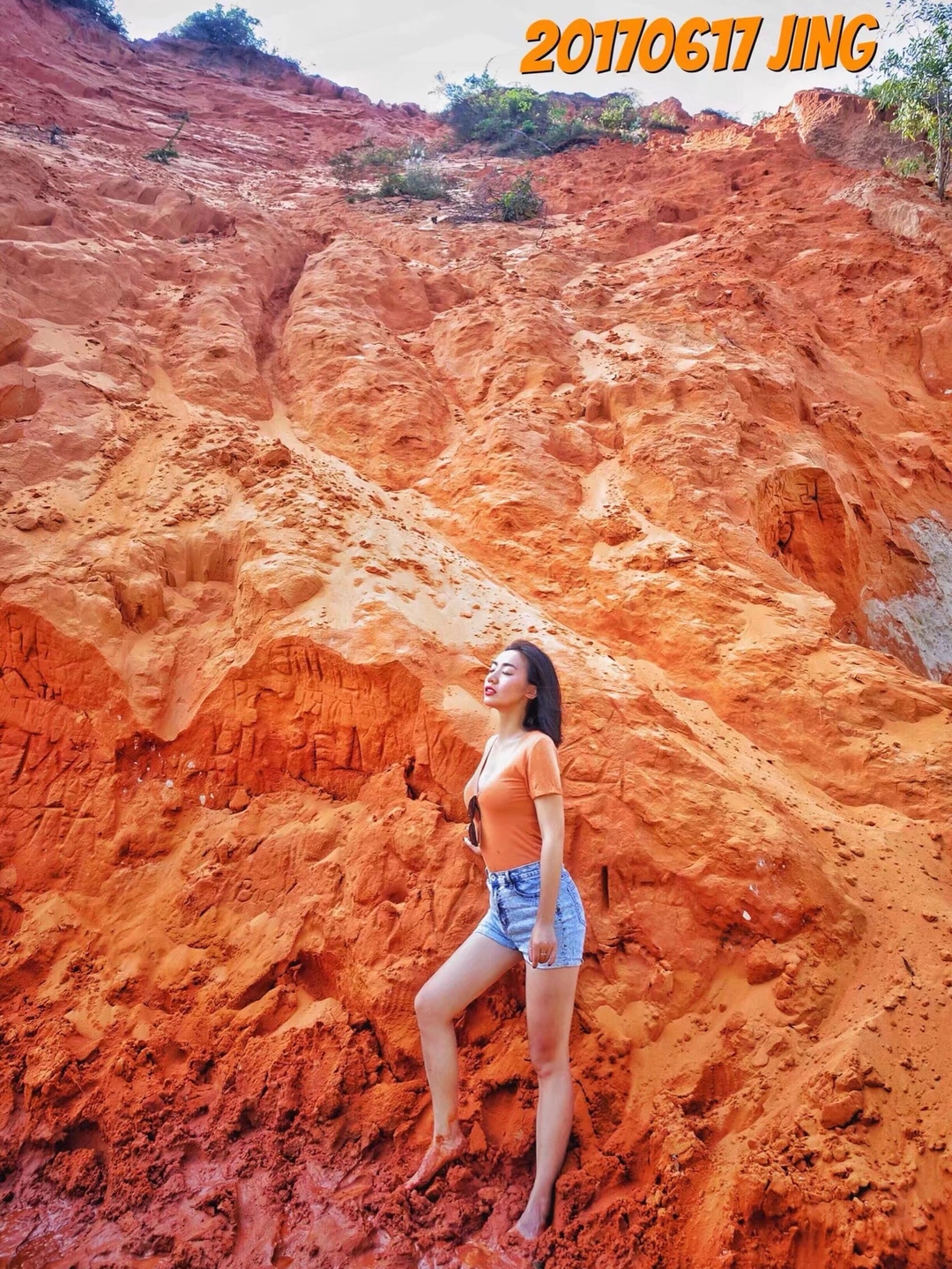
The descent from Da Lat to Mui Ne was a series of hairpin turns through the mountains. Mui Ne is famous for its sand dunes—white and red sand stretching to the horizon. We rented a quad bike and rode across the dunes at sunset. The colors were surreal: orange sky, red sand, and the blue sea in the distance.
Day 11: Mui Ne to Ho Chi Minh City (200 km)
Our final day of riding. The road was flat and straight, cutting through rubber plantations and industrial zones. We arrived in Ho Chi Minh City (Saigon) in the late afternoon, exhausted but exhilarated. We returned the motorcycle to the rental shop, said goodbye to our two-wheeled companion, and checked into a hostel in District 1.
FAQ: Vietnam Motorcycle Journey
1. Do I need an international driving permit to ride a motorcycle in Vietnam?
Technically, yes. Vietnam is not a signatory to the 1968 Vienna Convention on Road Traffic, so an IDP may not be recognized. However, many travelers ride without one. If you're stopped by police, a "fine" (bribe) of $5–$20 usually solves the problem. For safety, carry your home license and an IDP if you have one.
2. How much does a Vietnam motorcycle trip cost?
A budget motorcycle tour Vietnam can cost as little as $30–$40 per day per person, including: - Motorcycle rental: $8–$15 per day - Fuel: $5–$10 per day (for 200–300 km) - Accommodation: $8–$15 per night (guesthouses/hostels) - Food: $5–$10 per day (street food) - Miscellaneous: $5–$10 (water, snacks, tolls)
Total for 14 days: approximately $500–$700 per person.
3. Is it safe to ride a motorcycle in Vietnam?
Yes, but it requires caution. Vietnamese traffic is chaotic but has its own logic—everyone moves slowly in cities, and drivers are generally aware of each other. Wear a helmet, avoid riding at night, and stay alert on mountain roads. Most accidents happen due to fatigue or speeding.
4. What is the best time of year for a Vietnam motorcycle trip?
The best time is November to April, when the weather is dry and cooler. Avoid June to August, which is the rainy season in the south and typhoon season in the north. Our trip in June was hot and humid, but we only had one day of rain.
5. Can I buy a motorcycle in Vietnam and sell it later?
Yes, many travelers buy a motorcycle in Hanoi and sell it in Ho Chi Minh City (or vice versa). Popular models include Honda Win (knockoffs) and Honda Wave. Expect to pay $300–$500 and sell for $200–$400. Get a "blue card" (registration) from the seller to avoid police issues.
Conclusion: Your Vietnam Motorcycle Adventure Awaits
A Vietnam motorcycle journey is more than a trip—it's a transformation. From the chaos of Hanoi's streets to the serenity of the Hai Van Pass, from the sand dunes of Mui Ne to the rice paddies of Ninh Binh, every kilometer brings a new discovery. You'll taste the best pho of your life, meet locals who welcome you with smiles, and feel the freedom of the open road.
Ready to plan your own adventure? Start with the basics: get your visa, book your flights, and pack your sleeping bag. Then, follow the road south. Vietnam is waiting.
[Link: Best motorcycle routes in Vietnam]
[Link: Vietnam travel insurance guide]
[Link: How to buy a motorcycle in Vietnam]
What are you waiting for? The road is calling. Share your Vietnam motorcycle journey plans in the comments below, or tag us in your photos on social media. Happy riding!
You should also read:
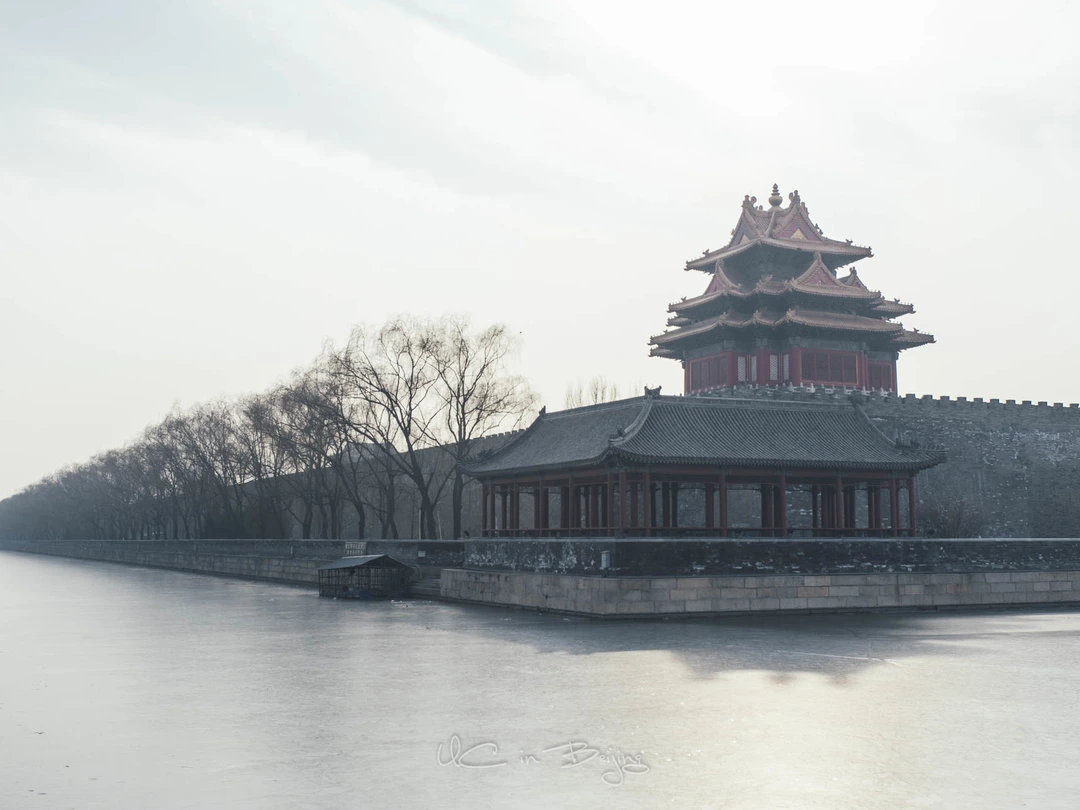
Beijing Through the Lens: One Person's Winter Wanderings – An SEO-Optimized Travel Guide
Meta Description: Discover Beijing's winter charm through a photographer's lens. From Nanluoguxiang's night scenes to Sanlitun's neon glow, explore the city's hidden corners and iconic landmarks in this SEO-friendly travel guide. January in Beijing is so cold you can hear your own breath. But for…
Continue reading...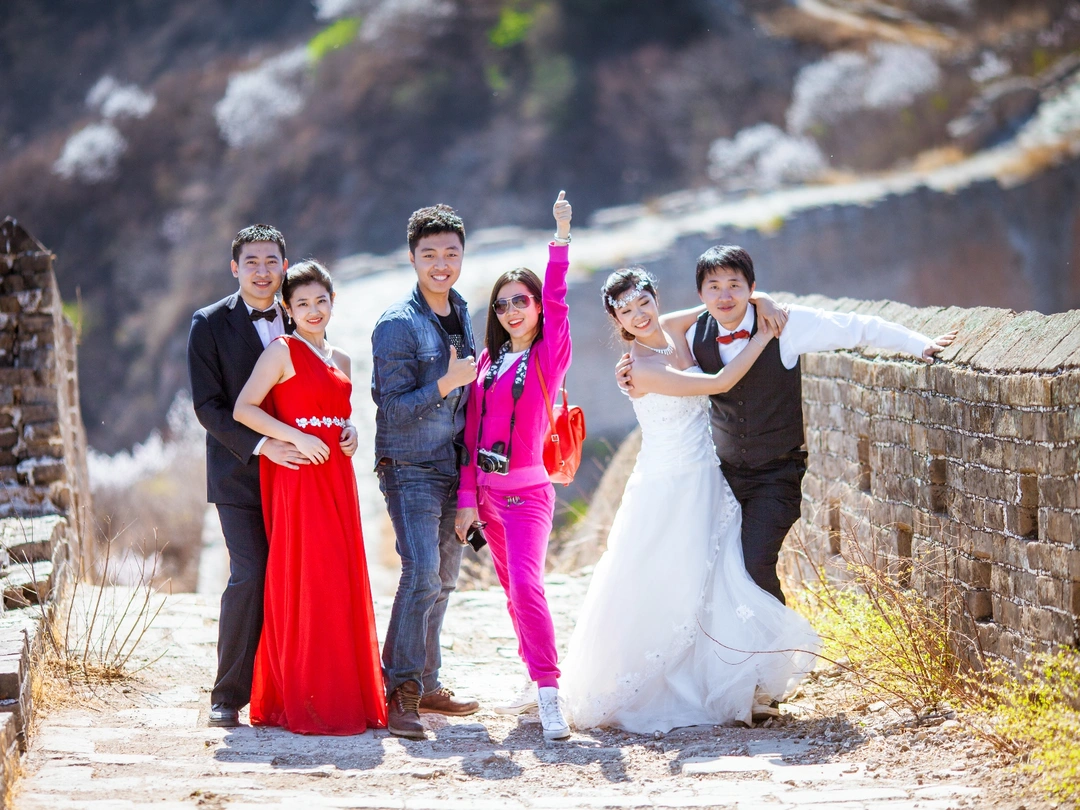
[Fish with You, Tong in Step] The Beijing We Conquered Together: A Wedding Travel Photography Gift for a Beloved Brother
Meta Description: Discover how a heartfelt Beijing wedding travel photography trip became the ultimate gift for a beloved brother. Explore Nanluoguxiang, the Forbidden City, the Great Wall, and more in this 4-day adventure filled with family, friendship, and love. There are moments in life that…
Continue reading...
Four Days, Three Nights in Beijing: A Super Practical Self-Guided Travel Guide (Including Food, Stay, and Transport Tips)
Here is the SEO-optimized, rewritten version of your article, structured for maximum search visibility and reader engagement. SEO Title: 4 Days 3 Nights in Beijing: The Ultimate Self-Guided Travel Guide (Food, Stay & Transport) Meta Description (160 chars): Plan the perfect 4-day Beijing itinerary. From…
Continue reading...