Walking Through Ancient Sites, Recalling Old Peking: When History Falls Silent, Life Is but a Dream
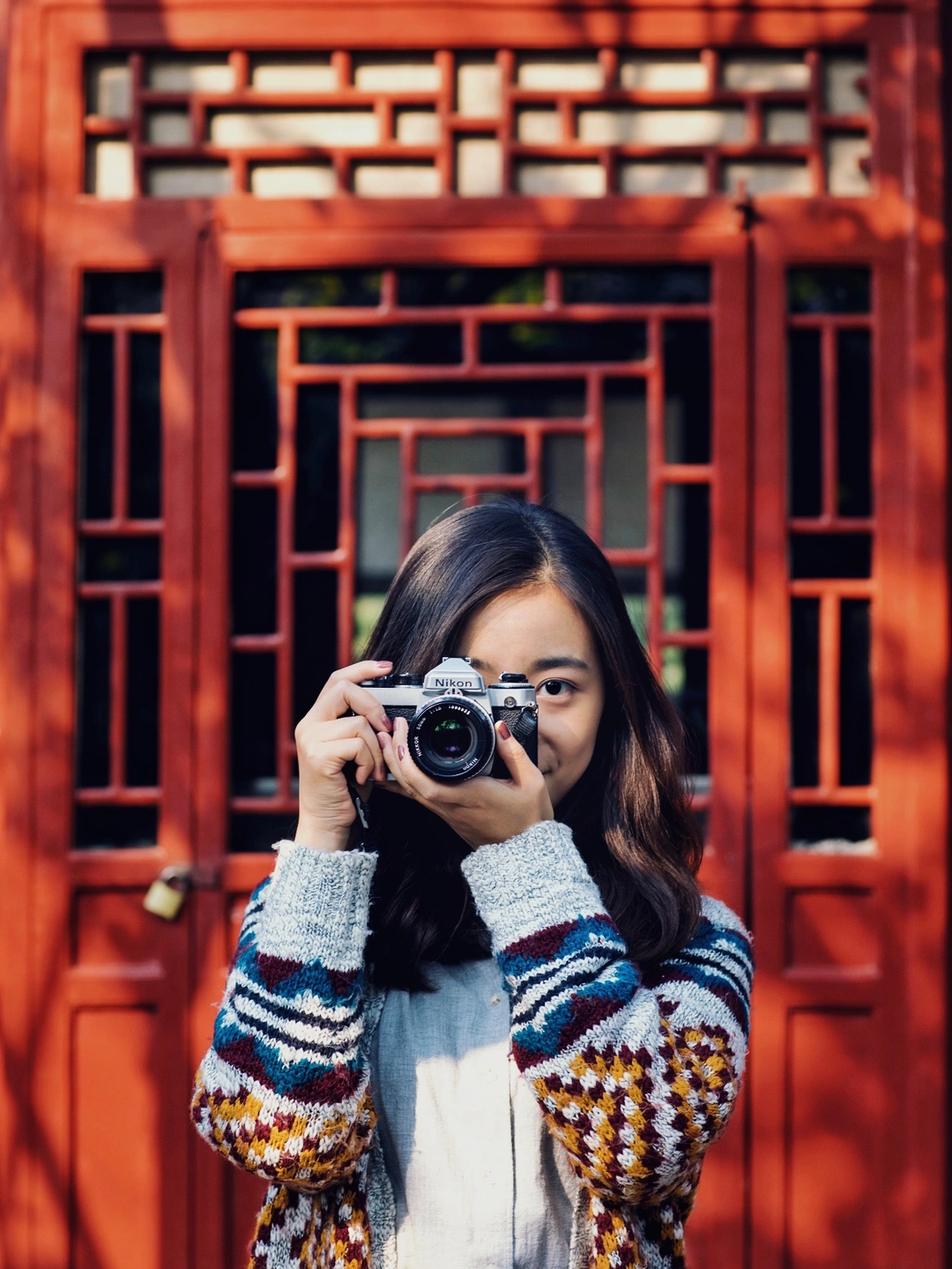
Meta Description: Explore Beijing's hidden historical gems—from Lu Xun's Former Residence to the abandoned Fusuijing Building and Emperor Guangxu's birthplace. A photographer's journey through ancient sites, capturing the soul of Old Peking.
Introduction: A Photographer's Quest Through Beijing's Forgotten Corners
Have you ever imagined pressing the shutter button while standing at the birthplace of Emperor Guangxu? Or capturing a sliver of cold, shadowy light inside a mysterious building abandoned for twelve years? For history enthusiasts and photographers alike, Beijing offers a treasure trove of off-the-beaten-path ancient sites that whisper stories of a bygone era.

This article chronicles a portrait photography journey through five remarkable locations between Fuchengmen and Fuxingmen—each site steeped in history, each frame a conversation between the past and present. Whether you're a Beijing history buff, a travel photographer, or someone seeking unique portrait backdrops, these hidden gems will captivate your imagination.
Planning Your Route: From Map to Quest
The five locations form two concentrated zones, making this an ideal half-day exploration:
Zone 1 (Walking Distance): - Lu Xun's Former Residence - Fusuijing Building (abandoned 12 years) - White Pagoda Temple (Baitasi)
Zone 2 (4 bus stops apart): - Financial Street Children's Palace (Prince Chun Mansion) - Central Conservatory of Music
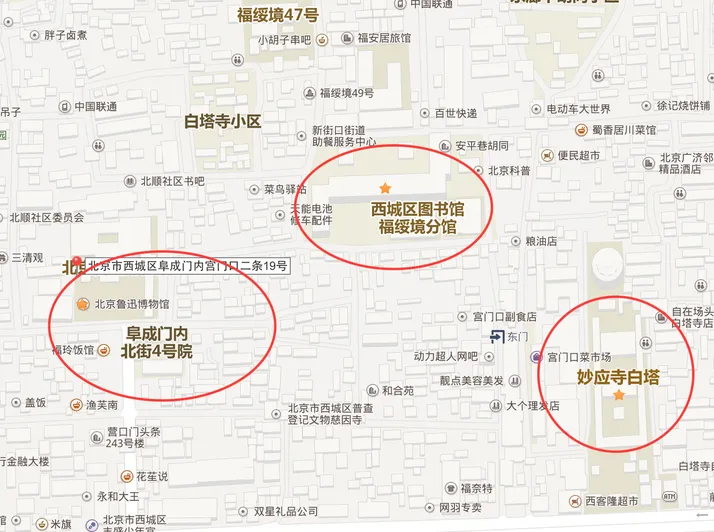
Why these places? The initial plan included only White Pagoda Temple and nearby temples. But discovering the spine-chilling Fusuijing Building online sparked curiosity. Lu Xun's Former Residence appeared accidentally on the map—and became the day's best location. The Prince Chun Mansion, birthplace of Emperor Guangxu, was the crown jewel—a completely unknown "Dragon's Den" of the Qing Dynasty.
Pro Tip: Beijing has three such imperial birthplaces: Yonghe Temple (for Emperor Yongzheng), Southern Prince Chun Mansion (for Guangxu), and Northern Prince Chun Mansion (for Puyi). [Link: Beijing Imperial Birthplaces Guide]
Essential Gear for Portrait Photography at Historical Sites

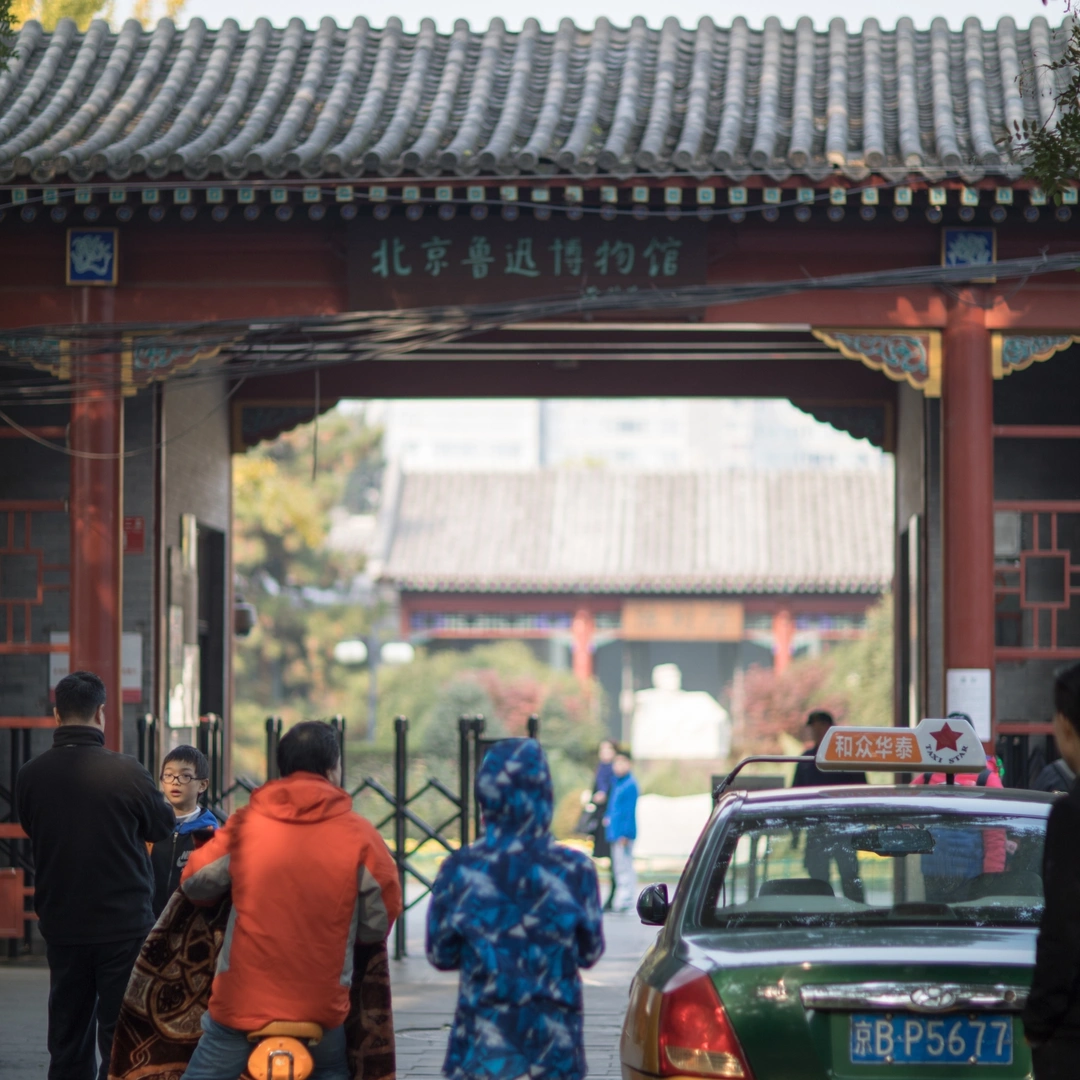
For this shoot, the equipment included: - Canon 5D Mark IV with 24-70mm f/2.8 III, 70-200mm f/2.8 II, and 85mm f/1.2 II lenses - iPhone 7 Plus for spontaneous moments - ID card (required for free entry to Lu Xun's Former Residence)
The 85mm f/1.2 lens proved indispensable—its ability to blur backgrounds while highlighting subjects made it perfect for environmental portraits at ancient sites.
First Stop: Lu Xun's Former Residence — Literary Heritage in Light and Shadow
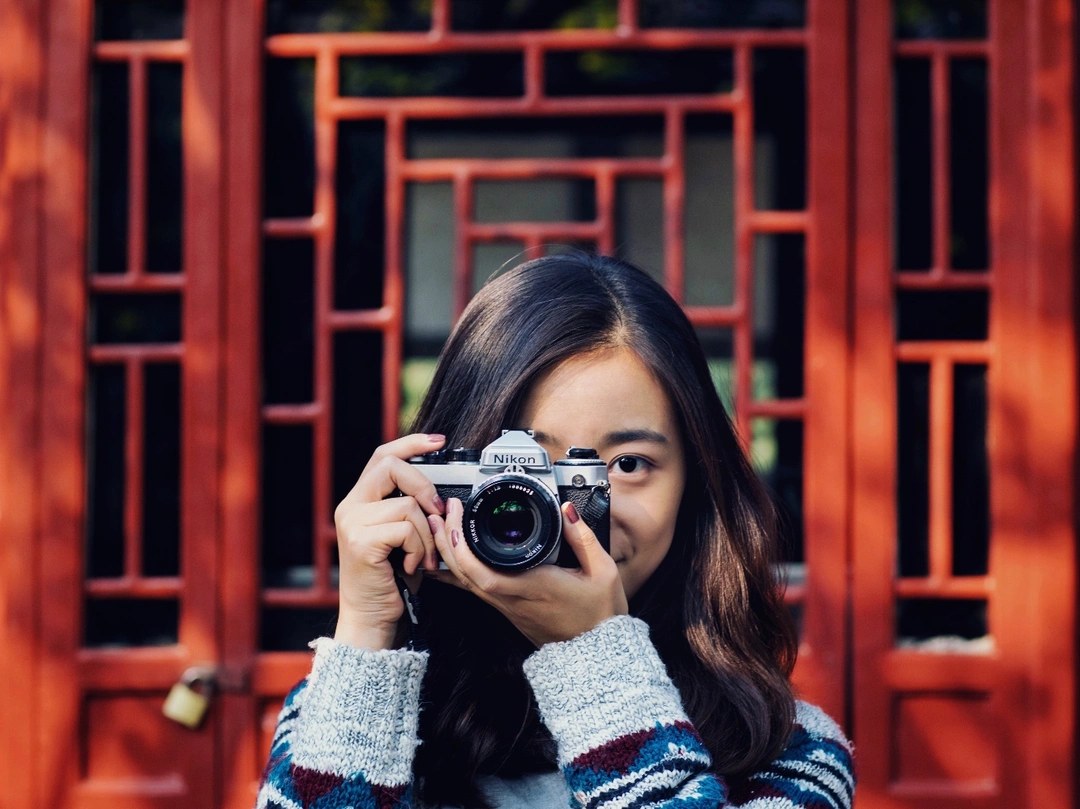
Tucked inside the Lu Xun Museum, this charming courtyard offers a serene escape. Trees and shrubs planted by Lu Xun himself filter afternoon sunlight into dappled shadows. The red lattice window of the main house—with its cheerful hue and soft sunlight—creates an almost perfect portrait backdrop.
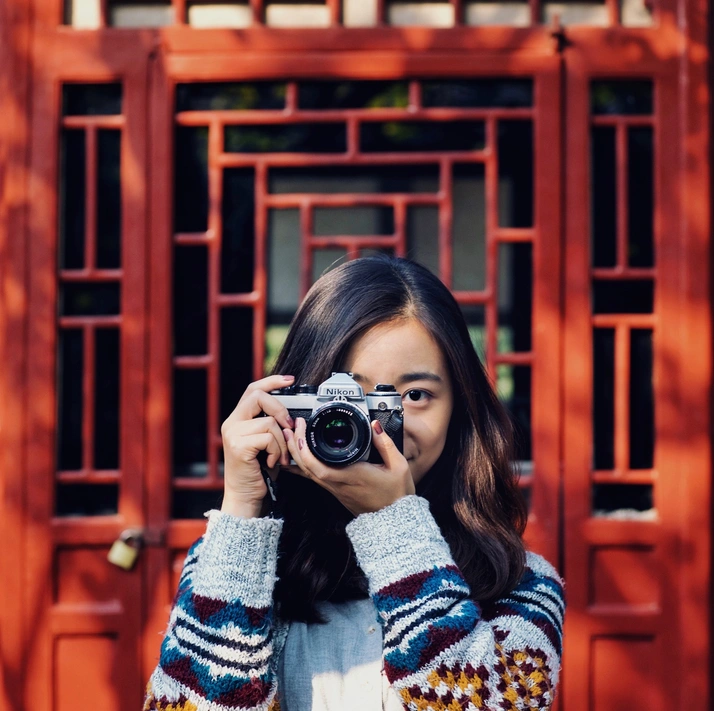
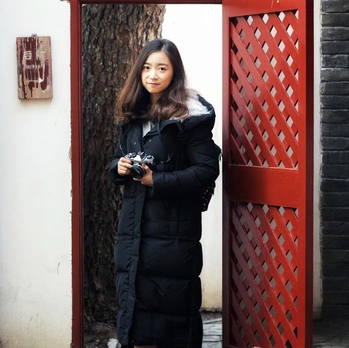
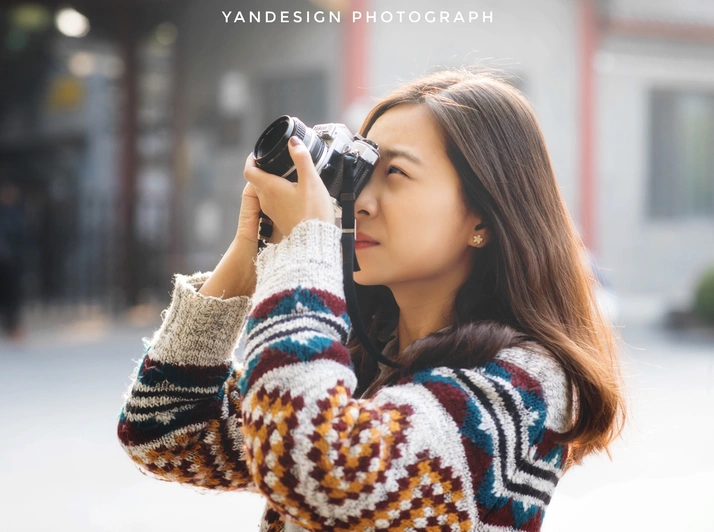
During the shoot, a candid moment captured Sherry manually focusing her film camera. The crisp "click-clack" of the shutter made her sigh, "This feels amazing." Photography indeed becomes a rabbit hole—once you go digital, you fall into the film pit too.
Best Time to Visit: Late afternoon for golden hour lighting through the lattice windows.
Second Stop: Fusuijing Building — A Mysterious Corridor Abandoned for Twelve Years
A short walk from Lu Xun's Former Residence leads to the Fusuijing Building. From outside, it appears as ordinary residential architecture. Inside, rust-spotted railings and peeling paint whisper tales of time passed.

The hallways stretch long and cold. A dim yellow light in the distance hints at remaining residents. At a stairwell corner, a cat suddenly darted out—with a skull graffiti behind it, giving quite a start. The eighth floor (top floor) is said to be the most mysterious.
Stepping out of the elevator, decay washes over you. The seal on the electricity meter box reads July 2005—abandoned for twelve years. Sherry quipped, "What if a kid walked out right now, with a creepy smile…" Horror movie tropes run deep.
Photography Tips: - Perfect for moody, atmospheric portraits - Whisper and respect remaining residents - Not recommended for the faint of heart - [Link: Abandoned Places Photography Guide]
Third Stop: White Pagoda Temple (Baitasi) — The Pagoda Without a Shadow
Leaving Fusuijing Building, White Pagoda Temple is just a short walk away. An interesting phenomenon: the white pagoda "has no shadow." In reality, its shadow is remarkably small due to a deliberately "short and stout" architectural design.
Legend says during the Yuan Dynasty, the temple grounds were enormous—when construction began, a bow was drawn to its full extent, and where the arrow landed marked the boundary. That's how vast it was.
While interior photos may not turn out well (being "too close"), the exterior is striking. A statue of a Nepalese craftsman silently tells the temple's story. The white pagoda makes an excellent environmental backdrop for portraits.
Photography Tip: Use a hutong alley as foreground with the white pagoda in the distance for classic Beijing aesthetics.
Fourth Stop: Prince Chun Mansion — Emperor Guangxu's Birthplace Secrets
This final stop was the most anticipated—completely unknown and full of curiosity. Discovered through a podcast called "Walker's Guide to Beijing," the Prince Chun Mansion revealed Emperor Guangxu's birthplace.
Walking into the Financial Street Children's Palace, you finally see Huaiyin Studio (Scholars' Chamber)—the room where Guangxu was born. Who would think such an unremarkable little classroom was where an emperor came into the world?
The Huaiyin Studio Legend: Guangxu's mother had several children. She gave birth to a boy in the main northern room, but he died young. To ward off bad luck, when Guangxu was born, she chose the smaller western room instead. Coincidentally, of all her sons, only Guangxu survived to adulthood.
The original rear building, the "Back Tower," still stands with palpable grandeur. The ginkgo trees in front were stunning—used as a backdrop for portraits. Some old walls remain, thick and solemn, full of character.
Nearby: A two-minute walk brings you to the Central Conservatory of Music. These two places were once part of the same Prince Chun Mansion. At dusk, the Conservatory lit up beautifully—a perfect background for photos.
Photography Reflections: When History Meets Portrait
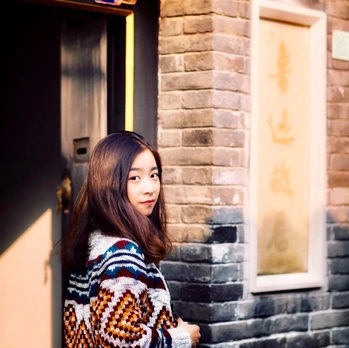
This journey proved that ancient sites offer more than tourist attractions—they provide living backdrops where history breathes. Each location told its own story through light, shadow, and atmosphere. The abandoned Fusuijing Building spoke of decay and mystery. Lu Xun's courtyard whispered literary heritage. The White Pagoda Temple stood timeless against the Beijing sky. And the Prince Chun Mansion revealed secrets of imperial birth.
Key Takeaways: - Research locations beforehand for lighting and accessibility - Respect residential areas and temple grounds - Bring versatile lenses (85mm ideal for portraits) - Allow spontaneity—unexpected moments create the best photos
Frequently Asked Questions
Q: Do I need permission to photograph at these locations? A: Lu Xun's Former Residence requires an ID card for free entry. Fusuijing Building is a residential area—be respectful and whisper. White Pagoda Temple and Prince Chun Mansion are public spaces. Always check current regulations before visiting.
Q: What's the best time of day for photography at these sites? A: Late afternoon (golden hour) works best for Lu Xun's Former Residence and White Pagoda Temple. Early morning offers softer light for Fusuijing Building's corridors. Dusk creates magical lighting at the Central Conservatory of Music.
Q: Are these locations suitable for beginners? A: Yes, but Fusuijing Building may be unsettling for some. Start with Lu Xun's Former Residence and White Pagoda Temple for easier photography conditions.
Q: How much time should I allocate for this route? A: Plan 3-4 hours for the complete route, including travel between zones and shooting time at each location.
Q: Can I visit these sites without a guide? A: Absolutely. All locations are accessible independently. Use public transportation between Fuchengmen and Fuxingmen areas.
Conclusion: Your Turn to Explore Old Peking
Beijing's ancient sites offer more than history—they offer stories waiting to be captured. From literary courtyards to abandoned corridors, from imperial birthplaces to shadowless pagodas, each location provides a unique canvas for your photography.
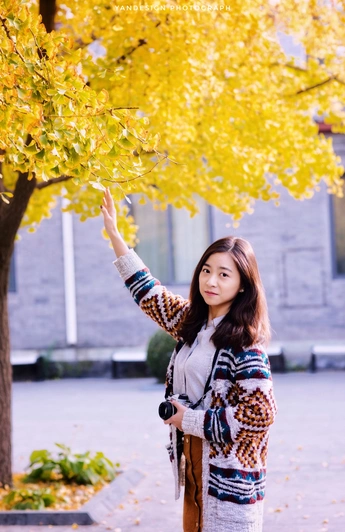
Your Next Step: Pack your camera, grab your ID card, and head to the Fuchengmen-Fuxingmen area. Start with Lu Xun's Former Residence, then venture to Fusuijing Building if you dare. End at the Prince Chun Mansion as dusk falls over the ginkgo trees.
Share Your Journey: Tag your photos with #OldPekingPhotography and join our community of history-loving photographers. The ancient sites are waiting—when history falls silent, life becomes a dream worth capturing.
Ready to explore? [Link: Beijing Photography Tours Guide] | [Link: Hidden Historical Sites of Beijing] | [Link: Portrait Photography Tips for Travelers]
You should also read:
A Sweet Journey Through Beijing: The Hidden Philosophy of Desserts in Hutongs and Commercial Hubs
Meta Description: Discover Beijing's best dessert shops from hutongs to commercial hubs. Learn how location, aesthetics, and philosophy shape the city's sweet scene—and what entrepreneurs can learn from each. In Beijing, a city shaped by millennia of history, dessert has evolved far beyond a simple…
Continue reading...
170+ Beijing | A Complete Guide to Line 2: Unlocking a City's Soul Through 18 Stops
Meta Description: Discover Beijing's hidden stories through Line 2's 18 stops. From ancient city gates to modern landmarks, this SEO-optimized guide reveals the soul of China's capital. Perfect for travelers and locals alike. After living in Beijing for a while, you find yourself caught in…
Continue reading...
Glorious Beijing, Timeless City: A 7-Day In-Depth Journey Through Old Beijing – The Ultimate SEO-Optimized Travel Guide
Meta Description: Discover Beijing in 7 days with this SEO-optimized guide. From Forbidden City tours to hutong homestays, authentic Peking duck, and hidden gems. Perfect for first-time visitors planning a Beijing itinerary. Some encounters are simply destined to happen. In September 2016, as a Southern…
Continue reading...