Weekend Escape Plan: Conquering Beijing's Winter – Guiyang Sour Soup, Jingshan Snowscapes & Happy Twist Adventure
Meta Description: Escape the cold with our ultimate Beijing weekend itinerary! From free subway rides to Guiyang sour soup, snow-covered Jingshan Park, and a Happy Twist comedy show. Discover hidden hutongs, ancient temples, and the best winter eats in the capital. Your perfect winter micro-adventure awaits.
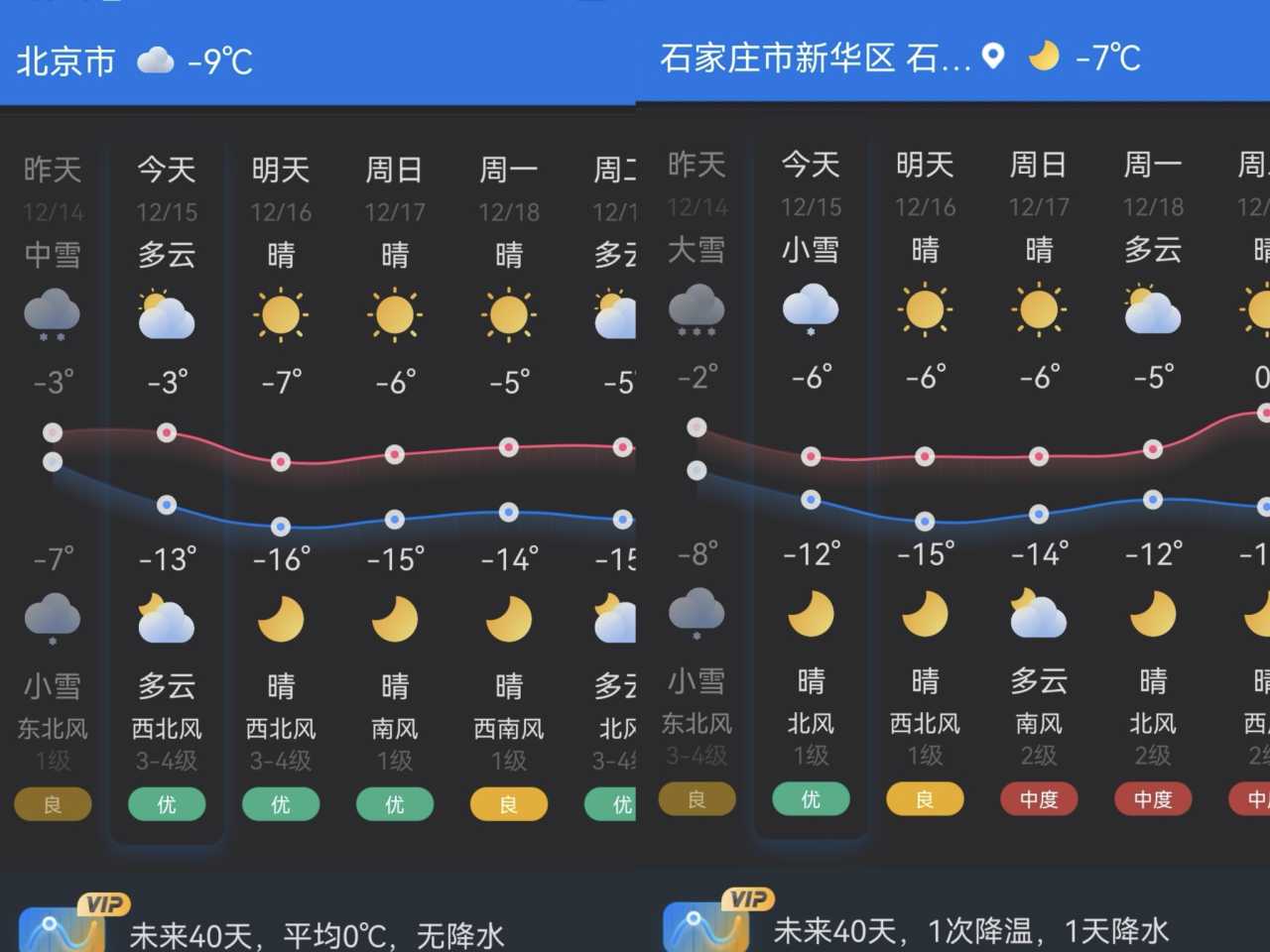
Foreword: Why Minus 10°C Is the Perfect Excuse for a Beijing Winter Escape
When the mercury plunges and the wind howls, most people cancel their weekend plans. But for the adventurous foodie and culture lover, Beijing in winter is a magical playground. After the success of my first "Eating Through All Provincial Government Offices in Beijing" installment, I knew I had to continue the series – even with consecutive heavy snowfalls, cold snap warnings, and icy roads.
My colleagues shivered and stayed home. I smiled, zipped up my thickest down jacket, and headed for the high-speed rail station. Because when the Forbidden City transforms into the "Purple Forbidden City" under a blanket of snow, and when Guiyang sour soup warms you from the inside out, there's no better time to experience old Peking.
This weekend escape plan combines three essential Beijing winter experiences: historical snowscapes, authentic provincial cuisine, and modern entertainment. Let me show you how to pack it all into 48 hours.
Getting There: The Unexpected Perks of Winter Travel in Beijing
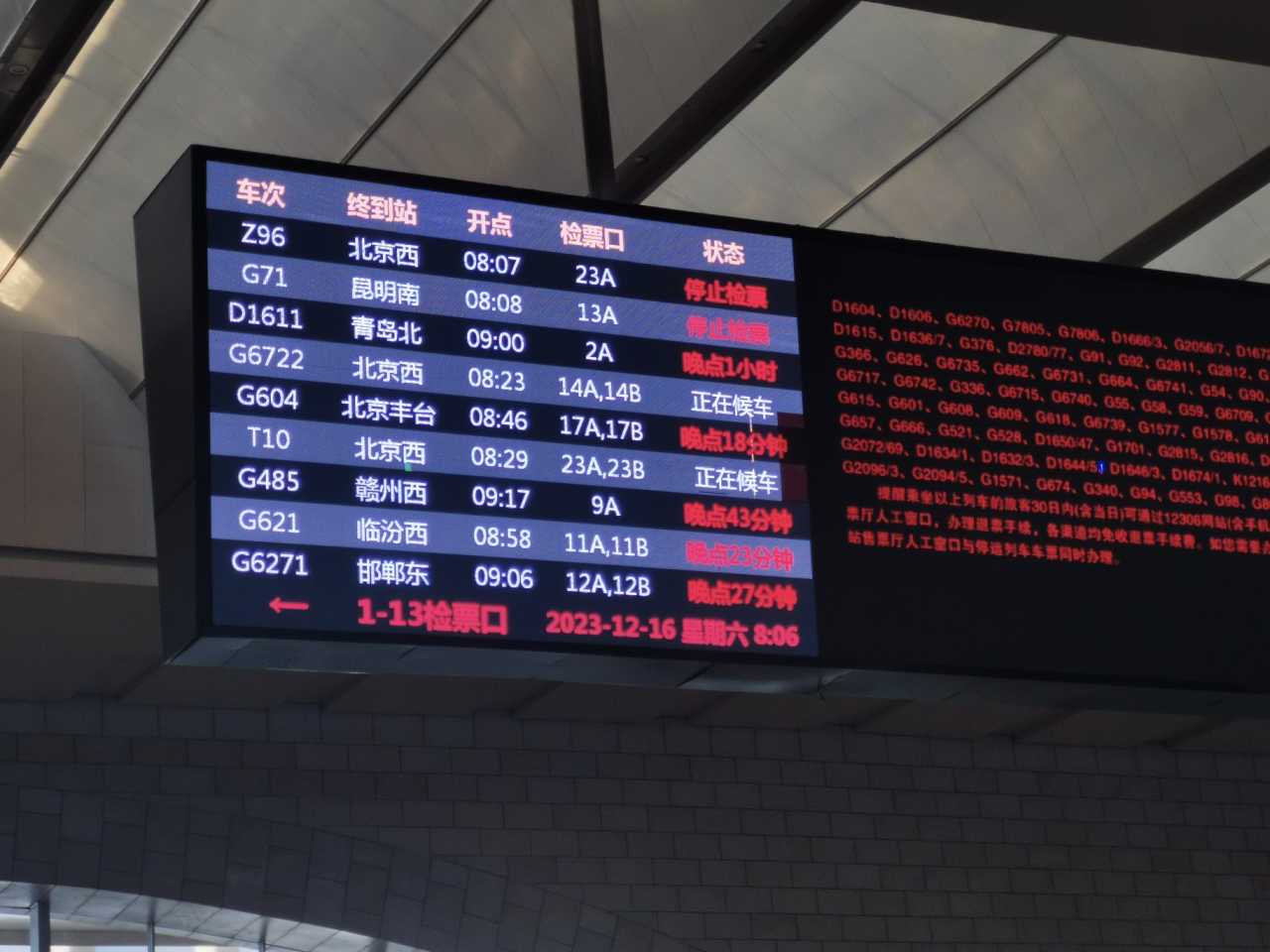
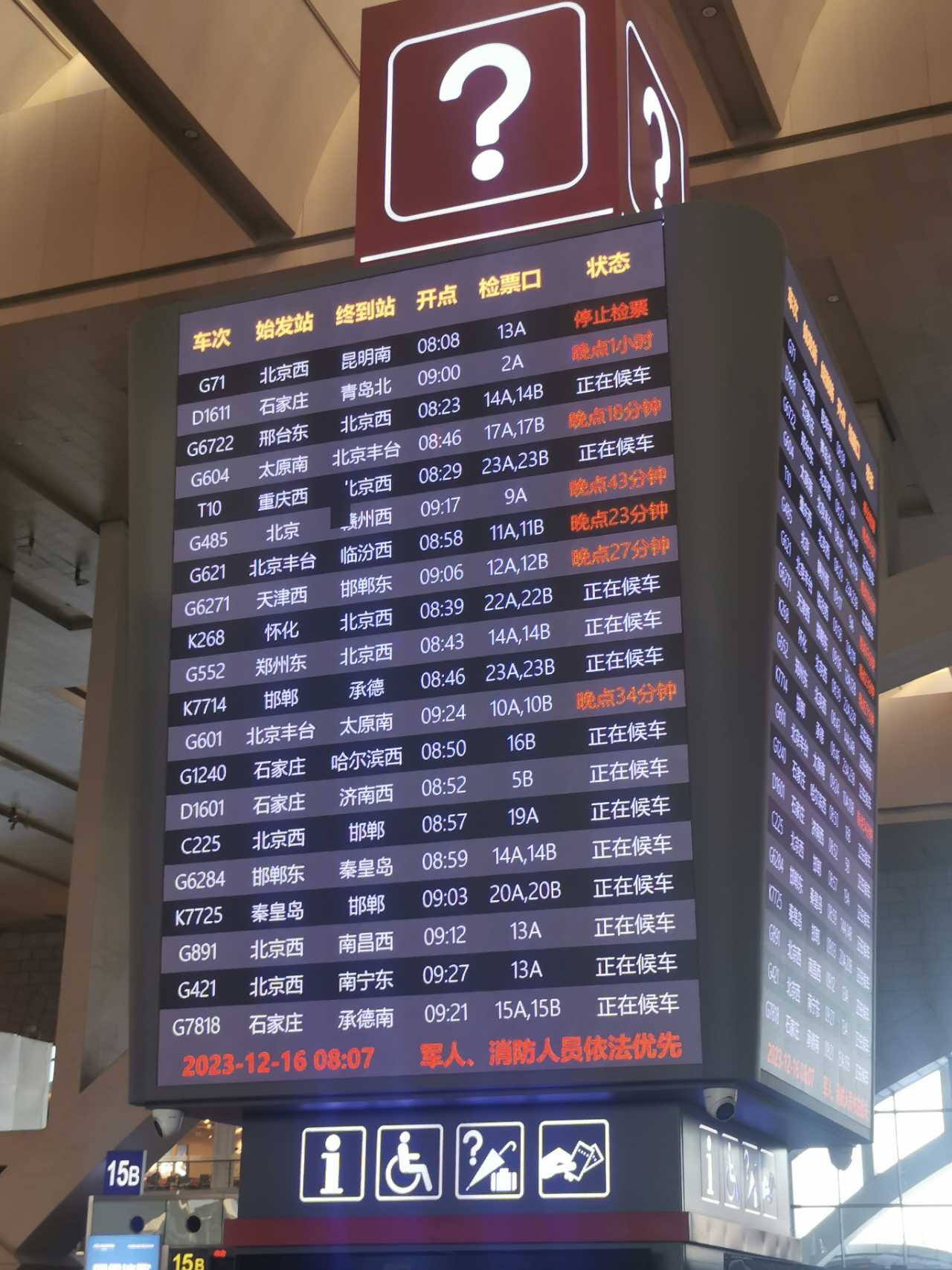
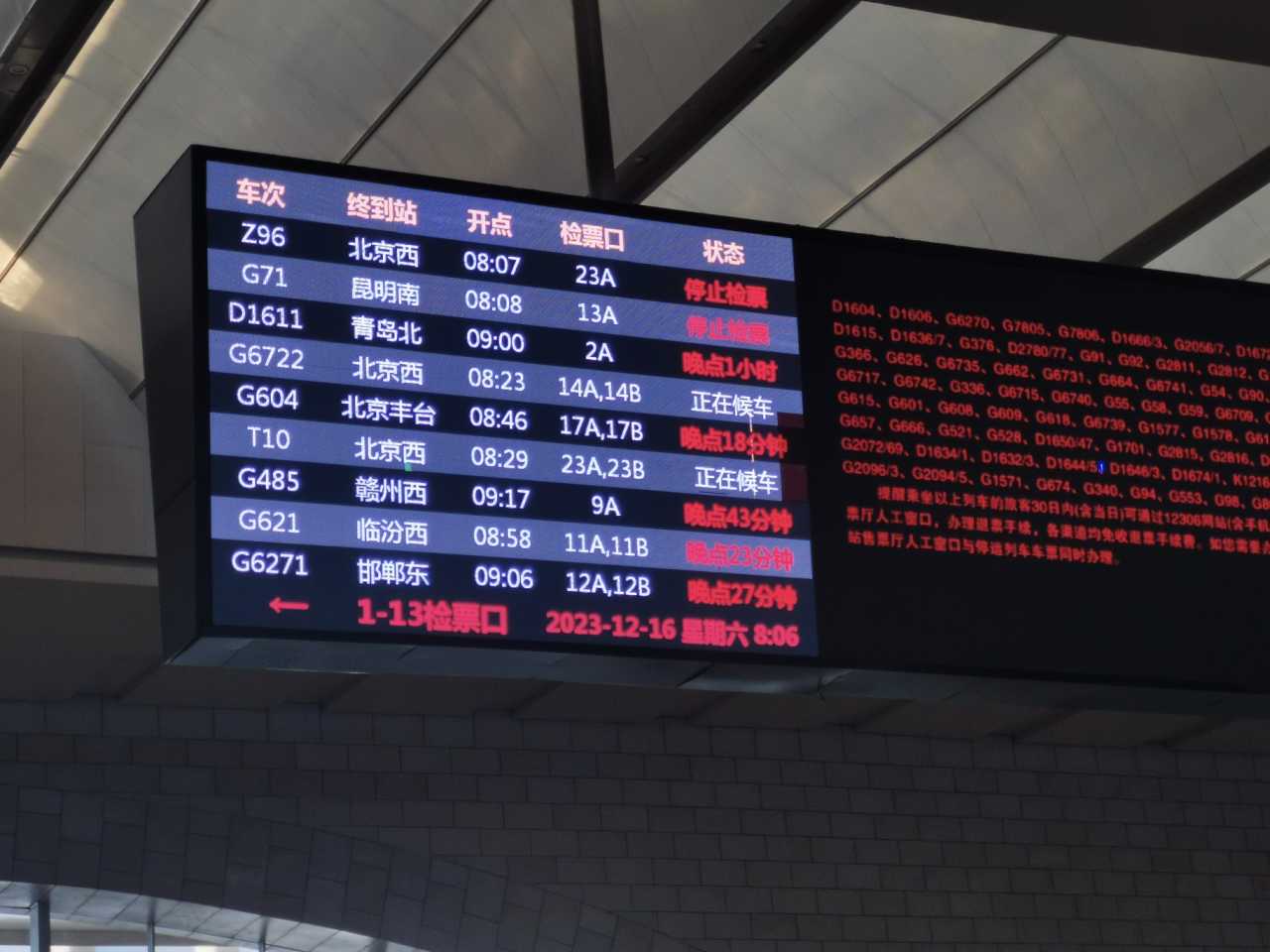
My journey began early Saturday morning. The 9 AM high-speed train from my city meant leaving home at 7:30 – a small price for a concentrated weekend adventure.
The first pleasant surprise? Free public transport. From today until the end of the year, all buses and subways in Beijing are free. This unexpected "fleece" (Chinese slang for getting something for nothing) instantly lifted my spirits. [Link: Beijing winter travel tips]
The second surprise? The subway arrived nearly ten minutes faster than my navigation app predicted. I arrived at the station 50 minutes early and tried to change to an earlier train – but all seats were sold out. Clearly, I'm not the only one who can't resist a winter weekend in Beijing.
As the train sped north, the landscape outside transformed into a vast white snowfield. My anticipation soared.
Beihai Park: Imperial Splendor Meets Qing Dynasty Costume Drama
Arriving at Beijing West Station just after 10 AM, my first stop was Jingshan Park. But the route took me past Beihai Park, and at just 5 yuan for an off-season ticket, I couldn't resist ducking in.
History buffs, take note: Beihai Park's history dates back to the Liao and Jin dynasties, passing through Yuan, Ming, and Qing dynasties. It's one of China's best-preserved imperial gardens, covering 69 hectares (39 hectares of water surface). The iconic White Pagoda on Qionghua Island was built in 1651 during the Shunzhi reign – a 35.9-meter Tibetan-style stupa that dominates the skyline.
But today's real attraction? Groups of beautiful young women in traditional Manchu costumes. In twos and threes, they posed for photos against the snow-covered pagoda, laughing and creating the most picturesque winter scene I've ever witnessed. I stole a few glances before continuing – this was just the appetizer.
Gongjian Hutong: Walking Through Ming Dynasty History
Leaving Beihai Park, I turned into Gongjian Hutong – an alley that holds half the history of the Ming dynasty.
During the Ming and Qing dynasties, this area was part of the imperial city, separated from Beihai by just one wall. In the Ming dynasty, it housed the "Office of the Inner Palace Supervisor" (内官监), one of the twenty-four government agencies of the inner court, responsible for imperial construction projects.
A fascinating historical footnote: Many people mistakenly call this the "Inner Palace Prison" (内宫监), a misnomer from the late Qing dynasty. By the Republican era, locals thought "palace prison" sounded unpleasant, so they borrowed a homophone and changed it to "Gongjian Hutong" (恭俭胡同, meaning "respectful and frugal alley").
Legend says the great Ming dynasty eunuch Zheng He once served as the Inner Palace Supervisor – essentially the director of the Imperial Engineering Bureau. He would have walked this alley every day. Today, no trace of the office remains, but walking through the alley, you can still feel the weight of history in the fragments of brick and tile.
The winter magic? Crystal-clear icicles hung from the eaves. My fingers itched to touch them – a childhood memory of living in a single-story house, breaking off icicles to play with. Now I live in a high-rise, where icicles have become a "luxury item."
That's the charm of walking through hutongs – the history of old Beijing is hidden in those nooks and crannies, unassuming and waiting to be discovered. [Link: Best Beijing hutongs for winter walks]
Qingyun Temple: A 500-Year-Old Temple Turned Seal Museum
Coming out of the south exit of Gongjian Hutong, I glanced back and noticed a temple at the corner. This is Qingyun Temple, first built during the Jiajing reign of the Ming dynasty (nearly 500 years ago).

In May 2023, this ancient temple was renovated and reopened as the Beijing Seal and Stone Museum. It features a main exhibition hall, temporary exhibition space, artisan workshop, and scholar's study – becoming one of Beijing's newest must-visit spots.
I stood at the entrance for a moment and decided to come back another time. Today's main attractions were still ahead.
Jingshan Park: The Forbidden City at Your Feet
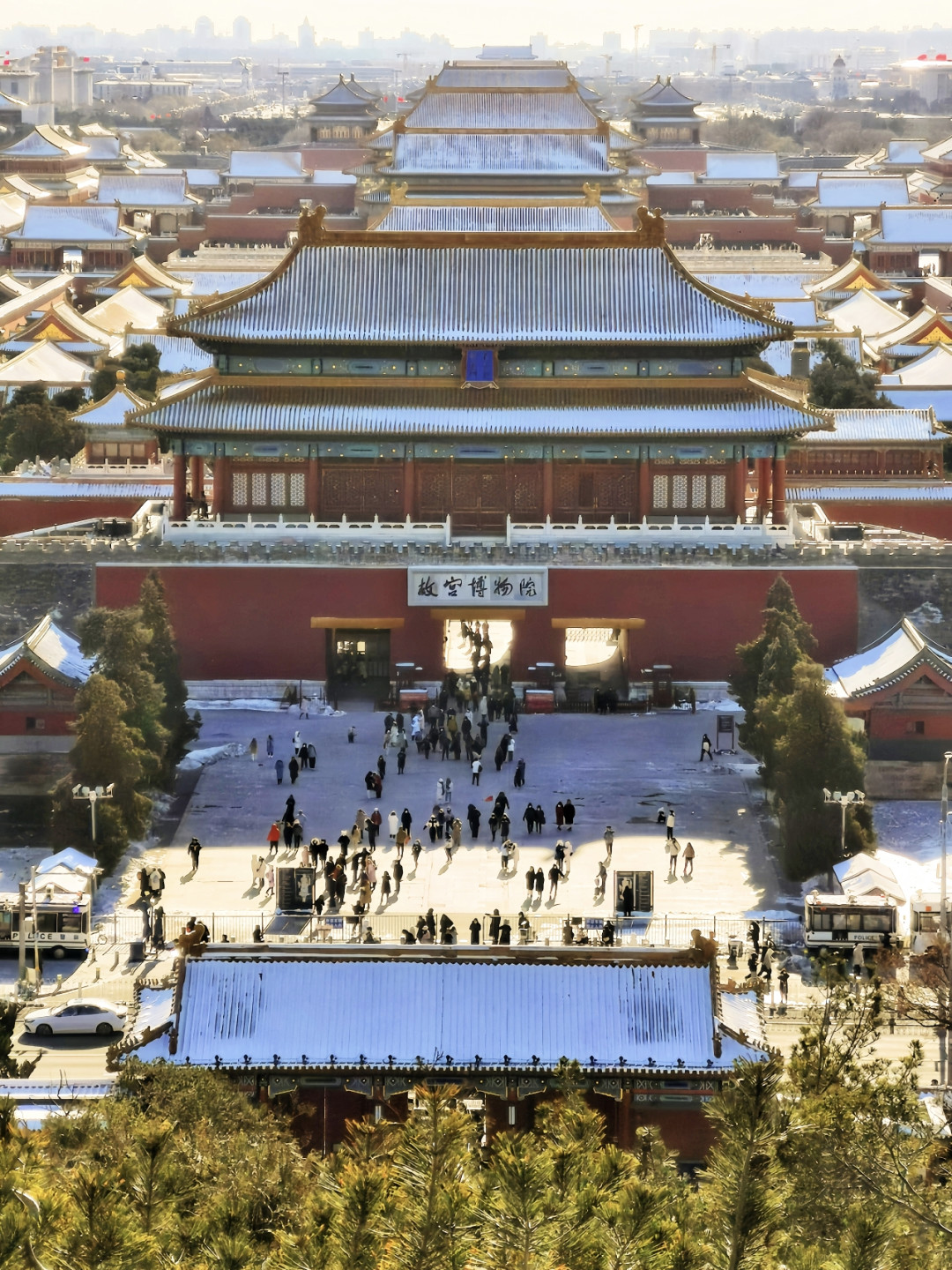
Finally – the main destination of this trip. Jingshan Park offers the most iconic view of Beijing: the Forbidden City spread out below you.
Ticket price: Just 2 yuan. Almost heartwarming in its affordability.
The easiest route to the top: Enter through the west gate, walk about 50 meters, take the first right turn, look for the uphill sign, and follow the steps. Jingshan is only 89 meters above sea level with a gentle incline – an easy climb for any fitness level.
First impression through the west gate: A lush grove of pine trees. But these weren't ordinary pines – each had a name tag, and all were centuries old. As I marveled at them, I saw a group of college students gathered around a pigeon, laughing and taking photos. I went over for a look – and wow. This was the fattest pigeon I'd ever seen, no contest. Its round, chubby body looked like a ball.
Continuing upward: I passed the Zhou Shang Pavilion and the Guan Miao Pavilion, both built in 1750 during the Qianlong reign. They originally housed five Buddha statues – all looted by the Eight-Nation Alliance in 1900.
The payoff: From the Guan Miao Pavilion onward, you could already see the full view of the Forbidden City. I quickened my pace and headed straight for the Wan Chun Pavilion at the summit.
The view from the top is nothing short of breathtaking. The snow-covered roofs of the Forbidden City stretch to the horizon, a sea of golden tiles and white powder. This is the moment every photographer dreams of – and the reason Beijing winters are magical.
[Link: Best photo spots in Jingshan Park]
Guiyang Sour Soup: The Perfect Winter Warmer
After descending from Jingshan, my stomach reminded me why I started this "Eating Through All Provincial Government Offices in Beijing" series. Today's culinary destination: Guizhou Provincial Government Office Restaurant, home to the legendary Guiyang sour soup.
What makes Guiyang sour soup special? It's a traditional Miao and Dong minority dish from Guizhou province, made from fermented tomatoes, rice, and chili. The fermentation process creates a complex, tangy broth that's both refreshing and deeply warming – perfect for a cold winter day.
The restaurant itself: Located near the Guizhou Provincial Government Office in Beijing, this no-frills establishment serves authentic Guizhou cuisine at reasonable prices. The menu is extensive, but the sour soup fish (酸汤鱼) is the star.
My order: - Sour soup fish (酸汤鱼) – the signature dish, served bubbling hot in a clay pot - Miao-style spicy chicken – dry-fried with chili and Sichuan peppercorns - Rice noodles – to soak up every last drop of that incredible broth - Cold dishes – including a refreshing cucumber salad to balance the heat
The verdict: The sour soup is life-changing. The broth is tangy, slightly spicy, and deeply savory – the kind of soup that warms you from your stomach to your toes. The fish is tender and flaky, absorbing the flavors perfectly. The rice noodles are a must-order – they transform the broth into a complete meal.
Pro tip: Ask for extra soup. It's that good.
[Link: Best provincial government restaurants in Beijing]
Happy Twist: Laughter in the Middle of Winter
After the historical immersion and culinary adventure, I needed something to round out the weekend. Enter Happy Twist (开心麻花) – China's most popular comedy troupe.
What is Happy Twist? Think of it as China's answer to Saturday Night Live, but with bigger budgets and more elaborate sets. They produce sketch comedy, musicals, and plays that consistently sell out across China.
The show I caught: A winter-themed sketch comedy at their theater in Beijing's Chaoyang district. The audience was packed – clearly, I'm not the only one seeking warmth and laughter during the cold snap.
The experience: Two hours of pure, unadulterated laughter. The sketches ranged from workplace satire to relationship humor, all delivered with impeccable timing and physical comedy. The highlight was a New Year-themed sketch that had the entire audience in stitches.
Why it's perfect for winter: After hours of walking in the cold, there's nothing better than settling into a warm theater and laughing until your sides hurt. It's the perfect evening activity to complement a day of sightseeing.
[Link: Best comedy shows in Beijing]
Practical Tips for Your Beijing Winter Weekend
What to Pack
 - Thermal layers – the key to staying comfortable in minus 10°C - Waterproof boots – snow and slush are inevitable - Thick socks – cold feet ruin any adventure - Hand warmers – a lifesaver for outdoor photography sessions - Reusable water bottle – staying hydrated is crucial in dry winter air
Getting Around
 - Free public transport – check current promotions before you go - Subway – the fastest way to cover long distances - Walking – the best way to discover hutongs and hidden gems
Best Times to Visit
- Jingshan Park – early morning for sunrise, or late afternoon for golden hour
- Beihai Park – midday when the sun is highest
- Provincial restaurants – lunch (11:30-1:30) or dinner (5:30-7:30)
Budget Breakdown
- High-speed train – varies by city, typically 200-600 yuan round trip
- Park tickets – 2-10 yuan per park
- Meals – 50-150 yuan per person per meal
- Happy Twist tickets – 100-500 yuan depending on seat location
FAQ: Your Beijing Winter Weekend Questions Answered
Q: Is it worth visiting Beijing in winter with temperatures below freezing? A: Absolutely! Winter offers unique experiences you can't get any other time of year – snow-covered imperial architecture, fewer crowds, and the magical atmosphere of old Peking. Just dress properly and you'll have an unforgettable trip.
Q: How do I find the provincial government restaurants in Beijing? A: Each province maintains a representative office in Beijing, and many have attached restaurants serving authentic regional cuisine. Search for "[Province name] Provincial Government Office Restaurant" or check food blogs for recommendations. [Link: Complete guide to provincial government restaurants]
Q: Do I need to book Jingshan Park tickets in advance? A: For regular winter days, walk-up tickets are usually fine. However, during snow events, the park can get crowded – booking online through the official WeChat mini-program is recommended.
Q: What's the best way to combine multiple attractions in one day? A: Start early (before 10 AM), prioritize your must-see spots, and use the subway to connect locations. A good route: Beihai Park → Gongjian Hutong → Jingshan Park → lunch at a provincial restaurant → afternoon exploring → evening comedy show.
Q: Are there any winter-specific events I should look out for? A: Yes! The Forbidden City often has special snow-themed exhibitions, and many parks host ice lantern festivals. Check Beijing tourism websites for current events before your trip.
Your Winter Weekend Awaits
Beijing in winter is not just survivable – it's spectacular. The combination of snow-covered history, warming cuisine, and modern entertainment creates a weekend escape that's both culturally enriching and deeply satisfying.
From the free subway rides to the life-changing Guiyang sour soup, from the panoramic views of the Forbidden City to the laughter of Happy Twist, this itinerary proves that even minus 10°C can't stop a restless heart.
Ready to plan your own Beijing winter weekend? Start by booking your high-speed train tickets, checking the weather forecast for the next snow event, and making reservations at your chosen provincial restaurant. Then pack your warmest clothes and prepare for an adventure you'll never forget.
Share your own Beijing winter discoveries in the comments below – and don't forget to tag us in your Jingshan snow photos. The capital is waiting, and winter is the perfect time to explore.
[Link: More weekend escape plans from Beijing] [Link: Complete guide to eating through all 34 provincial government offices]
Have you tried Guiyang sour soup? What's your favorite winter activity in Beijing? Let us know in the comments!
You should also read:
A Spontaneous Philippine Adventure: Eight Days of Wonders in Moalboal, Dumaguete, Siquijor, and Bohol
Meta Description: Discover the ultimate 8-day Philippines itinerary covering Moalboal, Dumaguete, Siquijor, and Bohol. Whale sharks, sardine runs, chocolate hills, and more—your spontaneous adventure starts here. Sometimes the best journeys begin with a whim. In January 2019, my best friend and I locked in our…
Continue reading...
The Jianghu Pact: Conquering the Central Plains Under the Full Moon – An Unforgettable Mid-Autumn Adventure in Henan
Meta Description: Discover the magic of a spontaneous Mid-Autumn Festival trip to Henan's Central Plains. Join a quirky group of friends as they explore ancient lands, drink plum wine under the moon, and uncover hotel photography secrets. Perfect for travelers seeking authentic Chinese experiences. The…
Continue reading...
Early Summer in Hokkaido: A Ten-Day Summer Escape Plan – Your Ultimate Guide to Japan's Green Season
Meta Description: Discover Hokkaido beyond winter! Our 10-day summer escape plan covers Noboribetsu hot springs, lavender fields, Furano bike trails, and Sapporo soup curry. Perfect for first-time summer visitors to Japan's northern island. For years, Hokkaido lived in my imagination as a winter fairy tale—red…
Continue reading...