What You’ve Eaten Is Also a Kind of Wealth: A Beijing Street Food Tour
Meta Description: Discover Beijing's hidden food gems in this taste diary—from door nail meat pies to braised offal stew. Explore authentic local eats, honest reviews, and why every bite is a kind of wealth.
Introduction: When Taste Buds Become Anchors of Memory
The start of 2020 felt like a movie suddenly hitting pause. Stuck at home, I finally had the chance to dig out my dusty travel notes—a trip to Beijing two years ago. Those moments of hunting for street food, flickering like last night’s fireworks, glowed dimly in the depths of my memory.
Some say photos freeze moments, but words awaken taste. I couldn’t agree more. The dishes I ate in Beijing back then—braised offal stew (lǔ zhǔ), "door nail" meat pies (mén dīng ròu bǐng), and sugar-baked pastries (táng huǒ shāo)—weren’t just food. They were vivid slices of life. During this forced period of slowing down, I decided to record everything I’d eaten, walked through, laughed at, and complained about.
This isn’t a rigorous food review. It’s a taste diary, full of bias and love, left by an ordinary foodie wandering Beijing’s streets and alleys. If you’re ready, come with me—let’s hit that smoky, bustling food trail all over again.
[Link: Beijing street food guide]
Door Nail Meat Pies (Mén Dīng Ròu Bǐng): A Bite of Surprise and Regret

Baorui Door Nail Meat Pie: The Legendary "Dive Bar"
My obsession with door nail meat pies started with countless food guides bombarding me. After comparing several spots, I decided to head straight to the shop that literally had "Door Nail Meat Pie" in its name—I figured, if they’re bold enough to call themselves that, the taste couldn’t be bad, right?
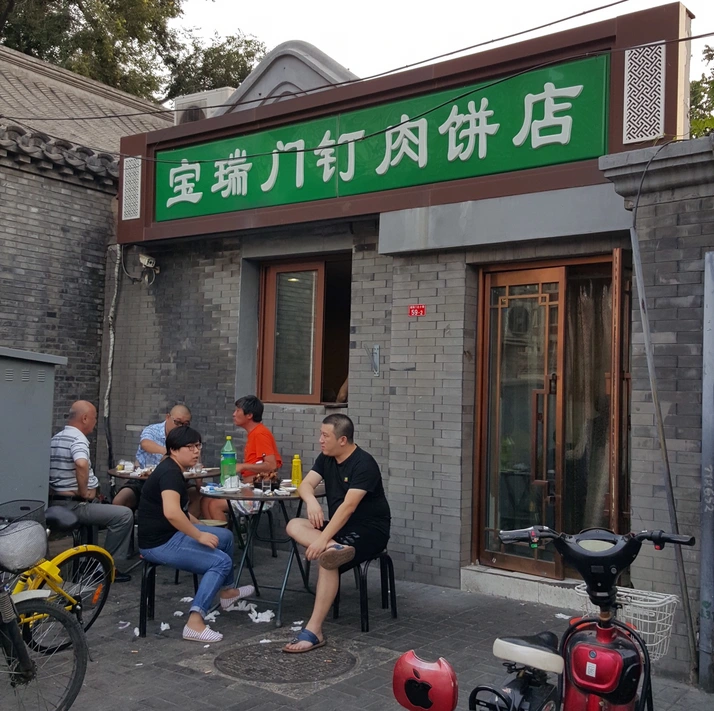
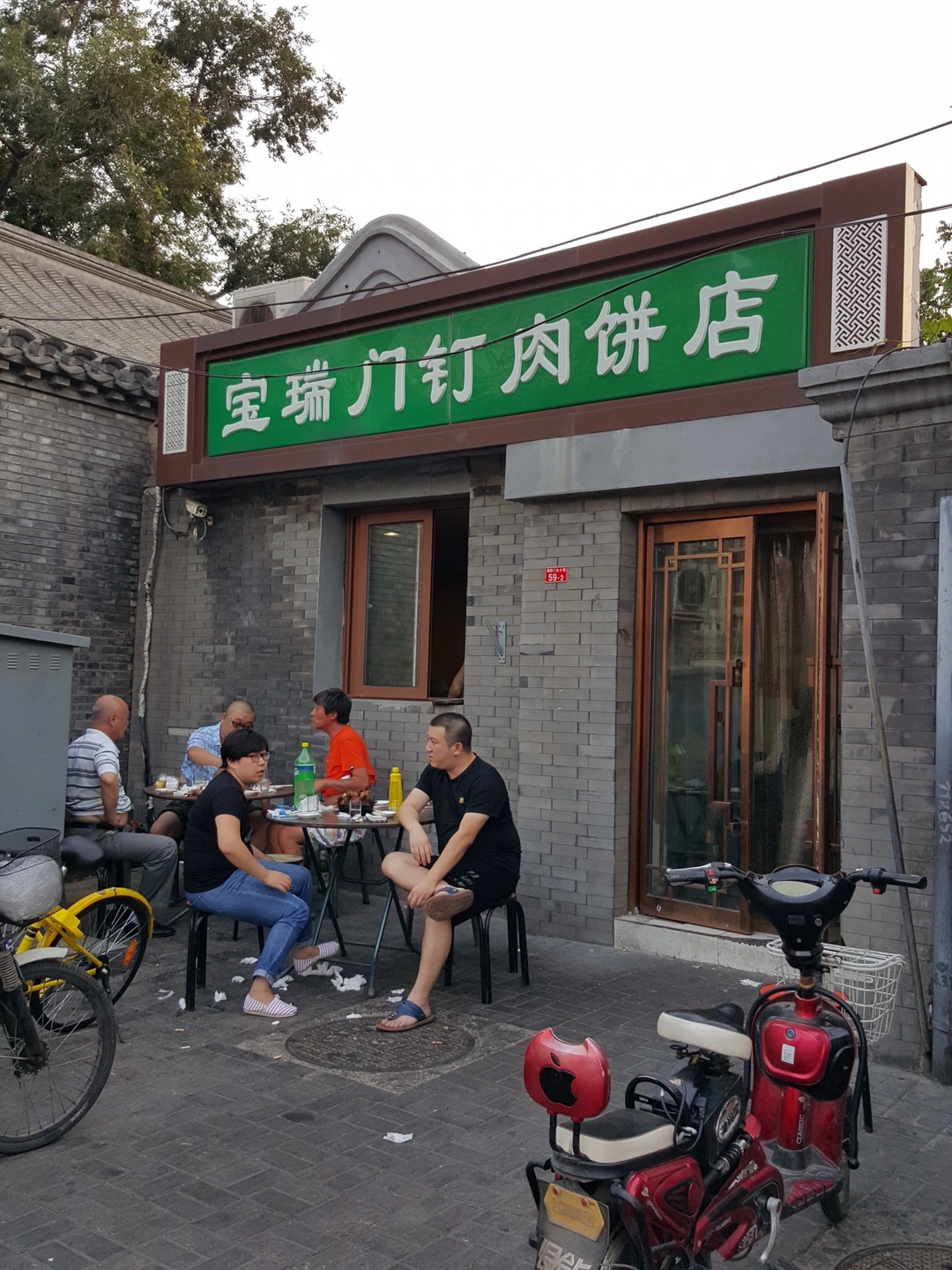
So I made my way to Baorui Door Nail Meat Pie in the eastern part of the city. The shop wasn’t big, and the entrance looked like a local hangout. Once inside, I saw it was half tourists, half office workers—lively and packed. I squeezed into a corner seat. Something small seemed to crawl near my feet—yep, this was the legendary "dive bar," gritty to the max.
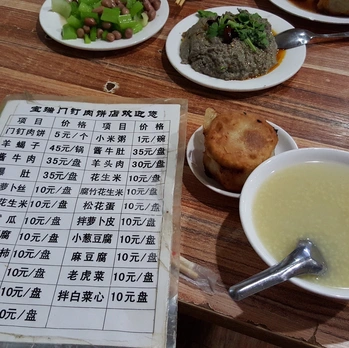
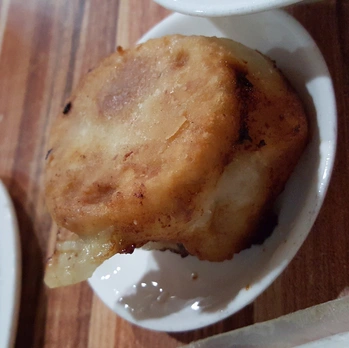
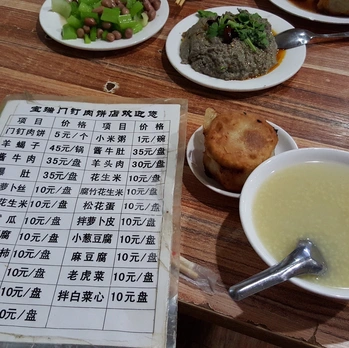
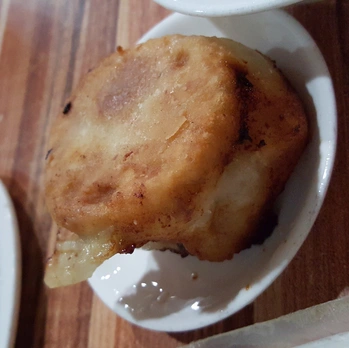
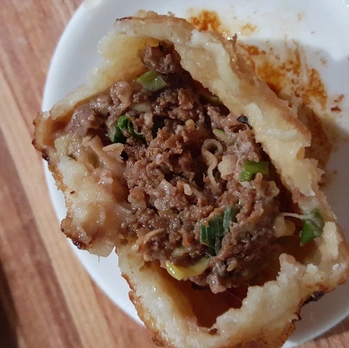
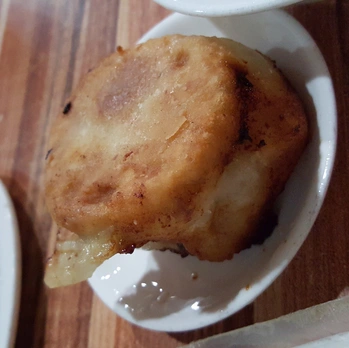
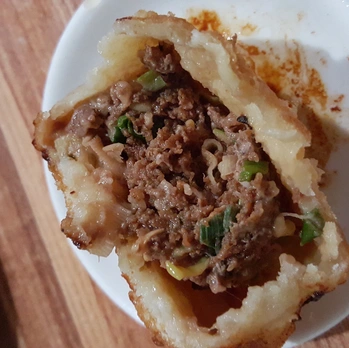
Ordering was simple: one meat pie and a bowl of millet porridge, six yuan total. When the pie arrived, its golden, crispy crust gave off a tempting aroma. I took a bite—crispy skin, savory meat. But honestly? It wasn’t as mind-blowing as I’d imagined. The filling was a bit dry, and the legendary "juice" was nowhere to be found. Dipping it in vinegar helped cut the richness.
The guy across from me ordered fermented bean curd (má dòu fu) and celery with peanuts. I sneaked a photo, thinking: next time, I’ll try those too.
Verdict: Baorui’s meat pies, five yuan each, are great value. The flavor is decent. If you’re obsessed with "bursting juice," you might be let down. But as a beginner’s experience, it’s worth a shot.
Baikui Old Brand (Bái Kuí Lǎo Hào): The Old Name’s Hot and Cold
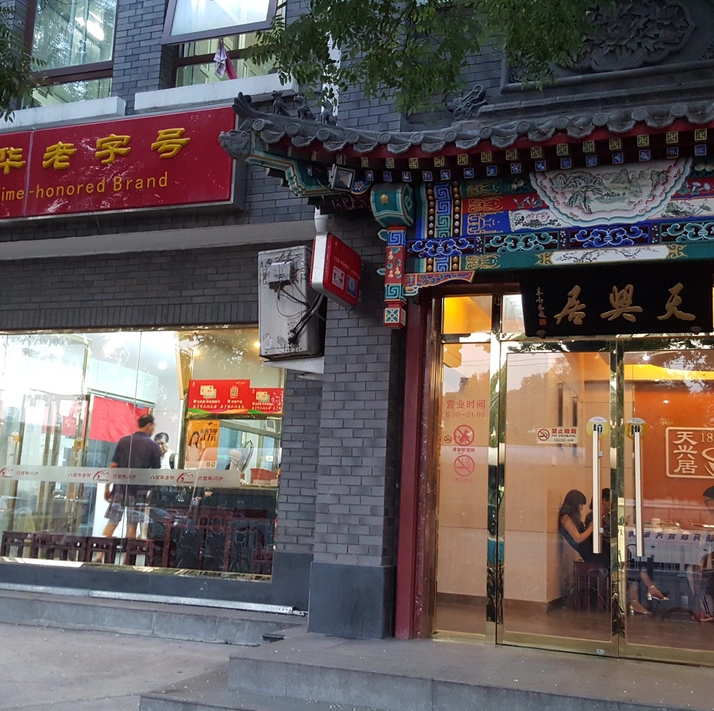
Baikui is a time-honored Chinese brand. Online reviews recommended their braised lamb, lamb offal soup, and sugar "ears" (táng ěr duo). I went for the "toad spitting honey" (há ma tǔ mì) pastry, picking up a meat pie and a sugar-baked pastry on the side.
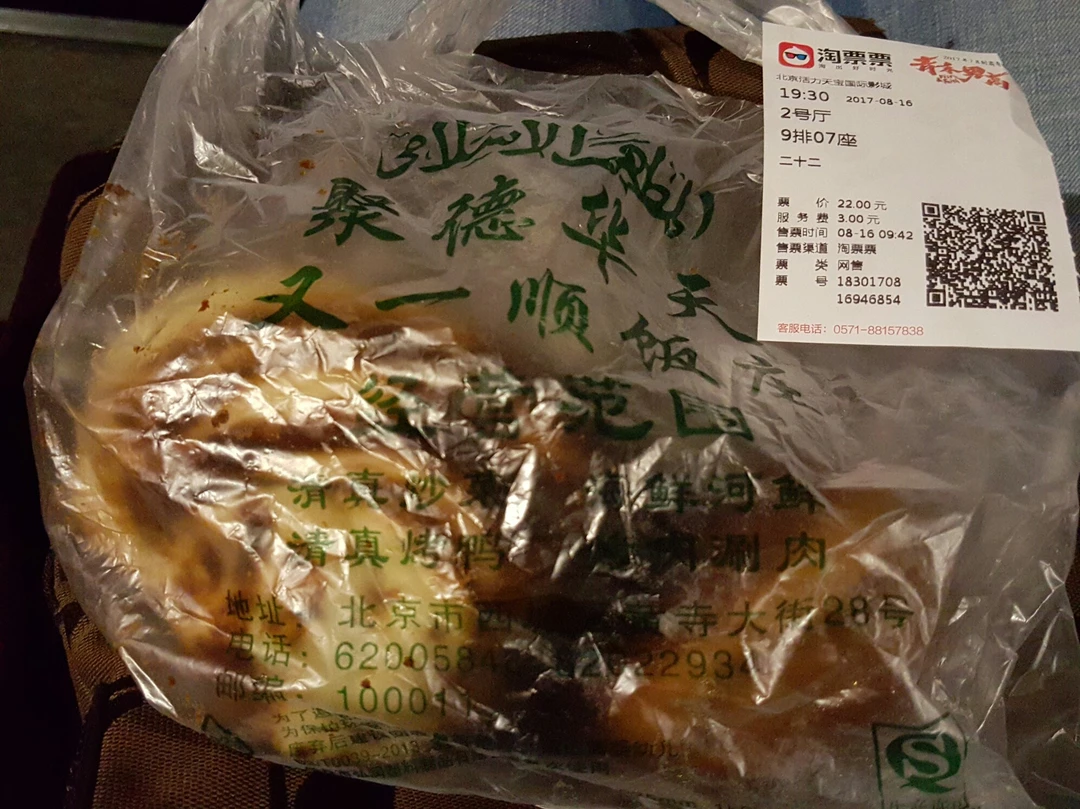
Unfortunately, by the time I arrived, it was evening service—everything was cold. The sugar-baked pastry was sandy and crumbly. The "toad spitting honey" was so dry it made me question life. The meat pie, though cold, had a finer texture than Baorui’s, and was smaller, but the flavor was still okay.
Verdict: The service and atmosphere at this old brand? Let’s just say "mediocre." Three items for 11 yuan—the price is friendly. But if you want hot food, pick your timing.
[Link: Best time to visit Beijing food stalls]
Sugar-Baked Pastries (Táng Huǒ Shāo) and Offal Soup (Zá Suì Tāng): Beijing’s Gentle Breakfast
One morning, I took a detour to a small shop selling sugar-baked pastries. This little snack, which I fell in love with in Beijing, had just the right sweetness from brown sugar. It was still crumbly, but that sandy texture paired perfectly with hot tea.
The offal soup, basically lamb offal soup, had tripe, intestines, lungs, heart—one bowl warmed me from the stomach up. But I couldn’t get into the lungs and heart, so I picked out the tripe. You know how it is—how many pieces of tripe can you get in one bowl? The broth was a bit salty, but the flavor was solid.
The shredded beef pastry (niú ròu sī shāo bǐng) caught my eye after watching the guy in front of me order it. I thought, "Beef can’t go wrong." But after one bite, I couldn’t find any beef. I pried it open—yep, there were beef shreds, the Sichuan-style spicy dried beef kind. Dry on top of dry. By the end, my mouth felt like a desert.
Verdict: The sugar-baked pastries and offal soup are worth recommending. The shredded beef pastry? Skip it unless you’re really into that dry, chewy texture.
[Link: Beijing breakfast spots]
The Braised Offal Stew (Lǔ Zhǔ) World: A Taste Adventure
If there’s one food that captures Beijing’s street-side soul, it’s braised offal stew. On this trip, I hit almost every famous spot—from Beixinqiao to Xiaochang Chen, from Huangsi to Pangzi. Each had its own story.
Beixinqiao Braised Offal Stew: The "Gold Standard"
One day, I saw a local Beijinger comment online: "For stew, only Beixinqiao." As a dedicated foodie, I had to follow.
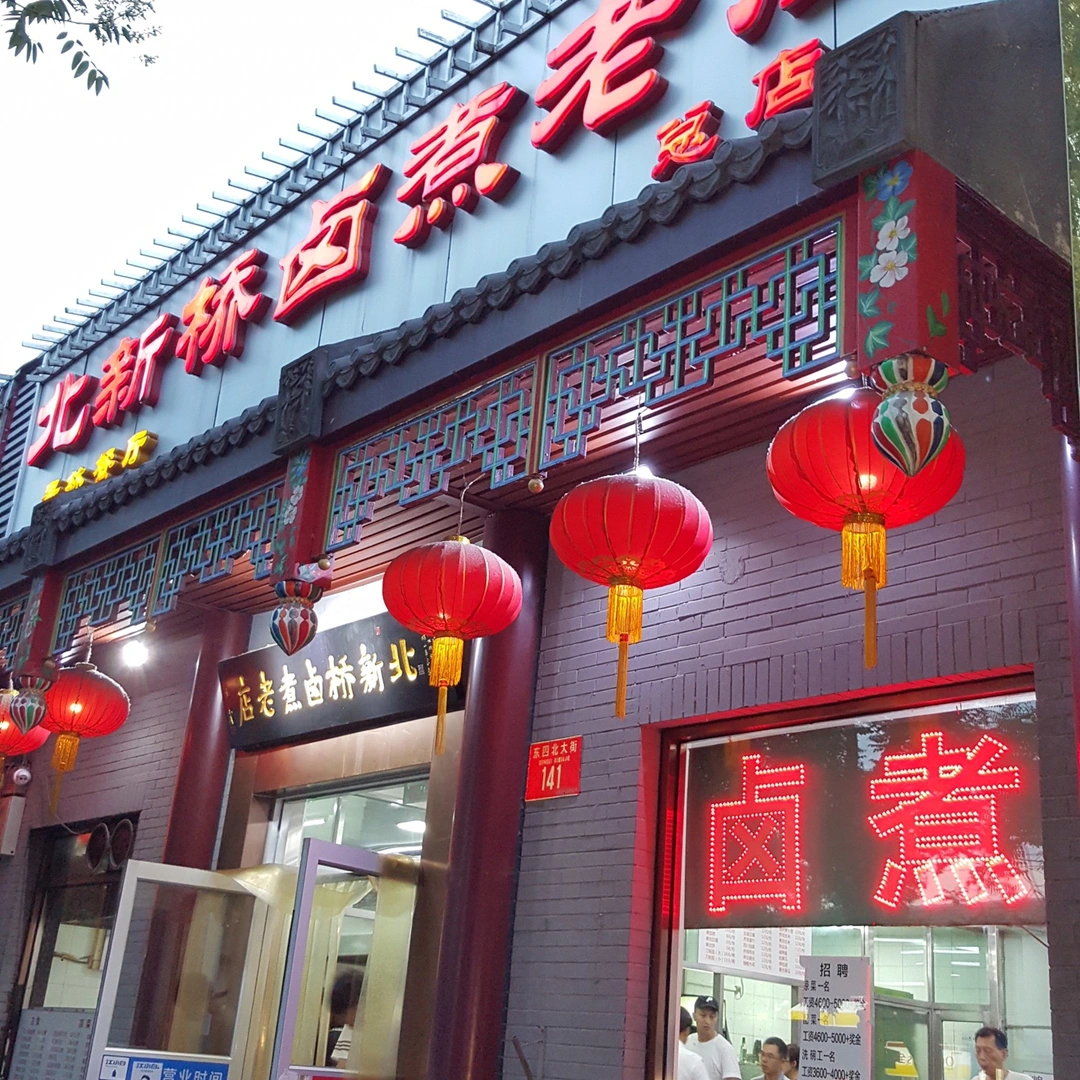
Beixinqiao Braised Offal Stew sits at the entrance of Ghost Street (Guī Jiē). Queuing is the norm. The menu prices made me gasp—40 yuan for a classic bowl (large intestine + small intestine), 28 for large intestine only, 25 for small intestine only. Swallowing my pain, I ordered the classic.
The large intestine was clean and chewy. The small intestine had too much fat, triggering my OCD. The wheat cakes (huǒ shāo) were well-soaked in flavor, and the lung pieces were decent. The dried tofu sat somewhere between firm tofu and tofu puffs, soaking up the broth. The pork head meat was too fatty, a bit greasy.
Verdict: Beixinqiao’s stew has the biggest portion and the best flavor, but also the highest price. If you can only visit one stew shop, I recommend this one. Just avoid the small intestine unless you love that fatty kick.
Huangsi Braised Offal Stew: The Worst, No Contest
At Huangsi, the owner plastered the walls with photos of celebrities, with Da Zhangwei’s autograph front and center. The shop sign had been removed—just an A4 paper with the shop name taped at a corner, like a "love at the corner" moment.
I ordered the stew with wheat cakes, braised pork elbow, and sesame flatbread (shāo bǐng)—44 yuan total. The stew was the worst I’d ever had: no more than three slices of large intestine, bland lung, barely any tofu, and only a few scattered wheat cakes. The flavor? So-so, to the point of questioning life.
The braised pork elbow, which I mistook for pig trotter, turned out to be a pork knuckle wrap. It was soy-sauce soaked, heavy on salt and flavor. Some would love it; others would hate it. The flatbread was plain white bread, meant to be dipped in the elbow’s sauce—but my elbow had almost no sauce left.
Verdict: Huangsi specializes in braised meat, not stew. If you want to ruin your impression of braised offal stew, come here.
Late-Night Stew: Warmth in Nanluoguxiang
At 9 PM, a craving for stew surged like a tide. I searched and found a shop near Nanluoguxiang open until 1 AM, with over 1,200 reviews. I headed straight there.
The shop was simply called "Stew Shop" (Lǔ Zhǔ Diàn), with a plaque reading "Lǔ Zhǔ Zhang," "Approved by Dongcheng District Food Company," "October 1986"—older than me. I ordered a large bowl of stew with wheat cakes (25 yuan, four cakes) and a door nail meat pie (6 yuan).
The stew was pre-soaked—large intestine and lung were chopped in advance, and when customers came, they got a ladle of broth. Not the most authentic method, but the taste was surprisingly good. The wheat cakes were small and absorbed flavor well—it was the warmest bowl of stew I’d ever had.
The meat pie, even at this late hour, still had some heat. One bite, and juice sprayed out! I was stunned. The crust wasn’t as crispy as Baorui’s, but the filling was absolutely perfect.
Verdict: This is an excellent stew shop worth a special trip. Next door is Chef Bao (Bào Shī Fù) at Dongsi branch—you can make a food crawl of it.
[Link: Nanluoguxiang food guide]
Frequently Asked Questions About Beijing Street Food
1. What is the most iconic Beijing street food?
Braised offal stew (lǔ zhǔ) is arguably the most iconic. It’s a slow-cooked mix of pork or lamb offal, wheat cakes, tofu, and sometimes pork head meat, all simmered in a rich, savory broth. Door nail meat pies and sugar-baked pastries are close contenders.
2. Is Beijing street food expensive?
Not at all. Most items cost between 5–25 yuan. A full meal—meat pie, porridge, or stew—can cost under 30 yuan. Even premium spots like Beixinqiao charge around 40 yuan for a loaded bowl of stew. It’s budget-friendly for travelers.
3. Where can I find the best braised offal stew in Beijing?
Beixinqiao Braised Offal Stew is widely considered the gold standard for flavor and portion size. For a late-night option, the stew shop near Nanluoguxiang (open until 1 AM) offers excellent quality and a warm atmosphere.
4. What should I avoid when trying Beijing street food?
Avoid ordering shredded beef pastry unless you love dry, chewy textures. Also, skip Huangsi Braised Offal Stew if you want an authentic stew experience—it’s more of a braised meat shop. Finally, don’t expect "bursting juice" from every meat pie; some are drier than others.
5. What’s the best time to visit Beijing food stalls?
Morning is best for sugar-baked pastries and offal soup—fresh and hot. Lunch and dinner are ideal for braised offal stew. Late-night (after 9 PM) is perfect for Nanluoguxiang stew shops. Avoid evening service at old brands like Baikui if you want hot food.
Conclusion: Your Taste Buds Are Your Wealth
Every bite you take in Beijing is a deposit in your memory bank. From the crispy crust of a door nail meat pie to the soul-warming broth of braised offal stew, these flavors become part of your story. They’re not just meals—they’re souvenirs you can taste.
So, what are you waiting for? Grab your chopsticks, hit the streets, and start building your own Beijing food wealth. Whether you’re a first-timer or a seasoned foodie, there’s always something new to discover.
Ready to explore? Share your favorite Beijing street food in the comments below. Or, if you’re planning a trip, save this guide as your personal taste diary.
[Link: Beijing food tour tips]
This article is based on a personal food diary from a trip to Beijing. Prices and availability may vary. Always check current hours and menus before visiting.
You should also read:

A Passionate Journey Through Beijing & Tianjin: Beijing Complete Guide – JOJO's In-Depth Travel Notes
Meta Description: Explore Beijing & Tianjin in 5 days with this complete travel guide. From the Forbidden City to the Great Wall, discover insider tips, transportation hacks, and must-see attractions. Plan your perfect China trip today. Beijing is not just a city—it's a living museum…
Continue reading...
A Solo Journey Through Beijing: One Girl's Seven-Day Adventure
Here is the SEO-optimized, rewritten article based on your source material. It is structured for high readability, keyword density, and user engagement, targeting approximately 1500 words. SEO Title: Solo Travel in Beijing: One Girl’s 7-Day Budget Adventure (2,000 Yuan Itinerary) Meta Description: Discover the ultimate…
Continue reading...
Four Seasons in Beijing: A Complete Guide to Experiencing the Capital's Year-Round Beauty
Meta Description: Discover Beijing through all four seasons in this comprehensive guide. From late summer ginkgo leaves to winter snow at the Forbidden City, explore the capital's hidden gems, cultural festivals, and timeless charm. On the first day of August, I boarded a northbound train…
Continue reading...