When Brighton’s Sea Breeze Meets the Arts Festival: My First Trip to Britain, Full of Surprises
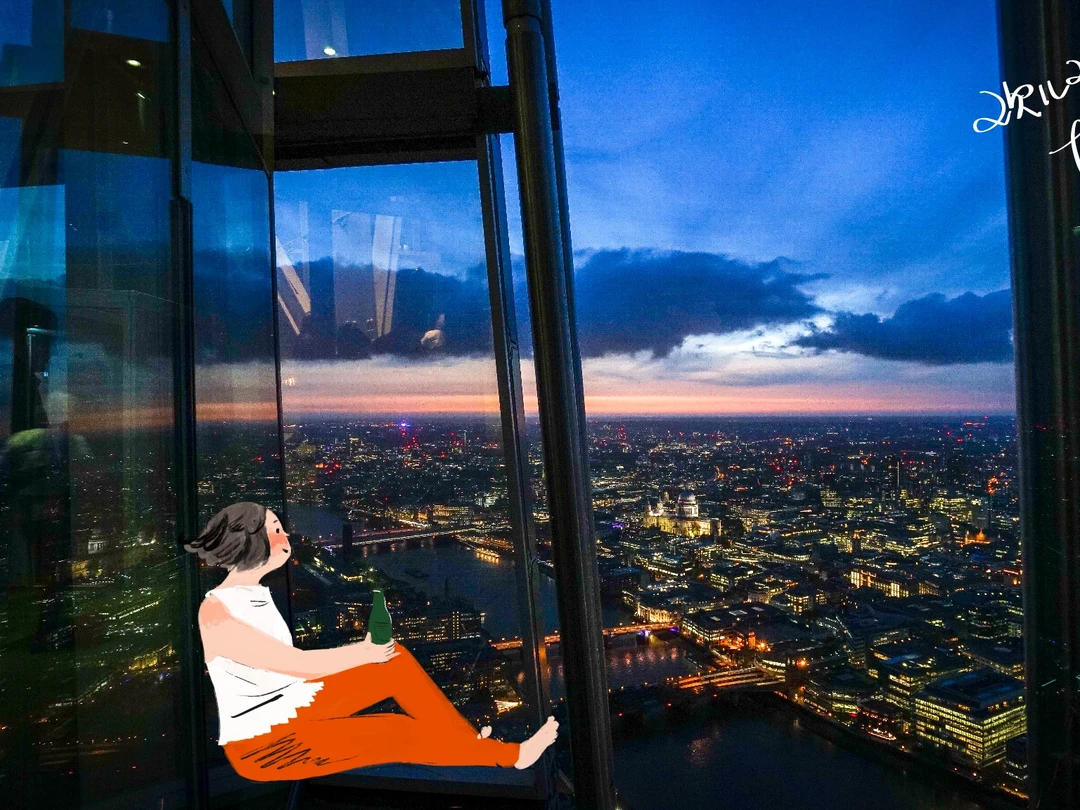
Meta Description: Discover Brighton's seaside charm, the Brighton Festival, and royal wedding buzz in this SEO-optimized travel guide. From sunrise blunders to the Royal Pavilion, experience Britain's unexpected delights firsthand.
Introduction: A Photographer’s Pilgrimage to Britain
As a commercial photographer and professional illustrator, I’ve traveled far and wide—but Britain always held a magnetic pull. Not for Harry Potter’s magic or Sherlock’s mysteries, but for the cultural echoes that shaped my youth. The “42” joke from Douglas Adams’ The Hitchhiker’s Guide to the Galaxy remains a secret handshake among fans. Alain de Botton’s pages bear my scribbled notes. The sounds of The Beatles, Blur, and Suede drift through my mind like radio waves from The Boat That Rocked—carrying the salty tang of the sea and a hint of static.

And then there’s Banksy. His personality fascinates me more than his art—the only artist I’ve ever fangirled over simply for being who he is.
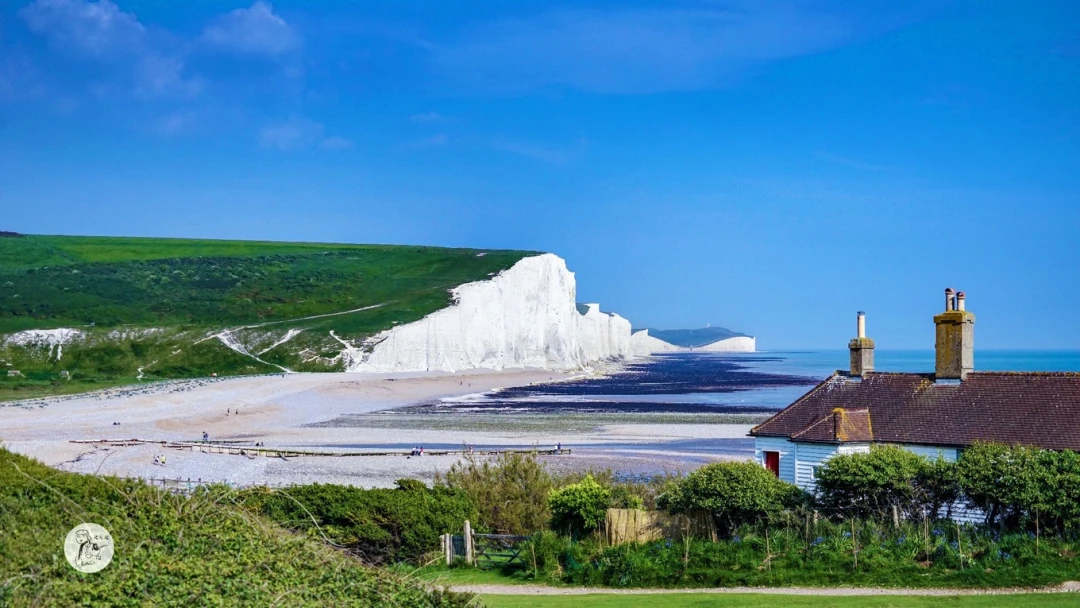
In May 2018, I finally set foot on this land. Over eight days, from Brighton to London, from the White Cliffs to Greenwich, I stumbled upon the annual Brighton Festival and caught the festive atmosphere of Prince Harry’s royal wedding. From the very beginning, this trip was destined to be extraordinary.
[Link: Best time to visit Brighton for festivals]
First Glimpse of Brighton: Morning Light by the Sea and Unexpected Surprises

The 4:30 AM Sunrise “Blunder”
Jet lag is a strange gift. On my first night in Britain, I managed only a few hours of sleep before waking wide-eyed at 4:30 AM. Since I was up anyway, why not watch the sunrise over the sea? I grabbed my coat and rushed to the shore.
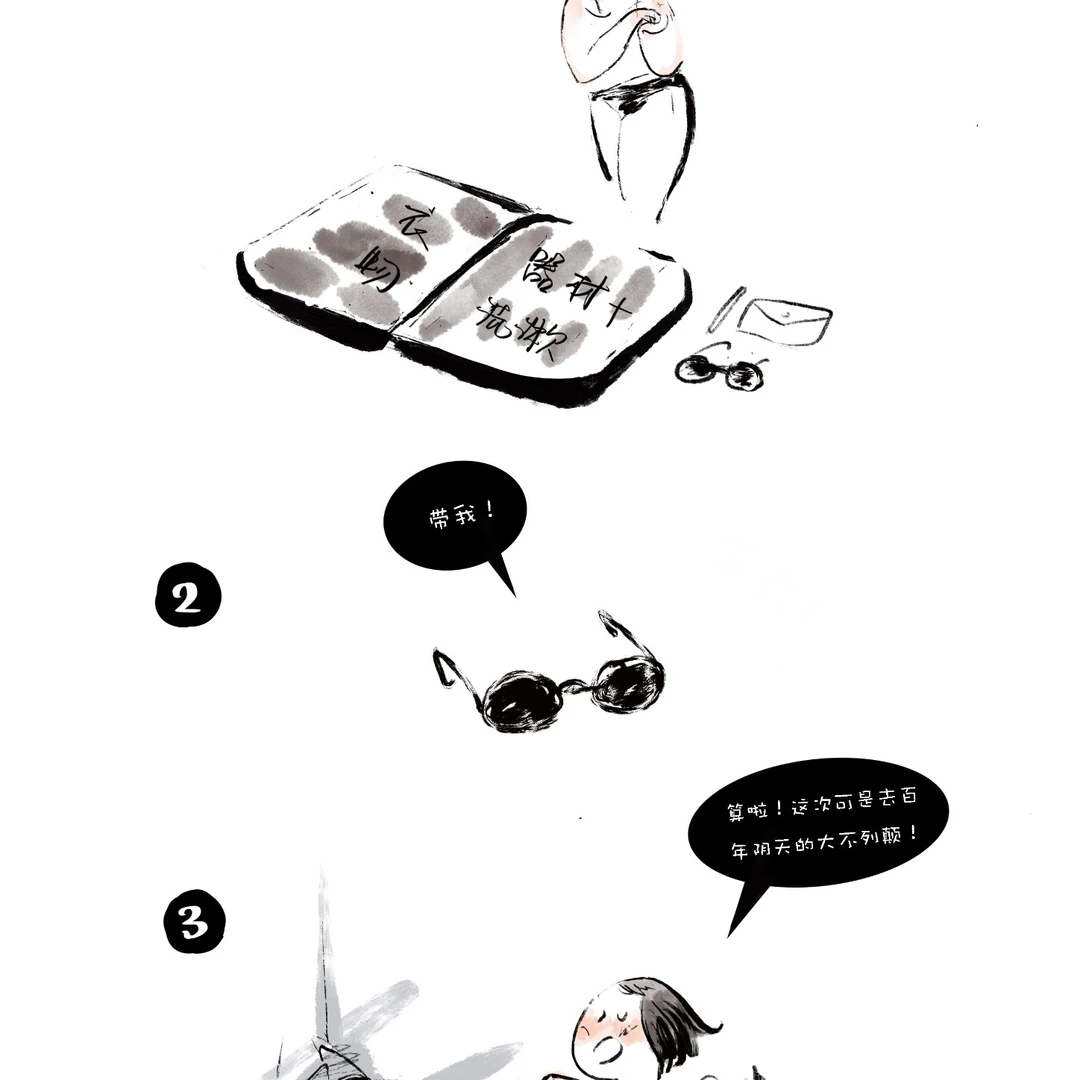
In May, Britain sits at the cusp of spring and summer. The sun peeks out before five in the morning but doesn’t reluctantly set until nearly nine at night. The sea breeze was chilly, making me shiver as I stood on the beach, staring at the horizon, waiting for the red sun to rise from the water.
But after waiting for what felt like ages, the sun slowly climbed up from behind the buildings at my back—and in that moment, it hit me: not all seas face east! That simple piece of geography had completely slipped my mind.
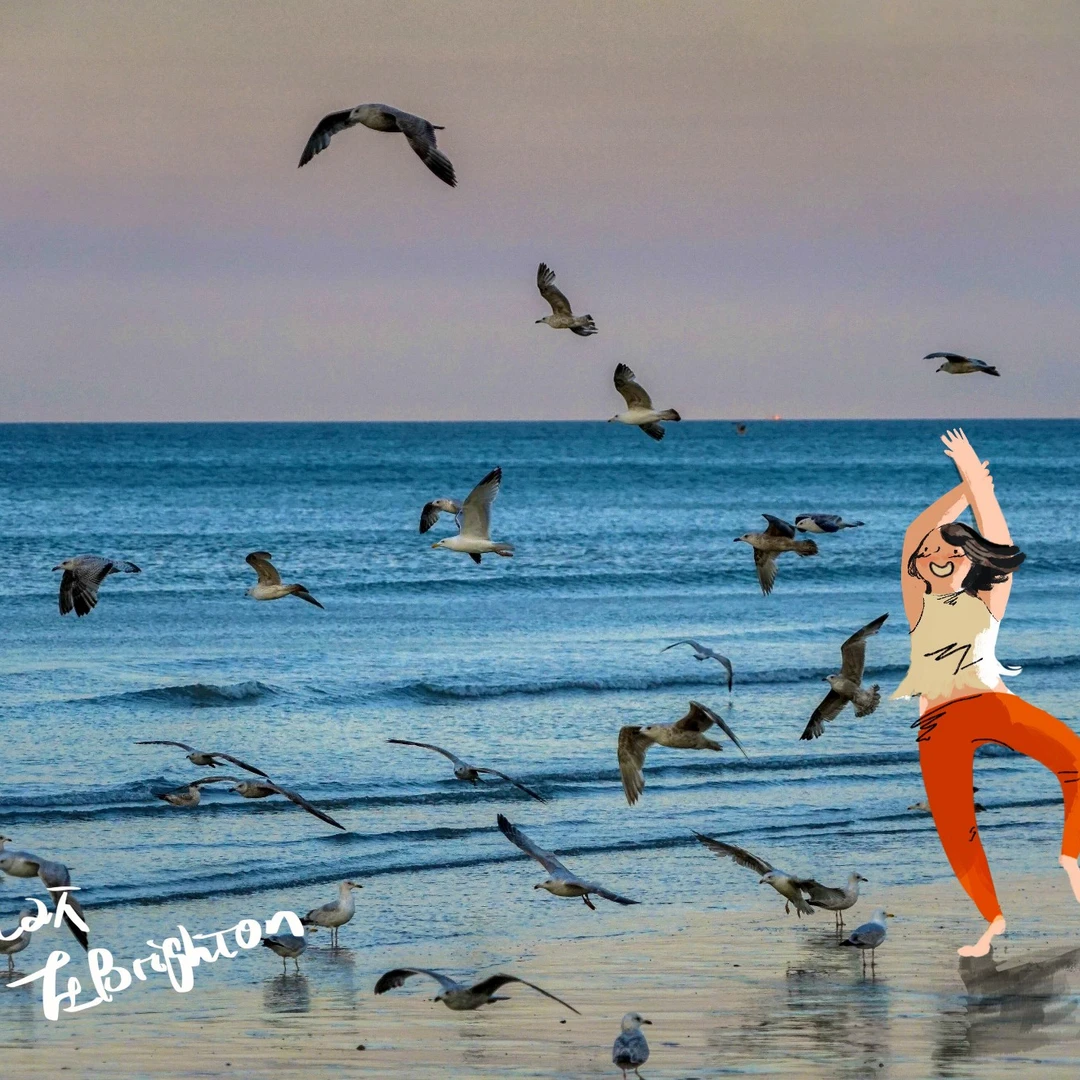
Seagulls circled overhead, their wings flapping unmistakably. “These birds are huge—they fly past like fighter jets!” I thought to myself.
The Burned-Out Pier: Brighton’s Story
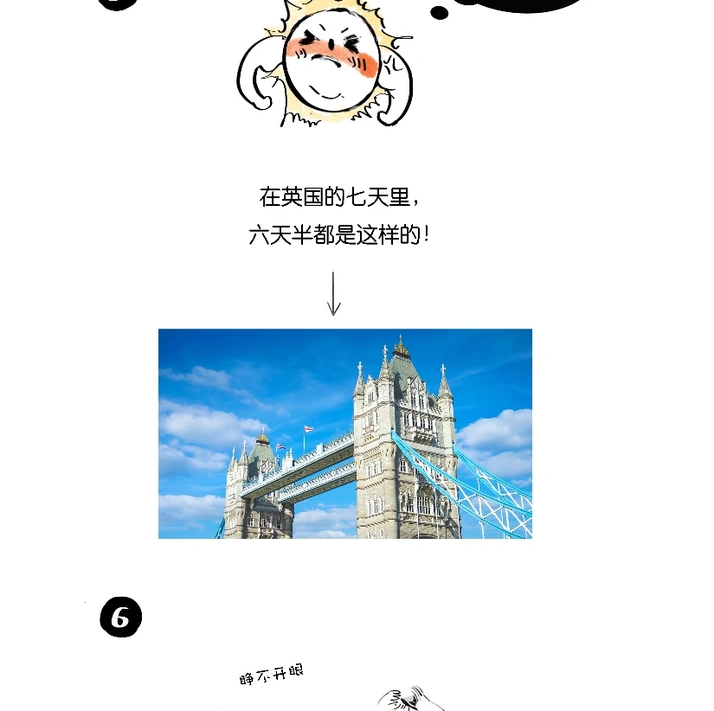
Along the coastline, a rusty steel structure stood starkly. I thought it was modern art, but couldn’t find any description explaining it. A stranger on the beach told me: “That’s the old Brighton Pier. Word has it a ship collided with it and started a fire so fierce it couldn’t be put out.” He paused, then added, “Some people say it was destroyed during World War II.”
Whatever the truth, the burned pier remains where it is—a story and a mystery. Not far to its right, the new Brighton Pier has been built. Inside the arched structure stretching out into the sea, children laugh and play in haunted houses, on roller coasters, and at arcade games. New things always evolve with technology, but people can’t bear to let go of the old either. That, perhaps, is Brighton’s gentle charm.
[Link: Brighton Pier history and attractions guide]
The Seaside Carousel and the “Sea-Settling Needle”
After eleven o’clock, the seaside gradually came to life. A carousel facing the sea turned slowly, like a dream someone once had. Small shops along the beach opened for business, selling all sorts of trinkets. As a tourist, my mindset shifted strangely—in a foreign land, even the most ordinary little objects could keep me entertained for ages.
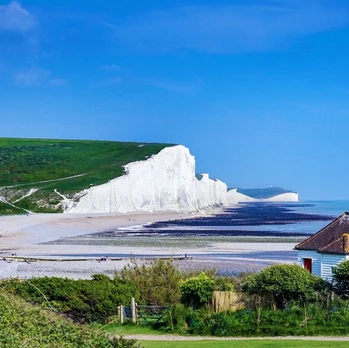
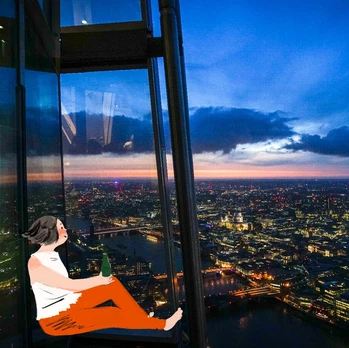
I’m a greedy traveler. I love heights, always wanting to take in every bit of scenery at once. Brighton’s i360 observation tower came to the rescue. This “sea-settling needle” is said to be the world’s tallest slender tower, standing 163 meters high, with a 360-degree glass viewing pod that rises to 138 meters. During the 20 minutes at the top, I could see the entire city of Brighton, spanning 42 kilometers, along with its endless coastline. The viewing platform moved so smoothly that when I shared videos with friends, they thought I was using a handheld stabilizer.
Practical Info: - Tickets: Available at the official website or on-site - Operating Hours: 10:00 AM – 5:30 PM (extended in summer and on weekends) - Price: £16.50 for adults, 20-minute ride - Note: Arrive at the entrance 20 minutes early for a simple security check
[Link: Brighton i360 vs London Eye comparison]
Brighton’s Rhythm: From Dawn to Late Night
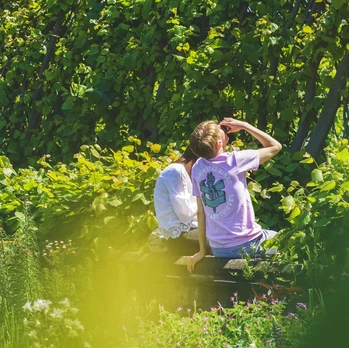
This City Has Its Own Time
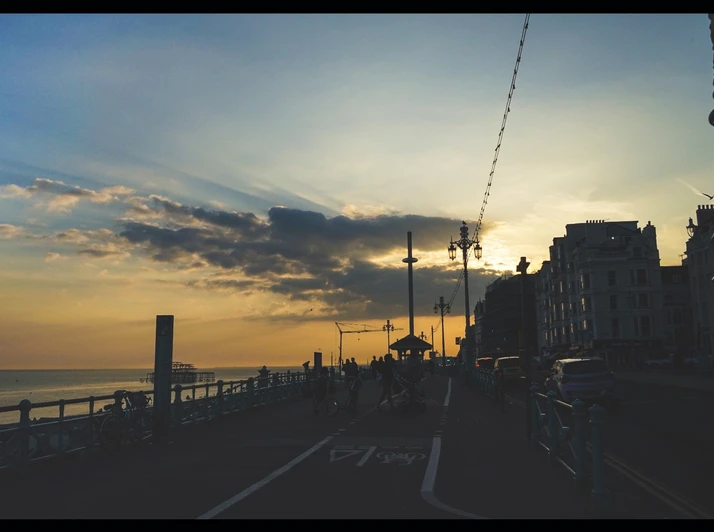
At 10:30 AM, with the sun blazing, the streets were just starting to see shops open. After nine in the evening, when the sun finally set, the streets grew quiet, but a few pubs still buzzed with activity—people stood at the bar, sipping beer, bottle after bottle, waiting for the night to deepen. The scene felt like something straight out of a novel.
Brighton is famously known as the “gay capital,” its open and peaceful atmosphere making it a haven for the LGBTQ+ community across Europe and the world. On my first day here, I was hit on twice, both times with a Downton Abbey-style accent inviting me for a drink. The surrealism almost made me laugh out loud, and I politely declined. A friend teased me from afar: “Don’t take Brighton’s flirtations too seriously—they might just be your best girlfriends.”
The Royal Pavilion: George IV’s “Luxurious Dream”
If you’re interested in architecture and decoration, the Royal Pavilion is a must-see. Built in the 19th century, this palace was originally a seaside retreat for the British royal family, and a hideaway for the Prince Regent—later King George IV. “Hideaway” might be an understatement; it was a paradise of extravagance beyond the word “luxury,” a dreamlike playground for the royals’ hedonistic escapades.
The interior of the palace feels like George’s whimsical fantasy world: Bengali, Islamic, Chinese styles—all boldly mixed together, yet still maintaining an overall European aesthetic. At the time, architecture and design were typically handled by “architects,” but George IV broke new ground by hiring an interior designer. From the dragon-shaped chandeliers in the banqueting hall to the powder-blue floral wallpaper covering entire walls, every detail was meticulously crafted.
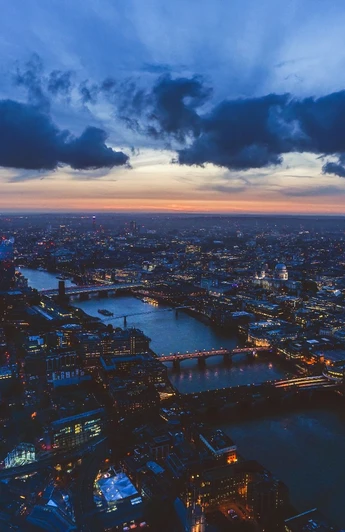
But even a palace of endless revelry must come to an end. During the Victorian era, the Royal Pavilion was sold to the Brighton government for just £53,000, which is why it survives today. George IV’s unlucky love life and the tragedy of losing his daughter in old age add a touch of melancholy to this already opulent building.
Practical Info: - Address: 4/5 Pavilion Buildings, Brighton BN1 1EE, UK - Opening Hours: October–March, 10:00 AM – 5:15 PM; April–September, 9:30 AM – 5:45 PM - Note: No photography allowed inside
[Link: Royal Pavilion architecture guide]
The Festival Journey: When the Whole City Becomes a Stage
Brighton Festival: 51 Years of Bohemian Heartbeat
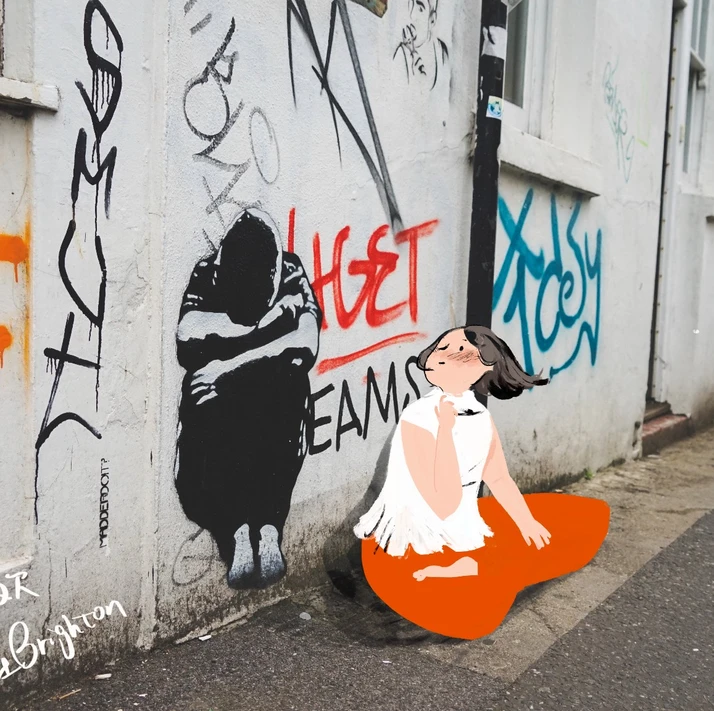
The biggest surprise of my Brighton trip was stumbling upon the Brighton Festival. First held in 1967, this annual event takes place every May, and 2018 marked its 51st edition. The inaugural festival featured performances by British actors Laurence Olivier and Anthony Hopkins, along with violinist Yehudi Menuhin. Today, it has become a symbol of this innovative city, renowned for its pioneering spirit and creative vision.
During the festival, music, art, theater, dance, circus, film, and literary events fill the city’s streets, parks, and beaches. Throughout May, Brighton pulses with vitality and youthful energy.
Brighton Museum & Art Gallery: From Dalí to Central Saint Martins
Just a few minutes’ walk from the Royal Pavilion, the Brighton Museum & Art Gallery showcases works of impressive quality and is remarkably welcoming to young artists.
Upon entering, I was greeted by a display of 20th-century designer chairs. These seemingly ordinary everyday objects are actually one of the museum’s hidden treasures—each chair tells a story of design evolution. The gallery also features rotating exhibitions that often include works from Central Saint Martins graduates, making it a vibrant hub for contemporary art.
[Link: Brighton Museum highlights and current exhibitions]
FAQ: Planning Your Brighton Trip
1. What is the best time to visit Brighton for the festival?
The Brighton Festival runs throughout May, making it the ideal time to visit. The weather is mild (10–18°C), and the city buzzes with energy. Book accommodations at least 2–3 months in advance, as hotels fill quickly during the festival period.
2. How do I get from London to Brighton?
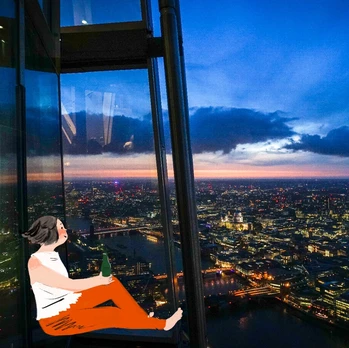
Brighton is just 1 hour from London by train from Victoria Station. Trains run frequently (every 15–30 minutes), and a return ticket costs approximately £20–30. Alternatively, you can drive via the A23/M23 motorway, but parking in Brighton can be expensive.
3. Is Brighton safe for solo travelers?

Yes, Brighton is generally very safe for solo travelers, including women. The city is LGBTQ+ friendly and has a low crime rate. As with any city, stay aware of your surroundings at night and keep valuables secure. The seafront area is well-lit and patrolled.
4. What should I pack for a May visit to Brighton?
Pack layers! May weather in Brighton can be unpredictable—expect sun, rain, and wind all in one day. Bring a waterproof jacket, comfortable walking shoes, a light sweater, and sunscreen. The sea breeze can be chilly, so a scarf or windbreaker is recommended.
5. Can I visit the Royal Pavilion on a budget?
Yes! The Royal Pavilion offers discounted tickets for students, seniors, and families. You can also purchase a combined ticket with the Brighton Museum & Art Gallery for added value. Check the official website for online booking discounts.
Conclusion: Why Brighton Should Be on Your Britain Itinerary
My first trip to Britain was full of surprises—from the 4:30 AM sunrise blunder to the burned-out pier’s mysterious history, from the Royal Pavilion’s opulent interiors to the Brighton Festival’s electric atmosphere. This seaside city offers a unique blend of natural beauty, cultural richness, and bohemian spirit that few places can match.
Whether you’re an art lover, a history buff, or simply a curious traveler, Brighton delivers experiences you won’t find anywhere else. The sea breeze carries stories, the streets hum with creativity, and every corner holds a new discovery.
Ready to plan your Brighton adventure? Start by checking the Brighton Festival schedule and book your accommodations early. Don’t forget to pack your sense of wonder—and maybe a jacket for that sea breeze.
Share your Brighton story in the comments below! What surprised you most about this charming seaside city?
You should also read:

A Long-Overdue Family Trip: The Ultimate Guide to a Weekend Getaway in the Beijing Suburbs, Mountain Courtyard Stays, and Reconnecting with Loved Ones
Meta Description: Plan the perfect Beijing suburbs weekend getaway with our complete guide. Discover mountain courtyard stays, family-friendly camping, Yeya Lake Wetland Park, and Yudu Mountain. Rediscover warmth and connection in Yanqing. In the relentless pace of modern life, the promise of a family vacation…
Continue reading...
Galloping Through an Oil Painting: The Ultimate 10th Anniversary Family Road Trip in Morocco
Meta Description: Plan your dream Morocco family road trip with our 10th anniversary itinerary. From Dubai layovers to Moroccan riads, discover costs, tips, and hidden gems for an unforgettable self-drive adventure. Some journeys are destined to be etched into the very rings of your life.
Continue reading...
The First Step to Traveling the World: How to Break Through the English Speaking Bottleneck (A Practical Guide)
Meta Description: Dream of traveling the world but held back by poor English? This practical guide reveals how to break through the speaking bottleneck—no exams, just real-world fluency. Start speaking today. There are only two truly important days in life: the day you are born,…
Continue reading...