When Nothingness Meets Substance: A Winter Journey to Gubei Water Town in Miyun, Beijing
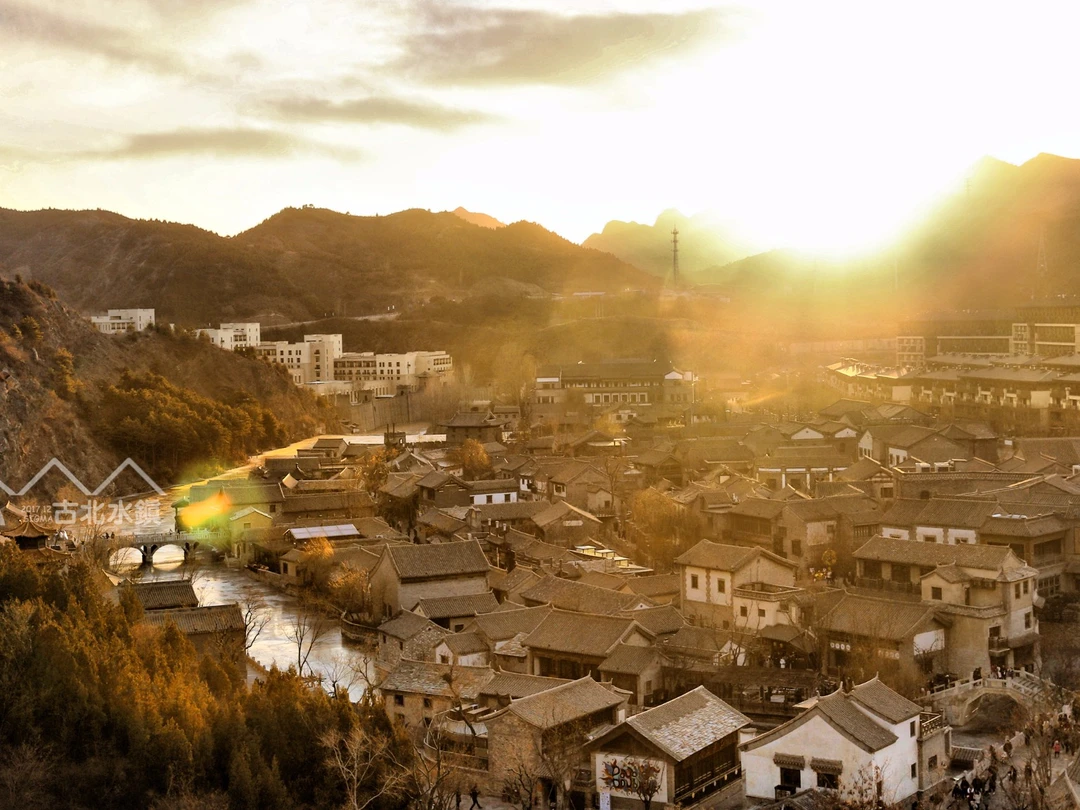
Meta Description: Discover the Taoist philosophy of "nothingness meets substance" on a winter journey to Gubei Water Town in Miyun, Beijing. Explore Simatai Great Wall, ancient bridges, and canals in this stunning northern water town. Plan your visit today.
Introduction: Exploring the Taoist Philosophy at Gubei Water Town
More than two thousand years ago, the Tao Te Ching taught us that "substance" provides the foundation for all things, while "nothingness" endows them with function. Thirty spokes converge at a single hub, but it is the empty space at the center that allows the axle to pass through. Clay is shaped into vessels, but it is the hollow interior that gives the container its value. Doors and windows are carved to build a room, but it is the empty spaces that make the room a home.
This ancient wisdom finds its modern expression in Gubei Water Town, a breathtaking destination nestled at the foot of Simatai Great Wall in Miyun, Beijing. When nothingness meets substance—this ancient proposition has been validated time and again in the interplay of time and space. And in the depths of winter, Gubei Water Town reveals one layer of this truth.
From Screen to Reality: A Gubei Water Town Travel Story Two Years in the Making
In the summer of 2015, I first glimpsed Gubei Water Town online. It was a world utterly different from the northern Chinese towns I knew. Within a single frame, the scenery shifted with every step; within moments, an atmosphere of timeless elegance unfolded. I was captivated almost instantly—that inexplicable feeling of "loving something the moment you see it" was impossible to put into words.
When my friends heard about it, they laughed and said, "Oh, that's the 'internet-famous town' from that variety show!"
Over the next two years, I saw those images again and again on social media: eaves interlaced like woven threads, alleyways winding like poetry; small boats gliding across jade-green waters, stone bridges linking one bank to another; an ancient pagoda standing silently among the hills, lanterns illuminating the night sky.
At the end of 2017, the wish I had nurtured for two years finally came true. Driving over a hundred kilometers from downtown Beijing—a journey of more than two hours—we passed Miyun Reservoir, followed the Chao River upstream, and arrived at Gubei Water Town, located at the border between Miyun District, Beijing, and Luanping County, Hebei Province.
What Makes Gubei Water Town Unique?
This young water town was built upon the natural ancient villages of Gubeikou Town. Development began in 2010, and it officially opened to the public during National Day in 2014. It thrives at the foot of Simatai Great Wall, integrating sightseeing, leisure, business, and culture.

Key features of Gubei Water Town: - Old military camps and Republican-era streets - Water-town style districts and traditional folk culture areas - Interconnected roads and waterways - A slice of Jiangnan in the Beijing suburbs—a southern dream nestled in the north
Gubei Water Town is northern—with its courtyard houses, symmetrical layouts, and flush-gable roofs. But Gubei Water Town is also southern—with its interconnected lakes and canals, its bridges and boardwalks, its boats coming and going.
[Link: Best time to visit Gubei Water Town]
Exploring Gubei Water Town Bridges and Streets
Gubei Water Town is home to a remarkable collection of bridges and streets, each with its own story:
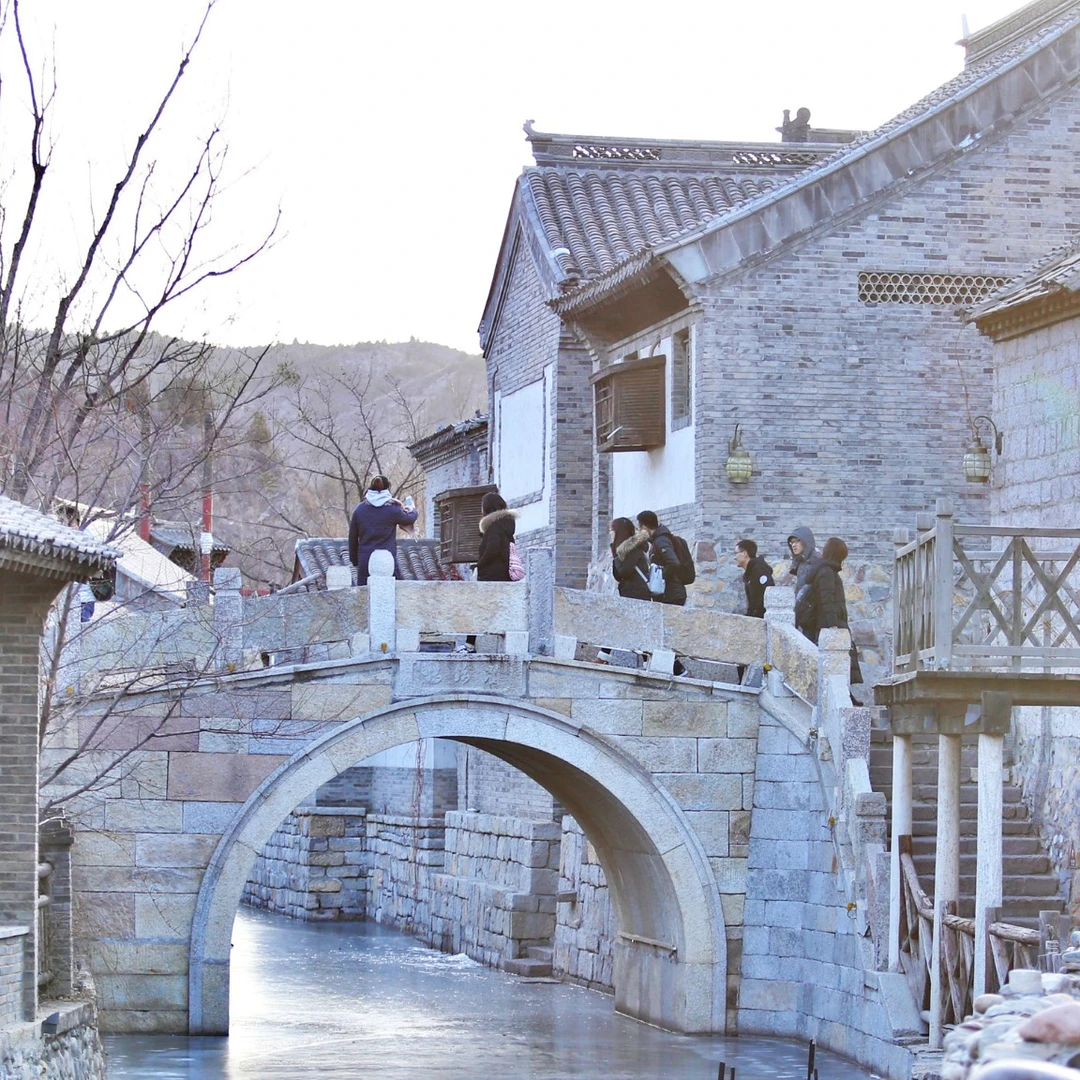
Bridges of Gubei Water Town: Lion Bridge, Round Bridge, Yong'an Bridge, Buddha Bridge, Zhuojin Bridge, Weiyuan Bridge, Blue Bridge, Yinghua Bridge, Silver Paper Bridge, City Gate Bridge, River Bridge, Half Clear Bridge, Rouge Bridge, Chaoriver Bridge, Tang Village Bridge, Dust Washing Bridge, Long Path Bridge, Mist Clearing Bridge, Upper Official Bridge—bridge upon bridge, water meeting path.
Streets of Gubei Water Town: Outside City Gate Street, Gubei Post Road, Tang Market Street, Workshop Street, Linggong Street, Crescent Arc Street, Plaza Ring Street, West Creek Street, East Creek Street, Guild Hall Street, Wangjing Street—street after street, each leading to hidden wonders, each revealing beauty in the midst of obscurity.
In Gubei Water Town, you will find enchanting scenery, discover a style that speaks to you, and encounter a new version of yourself. Its essence is inclusivity, is freedom of choice. It has form and substance, yet knows no bounds.
Upon the Simatai Great Wall: Mountains, Rivers, History, and Vigilance
Before seeing the water town, you first see the ancient pass. Every step, every glance, as you approach the water town, is early arrested by the Great Wall stretching across the sky.
This is the edge of Beijing.
The Geography of Gubeikou
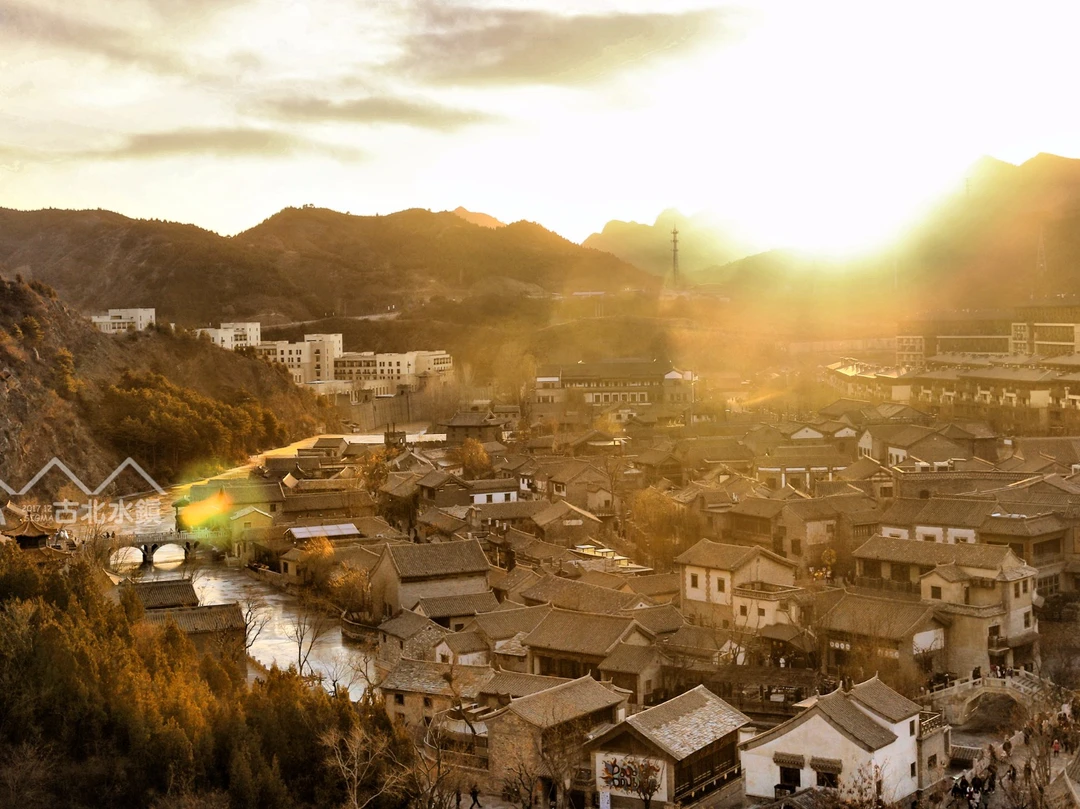
In the northern part of the Beijing-Tianjin region, two rivers are of paramount importance: - The Bai River: Originating in Guyuan, Hebei, flowing through Chicheng into Beijing's Yanqing, Huairou, and Miyun - The Chao River: Originating in Fengning, Hebei, entering Beijing's Miyun through the northern pass of Gubeikou Town
These two rivers are the most important tributaries feeding Miyun Reservoir, eventually converging at Hecao Village in Shilibao Town, Miyun District, to form the Chaobai River, nourishing Beijing and Tianjin.
The Historical Significance of Gubeikou
During the Northern Qi dynasty, rulers built the "Juyong Pass to Shanhai Pass" section of the Great Wall. During the Ming dynasty, based on previous dynasties' walls, they constructed the Ming Great Wall, stretching over six thousand kilometers from Hushan in Liaoning, through Juyong Pass, to the eastern foothills of the Qilian Mountains and Jiayuguan in Gansu.
The intersection of the Chao River and the Great Wall is Gubeikou—a natural land-and-water passage for caravans, travelers, and armies.
"Two cliffs rise steeply, close to the blue sky; one river flows between, like a flying white silk."
The narrow flatland carved by the Chao River in the northern reaches of the Central Plains became the throat connecting the Inner Mongolian Plateau, the Songliao Plain, and the Central Plains.
[Link: Simatai Great Wall hiking guide]
Winter at Gubei Water Town: A Magical Season
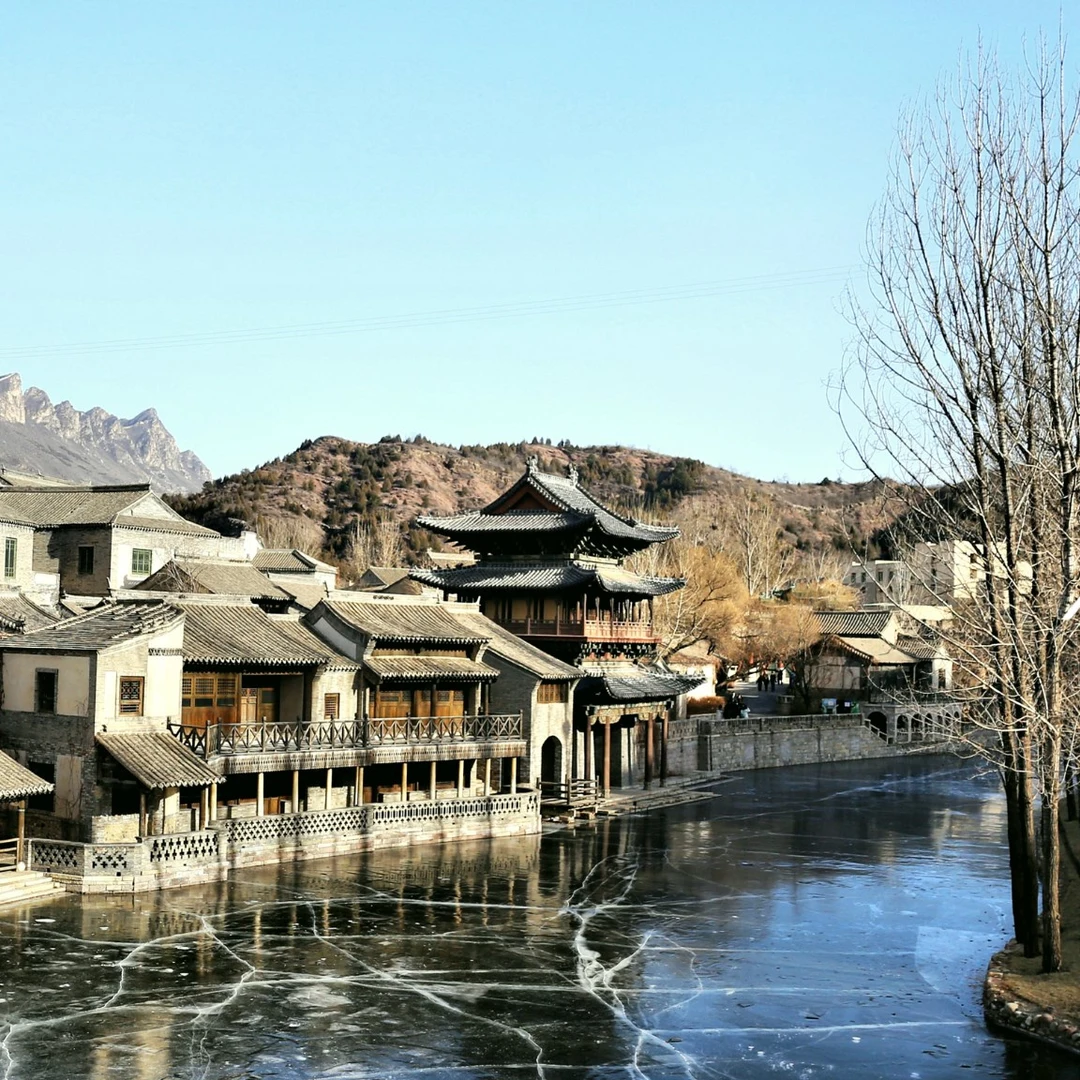
A winter journey to Gubei Water Town offers a unique perspective on this already stunning destination. When snow blankets the rooftops and canals freeze over, the Taoist philosophy of "nothingness meets substance" becomes vividly apparent.
Winter highlights include: - Snow-covered ancient architecture - Frozen canals reflecting the winter sky - Fewer crowds for a more intimate experience - Warm lanterns illuminating the night - Hot springs and traditional cuisine
The interplay of empty spaces and solid forms—the "nothingness" of winter air and the "substance" of ancient stone—creates a meditative atmosphere that visitors find deeply moving.
Frequently Asked Questions About Gubei Water Town
1. How far is Gubei Water Town from Beijing?
Gubei Water Town is located approximately 120 kilometers northeast of downtown Beijing. The drive takes about 2-2.5 hours via the Jingcheng Expressway, passing Miyun Reservoir along the way.
2. What is the best time to visit Gubei Water Town?
While Gubei Water Town is beautiful year-round, each season offers a unique experience: - Spring: Cherry blossoms and mild weather - Summer: Lush greenery and water activities - Autumn: Vibrant red leaves and comfortable temperatures - Winter: Snow-covered landscapes and fewer crowds
Winter is particularly magical for those seeking the "nothingness meets substance" experience described in this article.
3. Can you visit Simatai Great Wall from Gubei Water Town?
Yes! Gubei Water Town is located directly at the foot of Simatai Great Wall, one of the most well-preserved sections of the Ming Great Wall. Visitors can easily access the wall from within the water town complex.
4. Is Gubei Water Town suitable for a day trip?
Yes, a day trip is possible, but many visitors recommend staying overnight to fully experience the water town's evening atmosphere, including lantern-lit streets and nighttime views of the Great Wall.
5. What are the must-see attractions in Gubei Water Town?
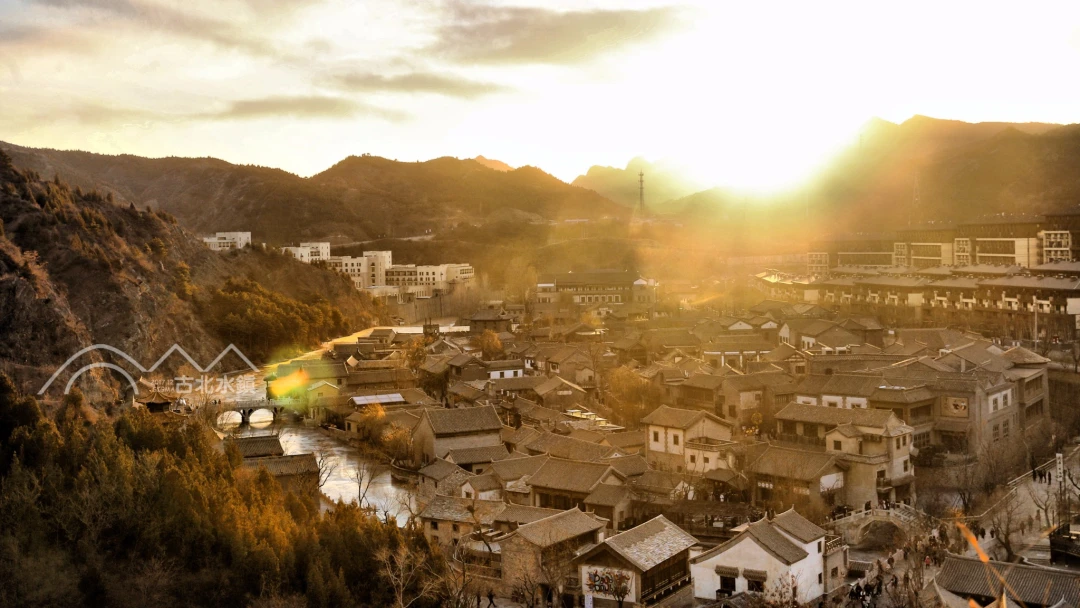
Top attractions include: - The ancient pagoda and its surrounding gardens - Yongshun Dock and the canal boat rides - The Great Wall night show - Traditional craft workshops on Workshop Street - The various bridges, especially Yong'an Bridge and Lion Bridge
Plan Your Gubei Water Town Winter Journey
Whether you're a first-time visitor or returning to explore deeper, a winter journey to Gubei Water Town offers an unforgettable experience where ancient philosophy meets modern travel.
Practical tips for your visit: - Getting there: Drive from Beijing via Jingcheng Expressway, or take a bus from Dongzhimen - Accommodation: Book a hotel within the water town for the full experience - What to pack: Warm layers, comfortable walking shoes, and a camera - Duration: 1-2 days recommended
[Link: Gubei Water Town accommodation guide]
Conclusion: The Enduring Magic of Nothingness and Substance
When nothingness meets substance—this ancient proposition has been validated time and again in the interplay of time and space. And in the depths of winter, Gubei Water Town reveals one layer of this truth.
The empty spaces between the ancient eaves, the silence of frozen canals, the vastness of the winter sky—these are the "nothingness" that gives Gubei Water Town its function. The solid stone of the Great Wall, the wooden beams of ancient buildings, the cobblestone streets—these are the "substance" that provides its foundation.
Together, they create a destination that transcends mere tourism. Gubei Water Town is a place where you can experience the harmony of opposites, the balance of emptiness and form, the beauty of winter's quiet embrace.
Ready to experience this magical destination? Start planning your Gubei Water Town winter journey today. Book your accommodations, pack your warmest clothes, and prepare to discover the profound beauty where nothingness meets substance.
[Link: Book Gubei Water Town tickets]
Have you visited Gubei Water Town in winter? Share your experience in the comments below, or tag us in your photos on social media. We'd love to see your journey!
You should also read:
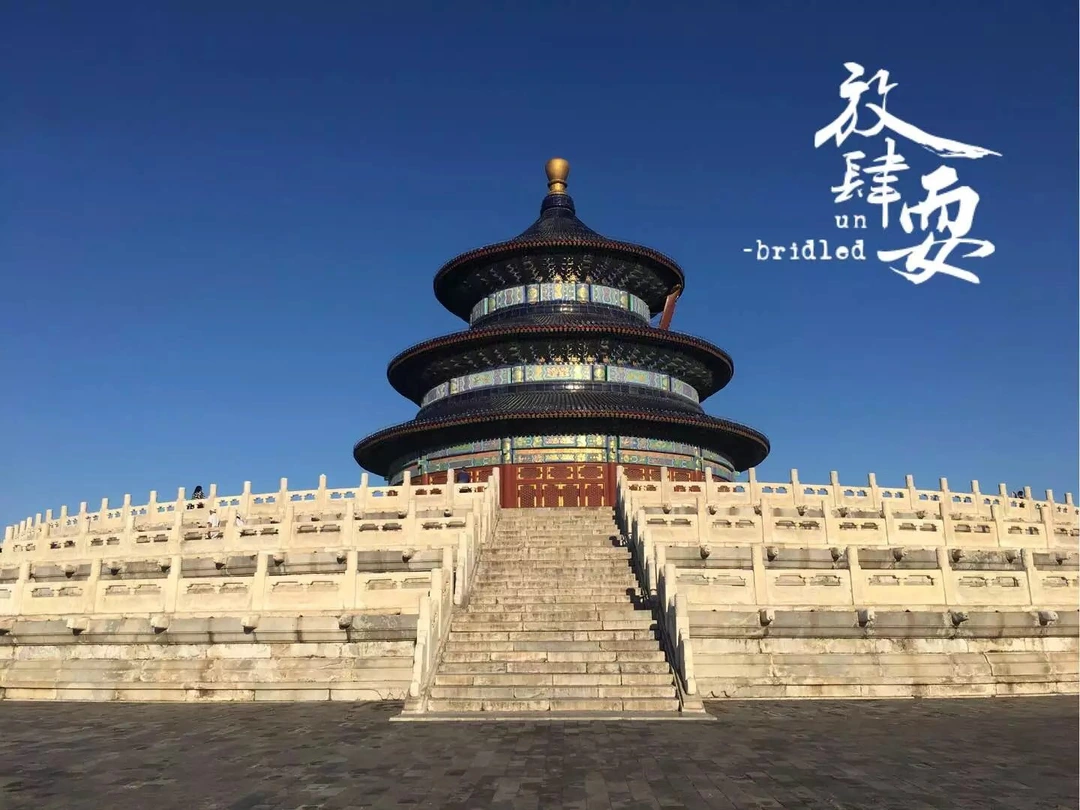
Early Autumn at the Foot of the Imperial City: Slow Travel Notes from Beijing, Chengde, and Tianjin
Meta Description: Discover slow travel in early autumn through Beijing, Chengde, and Tianjin. Expert tips on high-speed rail, Beijing Yikatong, budget accommodation near Qianmen, and hidden gems. Perfect for first-time visitors and family trips. Early autumn in northern China brings crisp air, golden sunlight, and…
Continue reading...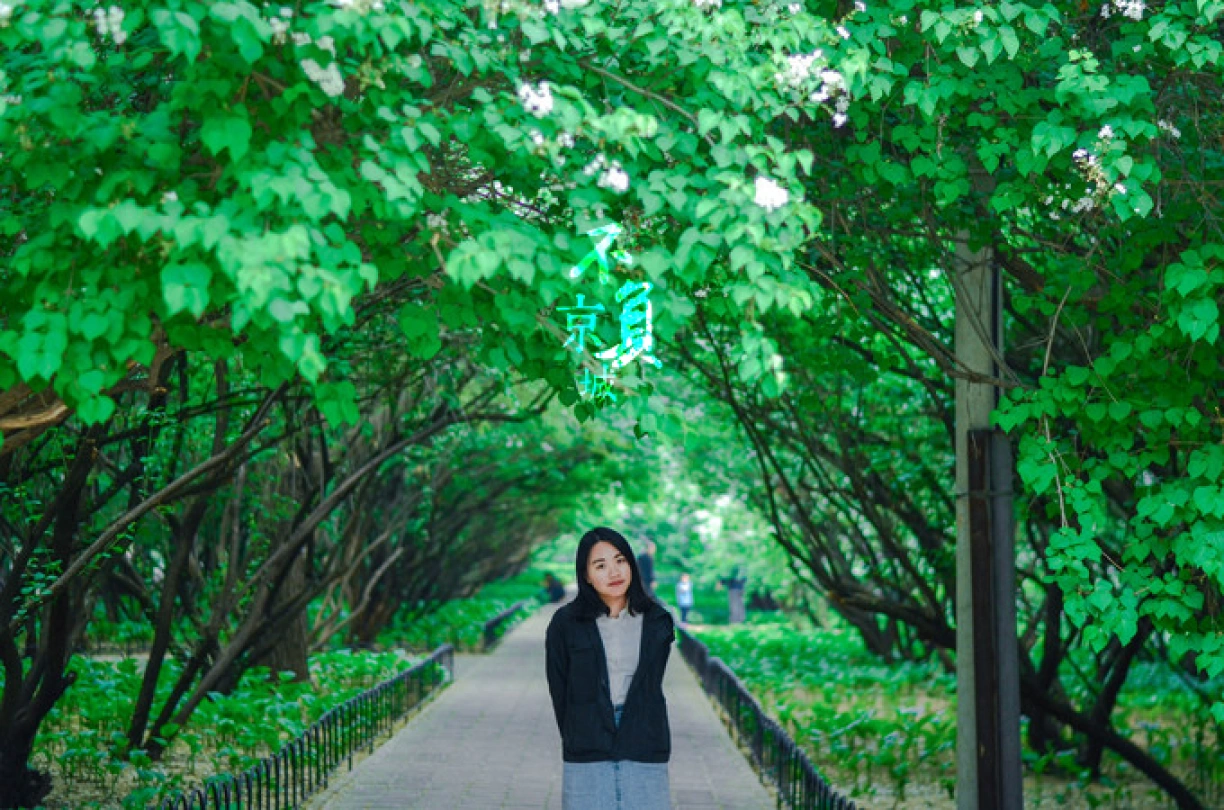
Three Days and Two Nights in Beijing: A Student’s Spring Travel Guide to the Imperial City
Meta Description: Discover Beijing on a student budget with this 3-day spring itinerary. From the Forbidden City to the Temple of Heaven, experience history, culture, and unexpected blue skies. Perfect for solo travelers. There are places you always think you can visit “someday”—until someday finally…
Continue reading...
Beiping: A City Where the Aroma of Street Food Meets the Poetry of the Distant Horizon
Here is the SEO-optimized, rewritten article based on your source material. It is structured for search engine visibility while maintaining the poetic, travelogue style of the original. SEO Title: Beiping Travel Guide: Street Food Aroma, Hutong Culture & The Poetry of Beijing’s Horizon Meta Description:…
Continue reading...