Willow Catkins Drifting in May: A Complete Beijing Travel Guide for Spring Break Adventures
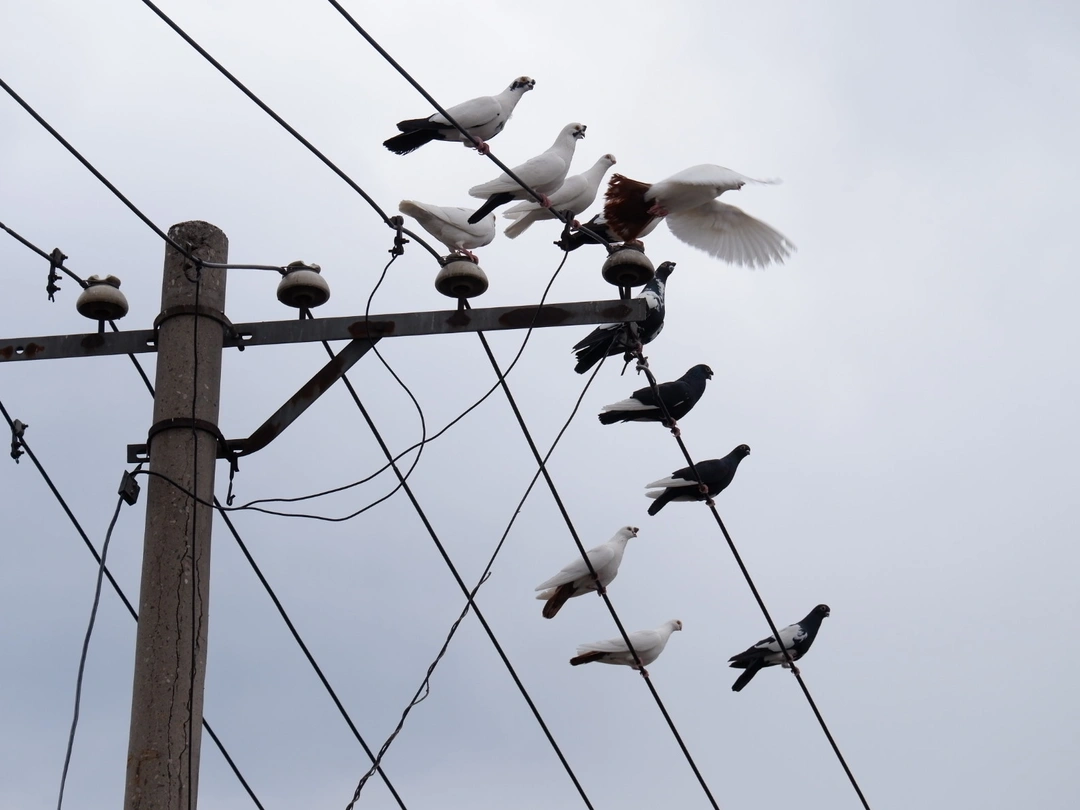
Meta Description: Discover Beijing in May with our comprehensive travel guide. From willow catkins drifting through ancient hutongs to exploring the Forbidden City, experience the capital's spring charm. Perfect for spring break trips and first-time visitors.
Introduction: When Spring Break Meets the Capital
Some trips are destined to be unexpected surprises. When the school finally approved that full nine-day spring break, my travel companion Miss Wan and I reached an instant consensus: Beijing. No hesitation, no second-guessing—just a spontaneous "right now" impulse. We packed our bags and boarded the bullet train heading for China's capital.

As the high-speed train slowly pulled into Beijing Station, I was stunned by the sea of people before me. The queue at the exit wound and twisted, seemingly endless. But what truly surprised me was the moment I stepped out of the station: instead of the dusty, gritty northern city I had imagined, I was greeted by a sky so blue it was almost transparent. In that instant, my impression of Beijing brightened immediately.
This Beijing spring break journey became an unforgettable exploration of history, culture, and hidden surprises. Let me take you through our adventure, complete with practical tips for your own Beijing travel itinerary.
Chapter One: Getting Lost and Finding Surprises in Old Beijing Hutongs
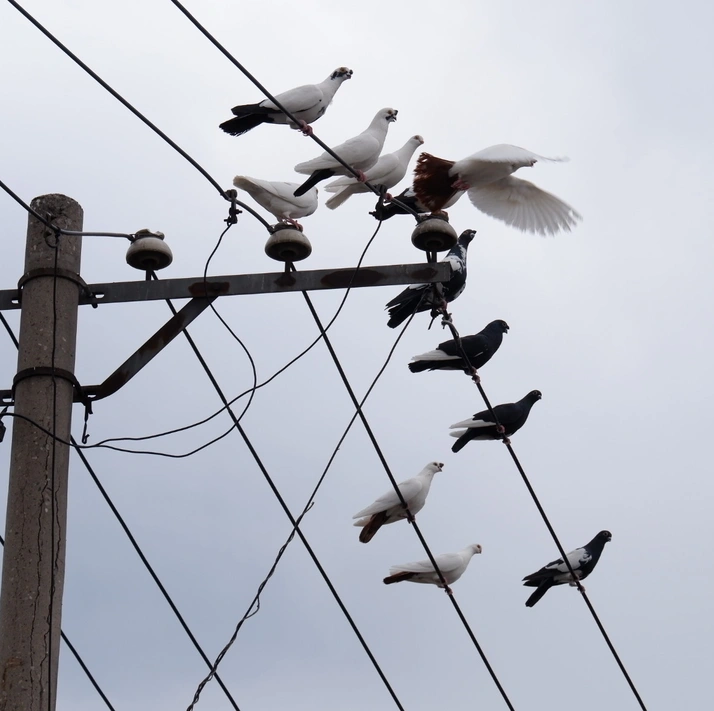
A Youth Hostel in Xiao Fengxian's Former Residence
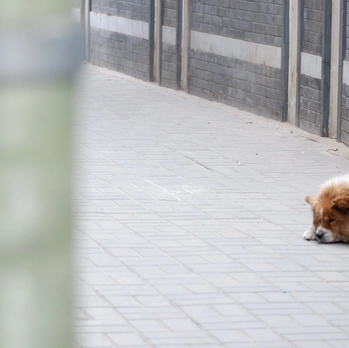
Following my navigation app, I found the No. 22 bus heading to our youth hostel. The destination was Beijing's old hutong district—a place I had never set foot in before. However, meeting up with Miss Wan proved more曲折 (twisty) than anticipated. My navigation seemed to malfunction in my hands—I followed it around and around in the narrow alleyways, and at every fork, I inexplicably followed the "men left, women right" rule, resolutely choosing the right path. Naturally, I ended up back where I started. A ten-minute walk took me a full twenty-five minutes. Thankfully, Miss Wan didn't hold it against me for being such a "directionally challenged" person, and we finally reunited deep in the hutong.
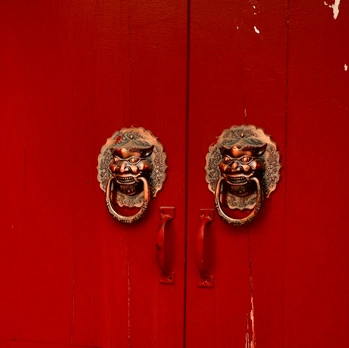
The youth hostel we stayed at turned out to be the former residence of Xiao Fengxian. This famous courtesan, who once captivated high-ranking officials, not only helped Republican general Cai E escape Yuan Shikai's house arrest but was also celebrated for her undying love affair with Cai. In the 1980s, this legendary story was brought to the silver screen in the film "Zhiyin" (The Soulmate), introducing her name to a wider audience. Sitting in a rickshaw, listening to the driver—with his authentic Beijing accent—recount the hidden stories of the hutongs, my desire to explore old Beijing grew even stronger.
[Link: Best Beijing hutong tours for history lovers]
Life's Charm Amid Gray Walls and Gray Tiles
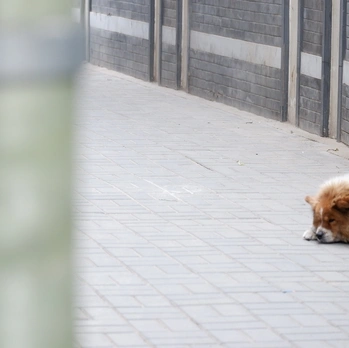
Beijing's hutongs, at first glance, all seem to look the same—gray walls and gray tiles, plain to the point of monotony. But if you take the time to wander through a few alleys and chat with the old residents, you'll discover that every hutong has its own story, its own endless anecdotes. The alleys may be narrow, but life here is full of charm. The birdcages hanging on the walls, the flowers and plants on the windowsills, the elderly men playing chess at the doorways—all exude a leisurely, carefree attitude toward life.
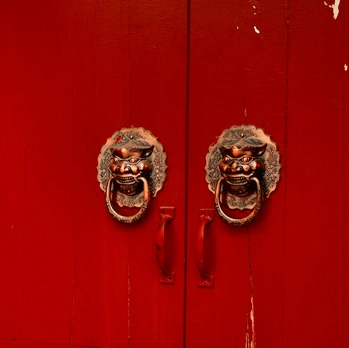
For anyone planning a Beijing travel itinerary, I highly recommend dedicating at least half a day to simply wandering through these historic lanes. The willow catkins drifting through the air in May add an almost poetic quality to the experience.
Madame Tussauds: A First Close Encounter with "Celebrities"
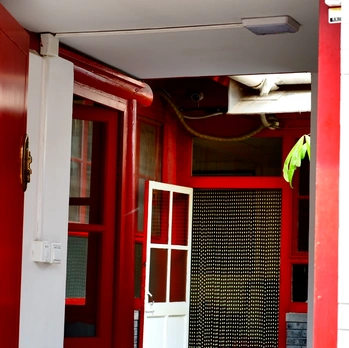
In the afternoon, we visited Madame Tussauds on Qianmen Street. To be honest, this was my first time getting so up close and personal with "celebrities"—though they stood perfectly still, their realism was astonishing. From sports stars to movie icons, every wax figure was so lifelike it felt like they might start talking at any moment. This奇妙 (wondrous) experience made me, someone who wasn't particularly interested in wax museums, snap quite a few photos.
[Link: Top attractions on Qianmen Street Beijing]
Chapter Two: Tiananmen and the Forbidden City – The Weight of History
The Missed Flag-Raising Ceremony
To catch the flag-raising ceremony at Tiananmen, Miss Wan and I dragged ourselves out of bed at 4:30 a.m. After packing our luggage (since we were switching hostels the next day) and skipping breakfast, we hastily hopped on shared bikes and pedaled toward Tiananmen Square. However, our unfamiliarity with Beijing's roads made us miss the ceremony. After passing through security, the two of us could only take疯狂 (frenzied) photos across the square, using our cameras to capture this solemn place.
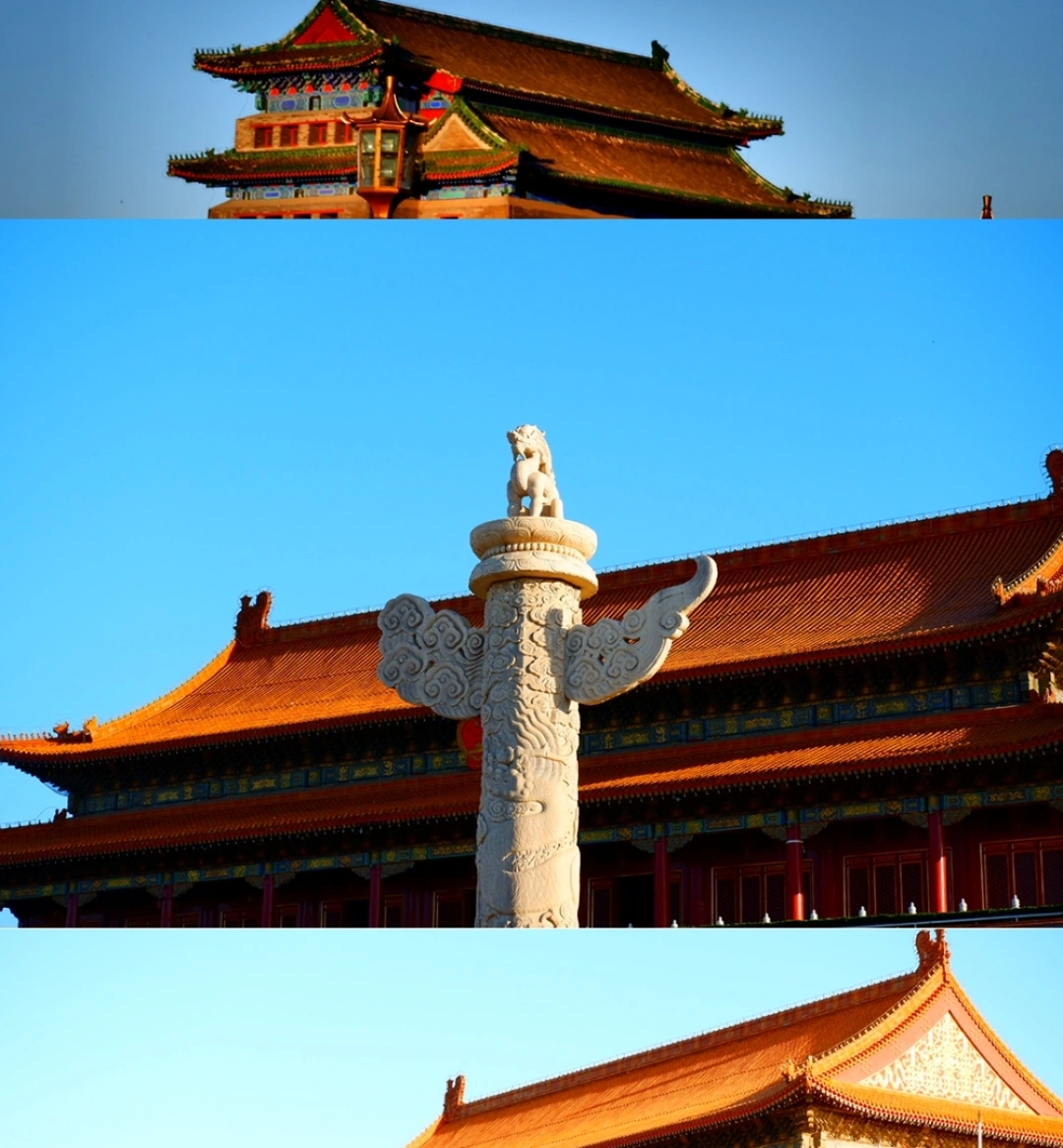
Tiananmen, located at the center of Beijing and the southern end of the Forbidden City, faces Tiananmen Square, the Monument to the People's Heroes, Chairman Mao Memorial Hall, the Great Hall of the People, and the National Museum of China across Chang'an Avenue. This 4,800-square-meter structure, renowned for its outstanding architectural artistry and special political status, has become a focal point of global attention. It served as the main gate of the Imperial City during the Ming and Qing dynasties, first built in the 15th year of Yongle's reign in the Ming Dynasty (1417 AD), originally named "Chengtianmen" (Gate of Heavenly Succession), meaning "receiving heaven's mandate and bearing destiny." The soldiers standing guard in the square stood ramrod straight, giving everyone an inexplicable sense of security—that steadfastness and composure of those guarding the nation's heart.
Pro tip for your Beijing travel itinerary: Arrive at least 45 minutes before sunrise to secure a good viewing spot for the flag-raising ceremony. Check the exact sunrise time for your visit date.
Zhongshan Park: A Three-Yuan Surprise
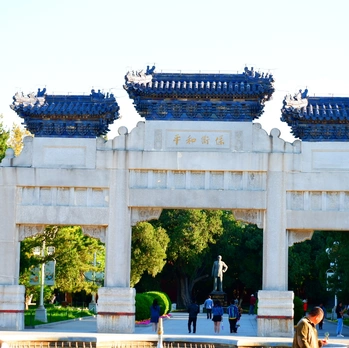
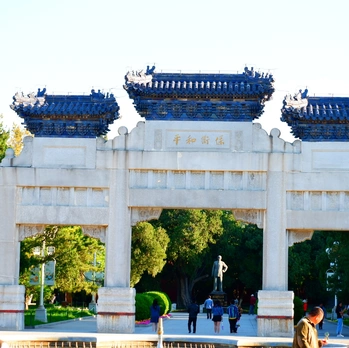
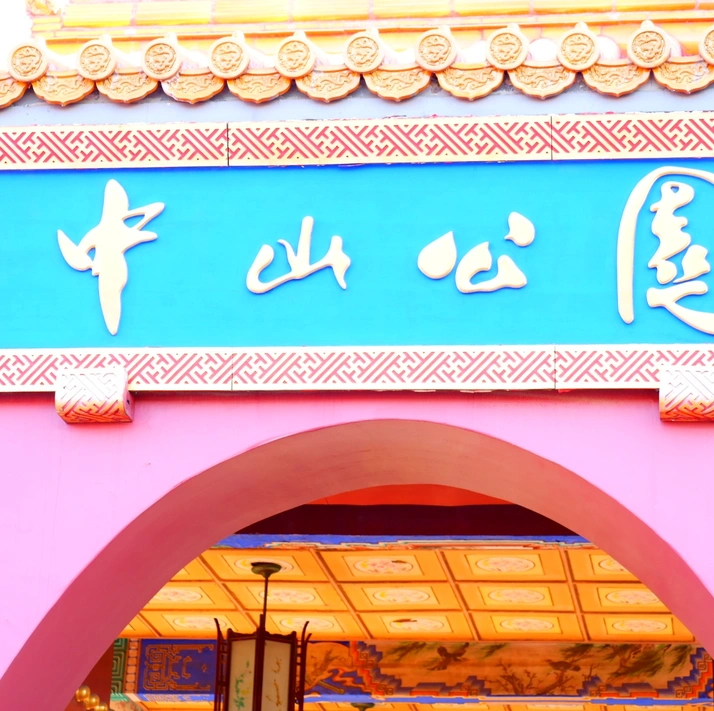
Since the Forbidden City didn't open until 8:30 a.m., we decided to first explore the adjacent Zhongshan Park. Located south of the Forbidden City and west of Tiananmen, this 230,000-square-meter park was originally the Altar of Land and Grain (Shejitan) during the Ming and Qing dynasties, built alongside the Imperial Ancestral Temple (now the Working People's Cultural Palace) following the Zhou Dynasty tradition of "ancestral temple on the left, altar on the right." After Sun Yat-sen's death in 1925, his coffin was placed in the park's main hall (now Zhongshan Hall) for a public memorial service. To commemorate this great democratic revolutionary pioneer, the park was renamed Zhongshan Park in 1928.
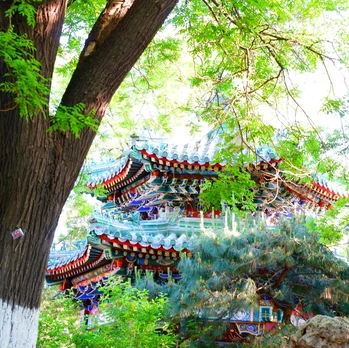
The biggest surprise was the ticket price—the two of us paid only three yuan with our student IDs to enter. The tulips in the garden were in full bloom, the air was fresh and pleasant, and many locals were doing morning exercises here. Watching their leisurely figures, I couldn't help but think: this lifestyle might just be the one I yearn for.
[Link: Budget-friendly attractions near Tiananmen Square]
The Forbidden City: Historical Sediment Beneath the Five-Phoenix Tower
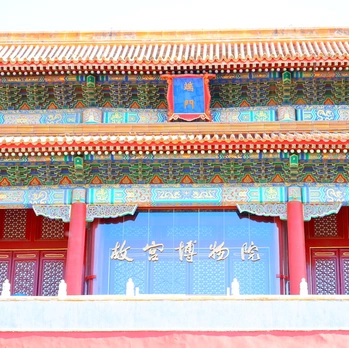
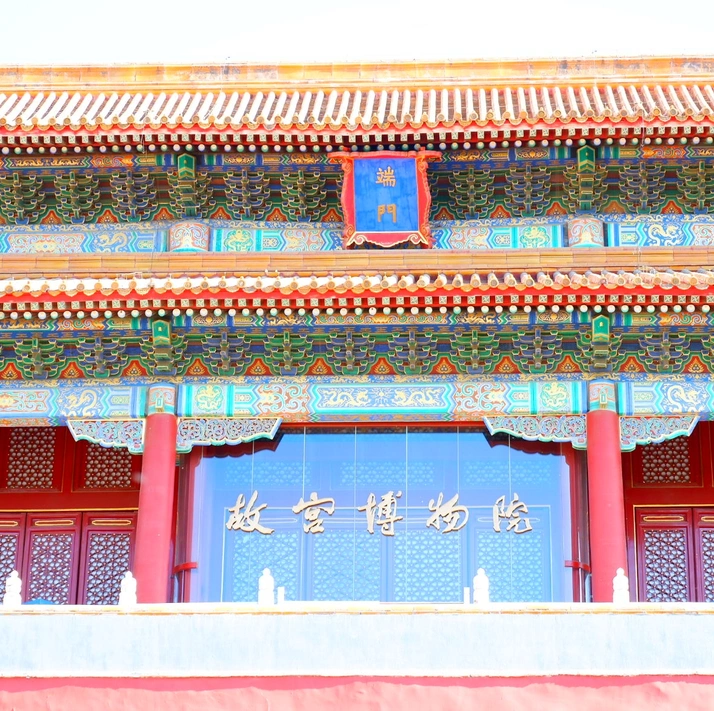
At 8:30 a.m., the Forbidden City opened its doors on time. Standing before the Meridian Gate (Wumen), I truly realized the difference between the Beijing Forbidden City and its counterpart in Shenyang. Though both were imperial palaces, Beijing's version carried an extra layer of historical沉淀 (sediment). Also known as the Purple Forbidden City (Zijincheng), its layout strictly followed feudal hierarchical rituals, orderly and precise. At a height of over ten meters above the Meridian Gate, multi-eaved pavilions with pointed roofs rose abruptly, resembling five phoenixes about to take flight—a majestic sight that earned the gate its nickname, "Five-Phoenix Tower."
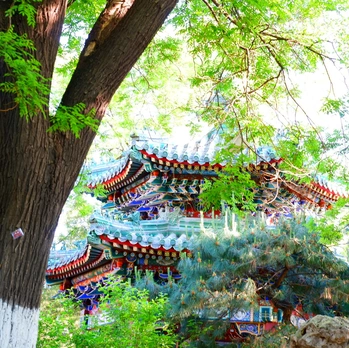
Walking through the Inner Golden Water Bridge, we entered a spacious square. Straight ahead stood the Gate of Supreme Harmony (Taihemen), flanked on each side by a majestic bronze lion. The Hall of Central Harmony (Zhonghedian) was where the emperor rested and received officials' homage before the grand ceremony at the Hall of Supreme Harmony. Inside, four large characters read "允执厥中" (Hold Fast to the Mean), and on either side of the throne stood two four-legged, single-horned mythical beasts, gleaming with gold. The massive cloud-and-dragon stone carving at the back staircase of the Hall of Preserving Harmony (Baohedian) featured clouds, waves, cliffs, and nine writhing dragons, sparking endless imagination. It's said that on rainy days, rainwater collected on the three main halls' terraces would flow out through the mouths of over a thousand stone dragon heads, creating the spectacular sight of "a thousand dragons spitting water."
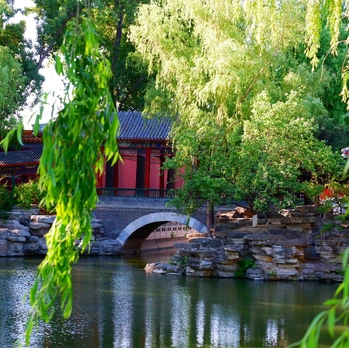
The Imperial Garden (Yuhuayuan) was a year-round verdant landscape, with pavilions nestled among green trees and pebble-paved paths forming patterns of fortune, prosperity, and longevity. The ancient cypresses and locust trees, gnarled and aged yet lush and thriving, stood like indomitable guardians of history.
[Link: Forbidden City ticket booking guide and tips]
Why May is the Perfect Time for a Beijing Spring Break
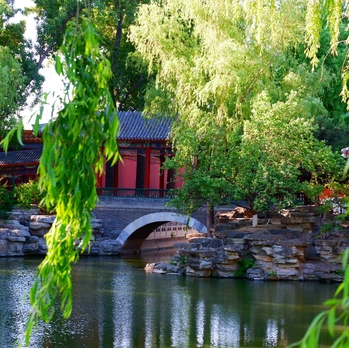
May in Beijing offers ideal weather for sightseeing—warm but not hot, with average temperatures ranging from 15°C to 25°C. The city comes alive with blooming flowers, including the stunning tulips at Zhongshan Park and cherry blossoms in various gardens. However, be prepared for the willow catkins that drift through the air during this season. While they create a beautiful, dreamlike atmosphere, they can be problematic for allergy sufferers. Pack a mask if you're sensitive to pollen.
What to Pack for Your Beijing Trip in May
- Light layers (t-shirts, long-sleeved shirts, light jacket)
- Comfortable walking shoes (you'll walk 15,000-20,000 steps daily)
- Sunscreen and sunglasses
- Face mask (for willow catkins and allergy protection)
- Reusable water bottle
- Student ID (for discounted tickets at many attractions)
FAQ: Beijing Spring Travel Tips
Q1: Is May a good time to visit Beijing? A: Absolutely! May offers pleasant weather, fewer crowds than the October Golden Week, and beautiful spring scenery. The average temperature ranges from 15°C to 25°C, making it ideal for outdoor exploration. Just be aware of the willow catkin season, which typically peaks in early to mid-May.
Q2: How many days do I need for a Beijing trip? A: For a comprehensive Beijing travel itinerary, we recommend 4-5 days. This allows time for the Forbidden City (half to full day), Great Wall (full day), Temple of Heaven (half day), Summer Palace (half day), and exploring hutongs and local food scenes (half to full day).
Q3: What's the best way to get around Beijing? A: Beijing's subway system is efficient, affordable, and covers most tourist attractions. For short distances, shared bikes (Mobike, Hellobike) are excellent. Taxis and ride-hailing apps like Didi are also available but can be caught in traffic during rush hours.
Q4: Are student discounts available at Beijing attractions? A: Yes! Many attractions offer significant discounts for students with valid student IDs. For example, Zhongshan Park cost us only 3 yuan with student IDs (compared to 3 yuan regular price—already very affordable). The Forbidden City offers half-price tickets for students. Always carry your student ID when visiting attractions.
Q5: How can I avoid the crowds at popular attractions? A: Visit major attractions like the Forbidden City and Tiananmen Square on weekdays if possible. Arrive early (right at opening time) or later in the afternoon (2-3 hours before closing). For the Forbidden City, book tickets online in advance—same-day tickets often sell out, especially during peak season.
Final Thoughts: Your Beijing Adventure Awaits
Our Beijing spring break journey taught me that the best travel experiences often come from spontaneity and embracing the unexpected. From getting lost in historic hutongs to missing the flag-raising ceremony, every "mistake" led to new discoveries and memories we'll cherish forever.
Beijing in May is a city of contrasts—ancient and modern, chaotic and serene, grand and intimate. The willow catkins drifting through the air, the gray walls of centuries-old alleyways, the golden roofs of imperial palaces—all combine to create an experience that lingers long after you've returned home.
Ready to plan your own Beijing adventure? Start by booking your Forbidden City tickets online, mapping out your hutong exploration route, and packing those comfortable walking shoes. Whether you're a history buff, food lover, or casual traveler, Beijing in spring offers something magical for everyone.
Share your Beijing travel questions or experiences in the comments below—we'd love to hear about your journey!
Note: This article is based on a personal travel experience and aims to provide practical tips for planning your own Beijing trip. Ticket prices and opening hours may vary; always check official websites before your visit.
You should also read:
A Pause for Mafengwo: How to Make Honey and Build a Travel Guide Legacy
Meta Description: Discover how one Beijing native turned travel passion into Mafengwo honey, achieving a 62% adoption rate. Learn authentic guide tips, goal-setting strategies, and why a pause isn't the end. I never imagined I would write a "pause" on Mafengwo in this way. This…
Continue reading...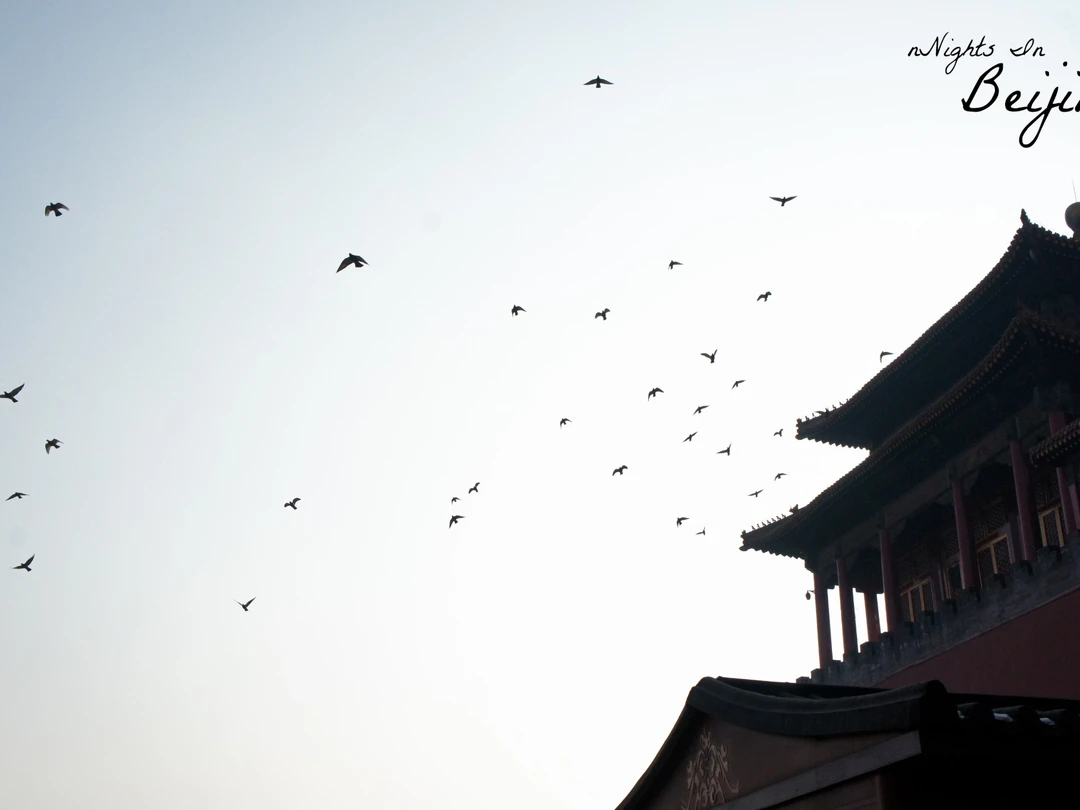
Beijing Travel Guide: A Personal Journey Through Smog, History, and Hidden Stories
Meta Description: Discover Beijing beyond the tourist traps. This personal travel story explores hutong culture, historical sites, and local secrets—from Jingshan Park to Yuanmingyuan. Perfect for travelers seeking authentic experiences. Beijing. The name alone conjures images of smog-shrouded skylines, the majestic Forbidden City, labyrinthine hutong…
Continue reading...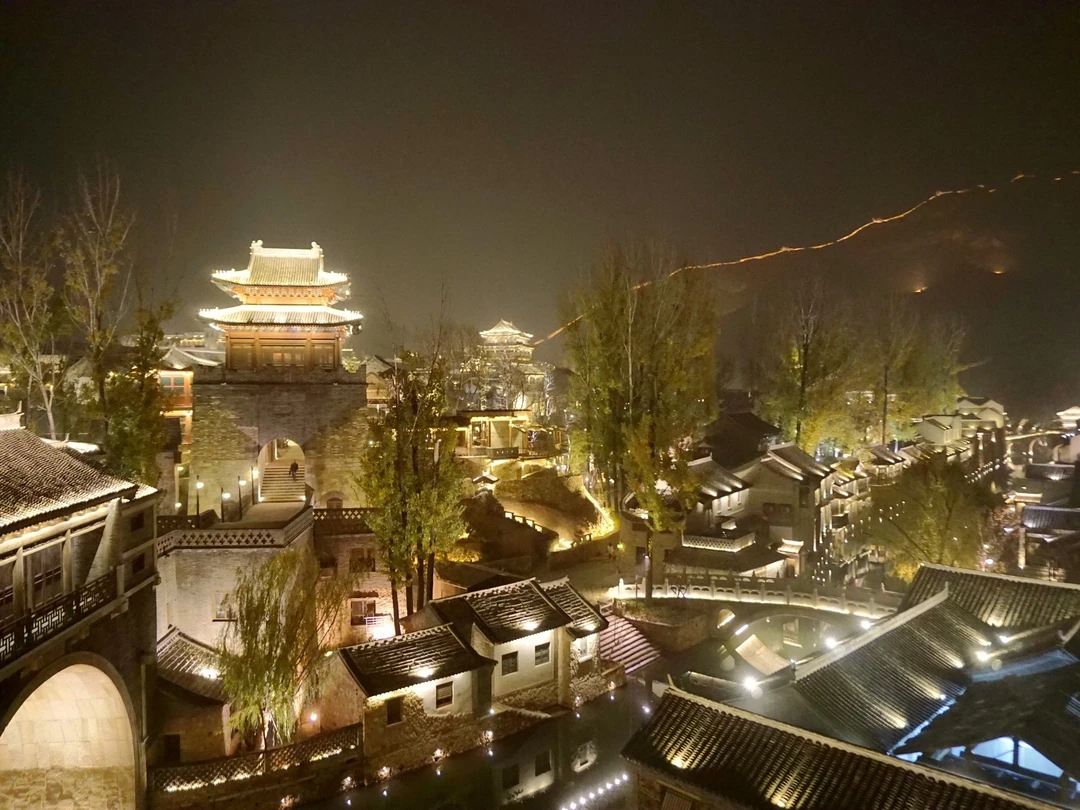
A Jiangnan Dream on Beijing's Outskirts: The Ultimate Gubei Water Town Travel Guide (November 2015)
Meta Description: Discover Gubei Water Town, Beijing's Jiangnan-inspired getaway at the foot of Simatai Great Wall. Read this detailed November 2015 travelogue with costs, tips, and must-see spots. The world is vast, yet life is fleeting. Sometimes, all it takes is a weekend—a spontaneous short…
Continue reading...