Winter in Beijing: A Complete 6-Day, 5-Night Deep Travel Guide – Food Map & Itinerary Secrets
Meta Description: Discover Beijing in winter with this expert 6-day itinerary. From hidden food gems like Wang Pangzi Donkey Meat Flatbread to Mutianyu Great Wall tips, get the ultimate food map and insider secrets for an authentic experience.
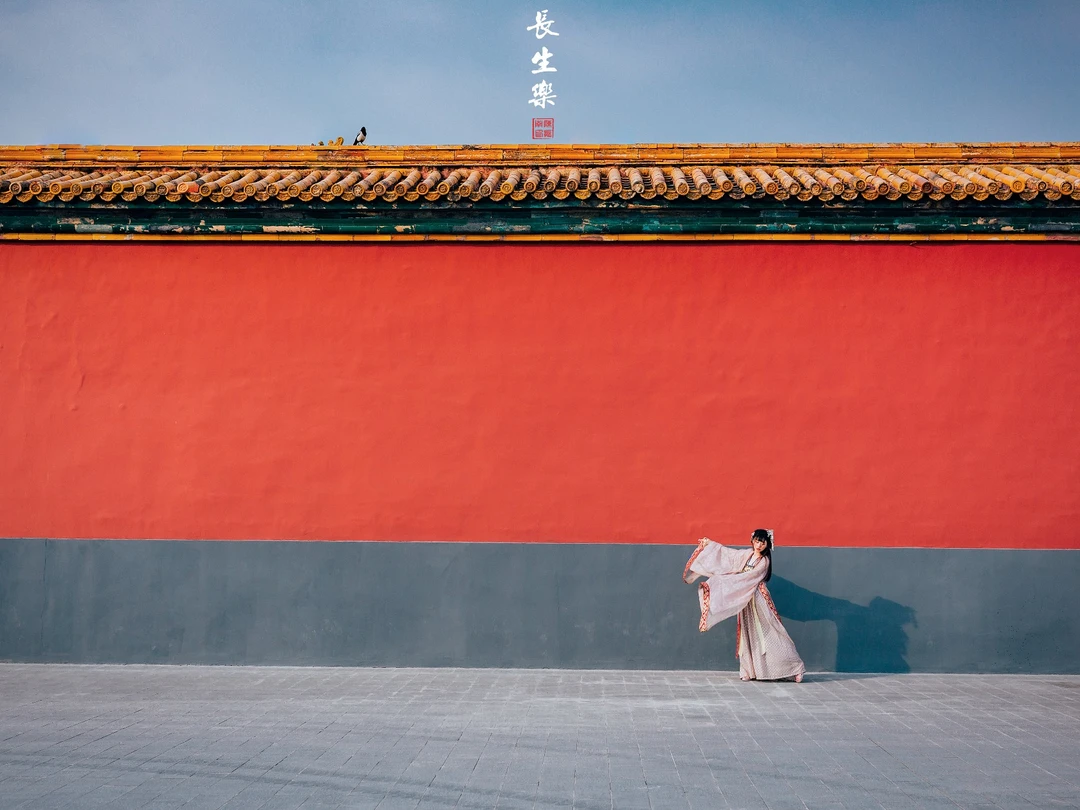
Beijing in winter casts a spell like no other season. The biting north wind sweeps past crimson palace walls, sunlight glints off frozen lakes, and the air carries the sweet, nostalgic scent of candied hawthorn sticks (冰糖葫芦) and roasted sweet potatoes. This isn’t just a city of the Forbidden City and the Great Wall—it’s a living museum of hutong alleyways, steaming noodle bowls, and century-old eateries waiting to be discovered.
In December 2017, I spent six days and five nights exploring the capital’s hidden corners with a friend. This isn’t a whirlwind tour—it’s a deep dive into the real Beijing, complete with honest restaurant reviews, practical transportation hacks, and secrets that will help you dodge tourist traps. If you’re planning a winter visit, this guide will save you time, money, and disappointment.
Pre-Trip Essentials: Smart Accommodation & Transportation Choices
Where to Stay: Two Golden Locations
Choosing the right base can make or break your trip. Here are two top recommendations:
Near Ping'anli (平安里) Subway Station: This area puts you steps away from Huguo Temple Snack Street (护国寺小吃街), Prince Gong's Mansion (恭王府), and Shichahai (什刹海). The subway network here is excellent, making everywhere accessible. You’ll also find old-name establishments like Xingyuan Restaurant (杏园餐厅)—perfect for travelers who love exploring hutong culture.
Near Hepingmen (和平门) Subway Station: Close to Dashilan (大栅栏) and Niujie (牛街), this area is packed with historic eateries. The density of authentic food here is staggering. If you’re a foodie, staying here is a no-brainer.
I’ve stayed in both locations and wholeheartedly recommend them. You can choose other areas based on budget, but remember: stay as close to a subway station as possible. Beijing’s traffic congestion is legendary, and ride-hailing apps can be a nightmare during peak hours.
Transportation Tips

- Avoid ride-hailing apps (Didi) during the day. The subway and shared bikes are your best bets.
- Get a subway card at the train station. It’s much more efficient than buying tickets in line each time. When leaving Beijing, return the card at designated outlets to get your deposit and remaining balance back.
- Important: Do not buy a card from scalpers. I can’t stress this enough.
Day 1: Arrival & First Taste – From a Green Train to Donkey Meat Flatbread
For this trip, I chose a slow green train (绿皮火车), arriving in Beijing overnight. Unfortunately, the train was delayed, throwing off my initial plans. But that’s the beauty of travel—the unexpected.
Xingyuan Restaurant (杏园餐厅): The Truth About the Pure Meat Knife-Cut Noodles
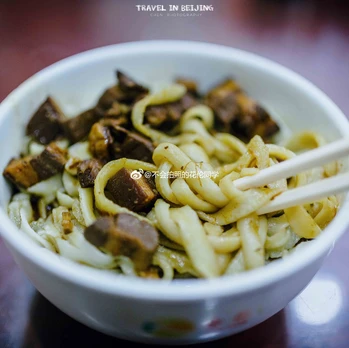
My first stop was Xingyuan Restaurant near Ping'anli, a long-established Beijing eatery. I ordered their signature pure meat knife-cut noodles (纯肉刀削面). The noodles were indeed chewy, but the meat was too salty and didn’t live up to the hype. Rating: ★★☆☆☆
Wang Pangzi Donkey Meat Flatbread (王胖子驴肉火烧): A Pleasant Surprise
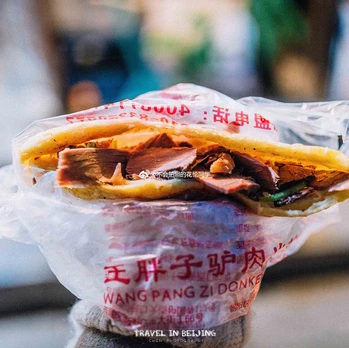
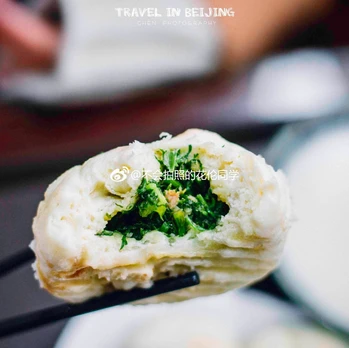
Next, I explored Wang Pangzi on Huguo Temple Street. The lean meat flatbread (精肉火烧) had a crispy crust and generous portions of donkey meat—not dry or too salty, just honest, quality ingredients. I hear it pairs perfectly with a bowl of millet porridge (小米粥), but unfortunately, we didn’t try that. Rating: ★★★★★★
Friendly Reminder
Huguo Temple Snack Street is similar to Xi'an's Muslim Quarter (回民街) or Wuhan's Hubu Alley (户部巷)—lively but commercialized. The Huguo Temple Snack Main Store is like Chengdu's Long Chao Shou (龙抄手)—it has a bit of every Beijing snack, but none are authentic. It’ll fill your stomach, but for the real deal, look to the recommendations below.
Day 2: The Great Wall & Peking Duck – A Clash of Classics and Authenticity

Breakfast: Yaoji Stir-Fried Liver (姚记炒肝) & Miao Jia Po Steamed Buns (缪家婆包子)
Yaoji Stir-Fried Liver (姚记炒肝): A Bold Taste of Old Beijing
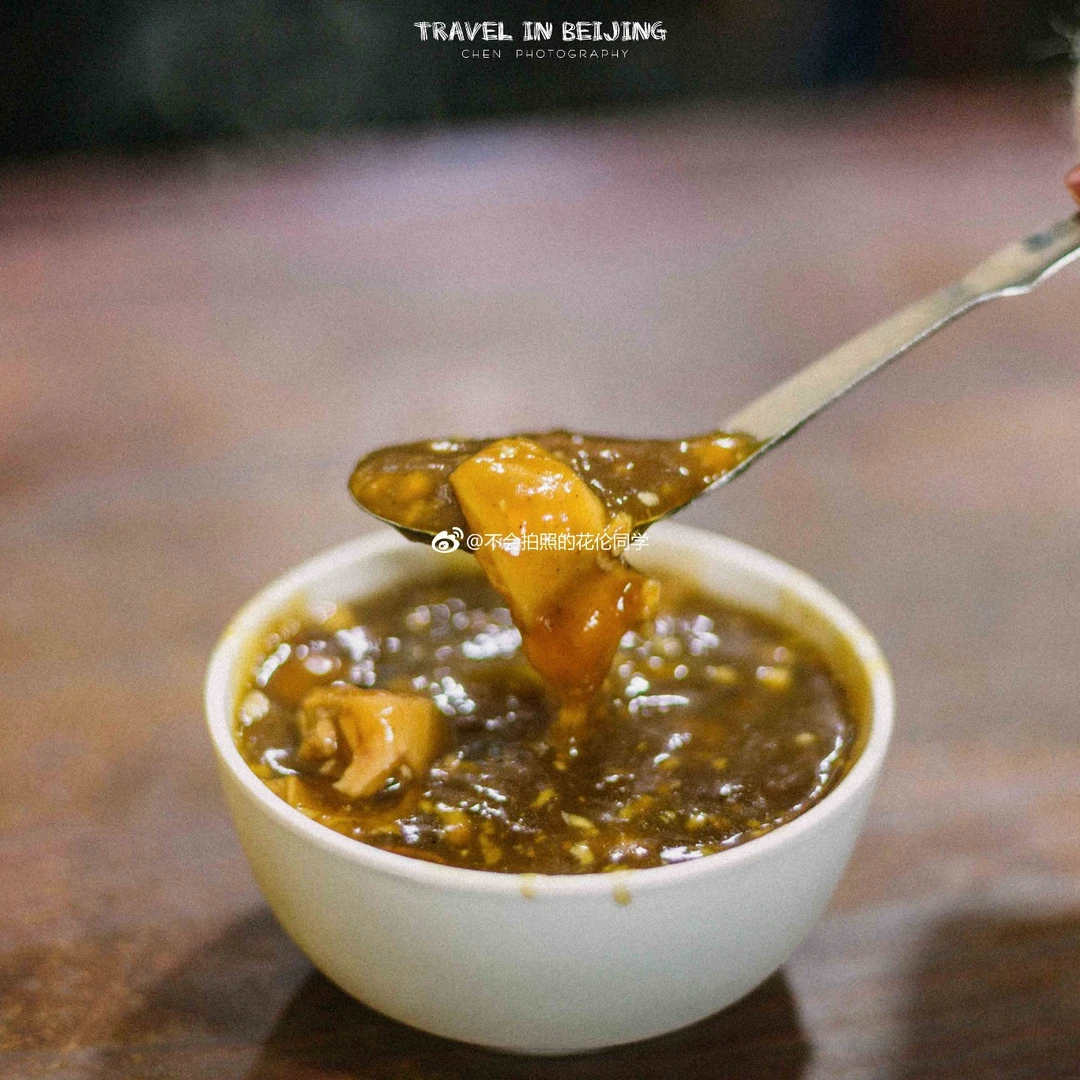
At Yaoji on Gulou East Street, it was already packed by 8 a.m. One bowl of stir-fried liver (炒肝)—made with pork intestines, pork liver, and garlic in a thick, starchy gravy—was intense but full of character. Spooning it into my mouth, I thought, "Maybe this is what old Beijing tastes like." Rating: ★★★★☆
Miao Jia Po Steamed Buns (缪家婆包子铺): Blows Qingfeng Steamed Buns Out of the Water
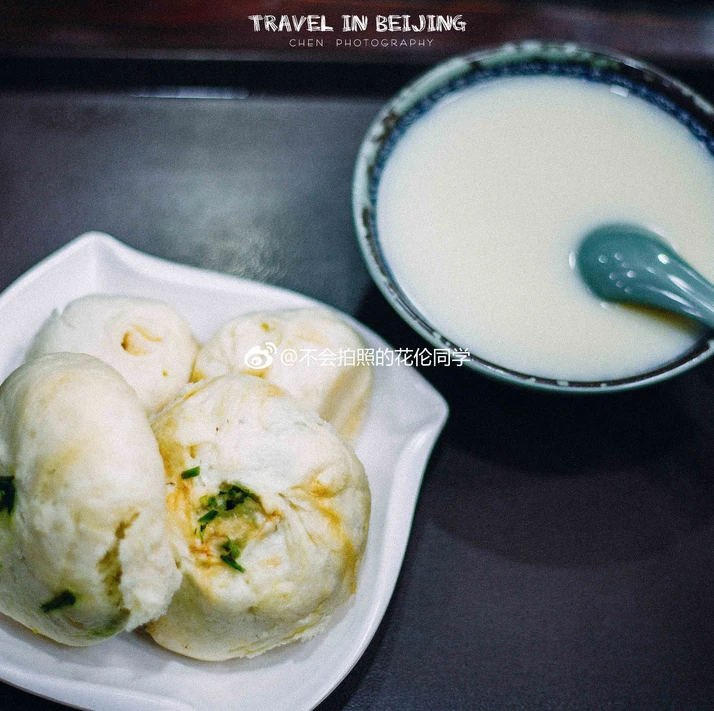
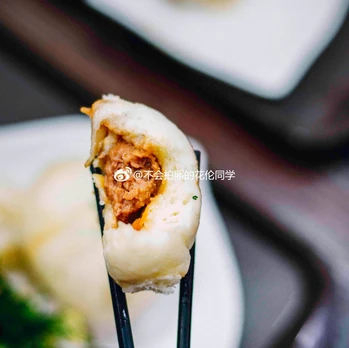
Inside Andingmen, Miao Jia Po was absolutely packed. The pork-and-scallion buns (猪肉大葱包) were juicy and flavorful, with generous fillings. At three yuan for two, they were a steal. Compared to these, Qingfeng Steamed Buns (庆丰包子) were utterly forgettable. The pork-and-fennel buns (猪肉茴香包) were average. Rating: ★★★★★★★★
Beijing Yili Bakery (百年义利): The Other Side of Beijing Pastries
Not far from the bun shop is Beijing Yili Bakery, a name as famous as Daoxiangcun (稻香村). I strongly recommend the Beibingyang (北冰洋) bagged ice cream—it’s delicious. In Hangzhou, it costs 9.9 yuan at FamilyMart, but it’s much cheaper in Beijing. Don’t miss it if you see it. The Beibingyang orange and tangerine sodas are similar in color and taste, much like Xi'an's Bingfeng (冰峰). Rating: ★★★★☆
The Great Wall: Mutianyu vs. Badaling

Why Mutianyu? If you’re short on time and just want a quick look, Badaling has direct buses, but it’s a sea of people. I strongly recommend Mutianyu—once you’ve been to Mutianyu, you won’t want to go back to Badaling.
Getting There: Take bus 916 from Dongzhimen → get off at Huairou North Street, then take an unlicensed taxi (黑车) to Mutianyu for 10 yuan per person.
Tips for Visiting: - There are two ways up and down: cable car both ways, or chairlift up and toboggan down. They’re run by different companies but cost the same. I strongly recommend the second option—the toboggan is genuinely fun! Badaling also has a toboggan, but it doesn’t end at the Great Wall entrance. Mutianyu has no such problem. - Buy tickets online for a better price. Definitely get the shuttle bus ticket—some online posts say the walk is short, and I almost believed them. It actually took over ten minutes by bus. Save your energy for climbing the wall. - Mutianyu has fewer people and beautiful scenery. You can take stunning photos anywhere. On the way back, it’s another 10 yuan unlicensed taxi to Huairou North Street, then bus 916 back.
Dinner: Yongle Restaurant (永乐饭庄) Peking Duck
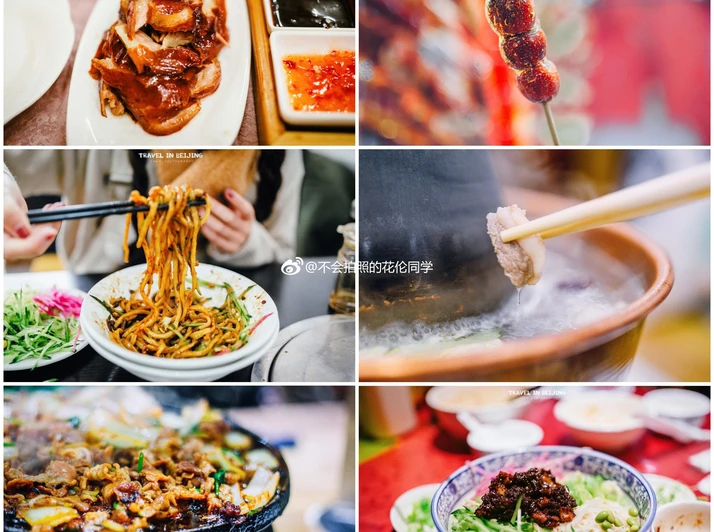
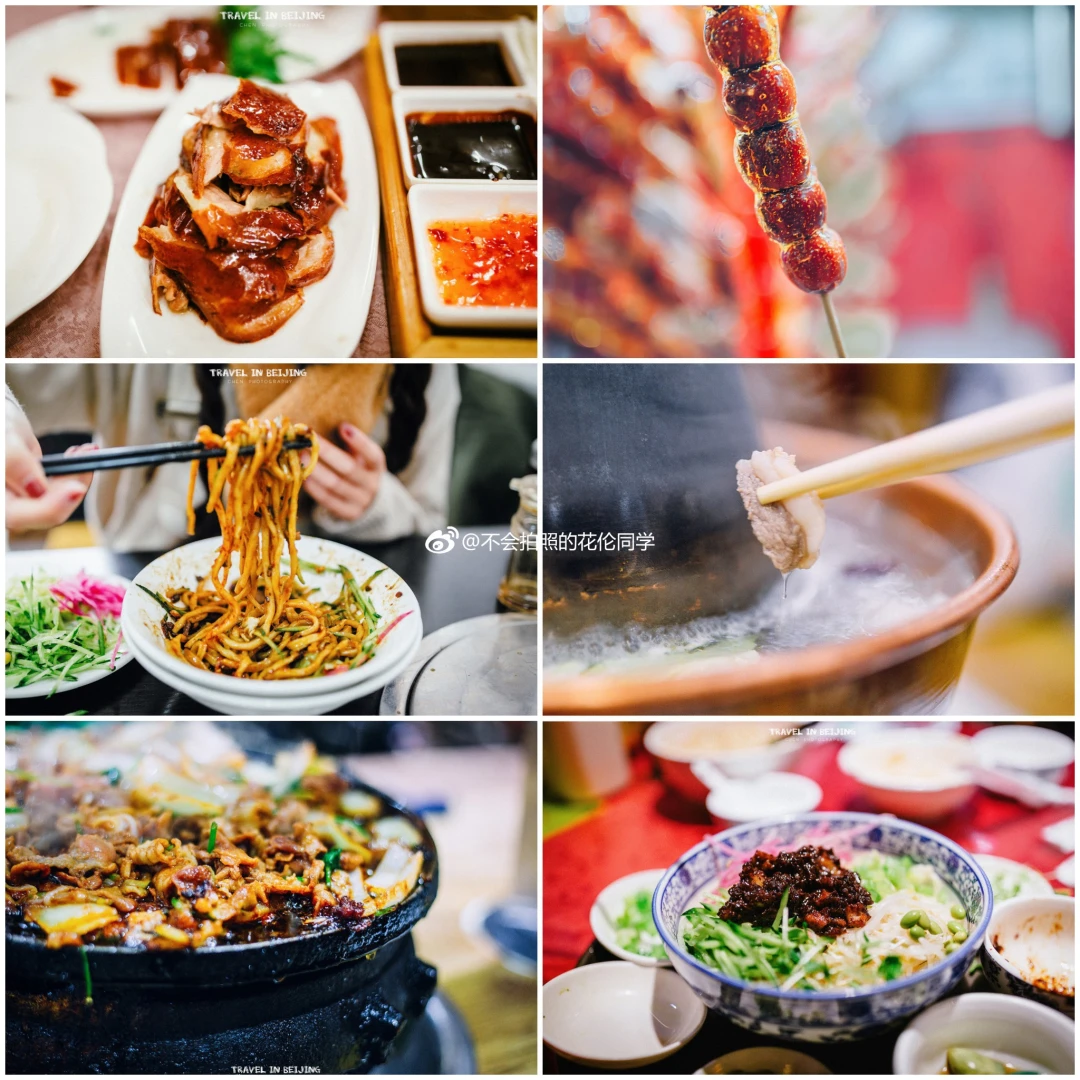
I ordered the full set of premium fruit-wood roasted duck (全套精品果木烤鸭). As it turned out, half a set is enough for two people—Peking duck gets really greasy after a while. Three ways to eat Beijing duck: 1. Duck skin with sugar: The skin is crispy yet soft, and the oil is absorbed by the sugar—a perfect match. 2. Lean meat in small pancakes: The lean meat has a slight ducky smell, and the preparation is average, but it’s decent when wrapped with sweet bean sauce. 3. The classic way: Dip in sweet bean sauce with scallion strips and radish strips, wrap in a pancake—this is the best. The pancakes are neither dry nor soggy, a perfect match for the duck.
Rating: ★★★★★★★★★★
Address: 67-3 Ande Road (at the entrance of Liupukang Second Alley)
Hours: Monday to Friday, 9:00 a.m. – 5:00 p.m.
Day 3: Hutongs & Zhajiang Noodles – Experiencing Daily Life in Old Beijing
Morning: Lama Temple & the Trap of Hutong Tours
I got up early hoping to visit Yonghe Temple (雍和宫), but it was Saturday and the temple was closed. I hadn’t found this information in any guide—just bad luck. I wandered the nearby streets to soak up old Beijing, but be warned: for hutong tours, three-wheeled rickshaws have professional licenses; electric ones are usually unlicensed. Never choose an electric one. Before getting on, the driver promised an hour and a half, but after a short ride, they took us to a small courtyard house (四合院) for a paid visit, reciting a scripted commentary in a voice too quiet to hear.
Lunch: Fangzhuanchang No. 69 (方砖厂69号) Zhajiang Noodles
This restaurant has moved, so don’t go to the old location. The place is small and always full. The noodle toppings included radish, soybeans, cabbage, and cucumber—fewer than at Shunxingzhai (顺兴宅) or Haiwanju (海碗居). But the hand-pulled noodles were springy, and the zhajiang sauce (fried bean paste) was rich and savory. It’s a solid choice for a quick, authentic lunch. Rating: ★★★★☆
Day 4: Niujie & Temple of Heaven – A Culinary Pilgrimage
Morning: Niujie (牛街) – The Foodie’s Mecca
Niujie is a must-visit for any serious food lover. Start at Hongji Restaurant (洪记小吃店) for their beef-filled flatbread (牛肉馅饼) and lamb spine hotpot (羊蝎子). The flatbread is crispy on the outside, juicy inside—a perfect winter warmer. Rating: ★★★★★
Pro tip: Go early to avoid the lunch rush. The line can stretch around the block by 11 a.m.
Afternoon: Temple of Heaven (天坛)
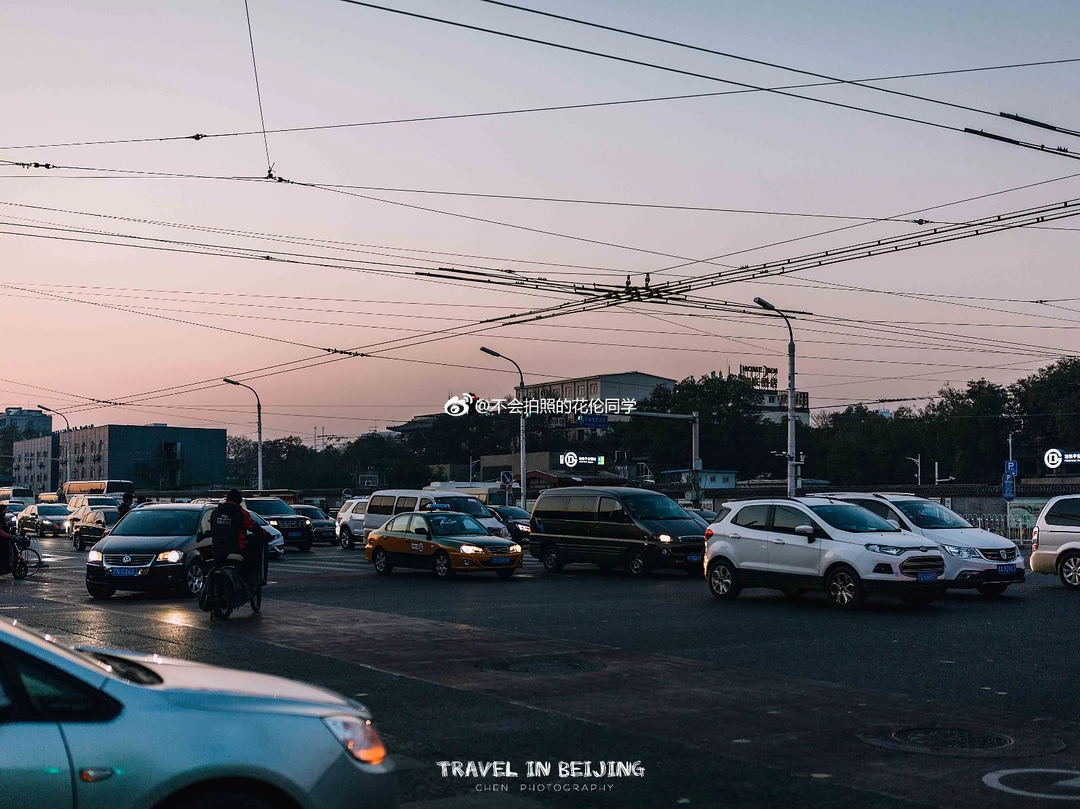
After lunch, head to the Temple of Heaven. Winter is the perfect time to visit—the crowds are thinner, and the stark beauty of the Hall of Prayer for Good Harvests against a crisp blue sky is breathtaking. Don’t miss the Echo Wall—it’s a fun spot to test acoustics.
Day 5: Forbidden City & Jingshan Park – Iconic Sights Without the Crowds
Morning: Forbidden City (故宫)
Winter is the best season to visit the Forbidden City. The low winter sun casts long shadows across the marble courtyards, and the lack of crowds means you can truly appreciate the scale and detail. Book tickets online in advance—same-day tickets are rarely available.
Insider tip: Enter from the East Gate (东华门) to avoid the main queue. It’s a shorter walk and less chaotic.
Afternoon: Jingshan Park (景山公园)
After the Forbidden City, walk to Jingshan Park for the best panoramic view of the palace complex. The climb is short, and the photo op is unbeatable. Winter sunsets here are magical—the golden light hitting the rooftops is worth the cold.
Day 6: Last-Minute Souvenirs & Departure
Morning: Dashilan (大栅栏) & Qianmen (前门)
Spend your final morning at Dashilan, a historic shopping street. It’s touristy, but you can find authentic Beijing souvenirs like cloisonné enamel, silk fans, and traditional tea. Avoid the street vendors—stick to established shops for quality.
Lunch: A Final Bowl of Noodles at Haiwanju (海碗居)
For a goodbye meal, head to Haiwanju for their zhajiang noodles. The toppings are generous, the sauce is rich, and the atmosphere is pure old Beijing. Rating: ★★★★☆
FAQ: Winter in Beijing Travel Tips
1. Is winter a good time to visit Beijing?
Yes! Winter offers fewer crowds, lower prices on flights and hotels, and unique experiences like frozen lakes at Shichahai and the Winter Solstice festival. Just pack warm layers—temperatures can drop to -10°C (14°F).
2. What should I wear for winter in Beijing?
Dress in layers: thermal underwear, a sweater, a heavy down jacket, waterproof boots, gloves, a hat, and a scarf. The wind can be biting, especially near the Great Wall.
3. How do I get to Mutianyu Great Wall from Beijing?
 Take bus 916 from Dongzhimen to Huairou North Street, then a short taxi (10 yuan per person) to the entrance. Book tickets online for faster entry.
4. Are credit cards accepted in Beijing?
Major hotels and upscale restaurants accept cards, but many local eateries and street vendors are cash-only. Always carry enough cash for small purchases.
5. What’s the best way to avoid tourist traps?
Stick to recommendations from locals or trusted blogs. Avoid hutong tours with electric rickshaws, and be skeptical of overly commercialized snack streets like Huguo Temple’s main store.
Internal Linking Suggestions
- [Link: Best Beijing Street Food for Winter]
- [Link: How to Visit the Great Wall on a Budget]
- [Link: Top 10 Hutong Tours in Beijing]
- [Link: Beijing Subway Map & Tips for First-Timers]
- [Link: Must-Try Peking Duck Restaurants in Beijing]
Ready to Explore Beijing This Winter?
This 6-day itinerary is your roadmap to an authentic Beijing experience—no tourist traps, just real food, real culture, and real memories. Whether you’re slurping zhajiang noodles at a hidden hutong spot or racing down the Great Wall on a toboggan, winter in Beijing is a journey you’ll never forget.
Plan your trip now—book your flights, pack your warmest coat, and get ready for the adventure of a lifetime. Have questions? Drop them in the comments below, and I’ll help you craft the perfect winter escape.
Safe travels, and don’t forget to save room for candied hawthorn sticks!
You should also read:
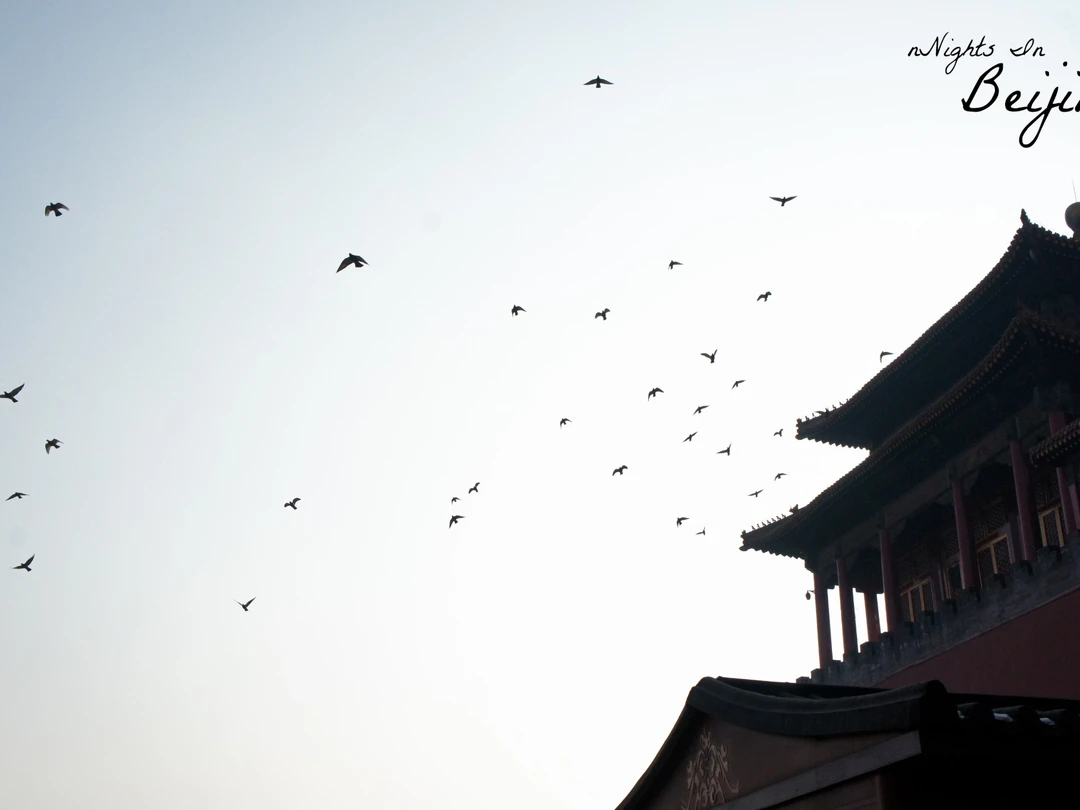
Beijing Travel Guide: A Personal Journey Through Smog, History, and Hidden Stories
Meta Description: Discover Beijing beyond the tourist traps. This personal travel story explores hutong culture, historical sites, and local secrets—from Jingshan Park to Yuanmingyuan. Perfect for travelers seeking authentic experiences. Beijing. The name alone conjures images of smog-shrouded skylines, the majestic Forbidden City, labyrinthine hutong…
Continue reading...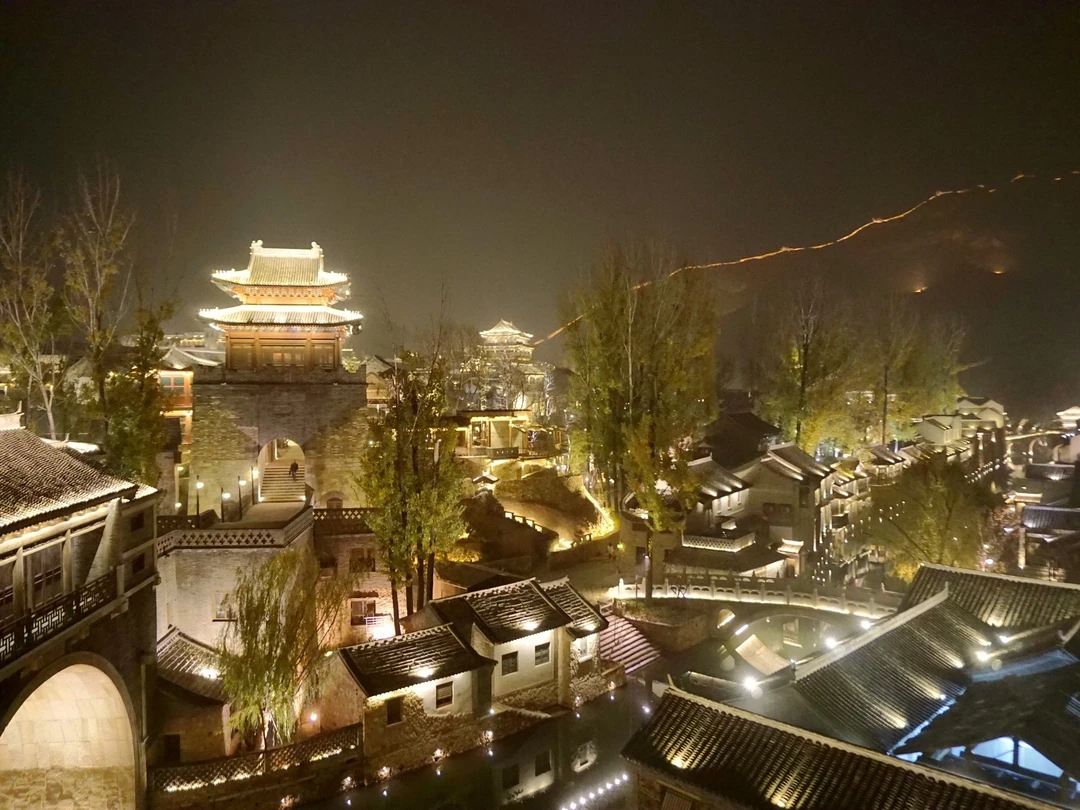
A Jiangnan Dream on Beijing's Outskirts: The Ultimate Gubei Water Town Travel Guide (November 2015)
Meta Description: Discover Gubei Water Town, Beijing's Jiangnan-inspired getaway at the foot of Simatai Great Wall. Read this detailed November 2015 travelogue with costs, tips, and must-see spots. The world is vast, yet life is fleeting. Sometimes, all it takes is a weekend—a spontaneous short…
Continue reading...
TASTY SUMMER: A Beijing Food Journey — Where Food and Love Are Never to Be Taken for Granted
Meta Description: Explore Beijing's hidden food gems in this SEO-optimized food journey. From vegetarian utopias to state-owned halal eateries, discover where to eat in Beijing like a local. Includes restaurant addresses, tips, and FAQs. Some journeys are destined to be serendipitous encounters. On a cold…
Continue reading...