Winter in Peking: A Solo New Year's Journey, Welcoming 2026 with Chinese Aesthetics
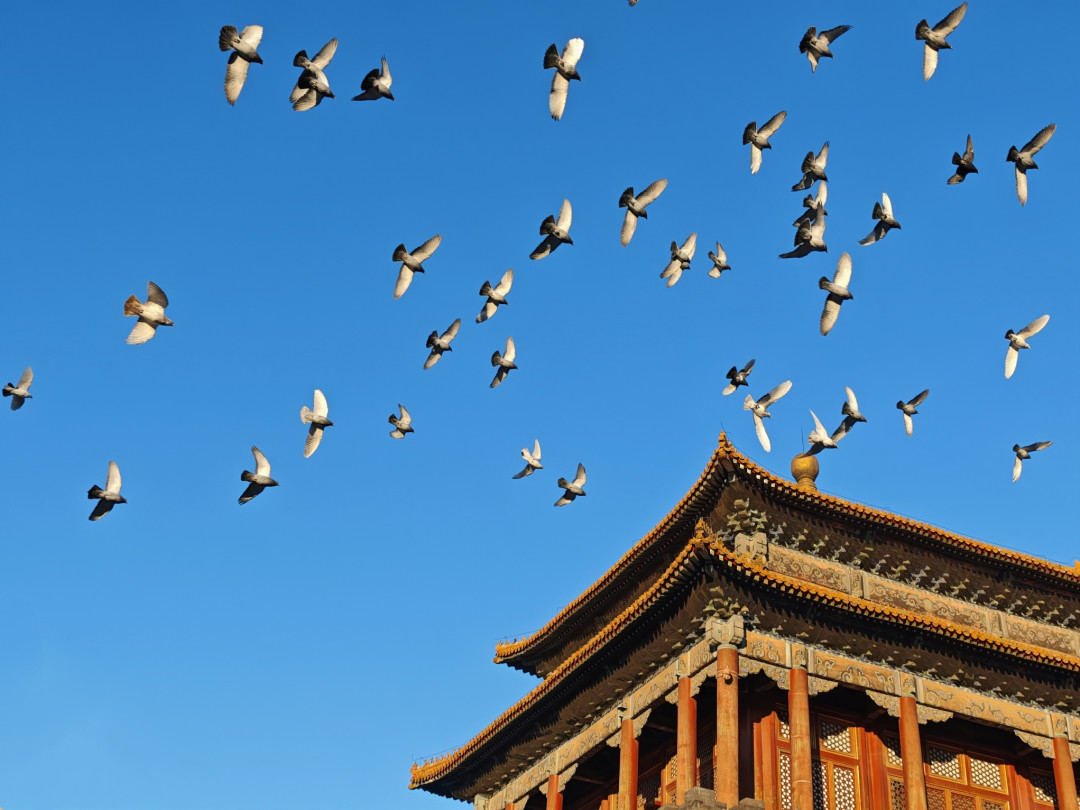
Meta Description: Experience Beijing in winter 2026 with this solo travel guide. From Temple of Heaven at sunset to Meng Lan the panda, discover Chinese aesthetics, practical tips, and a complete itinerary for your New Year's escape.
Introduction: Why Beijing in Winter 2026?
The 2026 holiday schedule dropped, and with three annual leave days strategically deployed, an eight-day break appeared. Flight prices? Beijing offered unbeatable value. Within seconds, I'd booked a ticket to the capital—a solo New Year's gift to myself.
This wasn't my first solo ancient capital trip. After Luoyang and Xi'an, Beijing became the third stop. The luxury of traveling alone? Complete freedom. No compromises. Just a deep conversation with time, history, and yourself.
Over two weeks, I booked flights, hotels, and all advance-ticket attractions. I devoured documentaries about the Forbidden City, Temple of Heaven, and Summer Palace. Everything was unknown—and the unknown was the most captivating part.
If you're planning a solo New Year's trip to Beijing, or simply seeking Chinese aesthetics in winter, this guide delivers practical advice, cultural insights, and a tested itinerary.
[Link: Best solo travel destinations in China for winter]
Day 1: From Guangzhou to Beijing – A 30-Degree Temperature Shift
December 27: Leisurely Departure
Eight days off. Alone, you do whatever feels good.
Saturday afternoon: a hot shower, afternoon tea, then slowly dragging my suitcase to the subway. My flight at 8:25 PM—perfect timing.
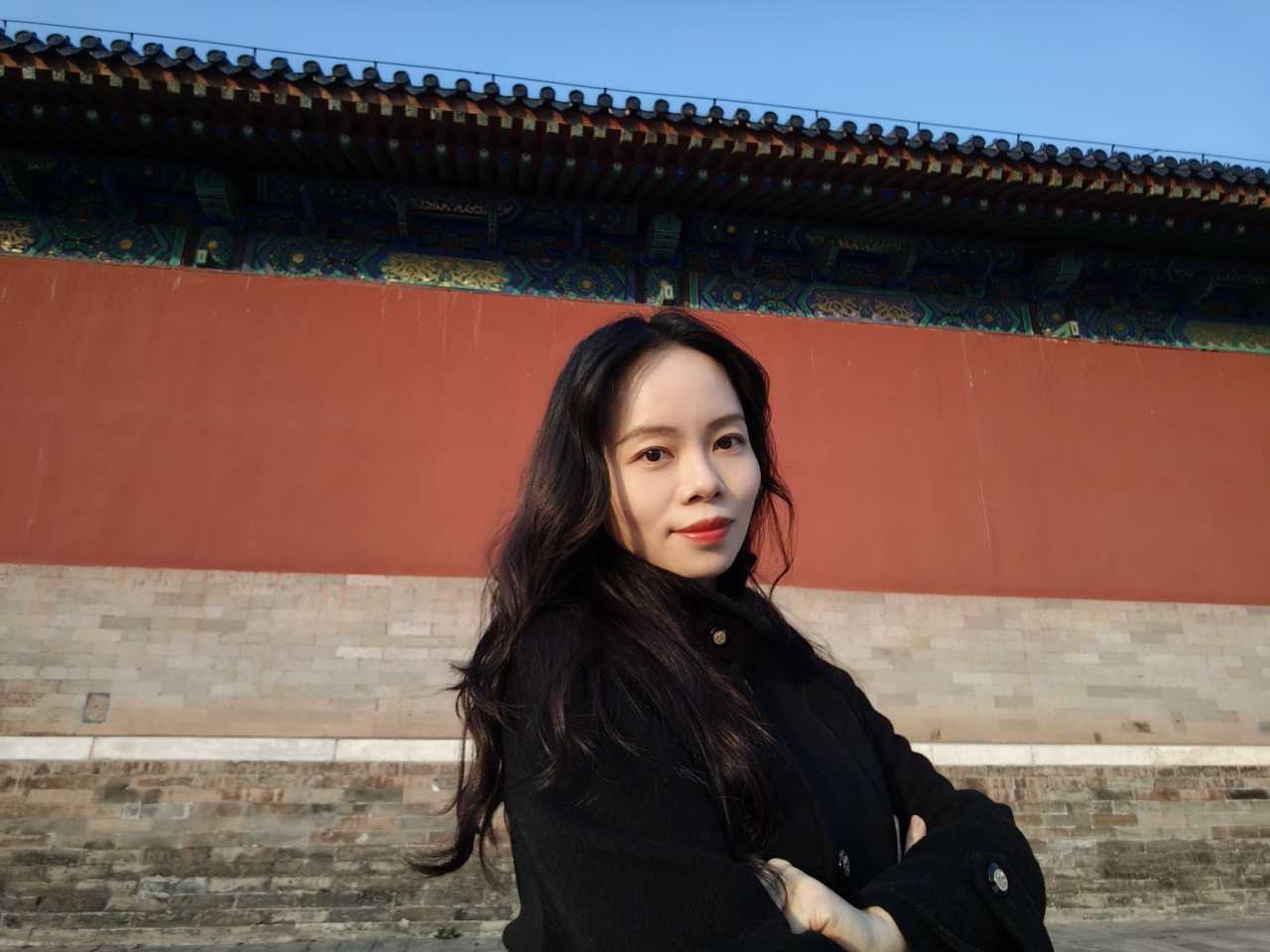
Before leaving, I obsessively checked Beijing's weather. Enthusiastic locals warned southern travelers: "Long down jacket! It has to be long!" But Guangzhou in late December was still autumn. I packed one coat and two down jackets—one long, one short. My suitcase bulged, but the airport scale revealed the truth: down jackets take space but weigh almost nothing.
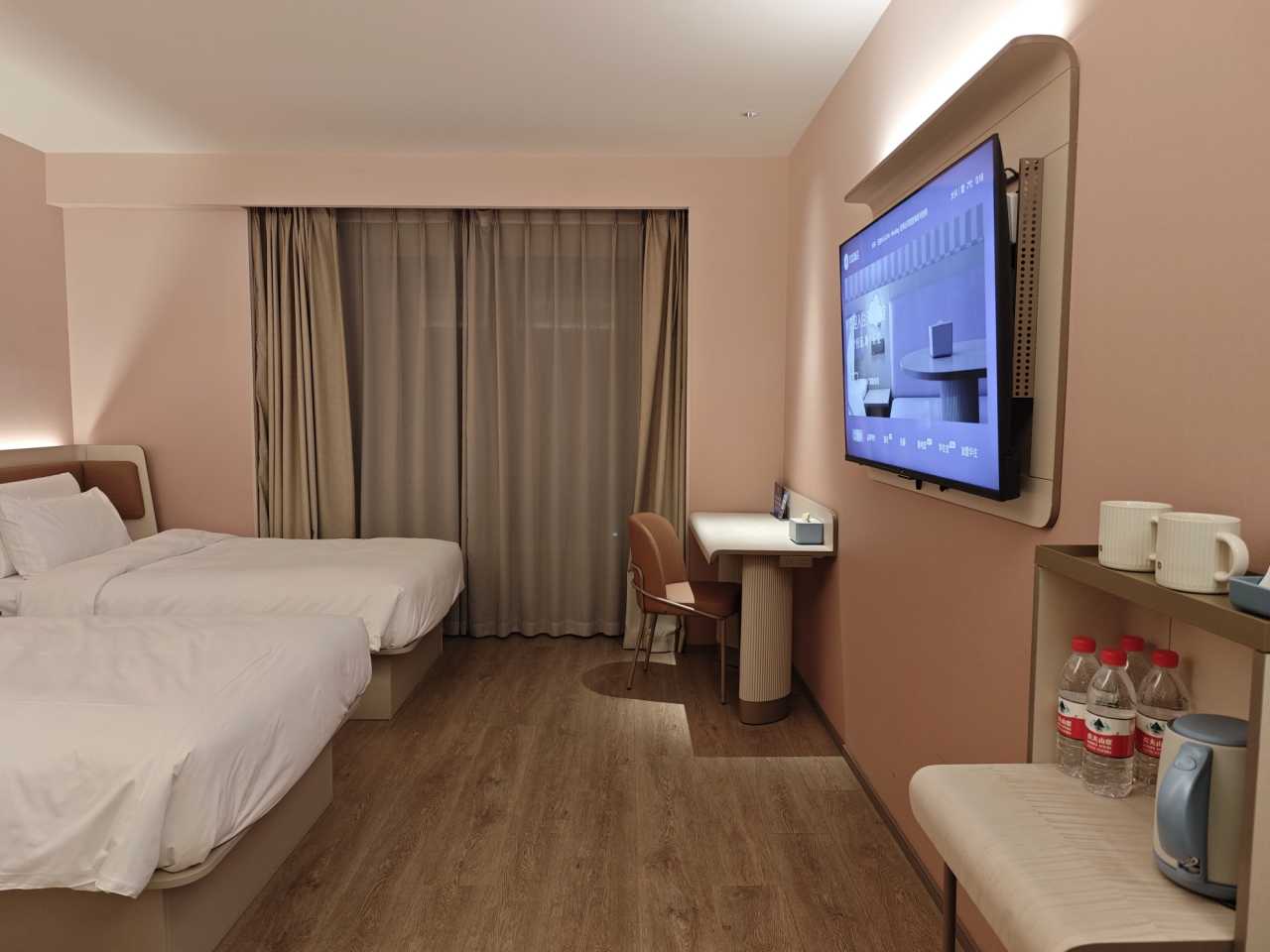
The plane landed at Daxing Airport at 11:25 PM sharp. The moment the cabin door opened, cold air hit like a wall. I'd stuffed a down jacket in my carry-on—thankfully. After luggage, I contacted the hotel shuttle. The driver arrived on time. The Hanting Hotel near Daxing Airport Terminal offered a spacious room, good soundproofing, and attentive service. I slept like a log.
Key tip for solo travelers: Book airport hotels with free shuttles. It saves stress and money after a late arrival.
Day 2: Temple of Heaven – Sacrificial Aesthetics from "Heaven" to "Earth"
December 28: Exploring the Temple of Heaven
From Daxing Airport to the city center, two routes exist: subway to Caoqiao and transfer (35 yuan), or airport express to Beijing West Station and transfer to subway (24 yuan). Both take about an hour. I tried the express train first.
Woke up naturally, had breakfast, registered my shuttle time, and bought a high-speed rail ticket on the 12306 app. The train station is now inside the airport—incredibly convenient. Half an hour later, I arrived at Beijing West Station, transferred to the subway, and reached the Jianguo Inn near Ping'anli Subway Station. The hotel sat on Yude Hutong, a five-minute walk from the subway—quiet but not isolated.
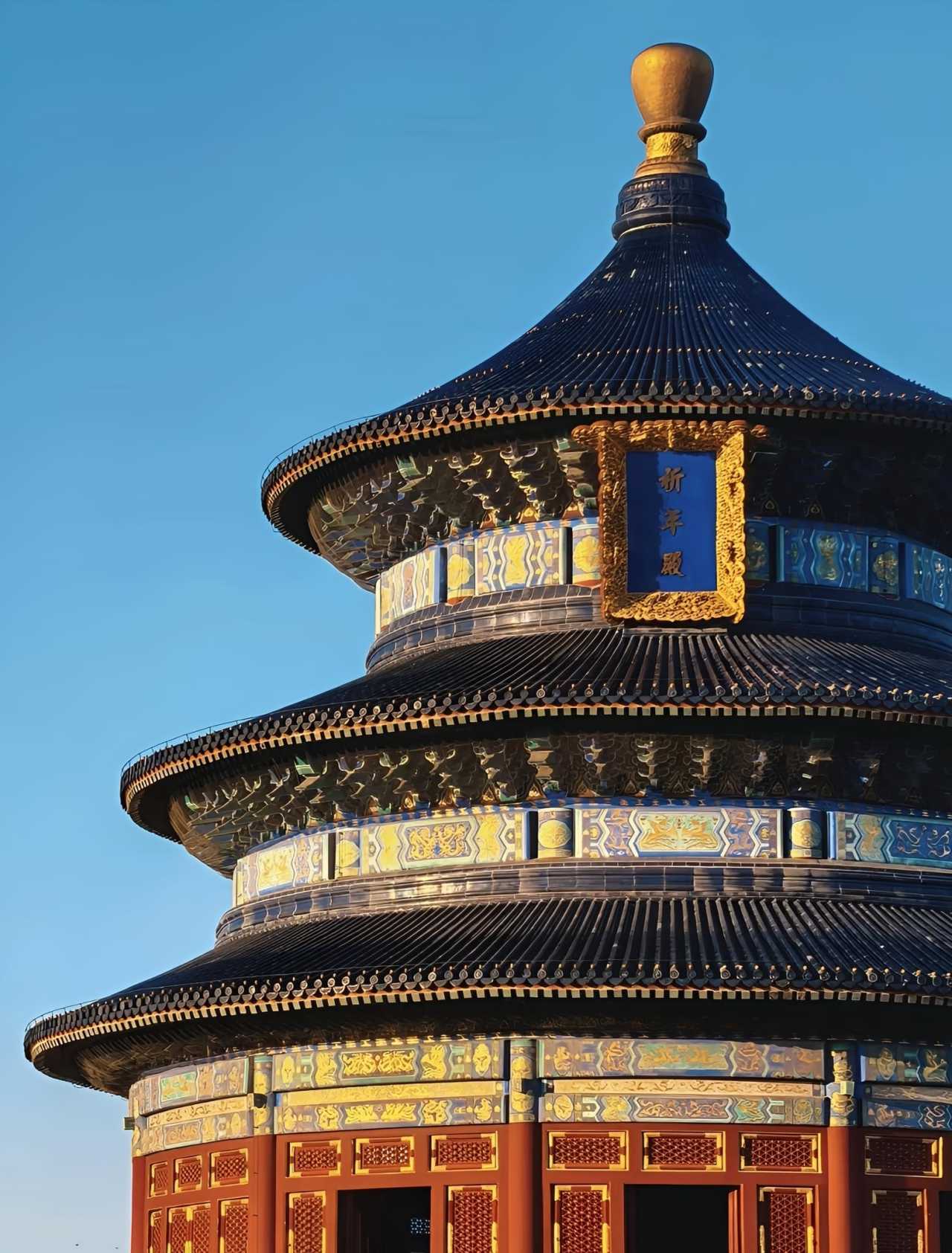
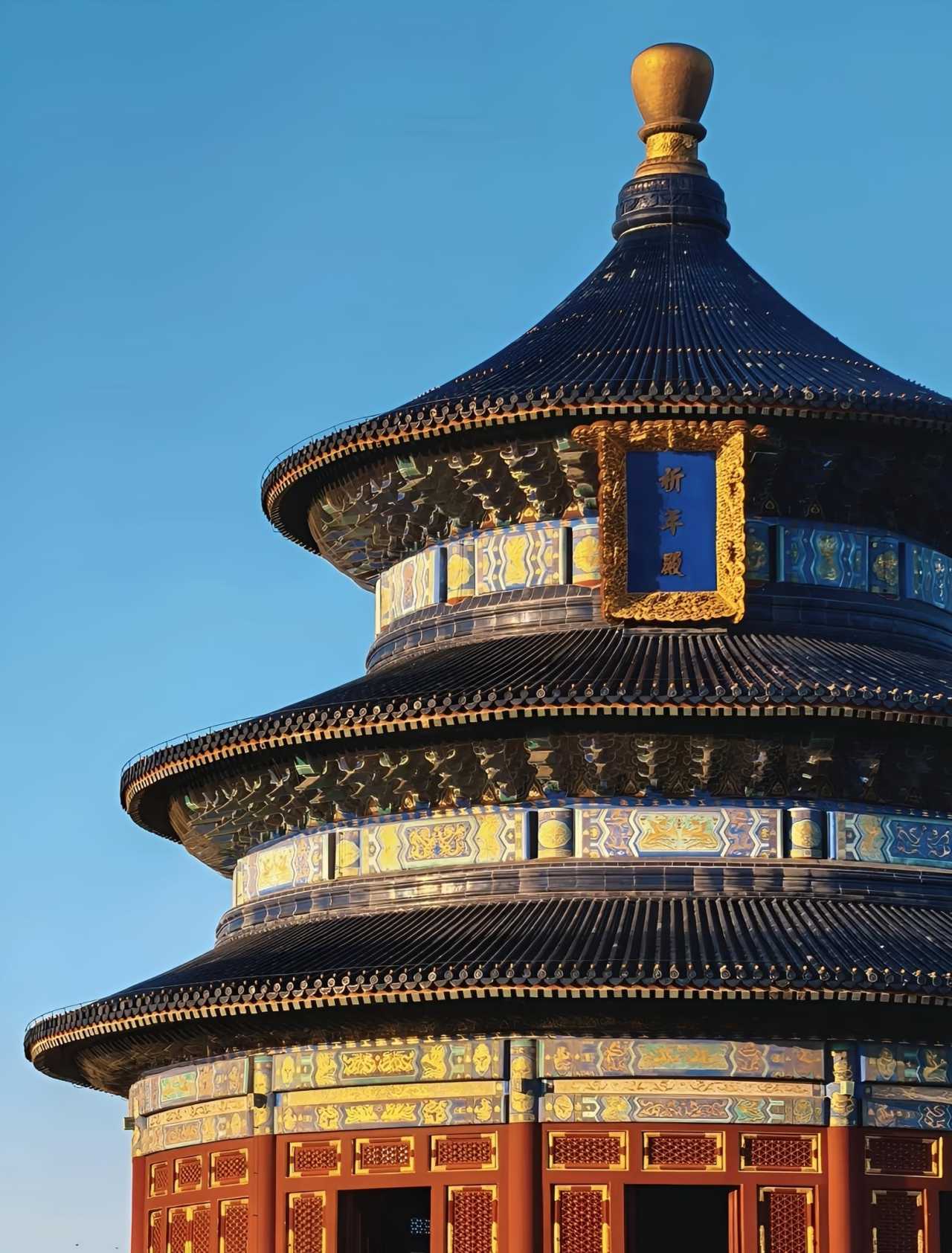
The Temple of Heaven was my first stop. Book seven days in advance. The off-season combo ticket costs 28 yuan. I arrived at the East Gate at 2 PM and followed the central axis: the Seventy-Two Corridors, the Hall of Prayer for Good Harvests, the Imperial Vault of Heaven, the Circular Mound Altar, the Hall of Abstinence, then exited through the West Gate. This route perfectly recreates the ancient emperor's sacrificial procession from "heaven" to "earth."

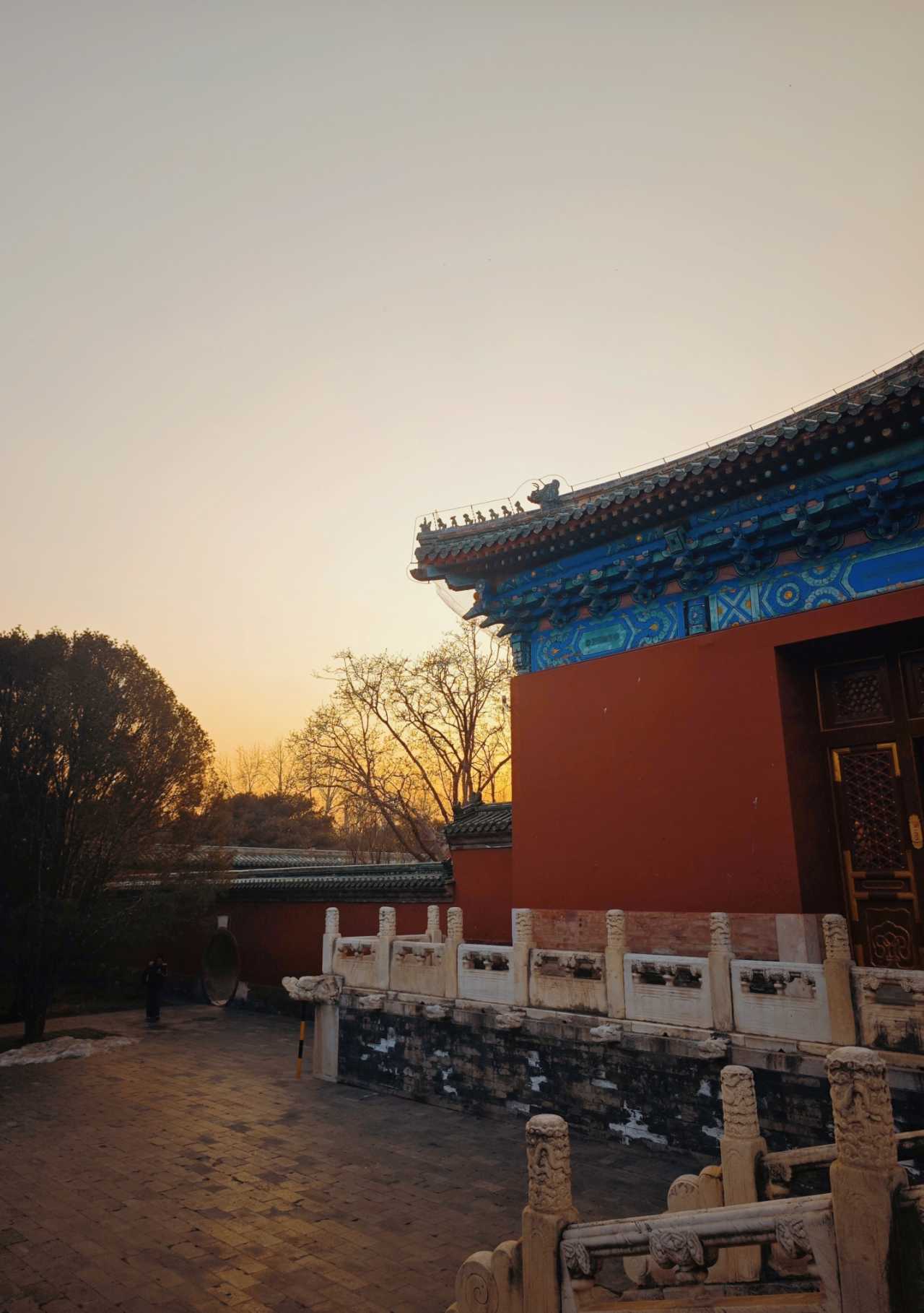
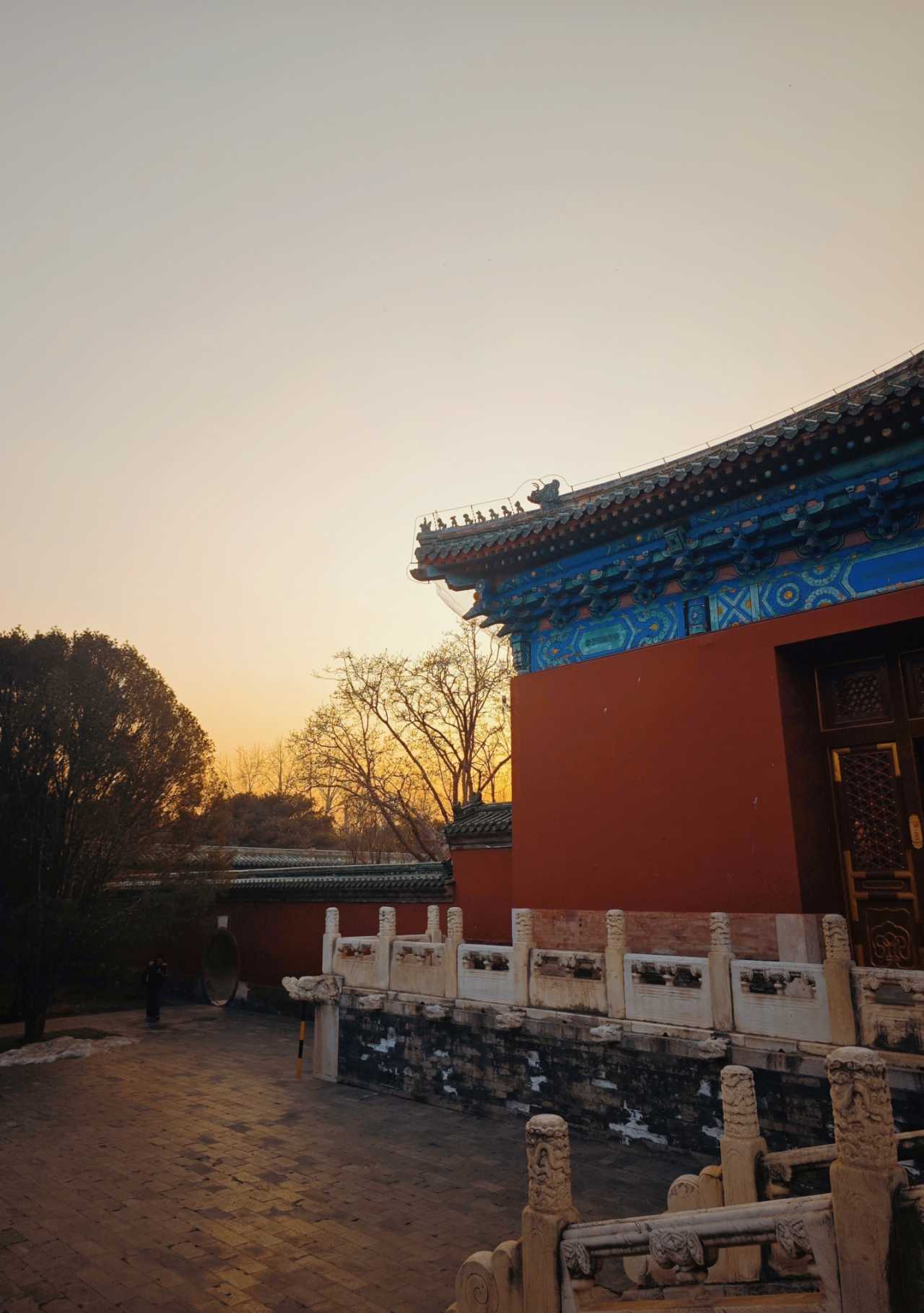
An hour before sunset, the red walls of the Hall of Prayer and the Circular Mound Altar glowed in slanting light. The Hall of Abstinence was nearly empty—exquisite courtyards perfect for photos and quiet contemplation. No jostling with crowds.
Important: The Temple of Heaven only lights up on Fridays, Saturdays, and holidays. Sunday meant no lights. Plan accordingly if you want night photos.
At the exit, an elderly woman sold candied hawthorn skewers (bing tang hu lu). I bought one. Completely different from Guangdong's version—thin, crisp sugar coating, tart and sweet hawthorn. One bite, and Beijing's winter had a taste.
That evening, I found a restaurant serving lu zhu (braised pork offal in broth). This meal taught me a hard lesson: there's a real wall between Beijing's palate and a Cantonese stomach. It was my first proper meal in Beijing—and my last. After that, takeout all the way.
[Link: Best food in Beijing for Cantonese travelers]
Day 3: From the Zoo to Shichahai – A Solo City Walk
December 29: Meng Lan, the Imperial College, and Houhai
Monday—most museums and attractions were closed. Perfect day to visit Beijing Zoo and see the beloved panda, Meng Lan.
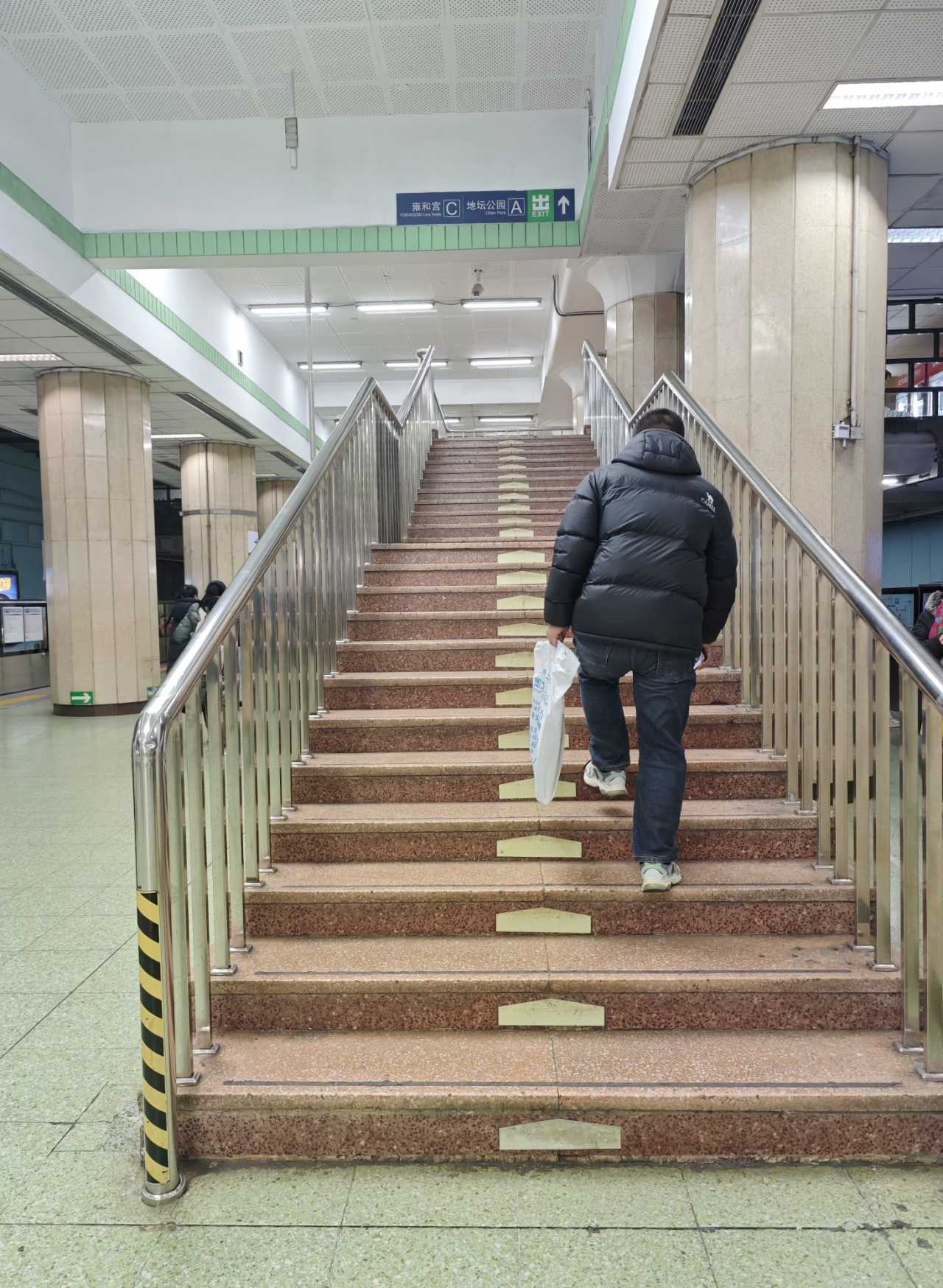
Buy tickets 1–5 days in advance. The off-season combo ticket costs 14 yuan. Exit A of Zoo Subway Station leads directly to the zoo's South Gate. The zoo opens at 7:30 AM; the panda house opens at 8:00 AM. To see Meng Lan, get in line at the panda house entrance by 7:50 AM. His feeding times: roughly 8:50–9:20 AM and 10:30–11:00 AM. I queued three times before finally seeing him sitting there, munching with adorable clumsiness. Totally worth it.
Panda house logistics: The Olympic Pavilion houses Meng Lan, with Hua Dian Dian, Ji Nian, and Fu Jiang rotating next door. The Asian Games Pavilion has Meng Meng, Meng Da/Meng Er, and Bai Tian/Fu Xing rotating—almost no queue. There are only two panda pavilions (Olympic and Asian Games), and neither has restrooms inside. Use the facilities before queuing—once you leave, you'll need a new ticket to re-enter.
After the zoo, I underestimated Beijing's cold. Luckily, the hotel was nearby, so I returned to add layers, ate lunch, and set out again.
The afternoon City Walk started at the Lama Temple, then followed Guozijian Street to the Drum Tower, Yandai Xiejie, and Shichahai. The afternoon sun was warm and pleasant. The Drum Tower area was packed with people taking cookie-cutter photos—nothing interesting. The front lake of Shichahai was overly commercialized, and the ice skating rink was still being surveyed before New Year's, so it wasn't open. Hawkers everywhere tried to sell photo sessions. Houhai (the back lake) was quieter, better for a relaxed walk. The nearby hutong area features former residences of Guo Moruo and Soong Ching-ling—worth exploring.
[Link: Best hutong walks in Beijing for solo travelers]
Day 4: The Forbidden City and Tiananmen – Crossing Through Majesty
December 30: The Forbidden City and Tiananmen
The Forbidden City requires booking seven days in advance; tickets go on sale at 8:00 PM. Off-season admission is 40 yuan, with the Treasure Gallery and Clock Gallery each costing 10 yuan. Take the subway to Jinyu Hutong, Exit C, then walk along Donghuamen Street to the Meridian Gate.
It was even colder today—the lakes had frozen over.
My route: Meridian Gate → Gate of Supreme Harmony → Hall of Supreme Harmony → Hall of Central Harmony → Hall of Preserving Harmony → Gate of Heavenly Purity → Treasure Gallery → Palace of Heavenly Purity → Hall of Union → Palace of Earthly Tranquility → Imperial Garden → Gate of Divine Might. Following the central axis, I checked off the core buildings: the "Throne Hall" of Supreme Harmony, the "Bedchamber" of Heavenly Purity, the "Wedding Chamber" of Earthly Tranquility, and finally the Imperial Garden, where I appreciated the refined grandeur of a royal garden.
The newly reopened Hall of Mental Cultivation (Yangxin Dian) is a must-see. This was the emperor's actual living and working space during the Qing dynasty. Its restored interiors offer an intimate glimpse into imperial daily life.
Pro tip for solo visitors: The Forbidden City is massive. Plan to spend at least 4–5 hours. Bring snacks and water—food options inside are limited and expensive. Wear comfortable shoes; you'll walk 10,000+ steps.
Day 5: Welcoming 2026 – New Year's Eve in Beijing
December 31: Celebrating the New Year
New Year's Eve in Beijing is special. While major celebrations happen at places like the Olympic Green or Sanlitun, I chose a quieter path.
I spent the afternoon at the Summer Palace (Yiheyuan), another UNESCO World Heritage site. Off-season ticket: 20 yuan. The frozen Kunming Lake was surreal—locals ice-skated while the Long Corridor stretched for nearly a kilometer, covered with intricate paintings. The view from the Tower of Buddhist Incense overlooking the frozen lake was breathtaking.
For dinner, I ordered takeout (remember my Cantonese stomach) and watched the countdown from my hotel room. The streets outside were quiet, but the energy was palpable. At midnight, fireworks erupted across the city—a stunning display that felt like a personal welcome to 2026.
[Link: Where to spend New Year's Eve in Beijing]
Day 6–8: Deeper Exploration and Departure
January 1–3: Flexibility and Reflection
The final days were unplanned. I revisited favorite spots, explored hutongs I'd missed, and tried local snacks (carefully). The 798 Art District offered a modern contrast to ancient temples—contemporary art in former factory buildings. The National Museum near Tiananmen Square is free but requires advance booking.
Departure tip: Beijing's airports (Capital and Daxing) are well-connected by subway and express trains. Allow at least 3 hours for domestic flights, 4 hours for international.
Frequently Asked Questions
Q1: Is Beijing safe for solo female travelers in winter?
 Yes. Beijing is one of China's safest cities. Public areas are well-lit, public transport is reliable, and locals are generally helpful. Take standard precautions: keep valuables secure, avoid poorly lit areas at night, and share your itinerary with someone back home.
Q2: What should I pack for Beijing in December/January?
Pack a long down jacket, thermal layers, waterproof boots, gloves, a warm hat, and a scarf. The wind chill can make temperatures feel 5–10 degrees colder. Lip balm and moisturizer are essential—Beijing's winter air is extremely dry.
Q3: How do I book tickets for the Forbidden City and Temple of Heaven?
 Book through the official WeChat mini-programs or websites. For the Forbidden City, tickets go on sale at 8:00 PM, seven days in advance. Temple of Heaven tickets are available seven days ahead. Off-season (November–March) tickets are cheaper and less crowded.
Q4: Can I use English in Beijing?
In tourist areas, hotels, and major attractions, English is widely understood. However, learning a few Chinese phrases (hello = nǐ hǎo, thank you = xiè xiè, how much = duō shǎo qián) will enhance your experience. Download a translation app for emergencies.
Q5: What's the best way to get around Beijing in winter?
The subway is efficient, cheap, and heated. Taxis and ride-hailing apps (Didi) are reliable but can be expensive during peak hours. Walking is pleasant in sunny weather but prepare for cold winds. Avoid renting bikes in winter—icy roads are dangerous.
Conclusion: Your Solo New Year's Journey Awaits
Beijing in winter is a revelation. The cold sharpens the senses, the crowds thin, and the ancient architecture takes on a stark, beautiful clarity. From the glowing red walls of the Temple of Heaven to the frozen lakes of the Summer Palace, every moment feels like stepping into a painting.
This solo journey taught me that the best gift you can give yourself is time—time to wander, to reflect, to welcome a new year on your own terms. The 2026 New Year's trip to Beijing wasn't just a vacation; it was a reset.
Your turn: The 2026 holiday schedule is out. Don't wait for travel buddies who might bail. Book that ticket. Pack that bag. Give yourself the gift of Chinese aesthetics, winter magic, and a New Year's Eve you'll never forget.
[Link: How to plan a solo trip to China]
Ready to welcome 2026 in Beijing? Start planning today—tickets sell out fast, especially during New Year's. Book your flight, reserve your attractions, and prepare for the adventure of a lifetime.
Have you traveled solo to Beijing? Share your tips and experiences in the comments below!
You should also read:
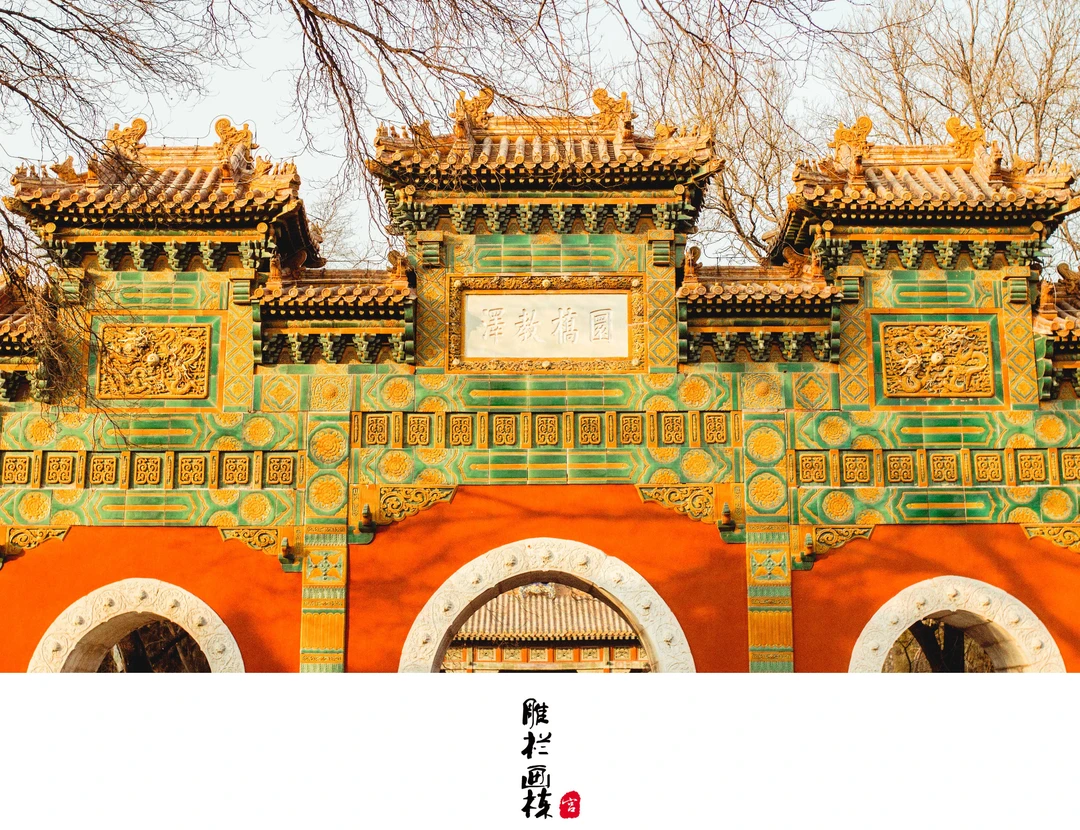
A Southerner's View of Beijing: One Imperial City, Two Winters – A First-Timer's Guide to Winter Travel in Beijing
Meta Description: A Sichuan native shares her first winter trip to Beijing—frozen rivers, bare trees, and the Forbidden City's majesty. Discover what it's like to see the imperial city through southern eyes, plus practical tips for winter travel. I've never quite known how to write…
Continue reading...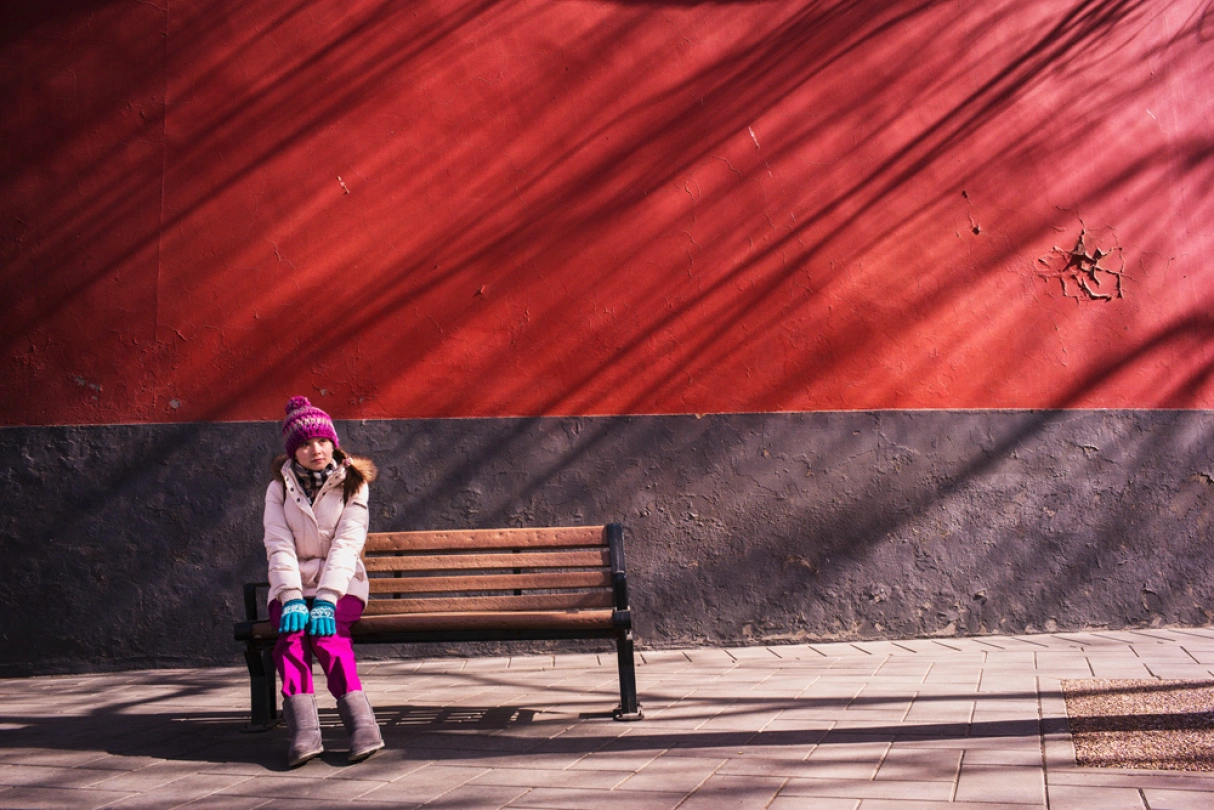
A Winter Journey in Beijing: Romance and Misery at Minus Five Degrees – An SEO-Optimized Travel Guide
Meta Description: Discover the romance and misery of a winter trip to Beijing at -5°C. Explore snowy Jingshan Park, historic hutongs, and budget-friendly tips for a 4-day Spring Festival adventure. Some say Beijing is a city you both love and hate. You love its profound…
Continue reading...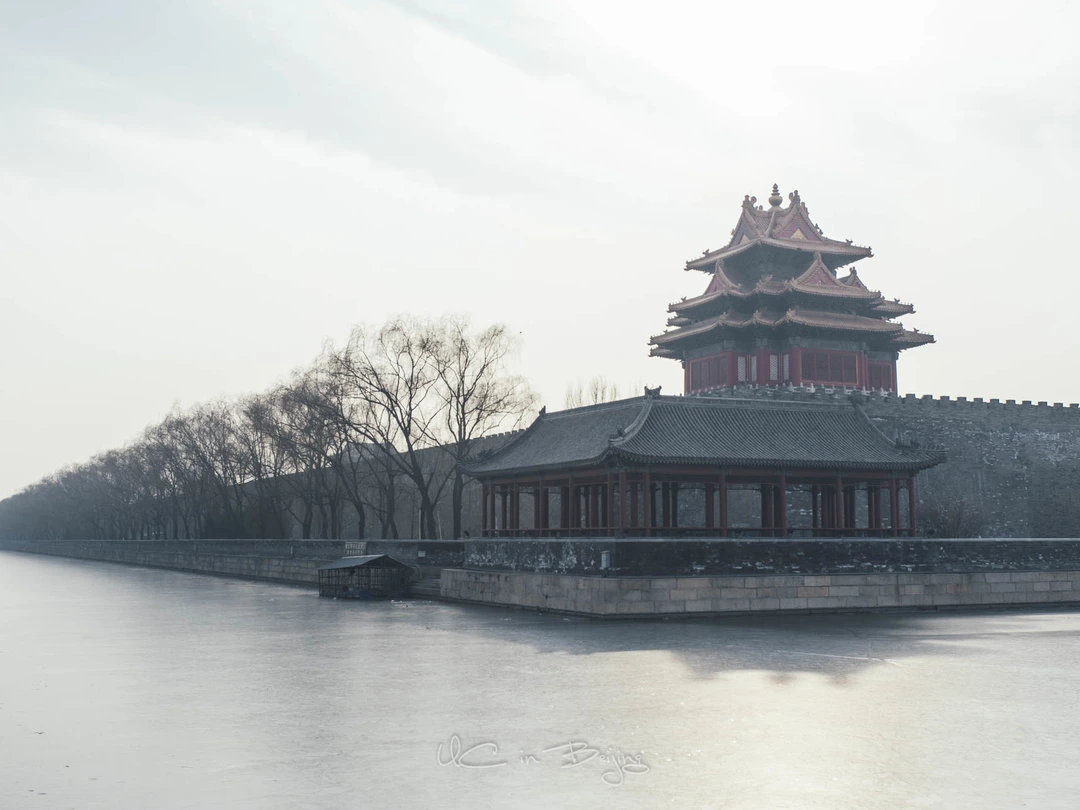
Beijing Through the Lens: One Person's Winter Wanderings – An SEO-Optimized Travel Guide
Meta Description: Discover Beijing's winter charm through a photographer's lens. From Nanluoguxiang's night scenes to Sanlitun's neon glow, explore the city's hidden corners and iconic landmarks in this SEO-friendly travel guide. January in Beijing is so cold you can hear your own breath. But for…
Continue reading...