Winter Rendezvous: A Journey Through Time in the Imperial Capital – Your Ultimate Beijing Winter Travel Guide
Meta Description: Discover the magic of Beijing in winter with this SEO-optimized travel guide. From the Forbidden City snowscapes to Great Wall adventures, explore imperial history, ice festivals, and cultural treasures. Plan your winter Beijing itinerary now.
Introduction: Why Beijing in Winter is a Dream Destination
Some cities, though you've never set foot in them, you've already visited a thousand times in your heart. For me, Beijing is that city. It is a weighty history book, every page inscribed with the rise and fall of dynasties, their glories and humiliations. It is also an unfinished poem, still chanting the rhythms of a millennium ago amidst the modern beat of steel and concrete.
Winter in Beijing transforms the imperial capital into a frozen wonderland. The biting cold air, the snow-dusted red walls, the crisp blue skies—this is the season when Beijing reveals its most authentic, poetic self. Whether you're a history buff, a photography enthusiast, or a family traveler, Beijing winter travel offers an unforgettable experience.
[Link: Beijing winter travel tips]
Chapter 1: Dawn and Dusk in the Forbidden City – A Winter Morning Ritual

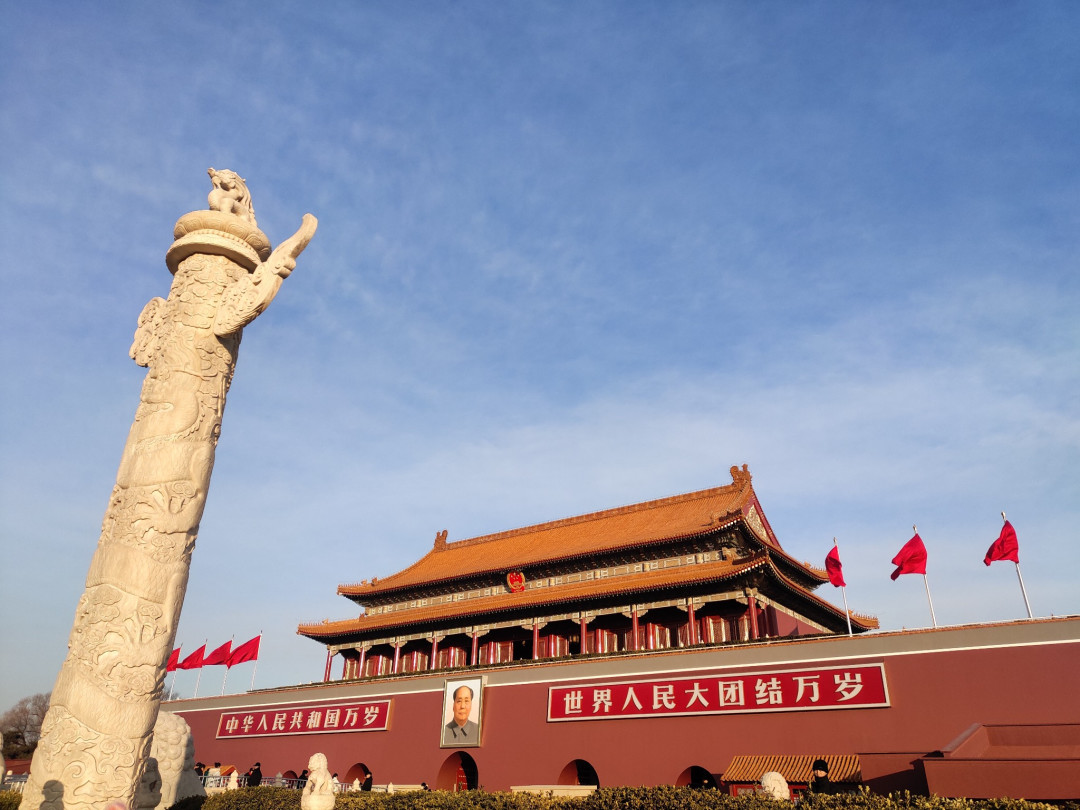
Tiananmen Square Flag Raising: 46 Seconds of Solemnity
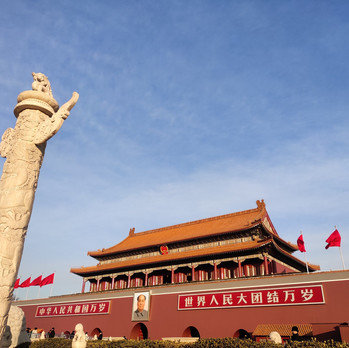
My first day in Beijing began with a ceremony full of ritual—the flag-raising. The time of the flag-raising in Beijing is not fixed; it adjusts daily according to sunrise. At 7:36 on the morning of January 10th, Tiananmen Square was already packed with people from all corners of the country. The wind was biting cold, but no one backed down.
When the flag guard in military uniform marched across the Golden Water Bridge in perfect unison, when the "March of the Volunteers" rang out across the empty square, when the bright five-star red flag slowly rose in the morning light—those forty-six seconds seemed to freeze time. Everyone present stood in silent respect. There was no noise, no restlessness, only a shared emotion flowing through the air.
Pro tip: Check the daily sunrise time online before your visit. Arrive at least 30 minutes early to secure a good viewing spot. Winter mornings are cold, so dress in layers and wear thermal gloves.
[Link: Beijing sunrise times]
Forbidden City Winter Tour: A Dialogue Across Six Hundred Years
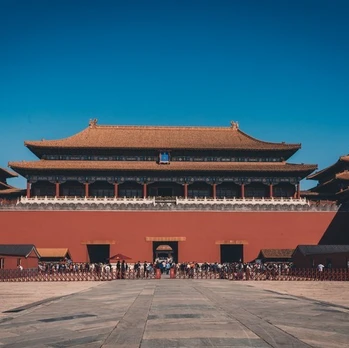
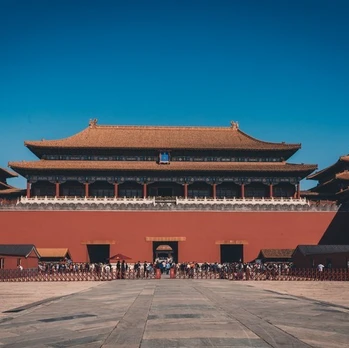
Passing through Tiananmen and then Duanmen, I arrived at the main entrance of the Forbidden City—the Meridian Gate. "Execution at the Meridian Gate" and "Hearing the imperial edict at the Meridian Gate"—phrases heard countless times in historical dramas now finally had a real backdrop.
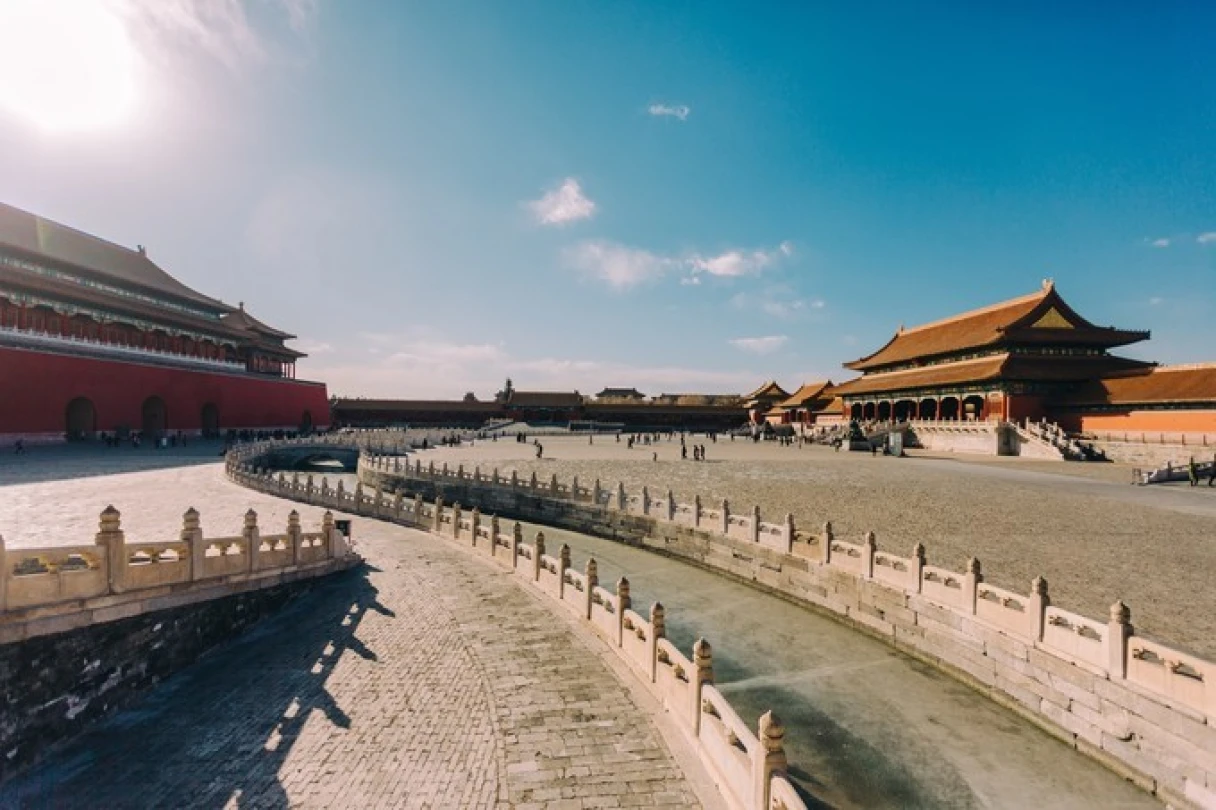
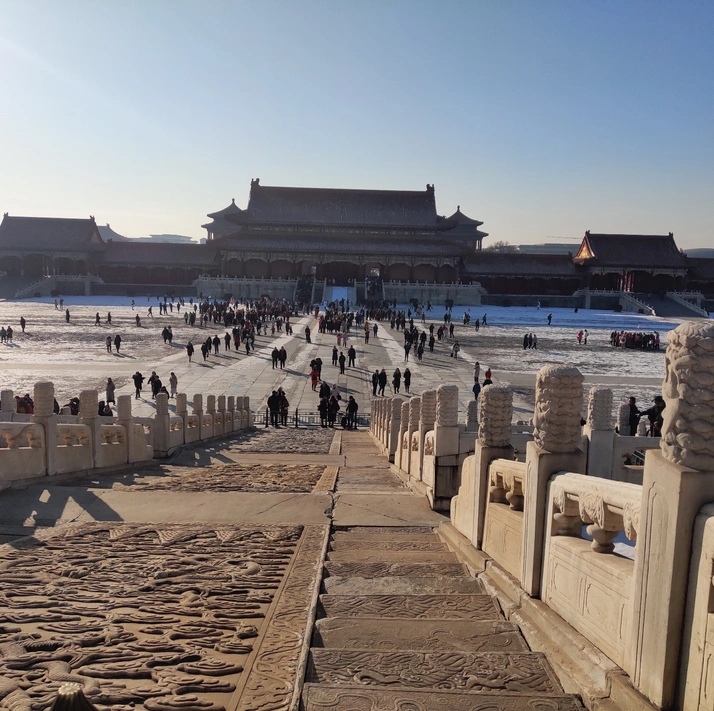
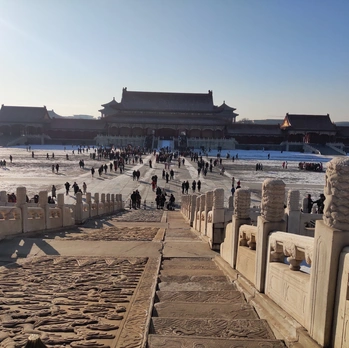
The Forbidden City winter tour is a must for any visitor. The vermilion city walls stand towering and majestic, with three gateways symmetrically arranged. The guide explained that only the emperor could use the central gate; the eastern side gate was for civil and military officials, and the western one for imperial clansmen. A single gate was a chasm of class distinction.
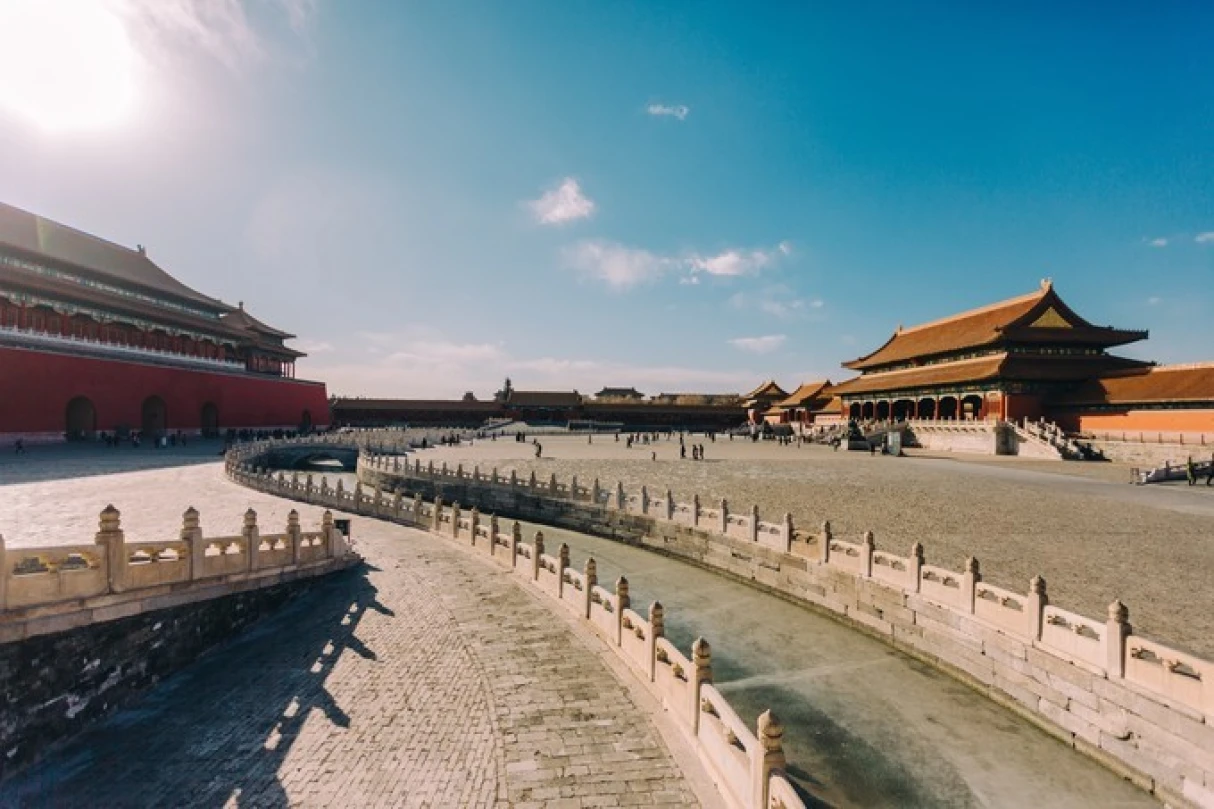
The Forbidden City once housed twenty-five masters—fourteen from the Ming Dynasty, ten from the Qing, and one temporary resident during the Republic of China era. From the Meridian Gate to the Hall of Supreme Harmony, from the Hall of Central Harmony to the Hall of Preserving Harmony, following the central axis northward, every brick and stone tells tales of former glory and decline.
Snow in the Forbidden City is a photographer's dream. "A snowy Beijing is Beiping; a snowy Forbidden City is the Purple Forbidden City." Though I missed the first snow of the winter, the lingering snow was still breathtakingly beautiful. Withered branches intertwined with evergreen pines, red walls contrasted with white snow—like an ink-wash landscape painting.
Best time for Forbidden City snow photos: Early morning, right after opening (8:30 AM). The snow is pristine and crowds are minimal.
[Link: Forbidden City ticket booking]
Temple of Heaven Winter Visit: A Sanctuary for Communing with Heaven
From the eighteenth year of the Yongle reign to the present, the Temple of Heaven has stood for six hundred years. As the site where Ming and Qing emperors performed rituals to pray for good harvests and communicate with Heaven, it carries the mission of the emperor's dialogue with the divine.
The Temple of Heaven is divided into an inner and outer altar, with the inner altar further split into north and south sections. The southern Circular Mound Altar is where the emperor worshipped Heaven, built with three layers of white marble and dark green stone, exquisitely crafted. Standing at the top of the altar, gazing up at the vast sky, you can almost hear the echoes of emperors praying devoutly here centuries ago.
Winter tip: The Temple of Heaven park is less crowded in winter. The bare trees reveal stunning architectural lines perfect for photography.
[Link: Temple of Heaven history]
Chapter 2: Within and Beyond the Great Wall – Ancient and Modern Intertwined
Badaling Great Wall Winter Hike: The Cost of Being a Hero
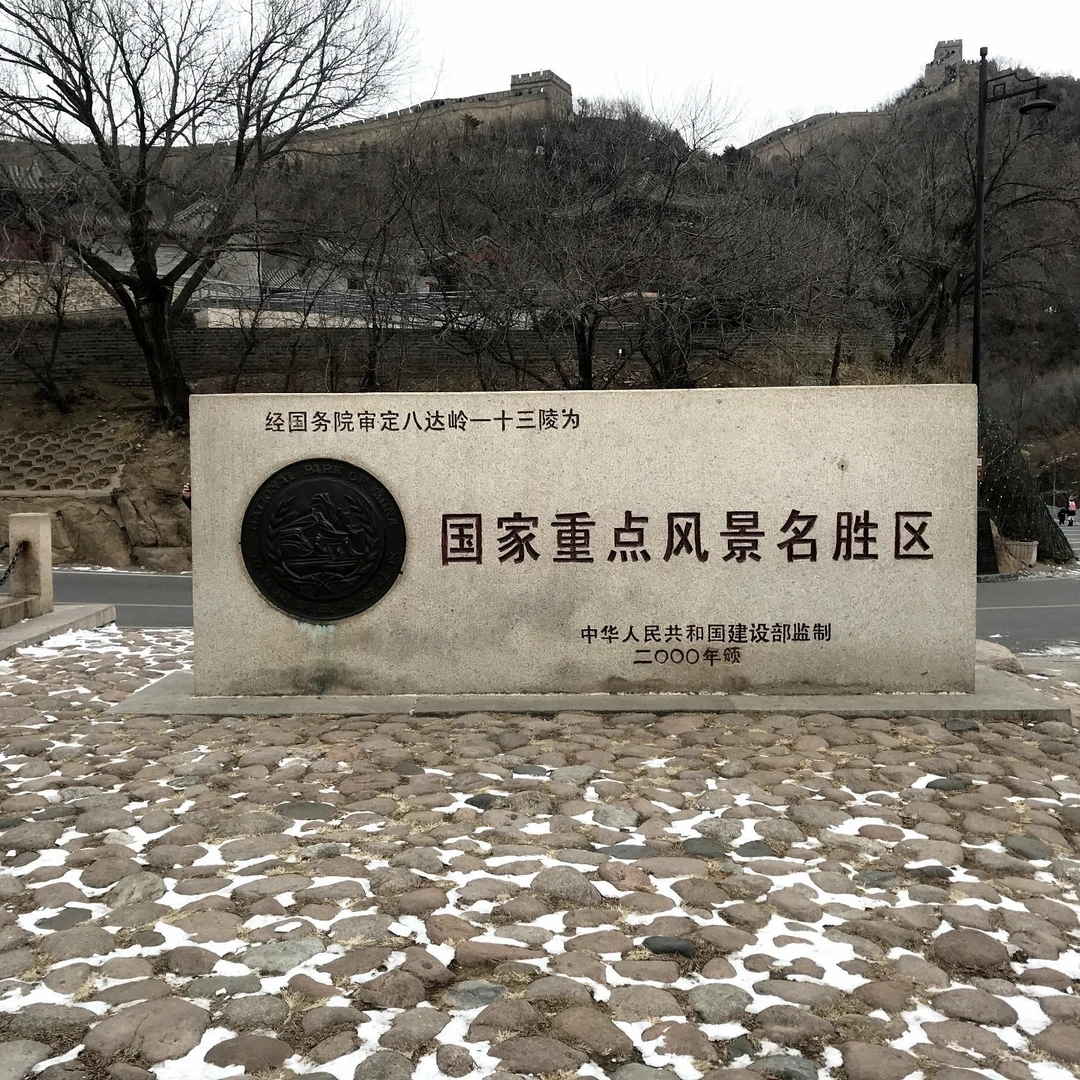
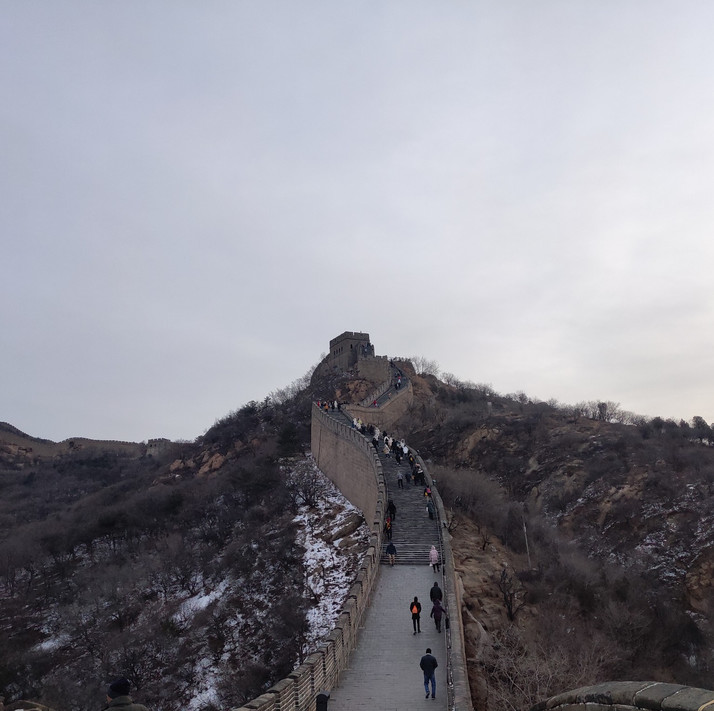
"He who has not climbed the Great Wall is not a true man"—this saying has been passed down for so long that everyone who comes to Beijing lists the Badaling Great Wall as a must-visit.
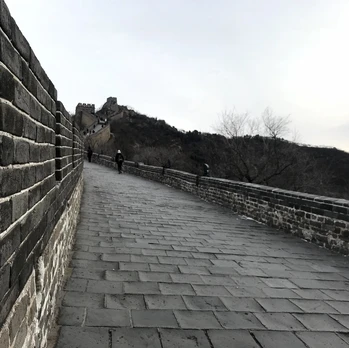
There are dozens of sections of the Great Wall around Beijing, but Badaling is the most famous. Setting out early in the morning, the temperature had dropped to minus twelve degrees Celsius by the time I arrived. The wind howled, cutting like a knife, making every step a struggle. But when you finally stand on the Wall, overlooking the rolling mountains and layered ridges, seeing the Great Wall winding like a giant dragon through the rugged terrain, all the hardship becomes worthwhile.
Winter Great Wall hiking tips: - Wear insulated, waterproof boots - Bring hand warmers and a thermos with hot tea - Start early to avoid afternoon winds - Consider the cable car for a less strenuous experience
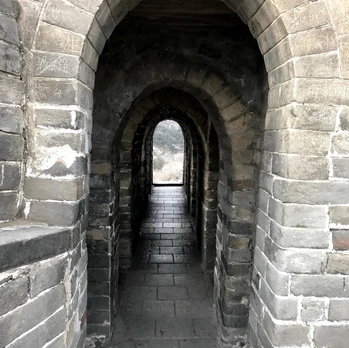
The bricks underfoot, the stone slabs on the walls—each one embodies the blood, sweat, and wisdom of ancient laborers. In an age without machinery or electricity, how did people build this endless Great Wall with their bare hands? This awe can only be truly felt by experiencing it in person.
[Link: Great Wall sections comparison]
Beijing Winter Olympics Venues: Ice and Snow Carnival
With the successful bid for the 2022 Winter Olympics, Beijing's connection with ice and snow deepened. In the Olympic Forest Park, a blanket of white snow created a fairy-tale world. Skating and playing in the snow there felt like returning to childhood, finding the simplest joy in pure ice and snow.
The Olympic motto "One World, One Dream" still echoed in the air. The Bird's Nest and Water Cube face each other across the road, just three hundred meters apart. Now, the Water Cube has been renamed the "Ice Cube," witnessing Beijing's transformation from the Summer Olympics to the Winter Games.
Family-friendly activity: Visit the Olympic Park for ice skating, snow tubing, and winter carnival games. Perfect for kids and adults alike.
[Link: Beijing winter activities for families]
Prince Gong's Mansion: Half of Qing Dynasty History
Located near Shichahai, Prince Gong's Mansion was the largest princely residence of the Qing Dynasty. It once belonged to Heshen and Yonglin before Prince Gong, Yixin, became its new owner in 1851, officially establishing the name "Prince Gong's Mansion."
The mansion is vast, comprising both the main residence and a garden, with over thirty architectural complexes arranged with great precision. From its peak to its decline, Prince Gong's Mansion witnessed the entire course of the Qing Dynasty. No wonder people say, "One Prince Gong's Mansion holds half of Qing history."
Evening entertainment: The Chinese Acrobatics Show near the mansion is equally breathtaking. Every move of the acrobats is the result of thousands of hours of practice. "A minute on stage takes ten years of practice off stage"—this saying could not be more fitting for them.
[Link: Prince Gong's Mansion guided tour]
Chapter 3: Imperial Grandeur and Academic Elegance
Central TV Tower: The Peak of the Capital
At 386.5 meters, the Central TV Tower stands as the undisputed peak of the capital. From its observation deck, you can see the entire city sprawled beneath you—the Forbidden City's golden roofs, the modern skyscrapers of CBD, the winding lines of the Great Wall in the distant mountains.
Best time to visit: Sunset, when the city lights begin to twinkle and the sky turns shades of orange and purple. The revolving restaurant offers a unique dining experience with panoramic views.
[Link: Beijing observation decks]
Beijing Winter Food Guide: Warming Up with Imperial Cuisine
No winter trip to Beijing is complete without sampling the local cuisine. The cold weather calls for hearty, warming dishes:
- Beijing hotpot (shuan yangrou): Thinly sliced lamb cooked in a copper pot, perfect for sharing
- Peking duck: The iconic dish, best enjoyed at a traditional restaurant like Quanjude or Dadong
- Tanghulu: Candied hawthorn skewers, a classic winter street snack
- Mung bean soup: A warming, nutritious drink sold by street vendors
Pro tip: Head to Wangfujing Snack Street or Guijie (Ghost Street) for a wide variety of local eats.
[Link: Beijing food tours]
Frequently Asked Questions About Beijing Winter Travel
1. Is Beijing too cold for tourists in winter?
While winter temperatures in Beijing can drop to -10°C to -15°C (14°F to 5°F), the city is perfectly manageable with proper clothing. The air is dry, making the cold feel less biting than in humid climates. Plus, winter offers unique attractions like snow-covered historical sites and fewer crowds.
2. What should I pack for a Beijing winter trip?
Essentials include: thermal underwear, a heavy down jacket, wool hat, scarf, gloves, insulated waterproof boots, and hand warmers. Layering is key—you'll be warm indoors (heating is excellent) but need protection outdoors.
3. When is the best time to see snow at the Forbidden City?

Snowfall in Beijing is unpredictable, but December to February offers the highest chance. Check weather forecasts before your visit. If it snows, arrive at the Forbidden City right when it opens (8:30 AM) for pristine snow photos with minimal crowds.
4. Is the Great Wall safe to visit in winter?
Yes, but choose a well-maintained section like Badaling or Mutianyu. Wear non-slip shoes, use handrails, and consider taking the cable car if conditions are icy. Check weather conditions before heading out.
5. What are the must-see winter attractions in Beijing?

Top attractions include: Forbidden City (especially after snowfall), Badaling Great Wall, Temple of Heaven, Olympic Park ice skating, Prince Gong's Mansion, and the Central TV Tower for city views.
Conclusion: Your Winter Beijing Adventure Awaits
Beijing in winter is not just a destination—it's a journey through time. From the solemn flag-raising at Tiananmen Square to the snow-dusted Forbidden City, from the windswept Great Wall to the modern Olympic venues, every moment offers a unique blend of history, culture, and natural beauty.
The cold air might bite, but the warmth of the experience will stay with you forever. As I stood on the Great Wall, watching the sun set over the mountains, I realized that some experiences can never be conveyed through any screen. You have to be there, to feel the wind, to hear the silence, to see the snow melt on ancient bricks.
Ready to plan your winter Beijing itinerary? [Link: Book your Beijing winter tour package now] and experience the imperial capital like never before. Whether you're traveling solo, with family, or as a couple, our curated packages ensure you don't miss a single highlight.
Call to Action: Don't let winter keep you indoors. Embrace the chill, explore the history, and create memories that will last a lifetime. [Click here to start planning your Beijing winter adventure →]
[Link: Beijing winter travel deals] [Link: Beijing hotel recommendations] [Link: Beijing transportation guide]
Article originally inspired by a travelogue on Mafengwo. All factual information verified against historical records and current tourism data.
You should also read:
A Pause for Mafengwo: How to Make Honey and Build a Travel Guide Legacy
Meta Description: Discover how one Beijing native turned travel passion into Mafengwo honey, achieving a 62% adoption rate. Learn authentic guide tips, goal-setting strategies, and why a pause isn't the end. I never imagined I would write a "pause" on Mafengwo in this way. This…
Continue reading...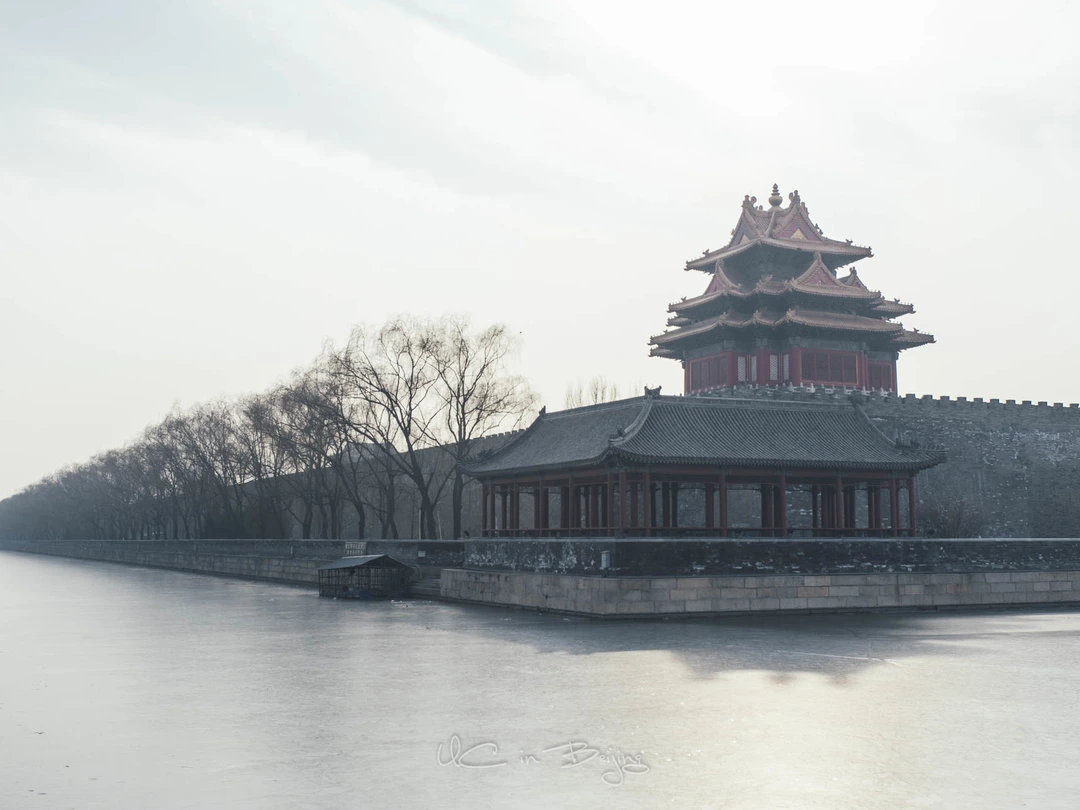
Beijing Through the Lens: One Person's Winter Wanderings – An SEO-Optimized Travel Guide
Meta Description: Discover Beijing's winter charm through a photographer's lens. From Nanluoguxiang's night scenes to Sanlitun's neon glow, explore the city's hidden corners and iconic landmarks in this SEO-friendly travel guide. January in Beijing is so cold you can hear your own breath. But for…
Continue reading...
[Fish with You, Tong in Step] The Beijing We Conquered Together: A Wedding Travel Photography Gift for a Beloved Brother
Meta Description: Discover how a heartfelt Beijing wedding travel photography trip became the ultimate gift for a beloved brother. Explore Nanluoguxiang, the Forbidden City, the Great Wall, and more in this 4-day adventure filled with family, friendship, and love. There are moments in life that…
Continue reading...