You Have Colorful Sunshine: An 11-Day Spanish & Portuguese Love Letter – The Ultimate Iberian Peninsula Itinerary
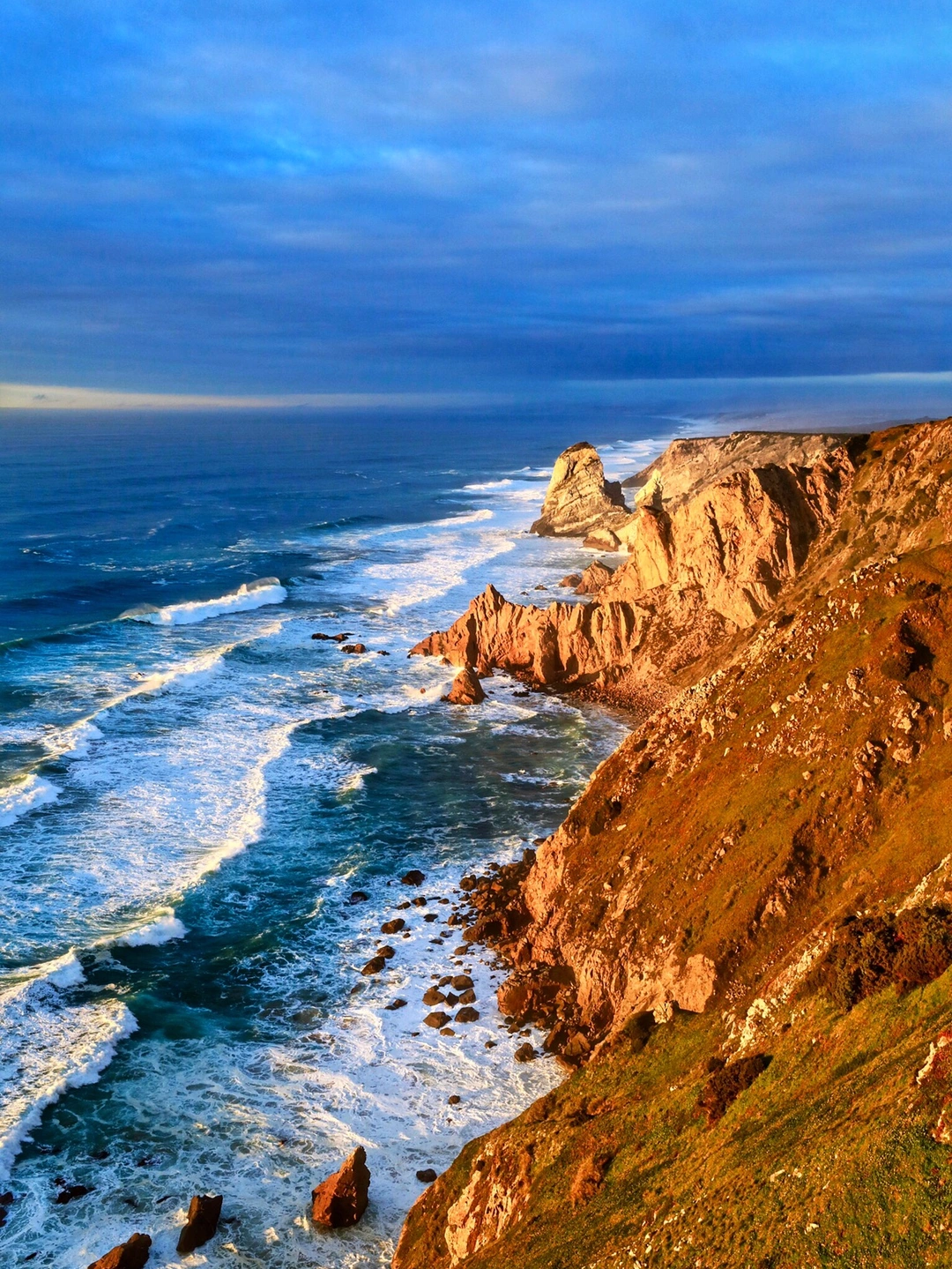
Meta Description: Discover the magic of Spain and Portugal in 11 days: from Barcelona's Gaudí masterpieces to Lisbon's melancholic charm. Your complete guide to an unforgettable Iberian adventure.
There's something magical about a place that feels like it was designed just for you. A destination where winter forgets to be cold, where every corner hides a postcard-worthy view, where your wallet doesn't cry, and where you never have to elbow through crowds just to see a masterpiece.
For me, that place was the Iberian Peninsula.
Imagine Barcelona's wild architectural dreams, Seville's smoldering charm, the windmill-dotted plains of Consuegra, the cliff-hugging white town of Ronda, Lisbon's melancholy beauty, the raw power of Cabo da Roca, and Porto's unhurried rhythm—all rolled into one sun-drenched adventure. It felt less like a trip and more like falling into a whirlwind romance with a continent.
The Dreamers Behind the Journey: Meet Celine & Mr. F
Let me introduce ourselves. I'm Celine—a restless soul who's wandered through 60-plus countries, a photographer who occasionally steps in front of the lens, a skincare enthusiast who stays up too late, and a food lover who cooks better than she thinks. My travel partner is Mr. F, my better half and the man behind the camera. Together, we packed our bags, our drone, and our insatiable curiosity for an 11-day escape that would rewrite our definition of wanderlust.
Two Countries, Nine Cities: The Master Plan for Your Spain & Portugal Itinerary
When February rolled around, we knew we wanted to escape the winter blues. The shortlist read like a daydream: Vanuatu (too expensive), Iceland (post-aurora-boom, let's wait), Namibia (my bank account said no), South Africa (maybe next time), Lake Baikal (fully booked). Then, like a lightbulb flickering on, I remembered Spain.
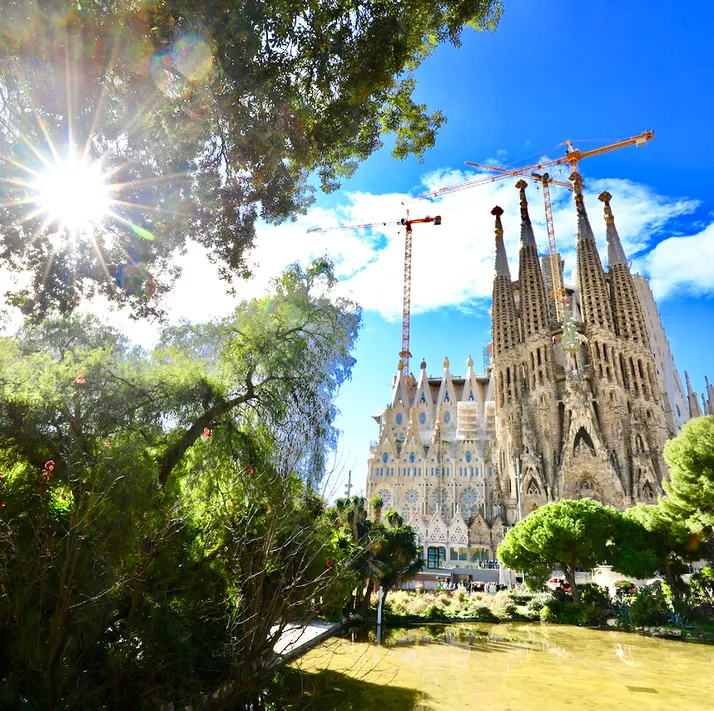
Perfect February weather? Check. Jaw-dropping architecture? Check. Affordable prices and manageable crowds? Double check.
We crafted an open-jaw itinerary: fly into Barcelona, weave through Spain's heartland, hop over to Portugal, and fly out of Porto. We mixed high-speed trains, budget flights, and rental cars to cover maximum ground without burning out. The only regret? Missing the Instagram-famous red walls of Calpe. Next time.
[Link: Best time to visit Spain and Portugal]
Barcelona Travel Guide: Where Reality Gets a Little Weird
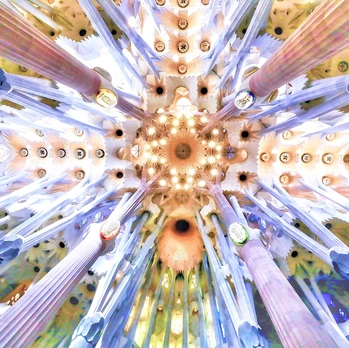
God must have a soft spot for Barcelona. Why else would He bless it with endless sunshine and a parade of mad geniuses like Gaudí and Dalí? This city feels like someone scooped up every fantastical idea they ever had and dumped it onto a grid of elegant streets.
Camp Nou Stadium Tour: A Pilgrimage for Barcelona FC Fans
Mr. F practically vibrated with excitement as we landed. He's a die-hard Barcelona FC fan, so our first stop was non-negotiable: Camp Nou, Europe's largest stadium. Standing on the pitch, I could almost hear 100,000 fans roaring. The museum traces the club's journey from 1899 to today—vintage jerseys, gleaming trophies, and audio clips that make your heart race.
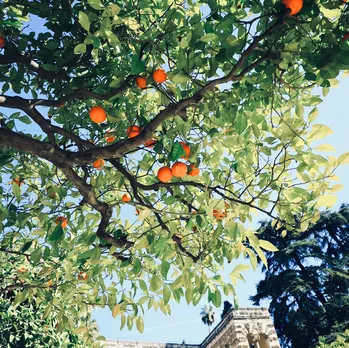
We climbed to the highest tier, pretended to be coaches (hello, Mr. F in his imaginary manager role), and watched a youth team practice below. The press box was open too—turns out commentators have eagle eyes to spot players from that height.
The gift shop? A paradise for any fan. And yes, we dropped 50 euros on a composite photo with Messi. He looked different than I remembered—more beard, less baby face. The 2018 World Cup proved my memory was outdated.
[Link: How to get Camp Nou tickets]
Casa Batlló: A Dragon's Lair in the Heart of Barcelona

If you visit Barcelona, promise me you'll see Casa Batlló in daylight. We made the mistake of arriving after sunset, and the magic was muted. Gaudí drew inspiration from the legend of Saint George slaying the dragon—the roof tiles resemble a dragon's spine, the balconies look like skulls, and the cross-shaped chimney stands for the hero's sword.
Inside, the blue atrium is a masterpiece of optical illusion. The ceramic tiles graduate from deep blue at the top to pale azure at the bottom, so sunlight filters evenly through every floor. Looking through the wavy glass, you feel like you're underwater.
Gaudí believed curves belong to God and straight lines to humans. His staircases, arches, and ceilings prove it. The rooftop was a disappointment in the dark—those colorful chimneys and the dragon's back were barely visible. Lesson learned: go early, stay late, and soak up every ray.
Sagrada Família: The Never-Ending Story of Gaudí's Masterpiece
This is Gaudí's magnum opus, a cathedral that's been under construction for over a century. When he died in 1926—hit by a tram and mistaken for a beggar—the city mourned. His funeral procession stretched all the way to the church he'd never see finished.
The exterior tells the Bible story in stone. The Nativity façade is ornate and joyful; the Passion façade is stark and haunting; the Glory façade (still under construction) will face the sun. Every detail was modeled from life—Gaudí even used dead infants to cast molds for the Massacre of the Innocents.
But inside? Nothing prepares you for inside.
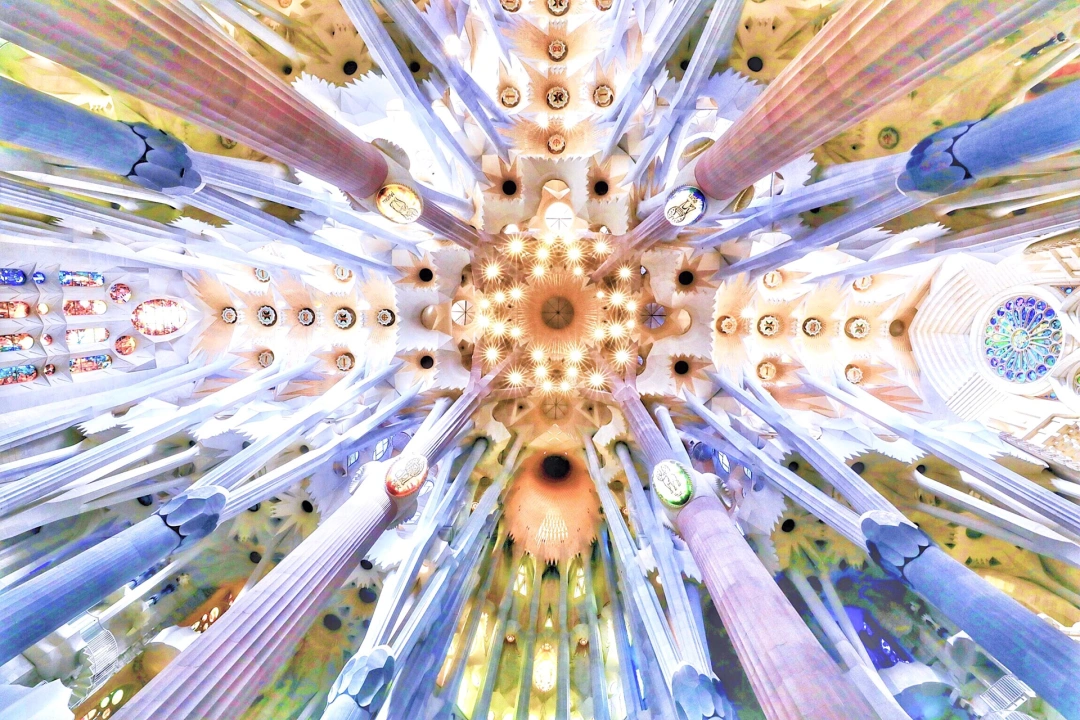
It's a stone forest, with columns branching like trees into a canopy of light. Stained glass windows bathe the space in rainbows—blue and green on the east side (birth, hope), orange and red on the west (death, sunset). I've visited St. Peter's in Rome, the Church of the Holy Sepulchre in Jerusalem, Cologne Cathedral, and Helsinki's Rock Church. None of them made me gasp like this.
The church is still paying off fines—Spain recently hit them with a 36 million euro penalty for building without permits. Construction is slated to finish by 2026, Gaudí's centenary, but who knows? As Gaudí himself said, "My client (God) is not in a hurry."
[Link: Sagrada Família tickets and tips]
Casa Milà: The Quarry That Became Art
On Passeig de Gràcia stands Casa Milà, Gaudí's last residential project. Nicknamed "La Pedrera" (the quarry), its undulating stone facade looks like wind-sculpted sand dunes. The roof is a surreal playground of chimney sculptures—some look like ice cream cones, others like medieval knights. I photographed them in black and white, stripping away color to focus on their otherworldly shapes.
Inside, the attic's whale-rib arches lead to a model of the building, complete with miniature chimneys. The period rooms feel like stepping into a great-grandmother's house—a bit dusty, a bit charming, very old-world.
Seville & Andalusia: Where Passion Meets Sunshine
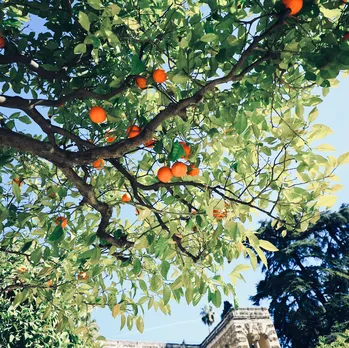
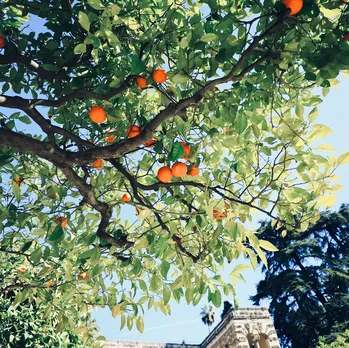
If Barcelona is the brain, Seville is the heart. This is flamenco, orange trees, and sunsets that linger like a lover's kiss. We wandered through the Alcázar's gardens, watched horse-drawn carriages clip-clop across Plaza de España, and let the warm February sun melt away any lingering winter chill.
The real magic, though, was on the road. Driving from Seville to Ronda, we rolled through rolling hills carpeted in green, dotted with olive groves and whitewashed villages. Ronda itself—the "sky city" perched on a gorge—lived up to Hemingway's romantic hype. It's the kind of place you'd run away to, if you believed in that sort of thing.
[Link: Best road trips in Andalusia]
Lisbon & Porto: Portugal's Soulful Duet

Portugal is Spain's quieter, more melancholic cousin. Lisbon feels like a faded postcard—trams rattling through narrow alleys, pastel buildings crumbling in the most beautiful way, and the scent of saltwater and pastéis de nata (Portuguese custard tarts) hanging in the air.
Belém District: Where History Whispers

The Belém district is a monument to Portugal's Age of Discovery. The Jerónimos Monastery survived the 1755 earthquake that leveled most of Lisbon—a miracle that fueled the city's devotion. Standing at the water's edge, you can almost hear the caravels setting sail for unknown worlds.
Cabo da Roca: The End of the World

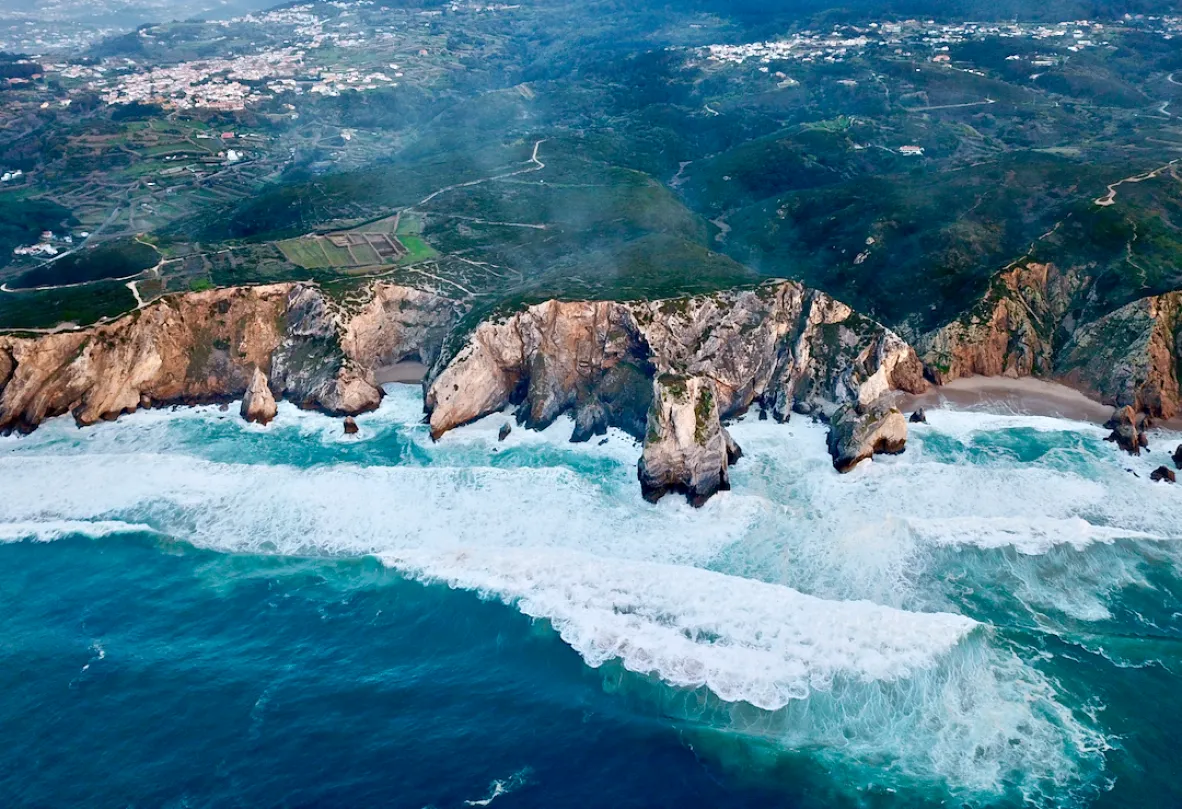
"Where the land ends and the sea begins," wrote poet Luís de Camões. Cabo da Roca is Europe's westernmost point, a windswept cliff where the Atlantic crashes against jagged rocks. No sandy beaches here—just raw, untamed nature and the last sunset of the European continent. It's the kind of place that makes you feel small and infinite at the same time.
Porto: A City Painted in Blue and Gold
Porto is a city of contrasts: the Douro River winding through terraced vineyards, the iconic Dom Luís I Bridge, and the scent of Port wine aging in ancient cellars. It's unhurried, authentic, and deeply romantic. We wandered the Ribeira district, took a river cruise, and watched the sunset from the Serra do Pilar viewpoint. Porto doesn't shout—it whispers, and that's its charm.
[Link: Portugal itinerary for first-timers]
Frequently Asked Questions About Spain & Portugal Travel
1. Is 11 days enough to visit Spain and Portugal?
 Yes, 11 days is enough for a highlights tour covering Barcelona, Seville, Lisbon, and Porto. Focus on 2-3 cities per country and use high-speed trains or budget flights to maximize time.
2. What is the best time to visit Spain and Portugal?
 Spring (March-May) and fall (September-November) offer mild weather, fewer crowds, and lower prices. February is also excellent for avoiding peak season while still enjoying sunshine.
3. Do I need a rental car for Spain and Portugal?
 Not for major cities—public transit is excellent. However, a rental car is useful for exploring Andalusia's white villages, Ronda, and Portugal's Algarve coast. We used a mix: trains for city-to-city, car for countryside.
4. What are the must-see Gaudí attractions in Barcelona?
 Don't miss Sagrada Família, Casa Batlló, Casa Milà, and Park Güell. Book tickets in advance to avoid long queues. Sagrada Família is the most iconic—allow at least 2 hours.
5. How do I get from Spain to Portugal?
High-speed trains connect Madrid to Lisbon (about 2.5 hours). Budget airlines like Ryanair and Vueling also fly between Barcelona and Lisbon or Porto. We flew from Seville to Lisbon for convenience.
Your Iberian Adventure Awaits
This 11-day journey through Spain and Portugal is more than a vacation—it's a love letter to two countries that will steal your heart. From Barcelona's surreal architecture to Porto's soulful rhythms, every moment feels like a postcard come to life.
Ready to plan your own Iberian escape? Start by booking your flights early, reserving Gaudí tickets in advance, and packing comfortable walking shoes. The sunshine, the food, and the memories are waiting.
[Book your Spain & Portugal trip now] – Your dream itinerary is just a click away.
Note: This article is based on the original travelogue by Celine and Mr. F. All factual details, including the 36 million euro fine on Sagrada Família and the 2026 centenary completion target, are preserved from the source.
You should also read:
Glorious Beijing, Timeless City: A 7-Day In-Depth Journey Through Old Beijing – The Ultimate SEO-Optimized Travel Guide
Meta Description: Discover Beijing in 7 days with this SEO-optimized guide. From Forbidden City tours to hutong homestays, authentic Peking duck, and hidden gems. Perfect for first-time visitors planning a Beijing itinerary. Some encounters are simply destined to happen. In September 2016, as a Southern…
Continue reading...
C9 Project Autumn Cool Party: A Fantastic Adventure to the "Autumn Cool Planet" – The Ultimate Travel Experience
Meta Description: Discover the magic of Mafengwo's C9 Project Autumn Cool Party – a sci-fi themed travel utopia. Explore the interstellar adventure, tribe treasure hunts, and awards night that redefined offline travel events in 2016. On October 29, 2016, in Beijing, something extraordinary happened. On…
Continue reading...
Avoid the Crowds and Traps: The Ultimate Guide to Taking the S2 Train to Badaling Great Wall
Meta Description: Discover the cheapest, most scenic way to reach Badaling Great Wall from Beijing. Avoid fake buses and traffic jams with the S2 train—just 6 yuan, no crowds, and stunning mountain views. If you ask a Beijing local for the most comfortable way to…
Continue reading...