Yulin Chengdu: The Softest Belly of the City – A Local's Guide to Authentic Chengdu Life
Meta Description: Discover Yulin, Chengdu's most authentic neighborhood. From The Little Bar's rock legacy to Machu Picchu's folk music nights and the bustling Yulin Market, explore where the city's true soul lives. Your ultimate guide to Yulin.
Introduction: Why Yulin Is the True Heart of Chengdu
If you ask a Chengdu local where the city's soul truly resides, they won't point to Kuanzhai Alley or Taikoo Li. Instead, they'll pause, squint thoughtfully, and say: "Yulin, I suppose."

I moved from Chongqing to Chengdu in 2009 for university, never imagining I'd stay nine years. During that time, I traveled to over a dozen countries, visited hundreds of cities, and wrote tens of thousands of words of travelogues. Yet I never wrote about Chengdu itself—perhaps because I knew it too intimately to know where to begin.
This year, I finally decided to write. And my first subject had to be Yulin.
In my heart, Yulin is Chengdu's softest belly. While the city expands outward at a breathtaking pace, this neighborhood alone still guards its original warmth and pulse. This guide will take you beyond the tourist check-ins to experience the real Yulin—the neighborhood that defines Chengdu's truest character.
The Little Bar: A Time Machine to Chengdu's Golden Age
Why The Little Bar Matters Beyond Zhao Lei's "Chengdu"
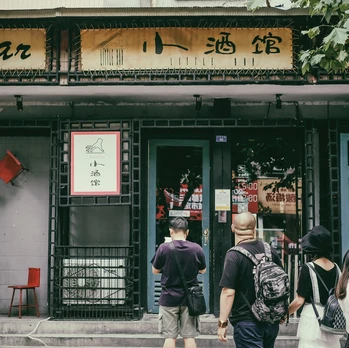
Zhao Lei's hit song "Chengdu" mentions Yulin Road and The Little Bar, but that song barely scratches the surface. Yulin isn't a single attraction—it's an entire neighborhood. And its most famous landmark, The Little Bar at No. 55 West Yulin Road, is far more than a photo opportunity.
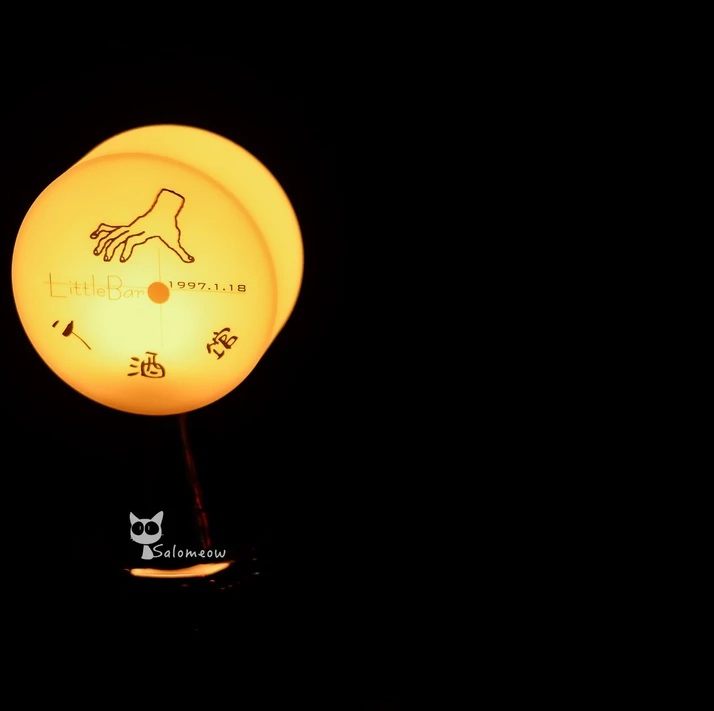
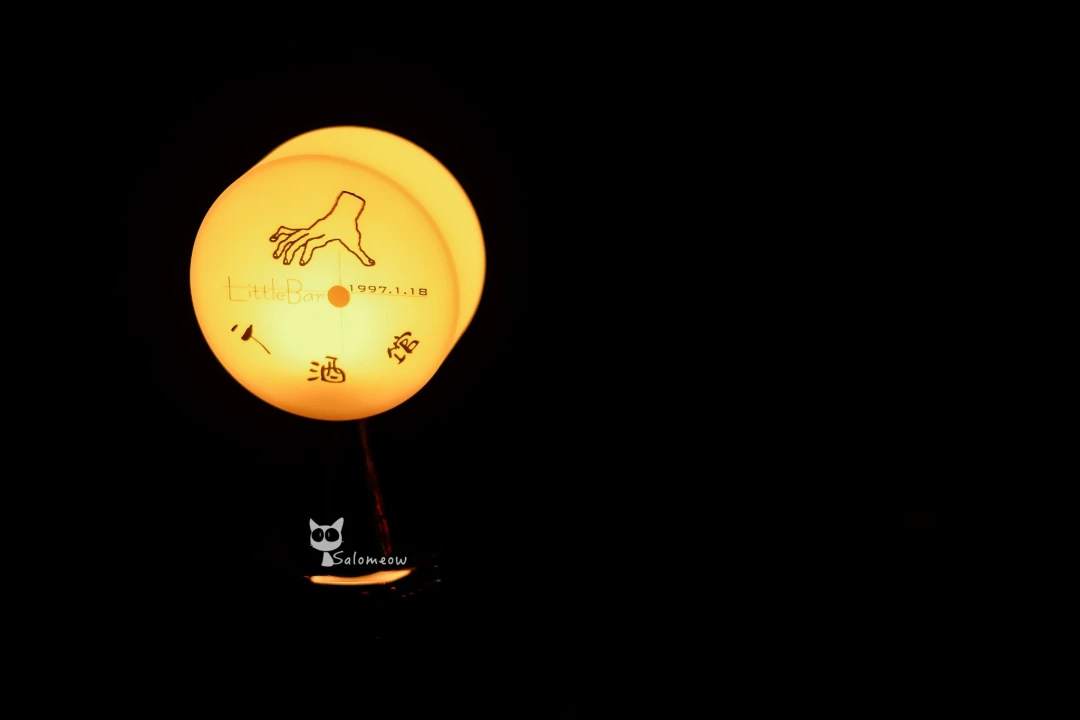
Its hand-painted logo—with exaggeratedly bent bones—has hung on the wall for 21 years. Today, crowds thick enough to crush the street gather outside. Most snap a photo and move on; a few push through the entrance for a selfie at the bar. But here's the truth: The Little Bar was never a tourist attraction.
It's a time machine.
The Artists' Living Room That Became a Music Cradle
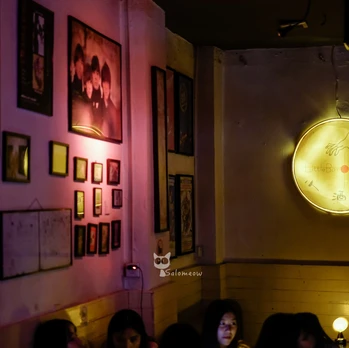
Every day at 3 PM, when the doors open, the dim yellow lighting, peeling posters, faded photographs, and hand-drawn graffiti transport you back to China's most captivating golden age.
In 1997, Tang Lei took over a 70-square-meter old house at No. 55 West Yulin Road that was up for sale. This unassuming space became a gathering place for giants of Chinese contemporary art: Zhang Xiaogang, Zhou Chunya, He Duoling, Ye Yongqing. They painted during the day and drank at The Little Bar at night.
Later, The Little Bar evolved from an artist's living room into a cradle for original music. That tiny stage became the starting point for countless rock-and-roll dreams.
Long-haired young people with nowhere to perform—who couldn't afford alcohol and drank plain water instead—left the seeds of original music here, soaked in sweat and passion. The Little Bar became synonymous with "underground Chengdu," and Tang Lei became the city's "rock-and-roll nanny."
This stage witnessed: - The first performances of Sound Toys and Asura - Qiu Ye snapping his bass strings in a frenzy - Zhou Yunpeng when he was still dating Lü Yao - Zhang Chu, who always ordered a drink whenever he came to Chengdu - Zhao Lei, who walked all the way from Lhasa—back then he worked as a bartender, writing "The Train to Beijing" and "Biting Spring" before he wrote the song that made him famous: "Chengdu"
Low Wormwood, Mosaic, Escape Plan, Rechaobo, Secret Action—almost every band you can name has crossed paths with The Little Bar.
As Ye Yongqing wrote: "Under Chengdu's gray sky, only the lights of The Little Bar have always stayed on."
So next time you visit, don't just take photos. Really look: its name was chosen by Shen Xiaotong, its logo drawn by Qiu Anxiong, its exterior designed by Liu Jiakun. Every detail carries the flavor of that golden age.
[Link: Best live music venues in Chengdu]
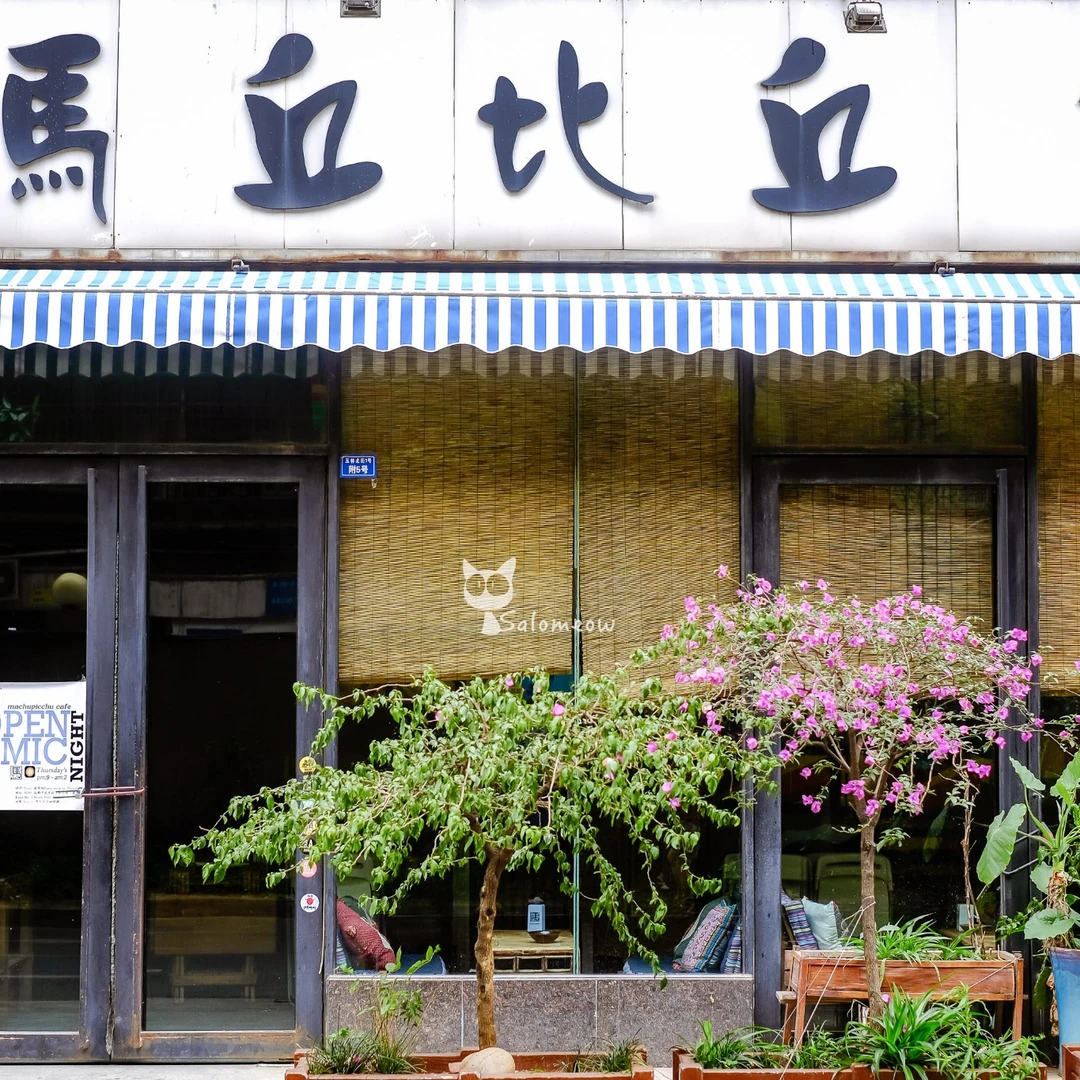
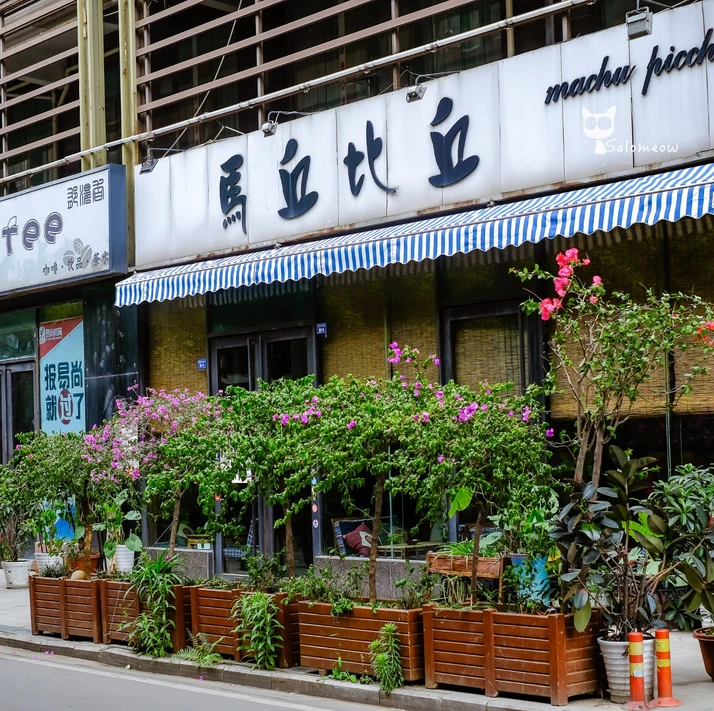
Machu Picchu: A Folk Music Sanctuary Hidden in a Residential Building
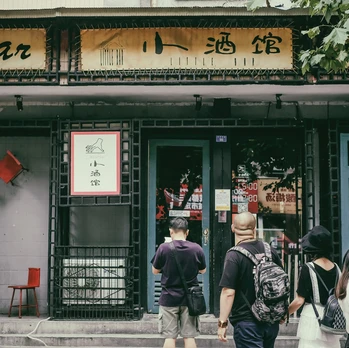
While The Little Bar has become a tourist check-in spot, my personal favorite is Machu Picchu, tucked away on North Yulin Street.
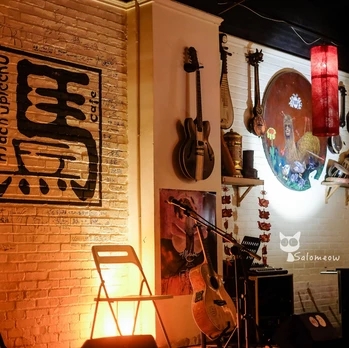
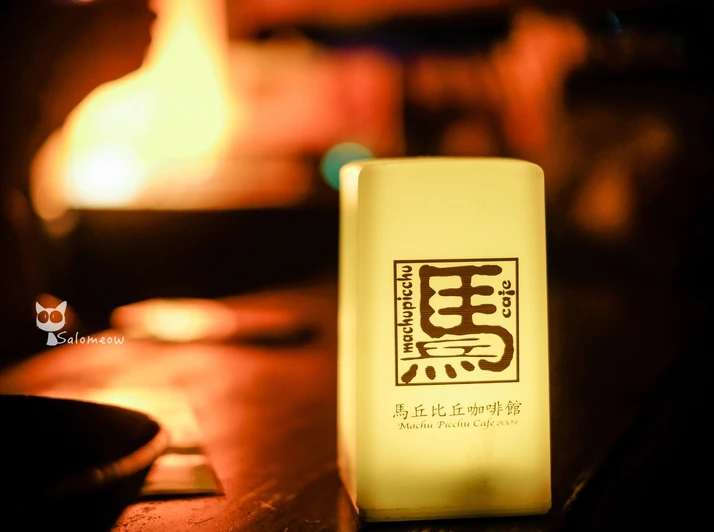
This intimate venue occupies the ground floor of a residential building. Owner Zhou Fei, a Chengdu native, created a space "without a style"—the decor isn't flashy or even cohesive. The sofas and tables were built by him and his friends; the paintings on the walls were done by foreign friends. The menu offers both alcohol and milk—you can listen to music sober, or sing along when you're drunk.
What Makes Machu Picchu Special
Zhao Lei sang "Chengdu" here. Zhao Muyang sang "Yellow River Ballad" here. Shu Zi sang "Old Years" here.
But what makes Machu Picchu most enchanting is Thursday night's Open Mic Night. Musicians from around the world bring their prepared acts—singing, playing instruments, telling stories, dancing—and showcase their talents on stage.
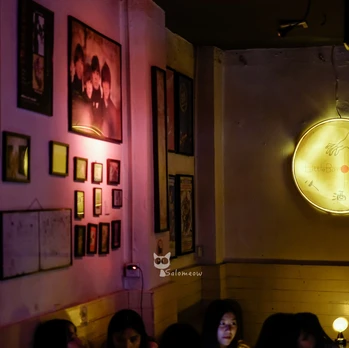
This event was originally inspired by Earth Hour's lights-off campaign. Zhou Fei turned it into the most anticipated moment at Machu Picchu.
While most bars bombard the city with deafening music and flashing lights, the performers at Machu Picchu gently lure you to stop with melodies from their fingertips. There are no dice games, no pressure to drink. The singer plays quietly on stage, and you rest your chin in your hands and listen—everything feels just right.
[Link: Underground music scene in Chengdu]
Yulin Comprehensive Market: The Engine of Everyday Life
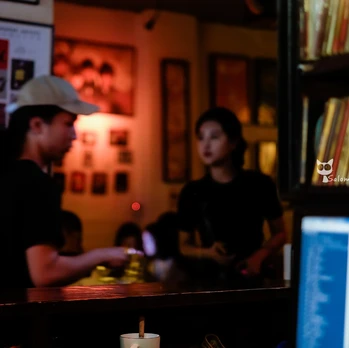
Someone once said: "If a person is at their wit's end and thinking of ending it all, just send them to a wet market." Truer words were never spoken.
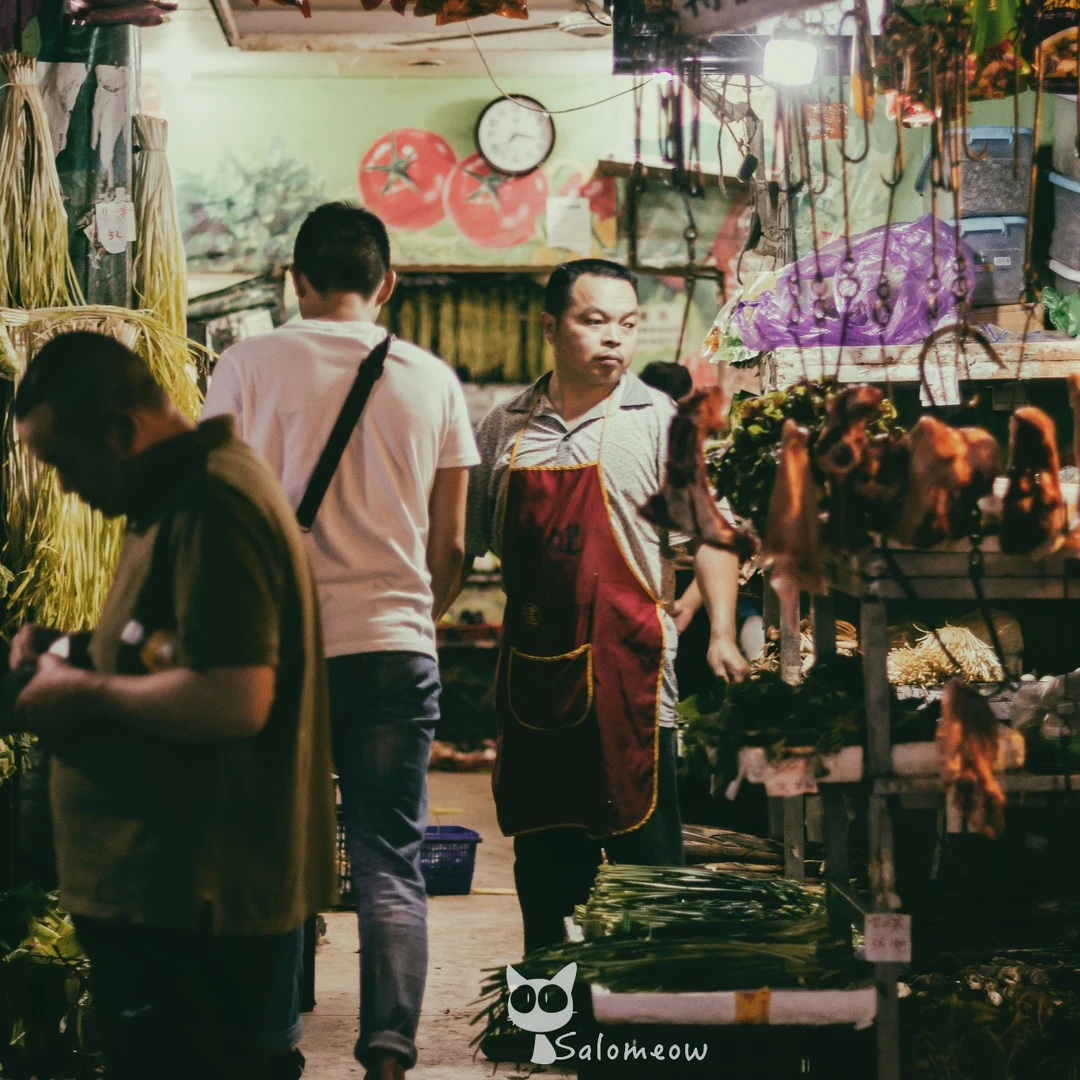
Yulin Comprehensive Market is a building that isn't particularly large. Inside, you'll find colorful, fresh fruits and vegetables; outside, fragrant cooked food stalls and flower shops. This is the engine of the entire Yulin neighborhood. Every morning, the vendors' crisp greetings rise and fall in waves.
"Still two of the usual buns?"—no forced haggling, just the natural ease of old friends.
The Warmth of Old Yulin
Nobody here follows trends. One day, the line is at the bun shop; the next, it might be at the braised meat stall. If you like something, come early to buy it, and chat with your neighbors about the latest gossip while you wait.
Compared to the trendy internet-famous shops just one street away, the comprehensive market is where the warmth of old Yulin truly lives.
- That vegetable vendor knows your name because you've bought from him a few times, and he always peels the winter melon for you.
- That married couple selling cooked food will pick up a freshly marinated crucian carp and casually tell you the best way to eat it.
- When you buy pork ribs and tomatoes, the boss tosses in a few scallions for free.
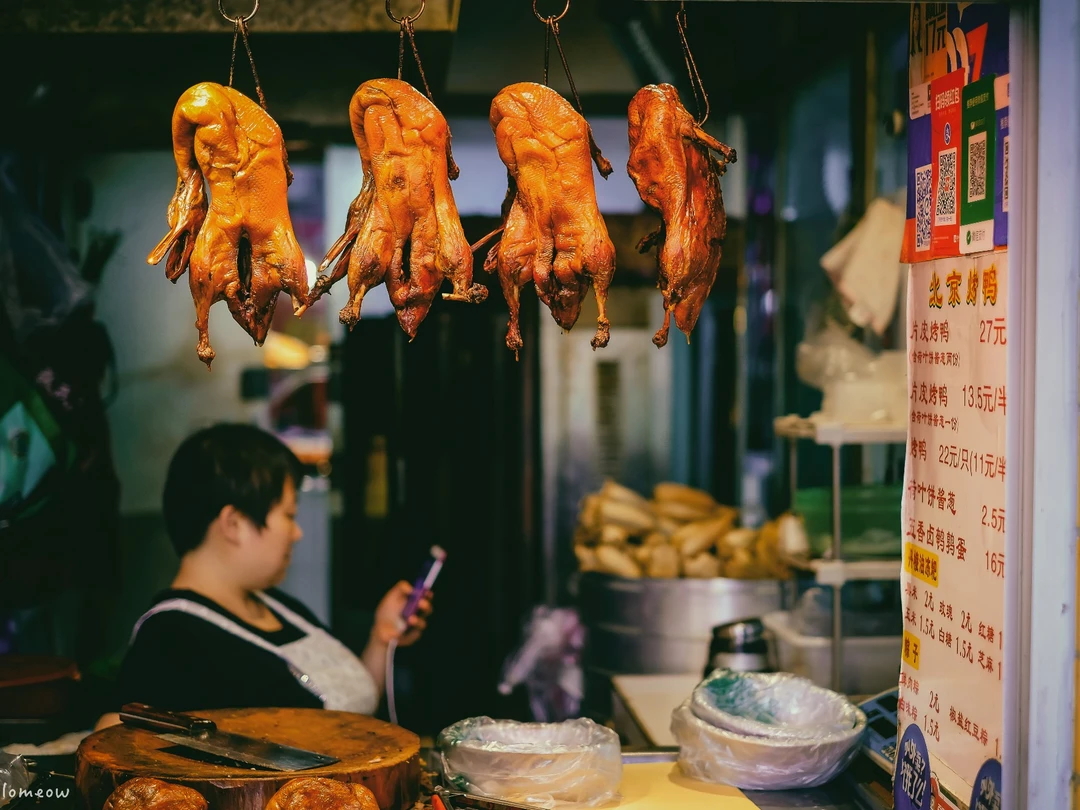
- The freshly baked sweet-skin duck comes with the guarantee of a Leshan accent from the owner.
- The gurgling pot of braised meat at the tripe shop fires up again, its aroma crossing walls and streets.
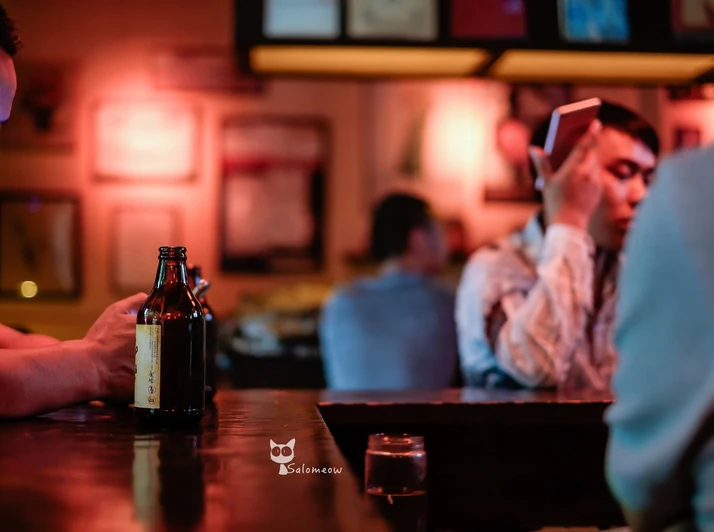
During the day, the square in front of the comprehensive market gathers the neighborhood's oldest residents. They play cards, chess, chat, and brag about their grandchildren. They disperse at noon and evening, then gather again.
Relationships here are simple. The grandmothers can tell at a glance whether you're an old resident. If you're new, they'll subtly point out which stall has fresher vegetables and which has better meat—this is the casual kindness that Yulin people habitually offer.
Besides museums, wet markets are my favorite places to visit. Sure, there's occasional chaos, splashing water, and mud everywhere. But what they provide is life's most basic necessities. That genuine hustle and warmth lets you see what real life looks like.
[Link: Best wet markets in Chengdu]
Chen Ji Egg Pancake: A Taste of Childhood Preserved
Compared to the various egg pancakes now sold on every street corner claiming to be "old Chengdu flavor," Chen Ji is a shared memory for most Chengdu natives born in the 80s. After tasting it, every other egg pancake becomes a compromise.
Run by an elderly couple—affectionately known as Chen Ji Grandpa and Grandma—this humble stall has been serving authentic egg pancakes for decades. The recipe hasn't changed, the technique hasn't changed, and the taste transports you straight back to childhood.
The secret? Fresh ingredients, a well-seasoned iron griddle, and that intangible quality that only comes from decades of practice. The batter is poured, spread thin, topped with egg, folded with precision—each pancake is a small work of art.
[Link: Best street food in Chengdu]
FAQ: Visiting Yulin, Chengdu
1. What is the best time to visit Yulin?
Yulin is lively all day, but the best experience is late afternoon to evening. Visit the market in the morning for fresh produce, explore the streets in the afternoon, and end at The Little Bar or Machu Picchu for live music as night falls.
2. How do I get to Yulin from central Chengdu?
Yulin is located in the Wuhou District, about 20 minutes by taxi from Taikoo Li or Chunxi Road. You can also take Metro Line 1 or 8 to Nijiaqiao Station and walk 10 minutes. Buses 77, 79, and 114 also serve the area.
3. Is The Little Bar still worth visiting if I'm not into rock music?
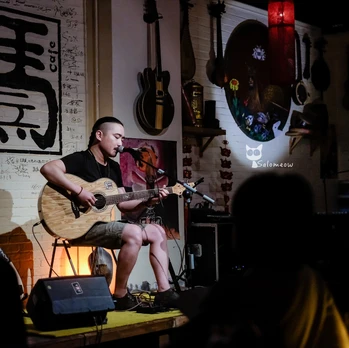
Absolutely. The Little Bar's historic significance and atmosphere make it worth a visit even if you're not a rock fan. The hand-painted decor, vintage photographs, and dim lighting create a unique ambiance. Plus, you might catch a live performance that changes your mind.
4. What should I eat in Yulin besides egg pancakes?
Yulin is a food lover's paradise. Must-try items include: - Braised meat from the market stalls - Sweet-skin duck (Leshan style) - Fresh fruit from the comprehensive market - Street-side skewers and cold noodles - Baozi (steamed buns) from the morning stalls
5. Is Yulin safe for solo travelers, especially at night?
Yes. Yulin is a safe, residential neighborhood with a strong community feel. The streets are well-lit, and there are always people around until late. As with any city, exercise normal caution, but Yulin is generally very welcoming to visitors.
Conclusion: Experience the Real Chengdu in Yulin
Yulin isn't a destination you check off a list—it's a place you live in, breathe in, and connect with. It's where artists painted by day and drank by night. Where musicians found their voice on a tiny stage. Where grandmothers know your name and vendors peel your vegetables for free.
This is the Chengdu that guidebooks can't capture—the softest belly of a city that's growing too fast, but still holds its heart in one place.
Ready to experience Yulin for yourself?
Plan your visit to The Little Bar, catch an Open Mic Night at Machu Picchu, and spend a morning wandering Yulin Comprehensive Market. Taste the Chen Ji egg pancake that locals swear by. Walk the streets where Zhao Lei found his inspiration.
Your Chengdu story starts here. In Yulin.
Share your Yulin experience in the comments below, or tag us in your photos. We'd love to see the Yulin you discover.
[Link: Chengdu travel guide] [Link: Best neighborhoods in Chengdu] [Link: Chengdu food tour recommendations]
About the author: A former Chongqing transplant who spent nine years falling in love with Chengdu. Now sharing the city's hidden gems, one neighborhood at a time.
You should also read:
Beijing Travel Guide: A Personal Journey Through Smog, History, and Hidden Stories
Meta Description: Discover Beijing beyond the tourist traps. This personal travel story explores hutong culture, historical sites, and local secrets—from Jingshan Park to Yuanmingyuan. Perfect for travelers seeking authentic experiences. Beijing. The name alone conjures images of smog-shrouded skylines, the majestic Forbidden City, labyrinthine hutong…
Continue reading...
Beiping: A City Where the Aroma of Street Food Meets the Poetry of the Distant Horizon
Here is the SEO-optimized, rewritten article based on your source material. It is structured for search engine visibility while maintaining the poetic, travelogue style of the original. SEO Title: Beiping Travel Guide: Street Food Aroma, Hutong Culture & The Poetry of Beijing’s Horizon Meta Description:…
Continue reading...
Beijing Through the Lens: One Person's Winter Wanderings – An SEO-Optimized Travel Guide
Meta Description: Discover Beijing's winter charm through a photographer's lens. From Nanluoguxiang's night scenes to Sanlitun's neon glow, explore the city's hidden corners and iconic landmarks in this SEO-friendly travel guide. January in Beijing is so cold you can hear your own breath. But for…
Continue reading...