Yulin Fort: Beijing's 700-Year-Old Post Station Swallowed by Greenery – A Complete Travel Guide
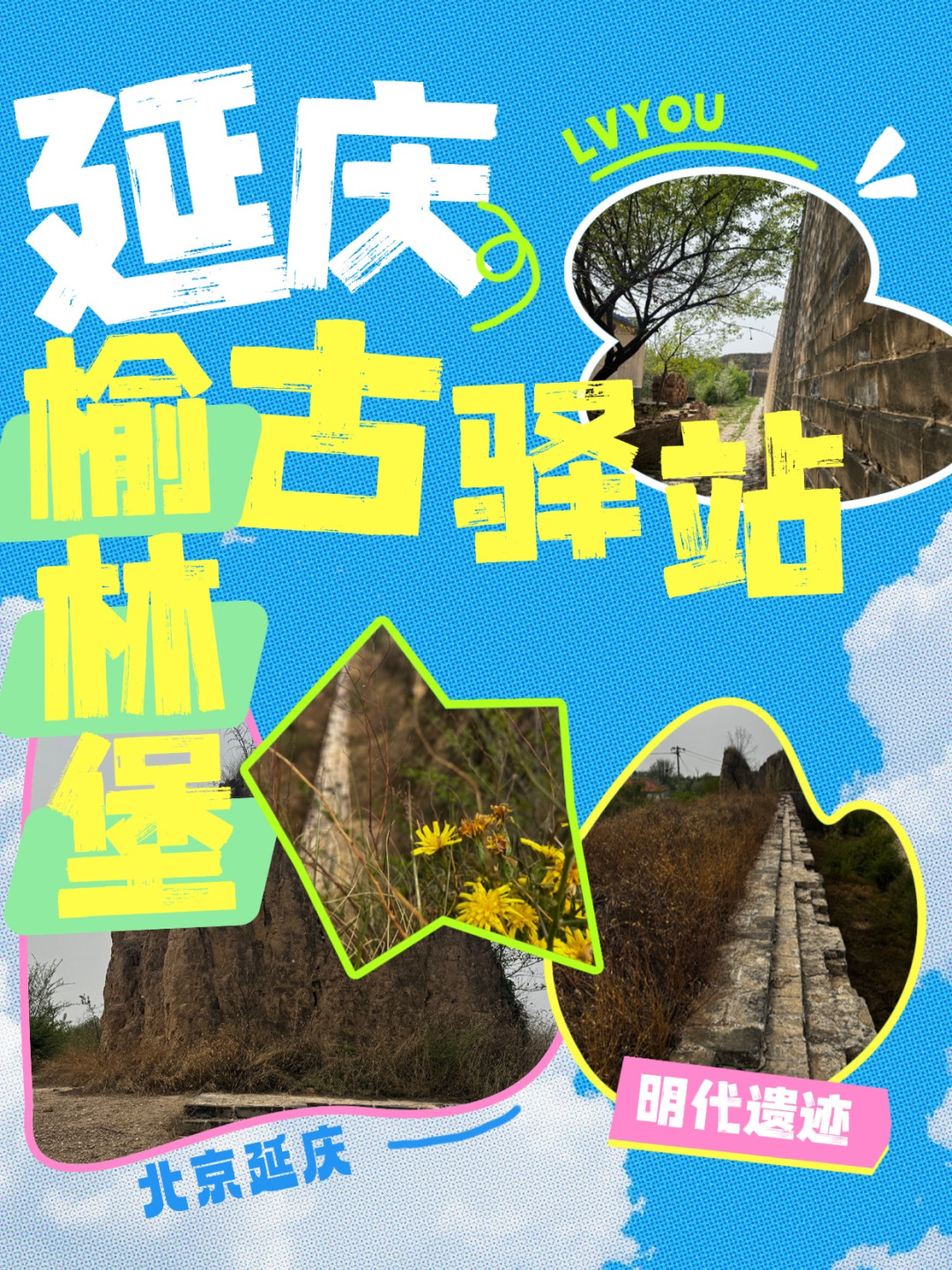
Meta Description: Discover Yulin Fort, Beijing's largest ancient post station from the Yuan Dynasty. Explore 700-year-old rammed-earth walls, T-shaped fortress layout, and where Cixi once fled. A hidden gem swallowed by greenery.
Introduction: Where History Whispers Through the Grass
Have you ever stood where Kublai Khan's cavalry once thundered past? Or walked the same path where Empress Dowager Cixi fled in panic during the Boxer Rebellion?
Yulin Fort, located in Yanqing District, Beijing, is not your typical tourist attraction. It's a 700-year-old ancient post station that has been slowly reclaimed by nature—a city swallowed by greenery. Here, crumbling rammed-earth walls stand silent among wild grass, and ancient bricks serve as doorsteps in villagers' yards. This is the largest and oldest surviving ancient post station in the Beijing region, holding within its ruins the pulse of three dynasties.
If you're tired of polished attractions and crave raw, authentic history, Yulin Fort is calling your name.
The 700-Year History of Yulin Fort: From Yuan Dynasty Lifeline to Qing Dynasty Refuge
Yuan Dynasty Origins: Kublai Khan's Imperial Post Road (1262)
In 1262, the Yuan Dynasty was barely established when Kublai Khan ordered construction of a post station along the vital route connecting Dadu (present-day Beijing) to Shangdu (the summer capital in Inner Mongolia). Yulin Fort was born.
This was no ordinary road—it was the emperor's commuter route. Every late spring, Kublai Khan led his court north to escape Beijing's heat. Couriers traveled day and night, carrying military intelligence, government decrees, and tribute goods. Yulin Fort served as a crucial resting point for men and horses along this national artery.
Keyword insight: Yuan Dynasty post station Beijing – Yulin Fort's origins are deeply tied to the Yuan Dynasty's dual-capital system, making it a unique historical site in northern China.
Ming Dynasty Transformation: From Post Station to Military Fortress (1449)
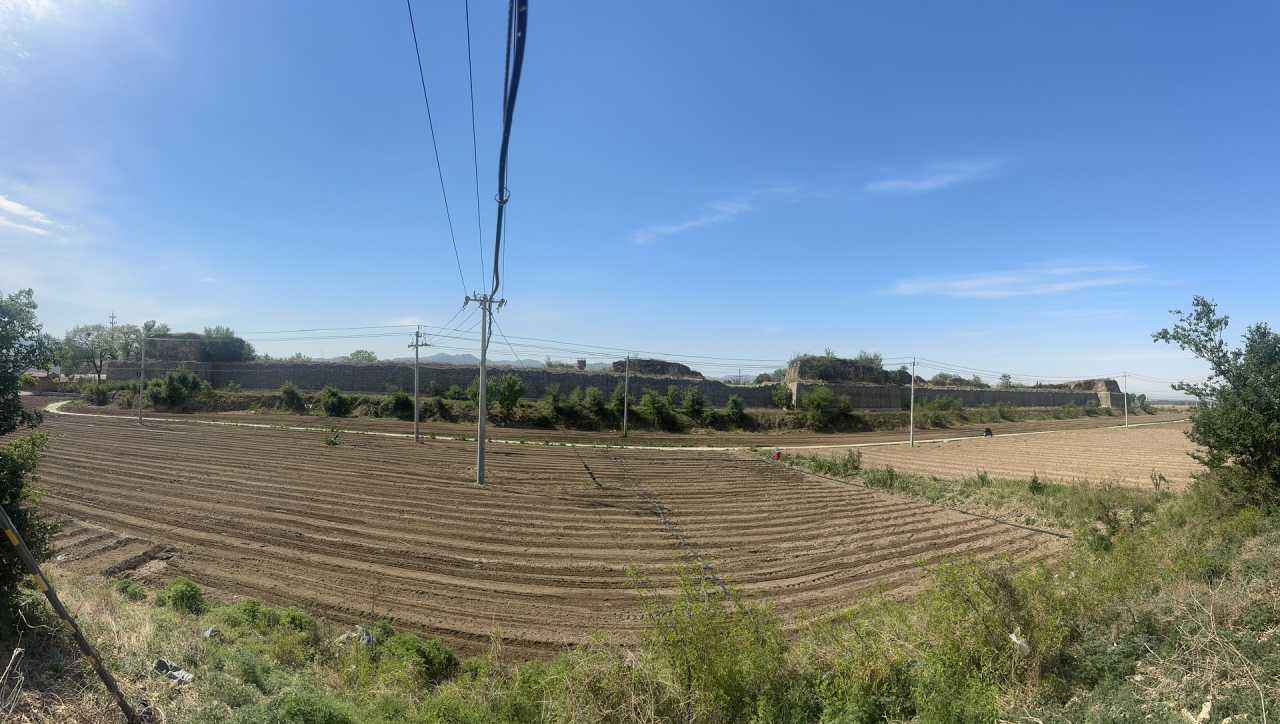
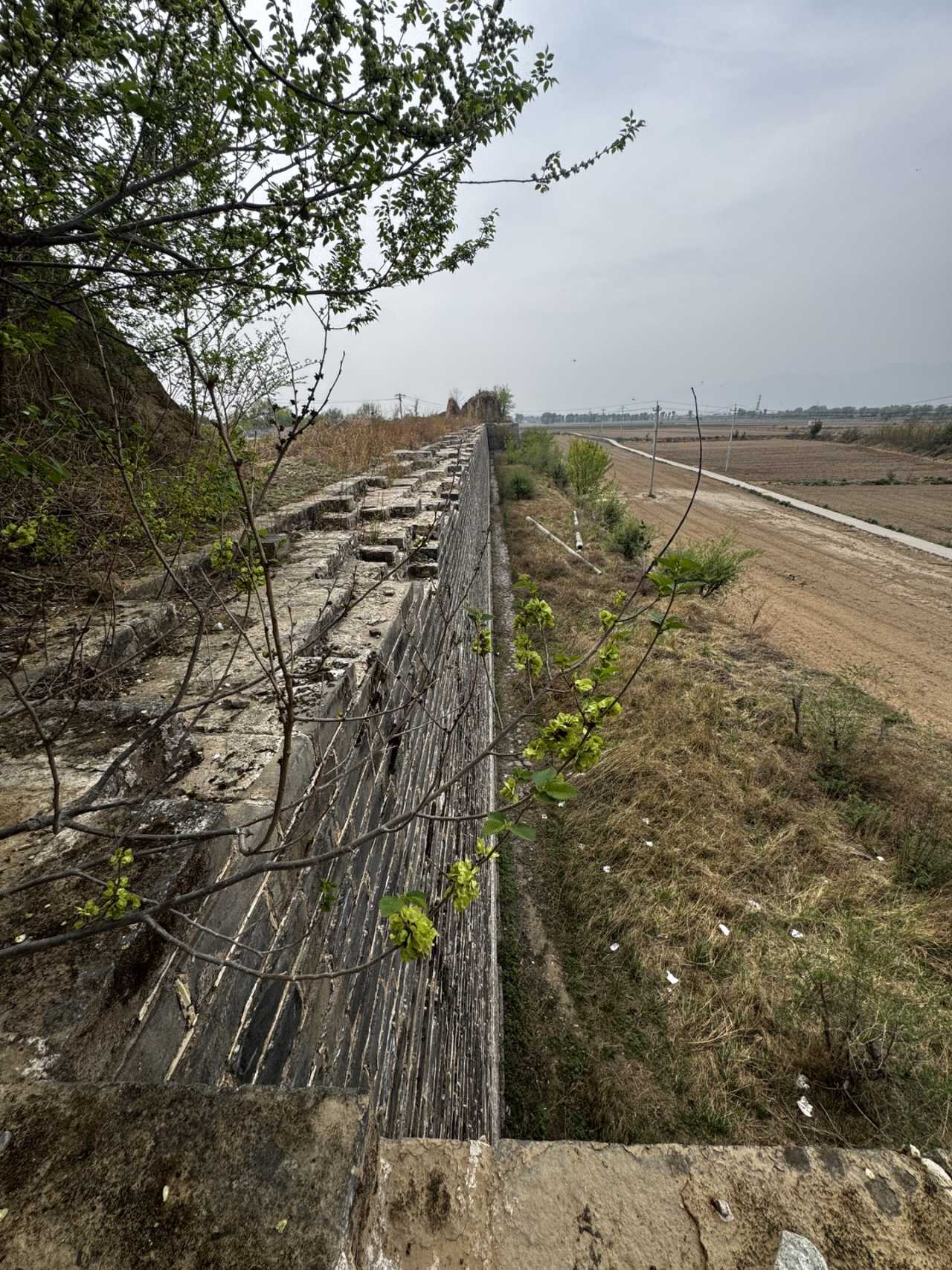
By 1449, under Emperor Yingzong of the Ming Dynasty, Mongol threats intensified. Yulin Fort was upgraded from a simple post station to a military fortress. Original earth walls were clad in brick and stone, thickened and heightened. Watchtowers rose at four corners, and cannons were mounted on battlements.
At its peak, several hundred soldiers garrisoned here with 120 horses. By day they drilled; by night they slept with weapons at hand. Yulin Fort became the "First Post Station North of Beijing"—a hub of information and a bastion of defense.
Long-tail keyword: Ming Dynasty border fortress Beijing – This transformation reflects the shifting priorities of Chinese dynasties, from communication to military defense.
Qing Dynasty and the "Western Hunt" (1900)
After Qing unification, northern threats receded. Yulin Fort converted to a civil post, hosting officials and delivering documents. But its most dramatic moment came in 1900.
When the Eight-Nation Alliance captured Beijing, Empress Dowager Cixi and Emperor Guangxu fled in what history records as the "Western Hunt." Their escape route passed through Yulin Fort. Local accounts say villagers lined the road and knelt in greeting. That once-haughty empress dowager, now a frightened bird, paused here to rest, gazing at a blood-red sunset.
From Kublai Khan to Cixi, Yulin Fort witnessed the rise and fall of three dynasties without missing a single major act of history.
The T-Shaped Ancient City: A Living Fossil of Official-Civil Separation
What makes Yulin Fort truly unique is its architectural layout—the entire fort is shaped like the letter "T" (凸), an extremely rare design among ancient fortresses.
North City: The Brick Fortress of Power
The North City was the core area, built entirely of brick and stone. It had two gates (east and south) and housed administrative offices, soldiers' barracks, and horse paddocks. Officials processed documents here; soldiers tended horses and drilled. Everything was orderly and disciplined.
After recent restoration, some watchtowers and wall sections have regained their original appearance. Walking beneath them, you can feel that stern sense of order—this was the center of power.
Long-tail keyword: Yulin Fort T-shaped layout – This design is a rare example of ancient Chinese urban planning.
South City: The Earth-Walled World of Everyday Life
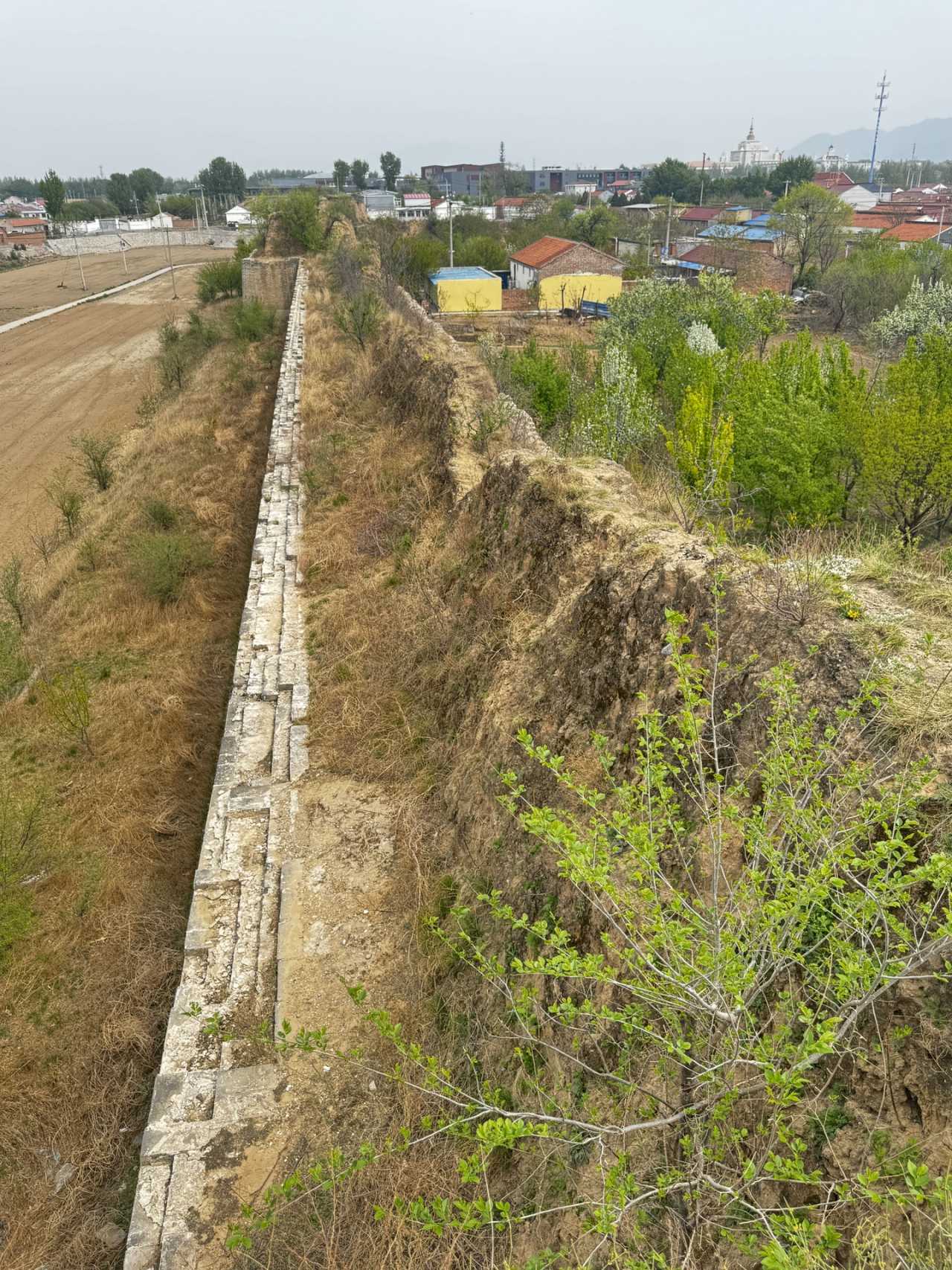
The South City was a different world. Built of rammed earth, it had two gates (east and west). Inside were residential homes, shops, and a marketplace called "Yongqing Market." Merchants crowded in, voices rising in lively trade. Common people bought grain, cloth, and livestock.
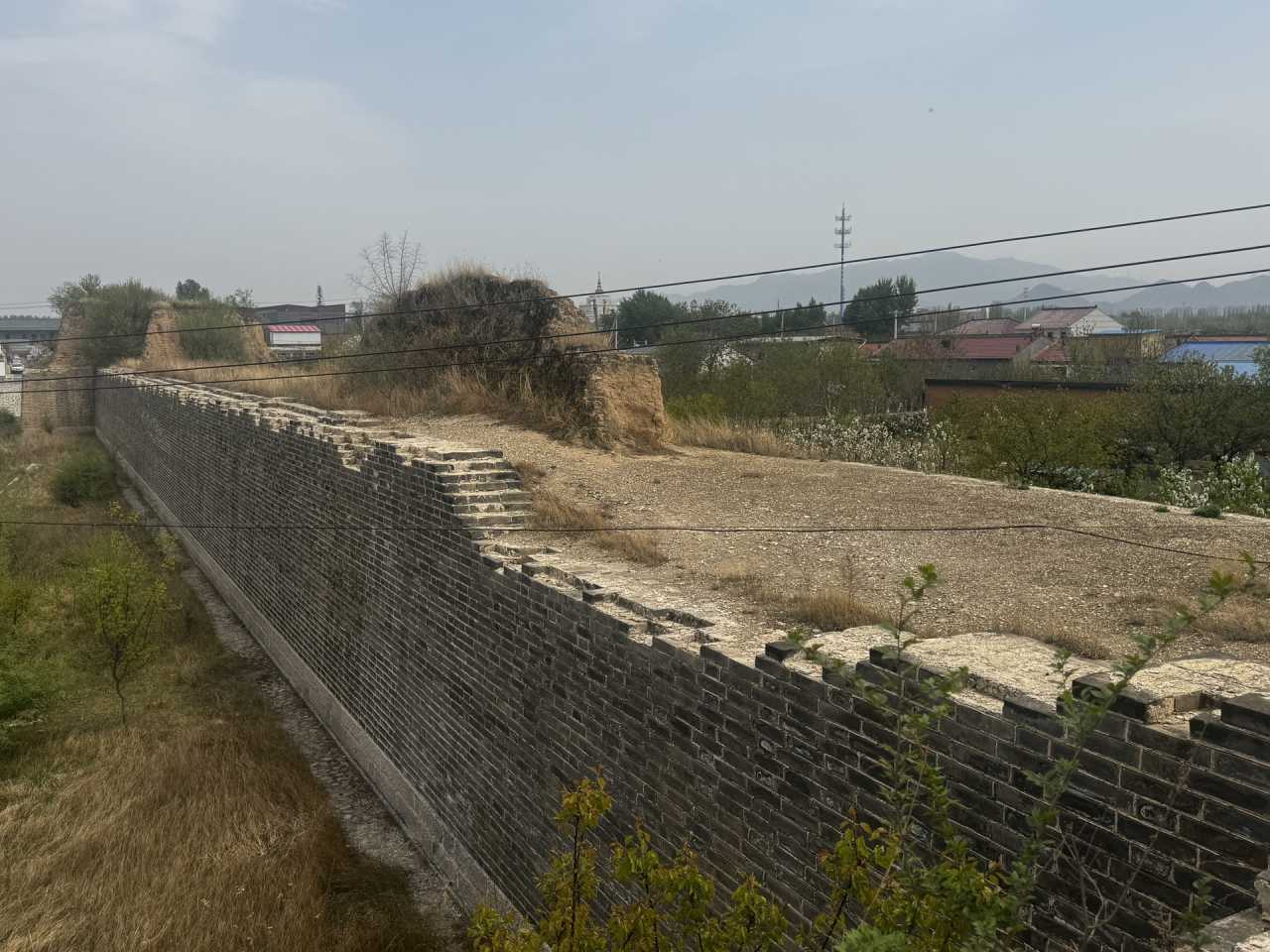
Today, only remnants of the earth walls remain, stretching about 800 meters like a sleeping dragon sprawled across fields. But these walls carry the most authentic traces of human life.
Official-Civil Separation: One Fortress, Two Worlds
The T-shaped layout was actually a design for "official-civil separation." The North City was official; the South City was civilian. The North was serious; the South was vibrant.
This layout reflects ancient governance logic: power and daily life, interdependent yet deliberately separated. Walking from South City's earth walls to North City's brick walls feels like crossing between two worlds.
Yulin Fort Today: A Living Ancient Village
If you're expecting a polished tourist attraction, Yulin Fort might disappoint you. But if you love places that haven't been overdeveloped and still wear their raw, weathered beauty, this is a place you'll never want to leave.
Crumbling Walls and Old Bricks: The Marks of Time
Entering the village, surviving sections of rammed-earth walls are naturally integrated into village life. Vegetables grow at the base; grass sprouts along the top. Children play in the shadows; old folks sit in the cool shade beneath them.
Ancient bricks, stone grain grinders, and hitching posts are scattered everywhere in villagers' yards. Some are used as doorsteps, some built into new walls, some simply serve as stools. They are no longer artifacts—they are part of daily life.
Internal link suggestion: [Link: Best ancient villages near Beijing for history lovers]
The Courtyard Where Cixi Stayed
The village still preserves the site of the courtyard where Empress Dowager Cixi once lodged. Though only ruins remain, local villagers can point out where she rested and where her guards stood watch. It's a humble site for such a dramatic moment in Chinese history.
Greenery Reclaiming History
Perhaps most striking is how nature has swallowed this ancient fort. Trees grow from wall tops. Vines crawl over brickwork. Wild grass carpets every open space. Yulin Fort is not just a historical site—it's a testament to time's patient reclamation of human works.
How to Visit Yulin Fort: Practical Travel Guide
Location and Transportation
Yulin Fort is located in Yanqing District, about 80 kilometers northwest of central Beijing.
- By car: Take the G6 Beijing-Tibet Expressway, exit at Yanqing, and follow signs to Yulin Fort village. Approximately 1.5 hours from central Beijing.
- By public transport: Take Bus 919 from Deshengmen to Yanqing, then transfer to a local bus or taxi to Yulin Fort village.
Best Time to Visit
- Spring (April-May): Wildflowers bloom among the ruins. Mild temperatures.
- Autumn (September-October): Clear skies and golden grass. Best photography conditions.
- Avoid summer weekends: Peak crowds at nearby Badaling Great Wall can cause traffic.
What to Bring
- Comfortable walking shoes (terrain is uneven)
- Water and snacks (limited facilities on site)
- Camera (the contrast of ruins and greenery is stunning)
- Sun protection (limited shade)
Nearby Attractions
- Badaling Great Wall – 15 km away
- Yanqing District – Known for winter sports venues
- Longqing Gorge – Scenic reservoir and ice festival location
Internal link suggestion: [Link: Complete guide to Yanqing District attractions]
Frequently Asked Questions About Yulin Fort

1. Is Yulin Fort free to visit?
Yes, Yulin Fort is an open village, not a ticketed tourist attraction. You can walk freely among the ruins. However, some restored sections may have limited access.
2. How long does it take to explore Yulin Fort?
Most visitors spend 1-2 hours exploring the walls, ruins, and village. If you're a history enthusiast or photographer, plan for 2-3 hours.
3. Is Yulin Fort suitable for children?
Yes, but with supervision. The ruins have uneven terrain and some loose bricks. Children will enjoy the open space and climbing sections of the walls (where permitted).
4. What's the best way to photograph Yulin Fort?
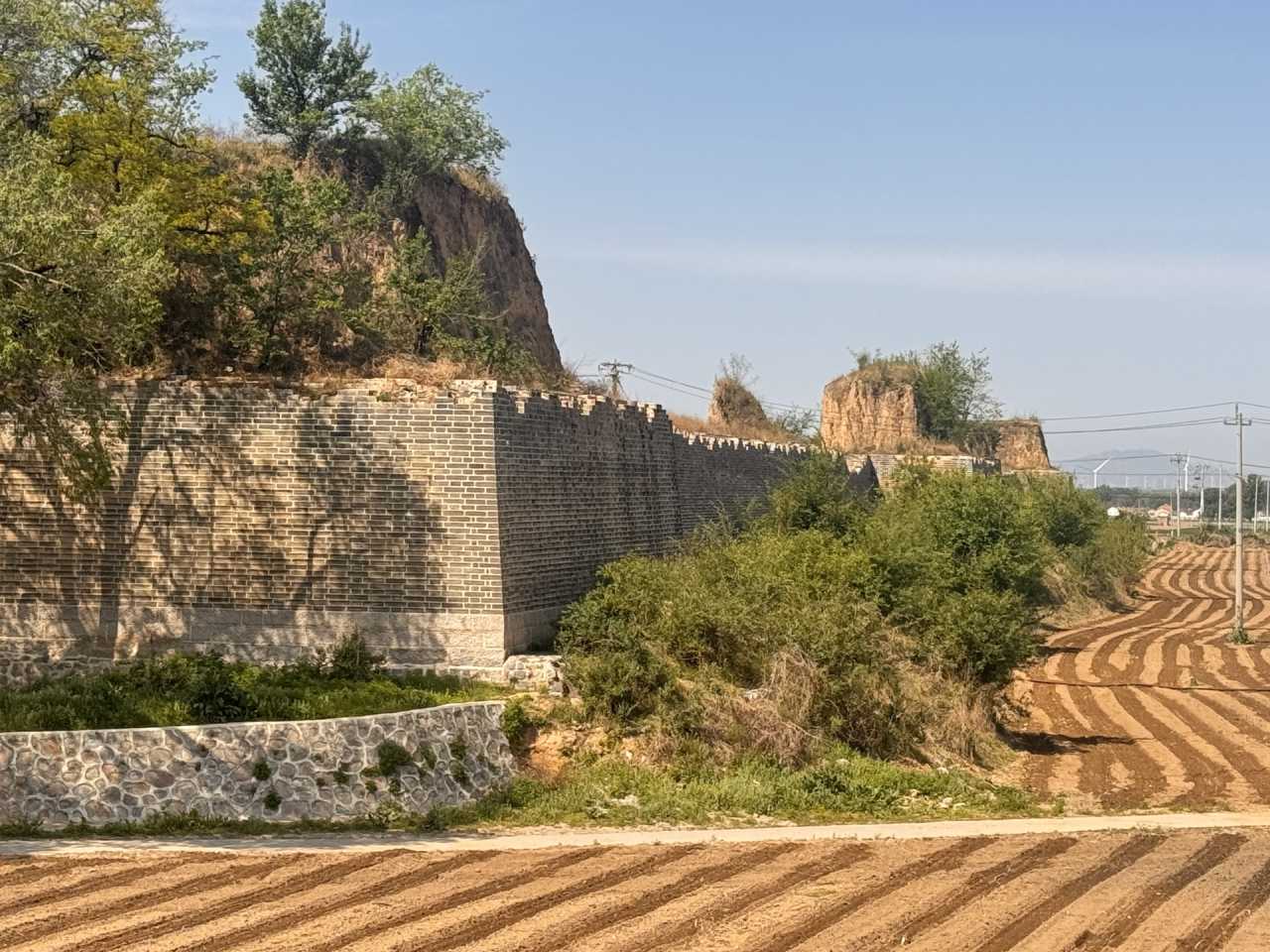
Golden hour (sunrise and sunset) provides the best light for the rammed-earth walls. The contrast of green vegetation against ancient brick creates dramatic compositions. Wide-angle lenses work well for the T-shaped layout.
5. Can I visit Yulin Fort in winter?
Yes, but dress warmly. Yanqing is one of Beijing's coldest districts. Snow on the ruins creates beautiful, atmospheric photos, but some paths may be icy.
Why Yulin Fort Matters: A Personal Reflection
Yulin Fort is not a polished museum. It's not a theme park. It's a place where history lives in the cracks of ancient walls, in the stories villagers tell, in the grass that grows where soldiers once stood.
When you stand beneath those crumbling walls and hear only wind through wild grass, you understand something profound: empires rise and fall, but the land endures. The clatter of hooves dissolves into silence. The bustle of markets fades to stillness. Yet the walls remain, patient and quiet, waiting for the next traveler to pause and remember.
This is the power of Yulin Fort. It doesn't shout its history—it whispers it.
Your Turn: Visit Yulin Fort Before It Changes
Yulin Fort is a hidden gem, but it won't stay hidden forever. As Beijing expands and tourism grows, this ancient post station may face restoration and development that changes its raw character.
Visit now, while you can still touch the original rammed-earth walls. Walk where Kublai Khan's couriers rode. Stand where Cixi paused in her flight. Listen to the wind through the grass—and hear seven hundred years of history.
Plan your trip today. History is waiting.
Have you visited Yulin Fort? Share your experience in the comments below. For more hidden historical sites near Beijing, subscribe to our newsletter.
You should also read:

[Fish with You, Tong in Step] The Beijing We Conquered Together: A Wedding Travel Photography Gift for a Beloved Brother
Meta Description: Discover how a heartfelt Beijing wedding travel photography trip became the ultimate gift for a beloved brother. Explore Nanluoguxiang, the Forbidden City, the Great Wall, and more in this 4-day adventure filled with family, friendship, and love. There are moments in life that…
Continue reading...
Four Days, Three Nights in Beijing: A Super Practical Self-Guided Travel Guide (Including Food, Stay, and Transport Tips)
Here is the SEO-optimized, rewritten version of your article, structured for maximum search visibility and reader engagement. SEO Title: 4 Days 3 Nights in Beijing: The Ultimate Self-Guided Travel Guide (Food, Stay & Transport) Meta Description (160 chars): Plan the perfect 4-day Beijing itinerary. From…
Continue reading...
Beijing Happy Valley Ultimate Money-Saving Guide: Ride Everything, See Every Show in One Day
Here is the SEO-optimized, rewritten article based on the source material. It is structured for readability, keyword density, and user engagement, targeting approximately 1500 words. SEO Title: Beijing Happy Valley Ultimate Money-Saving Guide: Ride Everything & See Every Show in One Day Meta Description: Maximize…
Continue reading...