Yunnan Border Towns Travel Guide: Discovering Tengchong, Mangshi, and Ruili – A Slow Travelogue
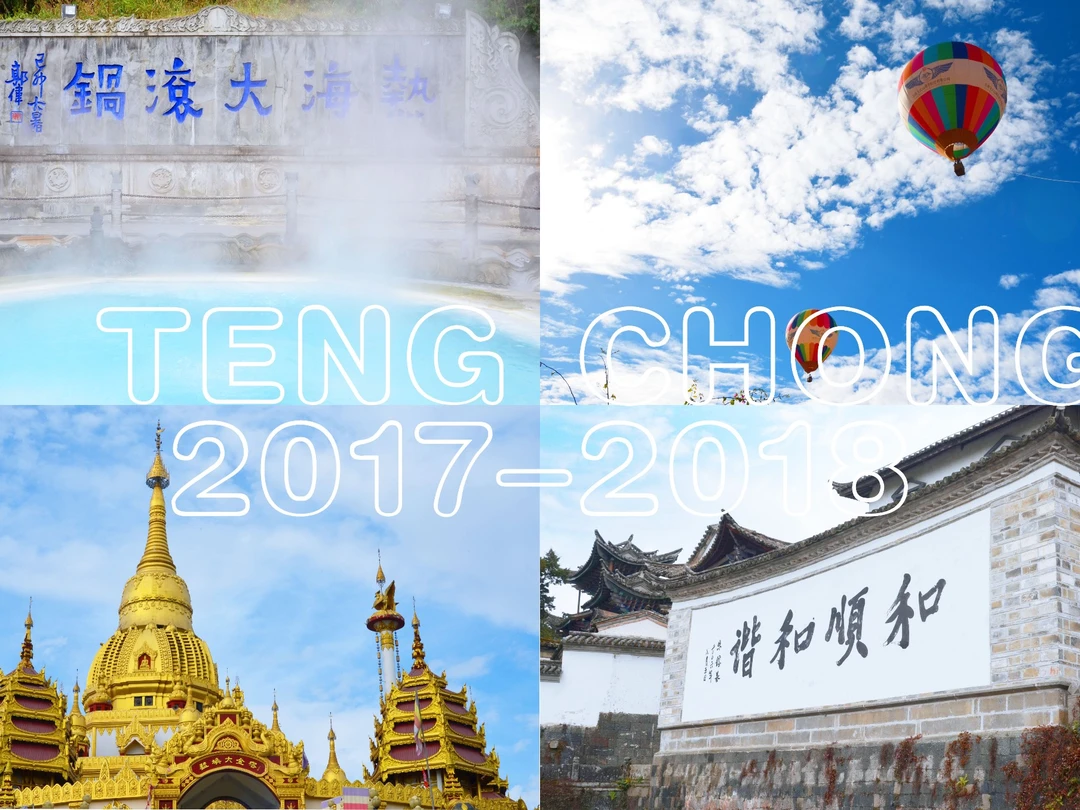
Meta Description: Explore Yunnan's hidden border gems – Tengchong, Mangshi, and Ruili. Discover hot air balloons, volcanic hot springs, golden pagodas, and cross-cultural charm. Your ultimate slow travel itinerary awaits.
When Lijiang and Dali overflow with tourists, the southwestern corner of Yunnan still harbors three understated towns that will capture your heart: Tengchong, Mangshi, and Ruili. These border cities, nestled along the China-Myanmar frontier, feel like corners forgotten by time—quiet, authentic, and waiting for travelers who truly appreciate them.
If not for a newly opened direct flight from Zhuhai to Tengchong and bargain tickets, I might never have set foot on this magical land in late 2017. That impulsive New Year's Eve trip became one of the most unique ways I've ever bid farewell to the old year and welcomed the new.
Why Visit Yunnan's Border Towns Instead of Lijiang or Dali?
While Lijiang and Dali have become crowded tourist hubs, Yunnan's border towns offer an entirely different experience. Tengchong, Mangshi, and Ruili remain relatively untouched, blending Chinese, Burmese, and Southeast Asian influences. You'll find fewer crowds, lower prices, and a raw authenticity that's increasingly rare in China's more famous destinations.
Tengchong: China's First City on the Extreme Border

Tengchong carries a formidable title: "China's First City on the Extreme Border." Step east, and you're on the Eurasian continent. Step west, and you're on the Indo-Pakistani continent. This geographical quirk creates a strange sensation the moment you arrive.
Weather in Tengchong – What to Expect in January
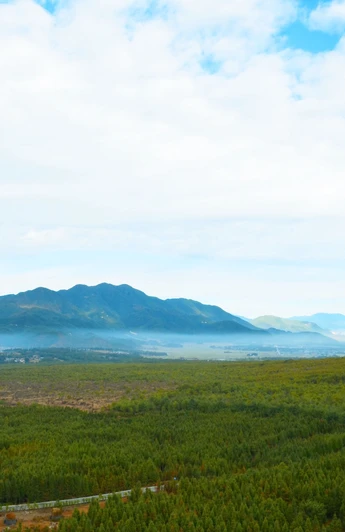
January in Tengchong is like a willful child. At noon, when the sun emerges, you can wear short sleeves without feeling cold. But mornings and evenings demand a down jacket. Early mornings cloak the entire city in mist and clouds, as if draped in a mysterious veil.
Getting Around: Why Hiring a Private Driver is Essential
For these remote border towns with inconvenient public transportation, hiring a private driver is the wisest choice. We hired one for the entire trip—airport pickup, transfers to Mangshi and Ruili, and a full-day tour of Tengchong. This flexibility proved invaluable when unexpected events disrupted our plans.
Day One: An Unexpected Border Adventure
Sunrise Departure from Tengchong
Sunrise in Tengchong comes nearly two hours later than in eastern China—it doesn't get light until after 8:00 AM. We set off in early dawn light, heading for Ruili, a drive of nearly three hours.
The Eastern Golden Gate Bridge: Longjiang Bridge
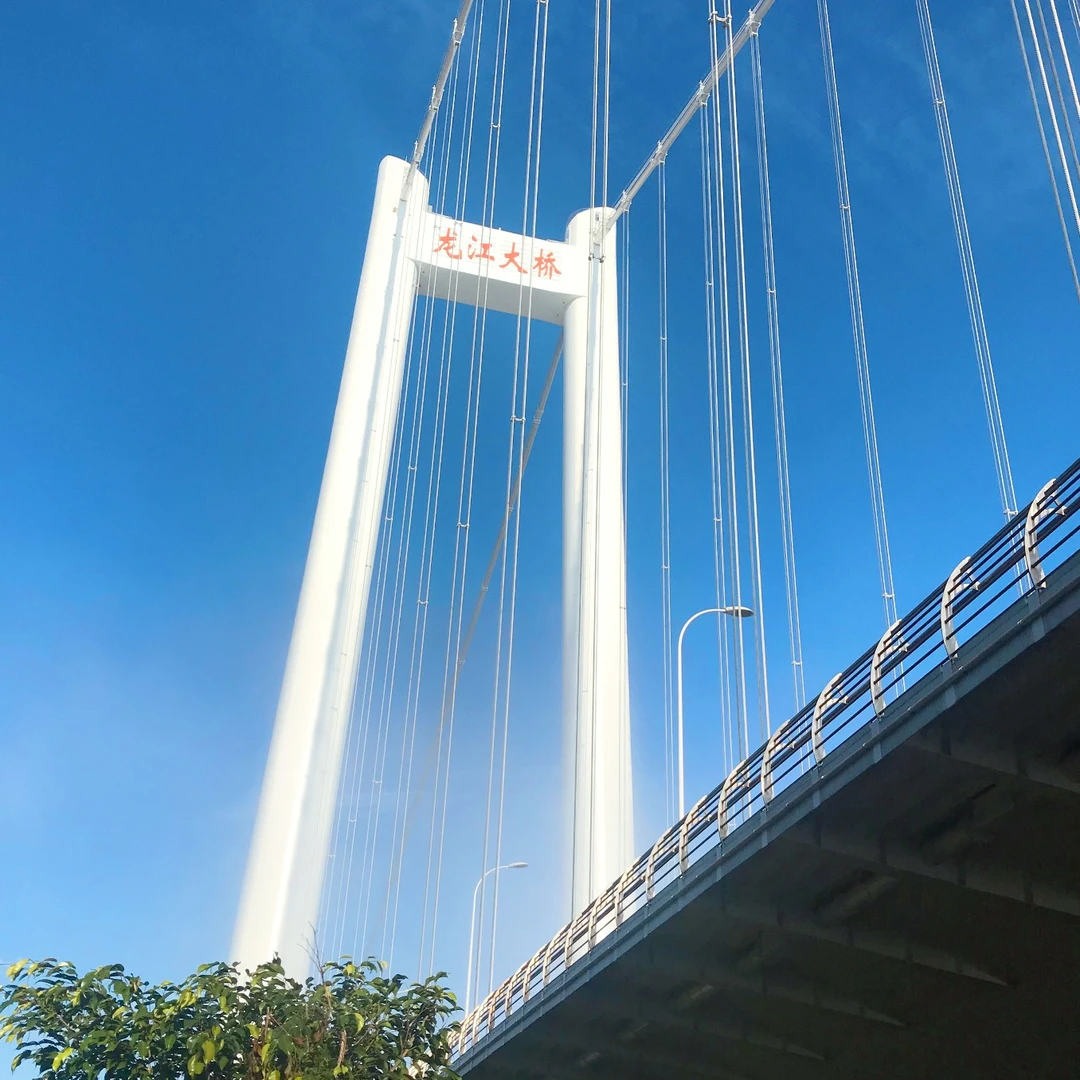
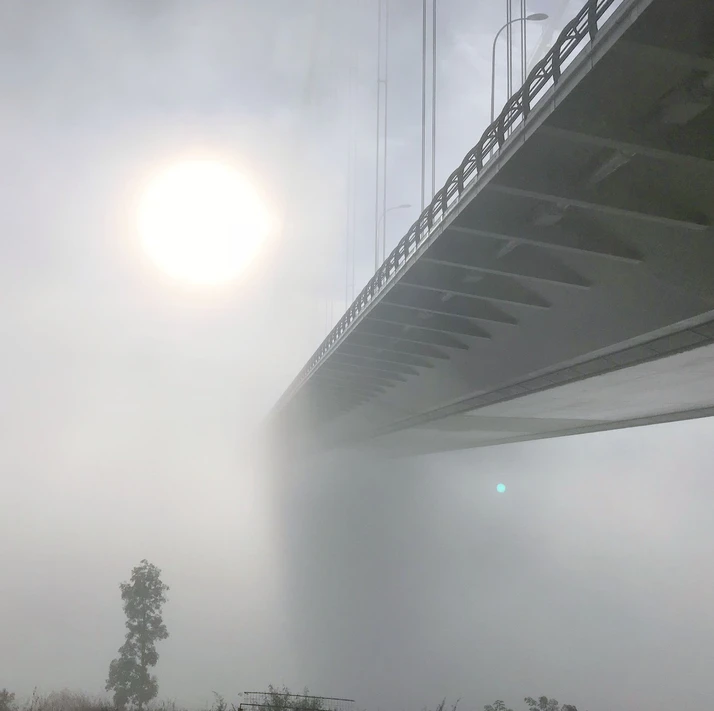
On the way, we passed the Longjiang Bridge, and I couldn't help but take a second look. Spanning the towering mountains of the southwestern border, this single-span, double-tower steel box girder suspension bridge resembles San Francisco's Golden Gate Bridge. Morning fog made the opposite bank invisible, leaving the bridge deck floating in midair—a mysterious, beautiful sight. A designated observation deck at the service area allows travelers to stop and admire this "Eastern Golden Gate Bridge."
Ruili Marathon: A Comedy of Errors
We departed at 9:00 AM and didn't arrive in Ruili until noon. But an unexpected situation completely disrupted our plans: Ruili was hosting an International Friendship Marathon! The racecourse stretched from China into Myanmar, passing through major attractions like "One Village, Two Countries" and Jiegao Port. Roads were closed and wouldn't reopen until 4:00 PM.
Our hearts sank. A once-in-a-lifetime event, and we happened to run right into it. Even the street with popular restaurants was sealed off. Our driver made a quick decision: abandon Ruili and head straight for Mangshi. As the old saying goes—you always have to leave some regrets, so you'll have a reason to return.
Mangshi's Exotic Flair: Menghuan Grand Golden Pagoda
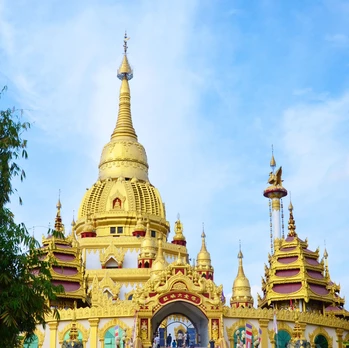
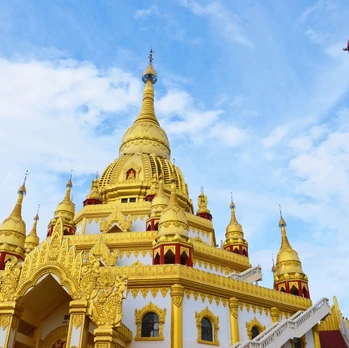
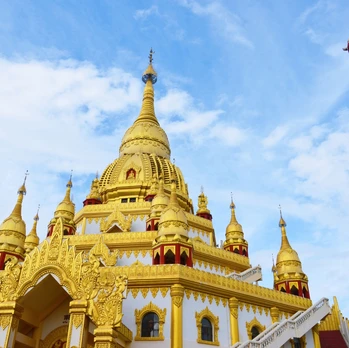
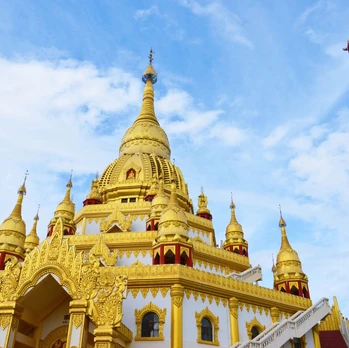
The drive from Ruili to Mangshi took another two hours. By 3:00 PM, we finally saw our first real attraction: the Menghuan Grand Golden Pagoda in Mangshi.
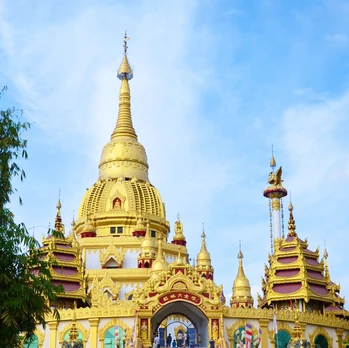
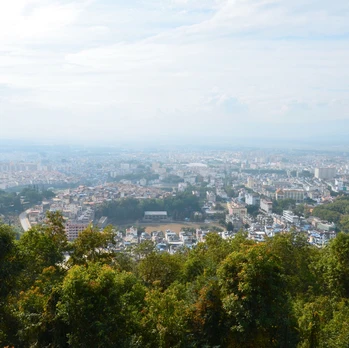
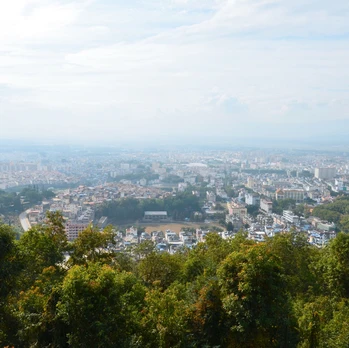
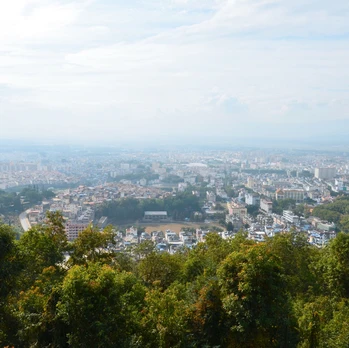
This pagoda exudes a strong Southeast Asian vibe, making you feel as if you've suddenly stepped into a Buddhist kingdom. Climbing to the top offers a panoramic view of Mangshi. For those who have seen Buddhist pagodas in Southeast Asia, the design may not be stunning, but the atmosphere—a blend of the exotic and the primitive—inspires awe.
Many fruit sellers at the pagoda's base are young Burmese girls who speak Mandarin fluently. However, they only accept cash—a surprise for those of us accustomed to mobile payments. After much pleading, they agreed to WeChat Pay. In the distance, a white pagoda was still under construction, visible only from afar.
Don't miss the purple sweet potato cakes sold by an elderly woman by the roadside—unexpectedly delicious.
Mengbana Xi Zhenqi Garden: Peacocks Steal the Show
Our next stop was Mengbana Xi Zhenqi Garden. The most eye-catching structure is a pagoda built in memory of Premier Zhou Enlai. In winter, the kapok trees are bare trunks. The rare tree species, jade, and wood carvings on display didn't impress us amateurs. But the peacocks roaming freely in the garden were definitely the highlight.
Male and female peacocks perched proudly on kapok trees, strolling leisurely everywhere. Just as we were leaving, we were lucky enough to catch a peacock spreading its tail. The dazzling feathers glittered in sunlight—I couldn't help but press the shutter.
As the sun set, we rushed back to Tengchong. That evening, we watched "Dreamlike Tengchong," a performance that quickly immerses you in the city's history and culture. Absolutely not to be missed.
Day Two: The Perfect Combo of Hot Air Balloons and Hot Springs
Tengchong Hot Air Balloon: Soaring Above Volcanoes
When it comes to Tengchong, hot springs and volcanoes are absolute musts. Mention hot air balloons, and many people think of Turkey. Our expectations weren't that high, so when the balloon slowly lifted off the ground, the excitement was indescribable.
Whether the balloon flies depends entirely on weather. After waking up and confirming it was sunny, we booked tickets on Mafengwo. You can't book after 10:00 AM, but if the flight is canceled due to weather, you get a refund. You can also buy tickets on-site, but online ticket holders get priority.
The Tengchong hot air balloon operates for a very short window—roughly between 10:00 AM and noon. Each basket holds only five or six people, and the ascent happens in an instant. Once you reach the highest point, you stay there for less than ten minutes before coming down. Still, when the balloon reaches its peak and sways slightly in the wind, your heart skips a beat. The operator, however, remained completely unfazed.
In the early morning, the volcanic area had a touch of mist and clouds. Looking down from above was like a fairyland. After coming down, we climbed the volcano. On the first day of the new year, climbing high and looking far—a good way to seek good luck.
The pomegranate juice at the volcano entrance was incredibly sweet. Fresh black plums cost 10 yuan per pound at the entrance but 30 yuan at Rehai (Hot Sea) scenic area.
Rehai Hot Springs: The Magic of the Big Boiling Pot
Tengchong's geothermal activity goes hand in hand with its volcanoes. Rehai itself is a scenic area. We decided to visit Rehai first to see the Big Boiling Pot, then go to Yuechun Hot Springs in the evening to soak.
The round-trip shuttle ticket is worth buying—there's considerable distance from the entrance to the first attraction. By the time you slowly make your way from the first spot to the Big Boiling Pot at the top, you're exhausted and won't want to walk back. Along the way, hot springs bubble everywhere, steam fills the air, and the smell of sulfur hangs in the atmosphere.
FAQ: Yunnan Border Towns Travel
1. When is the best time to visit Tengchong, Mangshi, and Ruili?
The best time is November to April when the weather is dry and temperatures are mild. January offers cool mornings and evenings but warm afternoons—perfect for hot springs and outdoor activities. Avoid the rainy season (May to October) when roads can be slippery and attractions less accessible.
2. How do I get to these border towns?
The most convenient way is to fly into Tengchong Airport (TCZ) from major Chinese cities like Kunming, Chengdu, or Zhuhai. Direct flights are limited but growing. Alternatively, take a train to Kunming and then a domestic flight or long-distance bus. Once there, hire a private driver for maximum flexibility—public transportation is sparse.
3. Is it safe to visit Ruili near the Myanmar border?
Yes, Ruili is generally safe for tourists. However, exercise standard precautions: avoid remote areas at night, don't cross the border illegally, and respect local customs. The Chinese government maintains a strong security presence along the border. Always carry your passport for identification.
4. What should I pack for a January trip?
Pack layers: a down jacket for mornings and evenings, light clothing for midday sun, comfortable walking shoes, sunscreen, sunglasses, and a hat. Don't forget a swimsuit for hot springs, a camera for hot air balloon views, and cash—many vendors don't accept mobile payments.
5. Can I combine these towns with other Yunnan destinations?
Absolutely! A popular itinerary is: Kunming → Dali → Lijiang → Tengchong → Mangshi → Ruili. However, allow at least 5-7 days for the border towns alone. Rushing through defeats the purpose of slow travel. Consider flying into Tengchong and out of Mangshi or Ruili to save time.
Internal Linking Suggestions
[Link: Yunnan travel guide – best time to visit] [Link: Hot air balloon experiences in China] [Link: China-Myanmar border travel tips] [Link: Southeast Asian-style pagodas in Yunnan] [Link: Hot springs and geothermal attractions in Yunnan]
Ready to Explore Yunnan's Hidden Border Towns?
Tengchong, Mangshi, and Ruili offer a unique blend of natural wonders, cultural richness, and off-the-beaten-path adventure. From soaring above volcanoes in a hot air balloon to soaking in geothermal hot springs, from golden pagodas to peacock-filled gardens, these border towns promise memories that will last a lifetime.
Don't wait for the crowds to discover them first. Book your flights, pack your bags, and experience Yunnan's best-kept secret before the rest of the world catches on.
Start planning your Yunnan border towns itinerary today!
Have you visited Tengchong, Mangshi, or Ruili? Share your experiences in the comments below, or tag us in your travel photos using #YunnanBorderTowns.
You should also read:
Beijing Travel Guide: A Personal Journey Through Smog, History, and Hidden Stories
Meta Description: Discover Beijing beyond the tourist traps. This personal travel story explores hutong culture, historical sites, and local secrets—from Jingshan Park to Yuanmingyuan. Perfect for travelers seeking authentic experiences. Beijing. The name alone conjures images of smog-shrouded skylines, the majestic Forbidden City, labyrinthine hutong…
Continue reading...
Beijing Through the Lens: One Person's Winter Wanderings – An SEO-Optimized Travel Guide
Meta Description: Discover Beijing's winter charm through a photographer's lens. From Nanluoguxiang's night scenes to Sanlitun's neon glow, explore the city's hidden corners and iconic landmarks in this SEO-friendly travel guide. January in Beijing is so cold you can hear your own breath. But for…
Continue reading...
[Fish with You, Tong in Step] The Beijing We Conquered Together: A Wedding Travel Photography Gift for a Beloved Brother
Meta Description: Discover how a heartfelt Beijing wedding travel photography trip became the ultimate gift for a beloved brother. Explore Nanluoguxiang, the Forbidden City, the Great Wall, and more in this 4-day adventure filled with family, friendship, and love. There are moments in life that…
Continue reading...