From Ancient Architecture to Contemporary Art: A Cultural Journey Through Time – Exploring China’s Heritage
Meta Description: Discover China’s cultural journey from ancient architecture to contemporary art. Explore Wanshou Temple, Xihuang Temple, and the 798 Art District in this SEO-optimized guide to heritage travel.
Introduction: Why China’s Cultural Heritage Matters
In an era of rapid modernization, understanding the deep roots of Chinese culture has never been more vital. Patriotism in China is not just a word—it begins with knowing, learning, appreciating, inheriting, and protecting the cultural legacy left by ancestors. This journey often starts with a single volunteer-led tour, a guide who refuses to simply recite a script, and a curiosity that catches fire.
Many travelers think their love for ancient architecture is just a chance encounter. But when you walk into the Beijing Ancient Architecture Museum and hear a guide share their passion far beyond any standard script, you realize: true cultural heritage is never about mechanical repetition. It springs from a deep-seated reverence and resonance with the wisdom of our forebears.
This article takes you on a cultural journey through time—from imperial temples in Beijing to the intangible treasures of Henan, and finally to the contemporary art scene of the 798 Art District. Whether you’re a history buff, an art lover, or a curious traveler, this guide will help you experience China’s living heritage.
Chapter 1: Wanshou Temple – The Hidden Codes of an Imperial Birthday Retreat
The Metaphor of Blessings Descending from Heaven
Wanshou Temple (meaning “longevity without end”) was first built in the fifth year of the Wanli reign of the Ming Dynasty (1577). This temple once served as a venue for Emperor Qianlong to celebrate his mother’s birthday and later became a resting stop for Empress Dowager Cixi on her way to the Summer Palace. Today, it has been transformed into the Beijing Art Museum, quietly telling the story of over four hundred years of change.
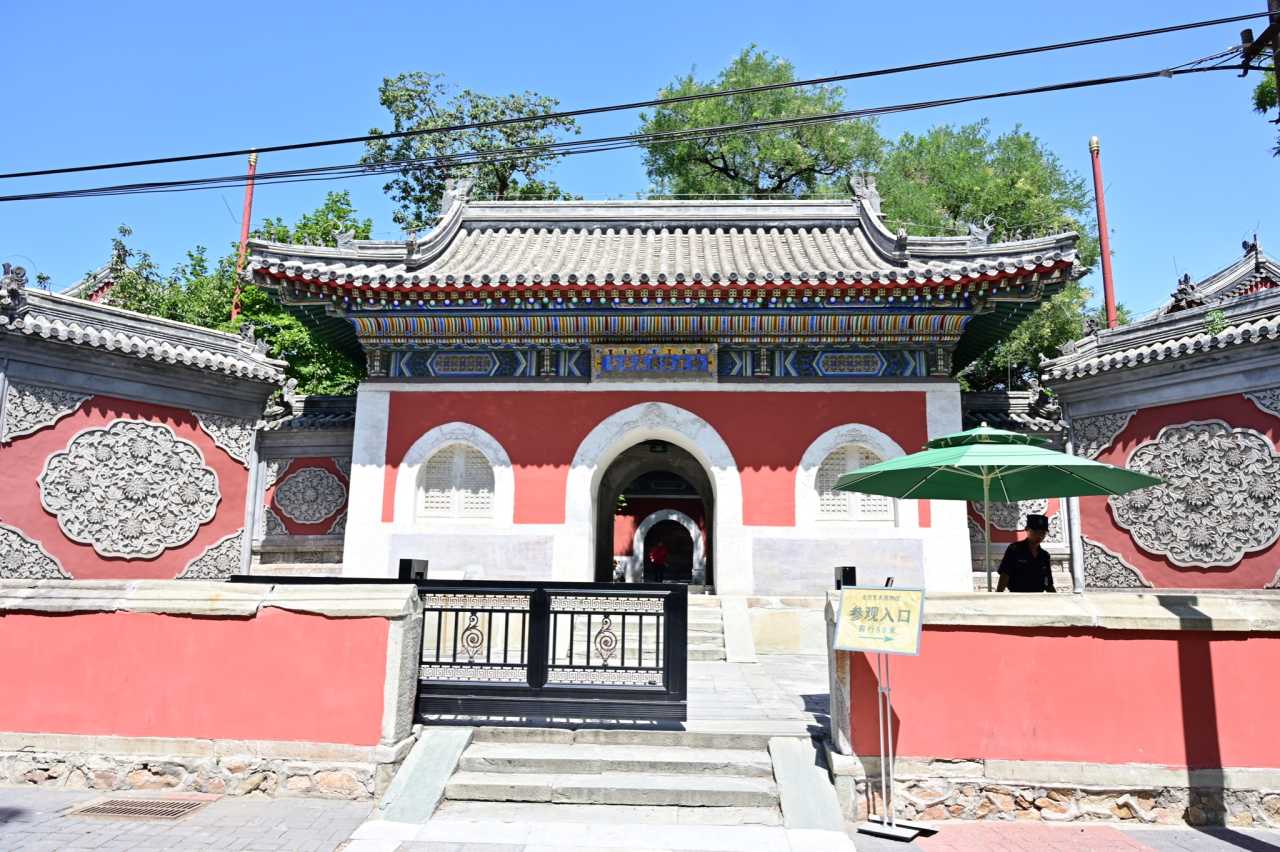
Entering the main gate, you look up to see a pattern of bats intertwined with auspicious clouds. In traditional Chinese culture, the word for “bat” (蝠, fú) is a homophone for “blessing” (福, fú). Bats amid auspicious clouds symbolize “blessings descending from heaven.” Such auspicious designs are common in imperial architecture, but the details at Wanshou Temple are particularly thought-provoking.
Cultural Fusion Hidden in Brick and Tile
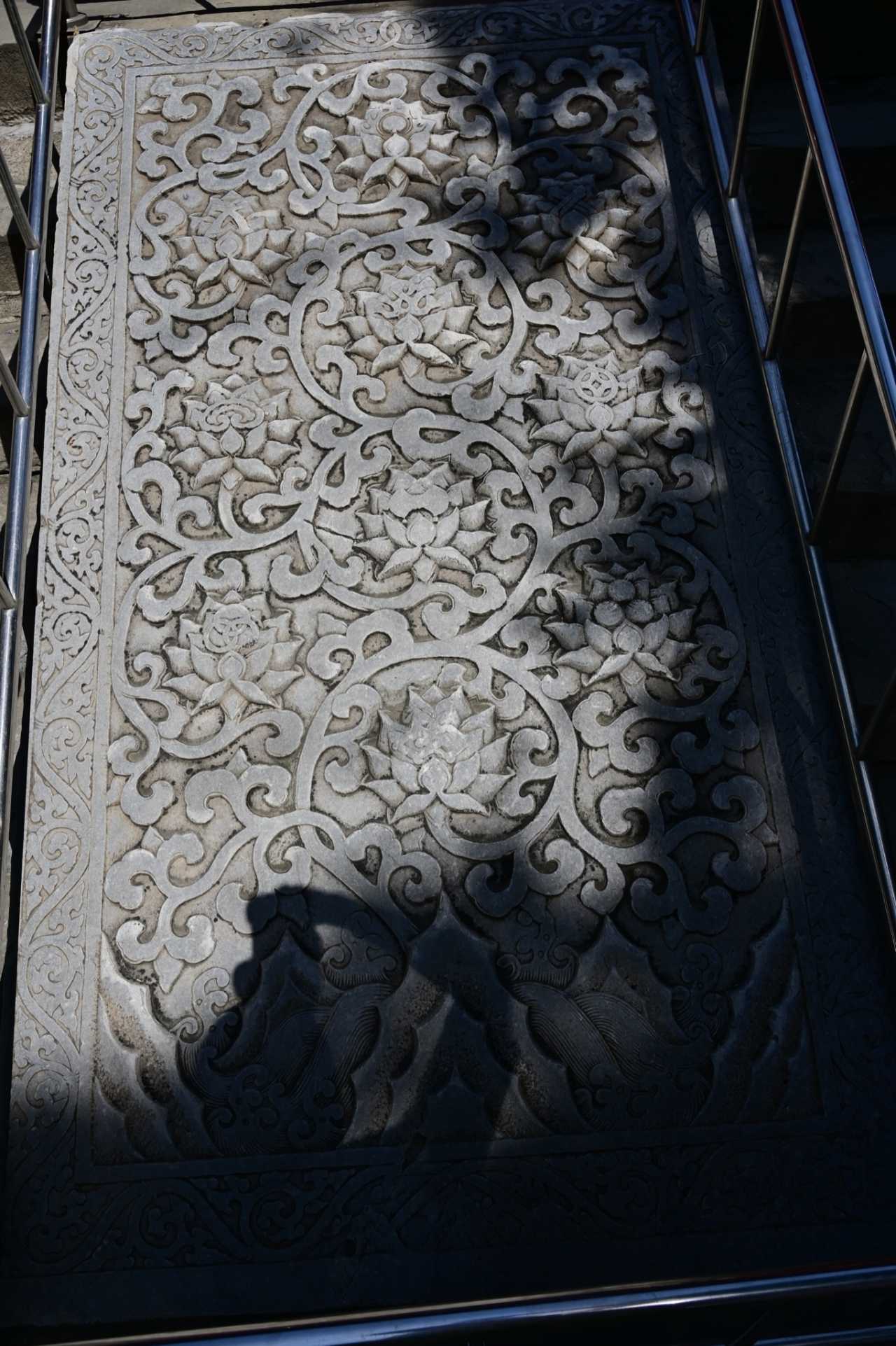
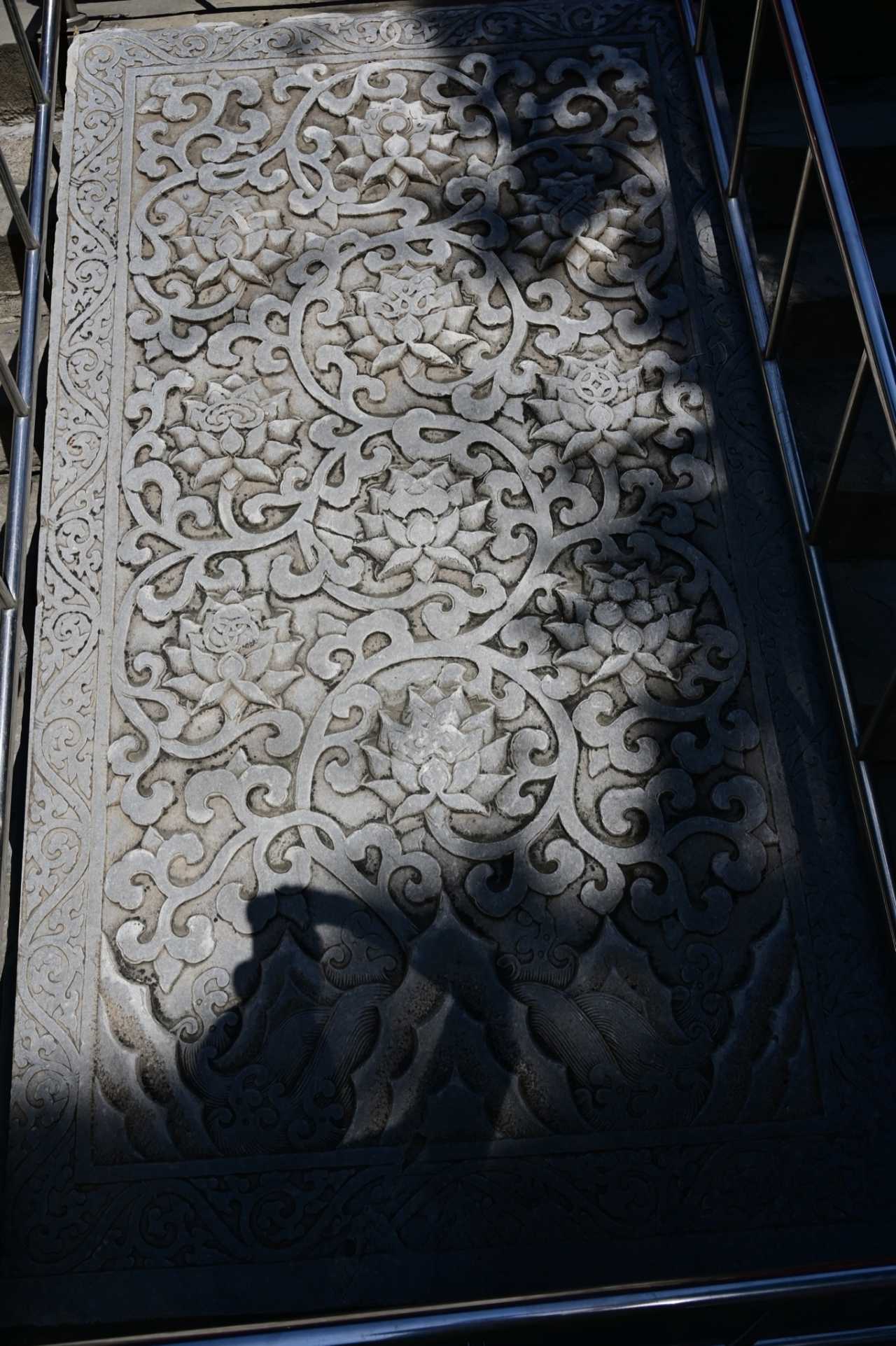
The stone staircase in the temple courtyard is especially distinctive: ten lotus flowers intertwine, with waves crashing against river cliffs below. Each lotus flower wraps around a treasure—a ruyi scepter, a silver ingot, a copper coin, a coral branch, and others. This kind of folk-themed imperial stone staircase is rare in royal architecture, revealing a surprisingly down-to-earth aesthetic.
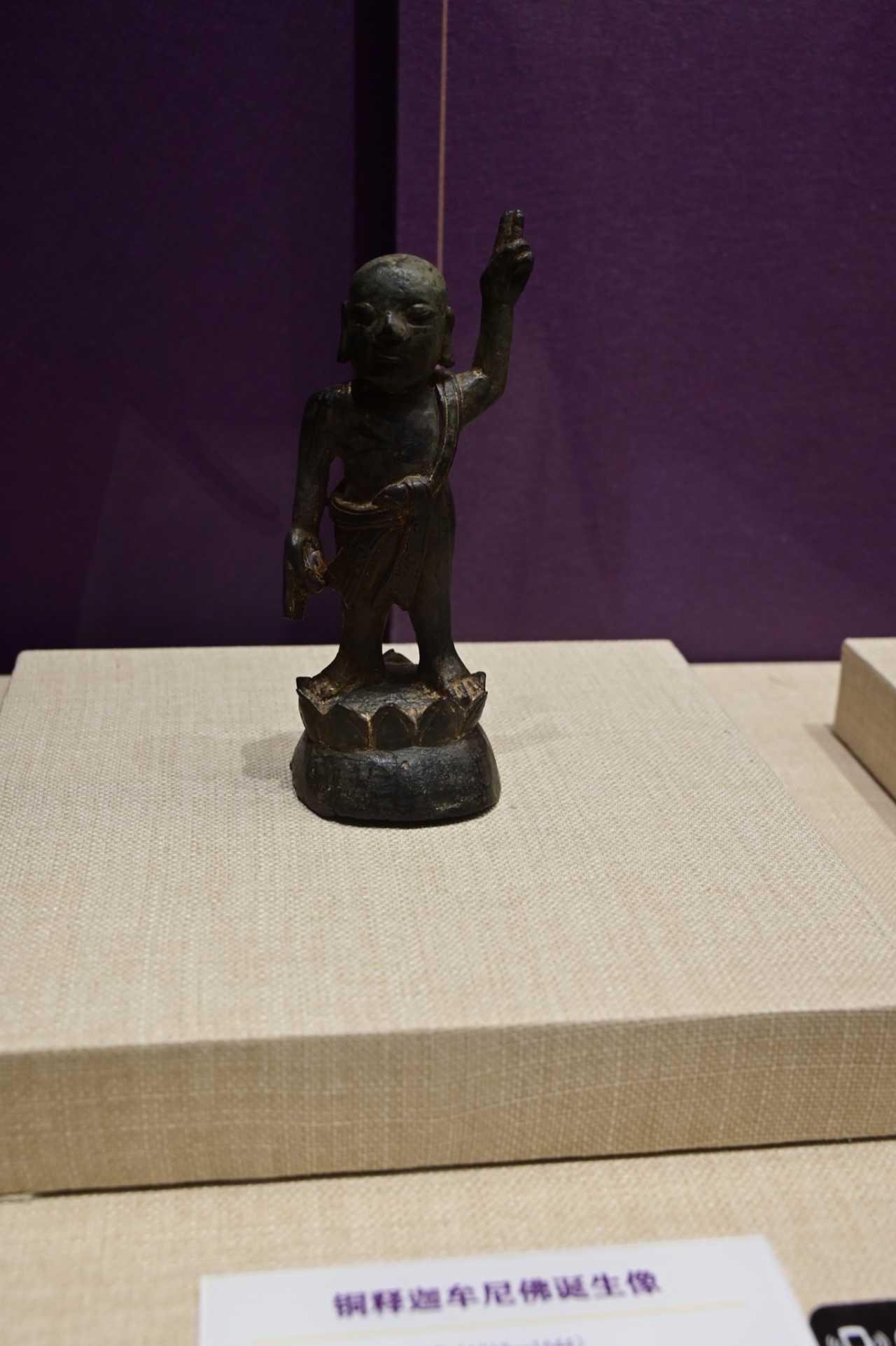
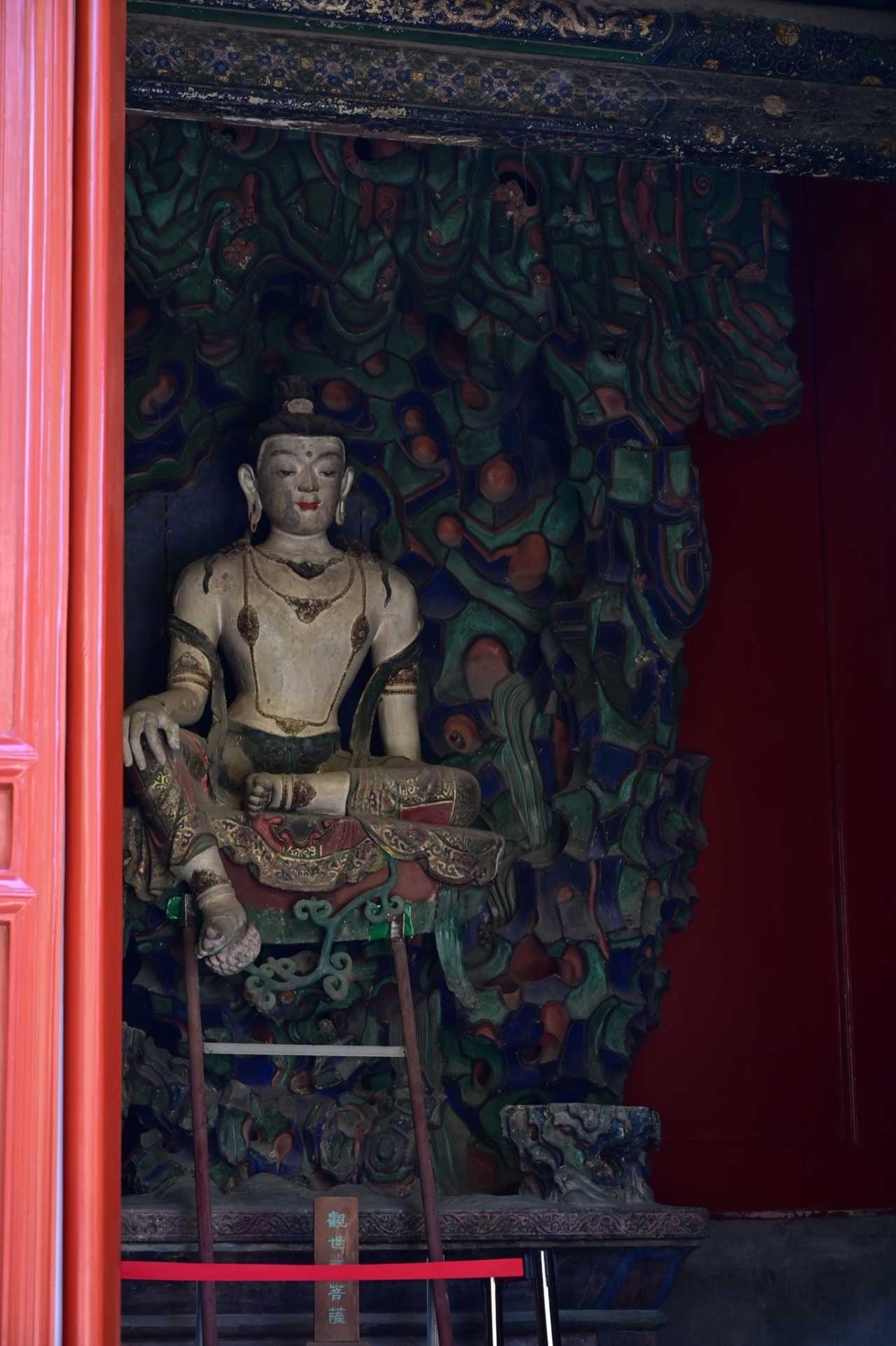
Even more astonishing is how the architectural details of Wanshou Temple reflect the fusion of Tibetan Buddhism and Han Chinese Buddhism. A small Sakyamuni Buddha, a short-legged Heavenly King, a dancing Green Tara—these statues are not just religious symbols but also witnesses to cultural exchange.
The “three-intersection, six-bowl diamond flower” window patterns represent the highest imperial standard. Where the triangles intersect, six-petal diamond flowers form, with a circle in the center, symbolizing “the union of heaven and earth giving birth to all things.” This pattern is commonly found in the Forbidden City, the Temple of Heaven, and other imperial palaces and sacrificial sites.
A Dialogue Between Western Gates and Chinese Gardens
The Western-style gates on either side of the Amitabha Hall are another highlight of Wanshou Temple. The brick-carved Vajrasana pagoda shape at the top of the gates blends curved surfaces, spheres, and swirling Baroque styles, while the courtyard walls are decorated with Chinese-style hexagonal and octagonal openwork window patterns. The brick carvings combine the Eight Buddhist Treasures, lotuses, plum blossoms, and Western acanthus leaves—a fusion of Chinese and Western design that is unparalleled in Ming and Qing imperial architecture.
The Iron Pagoda from Changchun Temple: Four Hundred Years of Silent Vigil
Preserved within Wanshou Temple is a gilded bronze pagoda of many Buddhas originally from Changchun Temple. The pagoda stands one zhang and five chi tall (about 5 meters) and is cast with over four hundred Buddha statues, dating back to 1621. The Su-style painted patterns on the upper part of the pagoda are flexible in composition, showcasing the exceptional skill of Ming Dynasty artisans.
[Link: Beijing Art Museum visiting hours and ticket information]
Chapter 2: Xihuang Temple – A Tibetan Buddhist Sanctuary in the Heart of Beijing
Guardianship Beneath the Glazed Screen Wall
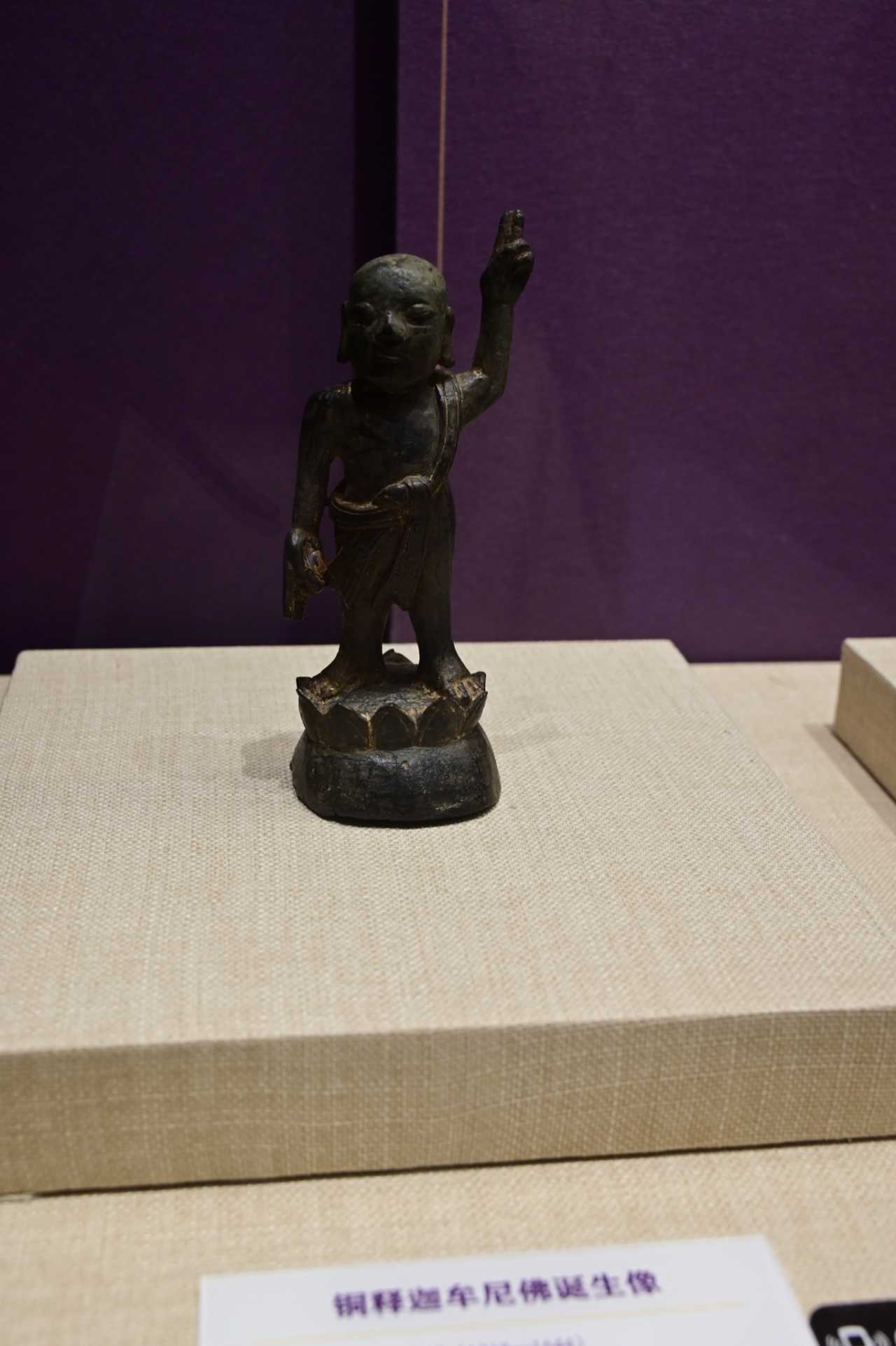
Xihuang Temple once served as the residence in Beijing established by Emperor Qianlong for the Dalai Lama and the Panchen Erdeni. The stupa built for the Sixth Panchen Lama within the temple now houses the China Tibetology Research Center’s Higher Buddhist Academy.
The “eight-character” glazed screen walls on either side of the gate feature decorative patterns of Buddhist ritual implements. But the most eye-catching element in the temple is the chaotian hou—a mythical beast gazing skyward. Around its neck are layers of colorful prayer scarves, its head and eyes turned upward, its mouth wide open with tongue protruding. The creature is both adorable and majestic, a “guardian” silently watching over this sacred ground.
The Qingjing Huacheng Stupa: A Buddhist Realm of Five Pagodas in One
The Qingjing Huacheng Stupa consists of four smaller pagodas surrounding one large central pagoda. Carved onto the pagodas are numerous Buddha figures, muscular guardians, peacocks, dragons, and phoenixes, along with scenes from Sakyamuni’s life—from his birth and teachings to his final nirvana—as well as Buddhist scriptures. Inside the Tibetan-style sutra library, the highest Tibetan Buddhist academic degree, the “Torangba,” is conferred by Xihuang Temple. The monks walking through the grounds are the most vivid scenery here.
[Link: Tibetan Buddhist temples in Beijing – a complete guide]
Chapter 3: The Beauty of Intangible Heritage – Treasures from Henan, the Cradle of Chinese Civilization

From Tingyao Kiln to Huaiyang Mud Dog Toys
Henan, known as the “Cradle of Chinese Civilization,” is a treasure trove of intangible cultural heritage. The egg-blue cracked-glaze ruyi teapot and the celadon sunflower-mouth cup from the Tingyao Kiln reflect the legacy of the Song Dynasty imperial kilns. Fangcheng stone monkeys, Zhuxian Town woodblock prints, Luoyang Tang tri-color pottery, the Yellow River drum from Baima Temple—each item of intangible heritage represents a living cultural memory.
Shangqiu fish lanterns, Yuzhou Jun kiln ware, Xunxian wooden spinning toys, Xunxian Wangu tigers, Xunxian clay cooing figurines, Zhengzhou monkey official masks, and Henan opera cloth puppets—these seemingly simple folk crafts are actually China’s own toys, ornaments, and everyday objects. Among them, the dragon spirit beast from Huaiyang mud dog toys is a modern echo of ancient totems.
Silk Road Frescoes: The Reproduction and Transmission of Murals
In the “Silk Road Frescoes” exhibition, we see reproductions of murals from Dunhuang, the Yulin Grottoes, the Kizil Caves, and other sites. Scenes from the Sattva Jataka, celestial musicians, and flying apsaras are brought to life through meticulous reproduction. These frescoes are not just art—they are historical documents that tell the story of cultural exchange along the ancient Silk Road.
[Link: Top intangible cultural heritage sites in Henan Province]
Chapter 4: 798 Art District – Where Tradition Meets Contemporary Art
A Backward Glance at Tradition
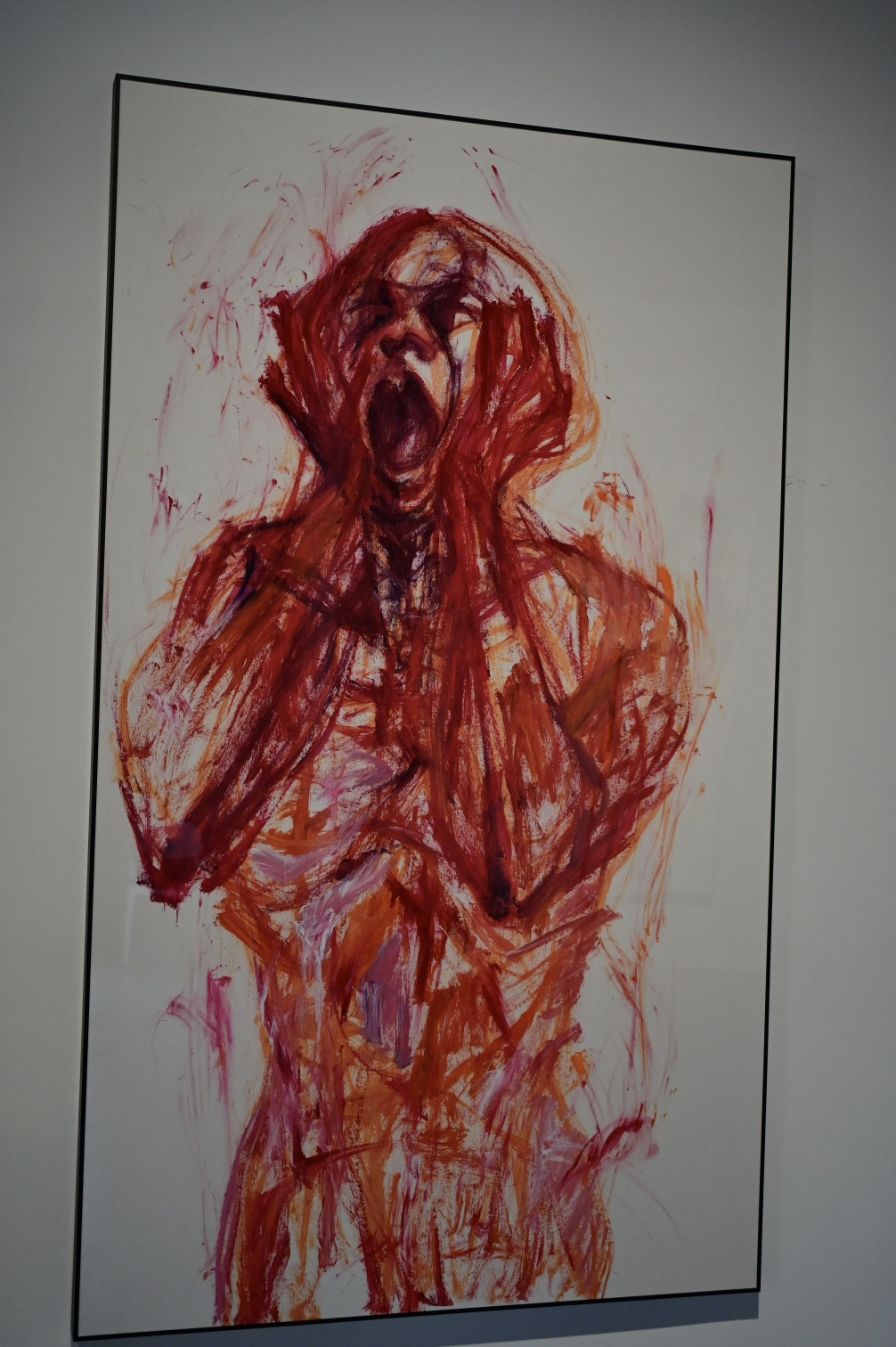
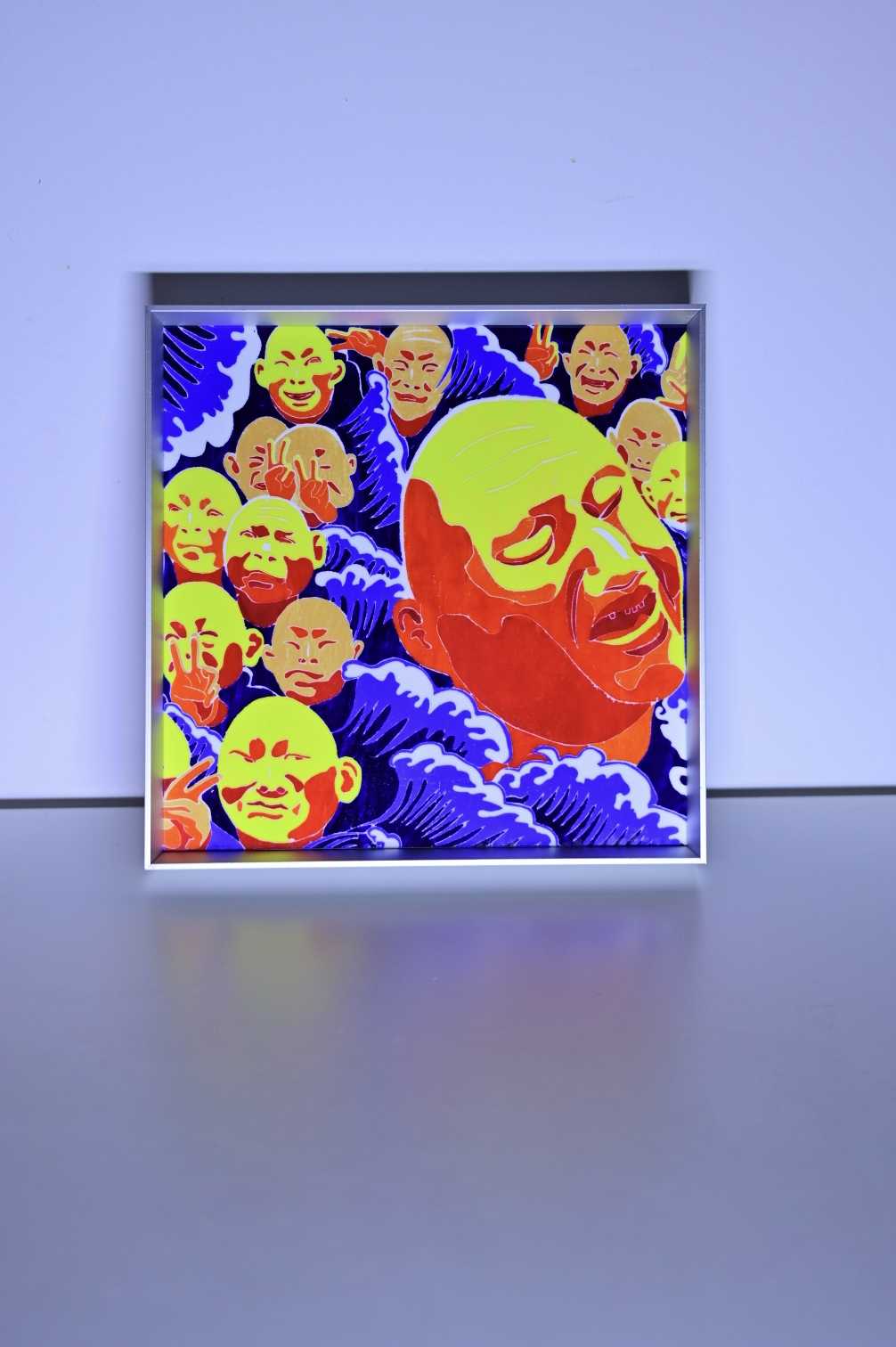
Unexpectedly, this journey through ancient architecture ends in the 798 Art District. Amid the dazzling kaleidoscope of contemporary art, we complete a backward glance at tradition. The 798 Art District, once a factory complex, now houses galleries, studios, and exhibition spaces that showcase the best of Chinese contemporary art.
Contemporary Art as Cultural Dialogue
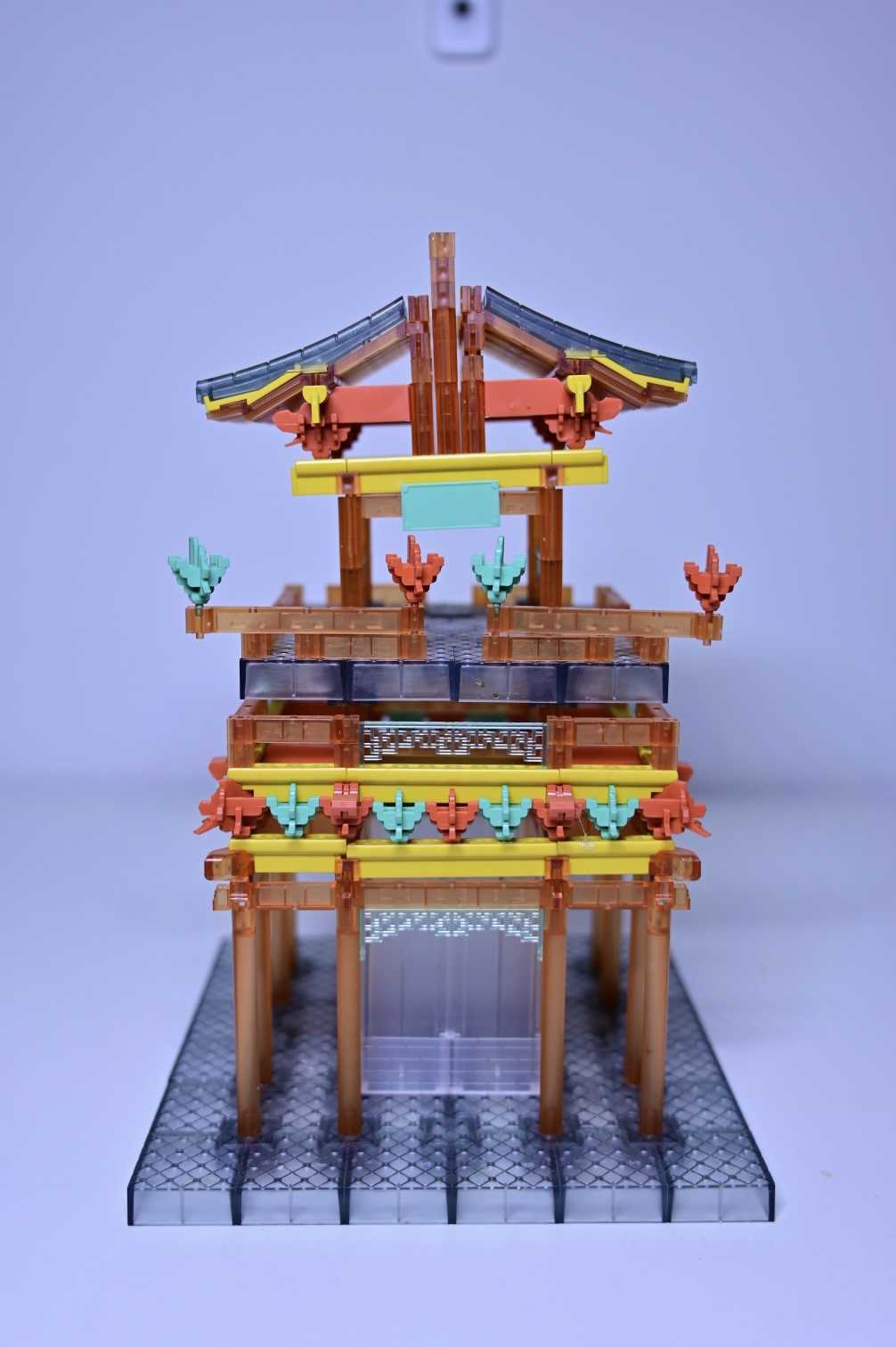
In 798, you’ll find artists who reinterpret traditional Chinese motifs—from ink wash paintings to calligraphy, from Buddhist iconography to folk art—through modern lenses. The district itself is a living example of how China’s cultural heritage evolves. The industrial architecture of the 1950s, with its Bauhaus-inspired design, provides a stark yet harmonious backdrop for avant-garde installations and performances.
[Link: Best contemporary art galleries in 798 Art District]
FAQ: Your Questions About China’s Cultural Journey Answered
1. What is the best time to visit Wanshou Temple?
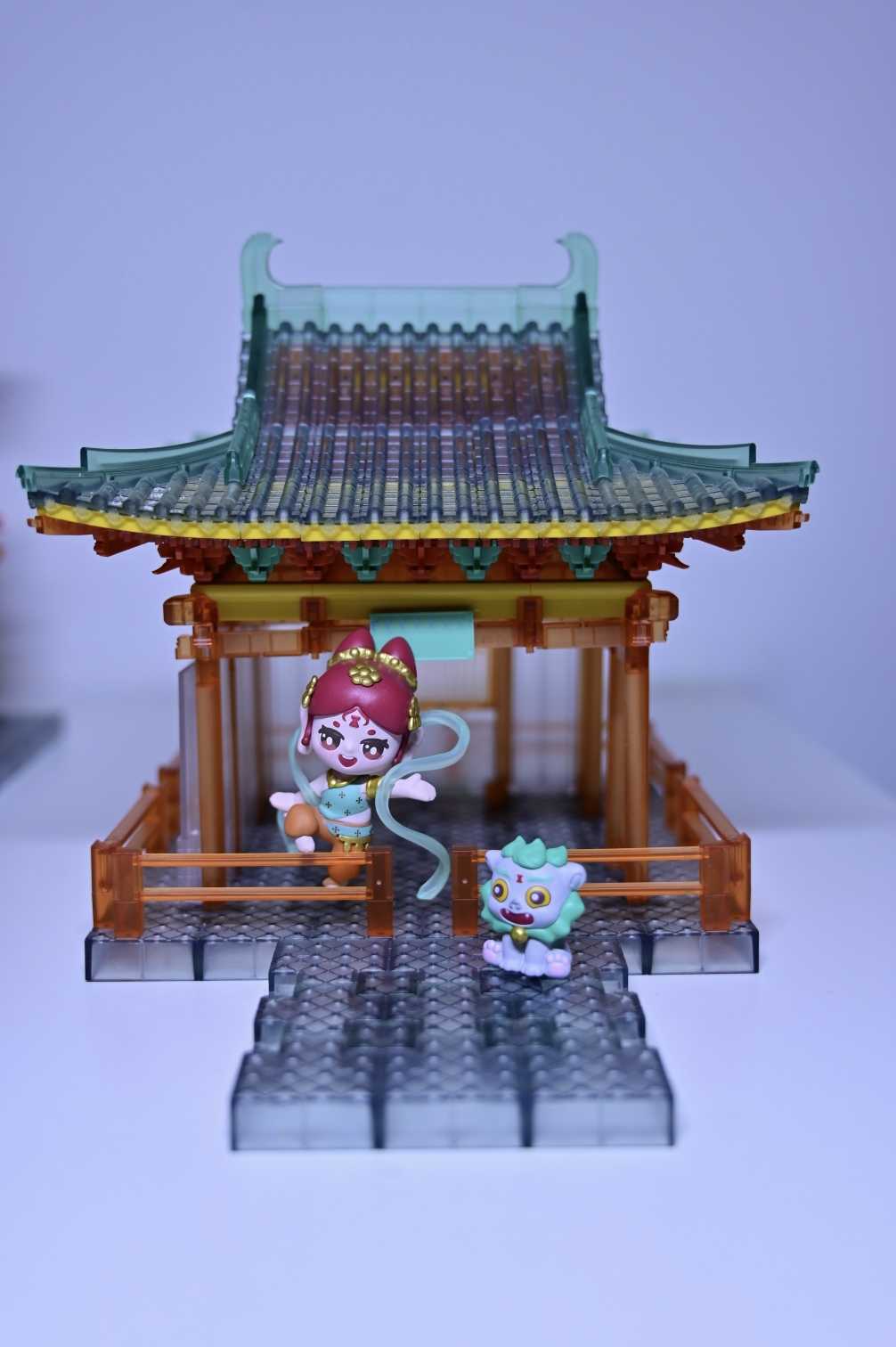 The best time to visit Wanshou Temple is during spring (March to May) and autumn (September to November) when the weather is mild. The temple is open daily from 9:00 AM to 4:30 PM. Allow at least 2–3 hours to fully explore the architecture and exhibits.
2. How do I get to Xihuang Temple from central Beijing?
Xihuang Temple is located in the Haidian District. You can take Subway Line 10 to Cishousi Station (Exit D), then walk about 10 minutes. Alternatively, bus routes 27, 40, and 335 stop nearby. The temple is about 30 minutes from the Forbidden City by taxi.
3. What are the must-see intangible heritage items in Henan?
 Don’t miss the Huaiyang mud dog toys, Luoyang Tang tri-color pottery, and Zhuxian Town woodblock prints. These items are available at local markets and museums in Zhengzhou, Luoyang, and Kaifeng. For a deeper experience, visit the Henan Museum in Zhengzhou.
4. Is the 798 Art District suitable for family visits?
Absolutely! The 798 Art District is family-friendly, with many galleries offering free entry. Children will enjoy the colorful murals, interactive installations, and outdoor sculptures. Weekdays are less crowded, making it easier to explore with kids.
5. Can I combine a visit to Wanshou Temple and Xihuang Temple in one day?
Yes, both temples are located in the Haidian District and are about 20 minutes apart by taxi. Start with Wanshou Temple in the morning, have lunch at a nearby restaurant, and then visit Xihuang Temple in the afternoon. This makes for a perfect Beijing cultural heritage tour.
Conclusion: Your Cultural Journey Starts Now
From the hidden codes of Wanshou Temple to the sacred guardians of Xihuang Temple, from the intangible treasures of Henan to the contemporary art of 798, this cultural journey through time reveals the depth and diversity of Chinese heritage. Each site, each artifact, each artwork tells a story of continuity and change, of tradition and innovation.
Ready to start your own journey? Here’s your call to action:
- Plan your trip: Book a guided tour of Wanshou Temple and Xihuang Temple through [Link: Beijing cultural heritage tours].
- Explore Henan: Visit the Henan Museum or attend a local intangible heritage workshop.
- Experience contemporary art: Spend a day at the 798 Art District and discover how Chinese artists reinterpret tradition.
- Share your story: Use the hashtag #ChinaCulturalJourney on social media to connect with fellow heritage enthusiasts.
China’s cultural legacy is not locked in the past—it lives in every brick, every brushstroke, and every story waiting to be told. Your journey begins now.
You should also read:
A Winter Journey in Beijing: Romance and Misery at Minus Five Degrees – An SEO-Optimized Travel Guide
Meta Description: Discover the romance and misery of a winter trip to Beijing at -5°C. Explore snowy Jingshan Park, historic hutongs, and budget-friendly tips for a 4-day Spring Festival adventure. Some say Beijing is a city you both love and hate. You love its profound…
Continue reading...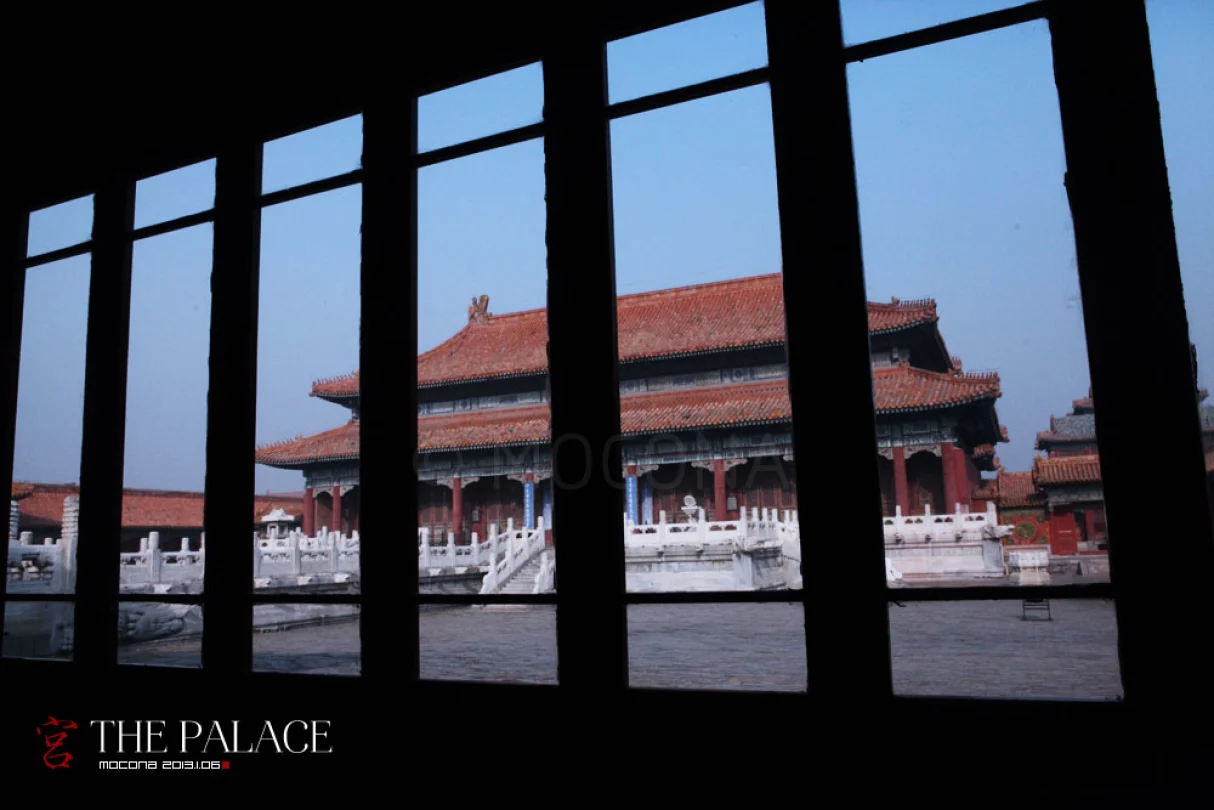
Nine Stories of the Forbidden City: Gazing at Time Amid Yellow Tiles and Red Walls
Meta Description: Discover the hidden stories of Beijing's Forbidden City beyond the tourist trail. From autumn ginkgo leaves to Song dynasty ceramics, explore nine intimate tales of China's imperial palace. The winter sunlight in Beijing carries a crisp tenderness. When it slants across the yellow…
Continue reading...
A Spontaneous Escape Through Tianjin, Beijing, and Shandong: An Unforgettable Solo Travel Adventure
Meta Description: Discover the raw beauty of a spontaneous solo journey through Tianjin, Beijing, and Shandong. From Quanjude roast duck to Tanggu night views, read this heartfelt travelogue of escape and self-discovery. The July wind carried restlessness and unease. After abruptly ending a ten-day job…
Continue reading...