Nine Stories of the Forbidden City: Gazing at Time Amid Yellow Tiles and Red Walls
Meta Description: Discover the hidden stories of Beijing's Forbidden City beyond the tourist trail. From autumn ginkgo leaves to Song dynasty ceramics, explore nine intimate tales of China's imperial palace.
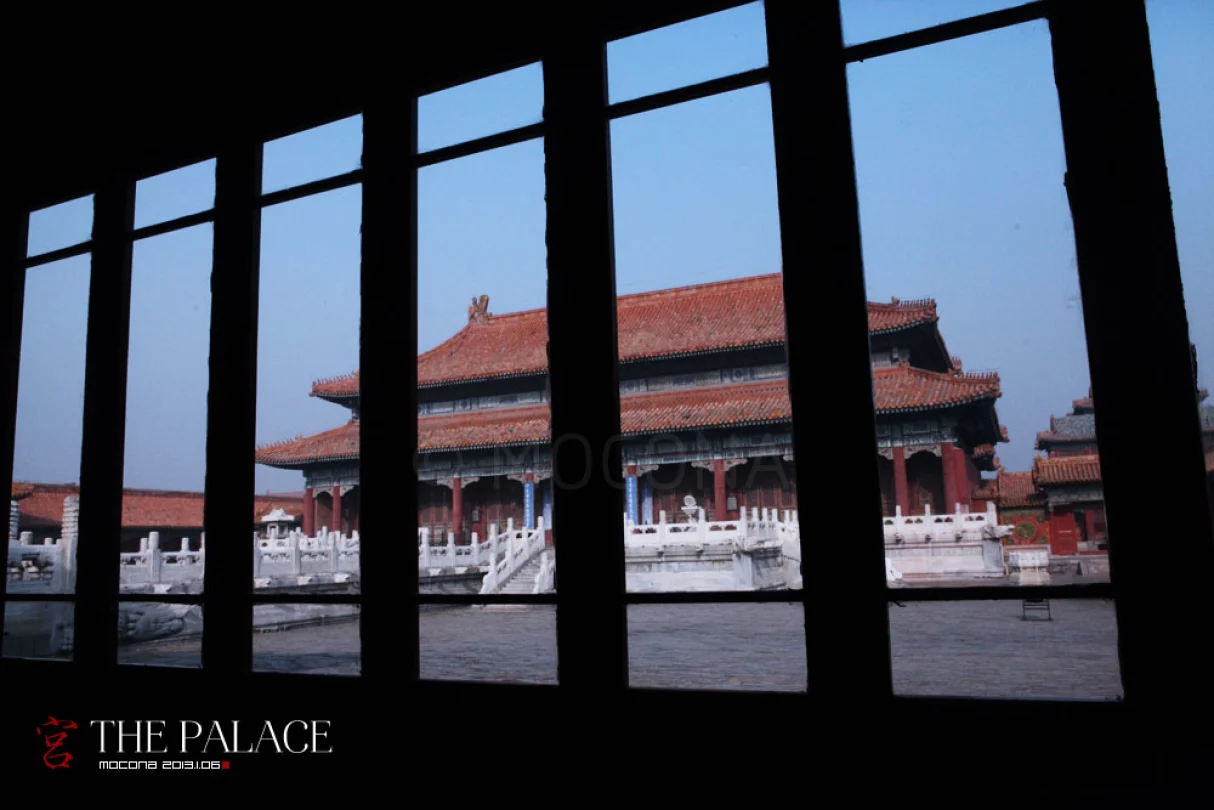
The winter sunlight in Beijing carries a crisp tenderness. When it slants across the yellow tiles of the Forbidden City, the solitary weeds sprouting between them are gilded with a golden edge, as if whispering secrets. Every year, I choose an off-season day to enter this former Purple Forbidden City. Not for check-in photos, not to wade through crowds—just to step on the bricks polished smooth by centuries, to trace the delicate patterns on the white marble balustrades, and quietly listen to the wind threading through the eaves of the palaces.
Some say the Forbidden City is a book you can never finish reading. But I prefer to see it as a silent film—every brick and tile a frame of film, every beam of light a line of dialogue. The fallen dynasties, the vanished figures, along with our own youth and fantasies, have all left a faint, elusive trace here. Today, I want to share nine stories about the Forbidden City. They may be fragmented, but together they piece together my deepest attachment to this city.
Why the Forbidden City? A Personal Journey
Ten years ago, I visited the Forbidden City for the first time, accompanying my mother. I was full of curiosity then, wanting to see what magic lay in this imperial residence that left foreigners in awe. I took the most classic central axis route: Meridian Gate (Wumen), Hall of Supreme Harmony (Taihedian), Hall of Central Harmony (Zhonghedian), Hall of Preserving Harmony (Baohedian)... I shuffled along with the crowd, and aside from seeing bronze vats polished to a greasy shine by countless hands and coral rockeries coated in dust, my overwhelming impression was exhaustion.
By the time I reached the Imperial Garden, it was packed with people sitting everywhere. I stumbled out of the palace in a daze. Back home, my mother asked me, "Isn't the Forbidden City a museum? Why did it feel so empty? I didn't see much treasure." My father chimed in, "What do you know? The palaces themselves are the artifacts." My mother thought that made sense and dropped the subject. But in that moment, I realized with painful clarity—I had definitely visited the Forbidden City blind.
Now, when I go to the Forbidden City, I only walk the eastern half. This is where my favorite exhibitions are: the ceramics collection, the clock gallery, and the treasure hall. My fixed route is this: head straight to the Palace of Prolonging Happiness (Yanxi Gong) for the special ceramics and calligraphy exhibitions, then go to the Hall of Ancestral Worship (Fengxian Dian) for the clock gallery, where I marvel at the precision of timekeeping. Next, I enter the Treasure Hall (comprising the Hall of Imperial Supremacy (Huangji Dian), the Hall of Cultivating Nature (Yangxing Dian), the Hall of Joyful Longevity (Letang Shou), and the Pavilion of Harmonious Ease (Yihe Xuan)) to get my money's worth from the twenty-yuan ticket. Finally, I visit the Hall of Literary Brilliance (Wenhua Dian) for the permanent ceramics display, and exit through the Eastern Glorious Gate (Donghua Men).
If you don't want to spend the extra twenty yuan for the clock and treasure halls, you can instead see the gold and silver wares at the Palace of Jingyang (Jingyang Gong), the bronzes at the Palace of Inheriting Heaven (Chengqian Gong), and the jades at the Palace of Assembled Essence (Zhongcui Gong). Then make a detour to the Pavilion of Cheerful Melodies (Changyin Ge) for the opera exhibition. In short, all the interesting things are in the east. [Link: Forbidden City Eastern Route Guide]
If you want to see the corner towers, reverse the route: visit the ceramics at Wenhua Dian first, then tour the other palace exhibitions, pass through the Imperial Garden, and exit through the Gate of Divine Might (Shenwu Men). You'll see the corner tower right outside—but you'll have to walk a long way around to the subway station.
Story One: The Sound of Autumn in the Forbidden City
Autumn in the Forbidden City has an indescribable loneliness. The ginkgo leaves turn yellow, carpeting the courtyard of Yanxi Gong. Sunlight filters through the branches, casting dappled shadows. Standing under that old ginkgo tree, I remember an afternoon many years ago. Xiao Su and I were still in school then, always lost in fantasies about the future.
I said I wondered if, like the painter Li Shizeng once described, I'd end up making a miserable living painting pictures of vegetables. But at least I painted fast, so maybe by working myself to the bone I could support a family. Xiao Su said she wanted to be a great DJ, with a room full of records, living a nocturnal life on cookies and cola. Her dream was to come to Beijing, because it had the best nightclubs. I said, why don't we go to Beijing together? Then we could see the Forbidden City, see the emperor's home and his throne. Those two teenagers threw themselves wholeheartedly into that fantasy, laughing. In the end, like all fantasies in the world, it faded into nothing.
Xiao Su can never come to Beijing now. And I've been in Beijing for almost ten years—a city so vast it refuses to yield even a shred of intimacy. But still, I enter the Forbidden City once a year. I pick an off-season day that's not too cold, preferably sunny. That way, the sunlight will slip through the cracks in the wooden windows, illuminating our karma. The fantasies of youth are like dust motes floating in a dark shaft of light. Counting from one to three hundred and sixty-five, every day is etched into the walls of my heart.
After a while, I forget why some marks are so deep—so deep that even time cannot smooth them away. All relationships between people are just one thing: "passersby." You'd charge into battle for them, but who would bother to bury your remains? I passed by you; he passed by me. The only difference is the length of the passing—long or short.
Story Two: Ding Ware (Ding Yao) – The Beauty of Imperfection
Ding ware flourished during the Northern Song Dynasty. Its white porcelain is particularly outstanding, though it also came in brown, pea-green, and black glazes—but those are far rarer. To be honest, the body and glaze of Ding ware are nothing special. The magic lies in the "degree" of its white. Call it cream-white, and it resembles ivory. Call it ivory, and it occasionally takes on a greenish-yellow tinge.
In the Song Dynasty, an era overflowing with ceramics, Ding ware was produced in huge quantities. Its materials were no more precious than those of other kilns, and it had "flaws" like knife marks, unglazed rims (mangkou), tear stains, bamboo-scratch marks, and warping. Today, people talk about these as charming nuances worth savoring, but back then, they were simply minor bugs in an imperfect manufacturing process. Yet this is precisely what makes the Northern Song so fascinating: people were open to the beauty that came from unknown variations. Glaze drips, bubbles, warping—highly random, uncontrollable, yet welcomed by the people of that time.

What captivates me most about Ding ware is its decoration. Whether carved, incised, or stamped, the patterns flow in graceful spirals. The carved designs of the mid-to-late Northern Song are especially distinctive. Craftsmen used single-tooth, double-tooth, and comb-like tools to carve lotus, chrysanthemums, daylilies, peonies, pomegranates, dragons, phoenixes, swimming fish—all in varying depths. Natural, spontaneous, and intoxicatingly free.
The Song bowl below was defaced by that "brat" Emperor Qianlong—wherever you see engraved characters, a whole wall of text, that's his "masterpiece." Every time I see it, I want to slap him.
Ding ware from the Five Dynasties period (right after Tang) makes me think: Japanese ceramics today still follow the Tang Dynasty's style and spirit. That sense of classicism and tradition, the Japanese have preserved with care. Even after the upheavals of changing eras and the desperation of war, they never lost the essence of that beauty. I have to admit, this aesthetic is now flowing back to us. [Link: Chinese Ceramics Through the Dynasties]
Story Three: The Clock Gallery – Time Measured in Gold
The Hall of Ancestral Worship (Fengxian Dian) houses one of the Forbidden City's most delightful collections: the clock gallery. Here, time is measured not in seconds but in gold, jade, and mechanical ingenuity. These clocks were gifts from European missionaries, tributes from foreign envoys, and creations of Qing dynasty craftsmen who learned Western techniques.
Each clock tells a story of cultural exchange. Some are shaped like pagodas, others like Western mansions. When wound, they spring to life—birds sing, waterfalls flow, and miniature figures dance. The precision is breathtaking. In an era before digital timekeeping, these clocks represented the pinnacle of mechanical artistry. Standing before them, you realize that time itself became a luxury in the Forbidden City.
Story Four: The Treasure Hall – Wealth Beyond Imagination
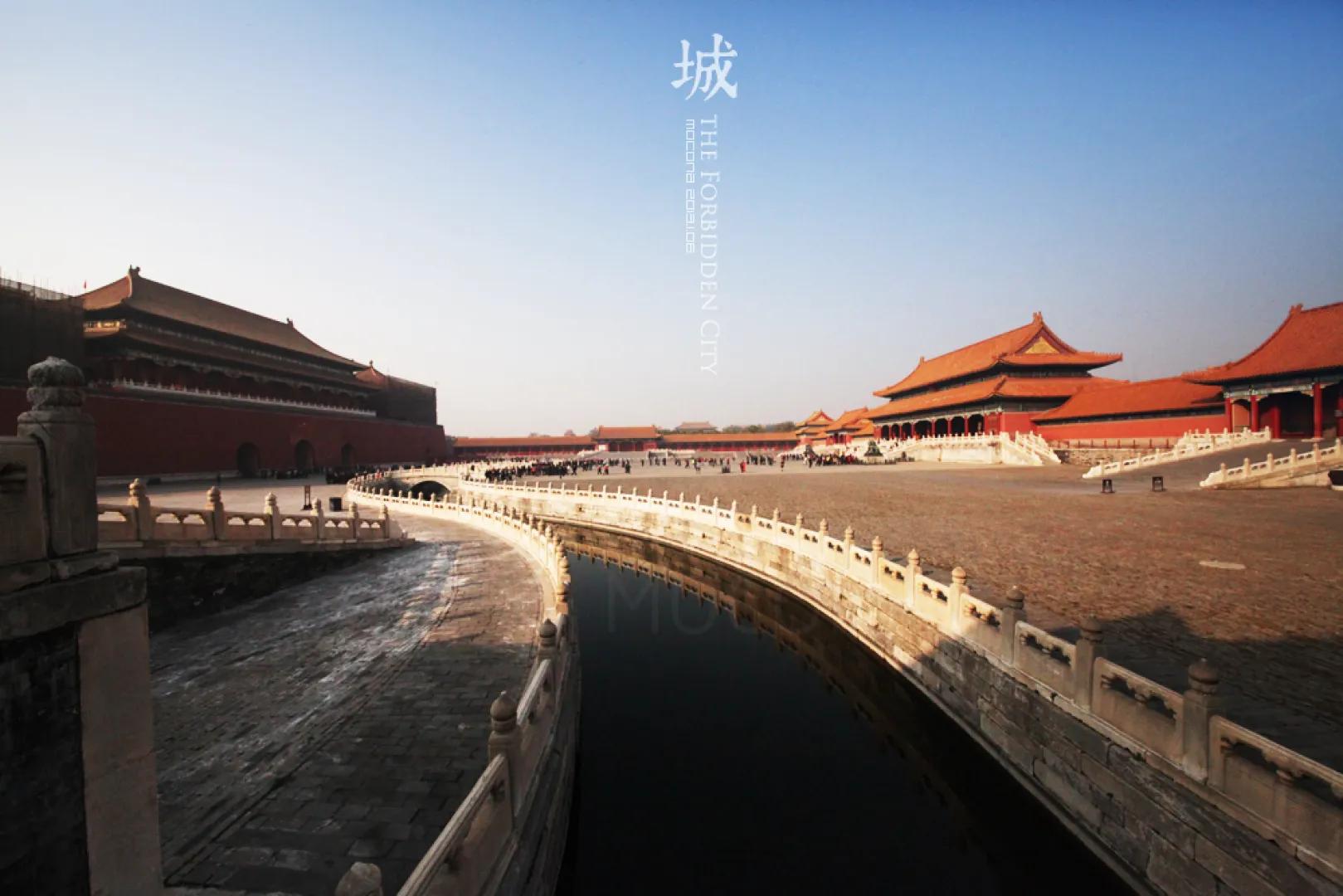
The Treasure Hall (comprising the Hall of Imperial Supremacy, the Hall of Cultivating Nature, the Hall of Joyful Longevity, and the Pavilion of Harmonious Ease) is where the Forbidden City's opulence reaches its peak. For an extra twenty yuan, you gain access to rooms filled with gold, silver, jade, and pearl-encrusted artifacts.
Here, you'll find the famous "golden pagoda"—a miniature shrine made of solid gold, studded with precious stones. There are jadeite cabbages with crystal-clear leaves, gold bowls weighing several kilograms, and intricate filigree jewelry that would make modern designers weep with envy. Each piece was created for imperial use, never intended for public display. Walking through these halls, you understand why the Forbidden City was considered the center of the material world.
Story Five: The Hall of Literary Brilliance – A Ceramic Masterpiece
The Hall of Literary Brilliance (Wenhua Dian) houses the permanent ceramics display, a must-see for any art lover. This exhibition traces the evolution of Chinese ceramics from Neolithic pottery to Qing dynasty porcelain. The collection is staggering in its scope and quality.
What makes this hall special is the way it contextualizes each piece. You can see how Ding ware evolved from the Five Dynasties to the Song, how celadon developed in the Yuan dynasty, and how blue-and-white porcelain reached its peak under the Ming. The lighting is subtle, designed to highlight the glaze and form of each vessel. It's a quiet, contemplative space—perfect for escaping the crowds and losing yourself in centuries of craftsmanship.
Story Six: The Eastern Route – Beyond the Tourist Trail
Most visitors follow the central axis and miss the eastern route entirely. This is a mistake. The eastern palaces—Jingyang Gong, Chengqian Gong, and Zhongcui Gong—house some of the Forbidden City's most remarkable collections without the crowds.
At the Palace of Jingyang (Jingyang Gong), you'll find gold and silver wares that showcase the Qing dynasty's metallurgical mastery. The Palace of Inheriting Heaven (Chengqian Gong) displays ancient bronzes, including ritual vessels from the Shang and Zhou dynasties. And the Palace of Assembled Essence (Zhongcui Gong) features jade carvings that range from delicate pendants to massive sculptures.
If you have time, make a detour to the Pavilion of Cheerful Melodies (Changyin Ge) for the opera exhibition. This restored theater pavilion shows how the imperial family entertained themselves with Peking opera performances. The stage mechanisms are ingenious—trapdoors, pulleys, and hidden chambers allowed actors to appear and disappear like magic.
Story Seven: The Corner Towers – Architecture as Art
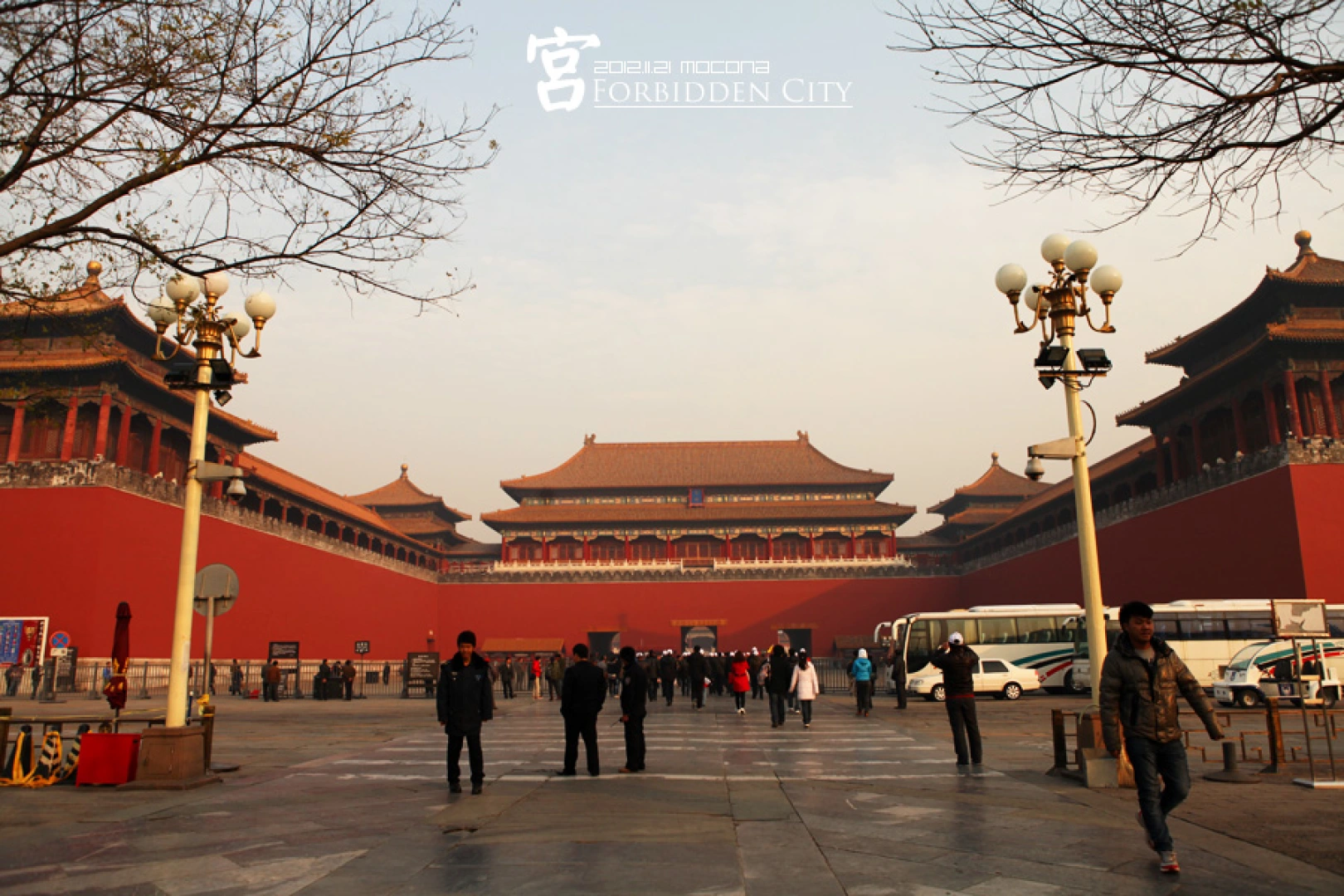
The corner towers of the Forbidden City are architectural marvels. Each tower has nine beams, eighteen columns, and seventy-two ridgepoles—a design that combines structural precision with aesthetic grace. They were built to guard the four corners of the palace, but they also serve as visual anchors, breaking the monotony of the long walls.
To see them properly, exit through the Gate of Divine Might (Shenwu Men) and walk around the moat. From this angle, the towers rise against the sky, their multi-eaved roofs creating a silhouette that has become iconic. Photographers love this spot at sunset, when the golden light paints the tiles and the moat reflects the towers like a mirror.
Story Eight: The White Marble Balustrades – Carved in Stone
The white marble balustrades that line the central axis are more than decorative. They are carved with dragons, phoenixes, and clouds—symbols of imperial power. The craftsmanship is extraordinary: each balustrade is a single piece of marble, quarried from mountains near Beijing and transported to the palace on ice sleds during winter.
Running your hand over these balustrades, you feel the cold smoothness of stone that has been touched by millions of hands over centuries. The patterns have worn down in places, softened by time and weather. Yet they remain beautiful, a testament to the skill of Ming and Qing dynasty stonemasons.
Story Nine: The Silent Film of Memory

The Forbidden City is not just a museum of artifacts; it is a museum of memory. Every visit reveals something new—a detail you missed before, a story you hadn't heard, a feeling you hadn't anticipated. The yellow tiles and red walls hold the echoes of emperors, eunuchs, concubines, and servants. They also hold the echoes of ordinary visitors like you and me, searching for meaning in a place that has seen so much.
As I leave through the Eastern Glorious Gate, I always look back. The sun is setting, casting long shadows across the courtyard. The Forbidden City stands silent, waiting for tomorrow's visitors. And I know that next year, I'll return again, to walk the eastern route, to gaze at the Ding ware, and to listen for the sound of autumn in the ginkgo leaves.
Frequently Asked Questions About the Forbidden City
Q: What is the best time of year to visit the Forbidden City? A: The best times are spring (April-May) and autumn (September-October) when temperatures are mild and the crowds are smaller. Winter visits are also rewarding—the off-season means fewer tourists, and snow transforms the palace into a magical landscape.
Q: How long should I spend at the Forbidden City? A: A thorough visit requires at least 4-6 hours. If you want to see the eastern route exhibitions (ceramics, clocks, treasure hall), plan for a full day. Many visitors underestimate the size of the complex.
Q: Which exhibitions are worth the extra ticket fee? A: The Treasure Hall (20 yuan) and the Clock Gallery (10 yuan) are absolutely worth it. They contain the most spectacular artifacts in the Forbidden City. The ceramics exhibition at Wenhua Dian is free with admission and equally impressive.
Q: How do I avoid the crowds? A: Visit on weekdays, arrive early (the palace opens at 8:30 AM), and skip the central axis. The eastern route is significantly less crowded and contains the best exhibitions.
Q: Is the Forbidden City accessible for visitors with mobility issues? A: The palace has many stairs and uneven surfaces. Wheelchair ramps are available on the central axis, but many side palaces are not fully accessible. Electric scooters are not permitted inside.
Plan Your Forbidden City Visit Today
The Forbidden City is more than a tourist attraction—it's a journey through time. Whether you're a first-time visitor or a seasoned traveler, there's always something new to discover. [Link: Forbidden City Ticket Booking Guide]
Start planning your trip today. Choose an off-season day, wear comfortable shoes, and prepare to lose yourself in nine hundred years of Chinese history. The yellow tiles and red walls are waiting to tell you their stories.
Ready to explore? Book your tickets now and experience the Forbidden City like never before.
You should also read:
I Came for the Smog, but Got a Springtime Surprise Instead: A Five-Day Beijing Adventure
Meta Description: Discover an honest Beijing spring travel guide from a first-time visitor. From hidden hutong gems to Forbidden City awe, this 5-day itinerary proves Beijing in March is full of surprises. Read for tips, food, and culture. As a born-and-bred Southerner, my knowledge of…
Continue reading...
Glorious Beijing, Timeless City: A 7-Day In-Depth Journey Through Old Beijing – The Ultimate SEO-Optimized Travel Guide
Meta Description: Discover Beijing in 7 days with this SEO-optimized guide. From Forbidden City tours to hutong homestays, authentic Peking duck, and hidden gems. Perfect for first-time visitors planning a Beijing itinerary. Some encounters are simply destined to happen. In September 2016, as a Southern…
Continue reading...
Early Autumn at the Foot of the Imperial City: Slow Travel Notes from Beijing, Chengde, and Tianjin
Meta Description: Discover slow travel in early autumn through Beijing, Chengde, and Tianjin. Expert tips on high-speed rail, Beijing Yikatong, budget accommodation near Qianmen, and hidden gems. Perfect for first-time visitors and family trips. Early autumn in northern China brings crisp air, golden sunlight, and…
Continue reading...