I Came for the Smog, but Got a Springtime Surprise Instead: A Five-Day Beijing Adventure
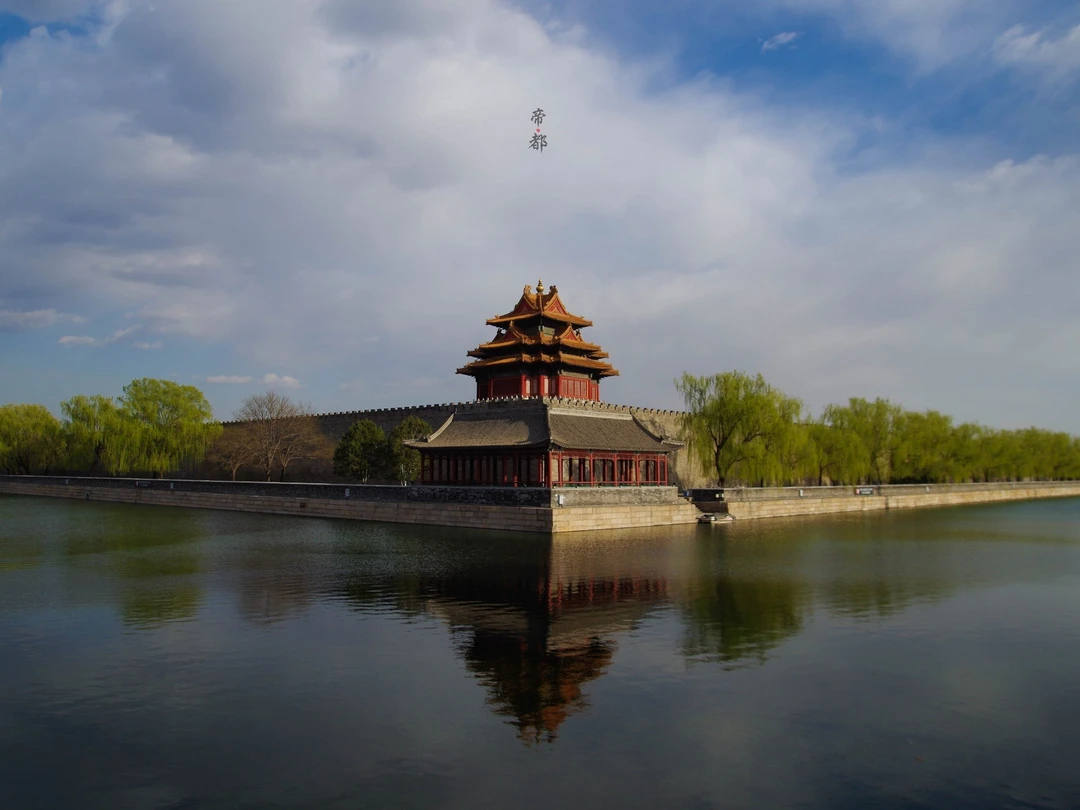
Meta Description: Discover an honest Beijing spring travel guide from a first-time visitor. From hidden hutong gems to Forbidden City awe, this 5-day itinerary proves Beijing in March is full of surprises. Read for tips, food, and culture.
Prologue: An Unexpected Spring Encounter
As a born-and-bred Southerner, my knowledge of Beijing came mostly from memes and news headlines—smog, traffic jams, and endless crowds. When the March holiday rolled around, Miss H and I finally decided to make the "Imperial Capital" trip a reality. Honestly, I'd mentally prepared myself for the experience of "taking a deep breath of the purest smog, just to say I've been there."
But fate, as always, had other plans.
When we touched down at Capital International Airport and peered out the window, we weren't greeted by a hazy gray sky. Instead, it was blue skies, white clouds, and brilliant sunshine. Our plane circled above the sprawling city lights for half an hour before landing, then taxied for nearly twenty minutes. This small-town boy couldn't help but marvel: "Is this airport bigger than my entire hometown?"
Over the next five days, we logged nearly 30,000 steps daily, measuring every corner of this city with our own feet. I'd come expecting to breathe in smog, but instead, I walked away with an entire spring's worth of gifts.
Pre-Trip Essentials: Quick Tips for a Beijing Spring Visit
Weather & What to Wear in Late March
Late March in Beijing has just the right temperature. A light jacket handles the temperature swings between morning and evening, and on sunny afternoons, you might even want short sleeves. The flowers were all in bloom—apricot blossoms, peach blossoms, and crabapple trees competing for attention. The only downside for a Southerner? It's seriously dry. Bring lip balm and moisturizer.
Where to Stay in Beijing on a Budget

- First Night: 7 Days Inn, Shunyi Capital Airport Branch (arrived late, just wanted convenience)
- Next Four Nights: 7 Days Inn, Tiantan East Gate Metro Station Branch (highly recommended! Inside the Third Ring Road, right at a subway stop, close to everything, and affordable)
- Golden Rule: Always pick accommodation inside the Third Ring Road. The closer to the city center, the better—otherwise, you'll spend half your travel time on the subway.
Getting Around: Subway, Bikes, and Ride-Hailing
- Subway: Get a Yikatong (municipal transit card) for hassle-free travel
- Mobike: Your best friend for navigating the hutongs (traditional alleyways)
- Didi: For emergencies
[Link: Best budget hotels near Beijing subway stations]
Day 1: Alleyway Vibes and Soul-Stirring Theater
Wudaoying Hutong: Where Art Meets Everyday Life
We didn't leave the hotel until noon on the second day. After a half-hour subway ride to our Tiantan East Gate lodgings and getting settled, it was already afternoon. We headed straight for Wudaoying Hutong—compared to the tourist-packed Nanluoguxiang, this place felt much less commercial.
Stepping out of Yonghegong Subway Station, the sight stopped us in our tracks: reds, pinks, whites—flowers I couldn't name bursting with life. For someone from a region without distinct seasons, this was my first real taste of spring's vitality. Across the intersection stood Yonghe Temple (Lama Temple), with its blue sky, red walls, golden roofs, and blossoms. I couldn't resist pulling out my phone for a photo—I'd officially become "that tourist."
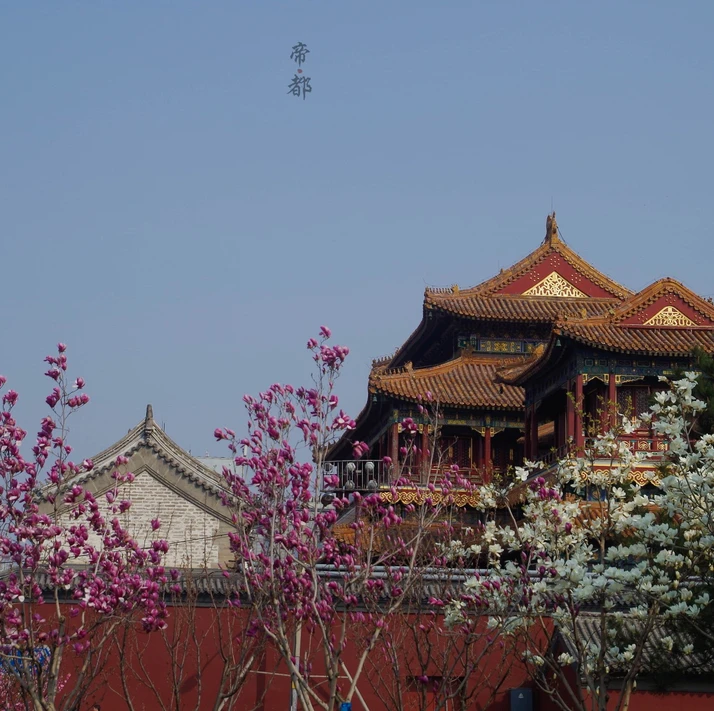
Wudaoying Hutong wasn't exactly bustling. A scattering of artsy shops lined the street, oozing that deliberately curated hipster vibe. But every so often, a tightly shut door revealed the original courtyard house (siheyuan) architecture, making you wonder about the authentic Beijing life hidden behind.
What impressed me most were the local drivers navigating these alleys. The lanes were impossibly narrow, with two-way traffic, pedestrians, bikes, and cars all fighting for space. Yet everyone stayed remarkably civil. When two cars couldn't pass each other, a few colorful Beijing-accented exchanges later, they'd be laughing and politely making way.
Miss H tried a shared bike for the first time, weaving through the hutongs. We each grabbed one and took off into the maze of alleyways. One moment we'd hit a dead end and backtrack; the next, we'd emerge into a new lane where elderly folks sat on tiny stools chatting under locust trees, and kids ran around joyfully. This was the hutong life I'd imagined.
[Link: Best Beijing hutong walking tours]
Yao Ji Chao Gan (Stir-Fried Liver): A Taste Certified by the US Vice President
We pedaled our way to the Drum Tower area and spotted Yao Ji Chao Gan. How could we resist? This place was famously visited by the US Vice President himself.
We ordered stir-fried liver (chao gan) and braised pork offal (lu zhu). The flavors were strong and salty (at least to a Southerner's palate), but undeniably distinctive. Miss H took one bite and put down her chopsticks. I'm not a picky eater, so I finished everything.
Bell and Drum Tower Square: Echoes of "Mr. Drum Tower"
Heading deeper into the alleys, we reached Bell and Drum Tower Square. By the time we arrived, it was past five, and both towers were closed. The square wasn't crowded—a few people walking dogs, some with kids, and me, walking my girlfriend.
Standing there, the melody of "Mr. Drum Tower" (a popular Chinese folk song) started playing on loop in my head:
Kids are jumping before my eyes In the traffic on Drum Tower Street There's a version of me, just like me
Shichahai: Spring's First Ducks
Leaving the Bell and Drum Towers, we biked straight to Shichahai Lake. A few ducks drifted lazily across the water, and in a small park by the shore, a couple of old men were clacking bamboo clappers. Miss H tried her hand at a Tianjin-style quip: "The bamboo clappers go clack, let me tell you what's up!"—which got a hearty laugh from an old man nearby.
Spring at Shichahai: willow branches just turning green, no floating catkins yet. We cycled along the lake's edge. On the west bank, the scene shifted dramatically—a strip of neon-lit bars with live singers and touts more enthusiastic than those in Lijiang. So this was Beijing's "romance destination" too?
We passed by Bao Du Zhang (Tripe Zhang) and went in for another meal. Tripe (bao du) was basically boiled beef stomach—decent texture, but you really needed the dipping sauce to make it shine. The lamb tripe soup (yang za tang) was 10 yuan a bowl, but way too salty.
Poly Theater: The Soul Punch of "White Deer Plain"
As night fell, the day's main event arrived: the Shaanxi People's Art Theater's stage adaptation of White Deer Plain at the Poly Theater. It was Miss H's first-ever play, and the tickets cost 480 yuan each. Painful, but worth every penny.
The actors' thick Shaanxi dialect was so authentic that we had to follow along with subtitles. But the moment they opened their mouths, the air filled with the smell of Shaanxi's famous saozi noodles, transporting the audience straight to the yellow earth plateau. When the curtain fell, the applause was thunderous. The cast took bow after bow, dozens of times. And as a heartwarming touch, the theater gave each audience member a warm Shaanxi-style meat-filled flatbread (roujiamo).
[Link: Best theaters in Beijing for live performances]
Day 2: From the Forbidden City to Peking Duck—A Taste Explosion
Huguosi Snacks: Flavors from the Imperial Palace
Miss H announced that on day two, we had to try Huguosi Snacks. There was a chain branch right next to our hotel, packed with locals, so we walked in. This place became our go-to canteen for the rest of the trip.
The prices were reasonable. We ordered donkey rolls (lü dagun—glutinous rice rolls with red bean paste), pea cake (wan dou huang), crispy fried rings (jiao quan), and steamed buns with meat filling. Most of these I'd never heard of before coming to Beijing. Legend has it that many Beijing street snacks originated from the imperial palace. The pea cake and donkey rolls are must-tries!
The Forbidden City: The Emperor's Backyard, a Commoner's Awe
I thought a low-season visit would let us explore the Forbidden City at a leisurely pace. Wrong. This is a place where everyone in China wants to go at least once—how could it be empty?
We arrived at the Meridian Gate (Wumen) only to find a sea of tour groups. The line for audio guides stretched forever, so we opted for a DIY tour instead. The scale of the Forbidden City is staggering—you can easily spend 4-5 hours just wandering through the main halls and courtyards.
Pro tip: Book your tickets online at least a week in advance, even in low season. And don't miss the Treasure Gallery (Zhenbao Guan) and the Clock and Watch Gallery (Zhongbiao Guan)—they're worth the extra fee.
[Link: Forbidden City ticket booking guide]
Peking Duck: The Culinary Highlight
After the Forbidden City, we were starving. We headed to a well-known Peking duck restaurant near Qianmen. The duck arrived with a perfectly crispy skin, sliced tableside. Wrapped in thin pancakes with scallions, cucumber, and hoisin sauce—this was the Beijing I'd dreamed of.
The total bill for two people, including duck, soup, and vegetables, came to around 200 yuan. Not cheap, but a quintessential Beijing experience.
Day 3: The Great Wall and the Temple of Heaven
Mutianyu Great Wall: Less Crowded, More Majestic
We opted for the Mutianyu section of the Great Wall over Badaling. Why? Fewer crowds, better photo ops, and a cable car ride that saves your legs. The wall stretches endlessly into the hills, covered in early spring greenery.
We hiked for about three hours, climbing watchtowers and marveling at the sheer scale of ancient engineering. The wind was biting at the top, so bring a windbreaker. And don't forget water—there are vendors, but they charge a premium.
Temple of Heaven: Where the Emperor Prayed for Harvest
Back in the city, we visited the Temple of Heaven (Tiantan). The Hall of Prayer for Good Harvests is an architectural masterpiece—blue-tiled roof, wooden pillars, no nails used. The surrounding park was full of locals practicing tai chi, playing cards, and singing opera. It's a living museum of Beijing daily life.
Day 4: Art, Antiques, and a Farewell Dinner
798 Art District: Beijing's Creative Heart
On our last full day, we explored the 798 Art District. This former factory complex is now a hub of contemporary art galleries, cafes, and boutiques. We spent hours browsing avant-garde installations and snapping photos of street art.
Panjiayuan Antique Market: Treasure Hunting
In the afternoon, we hit Panjiayuan (Dirt Market). It's a massive weekend flea market where you can find everything from Mao badges to jade jewelry. Bargaining is expected—start at half the asking price.
Farewell Dinner: Hotpot at Haidilao
For our final meal, we chose Haidilao hotpot. The service is legendary—free snacks while you wait, nail polish for ladies, and even a shoe shine. The broth was spicy and numbing, perfect for a cold spring evening.
Day 5: Departure and Reflections
Our flight was at noon, so we grabbed a final breakfast at Huguosi Snacks (donkey rolls to go) and headed to the airport. As the plane lifted off, I looked down at the sprawling city one last time. I'd come for the smog, but I left with a springtime surprise—blue skies, blooming flowers, and memories that will last a lifetime.
Frequently Asked Questions About Visiting Beijing in Spring
1. Is Beijing really that smoggy in March?
Not necessarily. While Beijing can have smoggy days, March often brings clear skies and fresh air thanks to seasonal winds. Check the air quality index (AQI) before you go, and bring a mask just in case.
2. What are the must-try Beijing street foods?
Donkey rolls (lü dagun), pea cake (wan dou huang), Peking duck, zhajiangmian (noodles with soybean paste), and sugar-coated hawthorn sticks (bingtang hulu). Huguosi Snacks is a great chain for traditional bites.
3. How many days do I need for Beijing?
 Five days is ideal for a first-time visit. You can cover the Forbidden City, Great Wall, Temple of Heaven, and a few hutongs without rushing. Add an extra day if you want to explore art districts or take a day trip to the Summer Palace.
4. Is the Great Wall crowded in spring?
Mutianyu is less crowded than Badaling, especially on weekdays. Go early (before 9 AM) to avoid tour groups. Cable cars are available at both sections.
5. What should I pack for a spring trip to Beijing?
Light layers are key. A windbreaker or light jacket for mornings and evenings, comfortable walking shoes, sunscreen, lip balm, and a reusable water bottle. The sun can be strong, and the air is dry.
Your Beijing Spring Adventure Awaits
Don't let the smog memes fool you—Beijing in spring is a revelation. From the quiet charm of Wudaoying Hutong to the grandeur of the Forbidden City, from the soul-stirring theater at Poly Theater to the crispy perfection of Peking duck, every day brings a new surprise.
Ready to plan your own Beijing spring escape? Start by booking your Forbidden City tickets online, pick a hotel inside the Third Ring Road, and pack that light jacket. The imperial capital is waiting—and this time, the smog might just stay away.
[Link: Book your Beijing spring travel package today]
Have you visited Beijing in spring? Share your favorite hidden gem in the comments below!
You should also read:
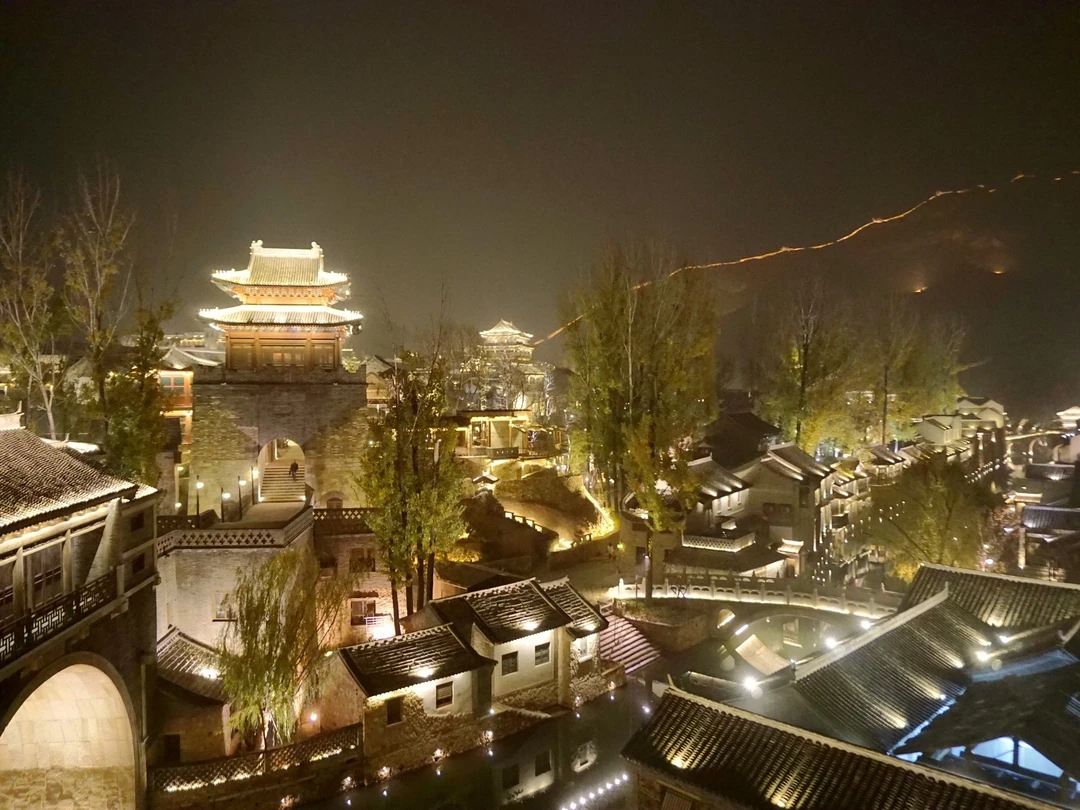
A Jiangnan Dream on Beijing's Outskirts: The Ultimate Gubei Water Town Travel Guide (November 2015)
Meta Description: Discover Gubei Water Town, Beijing's Jiangnan-inspired getaway at the foot of Simatai Great Wall. Read this detailed November 2015 travelogue with costs, tips, and must-see spots. The world is vast, yet life is fleeting. Sometimes, all it takes is a weekend—a spontaneous short…
Continue reading...
Lost in Beijing for Seven Days: A Solo National Day Journey Through the Capital
Meta Description: Discover how to survive—and thrive—during China's Golden Week in our SEO-optimized Beijing travel guide. From hidden hutongs to imperial palaces, this 7-day solo itinerary reveals crowd-avoidance secrets, budget tips, and must-visit attractions. Some say traveling during National Day is asking for trouble. But…
Continue reading...
The Beijing Adventures of "Dunderhead" and "Grumpy": A Heartwarming Journey Through Time and Childlike Wonder
Meta Description: Discover Beijing through the eyes of two playful travelers—"Dunderhead" and "Grumpy." From the Great Wall to the Forbidden City, this SEO-optimized guide blends nostalgia, history, and practical tips for an unforgettable trip. In June, Beijing's sky hung gray, the air thick with an…
Continue reading...