Lost in Beijing for Seven Days: A Solo National Day Journey Through the Capital
Meta Description: Discover how to survive—and thrive—during China's Golden Week in our SEO-optimized Beijing travel guide. From hidden hutongs to imperial palaces, this 7-day solo itinerary reveals crowd-avoidance secrets, budget tips, and must-visit attractions.
Introduction: Why Travel During National Day?
Some say traveling during National Day is asking for trouble. But there's a peculiar pleasure in searching for silence within the crush of humanity—when you discover an empty corner in a packed tourist spot, the sense of accomplishment hits harder than any quiet-season trip ever could.
Beijing, a city I'd long dreamed of visiting, seemed almost destined to be explored during this nationwide celebration. Standing before Tiananmen Square for that obligatory tourist photo felt like completing a ritual. So on October 1, 2015, I embarked on my seven-day Beijing adventure—and what follows is your comprehensive Beijing solo travel guide for navigating the capital during peak season.
Pre-Trip Preparations: Transportation and Accommodation
Smart Budget Travel: High-Speed Rail vs. Flights

With airfare skyrocketing during the holiday and no aversion to long journeys, I opted for the Beijing high-speed rail experience. Here's what worked:
- Outbound: Train G56, departing from Fuding, arriving at Beijing South Station
- Return: Train G167, departing from Beijing South Station, arriving at Wenzhou South Station
- Duration: Approximately 8 hours
- Ticket Price: 677 RMB one-way
Eight hours on the train gave me enough time to finish two books, watch three movies, and squeeze in a nap. For budget travel in Beijing, this is a no-brainer.
Where to Stay in Beijing During National Day
- Location: No. 10 Hepingli East Street, Dongcheng District (within the East Second Ring Road)
- Transportation: About 700 meters from the nearest subway station, with extensive bus routes nearby
- Surroundings: A halal snack street right downstairs, making shopping and dining convenient
- Booking: Strongly recommended to reserve online in advance—last-minute bookings are nearly impossible during Golden Week
[Link: Best budget hotels in Beijing for solo travelers]
Beijing 7-Day Itinerary: What Actually Happened
Here's how my actual schedule played out—a realistic Beijing travel itinerary that balances attractions with unexpected discoveries:
- Day 1: Wenzhou → Beijing
- Day 2: IKEA → Wudaoying Hutong → Yonghe Temple → Houhai → Yandai Xiejie
- Day 3: National Museum of China → Ju Baoyuan → Wangfujing Commercial Street
- Day 4: 798 Art District → Sanlitun SOHO → The Place → Ghost Street (Guijie)
- Day 5: Prince Gong's Mansion → Beiluoguxiang → Nanluoguxiang → Houhai → Kaorouji
- Day 6: The Palace Museum (Forbidden City) → Beihai Park
Day 2: From IKEA's Chaos to Hutong Serenity
IKEA Beijing: A Lesson in Crowd Management
Hoping to dodge the National Day crowds at major attractions, I chose what I thought was a "niche" destination—IKEA. How naive I was. The place was packed to the rafters. I could barely see the merchandise, let alone take photos.
Compared to IKEAs in Shanghai or Ningbo, the Beijing branch felt less polished. Maybe the crowds ruined the experience, or perhaps it's a north-south aesthetic divide. Either way, my plan to spend an entire day there collapsed within thirty minutes.
Tip for solo travelers: Avoid IKEA during National Day. Instead, explore Beijing's hidden hutongs for a more authentic experience.
Wudaoying Hutong: A Hidden Gem in Beijing
After escaping IKEA, I planned to head straight to Yonghe Temple. But the blazing sun and grumbling stomach led me into nearby Wudaoying Hutong. Little did I know, this would become the trip's most unexpected highlight.
Wudaoying Hutong stretches 632 meters from Yonghegong Street in the east to Andingmen Inner Street in the west. During the Ming Dynasty, it housed garrison troops and was called "Wude Wei Camp." Under the Qing Dynasty, it belonged to the Bordered Yellow Banner and was renamed "Wudaoying."
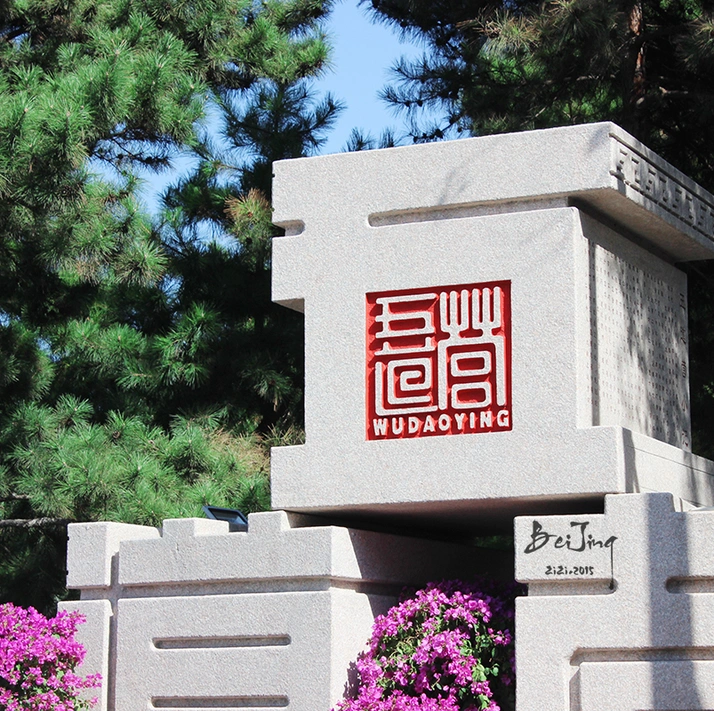
Unlike the overly commercialized Nanluoguxiang, Wudaoying has almost no food stalls. Instead, you'll find cozy cafés, Western restaurants, and quirky boutiques. There's no noise—just lazy sunlight and an artsy vibe.
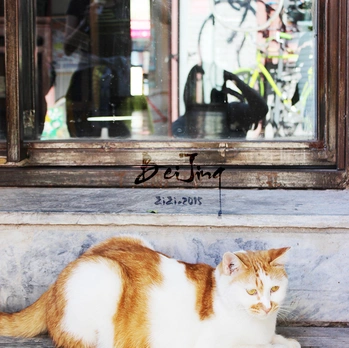
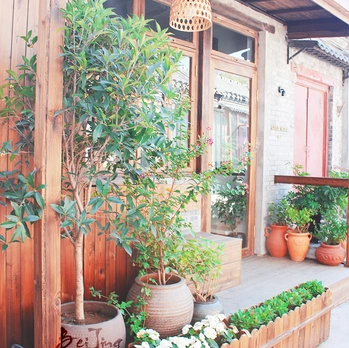
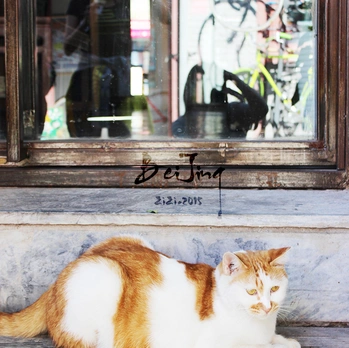
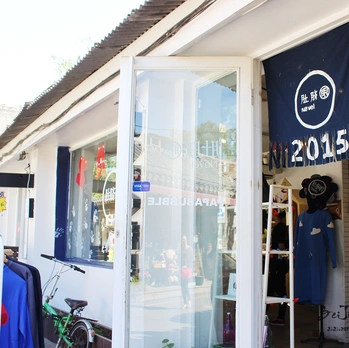
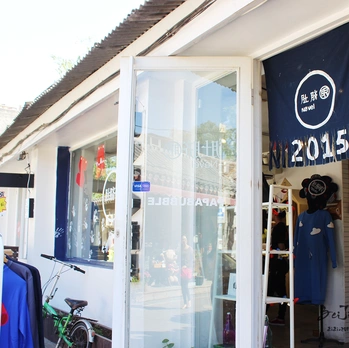
Everywhere you look, cats and dogs bask in the sun. Tiny shopfronts beg for a closer look. The famous "Belly Button" shop (肚脐眼儿) is here—a place with a strange name but a surprisingly enchanting interior.
Practical Info: - Average dining cost per person: Around 70 RMB - Must-try: Old Beijing Yogurt (it's really sour, and you can't take the bottle) - Recommended: Xianghe Meat Pie (香河肉饼)—sounds like a chain, but the flavor is solid
[Link: Best hutongs to visit in Beijing for solo travelers]
Wu Yutai Tea House: A Green Tea Ice Cream Break
Exiting Wudaoying, I found myself across from Wu Yutai Tea House. Their green tea ice cream is a must-eat. I crossed the street, cone in hand, heading straight for Yonghe Temple.
Yonghe Temple: The Prince's Residence, a Sanctuary for the Soul
Yonghe Temple is the largest Tibetan Buddhist monastery in Beijing. Originally built as official quarters for Ming Dynasty eunuchs, it became the residence of the Fourth Prince Yinzhen (later Emperor Yongzheng) in 1694 during the Qing Dynasty. Covering 66,400 square meters, it houses over a thousand halls and rooms.
Practical Info: - Ticket: 25 RMB per person (half price for students) - Free Incense: There's a complimentary incense stand at the right side of the main gate; one box is enough - Highlight: The ticket includes a small CD and card—a thoughtful touch
One of my favorite photos from the trip was taken here—dappled light and shadow falling on crimson walls, wind chimes ringing in my ears, incense smoke curling in the air. In that moment, the rest of the world faded away, leaving only the quiet need to soak it all in.
Beijing's "parade blue" skies made their annual appearance during National Day—crystal-clear for the first three days, then giving way to gray smog for the rest. The yellow glazed tiles gleamed under the sun, marking the highest architectural standard reserved for imperial use.
Houhai: Tranquil Days, Electric Nights
Houhai is part of the Shichahai lake system, often called the "Rear Three Seas" to distinguish it from the "Front Three Seas" (Beihai, Zhongnanhai, and Nanhai). Covering 146.7 hectares, these waters date back to the Yuan Dynasty, over 700 years ago.
By night, Houhai transforms into a rowdy bar street. By day, it's peaceful and refreshing. I later rented a bike to circle the lake, experiencing both sides of its personality.
Yandai Xiejie: An Ancient Shopping Street
Yandai Xiejie (Tobacco Pipe Slanting Street) sits in front of the Drum Tower on Di'anmen Outer Street. In the late Qing and early Republic periods, it was known for selling tobacco pipes and accessories. Today, it's a hub for street food, antiques, and art.
The street connects to Houhai's bar district via a narrow alley. I stopped at a quirky shop to buy postcards for friends—a travel ritual I never skip.
Food Recommendation: The skewer shop directly across from the Yandai Xiejie archway serves fantastic lamb kidney skewers. Sitting outside eating as the autumn breeze picks up, you can't help but hum "One Night in Beijing."
Day 3: Museums and Copper Pot Hotpot
National Museum of China: The Importance of Reservations
Visiting museums has become a travel habit, and this trip was no exception. The museum's crown jewel is the "Ancient China" exhibition on the basement level, featuring treasures like the Four-Ram Square Zun (四羊方尊) and the Houmuwu Ding (后母戊鼎).
Practical Info: - Address: No. 16 East Chang'an Street, Dongcheng District - Reservations: Must be made in advance on the official website. Exchange your reservation code and ID for a ticket at the North Gate ticket office. - Audio Guide: Absolutely essential—you'll miss a lot without it. - Note: When taking Line 1 past Tiananmen, Chang'an Street is closed off, with security checks every 10 meters.
[Link: Free museums in Beijing worth visiting]
Ju Baoyuan: The Long Wait for Copper Pot Hotpot
Everyone says you have to go to Ju Baoyuan for copper pot hotpot. So I arrived around 5 PM—only to find 70 or 80 groups ahead of me. The wait stretched to two hours.
Address: Building 1-5-2, Niujie Xili Commercial Area, Xicheng District
The longer I waited, the higher my expectations climbed. But the actual experience left me underwhelmed. The meat was tender and fresh, no complaints there, but the only dipping sauce was sesame paste. For someone from Wenzhou used to DIY hotpot sauce bars, this felt limiting.
Honest Review: Worth trying once for the experience, but don't expect it to change your life. For better Beijing hotpot recommendations, consider smaller local spots in the hutongs.
Day 4-6 Highlights: Art, Nightlife, and Imperial Grandeur
798 Art District: Beijing's Creative Heart
This former electronics factory complex has transformed into one of the world's most vibrant art districts. Galleries, studios, and quirky cafés fill the industrial spaces. Best time to visit: Weekday mornings to avoid crowds.
Ghost Street (Guijie): Late-Night Food Paradise
Open 24 hours, this 1.5-kilometer stretch of Dongzhimen Inner Street offers everything from spicy crayfish to Beijing dumplings. Pro tip: Go after 10 PM for the full experience.
The Palace Museum (Forbidden City): Essential Tips
- Book tickets at least 7 days in advance during National Day
- Enter through the Meridian Gate (south entrance)
- Allow 3-4 hours minimum
- Don't miss the Treasure Gallery and Clock Gallery
[Link: How to visit the Forbidden City without the crowds]
FAQ: Your Beijing National Day Travel Questions Answered
1. Is it worth visiting Beijing during National Day?
Yes, if you plan strategically. While major attractions are crowded, the city has "parade blue" skies, festive decorations, and a unique energy. Focus on lesser-known hutongs, book everything in advance, and embrace the chaos.
2. How can I avoid crowds at Beijing's top attractions?
- Visit popular sites early (before 8 AM) or late (after 4 PM)
- Choose weekdays over weekends
- Explore alternatives like Wudaoying Hutong instead of Nanluoguxiang
- Book timed-entry tickets well in advance
3. What's the best way to get around Beijing during Golden Week?
The subway is your best bet—it's efficient and affordable. Avoid taxis during peak hours (8-10 AM, 5-7 PM). Consider renting a bike for hutongs and lakeside areas like Houhai.
4. What should I pack for a Beijing solo trip in October?
- Layers (mornings/evenings can be cool, afternoons warm)
- Comfortable walking shoes
- Face mask (for smoggy days)
- Portable charger
- Reusable water bottle
5. How much does a 7-day Beijing trip cost during National Day?
Budget approximately 4,000-6,000 RMB (excluding flights) for mid-range accommodation, meals, and attractions. Book accommodation and train tickets at least 2-3 weeks in advance to secure better rates.
Final Thoughts: Why You Should Take the Leap
Traveling solo during National Day taught me something important: the best memories often come from unexpected detours. That spontaneous visit to Wudaoying Hutong, the green tea ice cream break, the bike ride around Houhai—these moments defined my trip more than any ticketed attraction.
Beijing during Golden Week isn't for everyone. But if you're willing to embrace the crowds, plan ahead, and leave room for spontaneity, you'll discover a city that rewards patience and curiosity.
Ready to plan your own Beijing adventure? Start by booking your train tickets and accommodation at least one month in advance. Then, use this itinerary as your flexible guide—and don't forget to get lost in a hutong or two.
[Link: Complete Beijing travel guide for first-time visitors]
What's your best tip for surviving National Day travel in China? Share in the comments below—or tag us in your Beijing photos using #LostInBeijingSolo
You should also read:
A Passionate Journey Through Beijing & Tianjin: Beijing Complete Guide – JOJO's In-Depth Travel Notes
Meta Description: Explore Beijing & Tianjin in 5 days with this complete travel guide. From the Forbidden City to the Great Wall, discover insider tips, transportation hacks, and must-see attractions. Plan your perfect China trip today. Beijing is not just a city—it's a living museum…
Continue reading...
Hai Tuo Mountain Above the Sea of Clouds: A Skyward Feast on the Roof of Beijing
Meta Description: Discover Hai Tuo Mountain, Beijing's second-highest peak, where sea of clouds, starry nights, and alpine meadows await. Your ultimate guide to hiking, camping, and photography on the "Roof of Beijing." At the border of Beijing's Yanqing District and Hebei's Chicheng County lies a…
Continue reading...
A Solo Journey Through Beijing: One Girl's Seven-Day Adventure
Here is the SEO-optimized, rewritten article based on your source material. It is structured for high readability, keyword density, and user engagement, targeting approximately 1500 words. SEO Title: Solo Travel in Beijing: One Girl’s 7-Day Budget Adventure (2,000 Yuan Itinerary) Meta Description: Discover the ultimate…
Continue reading...