From Beijing to Harbin to Manzhouli: The Ultimate Winter Expedition Through China's Frozen North
Meta Description: Discover the ultimate winter travel itinerary from Beijing's Forbidden City to Harbin's ice wonders and Manzhouli's Russian border. A solo traveler's guide to China's frozen north with tips, food, and hidden gems.
Introduction: Why Winter Travel in Northern China Changes You
Professor Luo Xiang once observed that staying in one place too long traps us in prejudice and limited perspectives. Reading ten thousand books frees us from the biases of our era; traveling ten thousand miles frees us from the biases of our place.
I may never finish ten thousand books. But ten thousand miles? That became my life mission.
I wanted to see how others live—to witness the different roads that all lead to the same destination. This article chronicles a winter expedition I took during the first lunar month of 2017: my first solo long-distance journey, from the imperial capital to the ice city, then to the window on East Asia.
Why am I writing about it now? Let's just say I forgot my account password. Perfectly valid excuse.
The Spark: How One Photo Launched a Northeast China Adventure
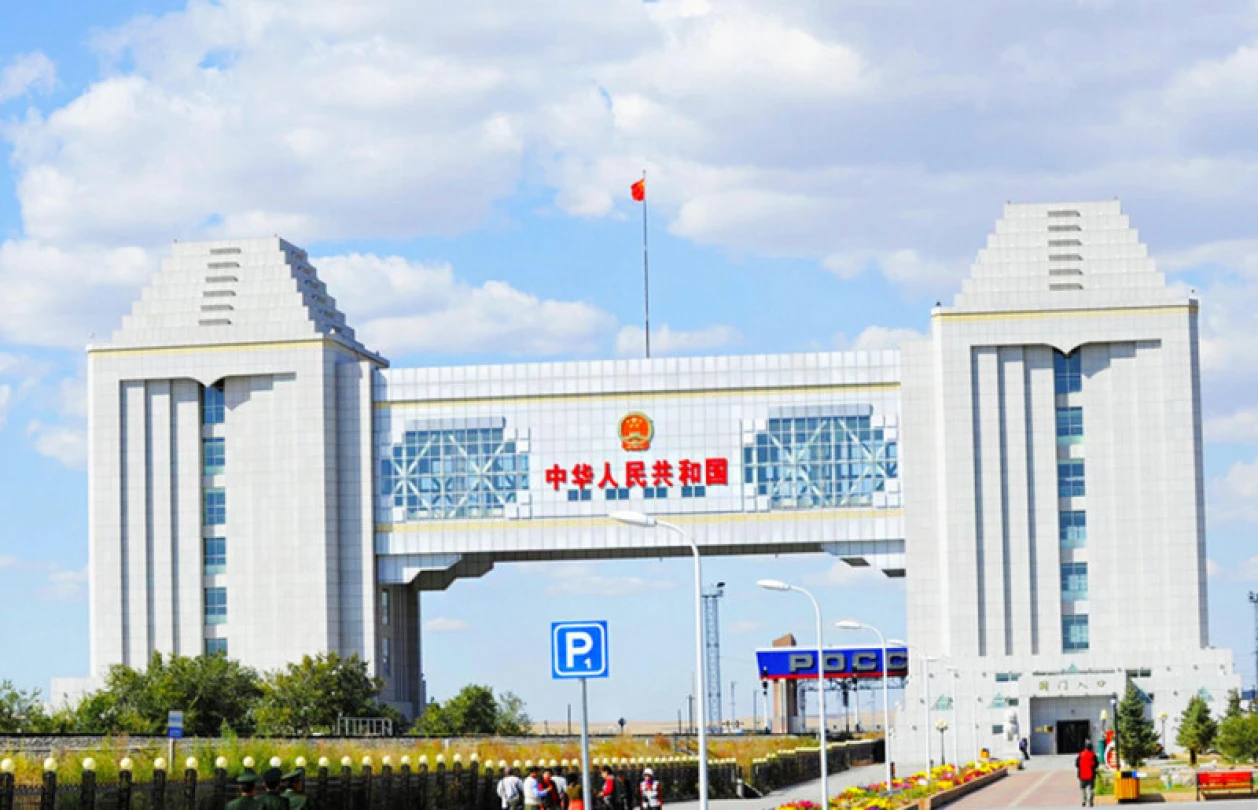
On the last day of 2016, while supposedly working (don't follow my example—I'm the champion of slacking), I stumbled upon a photograph: the Manzhouli National Gate standing face-to-face with Russia's border gate.
In that instant, my senses exploded. Snow-covered forests. The frozen Songhua River. Sweet-and-sour pork (锅包肉). Smoked red sausages (红肠). And that unforgettable phrase: "What are you looking at? What's it to you?"

Two seconds later, I decided: I was going to Northeast China.
I prepared on and off for nearly two months. To maximize destinations, savings, and time, I chose to travel solo with a packed itinerary. The result? I inevitably ended up with a fever in Manzhouli.
If you can afford it, don't follow my example. But if you're ready for an unforgettable winter expedition, read on.
Stop One: Beijing – From Lukou Airport to the Forbidden City in One Day
The "Dead Dog" Mode at Dawn
February 18th. Wake-up at 5:30 AM. Airport terminal at 6:00. Takeoff at 7:50. Sleep: five hours. I was like a dead dog. Don't ask.
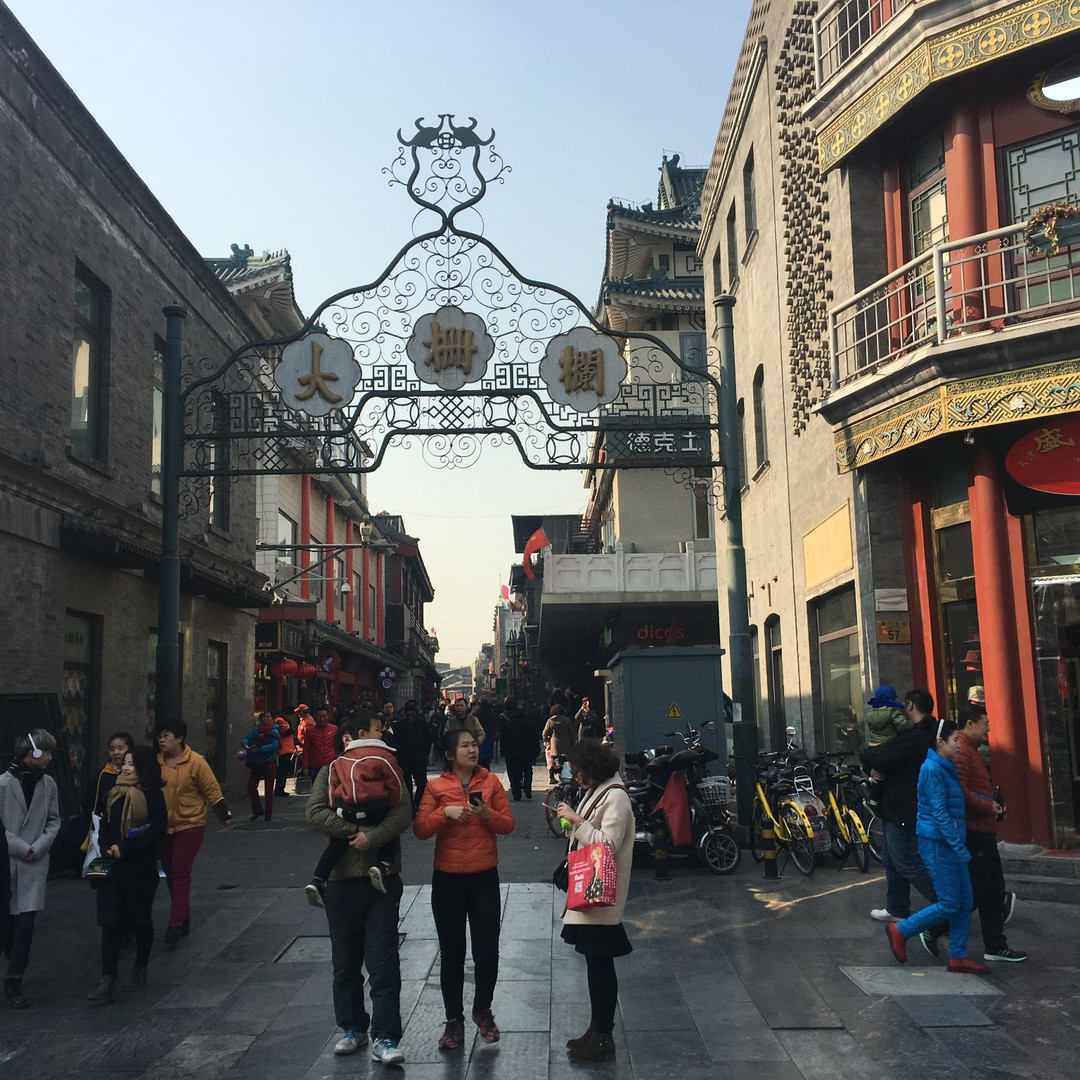
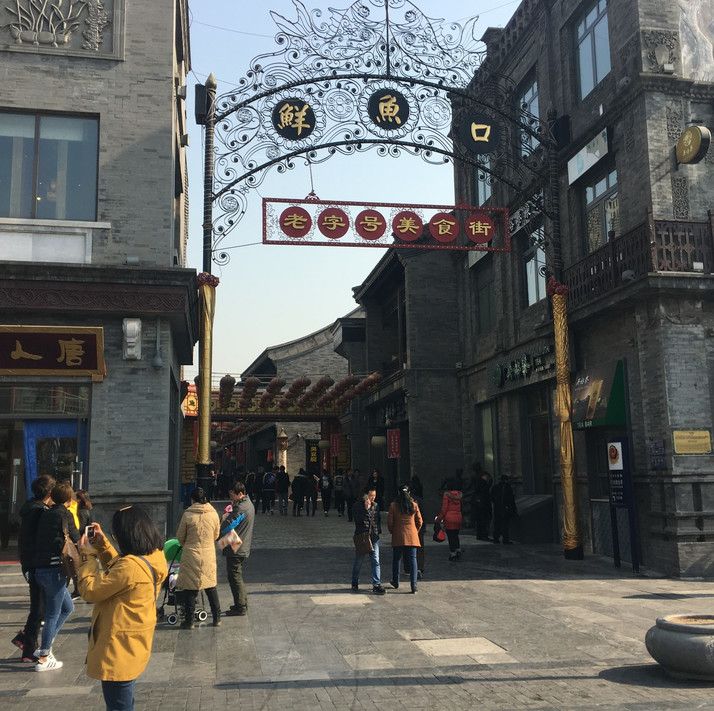
After landing, I headed straight to Beijing Station to store luggage, then turned toward Qianmen Dashilan (pronounced shí làn in Beijing dialect). Even on my third visit, I couldn't help shouting "I'm here at Dashanlan!" on the street—instant social death.
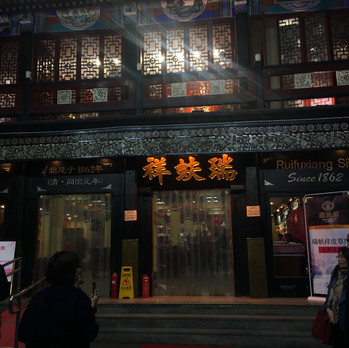
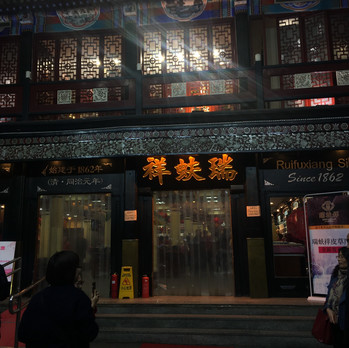
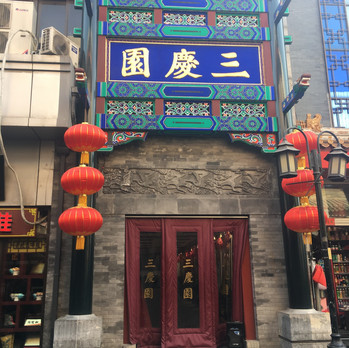
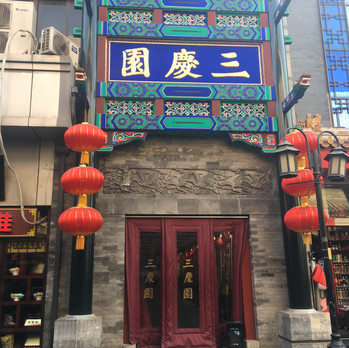
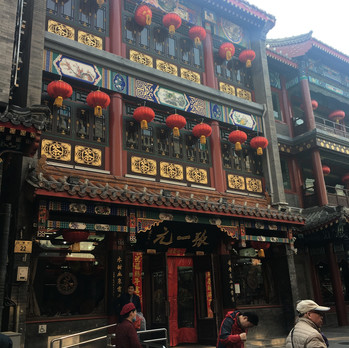
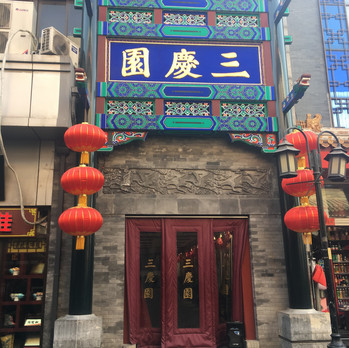
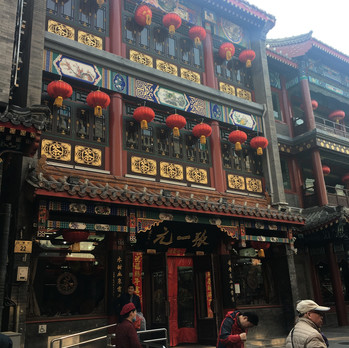
Dashilan Street holds centuries of stories: Ruifuxiang Silk Store, Sanqingyuan Theater, Zhangyiyuan Tea House, Tongrentang Pharmacy, Daguanlou Cinema, Neiliansheng Shoes, Guangdelou Theater. The regular venue of Deyun Society (China's most famous crosstalk troupe) is right here, just steps away.
By 1:00 PM, I was starving. Following a friend's directions, I found a century-old establishment: 爆肚冯 (Feng's Flash-Boiled Tripe) at No. 39, Langfang Er Tiao, Qianmen. Lamb tripe and beef tripe dipped in sesame sauce—the aroma was unforgettable. If I ever return to Beijing, eating there will be my first priority.
[Link: Best street food in Beijing]
The Forbidden City: Pushed Through the Purple Forbidden City
From Dashilan, I could see Tiananmen in the distance. But actually reaching it required crossing two underpasses and three security checkpoints before standing beneath Tiananmen Gate.
The Tiananmen Rostrum is open to the public, featuring venues where leaders receive guests and hold major events. But large items can't be taken in—I spent considerable time depositing and retrieving my bag.
Inside the Forbidden City, the main central axis halls were packed with people. I slipped off to the side halls to capture decent photos.
At 5:00 PM, eviction hour arrived. I exited through the Imperial Garden and Shenwu Gate, then entered Jingshan Park. Climbing to the top was the first highlight of my entire journey: the full panorama of the Forbidden City spread out before me.
I've seen Wuhan's Yellow Crane Tower. I grew up by the Yangtze River. But no place deserves "magnificent and grand" more than the Forbidden City.
[Link: Forbidden City ticket guide and best visiting times]
Stop Two: Harbin – First Encounter at Minus Thirty Degrees
A Southerner's First "Snow Avalanche"
When I woke up on the train, the snow outside triggered a rush of hormones. As a southerner, I'd never seen this much snow in my life. Minus twenty or thirty degrees Celsius was just a number—I had no concept of what it meant.
I got off the train, and the freezing wind immediately taught me a lesson. I changed into thermal long underwear right there in the Harbin train station bathroom.
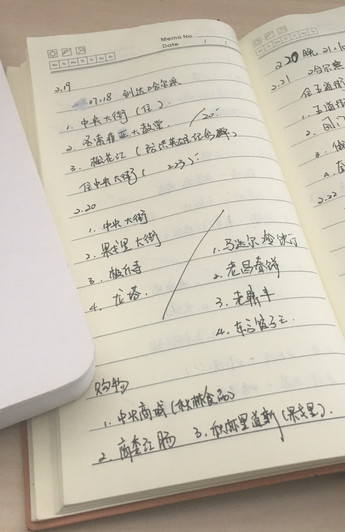
I stayed at the Europa Hotel near Central Street—a place where writers Xiao Hong and Xiao Jun once lived together. The price was reasonable, and the stay was comfortable.
Central Street: Exotic Charm and Century-Old Flavors
On a weekday morning, Central Street was nearly empty, but the exotic atmosphere was undiminished. This 1.4-kilometer pedestrian street features 71 European-style buildings, earning it the nickname "Museum of European Architecture."
Finally, I saw the legendary 马迭尔冷饮厅 (Modern Ice Cream Parlor) —a shop with over a hundred years of history. I tried their popsicles, but personally preferred the ones from Huamei Western Restaurant across the street. Huamei's yogurt-flavored popsicles, five yuan each, are highly recommended.
For lunch, I chose a classic dish: 老昌春饼 (Laochang Spring Pancakes) . I ordered shredded pork in sweet bean sauce, served with both 春饼 (thick spring pancakes) and 筋饼 (thin, chewy spring pancakes). The thick ones were thicker; the thin ones were thinner. I preferred the texture of the thick ones.
[Link: Harbin food guide – must-try local dishes]
Saint Sophia Cathedral: A Century of Russian Imprints
Leaving Central Street, turning a corner and walking straight ahead, I arrived at Saint Sophia Cathedral, frequently mentioned in spy dramas. Built by the Russians in 1907, it hadn't been renovated when I visited (protective restoration work was done in 2019).
This was my first time seeing this style of cathedral. I braved the wind to charge toward the ticket office and went inside. The dome, the interior, the ubiquitous Russian dolls and Andreyevich references—everything felt so fresh.
Songhua River: The Frozen Northern Landscape
As evening fell, light snow began to drift. Following Central Street all the way forward, I reached the People's Flood Control Monument. And then—my mind was blown—I saw something I'd only ever seen in photographs: the frozen Songhua River.
Seeing that scene, I finally understood what "Northern landscape, a thousand miles of ice, ten thousand miles of snow" truly means.
That night, I played on the ice slide next to the Modern Hotel. The joy of minus thirty degrees—southerners just don't get it.
[Link: Harbin Ice and Snow Festival dates and tips]
Stop Three: Manzhouli – The National Gate That Haunted My Dreams
12 Hours and 22 Minutes of Clattering
From Harbin to Manzhouli, I took the K7091 train. Twelve hours and twenty-two minutes of non-stop clattering through the frozen landscape.
Manzhouli, originally called "Holjin Bulag" (meaning "abundant spring" in Mongolian), acquired its Russian name "Manzhouliya" in 1901 due to the construction of the Chinese Eastern Railway. It belongs to Hulunbuir City in Inner Mongolia and is China's largest land port city, directly connected to Russia.
Manzhouli Station—the first stop on the Chinese Eastern Railway, built in 1898 jointly by China and Russia—is the gateway to Europe. From here, you can take a train directly to Russia or even to Europe.
A "Welcome" of Over a Hundred Falls
Before I could contain my excitement, the local climate began punishing me. The snow kept falling; the bottom layer had frozen into ice, with fresh snow covering everything. I fell over a hundred times during my visit.
But the Manzhouli National Gate was worth every fall. Standing face-to-face with Russia's border gate, I understood why this place haunted my dreams. The snow-covered forests stretched endlessly, and the border crossing buzzed with activity.
[Link: Manzhouli travel guide – border crossing and attractions]
Practical Tips for Your Winter Expedition
What to Pack for Northeast China in Winter
- Thermal underwear – Essential. I changed into mine at Harbin station.
- Waterproof boots – The ice and snow will soak regular shoes.
- Layered clothing – Multiple thin layers work better than one thick coat.
- Hand warmers – Life-saving in minus thirty degrees.
- Lip balm and moisturizer – The dry cold will crack your skin.
Budget Tips for Solo Travelers
- Book trains early – The K7091 from Harbin to Manzhouli sells out fast.
- Stay in central locations – The Europa Hotel in Harbin was affordable and convenient.
- Eat like a local – Street food and small restaurants offer authentic flavors at lower prices.
- Travel mid-week – Central Street was nearly empty on a weekday morning.
FAQ: Winter Travel in Northern China
Q1: Is it safe to travel alone in Northeast China during winter?
Yes, but prepare properly. The cold is intense, and public transportation can be delayed by snow. Stick to well-lit areas, inform someone of your itinerary, and carry emergency supplies.
Q2: What is the best time to visit Harbin for winter activities?
The Harbin Ice and Snow Festival runs from early January to late February. Visit in January for the best ice sculptures and coldest temperatures (minus 20-30°C).
Q3: Can I cross the border from Manzhouli to Russia?
Yes, but you need a valid Russian visa. The Manzhouli border crossing is China's largest land port, with direct trains to Russia and Europe.
Q4: How do I get from Beijing to Harbin?
High-speed trains run from Beijing to Harbin in approximately 5 hours. Alternatively, overnight trains offer a budget-friendly option.
Q5: What should I eat in Northeast China?
Must-try dishes include 锅包肉 (sweet-and-sour pork) , 红肠 (smoked red sausages) , 老昌春饼 (spring pancakes) , and 马迭尔冰棍 (Modern Ice Cream) – even in winter!
Conclusion: Your Winter Expedition Awaits
This journey from Beijing's imperial grandeur to Harbin's frozen wonders and Manzhouli's border magic changed how I see the world. The Forbidden City at sunset, the frozen Songhua River, the National Gate standing guard—these are memories that no photograph can fully capture.
If you're ready to break free from the biases of your place, if you want to see how others live, if you dream of standing where China meets Russia—then start planning your winter expedition today.
Book your train tickets, pack your thermal underwear, and prepare for the adventure of a lifetime.
The frozen north is waiting. Are you brave enough to answer?
Have you traveled through Northeast China in winter? Share your experiences in the comments below, or subscribe to our newsletter for more travel guides and hidden gems.
You should also read:
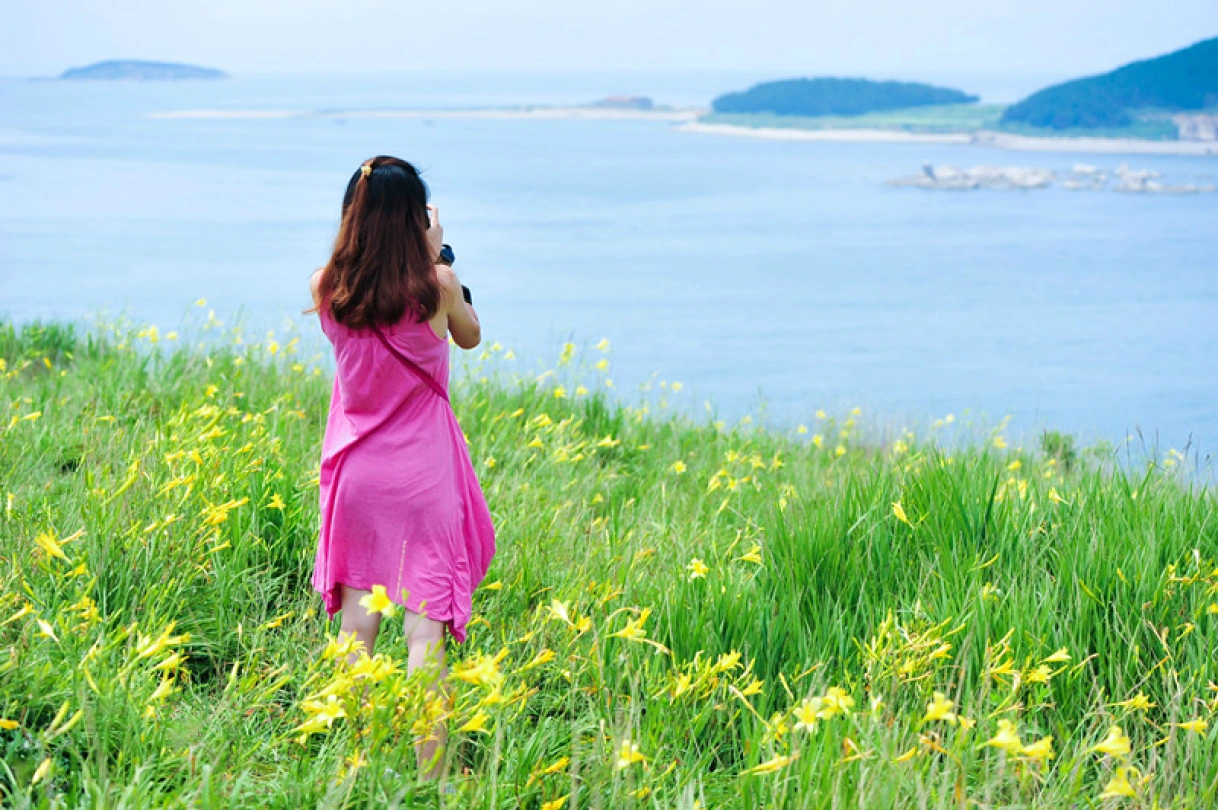
A Spontaneous Escape Through Tianjin, Beijing, and Shandong: An Unforgettable Solo Travel Adventure
Meta Description: Discover the raw beauty of a spontaneous solo journey through Tianjin, Beijing, and Shandong. From Quanjude roast duck to Tanggu night views, read this heartfelt travelogue of escape and self-discovery. The July wind carried restlessness and unease. After abruptly ending a ten-day job…
Continue reading...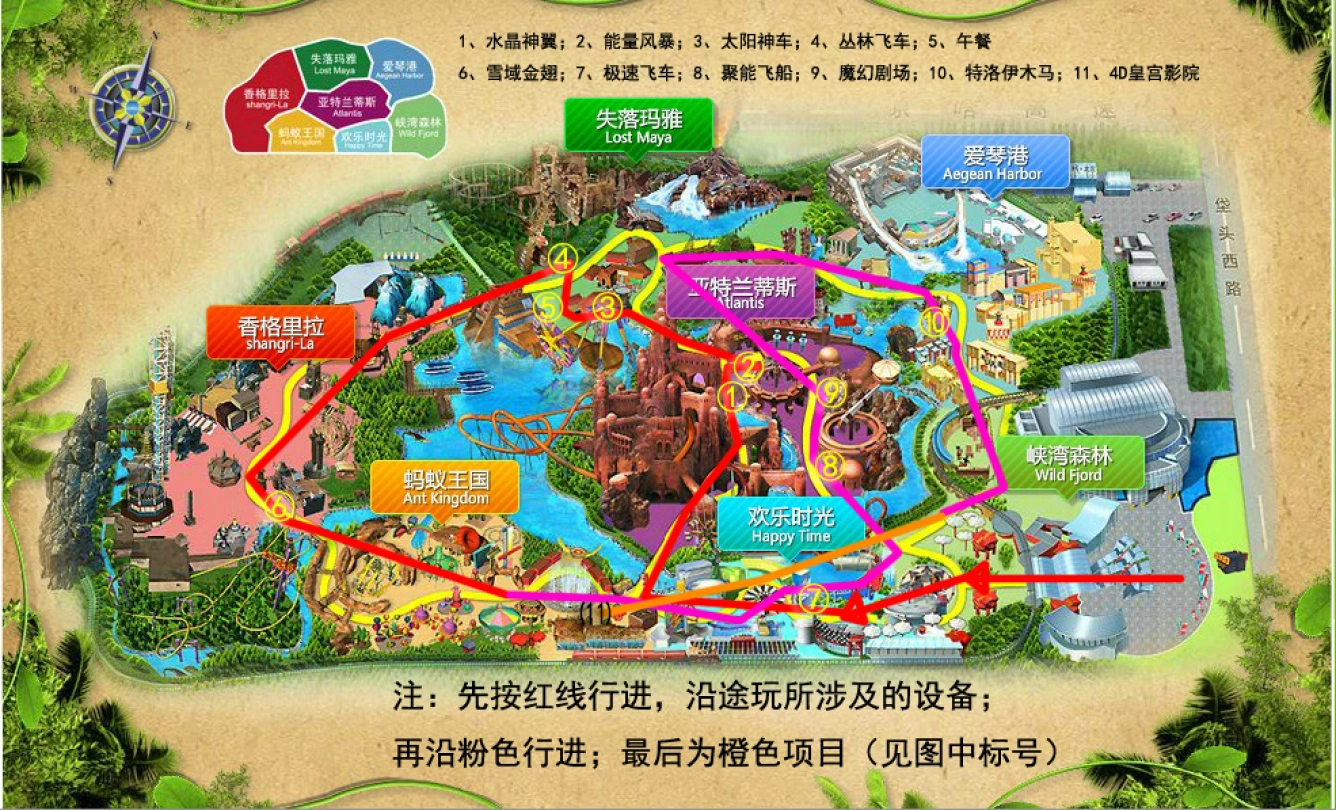
Beijing Happy Valley Ultimate Money-Saving Guide: Ride Everything, See Every Show in One Day
Here is the SEO-optimized, rewritten article based on the source material. It is structured for readability, keyword density, and user engagement, targeting approximately 1500 words. SEO Title: Beijing Happy Valley Ultimate Money-Saving Guide: Ride Everything & See Every Show in One Day Meta Description: Maximize…
Continue reading...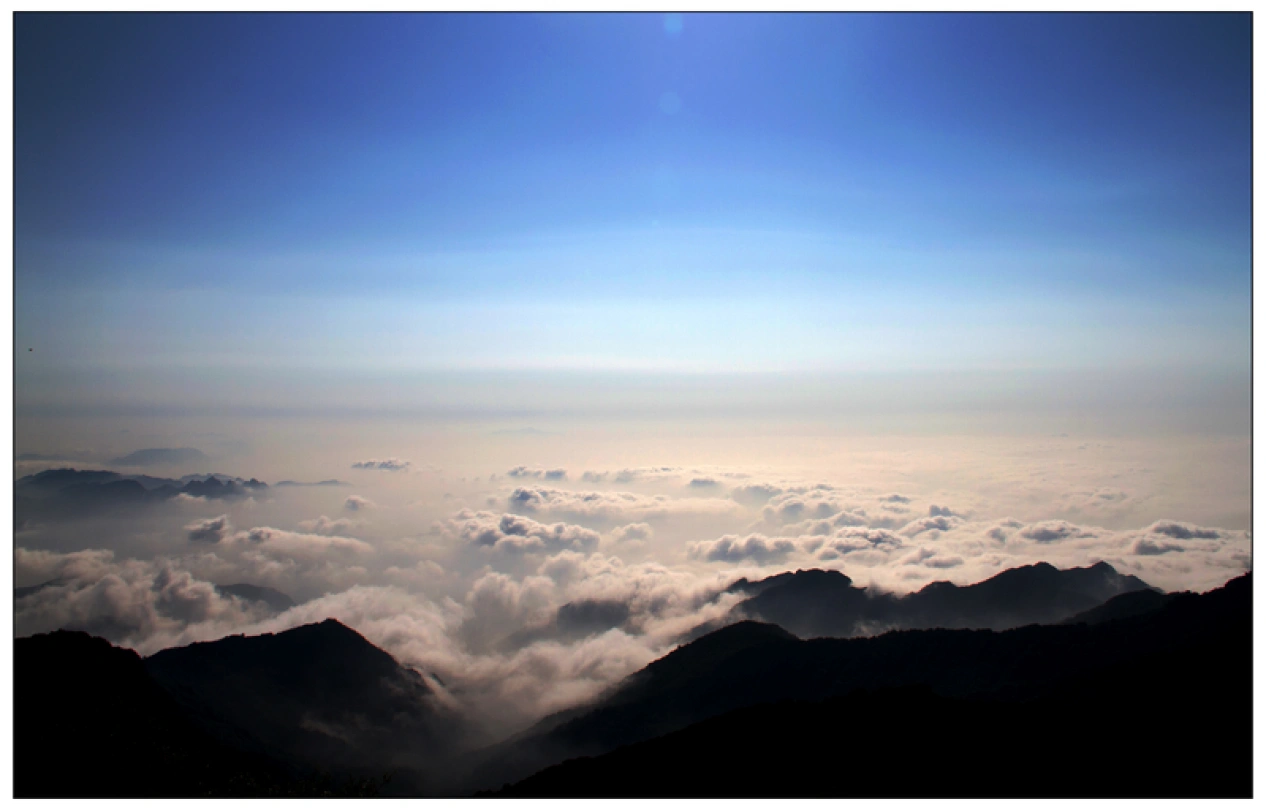
Hai Tuo Mountain Above the Sea of Clouds: A Skyward Feast on the Roof of Beijing
Meta Description: Discover Hai Tuo Mountain, Beijing's second-highest peak, where sea of clouds, starry nights, and alpine meadows await. Your ultimate guide to hiking, camping, and photography on the "Roof of Beijing." At the border of Beijing's Yanqing District and Hebei's Chicheng County lies a…
Continue reading...