From Dengshikou to the Ancient Observatory: A Day Trip Through Seven Centuries of Beijing’s History
Here is the SEO-optimized, rewritten article based on the source material. It is structured for search engines while maintaining the narrative depth and factual accuracy of the original.
SEO Title: From Dengshikou to the Ancient Observatory: A Day Trip Through Seven Centuries of Beijing History
Meta Description: Discover Beijing’s hidden history on a walking tour from Dengshikou to the Ancient Observatory. Explore Shijia Hutong, Zhihua Temple, and the secrets of the Ming & Qing dynasties.
From Dengshikou to the Ancient Observatory: A Day Trip Through Seven Centuries of Beijing’s History
Beijing’s true charm doesn’t lie in the overcrowded Instagram hotspots that tourists flock to. It’s hidden in the depths of seemingly ordinary hutongs (traditional alleyways), under the eaves of ancient temples, and within the peeling paint of old walls. If you have just one day and want to touch the city’s most authentic texture, the route starting from Dengshikou, heading east along Shijia Hutong all the way to the Ancient Observatory, is absolutely worth an entire day.
This isn’t a popular tourist trail, but it’s one that takes you from the Ming Dynasty to the Qing Dynasty, from the Republic of China era to the present day. Every step you take lands on the backbone of history.
Dengshikou: Where the Journey Begins
Exit Dengshikou Station on Metro Line 5, head north past the Juyin Theater of the Beijing People’s Art Theatre, and you step into the territory of Shijia Hutong. This area was once the site of the Ming Dynasty’s lantern markets. During the Lantern Festival, tens of thousands of colorful lanterns would light up the night, merchants gathered from all directions, and the atmosphere was electric. Today, those lantern markets are long gone, but the streets still carry an unhurried, old-Beijing air that feels almost timeless.
[Link: Best time to visit Beijing hutongs for lantern festivals]
Shijia Hutong: One Alleyway, Half a Century of Modern History
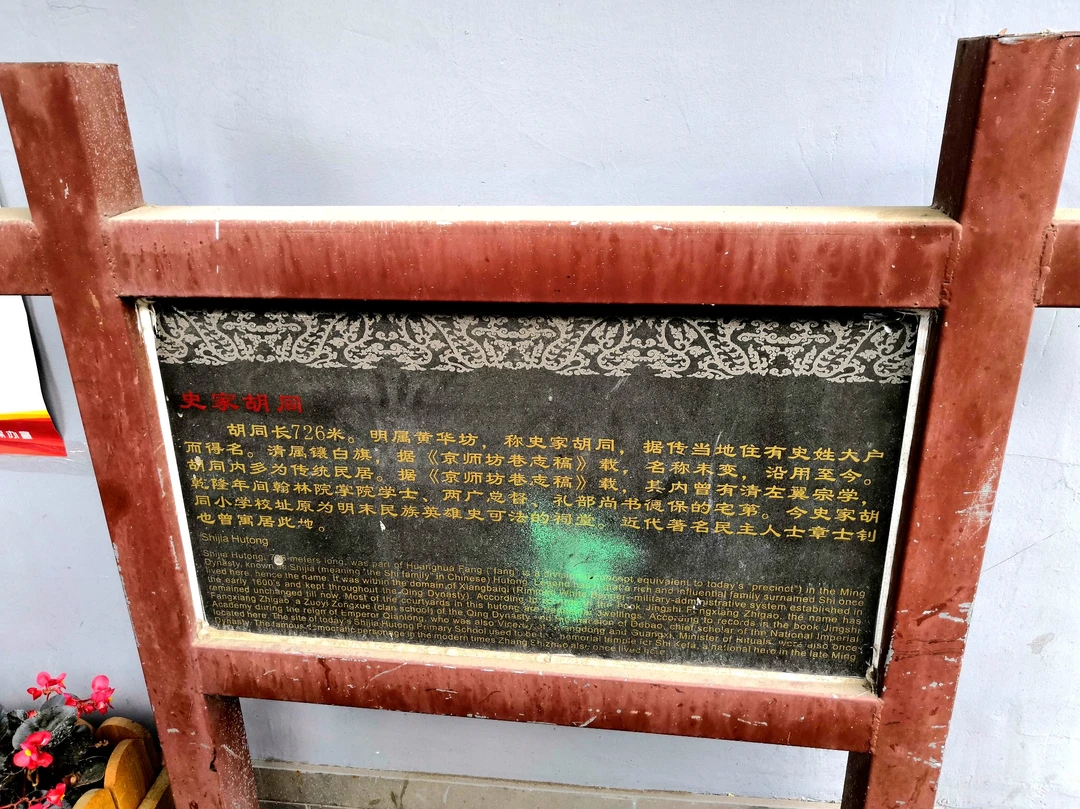
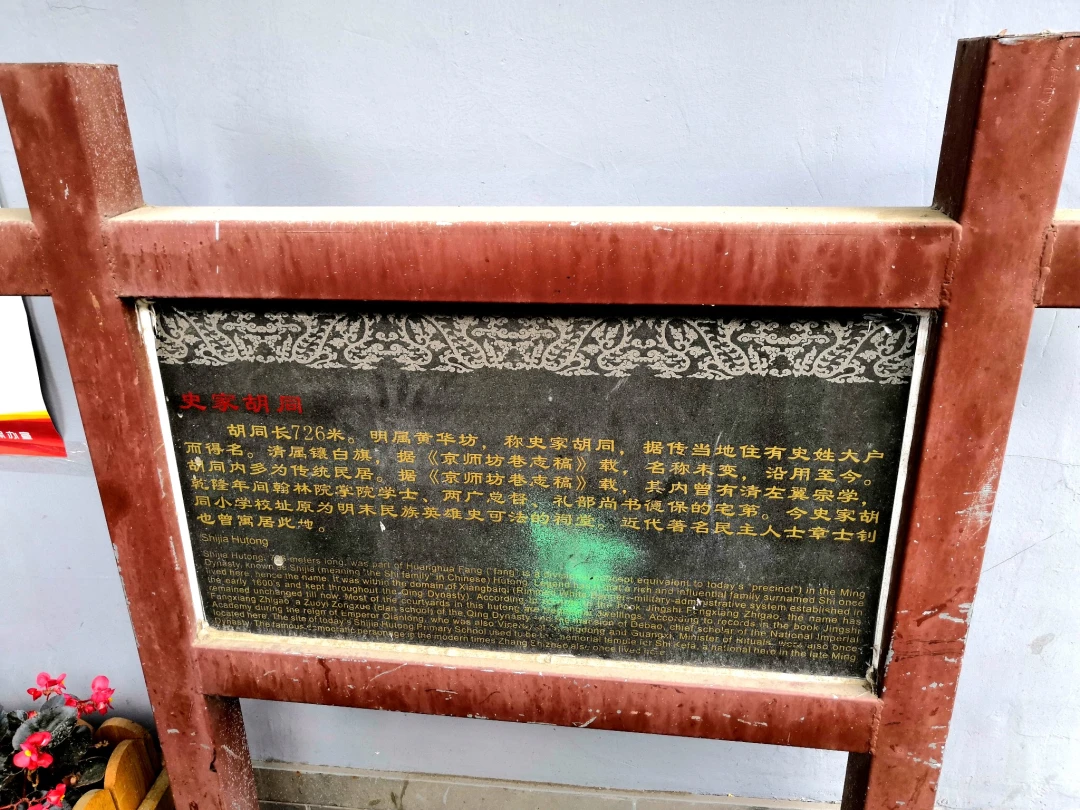
The name “Shijia Hutong” first appeared in the Jingshi Wucheng Fangxiang Hutong Ji (A Record of the Five Wards, Neighborhoods, and Alleyways of the Capital) from the Ming Dynasty’s Jiajing era. Remarkably, this hutong has never changed its name in over six hundred years, except for a brief period during the Cultural Revolution when it was renamed “Hongri Road No. 18.” For six centuries, it has stood witness to Beijing’s transformations under the name “Shijia.”
The people who have lived in this hutong could each fill a biography on their own: Zhang Shizhao, Fu Zuoyi… and the dormitories of the Beijing People’s Art Theatre. Walking through the alley, you can almost hear the voices of legendary stage actors rehearsing their lines, echoing faintly through the years.
The Most Elite Primary School in China: Shijia Primary School

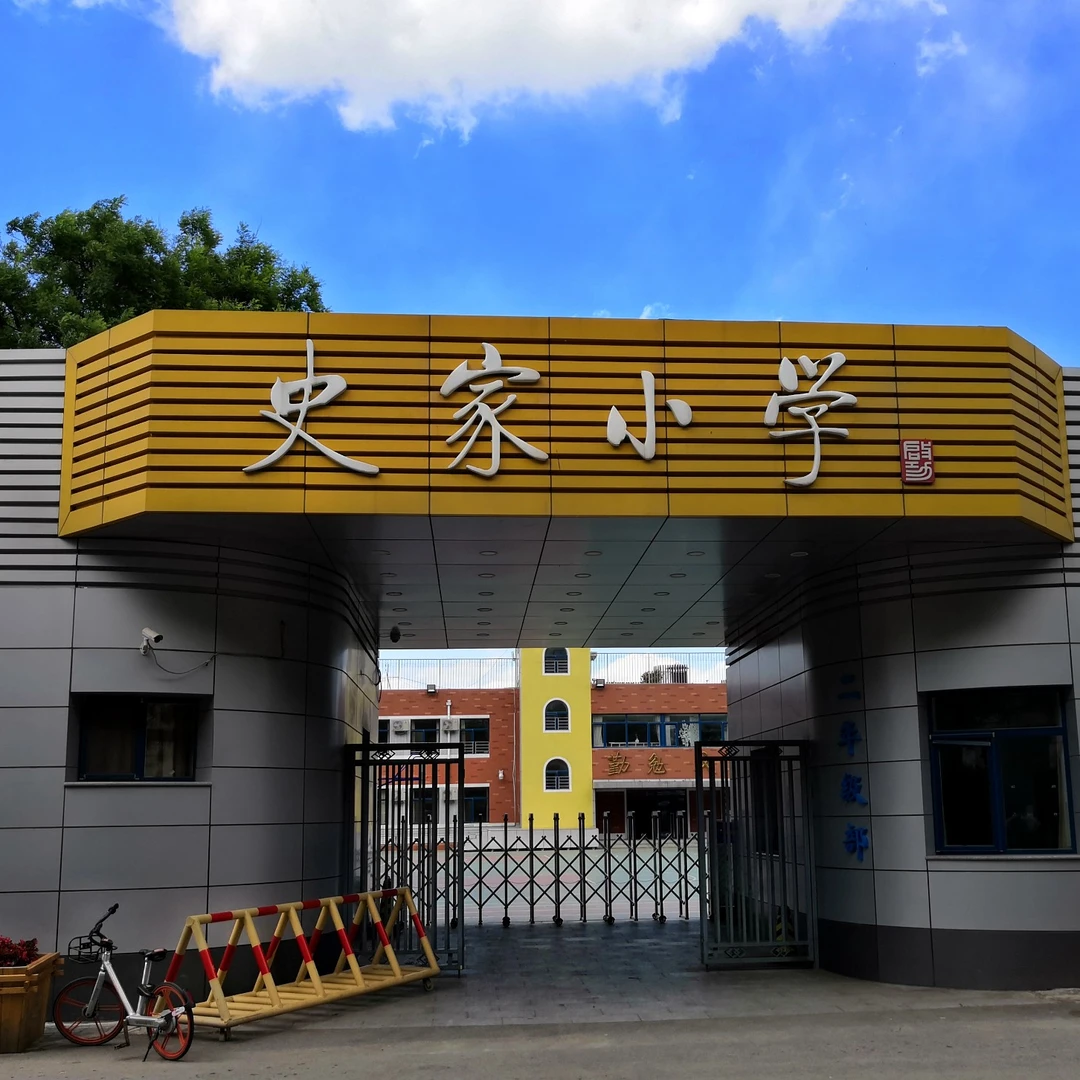
No discussion of Shijia Hutong would be complete without mentioning Shijia Primary School. Founded in 1939, its school name was personally inscribed by the renowned calligrapher Mr. Qi Gong. Its reputation isn’t just hype—at its 70th anniversary celebration in 2009, the Great Hall of the People was packed with over 7,000 people. Premier Wen Jiabao personally wrote the inscription “Learning, Thinking, Knowing, Acting” (xue si zhi xing), and the event was hosted by actor Pu Cunxin and TV personality Yang Lan. The list of attending dignitaries was long enough to circle a playground. The school’s partner organizations are so prestigious that it has earned the nickname “Beijing’s Most Elite Primary School” since childhood.
The “Good Garden” of the All-China Women’s Federation: From a Eunuch’s Secret Residence to a Women’s Haven
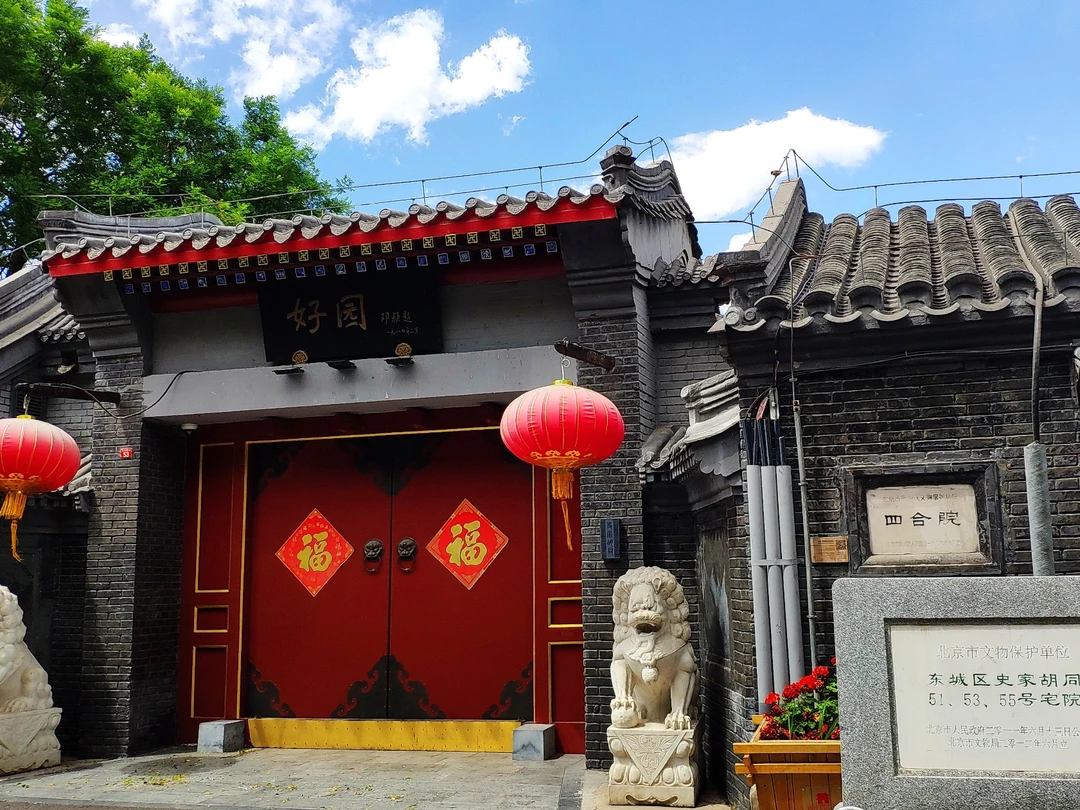
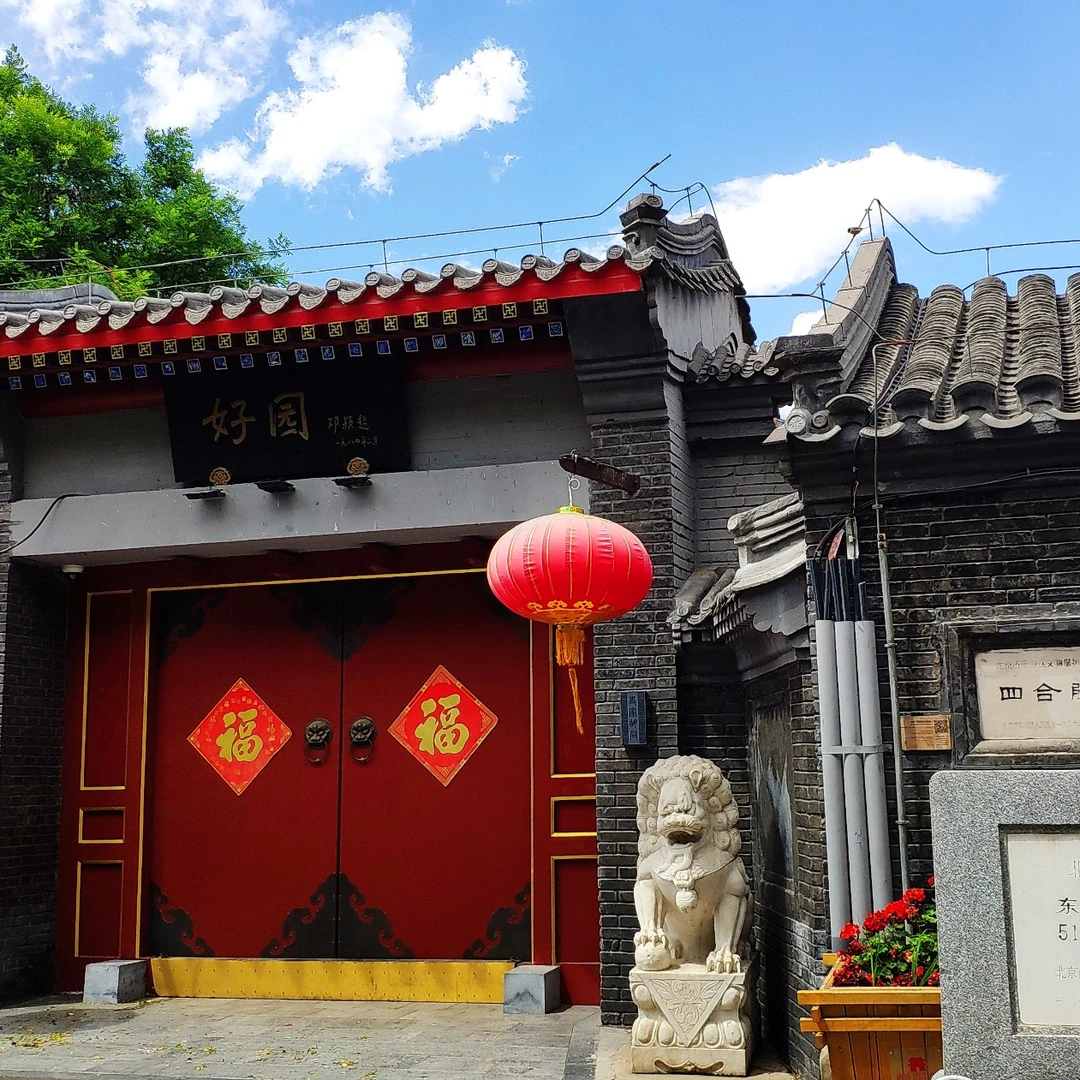
Continuing along the hutong, you’ll come across a courtyard with a plaque reading “Good Garden” (Hao Yuan). The character “好” (good) is split into “女” (woman) and “子” (child), and the calligraphy was personally done by Deng Yingchao, wife of Premier Zhou Enlai. It symbolizes a place for women’s activities. Legend has it that this courtyard was once the secret residence of Li Lianying, the powerful eunuch of the late Qing Dynasty. Some even say he hid treasures here. During the Republic of China era, it belonged to General Zhang Zizhong. After the general died in battle, the property was taken over by the Nationalist government. Following the 1949 revolution, it was handed over to the All-China Women’s Federation.
Remarkable women like Shuai Mengqi, Cai Chang, and Kang Keqing once worked here. In 1998, former Hong Kong Governor David Wilson rested here; in 1999, Cherie Blair, wife of British Prime Minister Tony Blair, hosted a reception in the courtyard. A single courtyard has witnessed a century of change—from eunuch to general, from revolutionary women to international political figures.
Shijia Hutong Museum: Listening to the Sounds of Old Beijing
This is Beijing’s first hutong museum. The courtyard’s original owner was Ling Shuhua, one of the “Three Great Talented Women” of the Republic of China era. As you walk through the gate, a myna bird greets you—say “Good morning,” and it replies “Good evening,” with a delightful sense of humor.
Inside, a guide patiently explains the layout of hutong courtyards and the stories of famous residents. The most moving exhibit is a room dedicated to “The Sounds of the Hutong.” It plays recordings of street vendors’ cries, the whistle of pigeon whistles, and the everyday chatter of alley life. Those sounds are the soul of old Beijing. I tried to record a clip but couldn’t upload it, so it remains only in my memory.
[Link: Top 10 hidden museums in Beijing]
Lumicang Hutong: Historical Imprints on the Grain Route
From Shijia Hutong, head east, turn onto Chaonei South Street, and walk a short distance south to reach Lumicang Hutong. This area is close to Chaoyangmen, the eastern gate of the old city. During the Ming and Qing dynasties, Chaoyangmen was the entry point for grain shipments, so nearby hutong names are all related to grain: Ganmian (Dried Noodles) Hutong, Lumicang (Grain Salary Granary) Hutong, Dongmencang (East Gate Granary) Hutong… Follow Lumicang Hutong east, and you’ll arrive at the Zhihua Temple.
Zhihua Temple: The Stolen Caissons and Living Music
Zhihua Temple was built in 1443 by Wang Zhen, a powerful eunuch of the Ming Dynasty’s Directorate of Ceremonial. It was modeled on the “Seven Halls of the Gandhara” (a traditional Buddhist monastery layout) and originally served as his family temple. Later, it was granted the name “Baoe’en Zhihua Temple” (Temple of Gratitude and Wisdom). The temple is most famous for two things: its Jing music (Beijing-style Buddhist ritual music) and its caissons (decorative ceiling panels).
The Caissons: National Treasures Sold to America
A caisson is the most elaborate form of ceiling decoration in ancient Chinese architecture, shaped like an inverted well, adorned with colorful paintings and carvings, symbolizing the sublimity of the heavens. Zhihua Temple originally had three caissons, set into the ceilings of the Sutra Hall, the Zhihua Hall, and the Ten Thousand Buddhas Pavilion. The ones in the Zhihua Hall and the Ten Thousand Buddhas Pavilion were the most magnificent and exquisite. Unfortunately, in 1930, the temple’s abbot sold them to Americans—one now resides in the Philadelphia Museum of Art, the other in the Nelson-Atkins Museum of Art. Only the caisson in the Sutra Hall, which the Americans didn’t fancy, remains in China.
The Revolving Sutra Cabinet: A Rotating Bookcase of Scriptures
Inside the Sutra Hall stands a four-meter-tall revolving sutra cabinet. It consists of a white marble base, an octagonal wooden bookcase, and a statue of Vairocana Buddha at the top. The cabinet is intricately carved with Tibetan Buddhist iconography, including golden-winged garudas, dragon maidens, and whales. Buddhists believe that rotating this cabinet brings the same merit as chanting scriptures.
Jing Music: A 570-Year-Old Living Fossil
Zhihua Temple’s Jing music has been passed down for over 570 years and is hailed as a “living fossil” of ancient Chinese traditional music. During the Daoguang and Xianfeng reigns of the Qing Dynasty, it spread from the temple to the surrounding areas of Beijing, becoming a representative form of northern Buddhist music. The current performers are the 27th generation of inheritors, playing primarily wind instruments, accompanied by percussion such as cloud gongs, drums, and stone chimes. There are two performances daily, at 10:00 AM and 3:00 PM, each lasting 15 minutes.
[Link: Guide to ancient Chinese music performances in Beijing]
The Ancient Observatory: Gazing at the Stars of the Ming and Qing Courts
Your final stop is the Beijing Ancient Observatory, located just a short walk east from Zhihua Temple. Built in 1442 during the Ming Dynasty, it is one of the oldest observatories in the world. The observatory features a stunning collection of bronze astronomical instruments, including armillary spheres, celestial globes, and quadrant instruments. These devices were used by imperial astronomers to track the movements of the sun, moon, and stars for calendar-making and astrological predictions.
The observatory stands as a testament to the scientific achievements of ancient China, blending traditional Chinese astronomy with European influences brought by Jesuit missionaries in the 17th century. Climb the platform to see the instruments up close and enjoy a panoramic view of the surrounding hutong rooftops.
[Link: How to visit the Beijing Ancient Observatory: tickets & hours]
FAQ: Planning Your Dengshikou to Ancient Observatory Day Trip
1. How long does this walking tour take? The entire route from Dengshikou to the Ancient Observatory covers approximately 3 kilometers. With stops at Shijia Hutong Museum, Zhihua Temple, and the Observatory, plan for 4–6 hours, depending on your pace and interest in each site.
2. Is the route suitable for families with children? Yes, it is mostly flat and pedestrian-friendly. The Shijia Hutong Museum and Zhihua Temple are particularly engaging for children due to the interactive sound exhibits and the rotating sutra cabinet.
3. Are there any entry fees for the attractions? - Shijia Hutong Museum: Free entry (donation suggested). - Zhihua Temple: 20 RMB per person. - Beijing Ancient Observatory: 20 RMB per person. - Dengshikou and the hutongs themselves are free to walk through.
4. What is the best time of day to start this tour? Start early, around 9:00 AM, to catch the 10:00 AM Jing music performance at Zhihua Temple. This allows you to finish at the Ancient Observatory before closing time (usually 5:00 PM, but check seasonal hours).
5. Can I combine this tour with other nearby attractions? Absolutely. The route is close to the Lama Temple and the Confucius Temple, both within a 15-minute walk from the Ancient Observatory. You can extend your day to include these sites.
[Link: Beijing 3-day itinerary for history lovers]
Ready to Walk Through Seven Centuries of Beijing History?
This is not a tour for the passive traveler. It is for the curious soul who wants to feel the weight of centuries under their feet, hear the echoes of eunuchs and generals, and see the stars through the eyes of ancient astronomers. From the lantern-lit streets of Dengshikou to the bronze instruments of the Ancient Observatory, every step is a lesson in time.
Plan your visit today. Pack comfortable shoes, bring a notebook for the sounds and stories, and let Beijing reveal its deepest secrets to you—one hutong at a time.
Book your guided walking tour now for insider access and expert commentary. [Link: Book a private Beijing hutong tour]
You should also read:
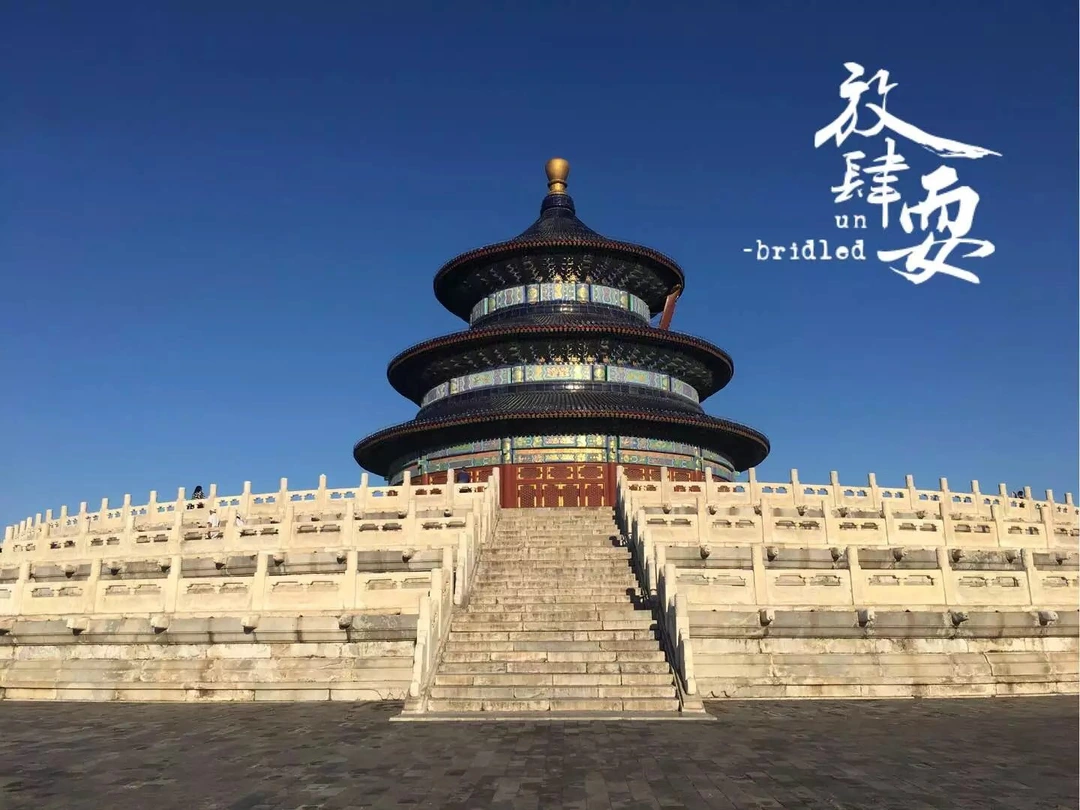
Early Autumn at the Foot of the Imperial City: Slow Travel Notes from Beijing, Chengde, and Tianjin
Meta Description: Discover slow travel in early autumn through Beijing, Chengde, and Tianjin. Expert tips on high-speed rail, Beijing Yikatong, budget accommodation near Qianmen, and hidden gems. Perfect for first-time visitors and family trips. Early autumn in northern China brings crisp air, golden sunlight, and…
Continue reading...
Strolling Through Fragrant Beijing: The Imperial City of Crimson Walls and Azure Tiles – A Complete Travel Guide
Meta Description: Explore Beijing's Forbidden City, Temple of Heaven & hidden hutongs in this SEO-optimized travel guide. Walk 60km through crimson walls & azure tiles with insider photography tips. Plan your imperial city adventure today. "My Beijing City" plays on repeat as I write this—the…
Continue reading...
Beijing: From Deep Autumn to Early Winter – Discover Hidden Seasonal Beauty in China's Capital
Meta Description: Explore Beijing's transition from autumn to winter through personal stories and hidden gems. Discover Western Hills sunrises, Forbidden City snow scenes, and authentic hutong experiences in this SEO-optimized travel guide. Beijing isn't just a city of history and politics—it's a living, breathing entity…
Continue reading...