From Hong Kong to Beijing: Two Weekends, A Journey Through Late Summer and Early Autumn in the Capital
Here is the SEO-optimized article based on your source material, crafted for a travel and lifestyle blog.
SEO Title: Hong Kong to Beijing: A Late Summer & Early Autumn Weekend Travel Guide
Meta Description: Escape the humidity of Hong Kong for the crisp air of Beijing. Discover hidden gems, from state guesthouses to vegetarian temples, in this two-weekend autumn itinerary.
From Hong Kong to Beijing: Two Weekends, A Journey Through Late Summer and Early Autumn in the Capital
When I was young, my imagination of Beijing was always tied to the seasons: summer was scorching, like a red-hot iron pan; autumn was golden, like ginkgo leaves soaked in sunlight. It wasn't until this year, when I used two weekends to fly from humid Hong Kong to the dry north, that I truly measured the city's temperature with my own steps.
This isn't a guide—it's more like a travel diary, recording all the carefully selected food, drink, and fun from six days of non-stop exploration. Every place I visited, I felt would be a shame to miss.
Where to Stay in Beijing: Three Hotels, Three Completely Different Experiences of the Capital
Over two trips to Beijing, I stayed at three hotels. Each had its own reason—some for fulfilling a dream, some for autumn, and some for points.
The Diaoyutai State Guesthouse: A "National-Level" Experience

When I was a kid watching the news, I always heard the name "Diaoyutai State Guesthouse." It was where the country received foreign heads of state—mysterious and distant. Until one day, I discovered I could book it directly on Ctrip, so I eagerly began my "pilgrimage."
The booking process was a psychological battle. I placed the order two months in advance, and the next day I got a call saying, "We're not sure if there will be diplomatic events; we suggest trying again two weeks before." I had already bought my plane tickets, so I waited anxiously. Two weeks later, I tried again, submitted the guest information, and a few days later received a text from the butler—finally, it was settled.
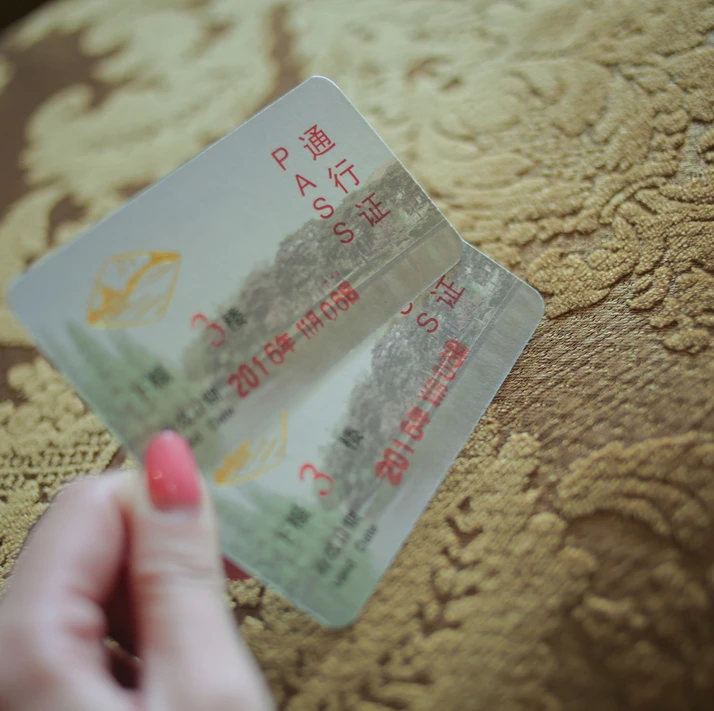
That day, the smog index was over 200. When I arrived in the evening, the armed police checked my ID, searched my luggage, and screened me—I've always felt nervous around police since I was a kid, so I was almost scared into a cold sweat. After passing through smoothly, I dragged my suitcase to Building 3. Each building had its own check-in desk. After confirming my ID, I was given two passes and told to stick a fluorescent sticker on my clothes. At that moment, I felt like I had joined a "one-day tour group." But honestly, the tight security made for a very restful sleep.
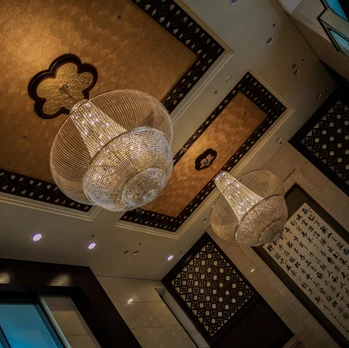
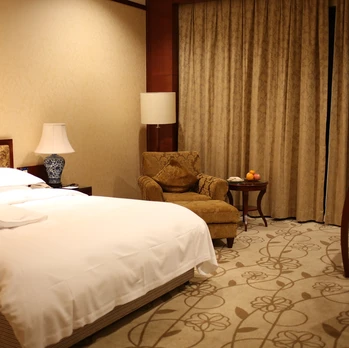
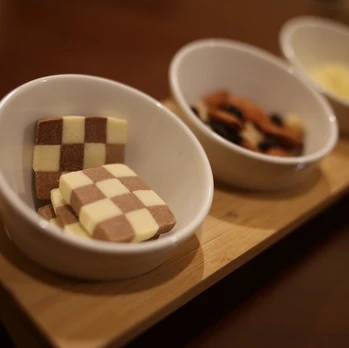
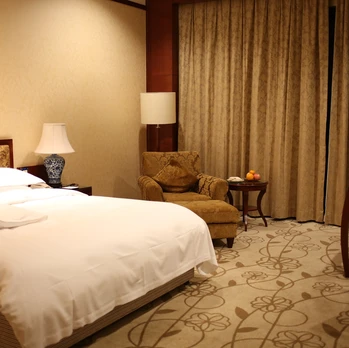
The lobby of Building 3 truly had the solemnity of a "state guesthouse." The receptionists, dressed in cheongsams, were graceful and dignified, making me feel utterly inadequate. The room itself wasn't special—old-fashioned but not outdated, and very spacious. Nothing in the minibar was free—that was very "state guesthouse." Among the welcome drinks and snacks, the cookies were surprisingly delicious.
After unpacking, we headed out for Ju Bao Yuan (a famous hotpot restaurant). Passing by the grand archway, I saw the legendary Building 18—a Ming-style structure at the center of Diaoyutai, where most foreign heads of state stay, with a daily rent of $50,000 USD.
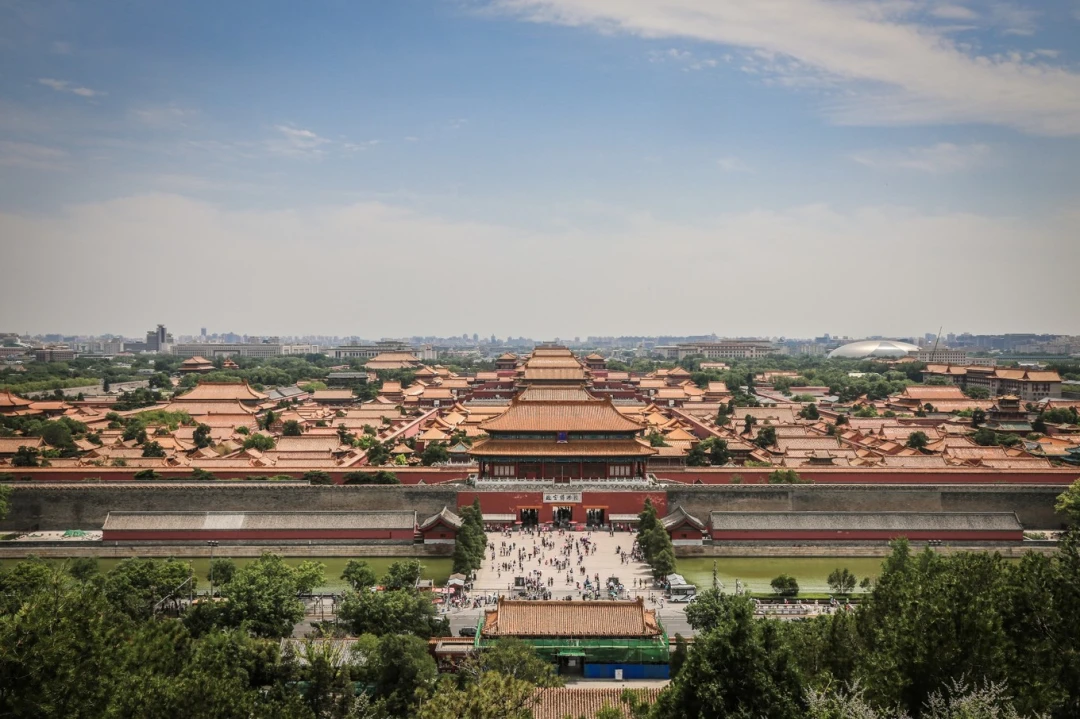
Breakfast was a semi-buffet, more abundant than I expected. After eating, I couldn't wait to run to the ginkgo avenue outside the east wall. By nine o'clock, it was already packed with people. So I decided to wander around the hotel instead. Diaoyutai was originally a Qing Dynasty imperial garden, with a beautiful environment—almost no one around, peaceful and quiet, and even the PM2.5 felt normal. Yangyuan Zhai, Wanliu Tang, Qinglu Tang—pavilions, towers, small bridges, and flowing water—this was the garden within the garden. I even saw red leaves that weren't even at Fragrant Hills.
When I left, I asked the butler if there were other booking channels besides Ctrip. He said I could contact the reservations department directly, and then quoted a price—much, much cheaper than what I had paid. I wanted to spit out a mouthful of salt water.
Fragrant Hills Hotel: I.M. Pei's Beijing Autumn
The Fragrant Hills Hotel was designed by I.M. Pei, blending classical Chinese architecture, garden art, and environmental design. Located within Fragrant Hills Park, it sits on imperial ruins, rich in cultural heritage. Autumn is the best time to stay here—you can experience "Beijing's autumn" without leaving the hotel.
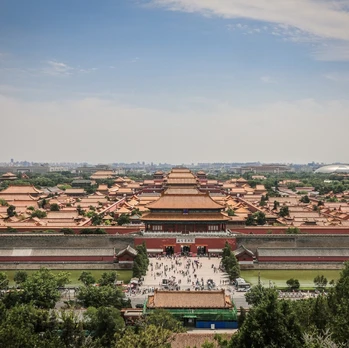
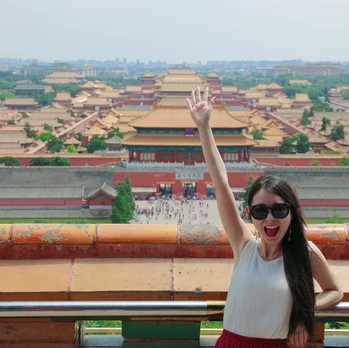
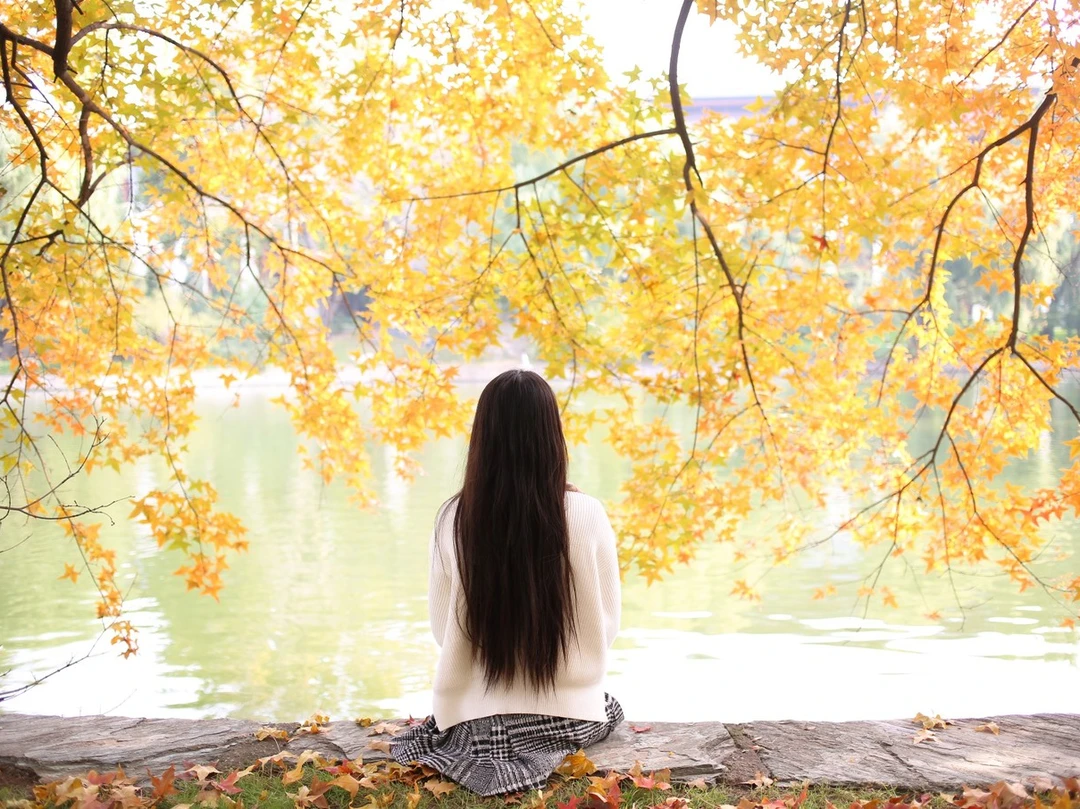
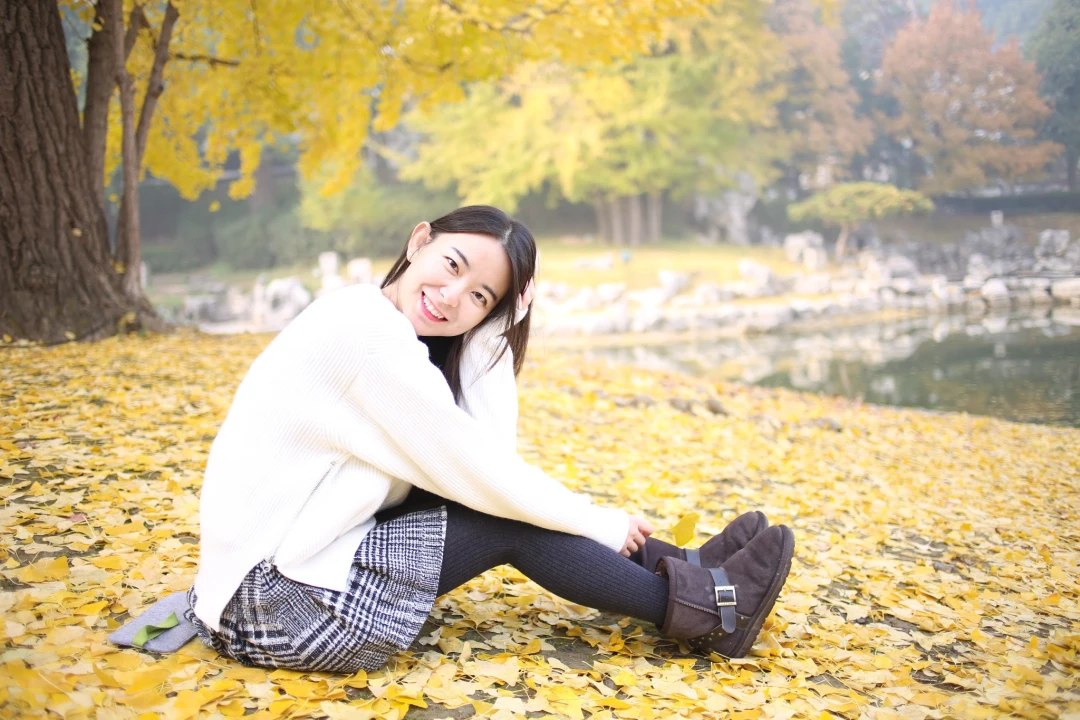
The room was a bit old-fashioned and worn. But the tree in the hotel garden fulfilled all my imaginings of Beijing's autumn—before even climbing Fragrant Hills, my portrait photography mission was already complete. A like-minded photography enthusiast even helped me create a romantic rain of falling leaves.
Crowne Plaza Beijing Chaoyang U-Town: The Standard Choice in the CBD
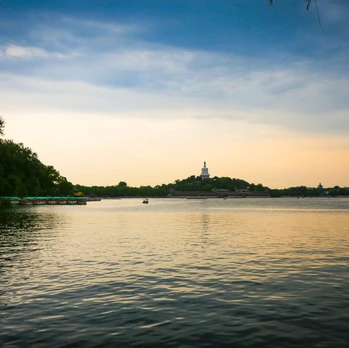
The hotel is in the heart of the CBD, right next to the Ministry of Foreign Affairs and the First Embassy District, not far from Sanlitun. The location is convenient, and the decor is the standard Crowne Plaza style—pretty much the same everywhere in the country.
[Link: Best Hotels in Beijing for Business Travelers]
Eating in Beijing: From Spicy Crayfish to Vegetarian Cuisine
Hu Da Restaurant: The Spicy Faith of Ghost Street
Mention Ghost Street and you think of spicy crayfish; mention spicy crayfish and you think of Hu Da Restaurant. Their spicy crawfish was so good that I craved it on both my trips to Beijing.
Exit from Metro Line 5 at Beixinqiao Station, and you'll see a branch right there. I went once at 4 PM and didn't have to wait; another time at 11 PM, I waited half an hour in the smog. I ordered one of each signature dish: crawfish priced by size, available in spicy, thirteen-spice, and garlic flavors; and "chanzui frog" (greedy mouth frog) with tender meat and plump legs. Both times, I basically single-handedly devoured the crawfish—I'm the legendary crawfish-eating champion! If you're in a group, don't miss the barbecue, especially the lamb skewers.
King's Joy: A Vegetarian Cultivation in a Courtyard House
When I landed in Beijing in early November, I encountered the worst smog of the year. The red leaves at Fragrant Hills hadn't turned yet, and the whole city was gray. In this situation, finding a good restaurant to eat at became the only option.
King's Joy is said to be the most famous vegetarian restaurant in a Beijing courtyard house. The entrance features a pure white screen wall with the characters "King's Joy" written on it. Passing through a narrow door, winding paths lead to a hidden bamboo grove. On the right wall are names of famous visitors—I spotted my idol at a glance. Green tiles, white walls, crushed stone—the staff, dressed in simple cloth uniforms, were polite and enthusiastic. Wooden tables and chairs, with orchids on the tables.
I booked a week in advance and got a window seat as hoped. Outside the floor-to-ceiling windows was a beautiful view. Seeing my interest, a staff member took me on a tour, explaining every corner. In the central courtyard, there was a harp and cello performance. Despite its ancient charm, all the facilities were modern—the restroom was truly worth a visit; I was stunned the first time I went in.
I chose the "Xiang" (Auspicious) set menu, with ten courses per person, taking a full two hours to eat. Each dish came with an introduction to its ingredients, origin, and health benefits, showing great care. A small glass of aperitif, appetizers including sweet-and-sour "ribs" (made from vegetarian ingredients), avocado, and something like beef jerky. The matsutake mushroom soup in a clay pot was rich and flavorful. The "beauty rice" with honey beans and crispy walnuts featured "beauty rice" (actually fox nut, or gorgon fruit), chewy and bouncy, paired beautifully with honey beans and walnuts. The rock salt and black pepper "patty" tasted like steak, soft and glutinous. The mushroom buns were indistinguishable from the real thing, matsutake slices and tomato salad, and the glutinous rice was exquisitely prepared. Halfway through, I lost my sense of taste, but each dish was small yet filling. The preserved radish fried rice at the end—I thought I couldn't eat anymore, but the rice had an excellent texture, and with the radish, I unknowingly finished it.
[Link: Best Vegetarian Restaurants in Beijing]
FAQ: Planning Your Hong Kong to Beijing Autumn Trip
Q: When is the best time to visit Beijing for autumn colors? A: The peak season for autumn foliage (especially at Fragrant Hills) is typically from mid-October to early November. However, this can vary with weather patterns. The Diaoyutai ginkgo avenue is best in late October.
Q: Can anyone book a stay at the Diaoyutai State Guesthouse? A: Yes, but with some caveats. You can book via Ctrip, but you must be prepared for potential cancellations due to diplomatic events. Alternatively, you can contact the reservations department directly for potentially better rates (as mentioned in the article).
Q: Is King's Joy suitable for non-vegetarians? A: Absolutely. The dishes are so creative and flavorful that even meat-lovers will be impressed. The textures (like the "steak" and "ribs") are remarkably realistic.
Q: How do I get from Hong Kong to Beijing? A: The flight from Hong Kong (HKG) to Beijing (PEK or PKX) takes roughly 3.5 hours. High-speed rail is also an option but takes approximately 8-9 hours.
Q: What is the best way to get around Beijing for a weekend trip? A: The Beijing Subway is efficient and covers most tourist spots. For areas like Ghost Street or specific hotels like Fragrant Hills, taxis or ride-hailing apps (like Didi) are convenient.
Your Beijing Autumn Awaits
From the security-laden corridors of Diaoyutai to the artistic stillness of King's Joy, this journey from Hong Kong to Beijing was a study in contrasts. It proved that even in a city often shrouded in haze, you can find clear moments of beauty—whether it’s a ginkgo leaf falling in a state garden or a perfectly crafted mushroom bun in a hidden hutong.
Ready to trade Hong Kong's humidity for Beijing's crisp autumn air? Start planning your trip today. Book your flights, secure your hotel, and make your reservation at Hu Da Restaurant now. Your perfect Beijing weekend is just a click away.
Book Your Beijing Autumn Escape Now
You should also read:
Four Days, Three Nights in Beijing: A Super Practical Self-Guided Travel Guide (Including Food, Stay, and Transport Tips)
Here is the SEO-optimized, rewritten version of your article, structured for maximum search visibility and reader engagement. SEO Title: 4 Days 3 Nights in Beijing: The Ultimate Self-Guided Travel Guide (Food, Stay & Transport) Meta Description (160 chars): Plan the perfect 4-day Beijing itinerary. From…
Continue reading...
Savoring the Flavors of Di'anmen: A Culinary Journey Through Beijing's Heart
Meta Description: Discover the authentic tastes of old Beijing in Di'anmen. From douzhi to stir-fried liver, explore hidden hutong food stalls, legendary snack shops, and the vibrant street food culture surrounding Shichahai Lake. The story of Beijing has never been solely about crimson walls, golden…
Continue reading...
A Spontaneous Escape Through Tianjin, Beijing, and Shandong: An Unforgettable Solo Travel Adventure
Meta Description: Discover the raw beauty of a spontaneous solo journey through Tianjin, Beijing, and Shandong. From Quanjude roast duck to Tanggu night views, read this heartfelt travelogue of escape and self-discovery. The July wind carried restlessness and unease. After abruptly ending a ten-day job…
Continue reading...