Fulfilling the Beijing Dream|Every "Kid" Has a Beijing in Their Heart
Here is the SEO-optimized article, rewritten and expanded to approximately 1500 words, based on the source material.
SEO Title: The Ultimate Beijing Family Travel Guide 2024: Fulfilling the Beijing Dream & The Forbidden City Pilgrimage
Meta Description (160 chars): Plan the perfect Beijing family trip! From the Forbidden City to Tiananmen, discover how to win the "reservation war" and fulfill your child's Beijing dream. Expert tips inside.
Fulfilling the Beijing Dream: Every "Kid" Has a Beijing in Their Heart
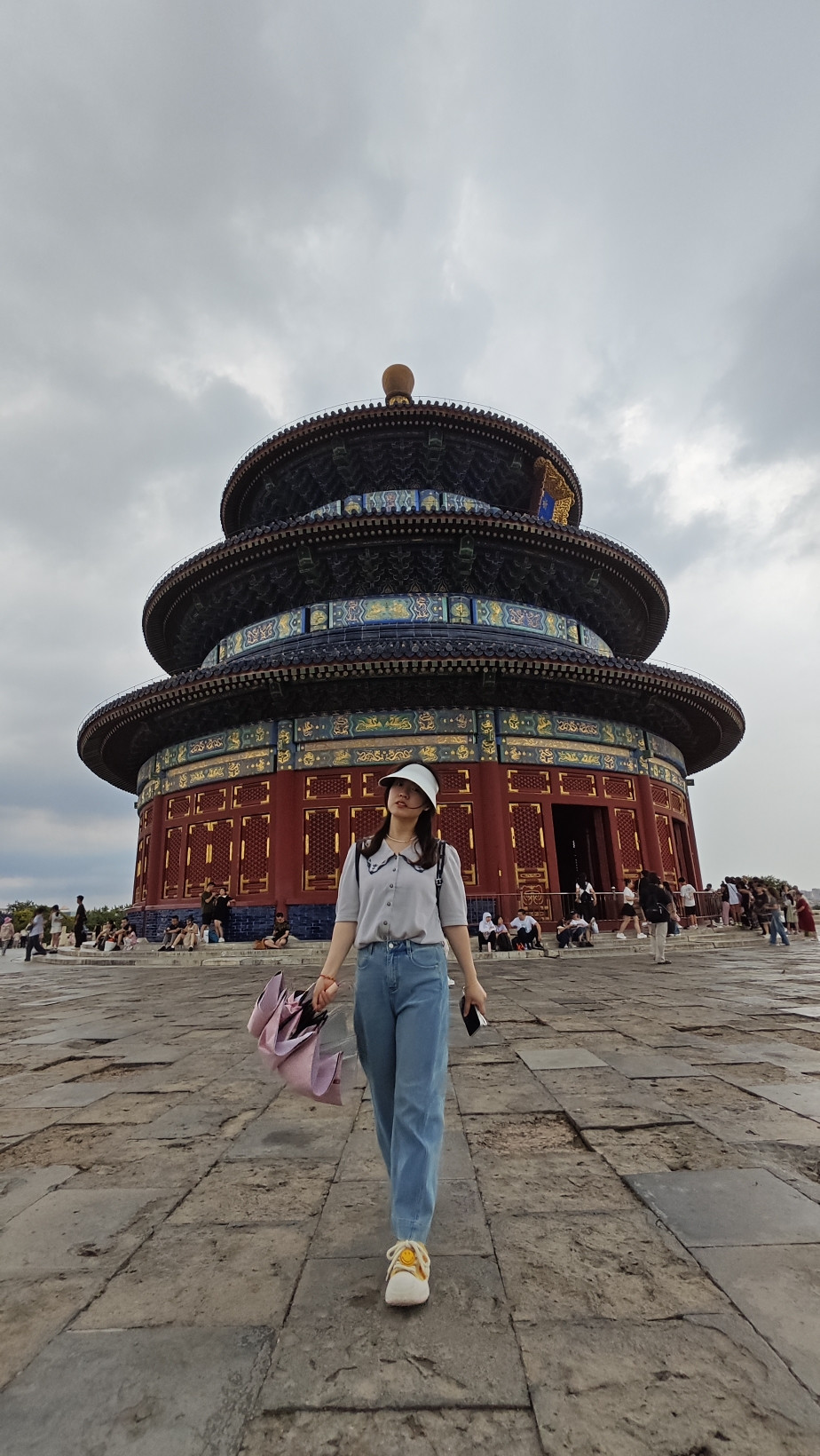
Amid the summer cicadas, the little "house monster" kept whispering in my ear every day: "Mom, let's go to Beijing!" —Indeed, what child doesn't want to see the capital that appears countless times in their textbooks? And besides, who hasn't been a child at heart? That sense of "pilgrimage" — I understand it all too well.
Beijing in summer is a sea of people, bustling and lively. But that's okay: "A thousand-mile journey begins with a reservation" — from this moment on, our Beijing adventure officially sets off. This isn't just a trip; it's a journey through history, a lesson in architecture, and a dream come true for every kid who has ever looked at a textbook and imagined the capital.
The "Reservation War" Before Departure: Your Beijing Travel Tips
Summer in Beijing is hot, truly hot, but even hotter is the speed of grabbing tickets. The Forbidden City, the National Museum, the Temple of Heaven… every popular spot requires advance reservations, especially during summer vacation — it's a battle of "hand speed and internet speed."
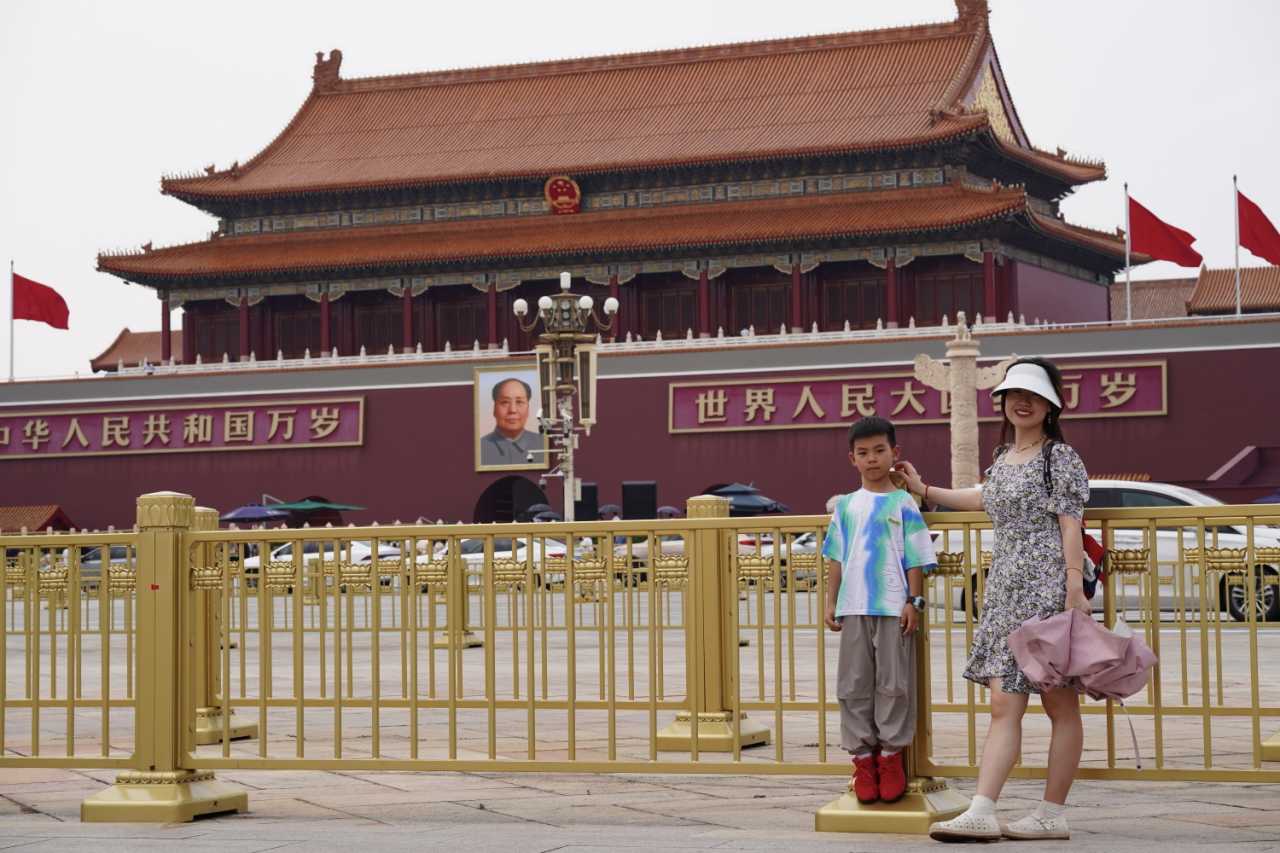
Pro Tip: Book your Forbidden City tickets at least 7-10 days in advance. Slots sell out within minutes.
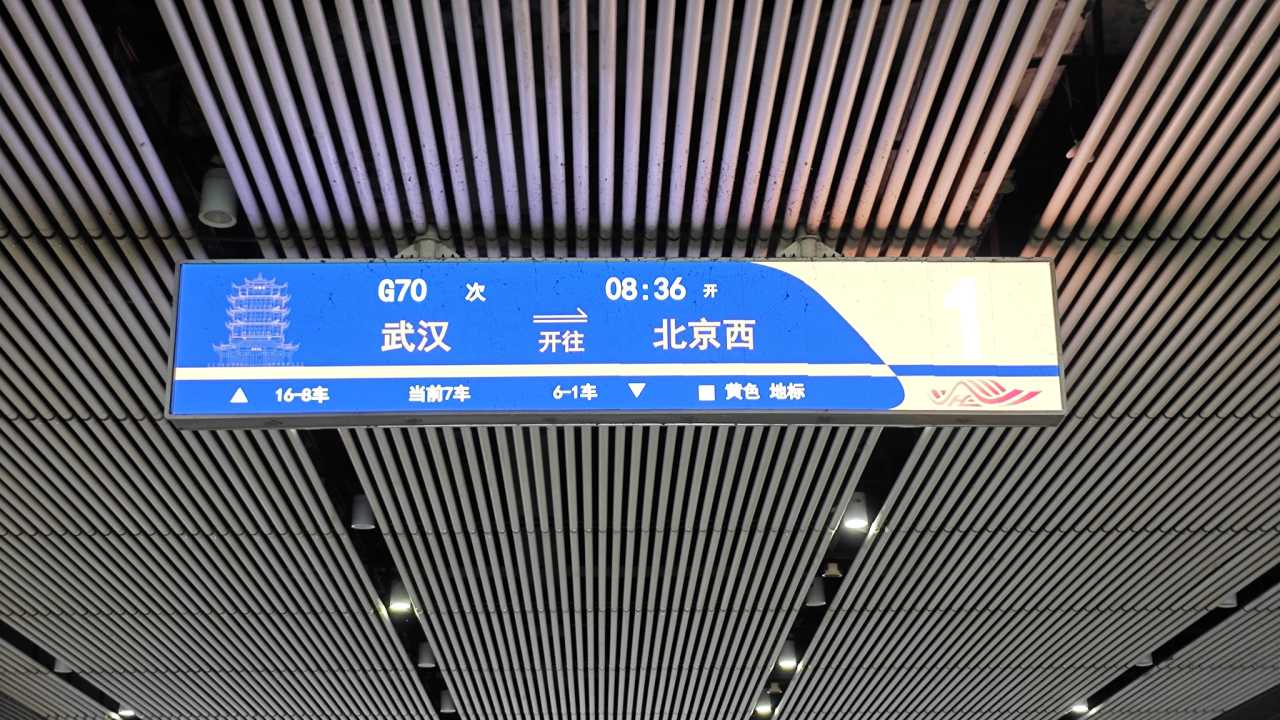
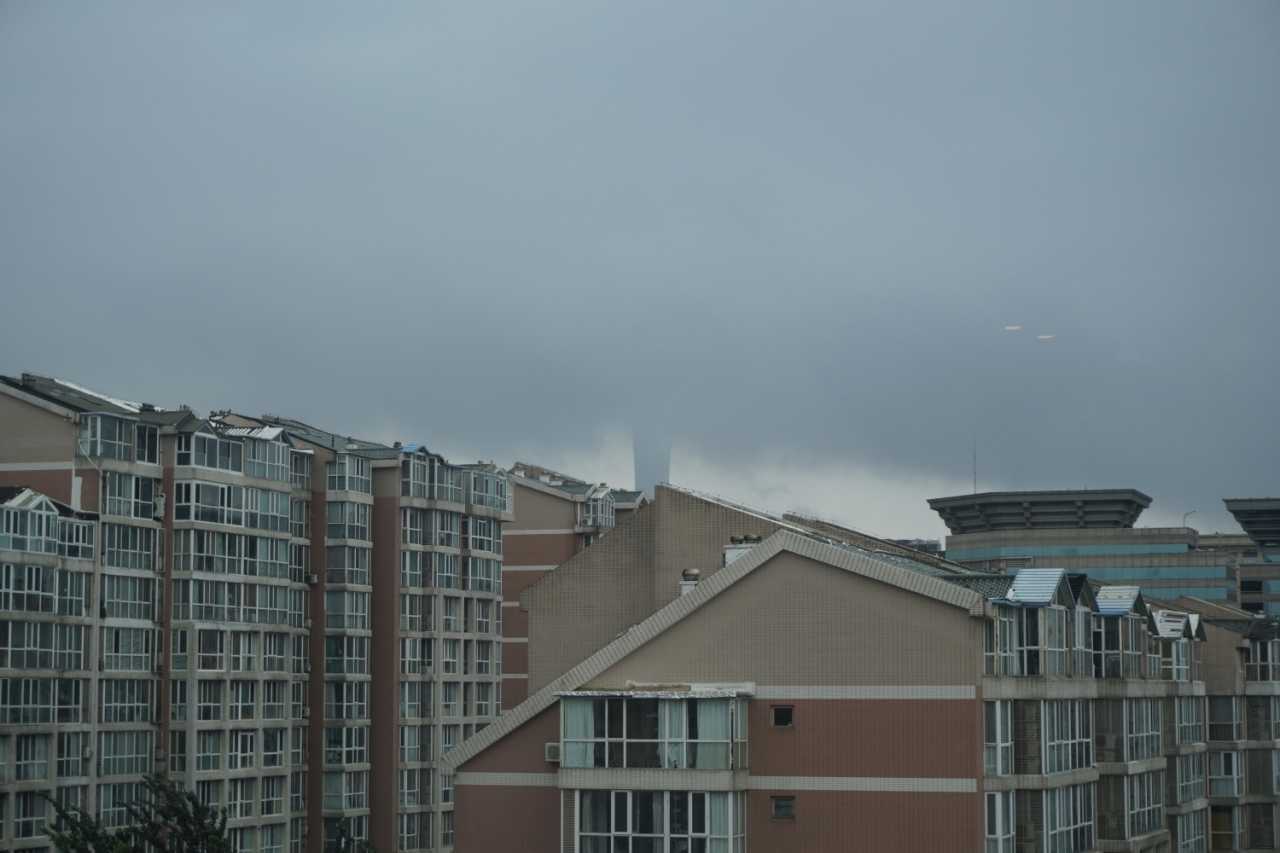
But luckily, when we finally set foot on Beijing's soil, we weren't greeted by the scorching sun but by a perfectly timed thunderstorm. The rain dispelled the heat, leaving the air cool and fresh, almost like escaping the summer in Yunnan or Guizhou. Beijing, with a gentle rain, welcomed us softly.
[Link: How to book Forbidden City tickets in 2024]
Beijing's Central Axis: From Tiananmen to the Forbidden City
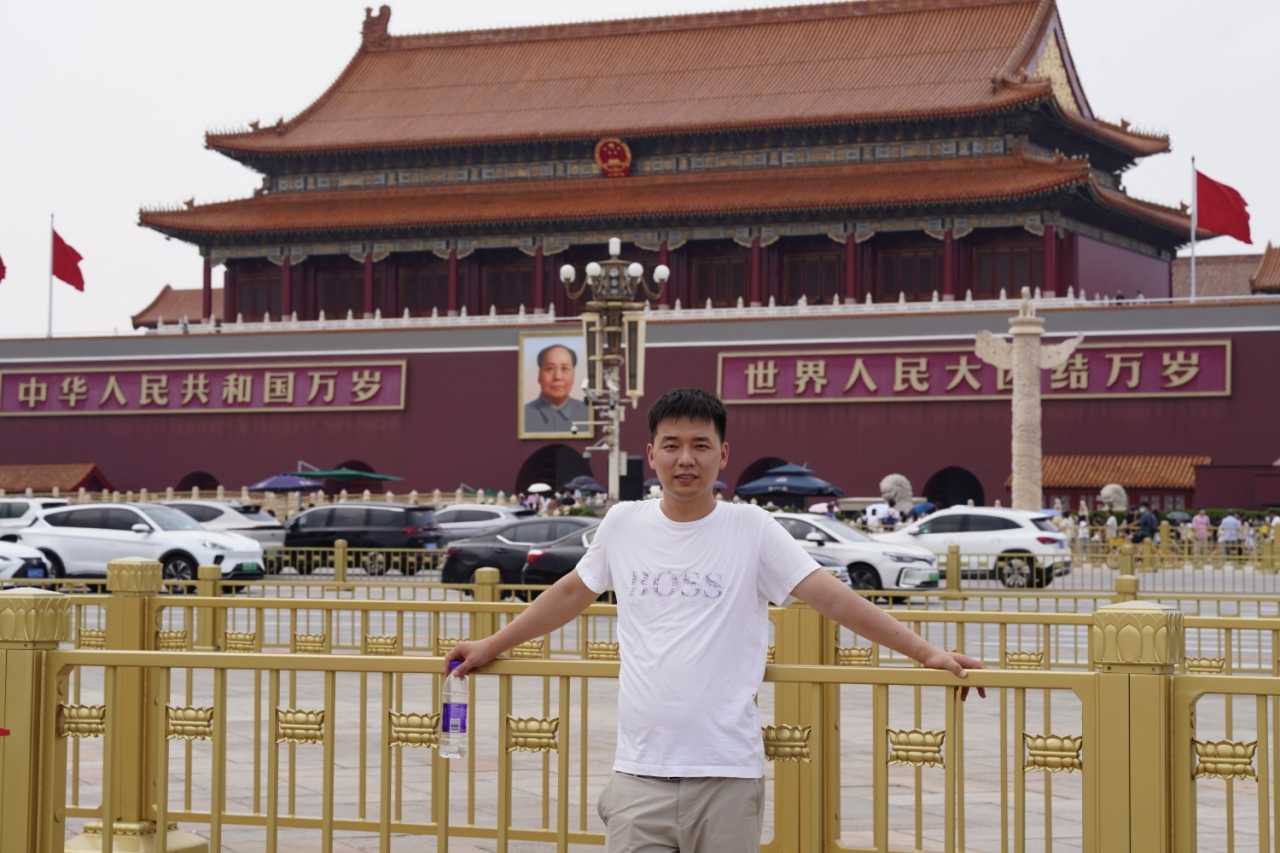
The Central Axis of Beijing is a UNESCO World Heritage contender, and walking it is like walking through 600 years of Chinese history. Our journey began at the heart of the nation.
Tiananmen: Every "Kid's" First Beijing Photo
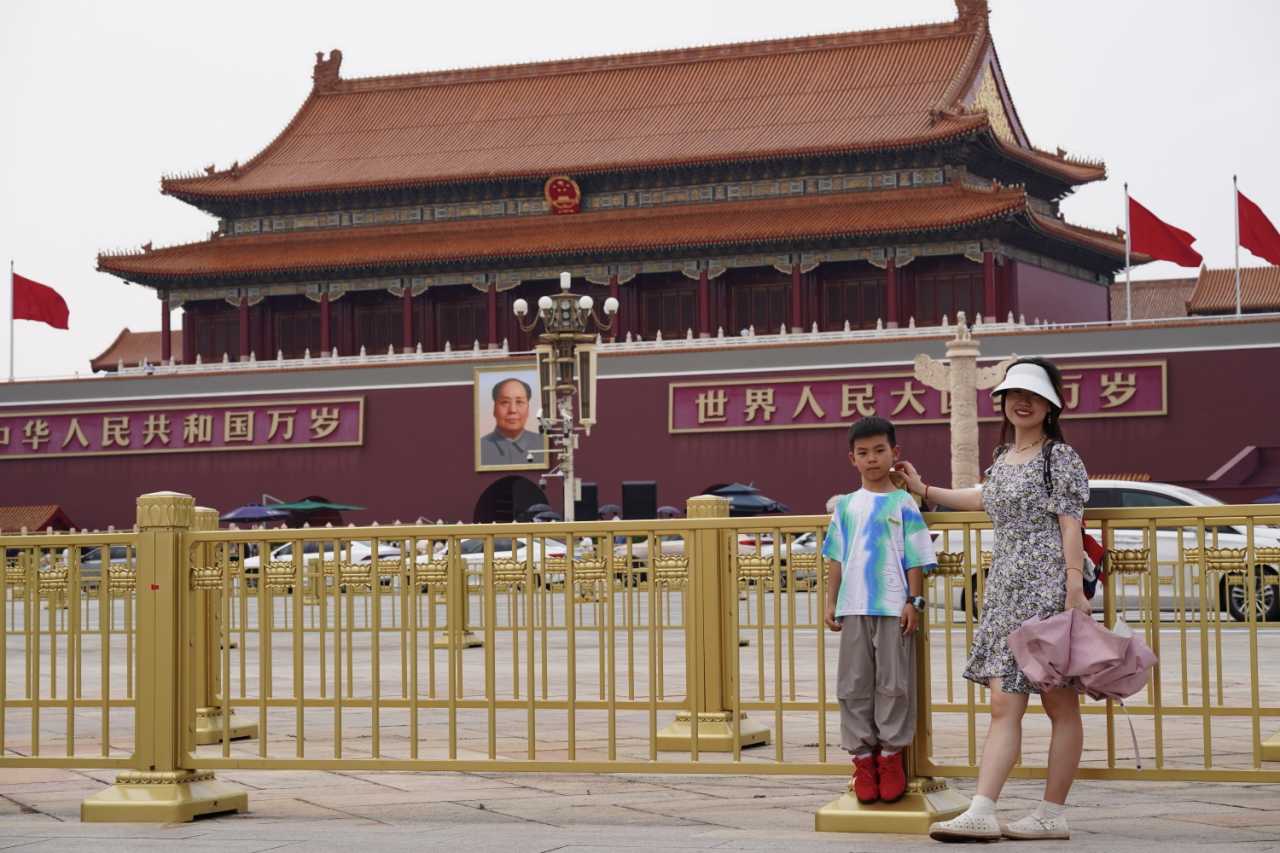
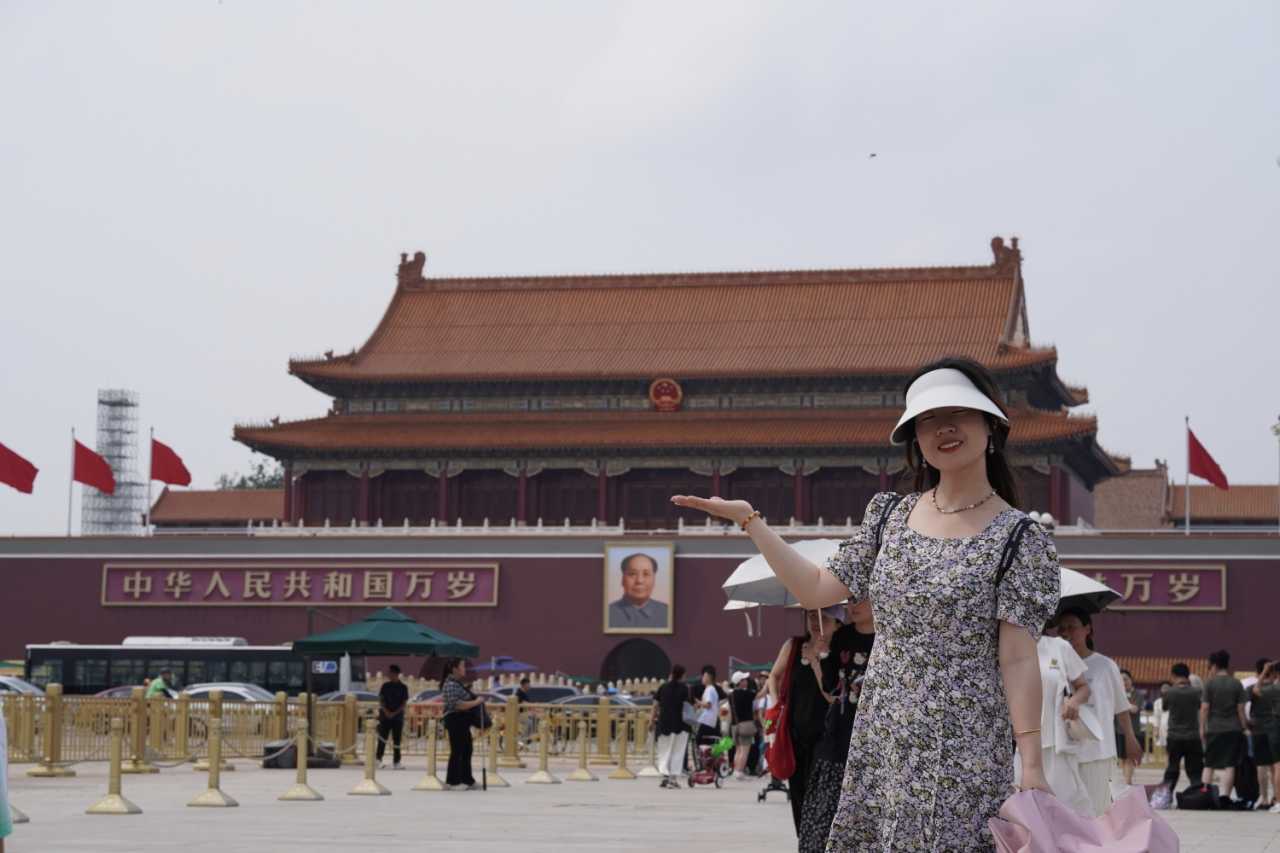
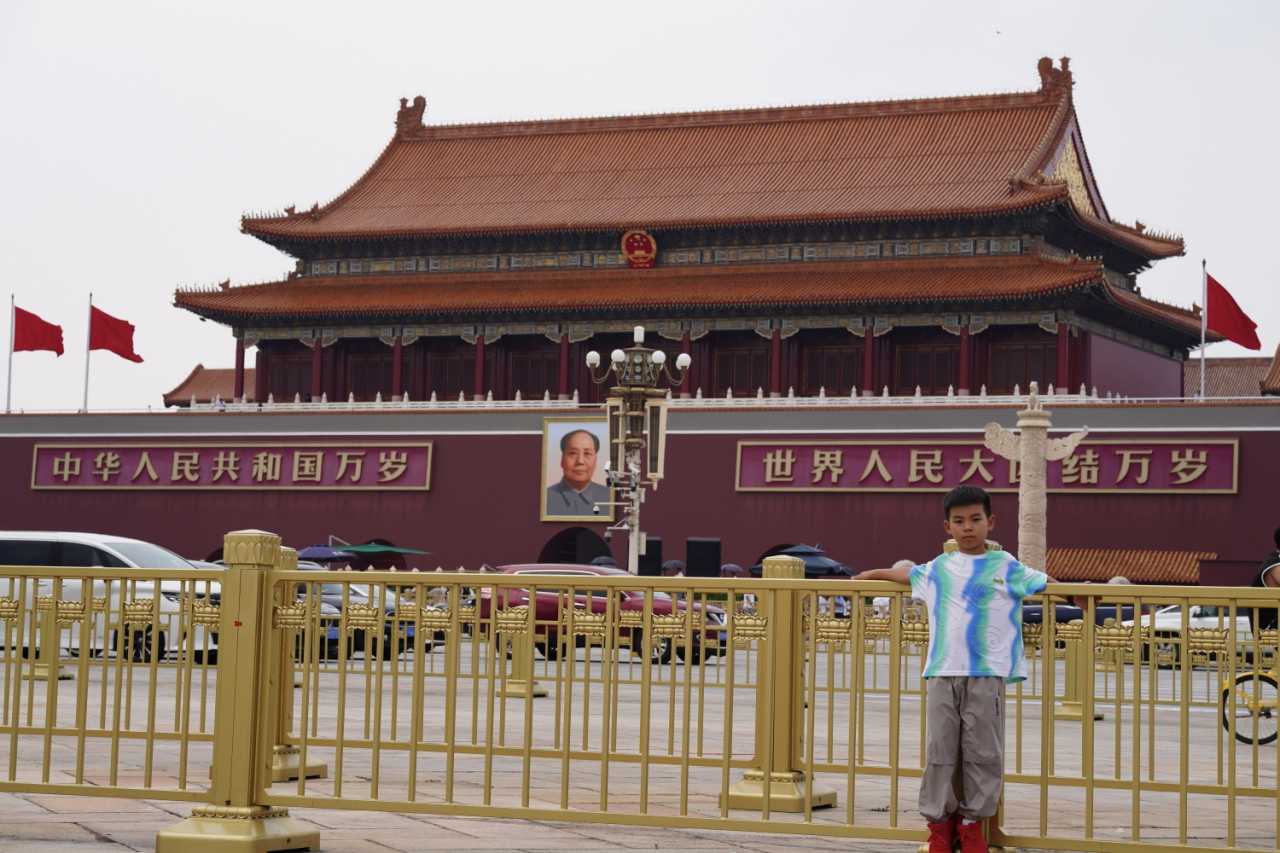
I bet every "kid" wants a check-in photo in front of Tiananmen. The little one stood on the square, gazing up at the gate tower he'd seen countless times in textbooks, muttering: "Compatriots! The Central People's Government of the People's Republic of China is established today!" —In that moment, the echo of history, spanning over seventy years, landed in his childish voice.
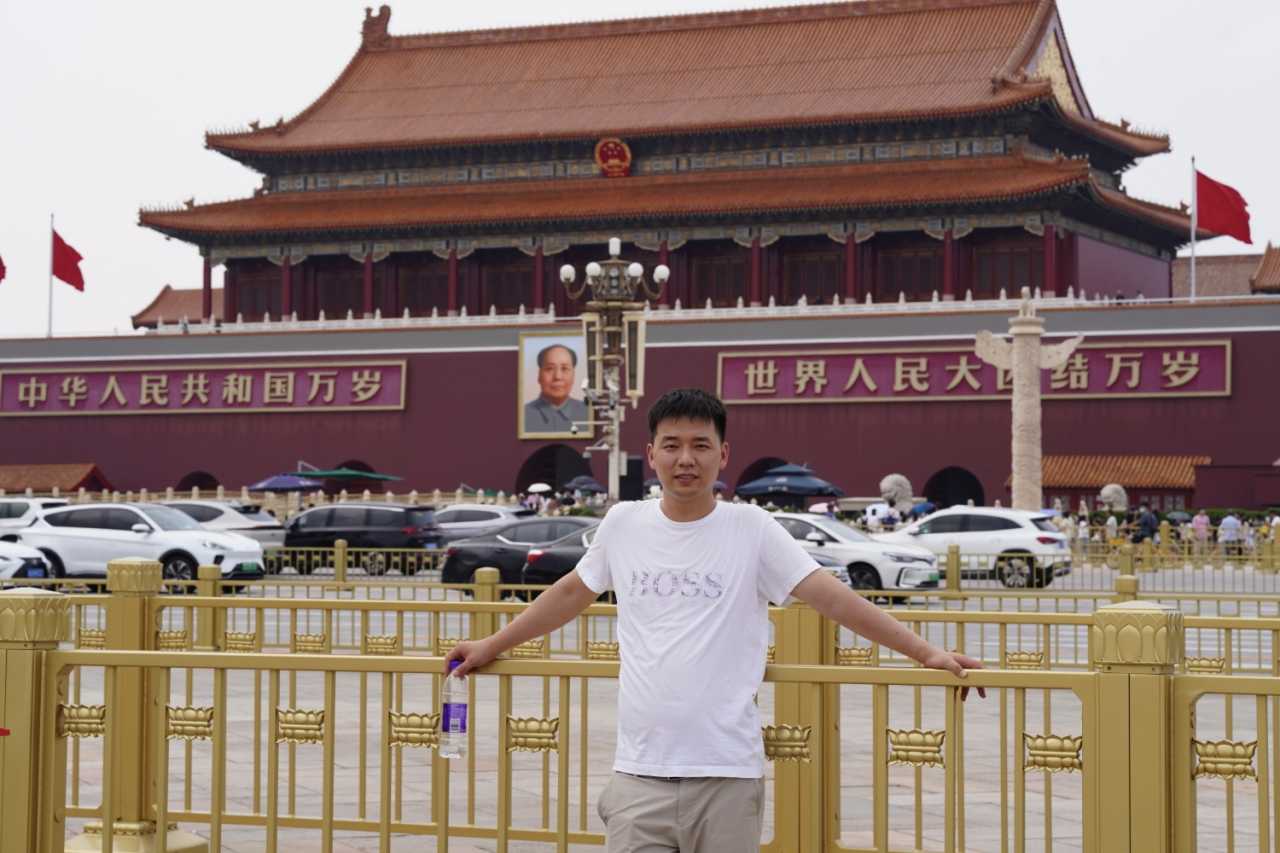
The ornamental columns (huabiao) in front of Tiananmen, carved with dragon patterns and auspicious clouds, have stood for over six hundred years. The stone beast atop the column, called "Wang Di Gui" (longing for the emperor's return), reminded ancient rulers not to forget state affairs while traveling far; the one behind the gate, called "Wang Di Chu" (longing for the emperor to go out), urged the emperor not to forget to go out and observe the people's conditions.
Tiananmen's gate tower features a double-eave hip-and-gable roof (chongyan xieshan ding), nine bays wide and five bays deep — the symbolism is self-evident. On the roof ridge, nine mythical beasts and an immortal riding a chicken are arranged, representing the highest architectural rank of Ming and Qing dynasties.
Duanmen and Wumen: From "Dragon Gate" to "Five Phoenix Tower"
Passing through Tiananmen, Duanmen (the Upright Gate) comes into view. Its form is similar to Tiananmen — also a double-eave hip-and-gable roof, nine bays wide, five bays deep — and it's an original structure from the 18th year of Ming Yongle (1420).

The bracket sets (dougong) under Duanmen's eaves are arranged in rows. The single-hua double-ang six-puzuo bracket sets are impressive—especially the column-top bracket sets, which are one size larger than the intercolumnar ones.
Passing through Duanmen, we arrive at Wumen (the Meridian Gate). Wumen has three gates in the center and one gate on each of the two side towers, totaling five buildings: the main tower, bell and drum pavilions, and left and right towers. It resembles a spreading phoenix, hence its nickname "Five Phoenix Tower."
The main tower of Wumen features a double-eave hip roof (chongyan wudian ding), nine bays wide, with bracket sets also of the single-hua double-ang six-puzuo type — a more advanced form than those at Duanmen. Today, this is the ticket-checking entrance to the Forbidden City.
The Forbidden City: A Two-Hour "Quick Tour" of the Palace Museum
Passing through Wumen, we entered the Forbidden City. The freshly restored city walls gleamed with bright colors. The little one put on his audio guide and listened attentively.
In the distance lay the Inner Golden Water Bridge, built in the same period as the Outer Golden Water Bridge. Taihe Gate (Gate of Supreme Harmony), with its double-eave hip-and-gable roof, nine bays wide, and enormous gable decorations.
Forbidden City Architecture Tip: Count the mythical beasts on the roof ridge of each hall. The number indicates the rank of the building. Taihe Hall has the maximum of 10.
Wuying Hall: The Ceramics Exhibition
Entering through the west side gate and walking 200 meters, we reached Wuying Hall (Hall of Military Eminence), now used as a ceramics exhibition hall. Wuying Hall was first built during the Ming Yongle period, burned down in 1869, rebuilt the same year, and connected with the rear Jingsi Hall in 1914.
The hall houses exquisite ceramics from various dynasties. The crown jewel — the Qianlong Emperor's multi-colored glazed vase — caught our eyes as soon as we entered. The flat caisson ceiling (pingqi zaijing) inside Wuying Hall showed that the bracket sets had shrunk significantly compared to earlier periods, though they still served a structural function.
Taihe Hall: The Golden Throne
Exiting Wuying Hall and heading toward Taihe Hall (Hall of Supreme Harmony), we spotted a lion scratching its head — lifelike and amusing. Behind Taihe Gate, in the afternoon, the Forbidden City had few visitors. The vast square, with only a handful of people, suddenly felt a bit desolate.
Taihe Hall, commonly known as the "Golden Throne Hall," is the largest hall in the Forbidden City, with a double-eave hip roof. Count the mythical beasts — excluding the immortal riding a chicken, there were ten! Taihe Hall, indeed, is the highest-ranking hall in the Forbidden City.
Zhonghe Hall and Baohe Hall
Continuing further, we saw Zhonghe Hall (Hall of Central Harmony) and Baohe Hall (Hall of Preserving Harmony). Zhonghe Hall has a four-cornered pyramidal roof (sijiao zanjian ding) and sits between Taihe Hall and Baohe Hall, serving as a connecting structure. Baohe Hall reverts to a double-eave hip-and-gable roof, with nine mythical beasts on the ridge.
When the closing announcement echoed through the halls, we had 30 minutes left. Staff began guiding visitors out. The animal-head drains, with their neat rows of teeth, gave off a surreal, almost anime-like vibe.
We wanted to rush to Cining Palace (Palace of Compassion and Tranquility), but time was too short. The Forbidden City demands multiple visits to truly appreciate.
FAQ: Planning Your Beijing Family Trip
Q1: How far in advance should I book Forbidden City tickets? A: Book at least 7-10 days ahead during peak season (summer, national holidays). Tickets sell out instantly. Use the official "Palace Museum" WeChat mini-program.
Q2: Is the Forbidden City suitable for young children? A: Yes, but keep it short. A 2-hour "highlight tour" (Taihe Hall, Wuying Hall, and the gardens) is perfect for kids aged 6-10. Rent an audio guide to keep them engaged.
Q3: What is the best time of year to visit Beijing with kids? A: Spring (April-May) and Autumn (September-October) offer the best weather. Summer is hot and crowded, but the architecture looks stunning under a clear sky after rain.
Q4: Can I see Tiananmen and the Forbidden City in one day? A: Absolutely. They are adjacent. Start at Tiananmen Square at 8 AM, walk through the gate, then enter the Forbidden City by 9 AM. Plan for a 3-4 hour visit.
Q5: What is the "Five Phoenix Tower"? A: It is the nickname for the Meridian Gate (Wumen). The five building towers resemble a phoenix spreading its wings. It is one of only two such structures in China.
Ready to Plan Your Own Beijing Pilgrimage?
The Forbidden City isn't just a museum; it's a time machine. Every rooftop beast, every bracket set, every gate tells a story. Whether you are fulfilling a childhood dream or introducing your own "kid" to the wonders of Chinese history, Beijing delivers.
Don't wait. Start planning your trip today. Book your flights, secure those reservations, and get ready to walk the Central Axis. The dragons are waiting.
[Link: Best family-friendly hotels near the Forbidden City] [Link: Complete Beijing itinerary for 5 days]
What is your favorite memory of visiting Beijing? Share your story in the comments below!
You should also read:
Solo in Beijing: Discovering Another Side of the Capital Amid Red Walls and Grey Tiles
Meta Description: Traveling solo in Beijing on a student budget? Discover hidden gems, practical tips for first-time solo travelers, and how to explore the capital's red walls and grey tiles without breaking the bank. When my friends asked why I chose to go to Beijing…
Continue reading...
Four Days, Three Nights in Beijing: A Super Practical Self-Guided Travel Guide (Including Food, Stay, and Transport Tips)
Here is the SEO-optimized, rewritten version of your article, structured for maximum search visibility and reader engagement. SEO Title: 4 Days 3 Nights in Beijing: The Ultimate Self-Guided Travel Guide (Food, Stay & Transport) Meta Description (160 chars): Plan the perfect 4-day Beijing itinerary. From…
Continue reading...
The Accent of Beijing: A Hutong Odyssey in a Downpour – Exploring Beijing's Hidden Charms
Meta Description: Discover Beijing's soul through a rain-soaked hutong odyssey. From Shichahai's melancholy to Mianhua Hutong's philosophy, experience the authentic "accent of Beijing" in this immersive travel story. I'm probably going to laze myself to death. I visited Beijing eight hundred years ago—took the high-speed…
Continue reading...