Glimpses of Beijing: Following the Path of Art into the Depths of History
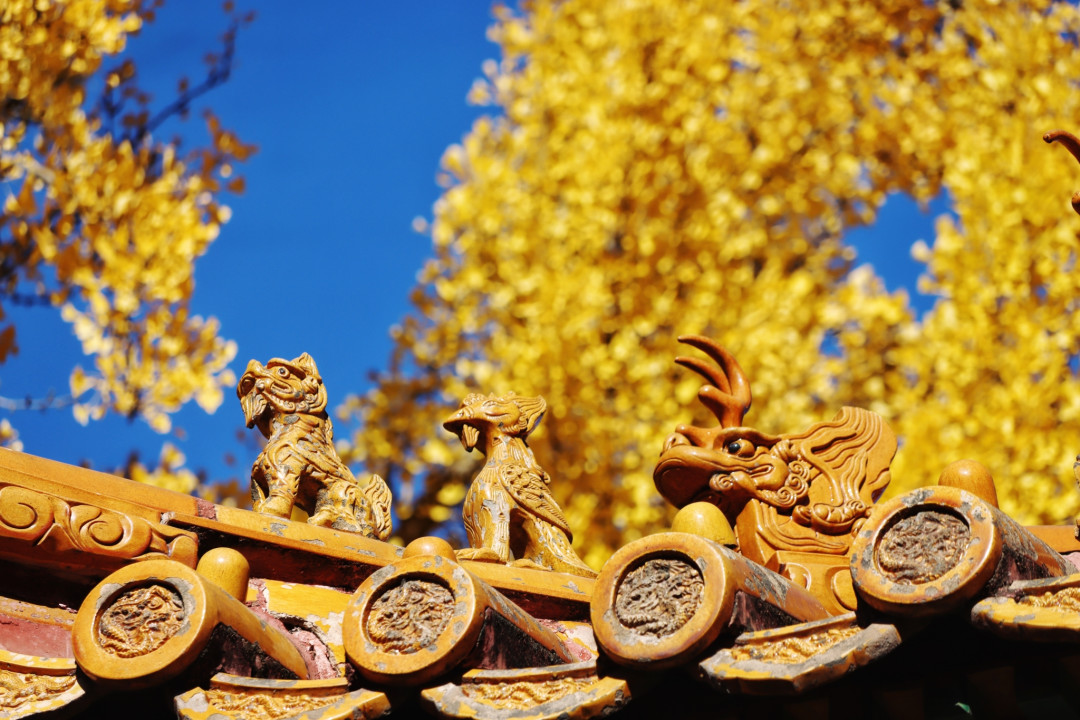
Meta Description: Explore Beijing's artistic soul through guqin, flamenco guitar, and dance drama at the National Museum of China. Discover ancient treasures and cultural wonders in this SEO-optimized travel guide.
Introduction: Why Beijing is a Living Canvas of Art and History
Beijing—an ancient capital where every stone whispers stories of dynasties past and every performance pulses with creative energy. For the discerning traveler, this city offers more than just the Great Wall and Forbidden City. It offers a journey into the depths of Chinese civilization through art.
Whether you're a classical music enthusiast, a dance lover, or a history buff, Beijing's artistic landscape will captivate you. From the haunting melodies of the guqin (ancient Chinese zither) to the fiery rhythms of flamenco guitar, and the poetic movements of dance drama, my personal journeys to Beijing have always been illuminated by art. This article is your guide to experiencing that same magic—starting with the crown jewel of Chinese museums.
The National Museum of China: Where National Treasures Tell China's Story
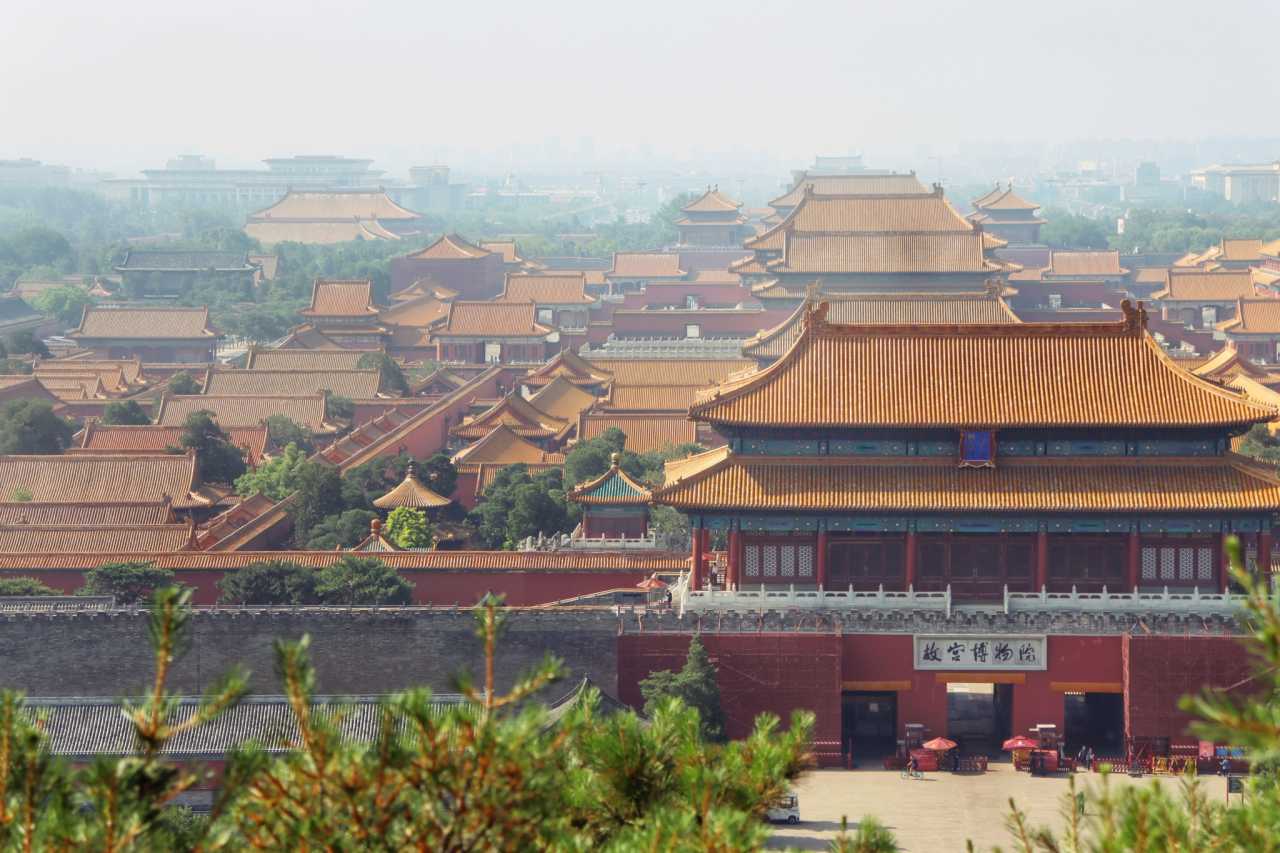
If you can only visit one place in Beijing, make it the National Museum of China. Located on the eastern side of Tiananmen Square, this museum houses over 1.3 million artifacts and offers an unparalleled journey through 5,000 years of Chinese civilization. [Link: Tiananmen Square travel guide]
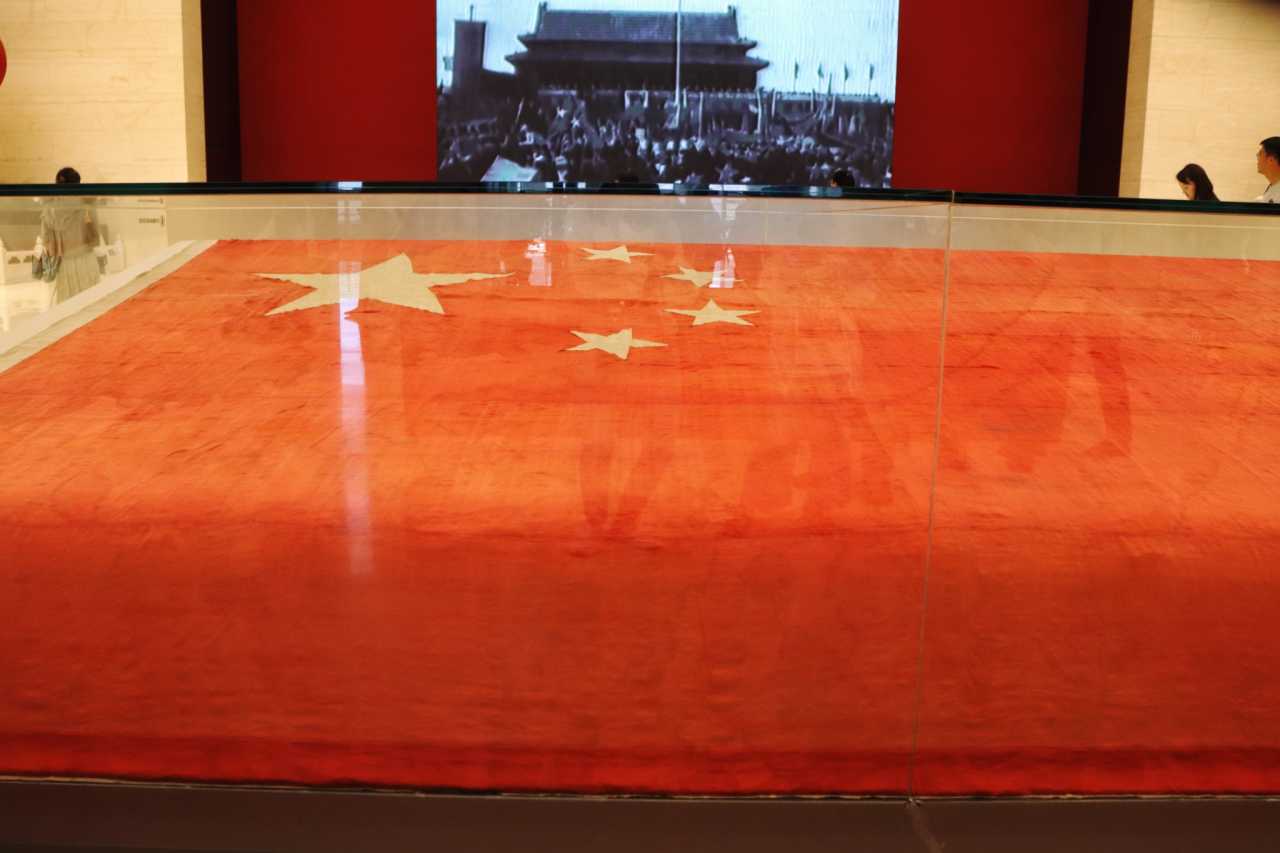
The museum's exhibits are arranged chronologically, from prehistoric times to the modern era. The layout is clear, the textual explanations are rich, and the collection spans every region of China. When you reach the final hall and see the first national flag and emblem of New China, the surge of emotion is overwhelming.
Pro Tip: If you've traveled across China and visited regional museums, this visit becomes a comprehensive review. Otherwise, pace yourself—the sheer volume of information can cause "museum fatigue."
Prehistoric Pottery: The Birth of Art and Civilization
Scholars debate the birth of civilization. Some say it requires cities, writing, and bronze. But another view holds that civilization begins with "the birth of art" —when humans create not just for survival, but for beauty and joy.
Prehistoric pottery reveals this primal creativity. Two masterpieces stand out:
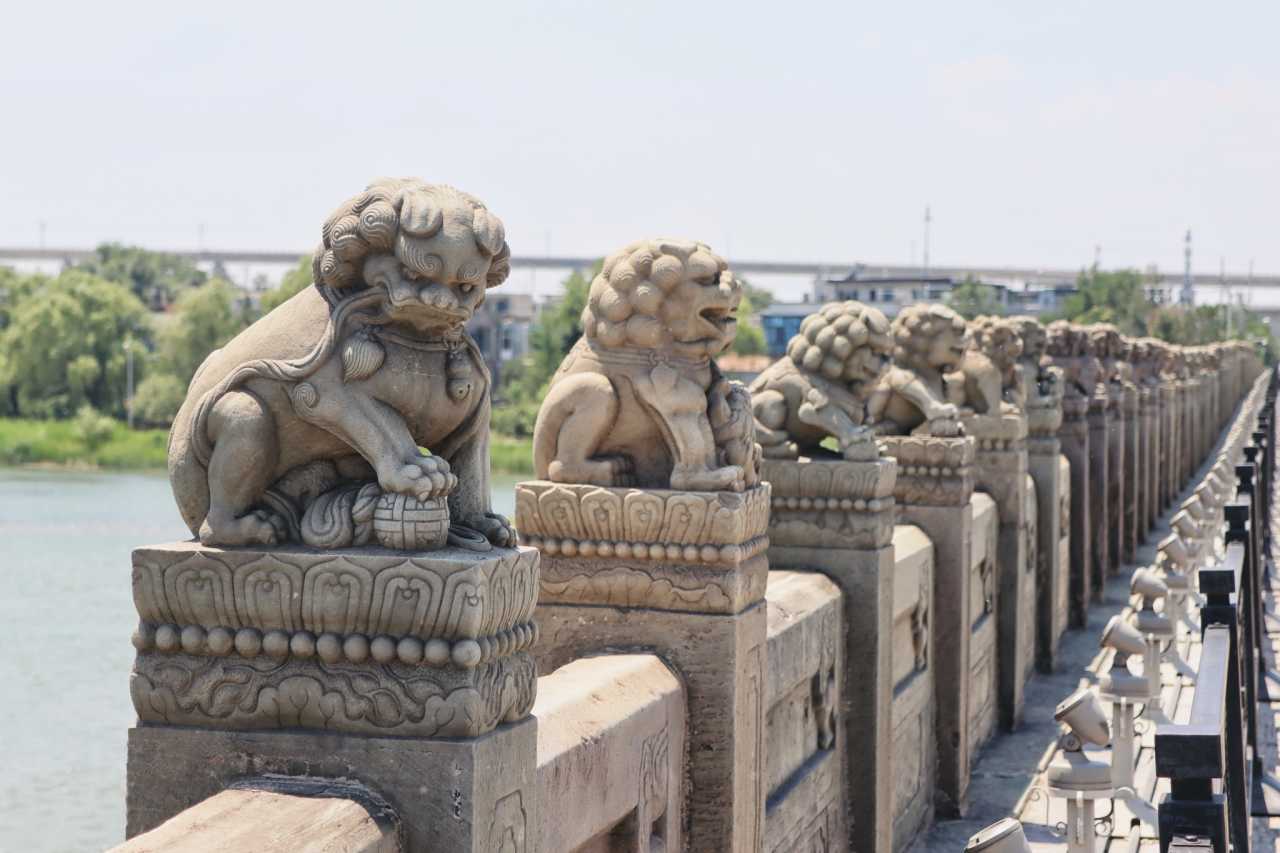
Majiayao Culture Dance Pattern Painted Pottery Basin (c. 3200–2000 BCE)
Three groups of hand-holding dancing figures adorn this basin. They seem to depict ancient ceremonial dances. I was reminded of the Jiahu bone flutes from the same period—the earliest known musical instruments in China. Music and dance existed long before written language, expressing emotions too deep for words.
Yangshao Culture Human Face and Fish Pattern Painted Pottery Basin (c. 5000–3000 BCE)
Excavated at the Banpo site in Shaanxi, this basin may have been a burial vessel. Two symmetrical human faces with fish motifs surround the mouth and ears—as if depicting a human-fish hybrid. Looking at it, you can't help but smile at its ancient charm.
Shang and Zhou Bronze Vessels: Fierce Power and Elegant Ritual
The Erlitou site (c. 3700 years ago) is likely the Xia Dynasty capital, showing evidence of cities, writing, and bronze. But the Shang and Zhou dynasties (c. 1600–256 BCE) formed a truly systematic civilization.
Shang bronzes use high-relief taotie (mythical beast) motifs to create a fierce, awe-inspiring atmosphere. This power seems rooted in primitive worship of gods and spirits. Yet strangely, I find a raw romance in these vessels—a mysterious beauty that transcends time.
Zhou bronzes, by contrast, are ritual vessels symbolizing the birth of Chinese civilization based on li (ritual) and yue (music), accompanied by the patriarchal clan system. Zhou bronzes are more elegant, especially those from the Chu region with their intricate decorations.
Must-See Artifacts:
Houmuwu Rectangular Bronze Ding (c. 14th–11th century BCE)
Weighing 832.84 kilograms, this is the largest bronze vessel ever discovered—the "Number One Ding of the Bronze Age." When I visited Yinxu years ago, I only saw a replica. Now, at the National Museum, the real thing stands before me. The handles feature a tiger devouring a human—truly chilling. Under museum lighting, it radiates mystery and solemnity from 3,000 years ago.
Four-Ram Square Zun (c. 14th–11th century BCE)
This vessel features four unique horned rams, giving a sense of movement within stillness. Round carving, relief carving, and line carving showcase exquisite craftsmanship. It comes from the Hunan region, presenting a different style from Central Plains Shang bronzes.
Shang Bronze Mask from Sanxingdui (16th–11th century BCE)
A square face, huge ears, and protruding eyes—this mask embodies the "thousand-mile eyes and wind-listening ears" of Chinese mythology. Some research suggests Sanxingdui civilization originated from West Asia, where bronze smelting developed earlier. But over millennia, it merged with Jinsha culture and interacted with Central Plains culture—now inseparable from the Chinese story.
Warring States Period Zeng Bronze Ice Container (403–221 BCE)
Functioning like an ancient refrigerator, this bronze ice container is a "specialty" of the Hubei Provincial Museum. It demonstrates the sophisticated engineering of the Warring States period.
My Artistic Journey: Guqin, Flamenco Guitar, and Dance Drama
Beyond the museum, Beijing offers living art experiences. My own journeys trace this path:
2002: Guqin Competition
At 18, I traveled to Beijing for a folk music competition. Sitting on the judging panel were Gong Yi, Wu Zhao, and Li Xiangting—masters I'd only seen on CD covers. My award certificate bore the seal of the Ministry of Culture—probably the most glorious page in my artistic career. In 2024, when I saw a concert by Gong Yi and Wu Zhao again, tears welled up. Those youthful memories, that pure devotion to art, had never faded.
2018: Flamenco Guitar with Paco Pena
I began learning flamenco guitar in 2012. In 2018, I came to Beijing to watch a performance by my teacher's teacher, Paco Pena. Through my teacher's arrangement, I had lunch with him. He was serious and rigorous about his craft, yet warm and endearing with others. The feeling of being in his presence was like a gentle spring breeze.
2024–2025: Dance Poem Drama Nine Songs (Jiu Ge)
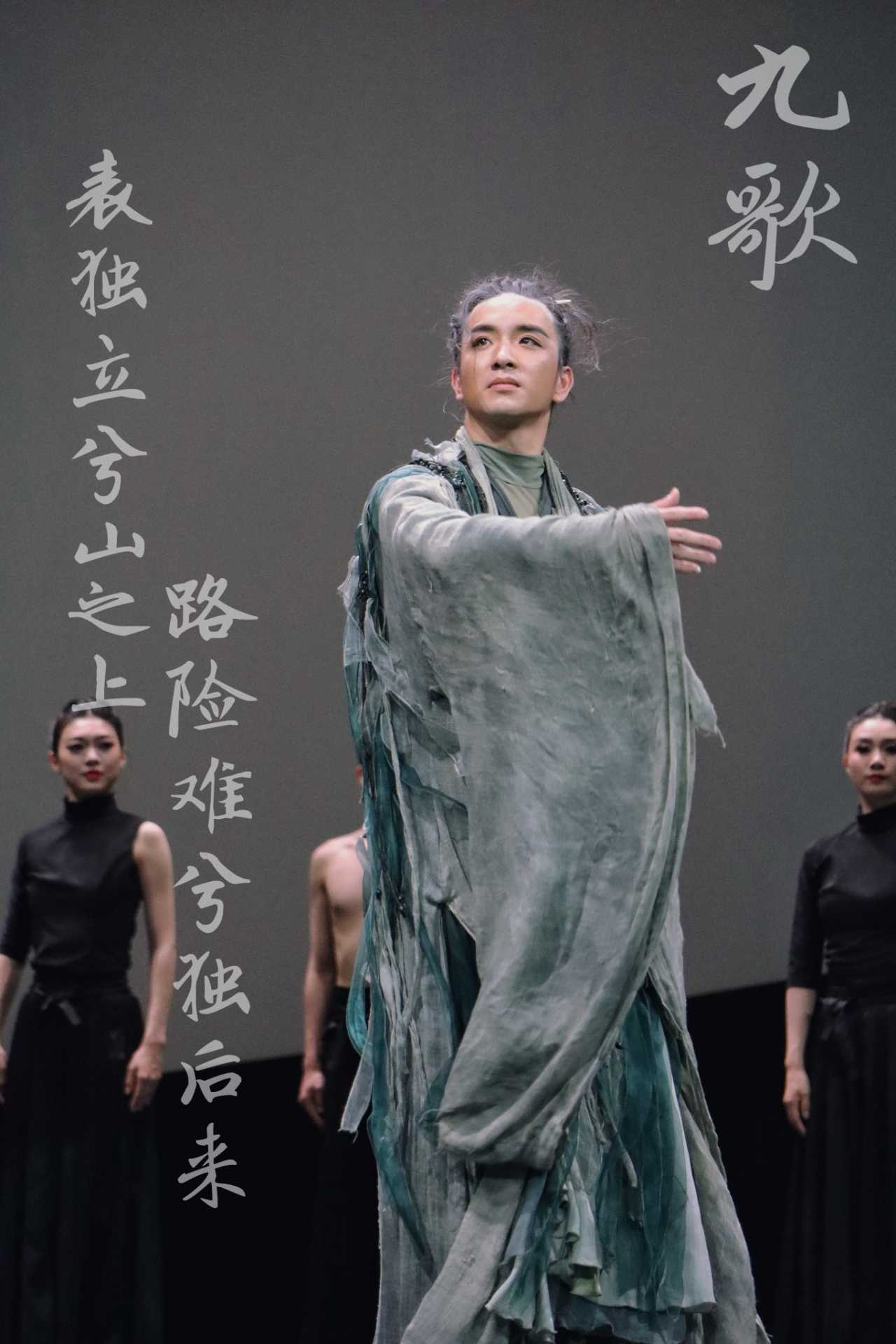
My reason for visiting Beijing shifted again—this time to see Nine Songs, directed by Hu Yang. This dance poem drama reimagines the ancient Chu shamanic hymns, combining traditional movement with contemporary expression.
Of course, every time I come to Beijing, I "happen to" do some sightseeing. My trips have never followed a complete itinerary—only fragmented memories. This article is a collection of those fragments.
FAQ: Your Beijing Art and History Questions Answered
1. How long should I spend at the National Museum of China?

Plan for at least 3–4 hours to see the main exhibits. If you're a serious history enthusiast, allocate a full day. The museum is vast, and the "Ancient China" exhibition alone covers 2,000 artifacts across 7,000 square meters.
2. Can I see the Houmuwu Ding and Four-Ram Square Zun in one visit?
Yes! Both are permanent exhibits in the "Ancient China" hall. The Houmuwu Ding is in the Shang Dynasty section, while the Four-Ram Square Zun is nearby. Arrive early to avoid crowds—these are among the most popular artifacts.
3. What other museums in Beijing should I visit for art?
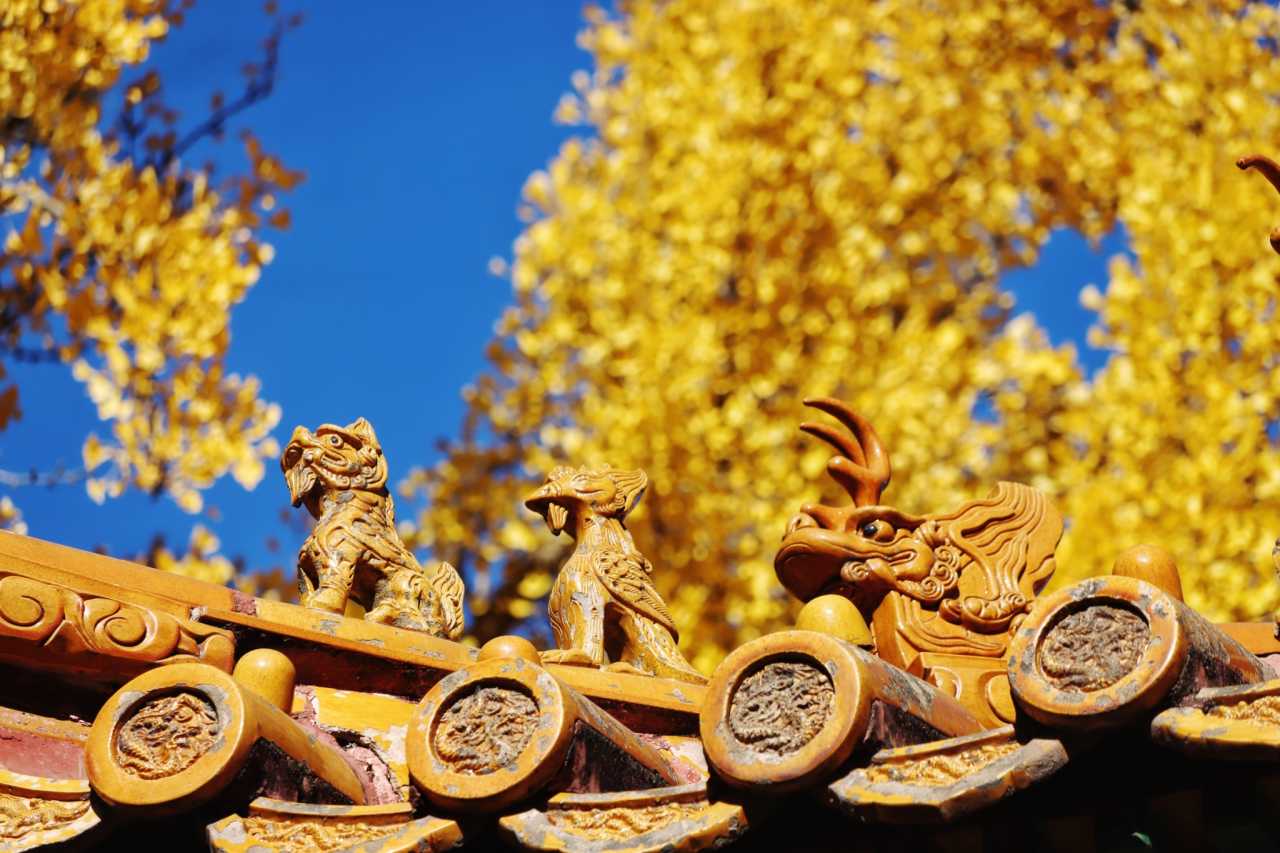
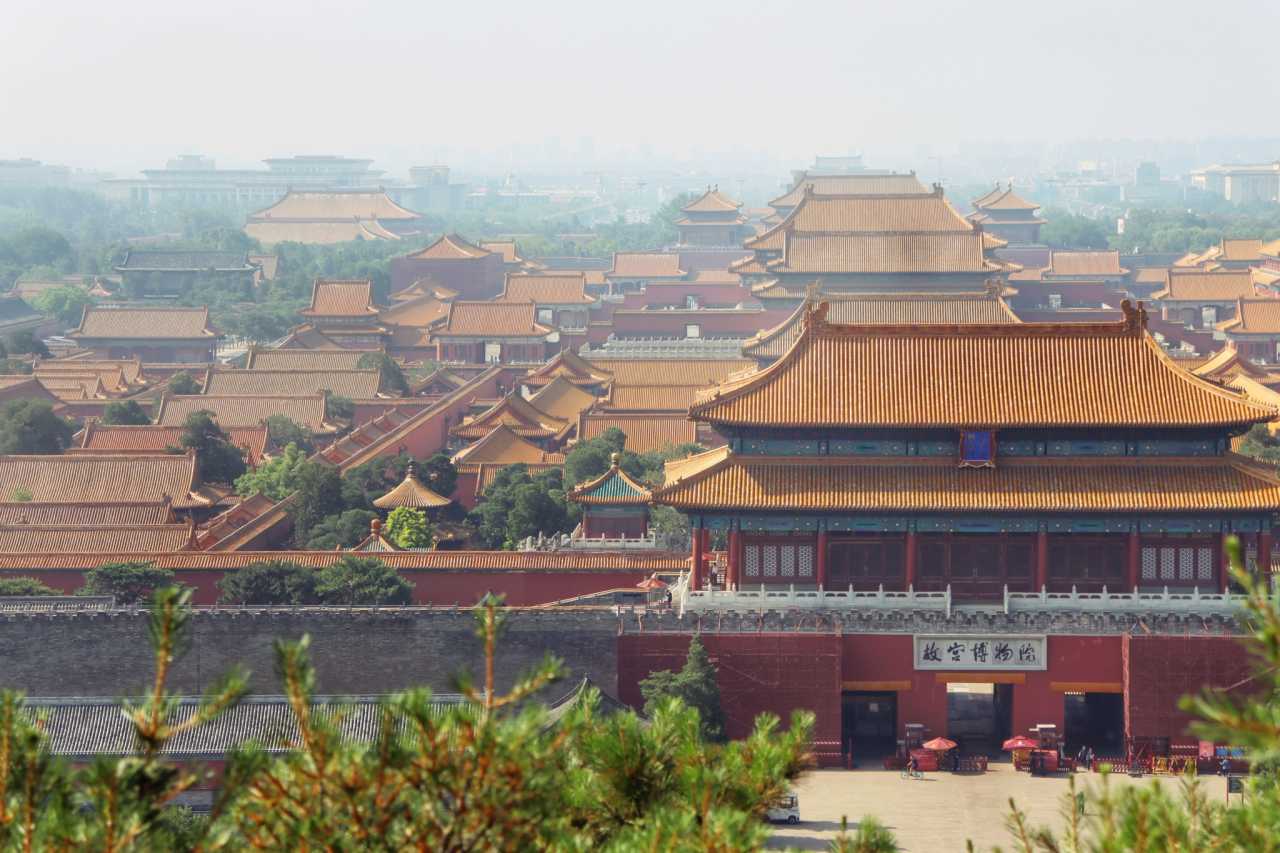
The Palace Museum (Forbidden City) is essential for imperial art. The National Art Museum of China showcases modern and contemporary works. For music lovers, the China National Arts and Music Museum is a hidden gem. [Link: Forbidden City ticket guide]
4. Where can I watch traditional performances like guqin or dance drama in Beijing?
Check the National Centre for the Performing Arts (NCPA) for world-class performances. Smaller venues like Tianqiao Performing Arts Center and Mei Lanfang Grand Theatre specialize in traditional Chinese opera and dance. Book tickets online in advance, as shows sell out quickly.
5. Is the National Museum of China free?
Yes, general admission is free, but you must reserve a ticket online in advance through the official website or WeChat mini-program. Bring your passport for entry. Special exhibitions may have separate fees.
Conclusion: Your Beijing Art Journey Awaits
Beijing is not just a city of monuments—it's a living museum of art and history. From the prehistoric pottery that whispers of humanity's first creative sparks to the bronze vessels that thundered with ancient power, and from the haunting guqin strings to the fiery flamenco rhythms, this city offers endless inspiration.
My journeys have taught me that art is the thread connecting past and present, self and world. Whether you're a first-time visitor or a seasoned traveler, Beijing's artistic soul will leave an indelible mark on your heart.
Ready to start your own artistic journey? Plan your visit to the National Museum of China today. Reserve your free tickets, pack comfortable shoes, and prepare to be moved by 5,000 years of beauty. And when you're done, explore a traditional performance—who knows? You might discover your own artistic awakening.
Have you visited Beijing's art scene? Share your favorite experience in the comments below!
Internal Linking Suggestions: - [Link: Complete guide to Beijing's top museums] - [Link: How to visit the Forbidden City on a budget] - [Link: Best traditional Chinese music performances in Beijing] - [Link: Tiananmen Square and National Museum walking tour] - [Link: Chinese bronze age artifacts you must see]
Word Count: ~1,500 words
Primary Keyword: "National Museum of China"
Long-tail Keywords: "Beijing art history guide," "Chinese bronze vessels," "Houmuwu Ding," "prehistoric pottery China," "Beijing dance drama"
Meta Description: 157 characters
You should also read:
Beijing: From Deep Autumn to Early Winter – Discover Hidden Seasonal Beauty in China's Capital
Meta Description: Explore Beijing's transition from autumn to winter through personal stories and hidden gems. Discover Western Hills sunrises, Forbidden City snow scenes, and authentic hutong experiences in this SEO-optimized travel guide. Beijing isn't just a city of history and politics—it's a living, breathing entity…
Continue reading...
Seeking · Encountering · Autumn in Beijing: Your Ultimate Guide to Beijing’s Most Stunning Fall Scenery
Meta Description: Discover Beijing’s best autumn destinations beyond Fragrant Hills. From Tsinghua University’s golden ginkgo avenue to Dajue Temple’s millennium-old tree, plan your perfect fall escape with our expert guide. Autumn in Beijing is more than a season—it’s a grand farewell. When the summer heat…
Continue reading...
A Winter Journey in Beijing: Romance and Misery at Minus Five Degrees – An SEO-Optimized Travel Guide
Meta Description: Discover the romance and misery of a winter trip to Beijing at -5°C. Explore snowy Jingshan Park, historic hutongs, and budget-friendly tips for a 4-day Spring Festival adventure. Some say Beijing is a city you both love and hate. You love its profound…
Continue reading...