Heaven on Earth: Tibet's Most Beautiful Ngari | Lake After Lake, Falling for the Mysterious Northern Tibetan No-Man's-Land
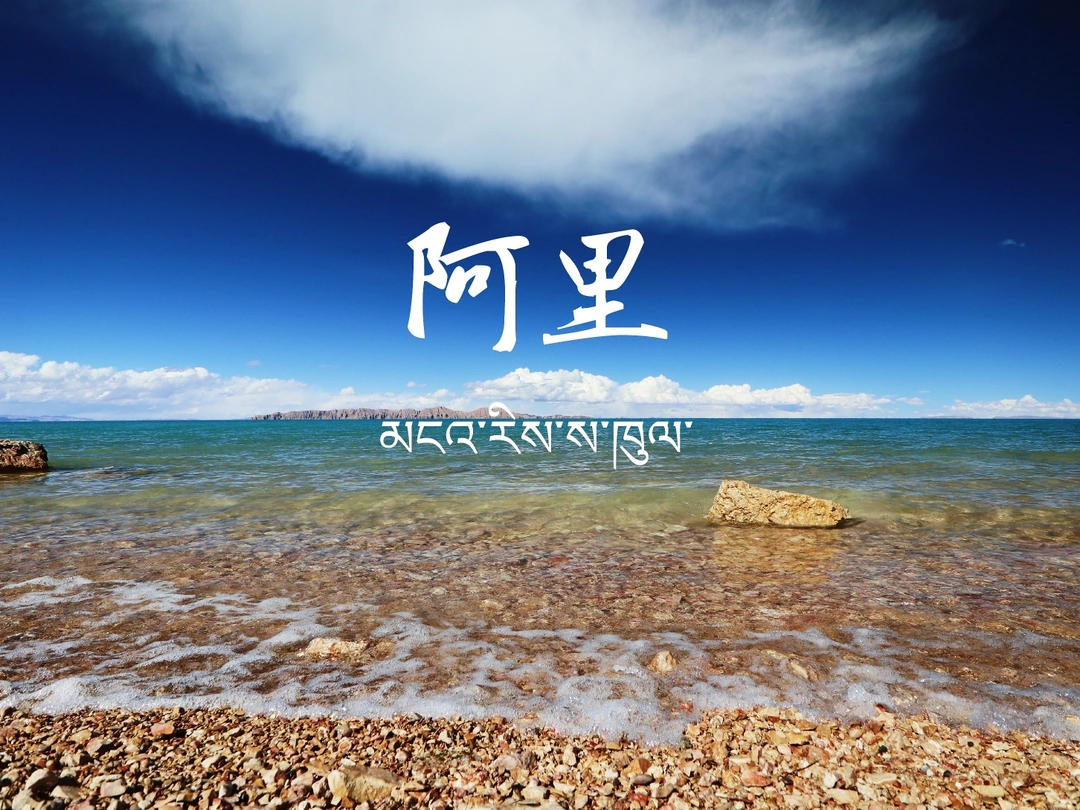
Meta Description: Explore Tibet's Ngari region on a 13-day Great Ngari Loop adventure. From Yamdrok Lake to Everest Base Camp, discover sacred lakes, ancient ruins, and the wild beauty of Northern Tibet's No-Man's-Land. Perfect for adventure travelers.
Introduction: Why the Northern Tibetan No-Man's-Land Should Be on Your Bucket List
Everyone carries a dream of Tibet somewhere in their heart. Some say that if you've never been to Tibet, you can't truly speak of distant lands. But I'd argue that if you've never traveled through the Northern Tibetan No-Man's-Land, you can't truly understand Tibet.
After the bumpy ride along the Sichuan-Tibet Highway and the leisurely pace of Lhasa, I set off on the third leg of my journey—the Great Ngari Loop in northern Tibet. A friend told me, "The northern route is wild and untamed. If you skip it, you might as well have never come to Tibet." That line planted a seed in my heart, which grew and eventually blossomed into a spontaneous adventure.
If you, too, long for that land closest to the sky, follow my footsteps and come see this hidden realm blessed by sacred mountains and holy lakes.
[Link: Tibet travel guide]
Itinerary Overview: 13 Days of Pilgrimage Through Tibet's Sacred Landscape
This Ngari travel itinerary starts in Lhasa, heads west deep into the heart of Ngari, then loops back through the Northern Tibetan No-Man's-Land before returning to the holy city. The entire journey takes about thirteen days, and each day redefines what "beauty" means.
Day 1: Lhasa to Shigatse
 Lhasa → Yamdrok Lake → Karola Glacier → Gyantse Fort → Shigatse
Day 2: Shigatse to Everest Base Camp
Shigatse → Tashilhunpo Monastery → Lhatse → Tingri → Gyawu La Pass → Rongbuk Monastery → Everest Base Camp
Day 3: Everest Base Camp to Saga
Everest Base Camp → Tingri → Old Tingri → Shishapangma Peak → Lake Paiku → Saga
Day 4: Saga to Darchen (Mount Kailash)
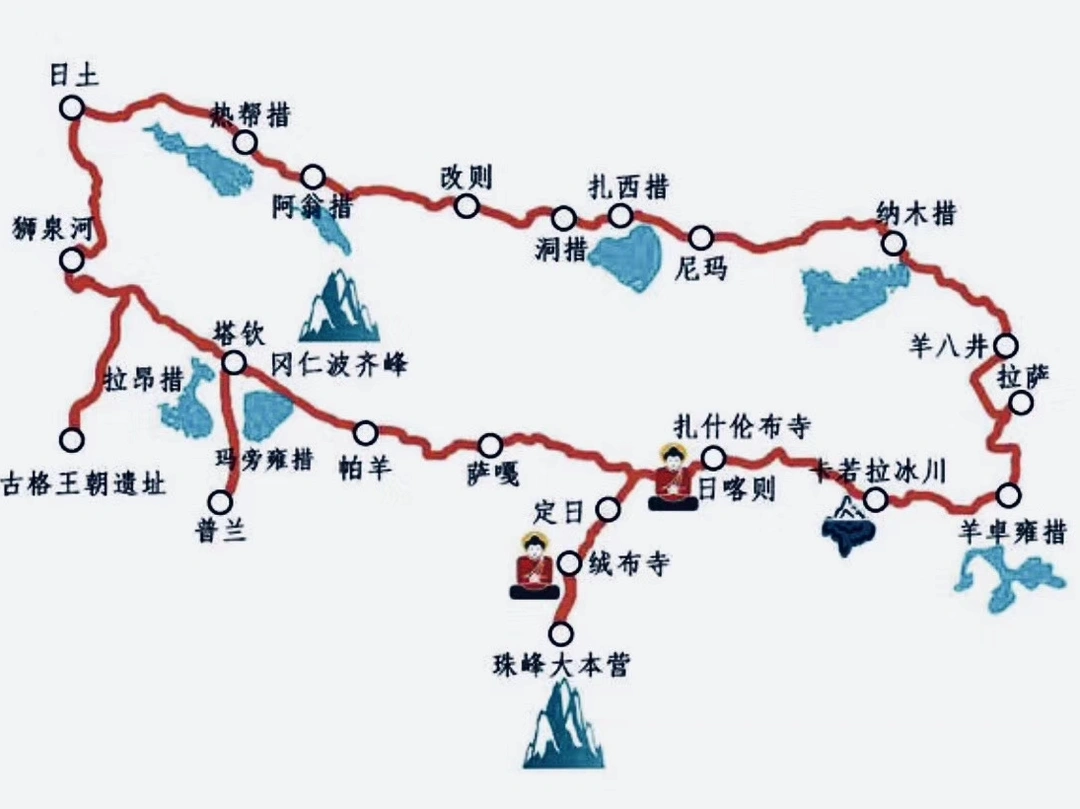 Saga → Paryang → Mount Kailash → Lake Manasarovar → Darchen
Day 5: Darchen to Zanda County
Darchen → Ghost Lake → Lake Rakshastal → Ba'er Military Station → Zanda County → Tholing Monastery → Zanda Earth Forest → Guge Kingdom Ruins
Day 6: Zanda to Shiquanhe
 Zanda → Piyang Cave Grottoes → Shiquanhe
Day 7: Shiquanhe to Rendo Township
Shiquanhe Town → Gegyai County → Xiongba Township → Yare Township → Rendo Township
Day 8: Rendo Township to Tsonyi County
Rendo Township → Lake Ngangla Ring → Lake Rinchen Shubtso → Lake Taro → Lake Zabuye → Tsonyi County
Day 9: Tsonyi to Wengbu South Village
 Tsonyi → Lake Zhari Namco → Lake Tangra Yumco → Daguor Snow Mountain → Wengbu South Village
Day 10: Wengbu South Village to Nyima
Wengbu South Village → Wengbu North Village → Nyima
Day 11: Nyima to Bange
 Nyima → Lake Dazeco → Lake Saibu → Lake Siling → Lake Bange → Bange
Day 12: Bange to Lake Namtso
Bange → Tashi Dor Island (Lake Namtso)
Day 13: Lake Namtso to Lhasa
Lake Namtso → Northern Tibetan Grasslands → Damxung → Yangbajain Geothermal Hot Springs → Holy City Lhasa
[Link: Everest Base Camp travel tips]
Essential Packing List for Tibet Travel: Game-Changers for a Smoother Journey

On the plateau, good gear can save you a lot of suffering. Here are the items I personally tested and found useful for Tibet travel gear:
Collapsible Electric Kettle
You never know what's been boiled in hotel kettles. Bringing your own collapsible kettle lets you drink hot water and make instant noodles with peace of mind. Recommendation: ⭐⭐⭐⭐⭐
Clothesline with Clips
 After washing, squeeze the water out of your clothes with a towel, hang them on the clothesline, and hook both ends onto a door, window, or bathroom fixture. Easy peasy. Recommendation: ⭐⭐⭐⭐
Foldable Drying Rack
Great for hanging socks and small underwear, but can also support larger items. Very practical. Recommendation: ⭐⭐⭐⭐⭐
Collapsible Inflatable Travel Pillow
A lifesaver on planes and long drives! Clip it onto your seatbelt and doze off. Perfect for road trips. Recommendation: ⭐⭐⭐⭐⭐
Collapsible Inflatable Stool
 Comes with a small air pump. You can rest your legs on it to prevent varicose veins, and if traveling with kids, it helps them sleep more comfortably. The downside is it takes up space, but it's worth bringing. Recommendation: ⭐⭐⭐⭐
Door Clip Alarm
Clip it onto your door, and it goes off if anyone tries to open it from outside. Small and portable—a must for solo travelers. Recommendation: ⭐⭐⭐⭐⭐
Bag Clip Alarm
 Can double as a bag charm. Connects to an app via Bluetooth, adding an extra layer of security for those traveling alone. Recommendation: ⭐⭐⭐⭐⭐
4-in-1 Multi-Plug Adapter
Portable and practical, meeting charging needs both at home and abroad. Using data cables directly is also very convenient. Recommendation: ⭐⭐⭐⭐⭐
[Link: Tibet altitude sickness prevention]
The Journey Begins: Every Frame a Wallpaper
Day 1: The Melancholy of Yamdrok Lake and the Madness of Chasing the Sunset
First Stop—Yamdrok Lake
I'd already been to Yamdrok Lake a couple of days earlier, but you can never get enough of a beautiful place. Unfortunately, the weather didn't cooperate that day—the lake was shrouded in dark clouds, missing that stunning shade of blue. Still, under the overcast sky, Yamdrok Lake had a melancholic beauty, like an ink wash painting.
Karola Glacier
Located at the border of Nagarzê County and Gyantse County in the Shannan region, it's one of Tibet's three major continental glaciers and a filming location for the movies Red River Valley and The Story of a Discharged Prisoner. The entrance fee is 50 RMB, more like a toll. It was raining that day, so we didn't go in. The driver said that on the other side of the mountain is the 40 Glacier, which is even more beautiful in winter.
Manla Reservoir
We stopped briefly along the way. The weather was still bad, but a camera on the windshield caught my attention: in Tibet, all legitimate tour vehicles have cameras to monitor speed, smoking, and phone use, ensuring passenger safety. License plates usually start with "Zang AL."

Gyantse Fort
By the time we arrived, it was already closed. We could only take a few photos from the outside. But the history here is worth remembering—in 1904, during the British invasion of Tibet, Tibetan soldiers and civilians held out on Fort Hill for over two months with homemade guns and cannons. Eventually, they ran out of ammunition and food, and all died heroically. The movie Red River Valley was based on this history.
Pala Manor
The only well-preserved old Tibetan noble manor, it was the main estate of the Pala family. This family has a history of over 400 years, with five members serving as Kalon (ministers) in the Tibetan local government. In 1959, Pala Wangchuk participated in a rebellion and fled abroad, and the manor was confiscated. Today, it serves as an important window into the lives of old Tibetan aristocrats.
Chasing the Sunset, Chasing Lightning
That evening, the weather suddenly changed. The sunset blazed like fire clouds, and then lightning tore across the sky. We went crazy taking photos by the roadside, as if we were witnessing the "opening of heaven's eye." At that moment, all the fatigue was worth it.
[Link: Tibet photography tips]
FAQ: Your Tibet Travel Questions Answered
1. What is the best time to visit the Ngari region?
 The best time for the Great Ngari Loop is from May to October, with July to September being the peak season. Winter (November to April) can be extremely cold and many roads may be closed due to snow.
2. Do I need a special permit to visit Ngari?
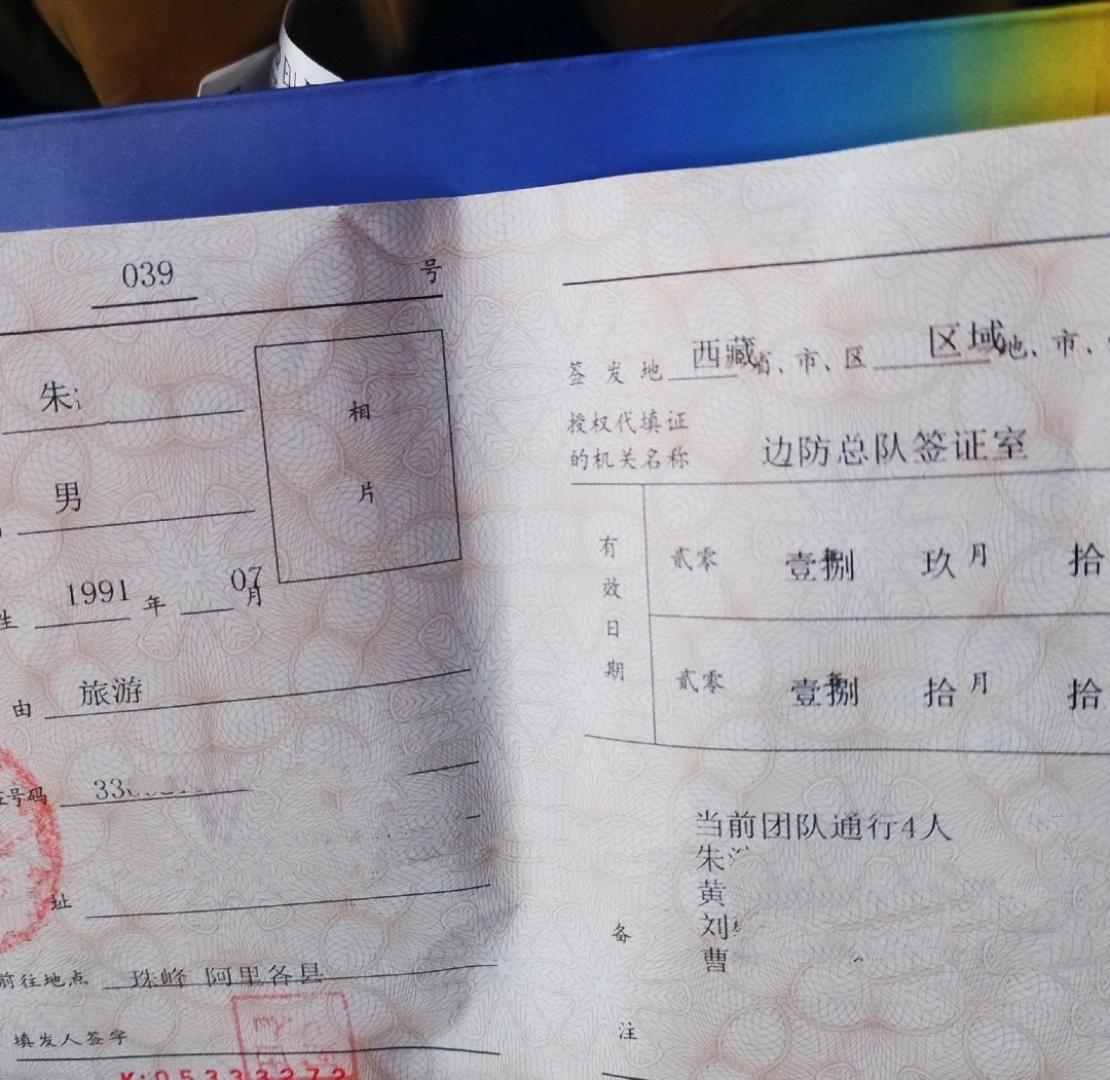
Yes. Foreign travelers need a Tibet Travel Permit (TTB) plus an Alien's Travel Permit for areas like Ngari. Chinese citizens need a border pass (边防证) for certain areas. Always check current regulations before you go.
3. How long does the Great Ngari Loop take?
The full loop typically takes 13 days, as outlined in this itinerary. However, some travelers extend it to 15-18 days for more flexibility and acclimatization.
4. What is the altitude like on this route?
 The Northern Tibetan No-Man's-Land averages 4,500–5,000 meters (14,764–16,404 feet) above sea level. Everest Base Camp sits at about 5,200 meters (17,060 feet). Proper acclimatization is essential.
5. Is the Northern Tibetan No-Man's-Land dangerous?
With proper preparation, it's safe but challenging. The main risks are altitude sickness, harsh weather, and remote roads. Travel with an experienced guide or tour operator, carry emergency supplies, and always inform someone of your itinerary.
Conclusion: Ready to Fall for Tibet's Hidden Paradise?
The Ngari region is not just a destination—it's a pilgrimage that changes how you see the world. From the sacred lakes of Yamdrok and Manasarovar to the haunting ruins of the Guge Kingdom, every mile of the Great Ngari Loop offers a new reason to fall in love with Tibet.
Whether you're chasing sunsets over Lake Namtso or standing in awe before Everest, this journey will leave you breathless—both from the altitude and the beauty.
Ready to plan your Tibet adventure? Start by checking the latest travel permits, book a reliable local guide, and pack your sense of wonder. The Northern Tibetan No-Man's-Land is waiting.
[Link: Book a Tibet tour package]
Have you traveled through Ngari or the Northern Tibetan No-Man's-Land? Share your experience in the comments below—we'd love to hear your story!
You should also read:
Beijing Fangshan's Emerald Lake: A "Little Jiuzhaigou" Hidden in an Abandoned Quarry — The Ultimate Wild Hiking Guide
Meta Description: Discover Beijing Fangshan's Emerald Lake, a turquoise gem hidden in an abandoned quarry. This wild hiking adventure near Jade Emperor Pagoda offers untouched beauty, Liao Dynasty history, and family-friendly trails. Read our complete guide. When the Qingming Festival holiday offered just one day…
Continue reading...
A Reunion After 38 Years: Four-City Self-Guided Tour Itinerary (DanDong, Dalian, Yantai, Beijing)
Meta Description: Discover an 11-day self-guided tour across DanDong, Dalian, Yantai, and Beijing born from a 38-year class reunion. Practical tips, hidden gems, and scam warnings from a real traveler. When you're past the halfway point in life, the most precious thing isn't wealth—it's the…
Continue reading...
Three Days in Beijing: How to Make the Most of a Short Trip? A Practical Guide
Meta Description: Discover the ultimate 3-day Beijing itinerary covering the Forbidden City, Great Wall, and modern landmarks. Expert tips on food, tickets, and avoiding crowds for a perfect short trip. Beijing—a city that inspires both love and frustration. You love its thousand-year-old imperial grandeur, but…
Continue reading...