Three Days in Beijing: How to Make the Most of a Short Trip? A Practical Guide
Meta Description: Discover the ultimate 3-day Beijing itinerary covering the Forbidden City, Great Wall, and modern landmarks. Expert tips on food, tickets, and avoiding crowds for a perfect short trip.
Introduction: Why a Short Beijing Trip Works
Beijing—a city that inspires both love and frustration. You love its thousand-year-old imperial grandeur, but you hate its sheer size and overwhelming crowds. So what do you do if you only have three days and don’t want to miss the city’s best offerings?
Don’t worry. As a traveler who has wandered countless cities yet always holds a special place for Beijing, I’ve carefully designed a three-day itinerary that lets you experience both the profound history beneath the imperial city walls and the vibrant pulse of modern Beijing. Whether you’re a history buff or a trend-chaser, this Beijing 3-day itinerary will help you cover the most worth-seeing, worth-eating, and worth-doing spots in just 72 hours.
Day 1: Travel Through Time and Feel the Imperial Grandeur
Forbidden City Tour: Step Into the World of the Purple Forbidden City
Your first stop has to be the Forbidden City. Covering 720,000 square meters, this palace complex was home to 24 emperors of the Ming and Qing dynasties. It is the largest and best-preserved wooden structure in the world. If you’ve ever watched Story of Yanxi Palace or Empresses in the Palace, this is your dream film set.

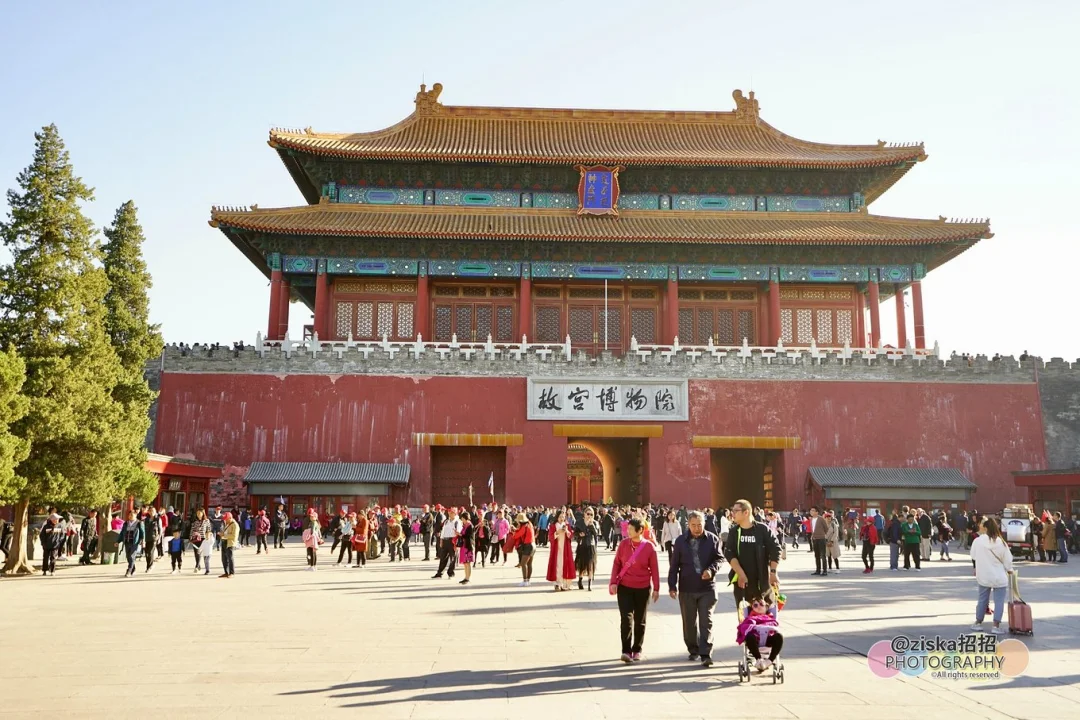
Enter through the Meridian Gate (午门), and you’ll be hit by breathtaking awe. The complex is divided into two sections: - Outer Court – centered around the Hall of Supreme Harmony (太和殿), where grand ceremonies were held - Inner Court – centered around the Palace of Heavenly Purity (乾清宫), the living quarters of the emperor and his consorts
Pro tip: The Forbidden City is enormous. If you take your time, you’ll need at least five to six hours just to get a rough overview. Book tickets online in advance—you can scan your ID card at the entrance and skip the queue. If your budget allows, hire a guide for deeper insight into each hall. The Hall of Treasures and Clock Museum require separate tickets but are absolutely worth it.
Also, bring plenty of water. While there are water stations inside, prices are steep—around 10 RMB per bottle. An early start is crucial; the security line outside Tiananmen can be daunting.
[Link: How to book Forbidden City tickets online]
Jingshan Park Viewpoint: Best Panoramic View of the Forbidden City
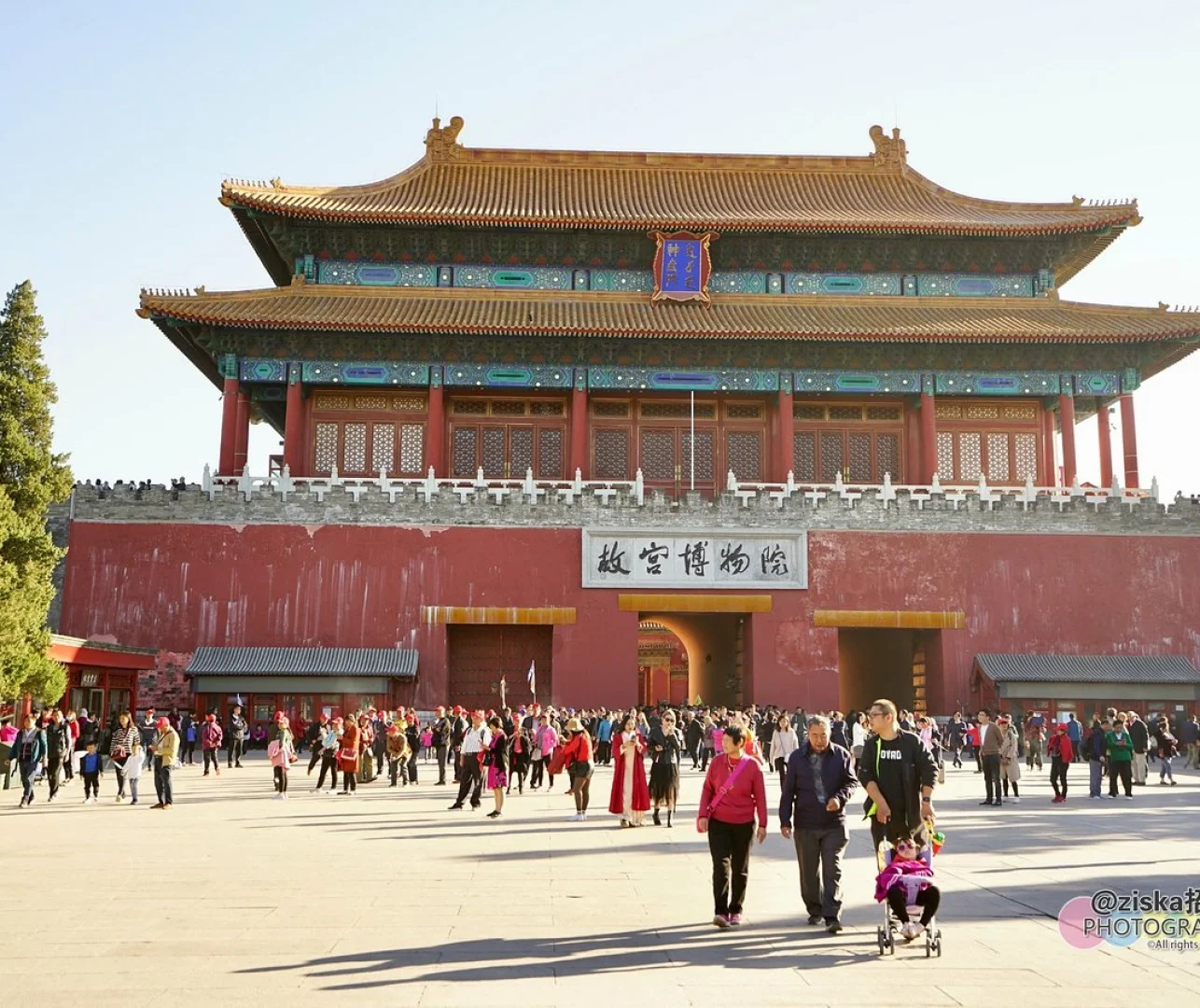
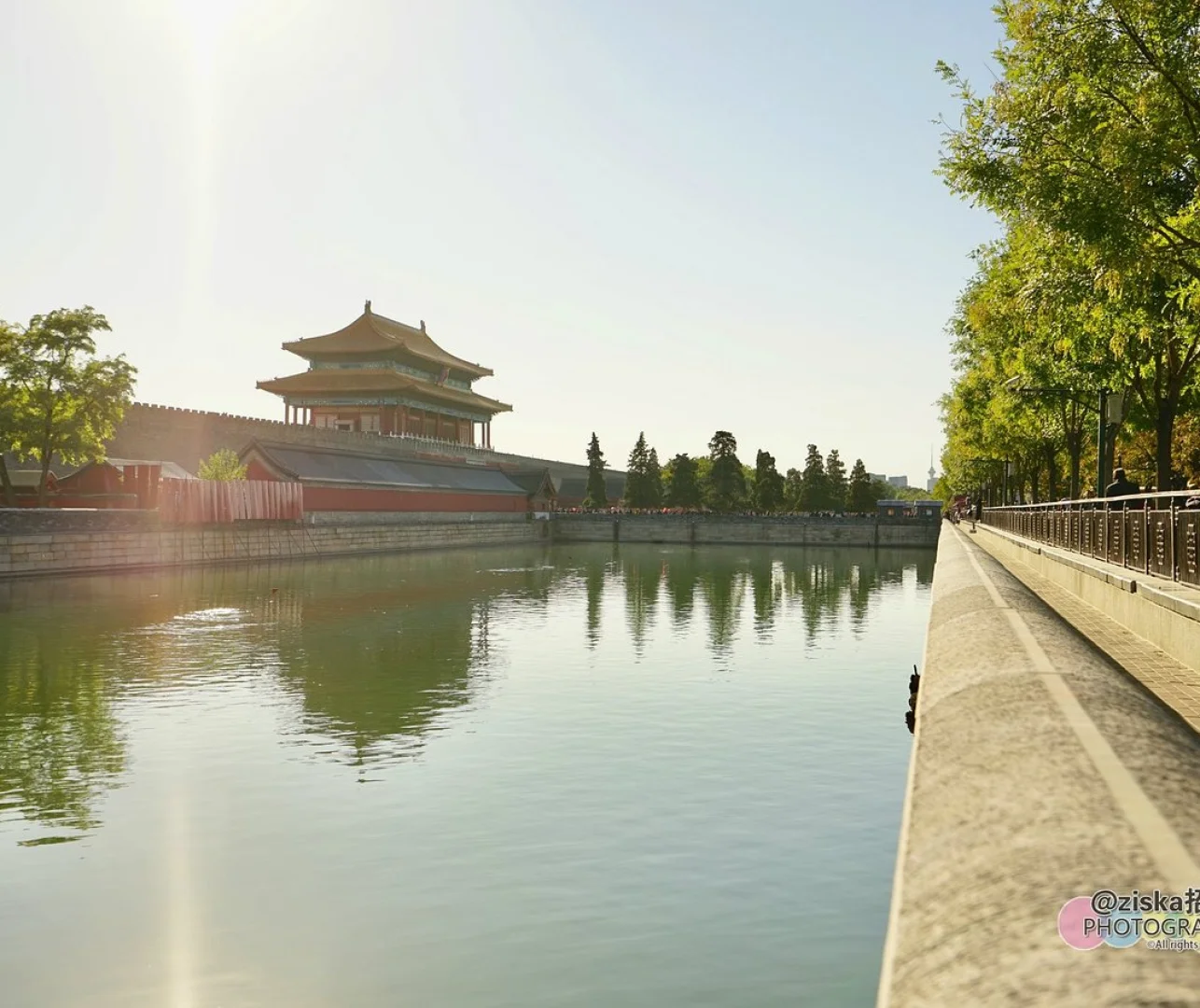
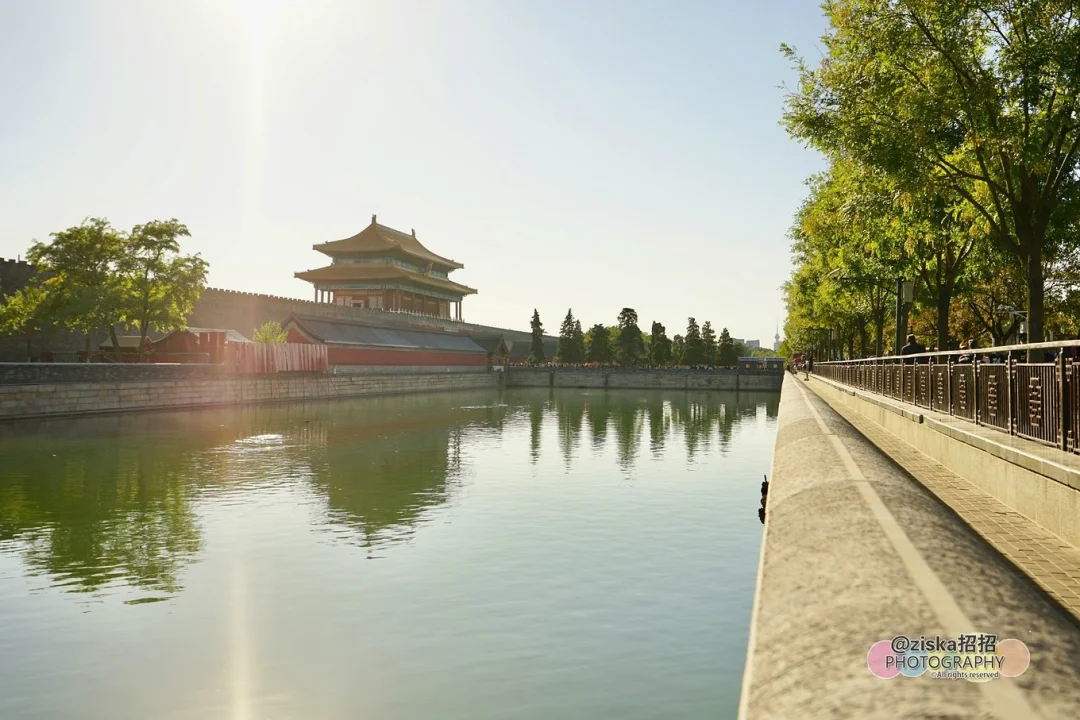
Right across from the Gate of Divine Might (神武门), the Forbidden City’s north exit, lies Jingshan Park. This is the highest point on Beijing’s central axis and served as the imperial garden during the Yuan, Ming, and Qing dynasties. Climb to the Wanchun Pavilion (万春亭), and you’ll see: - The full layout of the Forbidden City to the south - The Bell and Drum Towers to the north - The White Pagoda of Beihai Park to the west - Zhongnanhai to the southeast
Of course, all of this depends on one thing—no smog. Jingshan Park also holds a poignant piece of history: it’s where the Ming emperor Chongzhen hanged himself on an old locust tree. Though the tree is long gone, the story still stirs emotion.
Tiananmen Square Flag Ceremony: A Sense of National Pride
As dusk falls, head to Tiananmen Square to watch the flag-lowering ceremony. While the flag-raising ceremony takes place at dawn, the lowering is equally solemn and dignified. During National Day, the square is adorned with vibrant flower displays, and at night, the lights sparkle with fountains and music.
Tiananmen Square measures 880 meters from north to south and 500 meters from east to west, covering 440,000 square meters. At its center stand the Monument to the People’s Heroes and the Chairman Mao Memorial Hall. Standing here, a wave of national pride is hard to resist.
National Centre for the Performing Arts: The “Giant Egg” at Night
On the west side of Tiananmen Square, the National Centre for the Performing Arts is Asia’s largest theater. Its water-drop shape looks especially stunning when lit up at night. Inside, you’ll find an opera house, concert hall, drama theater, and small theater. The pipe organ is the largest in China—watching a performance here is an absolute treat.
Wangfujing Street Food: A Food and Shopping Paradise
End your day at Wangfujing Street. This bustling area is home to numerous shopping malls and the famous Wangfujing Snack Street, where you can sample: - Old Beijing staples: 炒肝 (stir-fried liver), 爆肚 (flash-fried tripe), 豆腐脑 (silky tofu pudding) - Tianjin’s 狗不理包子 (Goubuli steamed buns) - Northwestern 羊杂汤 (lamb offal soup) - Adventurous bites: fried scorpions and insects
Don’t miss the 糖葫芦 (candied hawthorn skewers), 果脯 (dried fruit), and 吹糖人 (blown sugar figurines). Foodies, this is your paradise.
Day 2: Hike the Great Wall and See the Olympics—Ancient Meets Modern
Mutianyu Great Wall: Fewer Crowds, More Authenticity
On day two, head straight to the Mutianyu section of the Great Wall in Huairou District. Unlike the packed Badaling, Mutianyu is quieter and feels more like the real Great Wall. It connects Juyong Pass to the west and Gubeikou to the east, built under the supervision of General Xu Da of the early Ming dynasty on Northern Qi dynasty foundations.
Getting there: From Dongzhimen, take the 916 express bus to Huairou North Street, then transfer to bus h23 or h24, or take a 10 RMB taxi to the entrance. Tickets, shuttle buses, and cable car passes can all be booked online in advance.
What to expect: Mutianyu’s architecture features densely packed watchtowers and strategically placed passes. To the southeast, three watchtowers stand side by side at the main pass; to the northwest, you’ll find the perilous “Arrow Nock” and “Eagle Flies Upside Down” sections. The wall snakes along the mountains like a giant dragon.
Insider tip: Bring plenty of water, and take a break in a watchtower to enjoy the mountain breeze. If you’re feeling energetic, skip the cable car and hike up. Near the cable car station at the top, a group of injured kittens is cared for by security guards—feel free to leave some food for them.
[Link: Best Great Wall sections for first-time visitors]
Bird’s Nest and Water Cube: Witnessing Olympic Memories
After the Great Wall, head back to the city and get off at the Olympic Green. The Bird’s Nest (National Stadium), the main venue for the 2008 Olympics, features interwoven steel beams resembling tree branches. Next to it, the Water Cube (National Aquatics Center) is covered with over 3,000 irregular bubble-like pillows, looking like water molecules in a blue ocean.
At night, both structures are brilliantly lit, making them perfect for photos. The Water Cube’s blue and the Bird’s Nest’s red complement each other beautifully.
Peking Duck Dinner: The Taste of Beijing
For dinner, you have to try Peking duck. This imperial dish, originating in the Northern and Southern dynasties, uses Beijing duck roasted over fruitwood charcoal. The skin is crispy, the meat tender and not greasy, with a rich, reddish color. Peking duck has two major schools: Quanjude and Bianyifang are both excellent choices.
Day 3: From CBD to Temple of Heaven—Beijing’s Diverse Charms
Guomao CBD: Beijing’s Most High-End Area
On the third day, head to Guomao CBD for lunch. This is Beijing’s busiest commercial district, packed with luxury hotels, international restaurants, and skyscrapers. It’s a stark contrast to the ancient sites you’ve visited—a perfect glimpse of modern Beijing’s economic power.
Temple of Heaven: Where Emperors Prayed for Harvest
After lunch, visit the Temple of Heaven (天坛), a UNESCO World Heritage site. This complex was where Ming and Qing emperors performed annual ceremonies to pray for good harvests. The Hall of Prayer for Good Harvests is a stunning circular building with a triple-eaved roof, representing heaven. The surrounding park is a favorite spot for locals practicing tai chi, playing cards, or flying kites.
Summer Palace: A Royal Retreat
If time permits, head to the Summer Palace (颐和园), the largest imperial garden in China. Built in 1750, it features the stunning Kunming Lake and the Long Corridor, a covered walkway with over 14,000 paintings. Take a boat ride on the lake for a serene end to your trip.
Hutong Culture: Explore Old Beijing
Finish your day in a hutong (traditional alleyway). Take a rickshaw tour through Nanluoguxiang or Yandai Xiejie to see traditional courtyard homes (siheyuan). Stop by a local tea house for a cup of jasmine tea and watch the world go by.
FAQ: Your Three Days in Beijing Questions Answered
1. Is three days enough to see Beijing?
 Yes, with careful planning. This itinerary covers the Forbidden City, Great Wall, Olympic sites, and cultural highlights. You won’t see everything, but you’ll experience the city’s essence.
2. What’s the best time of year for a three-day Beijing trip?
Spring (April-May) and autumn (September-October) offer the best weather. Avoid Chinese National Day (October 1-7) and Spring Festival when crowds peak.
3. How do I avoid crowds at the Forbidden City and Great Wall?
Book tickets online in advance. Visit the Forbidden City on weekdays, and choose Mutianyu over Badaling for the Great Wall. Start early—arrive by 8:00 AM.
4. What should I pack for a three-day Beijing trip?
 Comfortable walking shoes, layers (weather changes fast), sunscreen, a reusable water bottle, and a power bank for your phone. Bring a face mask for smoggy days.
5. Can I use public transportation to reach these sites?
Yes. Beijing’s subway and buses are efficient. For the Great Wall, take the 916 express bus from Dongzhimen. Download the Beijing Subway app for maps and route planning.
[Link: Beijing public transportation guide]
Conclusion: Your Perfect Three Days in Beijing Awaits
Beijing is a city of contrasts—ancient and modern, chaotic and serene. With this 3-day Beijing itinerary, you’ll walk through imperial palaces, hike the Great Wall, taste world-famous Peking duck, and soak in the city’s vibrant culture. The key is planning ahead: book tickets online, start early, and stay flexible.
Ready to book your trip? Start by reserving your Forbidden City tickets and Great Wall transport. Then, pack your bags and prepare for an unforgettable journey through China’s capital.
Share your Beijing adventure with us! Tag your photos with #3DaysInBeijing and let us know which spot was your favorite. Have questions? Drop them in the comments below.
Book your Forbidden City tickets now – [Link: official ticket portal]
Find the best Peking duck restaurants – [Link: Beijing food guide]
Plan your Great Wall hike – [Link: Mutianyu travel tips]
This guide was fact-checked from original source material and updated for 2025 travel. Prices and schedules may change; always verify before visiting.
You should also read:
Lost in Beijing for Seven Days: A Solo National Day Journey Through the Capital
Meta Description: Discover how to survive—and thrive—during China's Golden Week in our SEO-optimized Beijing travel guide. From hidden hutongs to imperial palaces, this 7-day solo itinerary reveals crowd-avoidance secrets, budget tips, and must-visit attractions. Some say traveling during National Day is asking for trouble. But…
Continue reading...
Beijing Through the Lens: One Person's Winter Wanderings – An SEO-Optimized Travel Guide
Meta Description: Discover Beijing's winter charm through a photographer's lens. From Nanluoguxiang's night scenes to Sanlitun's neon glow, explore the city's hidden corners and iconic landmarks in this SEO-friendly travel guide. January in Beijing is so cold you can hear your own breath. But for…
Continue reading...
A Different Beijing: The Ultimate Guide to Traveling with Parents in China's Capital
Meta Description: Discover how to plan a multi-generational Beijing trip that balances iconic sights with parental comfort. From the Great Wall to IKEA, this 7-day itinerary proves traveling with parents is a gentle journey in reverse. We often say, "The world is so big, I…
Continue reading...