Hidden Beijing: Your Ultimate Guide to the City's Lesser-Known Spots (2024 Update)
Meta Description: Discover Beijing's secret gems beyond the Forbidden City. From the Red Brick Art Museum to Tianning Temple Pagoda, explore off-the-beaten-path attractions with this insider's guide to hidden Beijing.
Beijing is a city of contrasts. While millions flock to the Great Wall, Forbidden City, and Tiananmen Square, a quieter, more intimate Beijing exists in its tucked-away corners. After living in the capital for nearly two years, I've mapped out the city's best-kept secrets—places where history whispers, art surprises, and time seems to slow down.
This isn't your typical tourist guide. These are the spots I discovered through restless weekend explorations, accidental detours, and deliberate searches. Whether you're a first-time visitor or a long-term expat, this hidden Beijing guide will transform how you see the city.
Red Brick Art Museum: Where Light and Solitude Meet
Address: 100 meters west of Shunbai Road & Maquanying West Road intersection, Hegezhuang Village, Cuigezhuang Township, Chaoyang District
Transport Tip: Take subway to a nearby station, then prepare for a 40-minute bus wait—this place is intentionally remote.
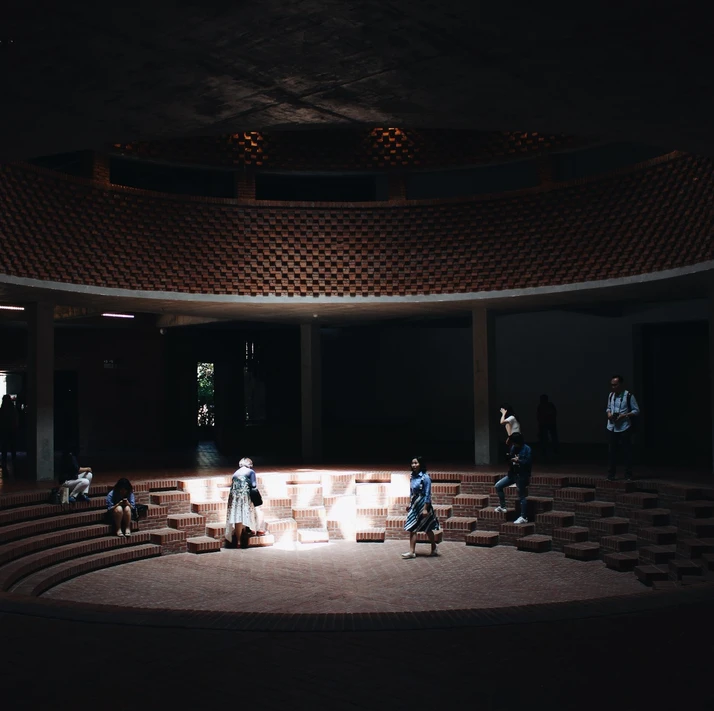
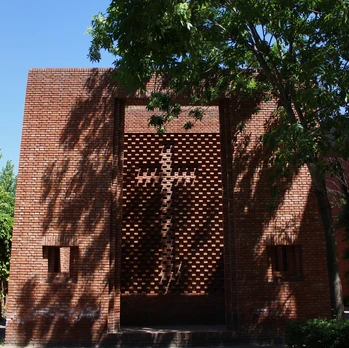
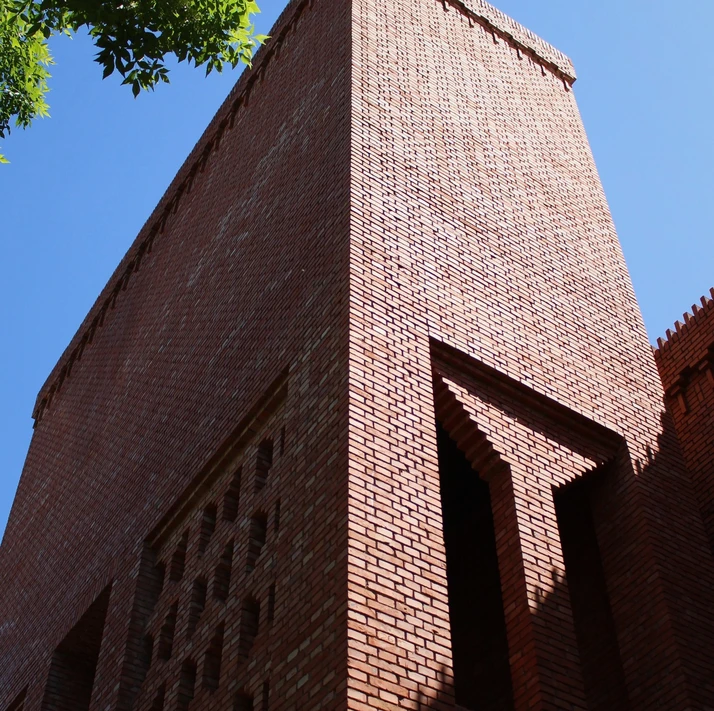
On a perfect Beijing afternoon—blue skies, white clouds, sunshine like a Southeast Asian town—I spotted a cluster of red brick buildings through the bus window. The Red Brick Art Museum isn't just a gallery; it's an architectural meditation on light and shadow.
During my visit, only Chen Chieh-jen's "The Resounding Echo" exhibition was open. All other galleries were closed for installation. In the eerily quiet, dark screening room, I was the sole viewer watching every video from start to finish. It felt like a private dialogue with the artist.

Photography Tip: The lobby is a photographer's paradise. While others photograph each other, I found myself captivated by the walls themselves—light and shadow playing across red brick surfaces, planes crossing the blue sky above. The melody of Li Zhi's "Sky City" echoed in my mind: "Planes fly across the sky..."
As I walked out and turned back for one last look, I had the strange sensation of being on a street in Vietnam. Time stands still here.
[Link: Best art museums in Beijing beyond 798 Art District]
Tianning Temple Pagoda: Devotion in Every Bell Chime
Address: Tianning Temple, outside Guang'anmen, Xicheng District
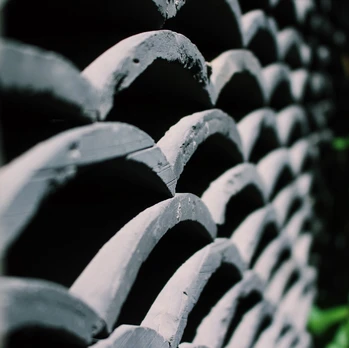
Hidden within a hutong, this small temple rewards those who seek it out deliberately. The pagoda shows its age—many statues are damaged or missing. I counted carefully: 13 levels, each with eight corners hung with bells. When the wind blew, they chimed with a crisp, clear sound that seemed to purify the air.
I stood in the shade of a tree, closed my eyes, and listened. The surroundings were undisturbed, utterly quiet. Under the scorching midday sun, devotees circled the pagoda—round after round, unwavering in their devotion. I joined them, completing three rounds in the blazing heat.
What I Learned: When you focus on one thing alone, nothing else matters. This is the essence of hidden Beijing—places that demand your full attention and reward you with peace.
[Link: Historical temples in Beijing off the tourist trail]
Former Site of Duan Qirui's Government: Where Time Slows Down
Address: No. 3 Zhangzizhong Road, Dongcheng District
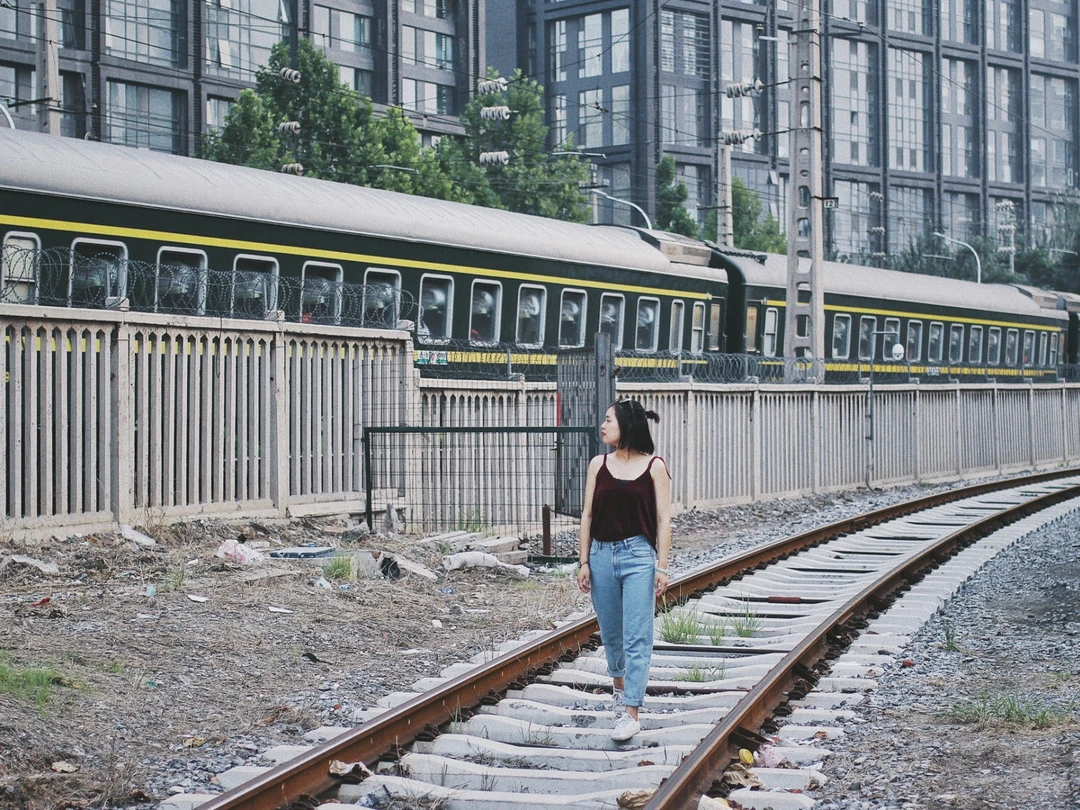
Compared to bustling tourist attractions, this nationally protected heritage site is so quiet it feels like a "fake Beijing." Security guards the main gate, and visitors are officially not allowed in. I disguised myself as a resident and walked straight in—luckily, no one stopped me.
The main building is under renovation, but side buildings still house residents. When I raised my camera in one building, a loud shout greeted me: "No photos!" In the next building, a fierce little dog growled, and its owner warned it would bite. I fled twice.
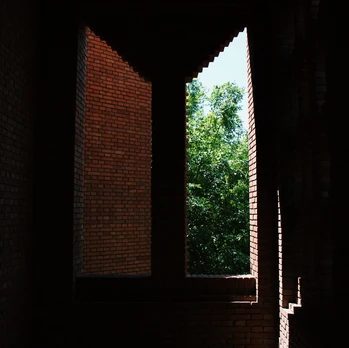
But outside, I discovered a whole new world. The only sounds were birdsong, wind, wheels gliding past, and my own breathing. I walked back and forth, listening, and found myself slowing down involuntarily. Willow catkins drifted slowly, leaves swayed slowly in the breeze, dappled shadows on the wall moved slowly.
Poetry in Motion: "Leaves are the wind's gentle hands, dancing in a springtime serenade."
Songzhu Temple and Zhizhu Temple: French Romance in a Hutong
Address: No. 23 Songzhu Temple, Shatan North Street, Dongcheng District
I prefer to call this place TRB. Originally two temples, after renovation it's now a complex housing a French restaurant, art gallery, and boutique hotel. Hidden deep in a hutong, its depth adds to its tranquility.
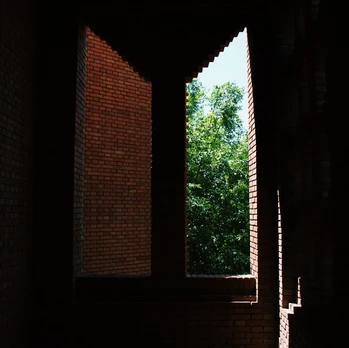
Most people come for the food—impeccable service and atmosphere come with steep prices. I came for the quiet. The restored architecture blends modernity with history, like that colorful little house whose green glow was especially enchanting at a certain moment.
What to Do: - Explore the free art gallery (when I visited, a photography exhibition was on display) - Admire sculptures full of design flair - Sit on vintage blue chairs with a deliberately aged look - Watch light and shadow chase each other through the afternoon
The entire TRB area isn't large, but it's worth spending an afternoon. The romantic thing? Wasting time together.
[Link: Unique dining experiences in Beijing's hutongs]
Xiannong Altar: A Caisson Ceiling That Haunted My Dreams
Address: No. 21 Dongjing Road, Xuanwu District, Beijing
Xiannong Altar shares its location with the Ancient Architecture Museum of China. Beyond the architectural models spanning ancient to modern times, the museum's crown jewel is the caisson ceiling from Longfu Temple.
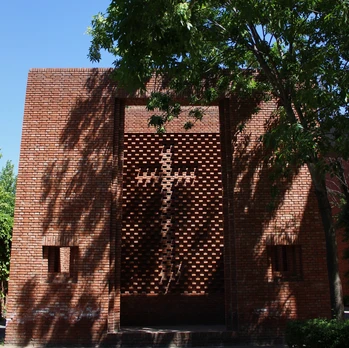
Why You Must Visit: This caisson ceiling has six tiers, each circular main frame intricately carved with cloud patterns. The bottom two tiers hang below the ceiling where Buddha statues once stood. The first, second, third, and fifth tiers feature celestial palaces in the clouds, with painted images of the 28 lunar mansions below.
The immortals and celestial maidens within the palaces are exquisitely carved—some serene and gentle, some wide-eyed and fierce, some smiling with lowered heads, some resting with closed eyes. At the very top is a star chart depicting 1,400 stars, said to be based on a Tang dynasty astronomical map.
I sat and stared at it for an entire afternoon until the museum closed. That night, I dreamed of the starry sky.
Hutong Alleys: Unexpected Joys Amidst Change
Location: Unknown—that's the point
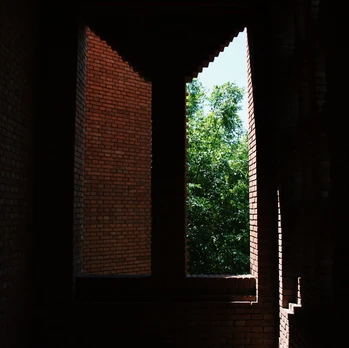
Beijing has countless old hutongs. Just pick a few at random on the map and start walking. You're bound to discover something. Among all the scenes where people and things have changed, exploring hutongs is my favorite pastime.
You never know what you'll find around the next corner—maybe a caged bird hanging from a doorway, a hidden temple, or a courtyard garden that feels like another world.
Pro Tip: Don't overplan. The best discoveries happen when you get lost.
FAQ: Hidden Beijing Travel Tips
Q: Are these hidden spots suitable for first-time visitors to Beijing? A: Absolutely. While first-timers should still visit the Forbidden City and Great Wall, these spots offer a deeper, more authentic Beijing experience. I recommend mixing famous landmarks with hidden gems.
Q: How much time should I allocate for visiting these locations? A: Plan at least half a day for each spot. The Red Brick Art Museum and Xiannong Altar deserve 2-3 hours minimum. Hutong explorations can easily fill an entire afternoon.
Q: Are these places accessible by public transportation? A: Most are accessible, but some require patience. The Red Brick Art Museum involves a long bus ride after the subway. Tianning Temple and the Duan Qirui site are more central. I recommend using a mix of subway, bus, and walking.
Q: Do I need to speak Chinese to visit these spots? A: Not necessarily. Most places have English signage or staff who can help. However, learning a few basic phrases will enhance your experience, especially in hutongs.
Q: What's the best time of year to explore hidden Beijing? A: Spring (April-May) and autumn (September-October) offer the most pleasant weather. Summer can be scorching, while winter brings fewer crowds but colder temperatures.
Your Hidden Beijing Adventure Starts Now
Beijing's hidden gems aren't just places—they're experiences that change how you see the city. From the meditative silence of Tianning Temple's bells to the artistic solitude of the Red Brick Art Museum, these spots offer something the tourist crowds can't: a moment of genuine connection.
Your Challenge: Pick one spot from this guide and visit it this weekend. Don't rush. Let yourself get lost. Take photos of the walls, not just the people. Listen to the wind, the bells, the silence.
And when you find your own hidden corner of Beijing, share it. The best secrets are the ones we pass on.
[Link: Beijing off-the-beaten-path itinerary for 3 days]
[Link: Best photography spots in Beijing for Instagram]
Have you discovered a hidden gem in Beijing? Share your experience in the comments below—I'm always looking for new places to explore.
You should also read:
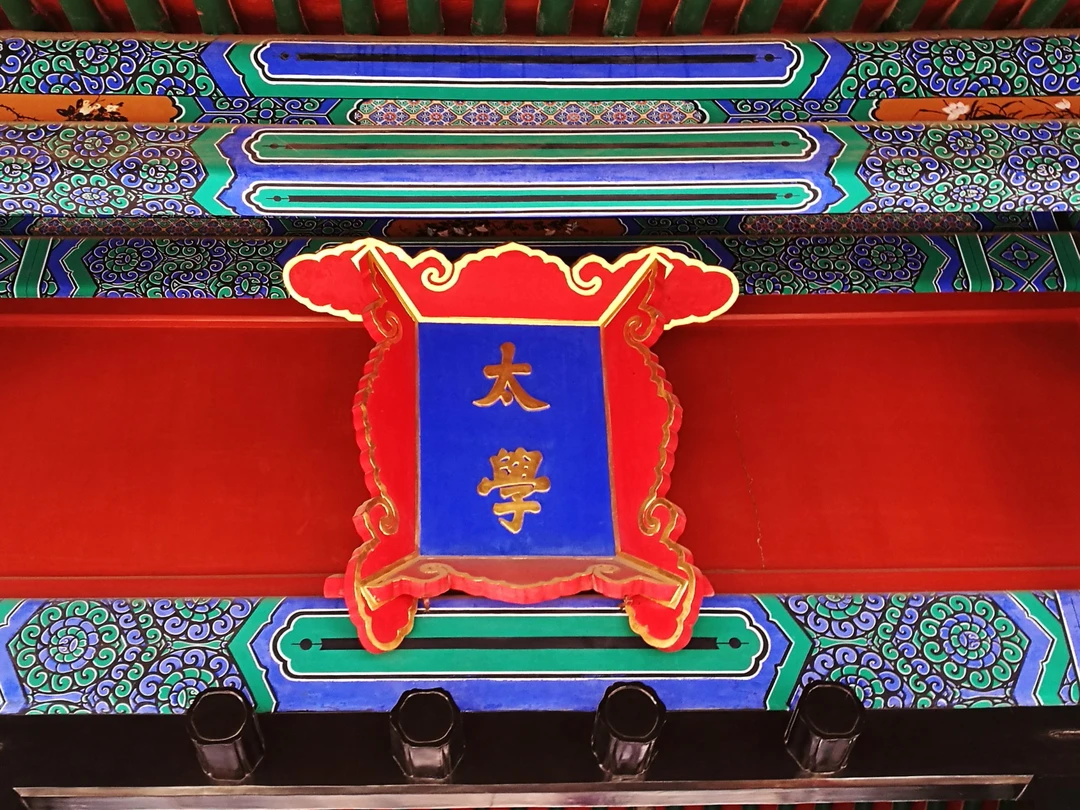
The Imperial College (Guozijian): Beijing's Ancient "Central University" & Confucius Temple Guide
Meta Description: Discover the Beijing Imperial College (Guozijian) and Confucius Temple – ancient China's highest learning institution. Explore 700-year-old stelae, the Treachery-Exposing Cypress, and Qianlong Stone Classics. Plan your cultural pilgrimage with our complete guide. Beijing has always been more than a capital – it's…
Continue reading...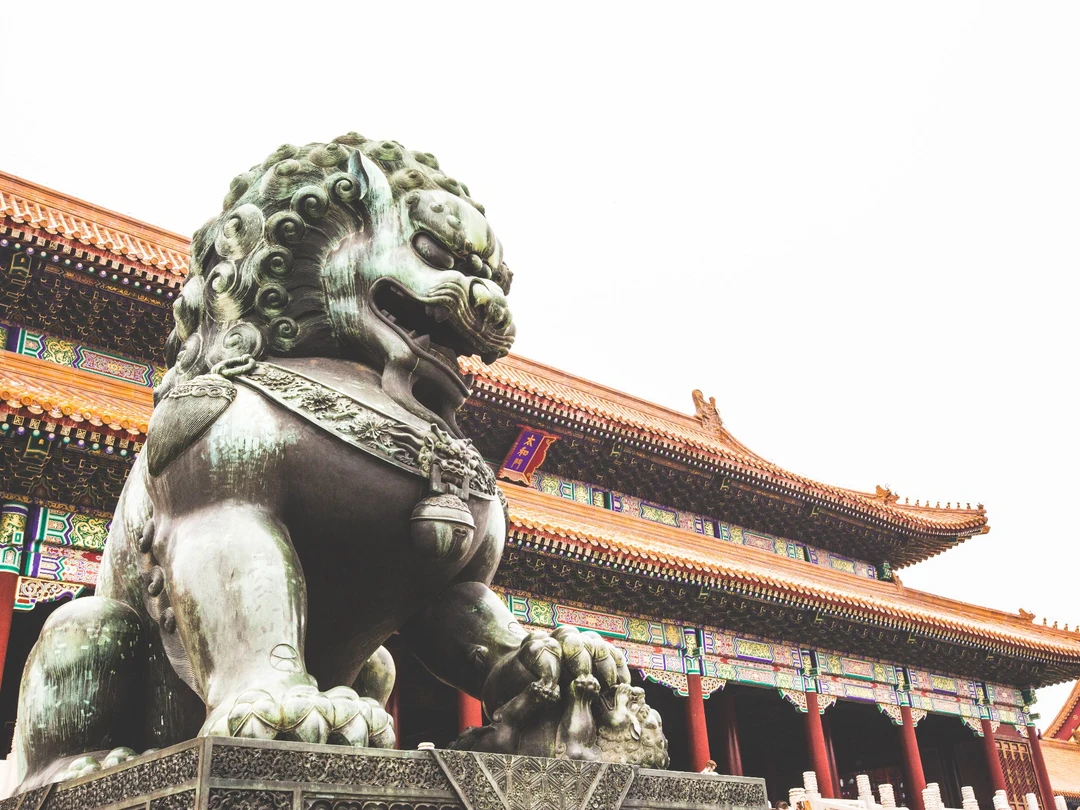
First Visit to Beijing: Living in a Century-Old Courtyard, Being the Forbidden City's Neighbor
Meta Description: Experience Beijing like a local with this first-timer's guide. Stay in a century-old siheyuan near the Forbidden City, explore hutongs, climb the Great Wall, and avoid common tourist pitfalls. Your ultimate Beijing itinerary awaits. I've always believed that the best kind of travel…
Continue reading...
A Pause for Mafengwo: How to Make Honey and Build a Travel Guide Legacy
Meta Description: Discover how one Beijing native turned travel passion into Mafengwo honey, achieving a 62% adoption rate. Learn authentic guide tips, goal-setting strategies, and why a pause isn't the end. I never imagined I would write a "pause" on Mafengwo in this way. This…
Continue reading...