The Imperial College (Guozijian): Beijing's Ancient "Central University" & Confucius Temple Guide
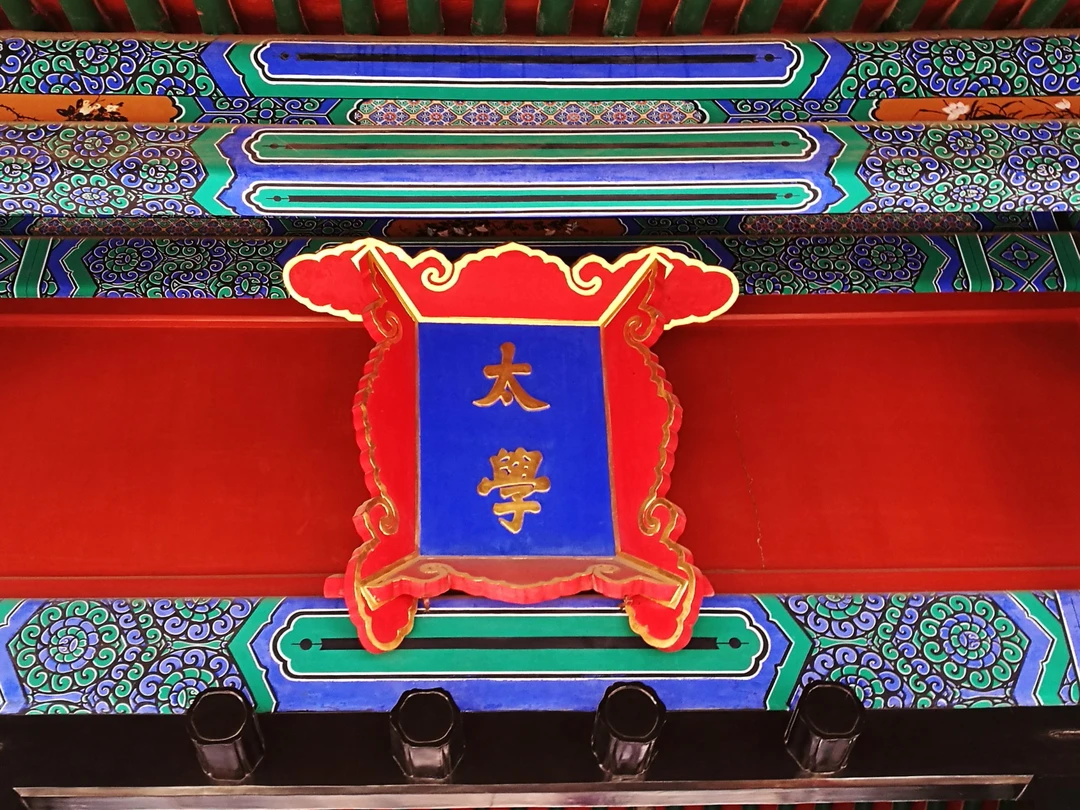
Meta Description: Discover the Beijing Imperial College (Guozijian) and Confucius Temple – ancient China's highest learning institution. Explore 700-year-old stelae, the Treachery-Exposing Cypress, and Qianlong Stone Classics. Plan your cultural pilgrimage with our complete guide.
Prologue: A City's Memory, Starting from Childhood
Beijing has always been more than a capital – it's a living museum of Chinese civilization. For decades, travelers have flocked to its iconic landmarks: the Forbidden City, the Great Wall, and the Temple of Heaven. But hidden within the hutongs of Dongcheng District lies a quieter, equally profound treasure: the Imperial College (Guozijian) and its companion, the Beijing Confucius Temple.
This is not just another tourist attraction. This is where China's scholarly elite – the jinshi (highest-degree holders) of the Yuan, Ming, and Qing dynasties – once studied, debated, and dreamed. It's where the empire's brightest minds gathered for over 700 years. And today, it offers visitors a rare glimpse into the soul of traditional Chinese education.
In this first installment of our Beijing Chronicles, we'll walk through the Hall of Great Accomplishment, stand beneath the Treachery-Exposing Cypress, and decode the secrets of the Qianlong Stone Classics. Whether you're a history buff, a culture traveler, or simply curious about China's intellectual heritage, this guide will help you experience the Imperial College as more than just a university – as a living testament to China's enduring pursuit of knowledge.
Getting There: How to Visit the Imperial College & Confucius Temple
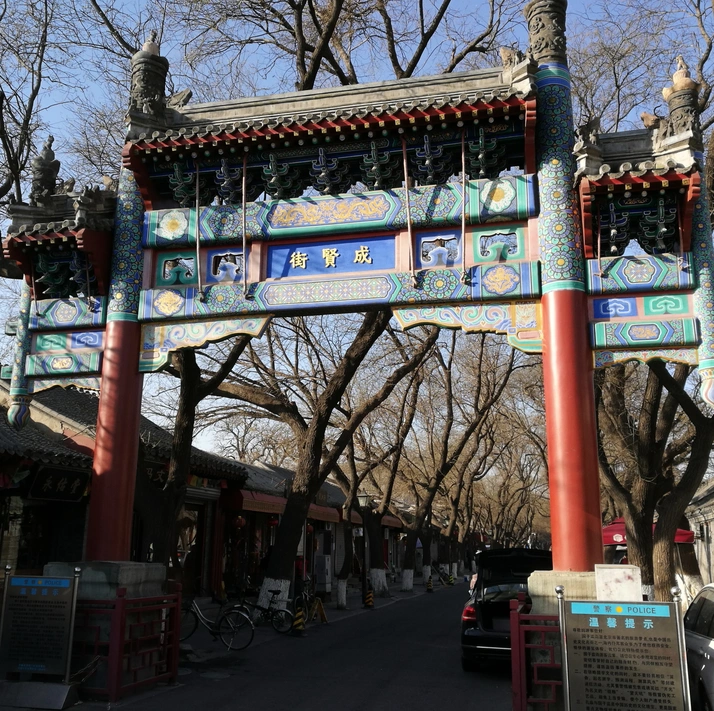
The Imperial College complex is located at Guozijian Street, Dongcheng District, Beijing. The easiest way to arrive is via Lama Temple Station (Subway Line 2 or 5). Exit the station, walk under the memorial archway of Chengxian Street (Street of Virtuous Scholars), and you'll find the entrance within minutes.

Ticket Information: - Price: 30 RMB (approximately $4 USD) – excellent value for the experience - Entry: Individual visitors enter through the Confucius Temple gate; group tours enter through the Imperial College gate - Note: Lighters and other prohibited items must be left at the entrance
Best Time to Visit: Early morning or late afternoon to avoid crowds. Weekdays are quieter than weekends.
The Confucius Temple: A Spiritual Sanctuary Across Seven Centuries
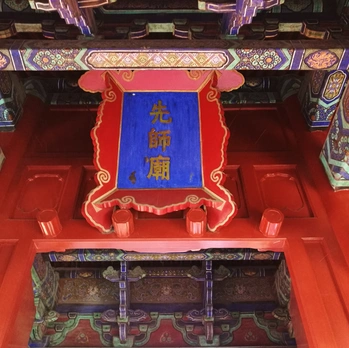
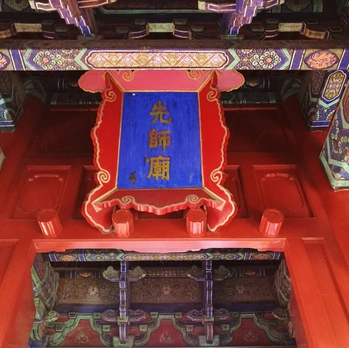
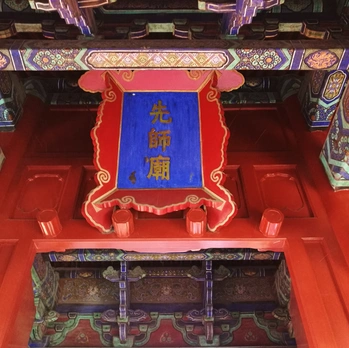
Hall of the Sage (Xianshi Miao): The Main Gate
The Beijing Confucius Temple, located on Guozijian Street, was the official site where Yuan, Ming, and Qing emperors performed sacrificial rites to Confucius. It ranks as one of China's four great Confucian temples, alongside those in Nanjing, Jilin, and Qufu (Confucius's birthplace). Construction began in 1302 (Yuan Dynasty's Dade era) and was completed ten years later. The temple was rebuilt in 1411 (Ming Dynasty's Yongle era).
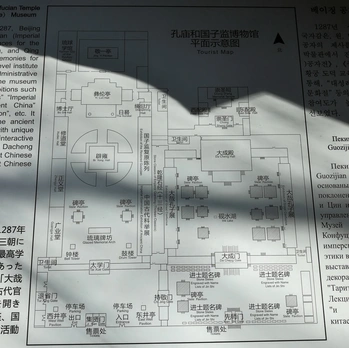
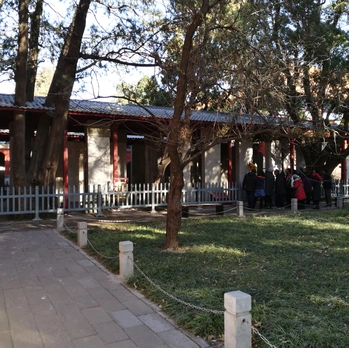
Entering the gate, you'll find a three-courtyard complex. The central axis buildings include: - Gate of Great Accomplishment (Dacheng Men) - Hall of Great Accomplishment (Dacheng Dian) - Gate of Exalted Sage (Chongsheng Men) - Shrine of Exalted Sage (Chongsheng Ci)
The Forest of Stelae: Names Carved in Stone
The most awe-inspiring sight is the 198 stelae recording the names of successful imperial examination candidates – the scholarly elite of the Yuan, Ming, and Qing dynasties. These stone monuments include: - 3 stelae from the Yuan Dynasty - 77 stelae from the Ming Dynasty - 118 stelae from the Qing Dynasty
In total, 51,624 jinshi (highest-degree holders) are recorded here. Among them, you'll find familiar names like Yu Qian, Yuan Chonghuan, Lin Zexu, and Shen Junru – figures who shaped Chinese history.
The Treachery-Exposing Cypress (Chujian Bai): A Tree's Political Metaphor
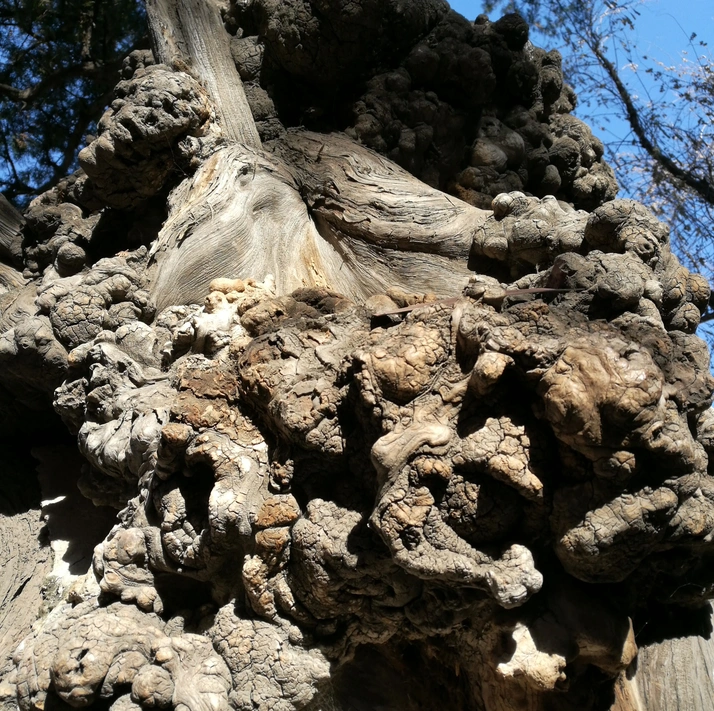
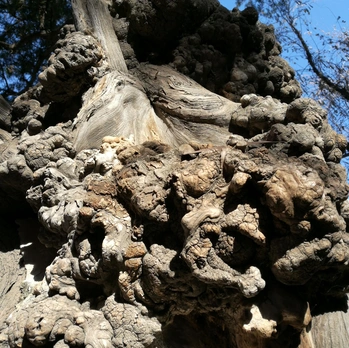
The oldest cypress in the Confucius Temple is nearly 700 years old. Legend says it was planted by Xu Heng, the Imperial College Chancellor during the Yuan Dynasty. The story goes that when the infamous Ming Dynasty traitor Yan Song came to perform sacrifices on behalf of Emperor Jiajing, a branch suddenly fell off, knocking off his black gauze cap. Later, a knot grew on the tree that, when viewed from the side, looked like a dragon's claw grasping a human head.
Whether you believe the legend or not, standing beneath this twisted, ancient tree evokes an indescribable solemnity. It's a reminder that even nature, in Chinese culture, can serve as a moral mirror.
Hall of Great Accomplishment (Dacheng Dian): The Highest Grade Cultural Altar
This is the main hall for sacrifices to Confucius. Its architecture is nine bays wide and five bays deep, with red walls, yellow tiles, and a double-eaved hip roof – the highest grade in ancient Chinese architecture. Inside, you'll find: - A central portrait and spirit tablet of Confucius - Flanking tablets of his four principal disciples: Yan Hui, Kong Ji, Zeng Shen, and Mencius - Eastern and western tablets of the Twelve Philosophers
The hall is adorned with plaques bearing imperial calligraphy from successive Qing emperors: - Kangxi: "Teacher for Ten Thousand Generations" (Wanshi Shibiao) - Yongzheng: "Unprecedented Among the People" (Shengmin Weiyou) - Qianlong: "Equal to Heaven and Earth" (Yu Tiandi Can) - Xuantong (last Qing emperor) - Li Yuanhong (President of the Republic of China): "The Great Way Leads to Universal Harmony" (Daoqia Datong)
These nine golden plaques form a miniature imperial cultural history – a testament to how Confucian thought shaped China's governance for centuries.
[Link: Confucius Temple Beijing – Complete History Guide]
The Imperial College (Guozijian): Ancient China's "Central University"
Pass through the Chijing Gate (Gate of Holding Respect) from the Confucius Temple, and you enter the Imperial College. Against the wall near the Confucius Temple stands the Qianlong Stone Classics – 190 stone stelae engraved with the Thirteen Classics, totaling over 630,000 characters. This monumental work was completed by Jiang Heng, who spent twelve years writing the text. It was then verified by He Shen and Liu Yong under the order of the Qianlong Emperor before being carved.
For laymen, the forest of stelae is a spectacle of scale and precision. But for scholars, it represents the pinnacle of textual preservation – a physical embodiment of China's commitment to classical learning.
Tai Xue Gate: The Final Gate to the Highest Institution of Learning
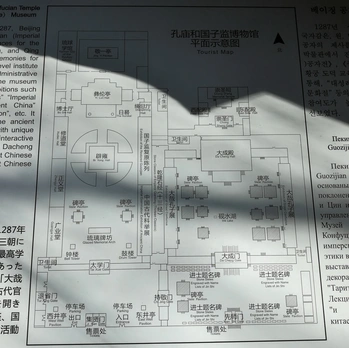
The second gate of the Imperial College is called the Tai Xue Gate (Gate of the Imperial Academy). The term "Tai Xue" (Imperial Academy) dates back over 3,000 years. Emperor Wu of the Han Dynasty established the first central government-run university in China's feudal society – contemporary with the University of Alexandria in Egypt and the University of Athens in Europe. From that point onward, "Tai Xue" became the name for the nation's highest institution of learning, used until the end of the Qing Dynasty.
The Glazed Archway: A Monument to Education
Entering the Tai Xue Gate, you're greeted by a large glazed tile memorial archway – three arches, four pillars, and seven roofs. This is the only glazed archway in Beijing specifically erected for education. The front bears the inscription "The Teaching Influence of the Circular Bridge" (Huanqiao Jiaoze), and the back reads "Temperate View of the Sea of Learning" (Xuehai Jieguan), both in the calligraphy of the Qianlong Emperor.
This archway symbolizes the ideal of education as a bridge between the individual and the cosmos – a concept that defined Chinese civilization for millennia.
[Link: Imperial College Guozijian – Architecture & Layout Guide]
Why the Imperial College Matters Today
The Imperial College is more than a historical site – it's a window into China's intellectual DNA. Here's why it deserves a spot on your Beijing itinerary:
- Educational Heritage: The Imperial College system shaped China's civil service for over 1,300 years. Understanding it helps explain China's modern emphasis on education and meritocracy.
Architectural Marvel: The combination of Confucian temple and imperial academy creates a unique spatial narrative – from spiritual reverence to scholarly pursuit.
Cultural Continuity: The names carved on the stelae include ancestors of many modern Chinese families. For many visitors, this is a deeply personal connection to history.
Peaceful Retreat: Unlike the crowds at the Forbidden City, the Imperial College offers a serene, contemplative atmosphere ideal for reflection.
Frequently Asked Questions
1. How long does it take to visit the Imperial College and Confucius Temple?
 Plan for 2-3 hours to explore both sites thoroughly. This allows time for the stelae forest, the Hall of Great Accomplishment, and the Qianlong Stone Classics.
2. Is the Imperial College suitable for children?
 Yes, especially for school-age children learning about Chinese history. The stelae and stone classics are visually impressive, and the Treachery-Exposing Cypress story captures young imaginations.
3. Can I take photos inside the halls?
Photography is generally allowed, but flash photography may be prohibited in certain areas to protect ancient artifacts. Check signage at each hall.
4. What's the best time of year to visit?
 Spring (March-May) and Autumn (September-November) offer the most comfortable temperatures. The cypress trees provide shade in summer, but winter visits can be cold.
5. Are guided tours available?
Yes, both audio guides and human guides are available. English-language tours can be arranged through major travel platforms or at the ticket office.
Plan Your Visit: Practical Tips
- Combine with Lama Temple: The Imperial College is a 5-minute walk from the Lama Temple (Yonghe Temple). Visit both in one afternoon.
- Bring water and snacks: Limited food options inside the complex.
- Wear comfortable shoes: You'll be walking on stone paths and cobblestones.
- Check for special exhibitions: The Imperial College occasionally hosts calligraphy or Confucian culture exhibitions.
[Link: Beijing Dongcheng District – Complete Travel Guide]
Conclusion: More Than Just a University
The Imperial College is not merely a historical site – it's a pilgrimage for anyone interested in the foundations of Chinese civilization. From the Treachery-Exposing Cypress to the Qianlong Stone Classics, every corner tells a story of scholarship, power, and moral ambition.
As you walk through the Tai Xue Gate, imagine the thousands of scholars who passed through before you – their hopes, their fears, their dreams of passing the imperial examinations and serving the empire. In that moment, you'll understand why this place is more than just a university. It's the heart of China's intellectual soul.
Ready to explore more of Beijing's hidden treasures? [Book your guided tour of the Imperial College and Confucius Temple today] and discover the stories that shaped China's past – and its future.
Did you enjoy this article? Share it with fellow history lovers and culture travelers. For more Beijing Chronicles, subscribe to our newsletter for Part 2 – coming soon!
You should also read:
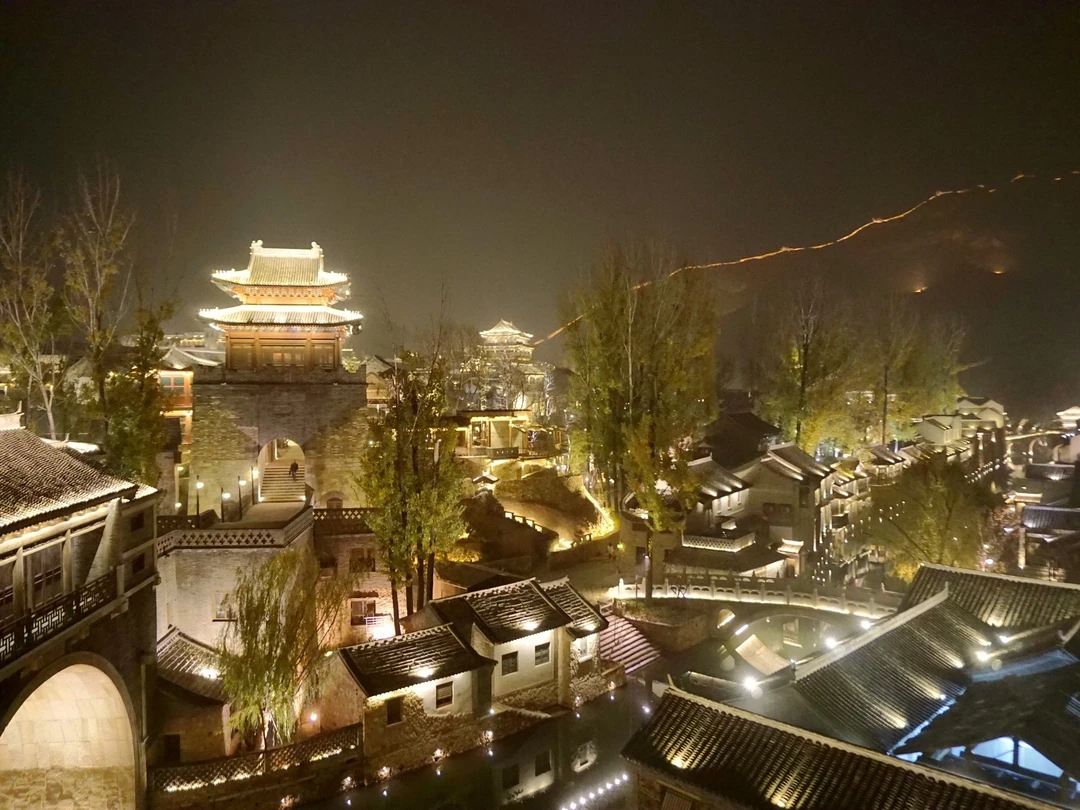
A Jiangnan Dream on Beijing's Outskirts: The Ultimate Gubei Water Town Travel Guide (November 2015)
Meta Description: Discover Gubei Water Town, Beijing's Jiangnan-inspired getaway at the foot of Simatai Great Wall. Read this detailed November 2015 travelogue with costs, tips, and must-see spots. The world is vast, yet life is fleeting. Sometimes, all it takes is a weekend—a spontaneous short…
Continue reading...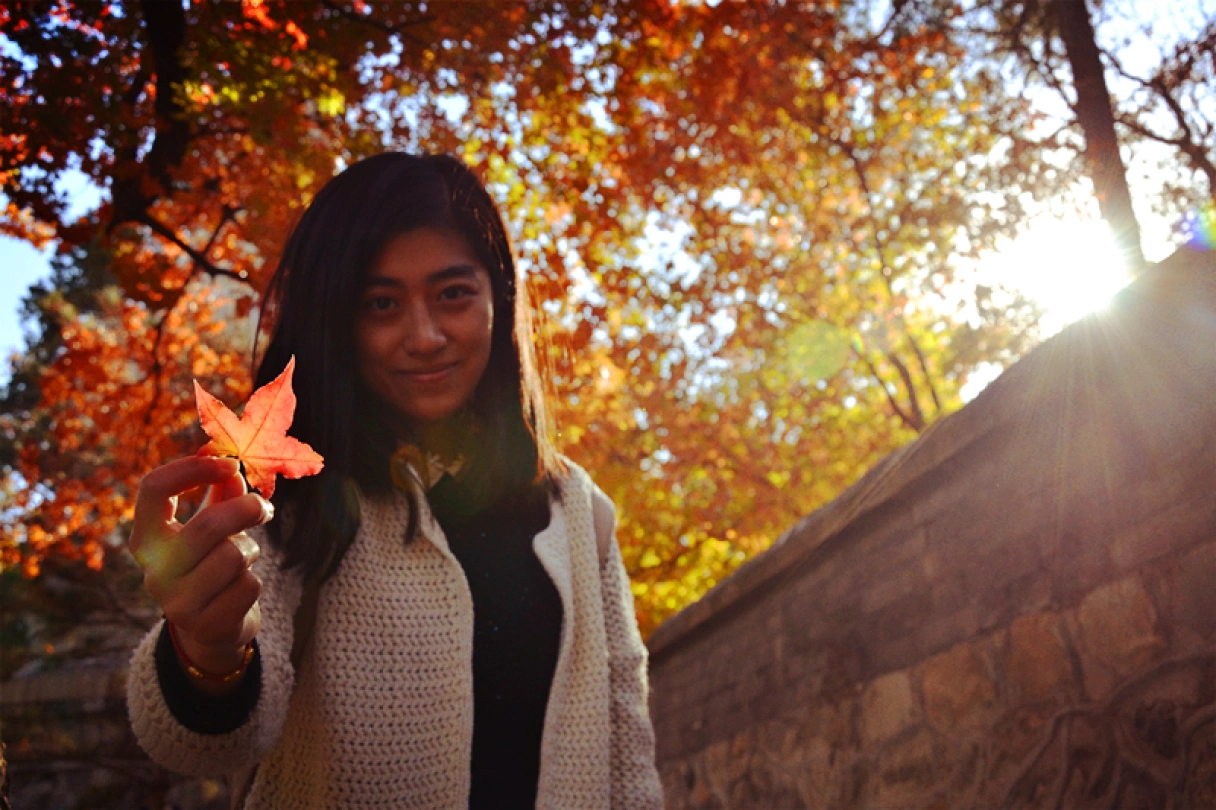
Seeking · Encountering · Autumn in Beijing: Your Ultimate Guide to Beijing’s Most Stunning Fall Scenery
Meta Description: Discover Beijing’s best autumn destinations beyond Fragrant Hills. From Tsinghua University’s golden ginkgo avenue to Dajue Temple’s millennium-old tree, plan your perfect fall escape with our expert guide. Autumn in Beijing is more than a season—it’s a grand farewell. When the summer heat…
Continue reading...
The Grace Beneath Simatai Great Wall: A Complete Guide to a Day Trip at Gubei Water Town
Meta Description: Plan your perfect Gubei Water Town day trip from Beijing. Explore the Simatai Great Wall, northern water town charm, Zhenyuan Escort Agency, and more. Complete guide with tips, costs, and FAQs. Nestled at the foot of the majestic Simatai Great Wall in Beijing's…
Continue reading...