Hidden Gems of Beijing: Among Blossoms and Ancient Charm, Encountering a Lady Like Jade
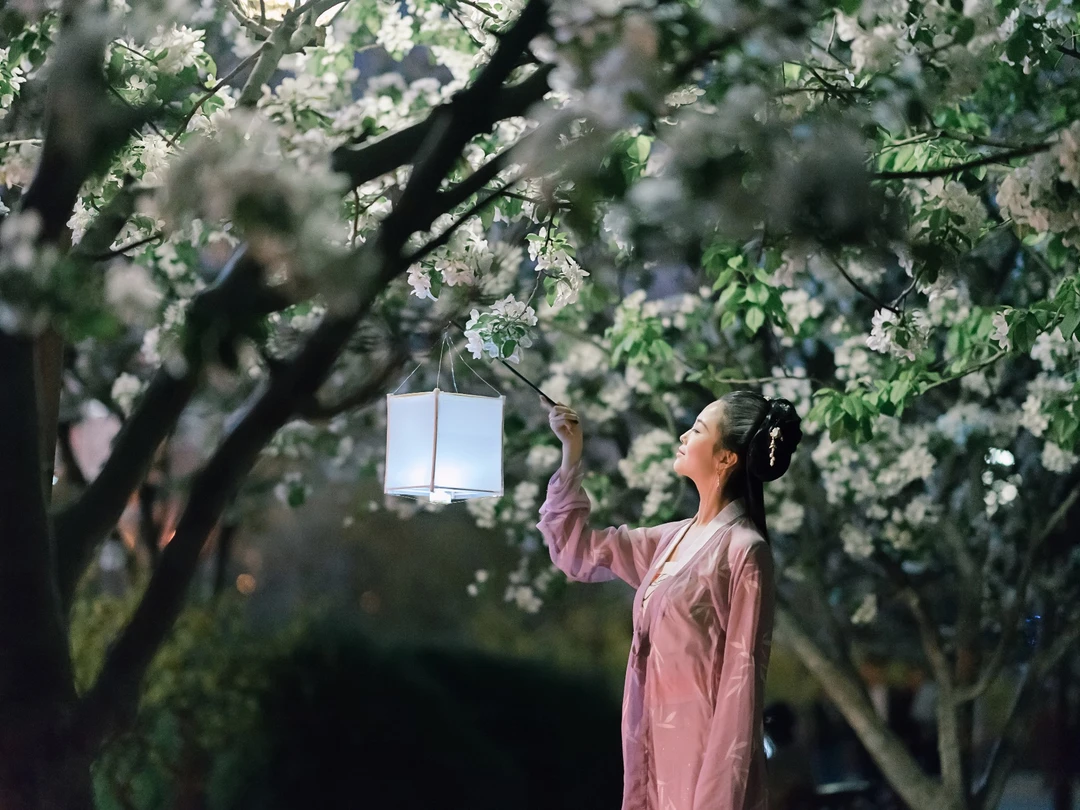
Meta Description: Discover Beijing's hidden gems beyond the tourist trail. From Spring Palace blossoms to Mutianyu's quiet Great Wall, explore ancient charm through classical photography and seasonal beauty.
Beijing is a city of contrasts. It pulses with the modern heartbeat of steel and glass, yet around certain corners, it still holds the romance of centuries past. I once thought I knew this city well—until one day, I set aside the PowerPoint presentations from my office job, picked up a camera, and embarked on a journey through time.
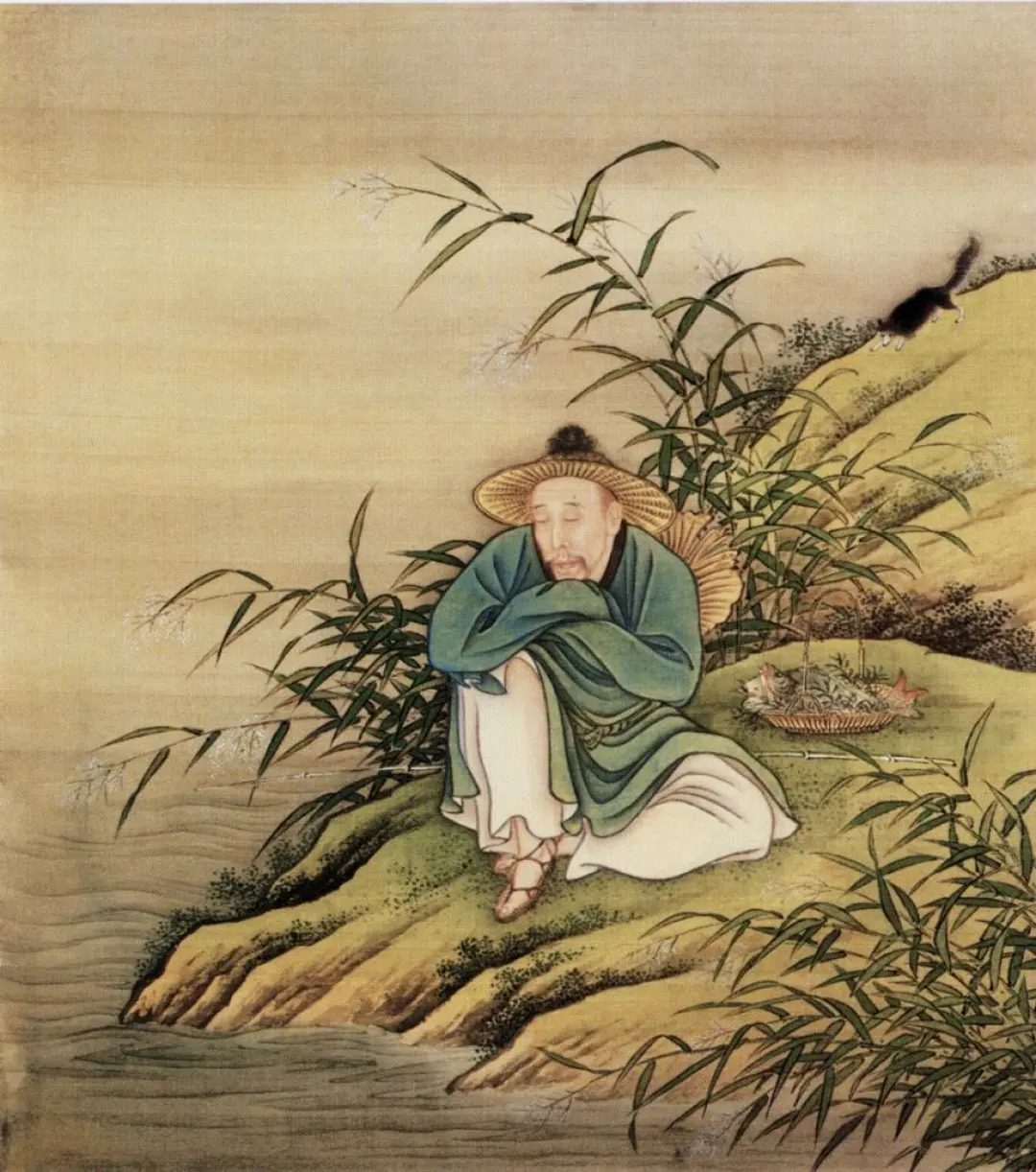
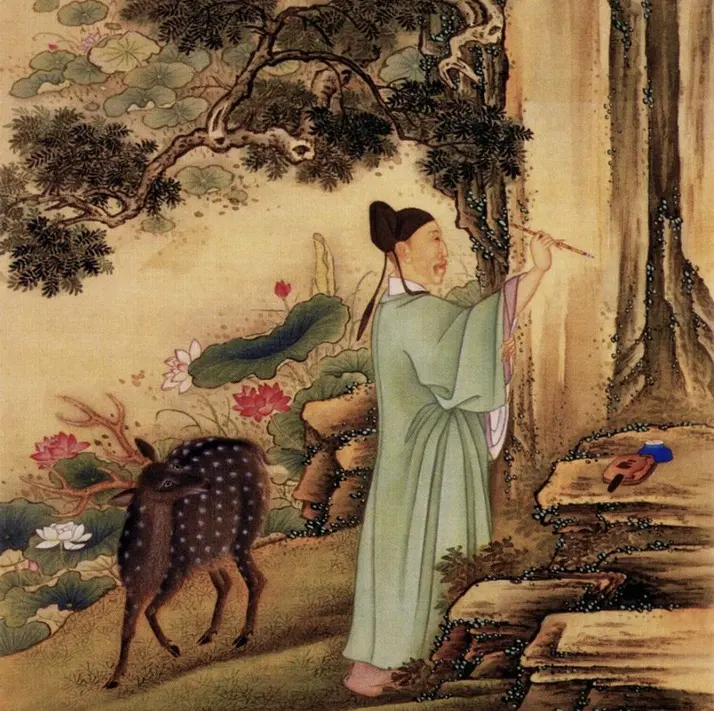
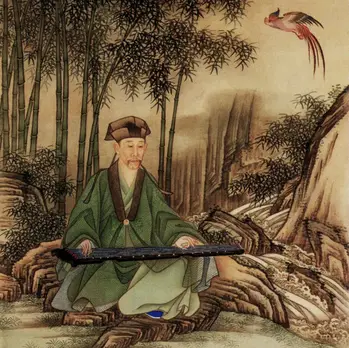
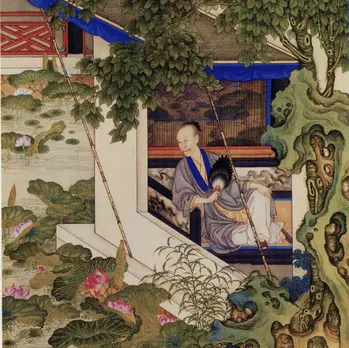
It all began with a set of ancient paintings titled The Pleasures of Emperor Yongzheng. In these works, the emperor sheds his dragon robe to transform into a fisherman, a scholar, an immortal, a warrior—indulging in a bit of "role-playing" within his own gardens. This workaholic, who never took a day off, somehow found time between state affairs to have court artists capture his fantasies of a different life. It reminded me of that saying: "Life is more than just the grind before your eyes." Even an emperor yearned to experience more versions of himself within the confines of time and space.
So I quit my job as a product manager, apprenticed myself to a master, and learned the art of classical hairstyling and makeup. Then I began searching for women who shared this dream of wearing ancient costumes, and together we set out to recreate our own "pleasure scrolls" in Beijing's parks. This article is a personal guide to hidden spots in the capital—dedicated to the beauties hidden among flowers, by the water, and beneath ancient walls, and to those corners tenderly preserved by time.
Spring at the Summer Palace: Peach Blossoms and Magnolias
Spring arrives late in Beijing, but when it comes, it makes a grand entrance. After the bleak, withered winter, the moment of revival feels like the whole city is cheering. And for me, spring always begins at the Summer Palace.
West Dike: Peach Blossoms and Reeds

The Summer Palace was originally the Garden of Clear Ripples, built by Emperor Qianlong to honor his mother's birthday and to manage flood control. Unlike the Old Summer Palace, the Summer Palace reveals Qianlong's obsession with the Jiangnan region in every detail—Kunming Lake is a replica of West Lake in Hangzhou, the Garden of Harmonious Interest mimics the Jichang Garden in Wuxi, and the Long Corridor's painted scenes follow Suzhou-style artistry. Finding such delicate grace within a northern imperial garden is a rare treat.
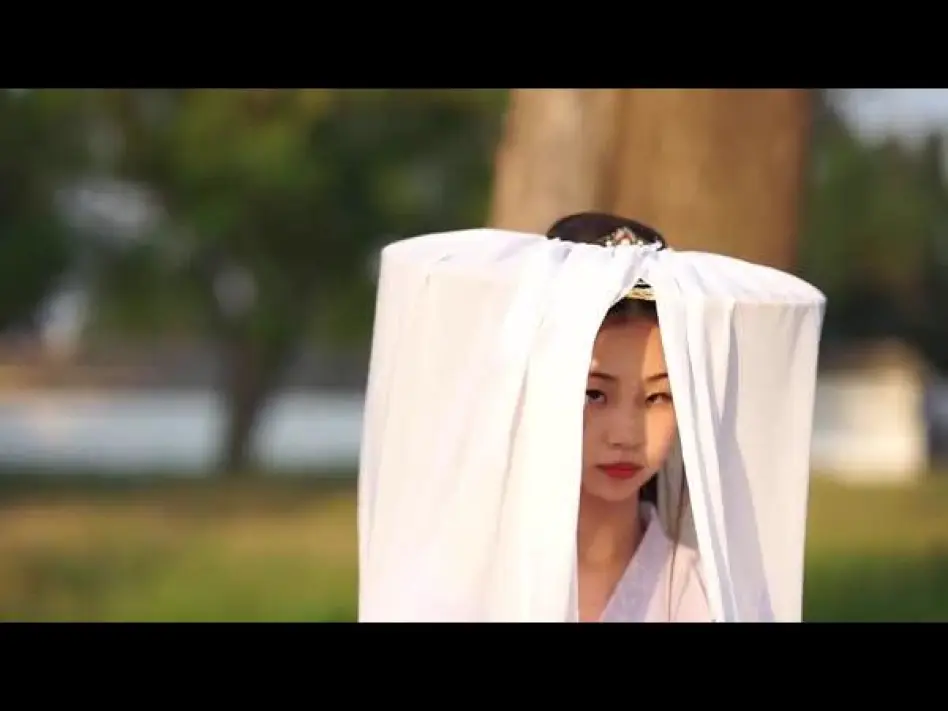
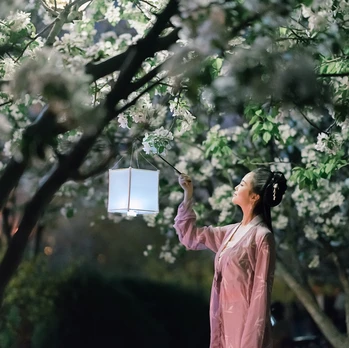
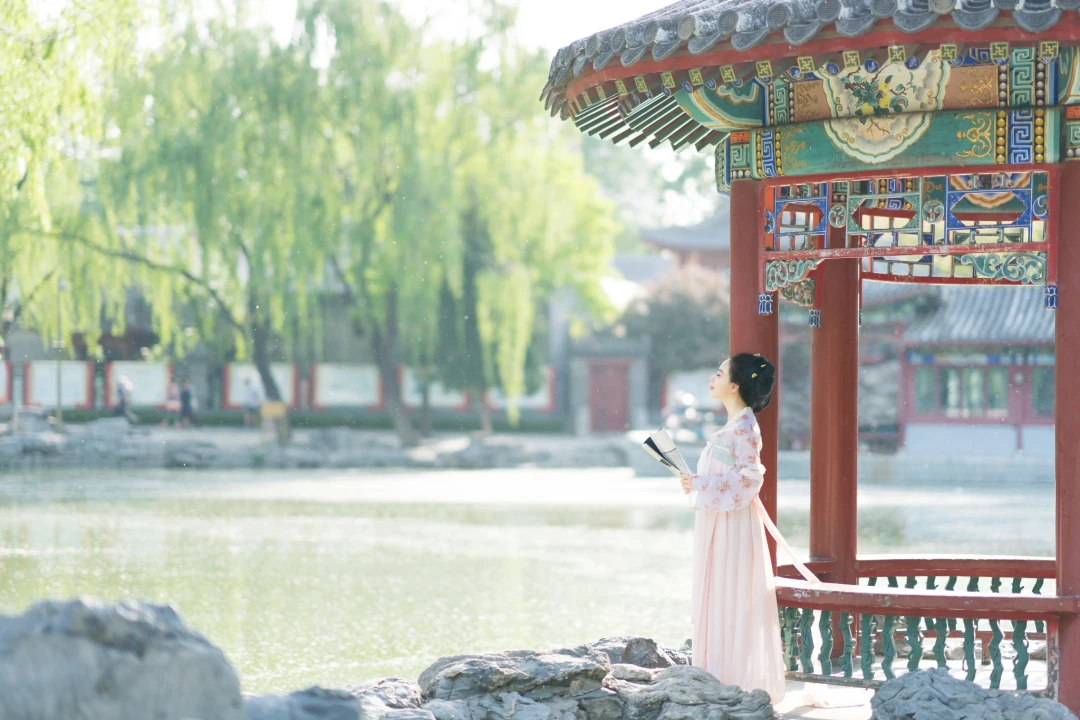
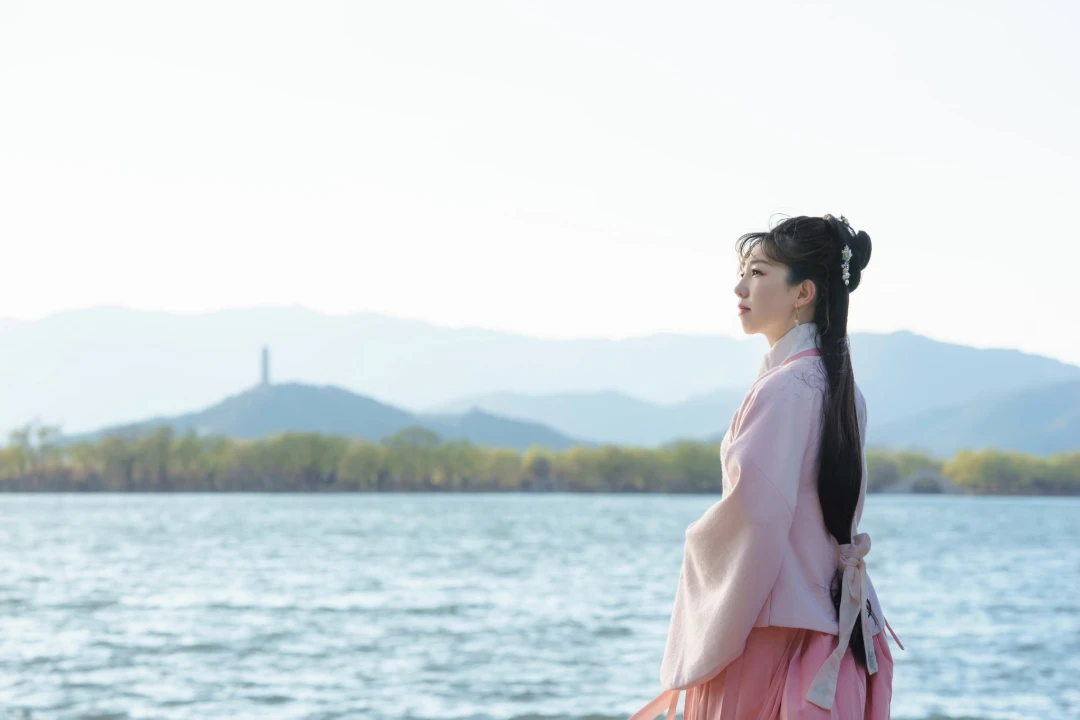
My favorite spot is the West Dike. From early to mid-March, the mountain peach trees here burst into bloom—pink and white blossoms mingling with tender green willow branches to create a perfect spring tableau. Even better is the small patch of reeds on the northern side of the dike. Though out of season, they always evoke the ancient verse: "The reeds are lush and green, the white dew turns to frost." I often imagine how beautiful it would be to place a lady here.
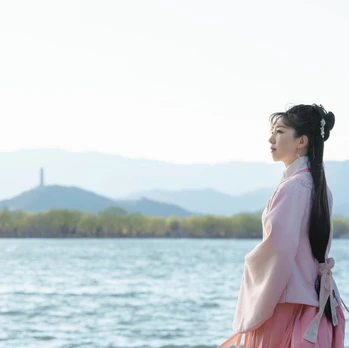
The woman in these photos, Jingjing, was my college roommate. By day, she's a focused editor buried in manuscripts, but once dressed up, she transforms into a refined lady from a noble family. I put her in a soft, powdery-pink jacket and skirt that perfectly matched her gentle temperament.
Magnolias and the Jade Belt Bridge
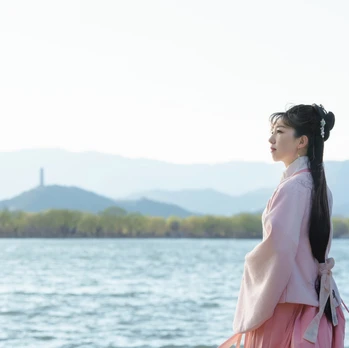
Another star of spring at the Summer Palace is the magnolia. Two ancient magnolia trees on the east side of the Long Corridor are over 200 years old, blooming from late February to mid-March. Miss them, and you'll have to wait another year. Nearby, the Jade Belt Bridge rises with a steep arch, often crowded with tourists. But I recommend heading to the southern part of the Summer Palace instead—fewer people, better for photos. Standing on the eastern shore of Kunming Lake, you can see the Jade Peak Pagoda on Jade Spring Mountain in the distance. In the golden light of sunset, it almost resembles the scene of Leifeng Pagoda at dusk.
[Link: Best time to visit Summer Palace for spring flowers]
Yuan Dynasty Capital Relics Park: A Floral Pilgrimage for a Poetic Line
The Yuan Dynasty Capital Relics Park was originally the remains of the city wall from the Yuan Dynasty. During the 2008 Olympics, it was transformed into a linear urban park. My favorite section is the "Begonia Flower Stream" area, stretching from Beitucheng to Anzhenmen.
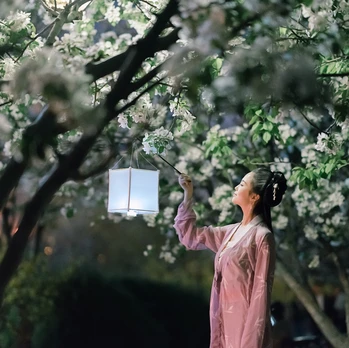
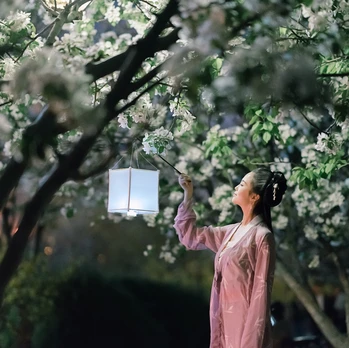
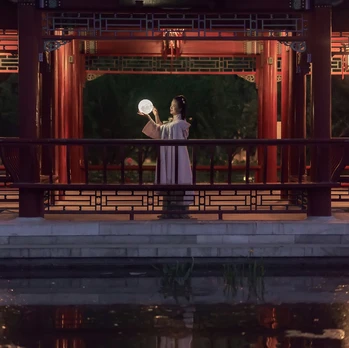
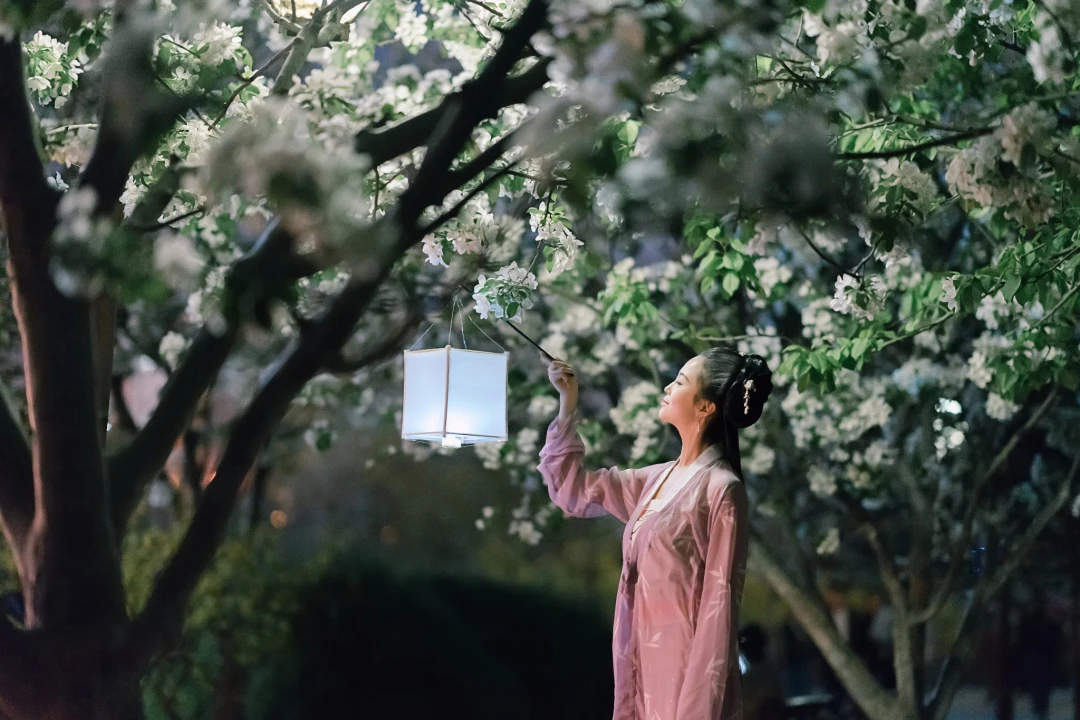
Begonias always remind me of Su Shi's poem: "The east wind blows gently, spreading the hazy light; Fragrant mist drifts in the moonlight as it rounds the corridor. I fear the blossoms will fall asleep in the deep of night, So I light a tall candle to illuminate their beauty." Viewing begonias at night is the most poetic experience. The Yuan Dynasty Capital Relics Park is an open, barrier-free roadside park. Every April, locals flock here to admire the flowers. But when the crowds disperse at night, the park grows quiet, leaving only the wind, the falling petals, and the dappled shadows.
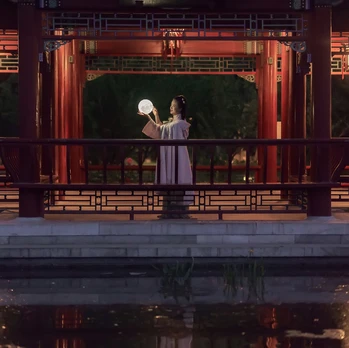
The woman in these photos, Tongtong, is my junior from university. She has an exceptionally classical beauty, like a lady from a Song Dynasty painting. The most famous begonias in Beijing are probably the Xifu begonias in front of the Hall of Literary Brilliance at the Forbidden City, but by the time I visited this year, most had already fallen. Fortunately, I saved my last chance to photograph begonias for the Yuan Dynasty Relics Park.
"Do you know, do you know? The green should be plump and the red thin." The flowering season is so brief. I can't bear to see visitors shaking branches just to capture falling petals. Every drifting petal is a piece of spring slipping away. After dark, the Begonia Flower Stream has just enough streetlights to illuminate the path. When the wind blows, petals swirl through the air, and shadows dance on the ground. All that's missing is a beauty and a candle to complete the scene from that ancient poem.
[Link: Best Beijing parks for night photography]
Mutianyu Great Wall: Still the Dream of a Lady in Her Boudoir
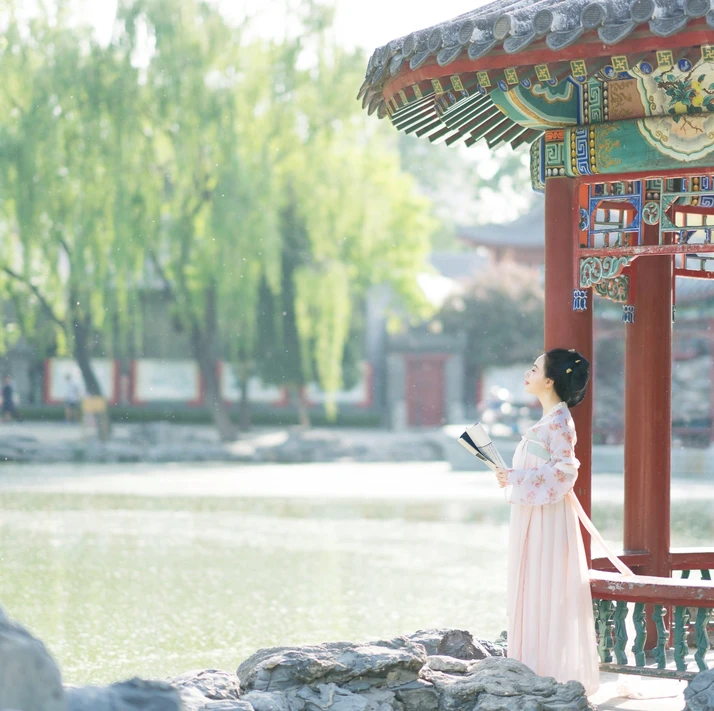
The outskirts are always a bit cooler than the city center, so flowers that have already faded in town can often still be found in the suburbs. By late April, when mountain peaches, apricots, pears, and begonias have all disappeared, I recall the lyric: "If anyone knows where spring has gone, call it back to stay with us." So I headed to Mutianyu Great Wall.
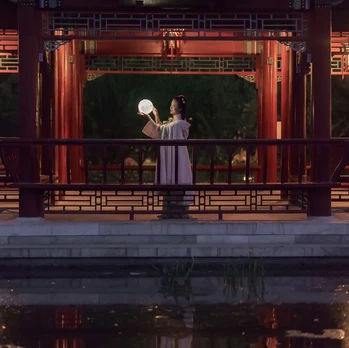
Mutianyu was built by General Xu Da of the Ming Dynasty on the foundations of a Northern Qi Dynasty wall. Compared to the wildly popular Badaling section, Mutianyu sees far fewer visitors—no crowds of tourists from other provinces, no photographers jostling for space. The undulating mountain ranges stretch before you, and if you're not up for the climb, you can take a cable car.
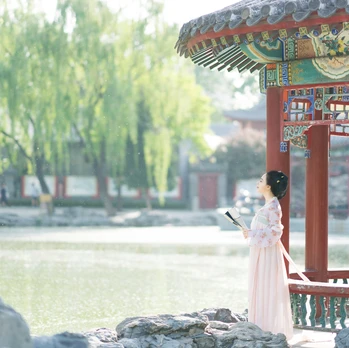
The woman in these photos, Beibei, is a close friend of mine. I often say, "If you don't have enough commanding presence, you can't pull off posing on the Great Wall." But my original inspiration for "posing" on the Great Wall came from a frontier poem: "Pitiful the bones by the Wuding River—still the dream of a lady in her boudoir." So I just wanted to capture a few pensive back-view shots at dusk.
By mid-April at Mutianyu, the mountain apricots and peaches had already passed their peak, but we stumbled upon pear blossoms still in bloom. The Great Wall usually evokes images of grandeur, solemnity, and coldness. But now, adorned with touches of white, pink, and green, it complemented my lady perfectly. By sunset, most visitors had rushed to catch the shuttle buses before 6 p.m. At that moment, Mutianyu basked quietly in the glow of the setting sun, bidding farewell to its ancient duty of guarding the capital, and becoming nothing more than a silent piece of scenery.
[Link: Mutianyu vs Badaling: Which Great Wall section to visit]
The Old Summer Palace: When History Turns, There Is Only Solitude
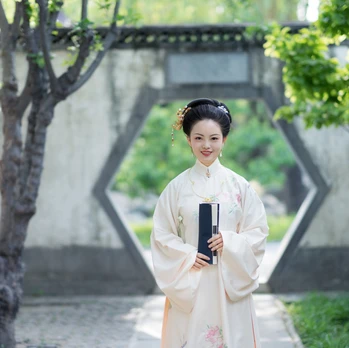
The Old Summer Palace used to be my least favorite park—an enormous patriotic education base where you could walk until your legs gave out, surrounded by barren wilderness. I found it boring. But after multiple visits, my opinion changed. Now, it's my favorite park in Beijing.
Philosophy Amid Decay
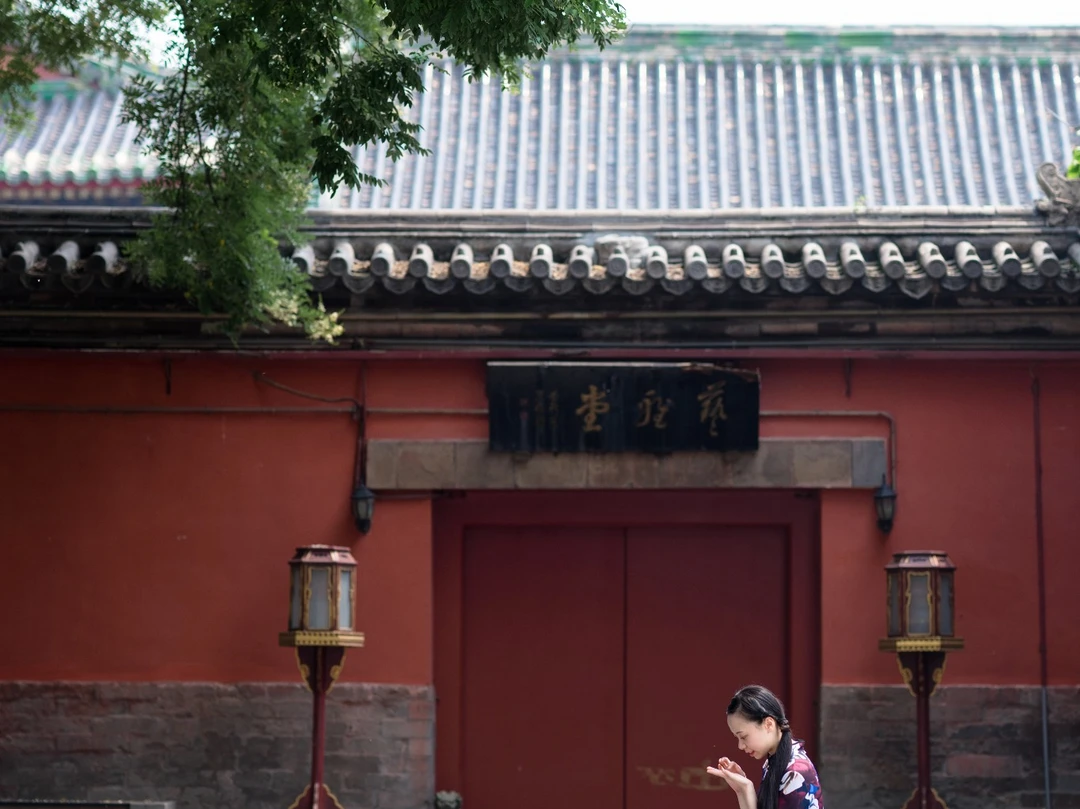
The fate of the Old Summer Palace is a cruel history lesson. In 1860, British and French forces looted and burned the imperial gardens, leaving behind ruins that still speak of grandeur and tragedy. Unlike the meticulously restored Summer Palace, the Old Summer Palace remains largely in ruins—a deliberate choice that makes its beauty more poignant.
Walking through the European Palaces area, you see broken stone arches and fallen columns overgrown with wildflowers. It's a photographer's dream: the contrast between classical Chinese garden design and Western architectural ruins creates a surreal backdrop. In late spring, the peony garden near the Haiyue Kaijin site bursts into bloom, with massive, fragrant flowers that seem to defy the surrounding decay.
The woman in these photos, Yiran, is a dancer I met at a cultural festival. Her movements among the ruins were like a dance between life and memory—each step a tribute to what was lost and what remains.
Practical Tips for Photographing Beijing's Hidden Gems
| Location | Best Time to Visit | Recommended Activities |
|---|---|---|
| Summer Palace (West Dike) | Mid-March (peach blossoms) | Photography, walking, boat rides |
| Yuan Dynasty Capital Relics Park | April (begonias) | Night photography, flower viewing |
| Mutianyu Great Wall | Late April (pear blossoms) | Hiking, cable car, sunset photography |
| Old Summer Palace | April-May (peonies) | Ruins photography, historical exploration |
FAQ: Hidden Gems of Beijing
Q: What is the best time to visit Beijing for spring flowers?
A: Mid-March to late April is ideal. Peach blossoms peak in mid-March at the Summer Palace, begonias bloom in April at the Yuan Dynasty Capital Relics Park, and pear blossoms appear at Mutianyu Great Wall in late April.
Q: How do I avoid crowds at popular Beijing parks?
A: Visit on weekdays, arrive early (before 8 AM), or explore less crowded sections like the southern part of the Summer Palace or Mutianyu instead of Badaling.
Q: Can I wear historical costumes in Beijing parks?
A: Yes, but check park rules. Many parks allow costume photography with advance permission. Avoid damaging plants or disrupting other visitors.
Q: What equipment do I need for classical-style photography?
A: A DSLR or mirrorless camera with a 50mm or 85mm lens works well. Use natural light during golden hour (sunrise/sunset) for the best results.
Q: Are there guided tours for hidden gem photography spots?
A: Some local photographers offer private tours. You can also join online communities like Mafengwo for self-guided inspiration.
Conclusion: Your Journey Through Time Awaits
Beijing's hidden gems are not just places—they are invitations to step into a different era. Whether you're a photographer, a history lover, or simply someone seeking beauty away from the tourist crowds, these spots offer a chance to encounter the city's soul.
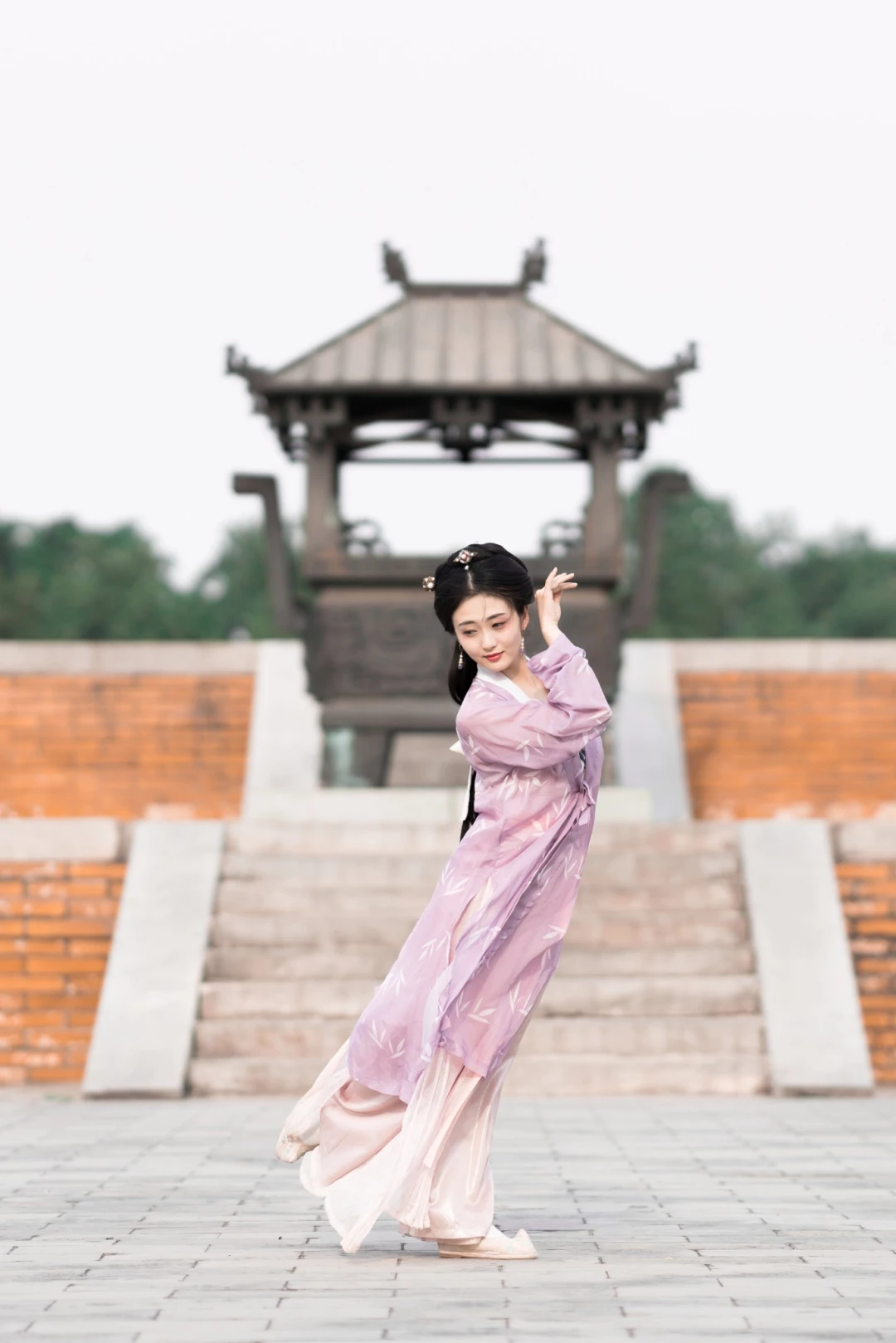
From the peach blossoms of the Summer Palace to the quiet ruins of the Old Summer Palace, each location tells a story of spring, time, and transformation. The women I photographed—Jingjing, Tongtong, Beibei, and Yiran—became part of that story, their classical beauty blending with ancient landscapes.
Your turn: Pack your camera, choose your favorite season, and discover Beijing's hidden gems for yourself. Whether you're wearing ancient costume or simply wandering with a notebook, the city's timeless charm awaits.
Ready to explore? Share your own hidden gem discoveries in the comments below, or tag us in your photos using #HiddenGemsBeijing. Let's keep the beauty of Beijing alive, one blossom at a time.
You should also read:
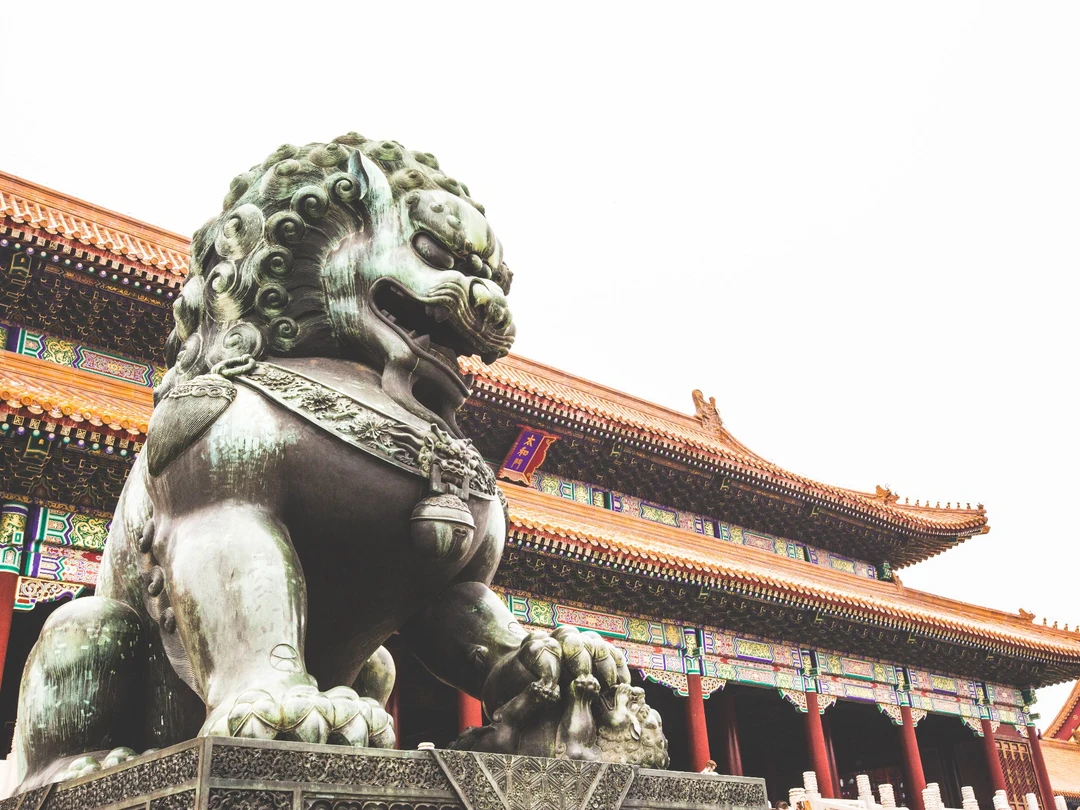
First Visit to Beijing: Living in a Century-Old Courtyard, Being the Forbidden City's Neighbor
Meta Description: Experience Beijing like a local with this first-timer's guide. Stay in a century-old siheyuan near the Forbidden City, explore hutongs, climb the Great Wall, and avoid common tourist pitfalls. Your ultimate Beijing itinerary awaits. I've always believed that the best kind of travel…
Continue reading...
Strolling Through Fragrant Beijing: The Imperial City of Crimson Walls and Azure Tiles – A Complete Travel Guide
Meta Description: Explore Beijing's Forbidden City, Temple of Heaven & hidden hutongs in this SEO-optimized travel guide. Walk 60km through crimson walls & azure tiles with insider photography tips. Plan your imperial city adventure today. "My Beijing City" plays on repeat as I write this—the…
Continue reading...
Beijing: From Deep Autumn to Early Winter – Discover Hidden Seasonal Beauty in China's Capital
Meta Description: Explore Beijing's transition from autumn to winter through personal stories and hidden gems. Discover Western Hills sunrises, Forbidden City snow scenes, and authentic hutong experiences in this SEO-optimized travel guide. Beijing isn't just a city of history and politics—it's a living, breathing entity…
Continue reading...