I Love You, China: The Ultimate 333 Footprints Thousand-Day Deep Travel Guide
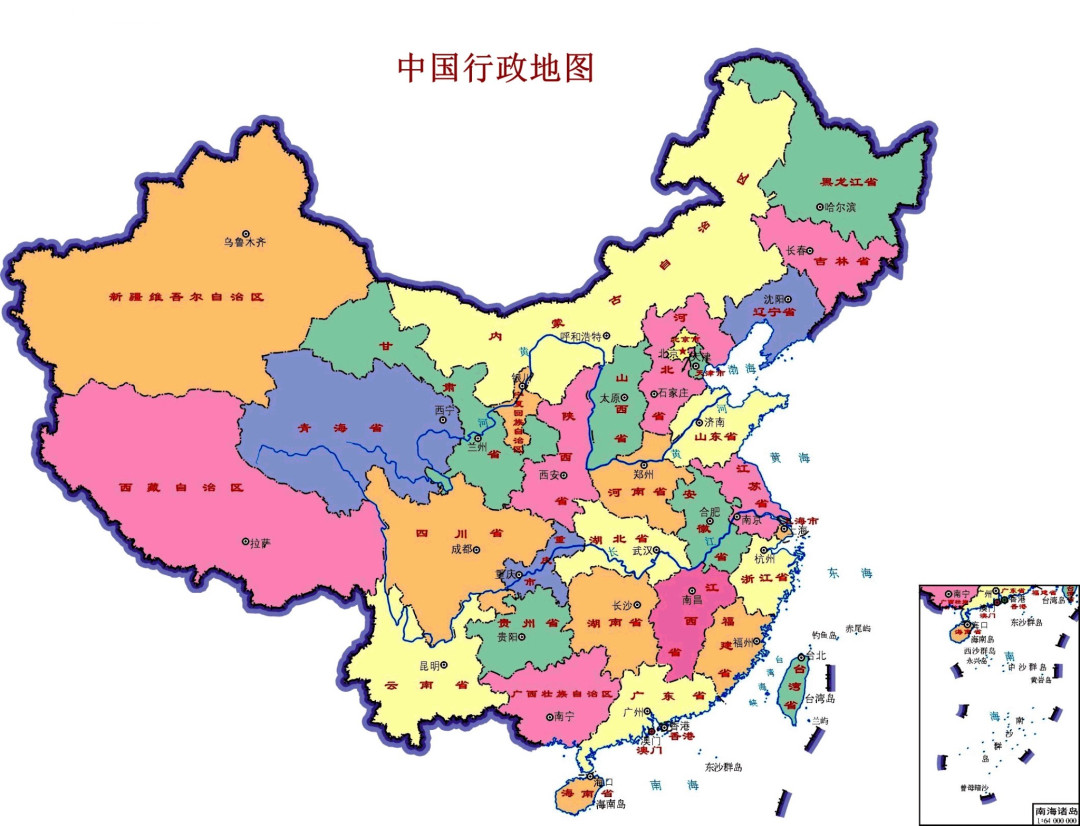
Meta Description: Discover China's 333 prefecture-level regions in this comprehensive travel guide. From Beijing stations to Xinjiang's wonders, plan your ultimate cross-country adventure with insider tips and route maps.
Introduction: Why This Thousand-Day China Travel Mission Matters
Some journeys change you. When I boarded the train to Beijing on October 2, 2023, I had no idea this would become a thousand-day mission—not for checking boxes or social media glory, but for a seemingly audacious goal: to visit all 333 second-level administrative regions of China.
This isn't your average travelogue. It's a toolbook for every traveler who loves the land of China. Every road I've walked, every mistake I've made, every map I've organized—it's all here. If you've ever dreamed of measuring China with your own footsteps, this deep travel guide is your starting point.
Note: The 333 second-level administrative regions exclude the four municipalities, Hong Kong, Macau, and Taiwan. All images are copyrighted.
Why Visit All 333 Second-Level Administrative Regions?

Beyond World Heritage Sites: Discovering Real China
My original goal was to explore China's World Cultural Heritage sites. But I quickly learned that the real China isn't found in tourist hotspots—it's in the everyday life of every prefecture-level city, autonomous prefecture, and region.
China's administrative divisions have evolved through dynasties. Article 30 of the Constitution of the People's Republic of China defines the current structure:
- First-level (34): Provinces, autonomous regions, municipalities
- Second-level (333): 293 prefecture-level cities, 7 prefectures, 30 autonomous prefectures
- Third-level: Counties, townships, ethnic townships
Article 31 reserves special status for Hong Kong and Macau.
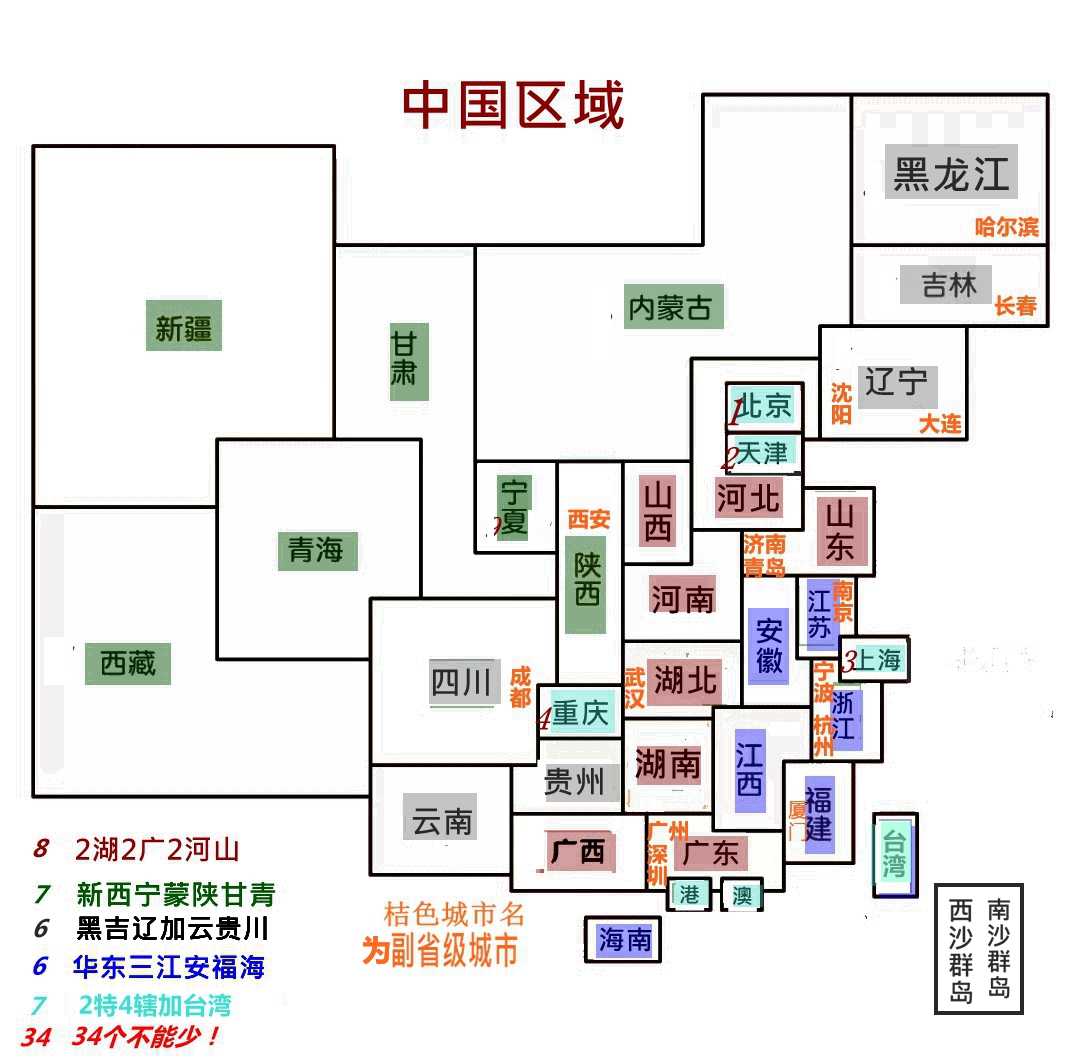
When you unfold a map of China, you'll spot 15 sub-provincial cities scattered like stars. My footprints still need to reach three: Changchun, Ningbo, and Xiamen.
Pre-Departure Essentials: Decoding China's Map
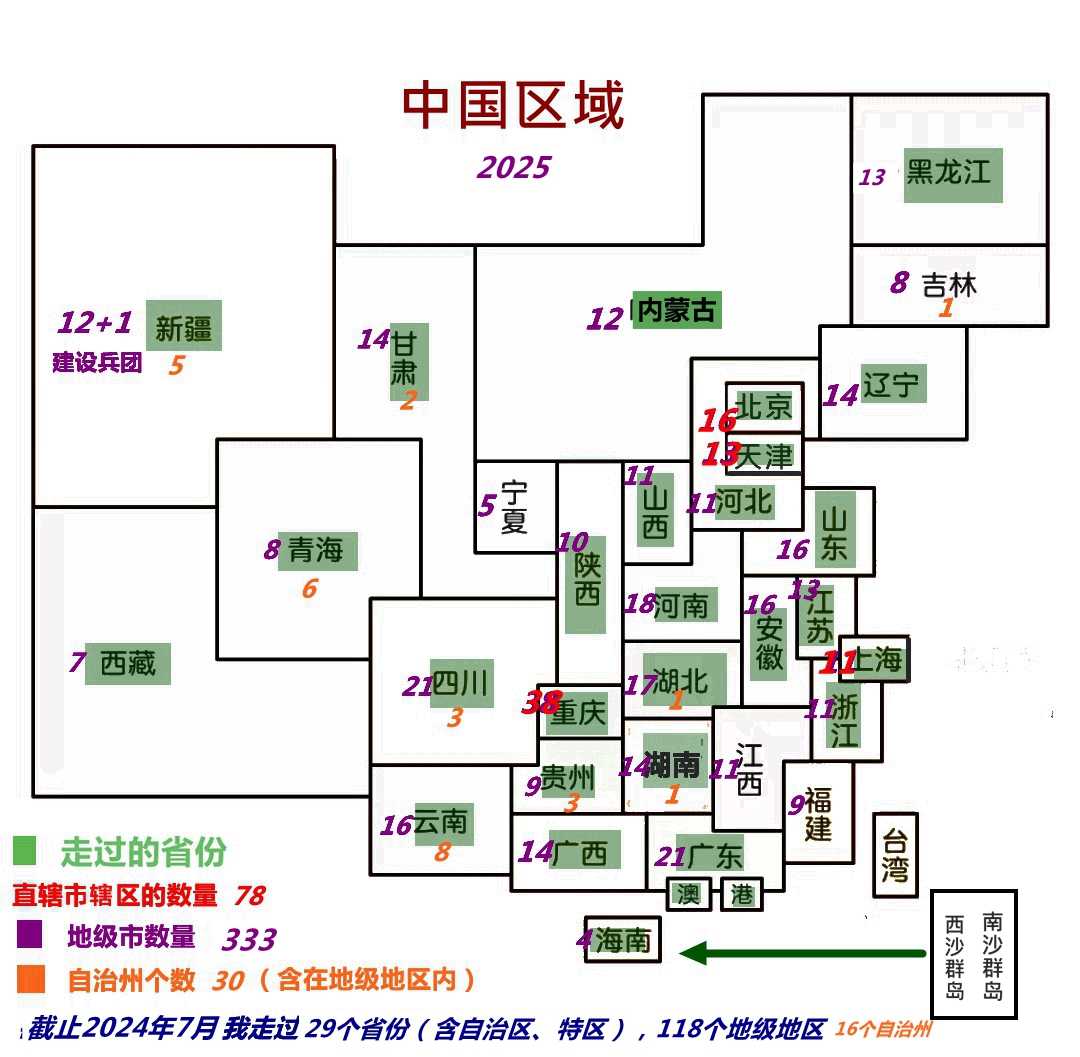
From Dynasty Timelines to Train Station Distribution
If you plan to visit museums, a Chinese dynasty timeline is essential. But even more practical is knowing how to move between cities.
Take Beijing train stations—the city's seven major hubs are China's vital arteries:
| Station | Platforms | Lines | Metro Access |
|---|---|---|---|
| Fengtai Station | 17 | 32 | Line 10 |
| Beijing Station | 8 | 16 | Line 2 |
| Beijing South | 13 | 24 | Lines 4, 14 |
| Beijing West | 10 | 18 | Lines 7, 9 |
| Beijing North | 6 | 17 | Line 2 |
| Beijing Chaoyang | 7 | 15 | Shuttle to Line 14/6 |
| Beijing Qinghe | 4 | 8 | Line 13, Changping Line |
Pro tip: Always check your departure station. A single name difference could mean a two-hour metro ride.
The high-speed rail network map reveals that connected cities are often regional economic and cultural centers. [Link: China high-speed rail routes]
A Panoramic Map of All 333 Second-Level Administrative Regions
Beijing to Macau: From Northern Frontiers to Southern Shores
Here's my compiled distribution of China's second-level administrative regions. Behind every line is land I've walked or plan to explore.
Municipalities (4)
Beijing: 16 districts—Dongcheng, Xicheng, Chaoyang, Haidian, Fengtai, Shijingshan, Yanqing, Huairou, Miyun, Changping, Shunyi, Pinggu, Mentougou, Fangshan, Daxing, Tongzhou. Each has its own Beijing flavor.
Shanghai: Urban districts, Jiading, Baoshan, Pudong, Qingpu, Songjiang, Minhang, Nanhui, Jinshan, Fengxian, Chongming. From skyscrapers to wetlands, Shanghai is more than the Bund.
Tianjin: Urban districts, Baodi, Wuqing, Ninghe, Beichen, Hangu, Dongli, Xiqing, Jinnan, Tanggu, Dagang, Jixian, Jinghai. Ancient and modern blend along the Hai River.
Chongqing: 38 districts and counties—Yuzhong, Dadukou, Jiangbei, Shapingba, Jiulongpo, Nan'an, Beibei, Yubei, Banan, plus Kaizhou, Wanzhou, Fuling. This mountain city's magic goes far beyond Hongya Cave.
The Three Northeastern Provinces
Heilongjiang (12+1): Harbin, Daxing'anling Prefecture, Heihe, Qiqihar, Daqing, Suihua, Yichun, Hegang, Jiamusi, Shuangyashan, Qitaihe, Jixi, Mudanjiang. From Ice City to forest seas, the Northeast's vastness is staggering.
Jilin (7+1): Changchun, Baicheng, Songyuan, Jilin, Yanbian Korean Autonomous Prefecture, Siping, Liaoyuan, Tonghua. Ethnic charm at Changbai Mountain's foot.
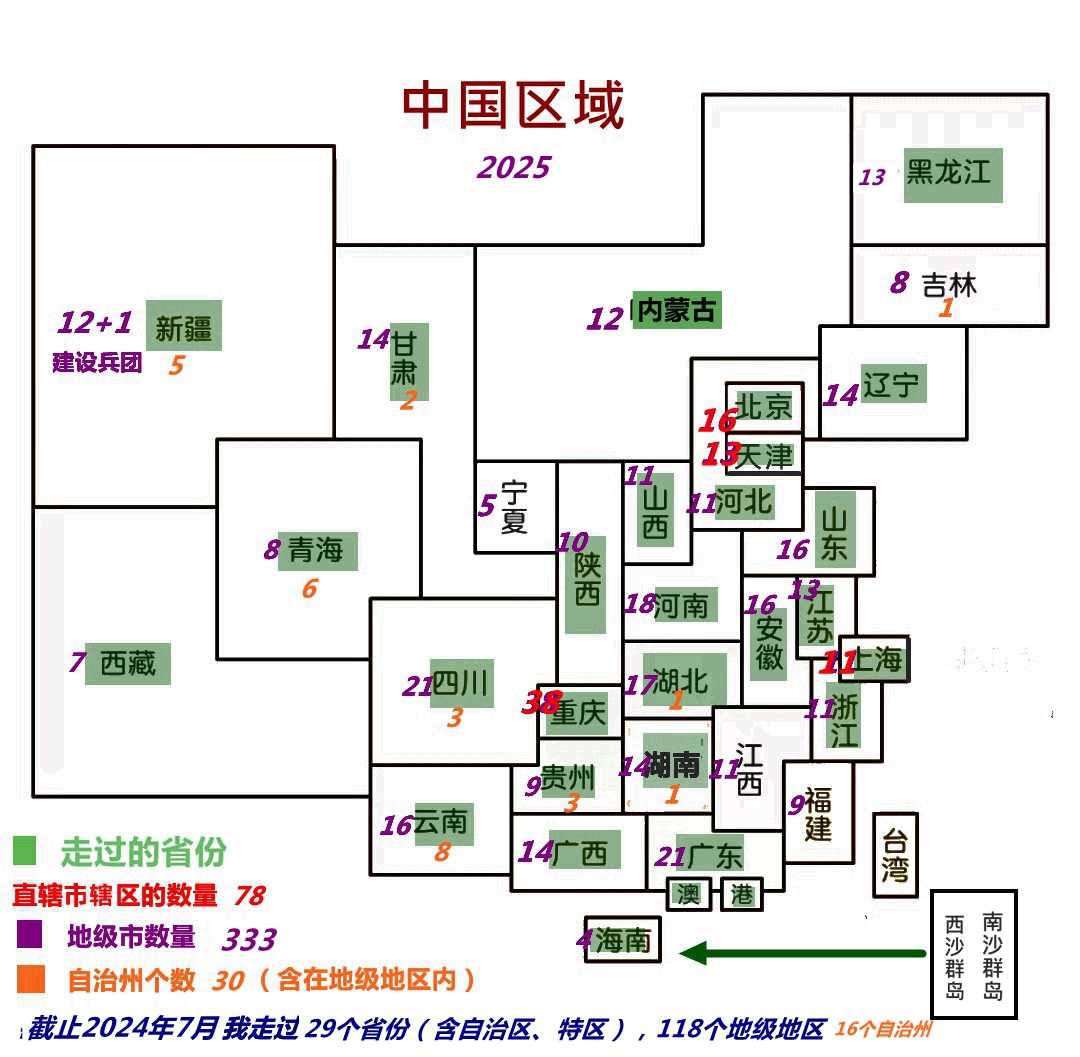
Liaoning (14): Shenyang (sub-provincial), Fuxin, Tieling, Fushun, Chaoyang, Jinzhou, Panjin, Anshan, Liaoyang, Benxi, Huludao, Yingkou, Dandong, Dalian (sub-provincial). Industrial powerhouses meet coastal cities.
North China and the Northwest
Inner Mongolia (12): Hohhot, Hulunbuir, Hinggan League, Xilingol League, Chifeng, Tongliao, Ulanqab, Baotou, Wuhai, Bayannur, Ordos, Alxa League. The 5-day Hulunbuir Grand Loop is a classic independent travel route.
Ningxia (5): Shizuishan, Yinchuan, Wuzhong, Zhongwei, Guyuan. A land of plenty beyond the Great Wall—small but exquisite.
Xinjiang (14): Ürümqi, Ili Kazakh Autonomous Prefecture (including Tacheng and Altay), Bortala Mongol Autonomous Prefecture, Karamay, Changji Hui Autonomous Prefecture, Turpan, Hami Prefecture, Kizilsu Kirghiz Autonomous Prefecture, Aksu Prefecture, Bayingolin Mongol Autonomous Prefecture, Kashgar Prefecture, Hotan Prefecture, plus 8 Production and Construction Corps cities like Shihezi. North and south of the Tianshan Mountains, every place is a scenic spot.
Tibet (7): Lhasa, Ngari, Shigatse, Nagqu, Shannan, Nyingchi, Chamdo. In 2018, for my 60th birthday, I took a 21-day solo Tibet trip—the starting point for 14 travelogues.
Central and Eastern China
Hebei (11): Shijiazhuang, Zhangjiakou, Chengde, Tangshan, Qinhuangdao, Baoding, Langfang, Cangzhou, Hengshui, Xingtai, Handan. The land of Yan and Zhao has been home to heroes since ancient times.
Henan (17): Zhengzhou, Anyang, Hebi, Puyang, Jiyuan, Jiaozuo, Xinxiang, Sanmenxia, Luoyang, Kaifeng, Shangqiu, Pingdingshan, Xuchang, Luohe, Zhoukou, Nanyang, Zhumadian, Xinyang. The heart of the Central Plains—every step is history.
Shandong (16): Jinan, Dezhou, Binzhou, Dongying, Liaocheng, Zibo, Weifang, Qingdao, Weihai, Yantai, Tai'an, Heze, Jining, Zaozhuang, Linyi, Rizhao. The land of Qi and Lu, home to one mountain, one sea, and countless stories.
[Link: China travel routes by region]
FAQ: Your Thousand-Day China Travel Questions Answered

1. How long does it realistically take to visit all 333 regions?
The thousand-day estimate assumes steady travel—visiting 2-3 regions per week on average. However, remote areas like Tibet, Xinjiang, and Inner Mongolia require more time due to distances and limited transportation. Plan for 3-5 years if traveling part-time.
2. What's the best season for a cross-country China trip?

Spring (April-May) and autumn (September-October) offer the most comfortable weather nationwide. Summer works for northern and high-altitude regions (Tibet, Xinjiang), while winter is ideal for southern China and Harbin's Ice Festival. Avoid national holidays when transportation is packed.
3. How do I handle transportation between remote regions?
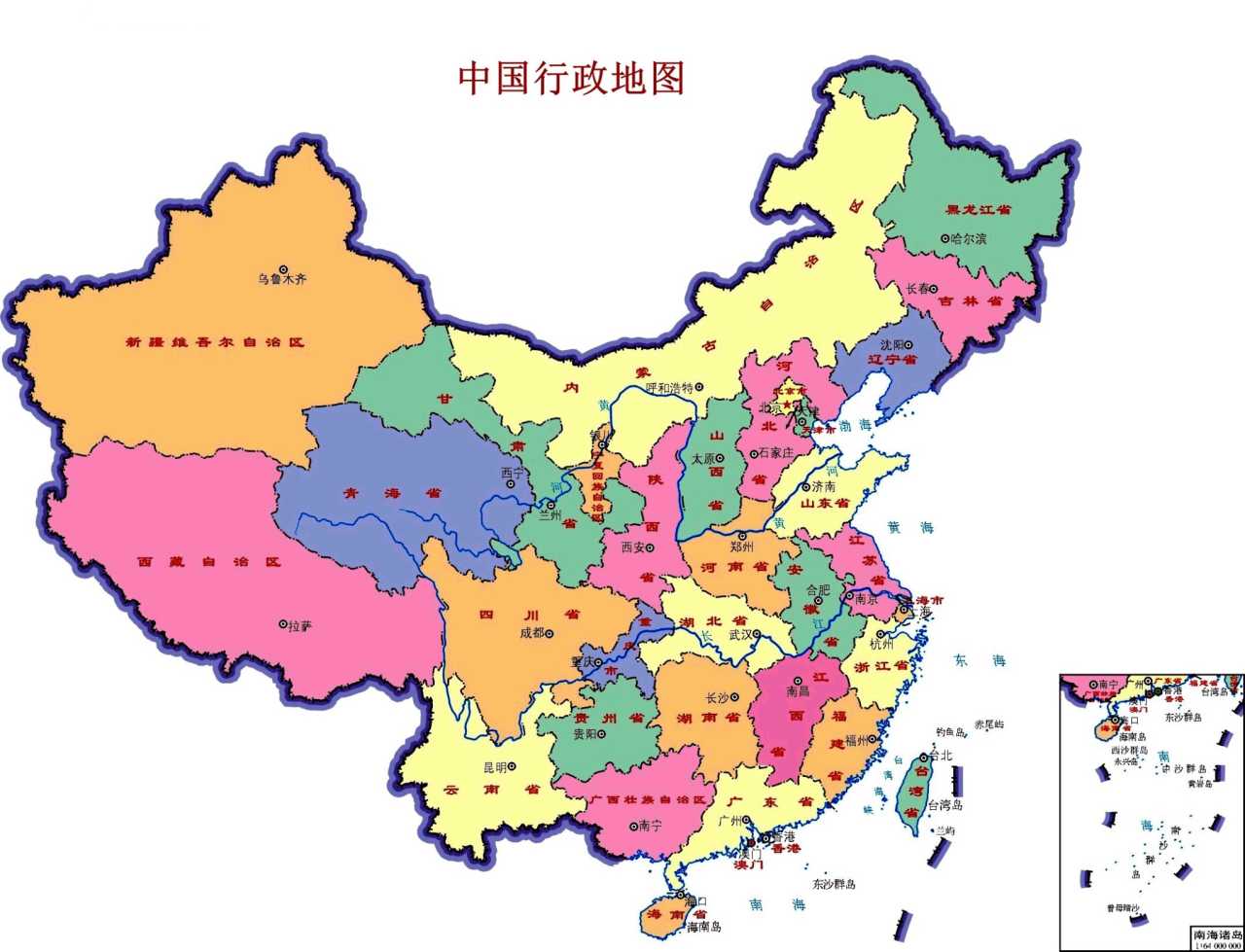
China's high-speed rail covers most prefecture-level cities. For remote areas (Tibet, Xinjiang, Inner Mongolia), domestic flights and overnight trains are practical. Consider renting a car for the Hulunbuir Grand Loop or Xinjiang's vast landscapes. Always book tickets 2-4 weeks ahead for popular routes.
4. What's the budget for a thousand-day China deep travel adventure?
A mid-range budget is approximately ¥300-500 ($40-70) per day, including accommodation, meals, local transport, and entry fees. Remote areas cost more due to limited options. Total: ¥300,000-500,000 ($40,000-70,000) for 1000 days. Budget travelers can reduce costs by using hostels, street food, and slow trains.
5. Which regions are must-visit for first-time deep travelers?
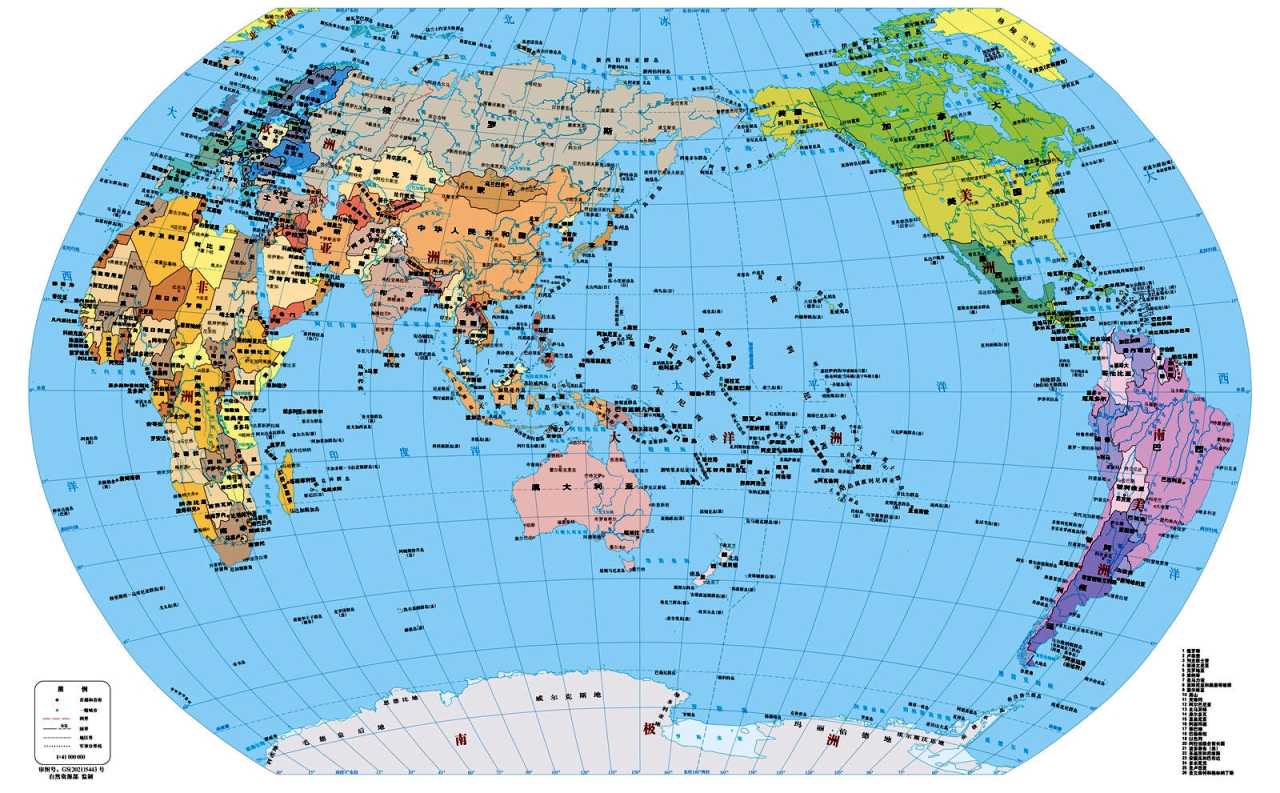
Start with Yunnan (diverse ethnic cultures), Sichuan (giant pandas, spicy food), Gansu (Silk Road history), and Guangxi (karst landscapes). These offer accessible deep travel experiences without extreme logistics. Save Tibet and Xinjiang for after you've built travel experience.
Your China Adventure Starts Now
This 333-region travel guide is your blueprint for the journey of a lifetime. Whether you're a seasoned explorer or a first-time deep traveler, China's prefecture-level cities, autonomous prefectures, and regions await your footprints.
Ready to start planning? Here's your action plan:
- Download a China administrative map and mark your target regions
- Book your first 3 destinations—start with accessible cities like Chengdu, Xi'an, or Guilin
- Join our travel community to share tips and find travel buddies [Link: China travel forums]
- Pack your bags—the road to 333 footprints begins with a single step
I love you, China! Let's traverse this magnificent land together, one prefecture at a time.
Have questions about specific regions? Drop them in the comments below, and I'll share my firsthand experiences. Safe travels!
You should also read:
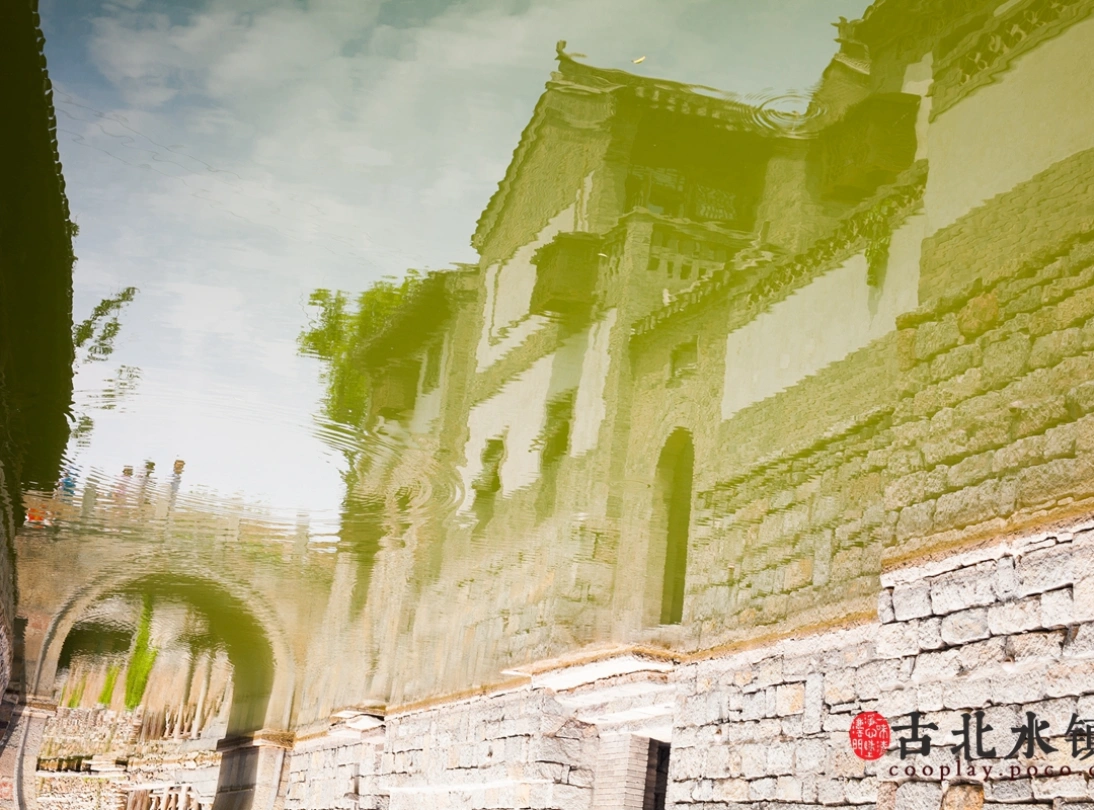
The Grace Beneath Simatai Great Wall: A Complete Guide to a Day Trip at Gubei Water Town
Meta Description: Plan your perfect Gubei Water Town day trip from Beijing. Explore the Simatai Great Wall, northern water town charm, Zhenyuan Escort Agency, and more. Complete guide with tips, costs, and FAQs. Nestled at the foot of the majestic Simatai Great Wall in Beijing's…
Continue reading...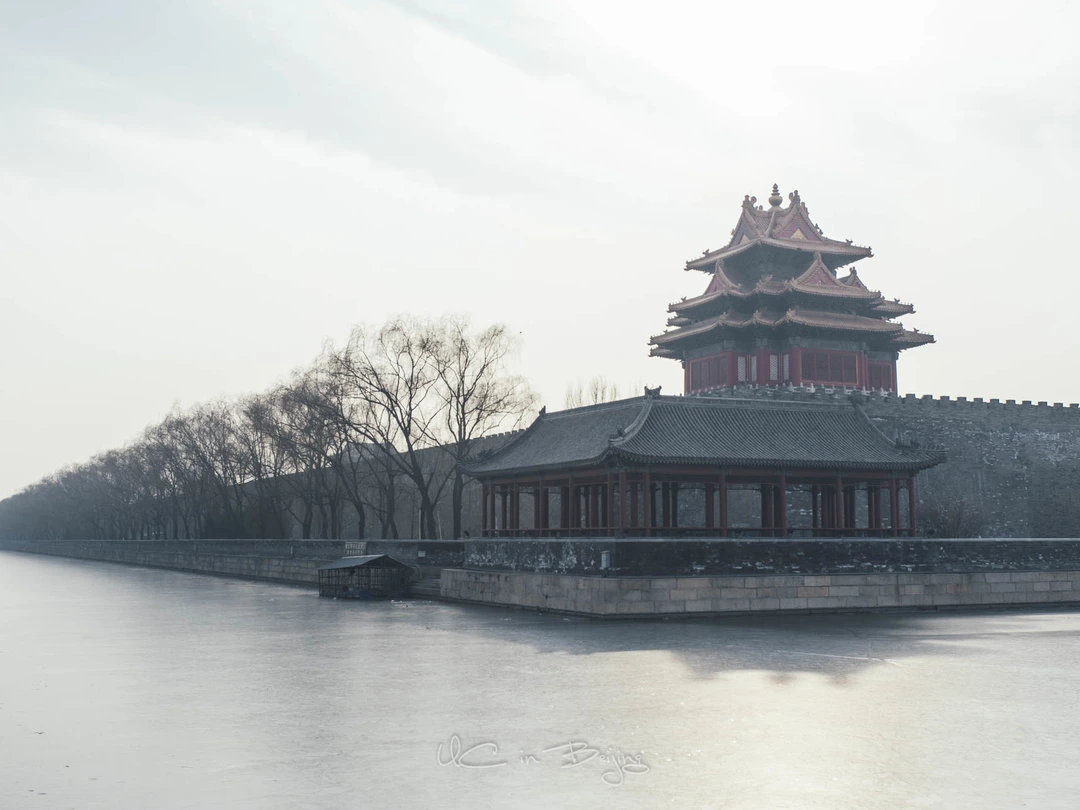
Beijing Through the Lens: One Person's Winter Wanderings – An SEO-Optimized Travel Guide
Meta Description: Discover Beijing's winter charm through a photographer's lens. From Nanluoguxiang's night scenes to Sanlitun's neon glow, explore the city's hidden corners and iconic landmarks in this SEO-friendly travel guide. January in Beijing is so cold you can hear your own breath. But for…
Continue reading...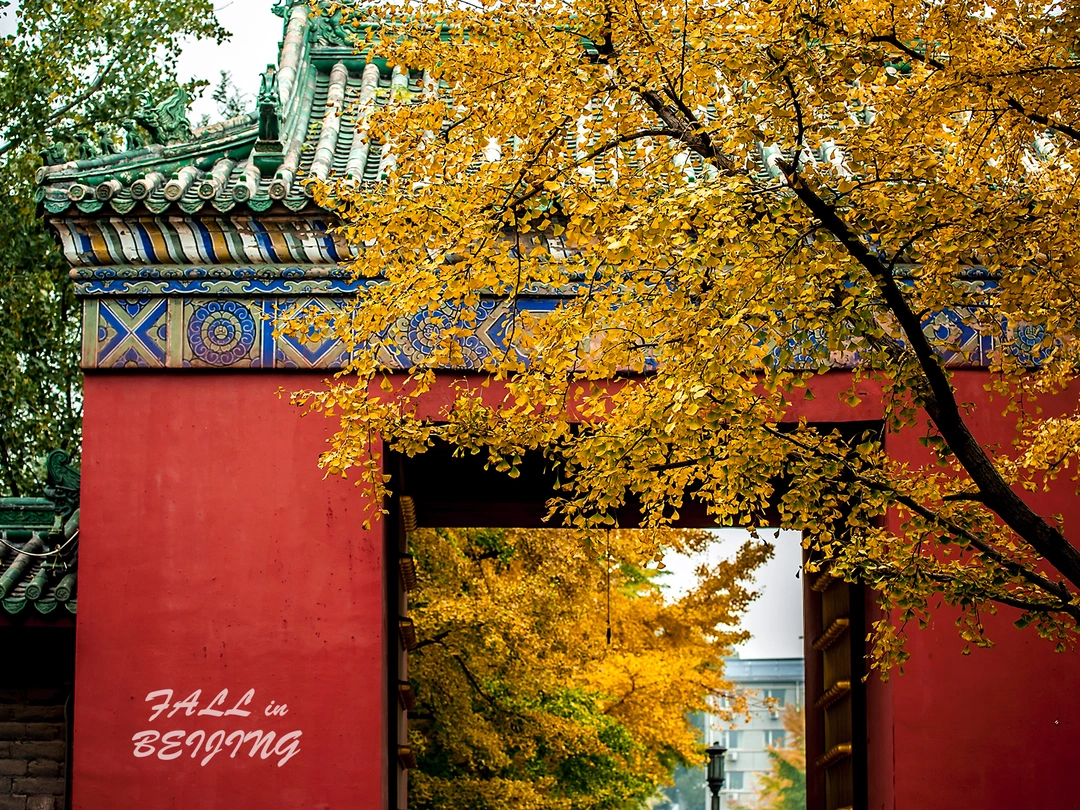
Living in Beijing: A Love Letter to Autumn – Why October Is the City's Best-Kept Secret
Meta Description: Discover why Beijing in autumn is pure magic. From golden ginkgo avenues to hidden hutong gems, this 2014 love letter captures the city's soul. Plan your fall visit now. There's a reason why old Beijing hands get misty-eyed when October rolls around. It's…
Continue reading...