Living in Beijing: A Love Letter to Autumn – Why October Is the City's Best-Kept Secret
Meta Description: Discover why Beijing in autumn is pure magic. From golden ginkgo avenues to hidden hutong gems, this 2014 love letter captures the city's soul. Plan your fall visit now.
Introduction: The Season That Makes Beijing Unforgettable
There's a reason why old Beijing hands get misty-eyed when October rolls around. It's not just the weather—though that alone would be enough—but the way the entire city seems to exhale after months of summer humidity and before the winter winds arrive. As Lao She wrote in Four Generations Under One Roof, autumn in Beijing is when "the sky is so high, so blue, so bright, as if smiling and telling the people of Beijing: in these days, nature will give you no threat or harm."

I read those words years ago, but I didn't truly understand them until 2014, when I found myself with time on my hands and a camera around my neck. That autumn, I set out to capture something more than postcard images of the Forbidden City and the Great Wall. I wanted to find the Beijing that lives and breathes—the city of hutongs and street vendors, of old men playing chess under yellowing ginkgo trees, of a thousand small moments that never make it into the guidebooks.
If you're planning a trip to Beijing, or simply dreaming of one, let this be your invitation to experience the city at its most magical. [Link: Best time to visit Beijing]
The City That Refuses to Be Defined
If you've never been to Beijing, your mental image probably looks something like this: the imposing red walls of Tiananmen, the golden roofs of the Imperial Palace, the snaking dragon of the Great Wall, the haunting ruins of Yuanmingyuan. And yes, those landmarks are magnificent. They speak of dynasties and revolutions, of glory and tragedy. But if you think that's all Beijing has to offer, you're missing the real story.
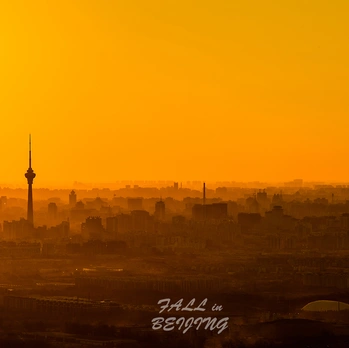
This city has been carrying the weight of history for centuries. It's been the seat of emperors, the stage for political drama, and now, the engine of a nation's future. But beneath all that grandeur, there's a different Beijing—a city of narrow alleyways and courtyard homes, of morning markets and evening tai chi sessions. This is the Beijing I wanted to capture.
That autumn, something remarkable happened. Maybe it was the APEC summit that cleared the skies, or maybe it was just luck, but the city was blessed with an almost absurdly beautiful stretch of weather. The sky turned a shade of blue that seemed almost artificial. Driving west on the Fourth Ring Road, you could see the Western Hills sharp against the horizon. Turn down any side street, and you'd find yourself walking on a carpet of golden ginkgo leaves. In places like Beihai Park and Jingshan, people were soaking up the last warm rays before winter arrived. Beijing in autumn is like a beautiful guest who stays just long enough to break your heart when they leave.
Wandering Through Time: My Autumn Journey
I didn't plan my route in advance. Every morning, I'd wake up, look out the window, and decide where the day would take me. Some days brought brilliant sunshine; others delivered moody overcast skies perfect for black-and-white photography. No matter the weather, I found something worth capturing.
Fuchengmen Nei: The Heart of Old Beijing
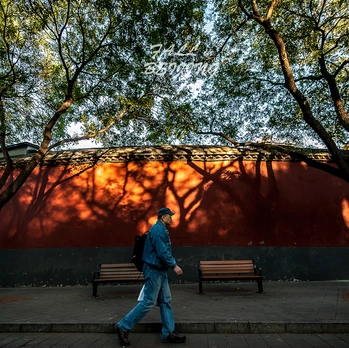
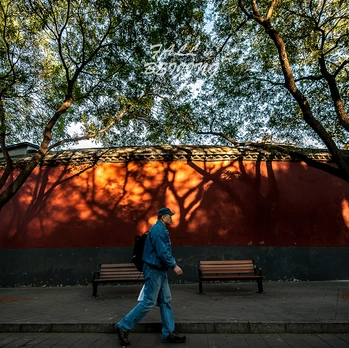
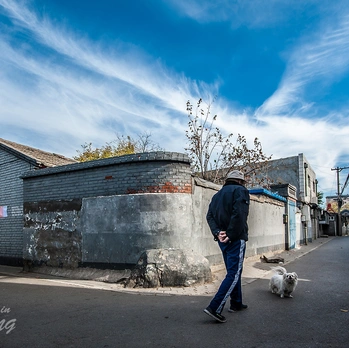
Let's start in a place most tourists never see. The area between Fuchengmen Inner Street and Ping'anli West Street isn't on any must-visit list. There are no famous temples, no trendy boutiques, no foodie destinations. I only ended up there because I was working on a project documenting the neighborhood. Over the course of a week, I walked every single hutong at least eight times—from dawn until dusk.
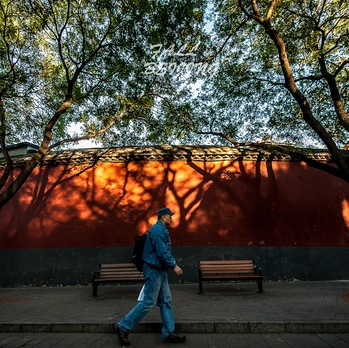
At first, I was just mechanically documenting. But then I forced myself to stop, to look, to listen. And slowly, I started to understand the rhythm of these alleyways.
The "courtyard homes" here are barely recognizable as siheyuan anymore. Residents have built makeshift brick rooms in every available space. Bedding hangs from windowsills. Bicycles and cars crowd the narrow lanes. The air is filled with the sounds of migrant workers and the occasional pure Beijing accent that reminds you this is still, somehow, the capital.
And yet, there's an undeniable charm. The weathered wooden doors, the worn stone steps, the distant white pagoda of Baita Temple—they all whisper stories of a Beijing that's slowly disappearing. Places like the Fusuijing Building, the Lu Xun Museum, and the former residences of historical figures like Zhang Xueliang and Zhao Yidi are scattered throughout these streets. Even the ruins of temples and Taoist shrines from centuries past can still be found if you know where to look. [Link: Best hutong tours in Beijing]
Food tip: Don't leave without trying the sesame cake sandwiches at Cui Ji's (Cui Ji's sesame cake with braised pork shoulder), located opposite the east entrance of Dacha Hutong on Zhao Dengyu Road. The bread is impossibly crispy, and the braised pork is heaven.
Workers' Stadium: Where Passion Meets Purpose
From March to November, Workers' Stadium becomes the beating heart of Beijing football. Every two weeks, 40,000 people pour into this green cathedral to scream, cry, and cheer for Beijing Guo'an. The opening ceremony, with its wall of scarves and roaring chants, is enough to give anyone chills. When the team falls behind, the crowd roars "Fight them to the death!" When they're winning, the teasing begins. And after the final whistle, 40,000 voices rise together in the team anthem, with phone lights flickering like stars across the stands.
I rarely bring my camera to matches—I prefer to be fully present in the moment. But 2014 was special. The final home game of the season broke attendance records with 51,600 people. I was one of them.
The atmosphere was electric. Scalpers were asking 600-700 yuan for tickets, and some fans even protested with banners (which were quickly confiscated since APEC regulations prohibited them). But nothing could dampen the energy. The Green Warriors, Guo'an's ultra fans, led the chants. The famous scarf wall rose. And when the team came to thank the fans at the end, I knew I'd captured something that no photograph could truly do justice to. [Link: Beijing Guo'an match tickets guide]
Dongjiaominxiang: A Walk Through History
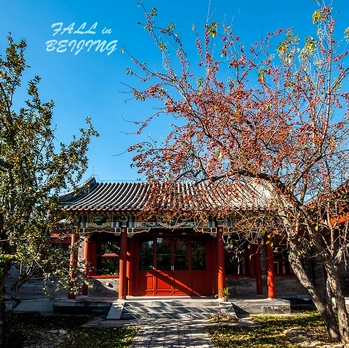
This is probably Beijing's longest "hutong," though it feels more like a broad avenue than an alley. During the old days, it was the diplomatic and financial district, home to rows of Western-style buildings. Today, you'll find museums, churches, and the Supreme People's Court here. Many buildings have been renovated, but the street retains a certain dignity. There's no tacky commercialization, just a quiet sense of history.
Food tip: Try the Tianjin-style dishes at Aohua Laozhangji Restaurant (Aohua Old Zhang's Restaurant), located at the northeast corner of Dongjiaominxiang and Taijichang Street. And if you're feeling fancy, the pine nut mandarin fish at Songhelou (Pine Crane Pavilion) is legendary.
Jingshan Park: The Best View in Town
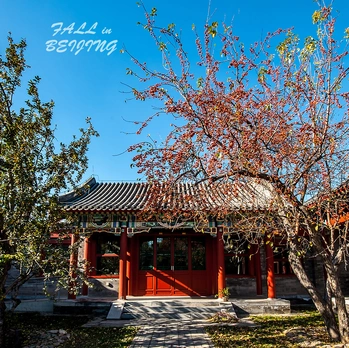
At just 89 meters, Jingshan Park isn't exactly a mountain. But as the highest point in the old imperial city, it offers the most spectacular view of Beijing. From the Wanchun Pavilion at the top, you can see the Forbidden City to the south, the Bell and Drum Towers to the north, the White Pagoda to the west, and the CBD skyscrapers to the east.
If you want the perfect shot, arrive when the gates open at 6:30 AM. Catch the sunrise over the Forbidden City, or stay until sunset for the magical golden hour. And don't forget to stop by the northwest corner tower of the Forbidden City on your way out—it's a cliché shot for photographers, but every season brings a different mood. [Link: Jingshan Park photography tips]
Ditan Park: The Ginkgo Cathedral
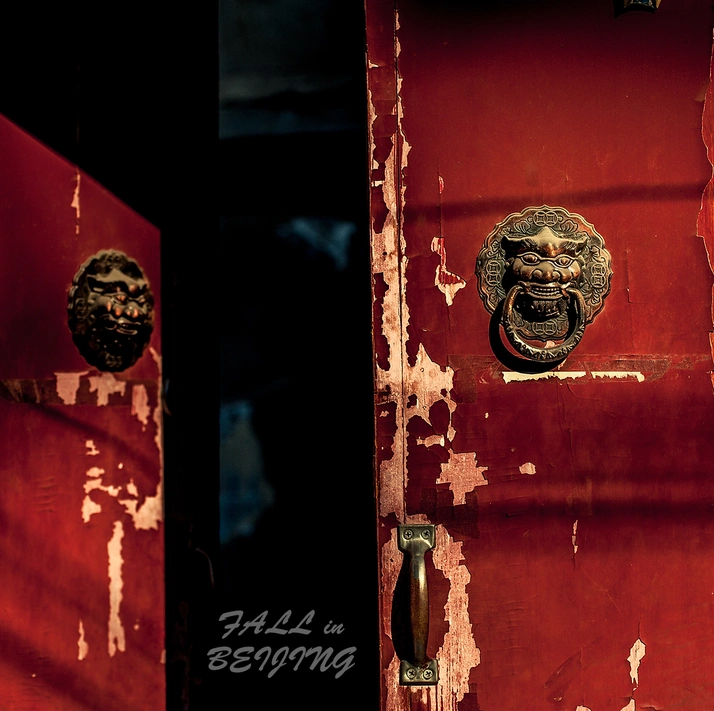
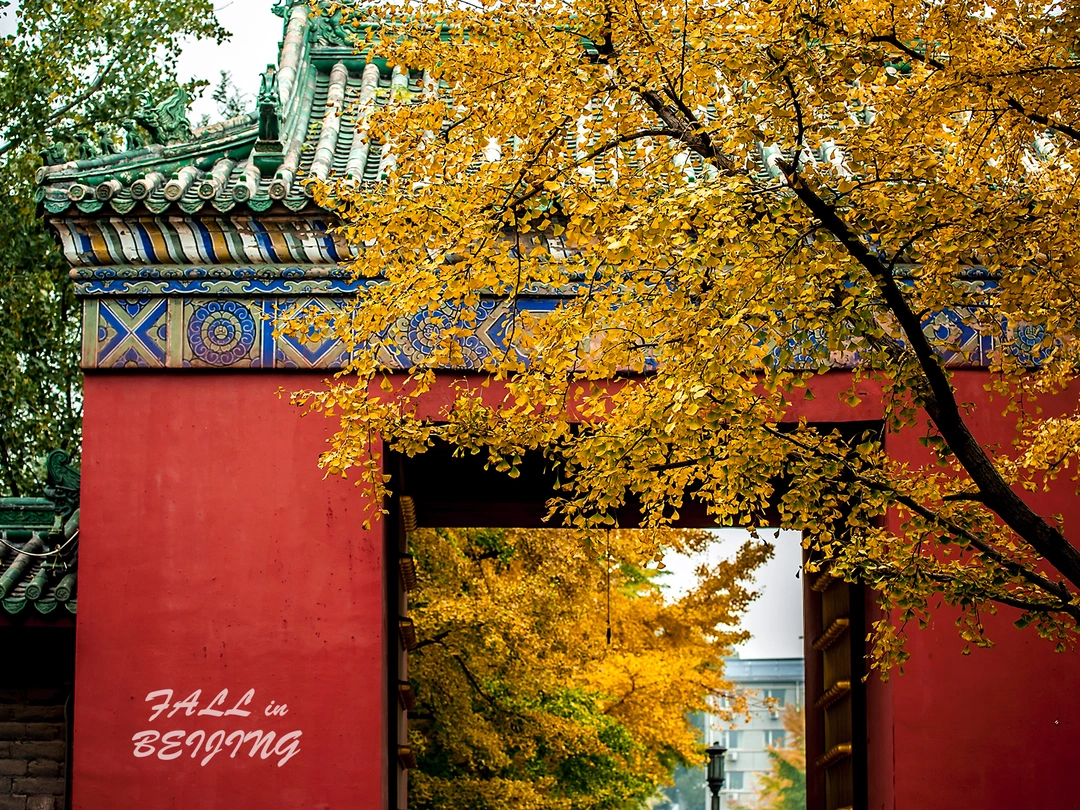
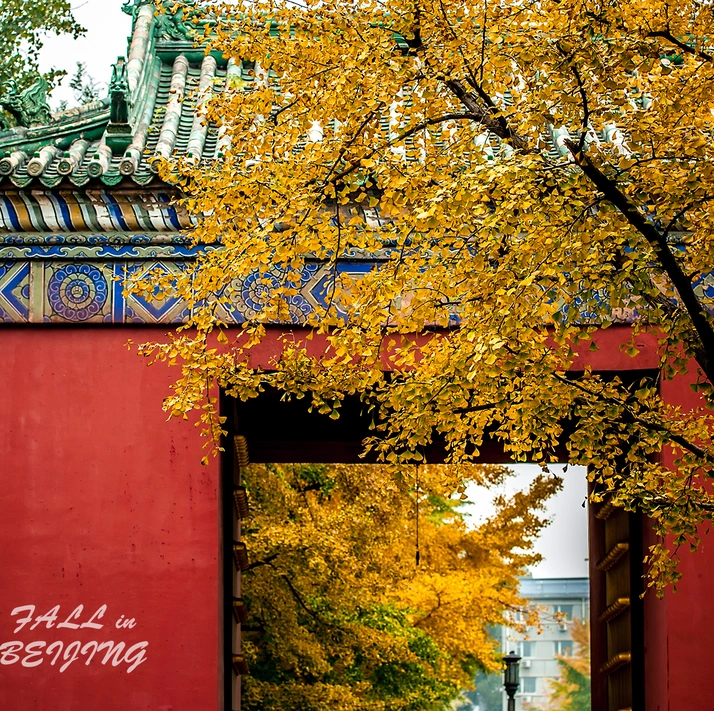
Ditan Park is home to Beijing's most famous ginkgo avenue. By late October, the trees are a blaze of gold, and the red walls of the park create a stunning contrast. Come early in the morning, even on weekdays, because by afternoon the crowds are overwhelming. At just 2 yuan for admission, it's one of the best bargains in the city. [Link: Best parks for autumn foliage in Beijing]
Beihai Park: Where Time Stands Still
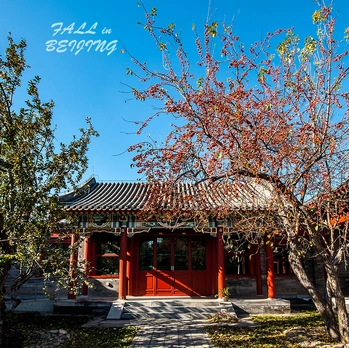
"Let us row, the boat pushes through the waves, the white pagoda reflects on the water, surrounded by green trees and red walls." This children's song describes Beihai Park, and it's as true today as it was decades ago. I stumbled in on a lazy afternoon and found myself wandering for hours. The combination of the white pagoda, the autumn colors, and the gentle lake breeze creates a sense of peace that's rare in this bustling city.
Frequently Asked Questions About Beijing in Autumn
Q: When is the best time to see autumn colors in Beijing? A: The peak season for autumn foliage is typically from mid-October to early November. Ginkgo trees turn golden around late October, while maple leaves peak in early November. However, weather can vary year to year, so check local foliage reports before planning.
Q: What should I pack for a Beijing autumn trip? A: Layers are essential. Daytime temperatures in October range from 10°C to 20°C (50°F to 68°F), but evenings can drop to 5°C (41°F). Bring a light jacket, comfortable walking shoes, a scarf, and a camera. Sunscreen and sunglasses are still useful, as the autumn sun can be surprisingly strong.
Q: Are there any autumn festivals or events in Beijing? A: Yes! The Beijing International Music Festival runs through October, and the Beijing Marathon usually takes place in early November. Additionally, many parks host chrysanthemum exhibitions during this season. Check local event calendars for the latest updates.
Q: Is autumn a good time for budget travelers? A: Absolutely. Autumn is considered shoulder season—less crowded than summer (July-August) but still pleasant. Accommodation and flight prices are generally lower than peak summer, and many attractions offer off-peak discounts. Plus, the weather is ideal for outdoor exploration without the need for expensive air conditioning or heating.
Q: Which autumn foliage spots are less crowded? A: While Ditan Park and Fragrant Hills are famous, they can be packed. Consider visiting the Summer Palace's back hills, the Olympic Forest Park, or the quieter sections of the Old Summer Palace (Yuanmingyuan) for a more serene experience. Local parks like Ritan Park and Taoranting Park also offer beautiful foliage with fewer tourists.
Your Autumn Beijing Adventure Awaits
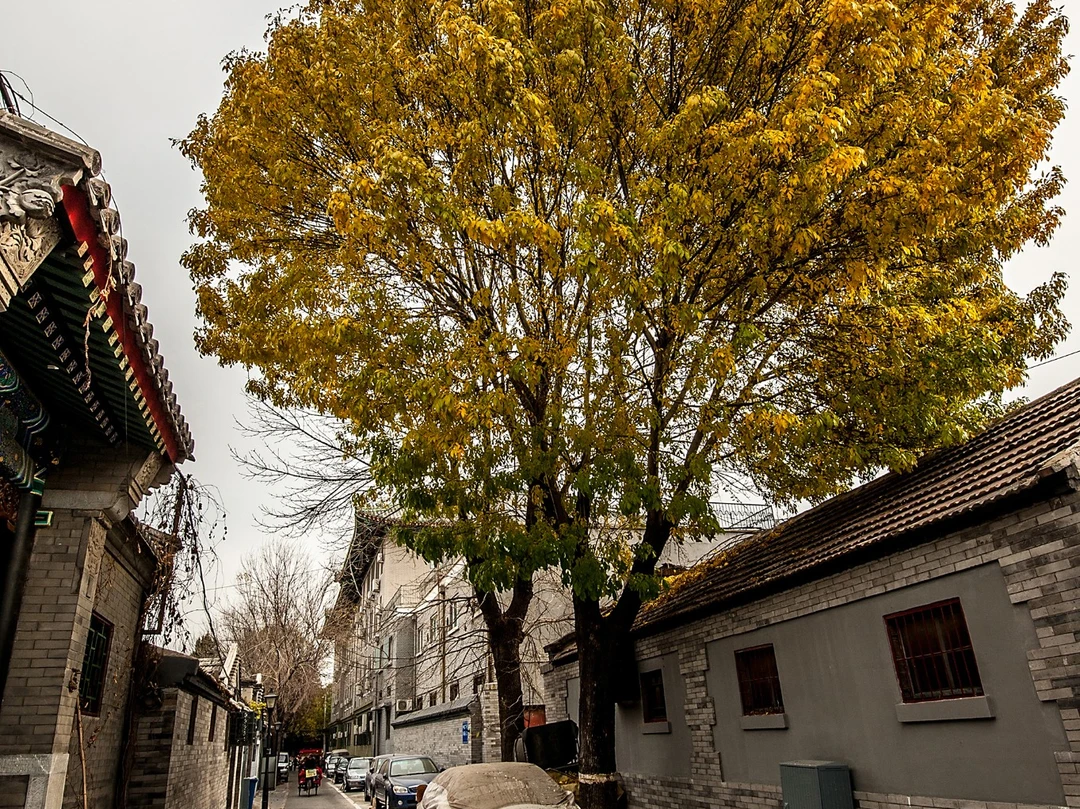
Beijing in autumn isn't just a season—it's a feeling. It's the crunch of golden leaves underfoot, the crisp air that fills your lungs, the warmth of a bowl of noodles shared with friends. It's a city that reveals its soul when the summer crowds thin and the winter chill hasn't yet set in.
Whether you're a first-time visitor or a seasoned traveler, there's no better time to explore Beijing. The landmarks will always be there, but the magic of autumn is fleeting. Don't let it pass you by.
Ready to plan your trip? Start by booking your flights for mid-October, and make sure to reserve accommodations near the hutongs or parks you want to explore. Pack your camera, your walking shoes, and your appetite—Beijing is waiting to show you its most beautiful face.
[Link: Book Beijing autumn tours] [Link: Beijing travel insurance options] [Link: Beijing autumn hotel deals]
Have you experienced Beijing in autumn? Share your favorite memories in the comments below, or tag us in your photos on social media. We'd love to see your golden moments!
You should also read:
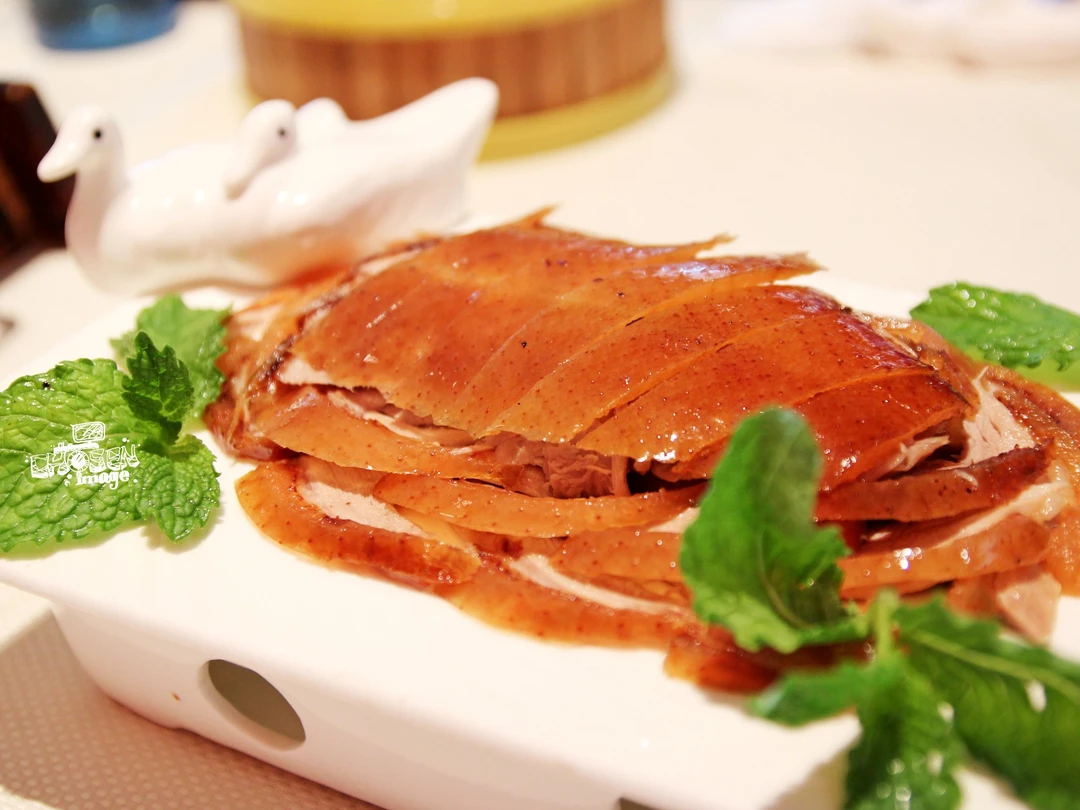
Strolling Through Beijing: When the Forbidden City's Twilight Meets the Alleyways' Hearth Smoke
Meta Description: Discover Beijing's imperial grandeur and culinary soul in this 5-day guide. From Forbidden City secrets to Niujie food walks, learn where to stay, eat, and explore for an unforgettable trip. Beijing isn't just a city—it's a living museum where six centuries of imperial…
Continue reading...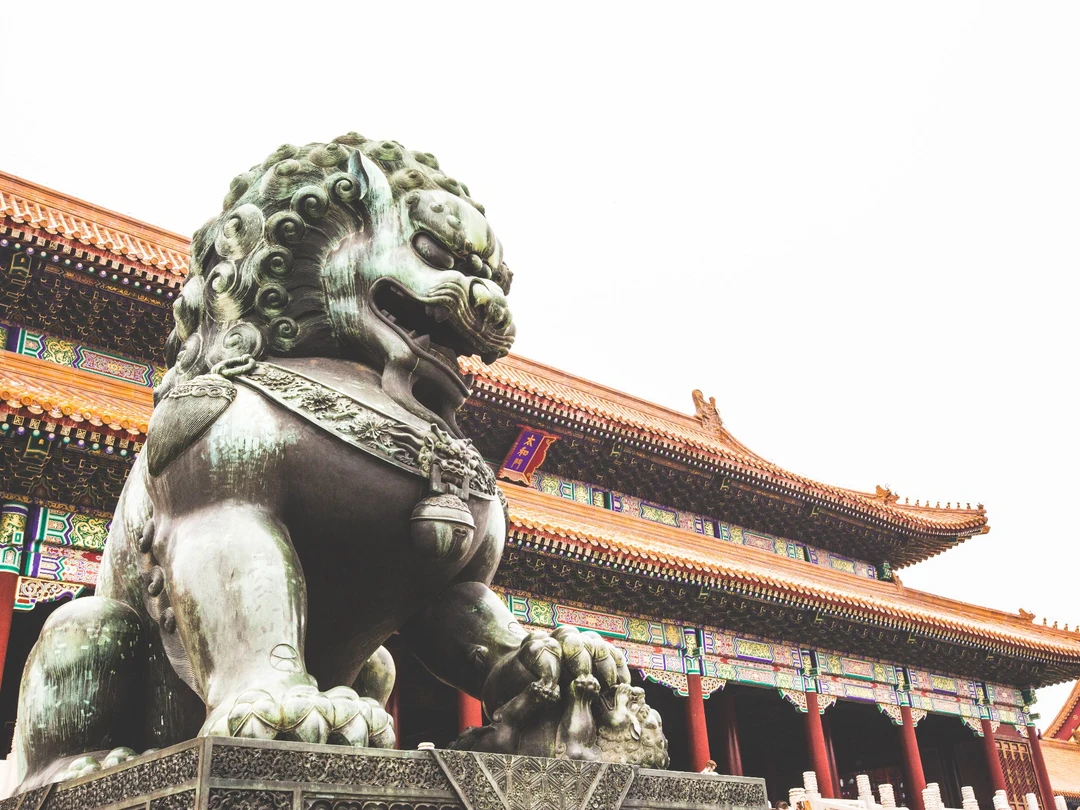
First Visit to Beijing: Living in a Century-Old Courtyard, Being the Forbidden City's Neighbor
Meta Description: Experience Beijing like a local with this first-timer's guide. Stay in a century-old siheyuan near the Forbidden City, explore hutongs, climb the Great Wall, and avoid common tourist pitfalls. Your ultimate Beijing itinerary awaits. I've always believed that the best kind of travel…
Continue reading...
Seeking · Encountering · Autumn in Beijing: Your Ultimate Guide to Beijing’s Most Stunning Fall Scenery
Meta Description: Discover Beijing’s best autumn destinations beyond Fragrant Hills. From Tsinghua University’s golden ginkgo avenue to Dajue Temple’s millennium-old tree, plan your perfect fall escape with our expert guide. Autumn in Beijing is more than a season—it’s a grand farewell. When the summer heat…
Continue reading...