Strolling Through Beijing: When the Forbidden City's Twilight Meets the Alleyways' Hearth Smoke
Meta Description: Discover Beijing's imperial grandeur and culinary soul in this 5-day guide. From Forbidden City secrets to Niujie food walks, learn where to stay, eat, and explore for an unforgettable trip.
Introduction: Why Beijing Is a Traveler’s History Book You’ll Never Finish
Beijing isn't just a city—it's a living museum where six centuries of imperial history breathe through every brick, tile, and winding hutong (traditional alleyway). In the height of summer 2016, I brought my family here, spending five days trying to find a perfect balance between royal grandeur and bustling street life. What we discovered was a city that rewards the curious traveler at every turn.
This isn't just another travelogue. It's a practical, SEO-optimized guide that blends historical depth with a food map, designed to help you experience both the weighty history of the imperial capital and taste every corner of its culinary delights. If you, like me, want to walk where emperors once trod and eat where locals queue, then take this heartfelt guide with you.
Before You Go: Essential Beijing Travel Tips

Where to Stay in Beijing: Live in Niujie, Eat Your Way Through the City
Beijing's map is vast—so vast it can overwhelm even seasoned travelers. But a smart accommodation choice can save you half the trouble. I strongly recommend staying near Niujie (Ox Street) , Beijing's historic Muslim quarter. Here, Line 4 and Line 7 of the subway intersect, and you're just two stops from Beijing South Railway Station, making transportation incredibly convenient.
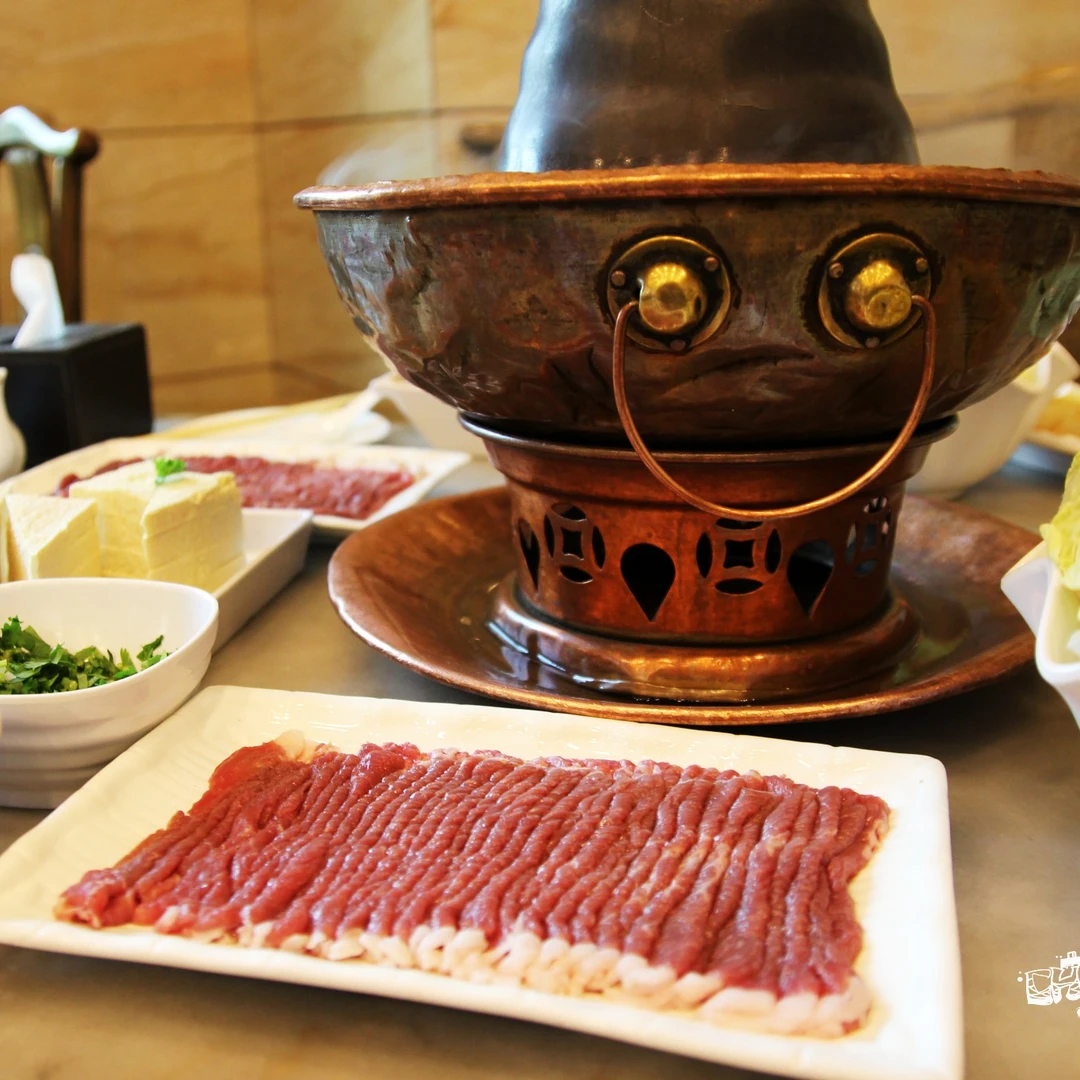
More importantly, where there are Muslim communities, there's great food. Jubaoyuan for lamb hotpot, Dashuntang for halal cuisine, Laochengyi for lamb spine hotpot, Laoman for tripe... just thinking about it makes your mouth water. If you visit in May, you can find a clean, tidy standard room for 200 yuan—fantastic value for the location.
[Link: Best budget hotels in Beijing near subway lines]
Getting Around Beijing: Subway Rules, Buses Play Backup
Beijing's rail transit system is a lifesaver. Although the era of unlimited rides for two yuan is long gone, the subway can take you to almost every major attraction. Buses are a wild card—they're great when there's no traffic, but when there's a jam, they'll make you question your life choices. Remember: check traffic conditions before you head out, and switch to the subway if there's congestion. This is a lesson learned the hard way.
Beijing Ticket Prices: Surprisingly Reasonable
I have to give credit: Beijing's attraction ticket prices are incredibly fair compared to other global capitals. Yonghe Temple (Lama Temple) costs just 25 yuan, the Temple of Heaven combo ticket is 35 yuan, and the Forbidden City is only 60 yuan during peak season. In other cities, attractions of this caliber start at 60 yuan as a baseline. This makes Beijing an affordable destination for history lovers.
Five Days, Four Nights: A Perfect Symphony of Food and Culture in Beijing
DAY 1: From Yonghe Temple to the Bird's Nest—Crossing Six Centuries in Time
First Stop: Yonghe Temple—The Beginning of Imperial Grandeur
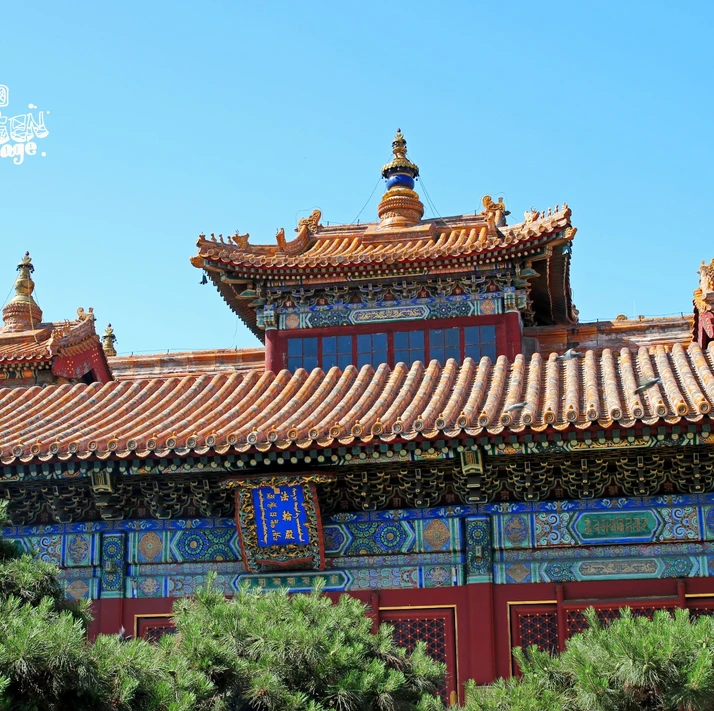
I arrived in Beijing in the afternoon, dropped my bags, and headed straight for Yonghe Temple. Once the residence of Prince Yong (the future Yongzheng Emperor), later the birthplace of Emperor Qianlong, and eventually transformed into a Tibetan Buddhist temple, every inch of this place is steeped in history.
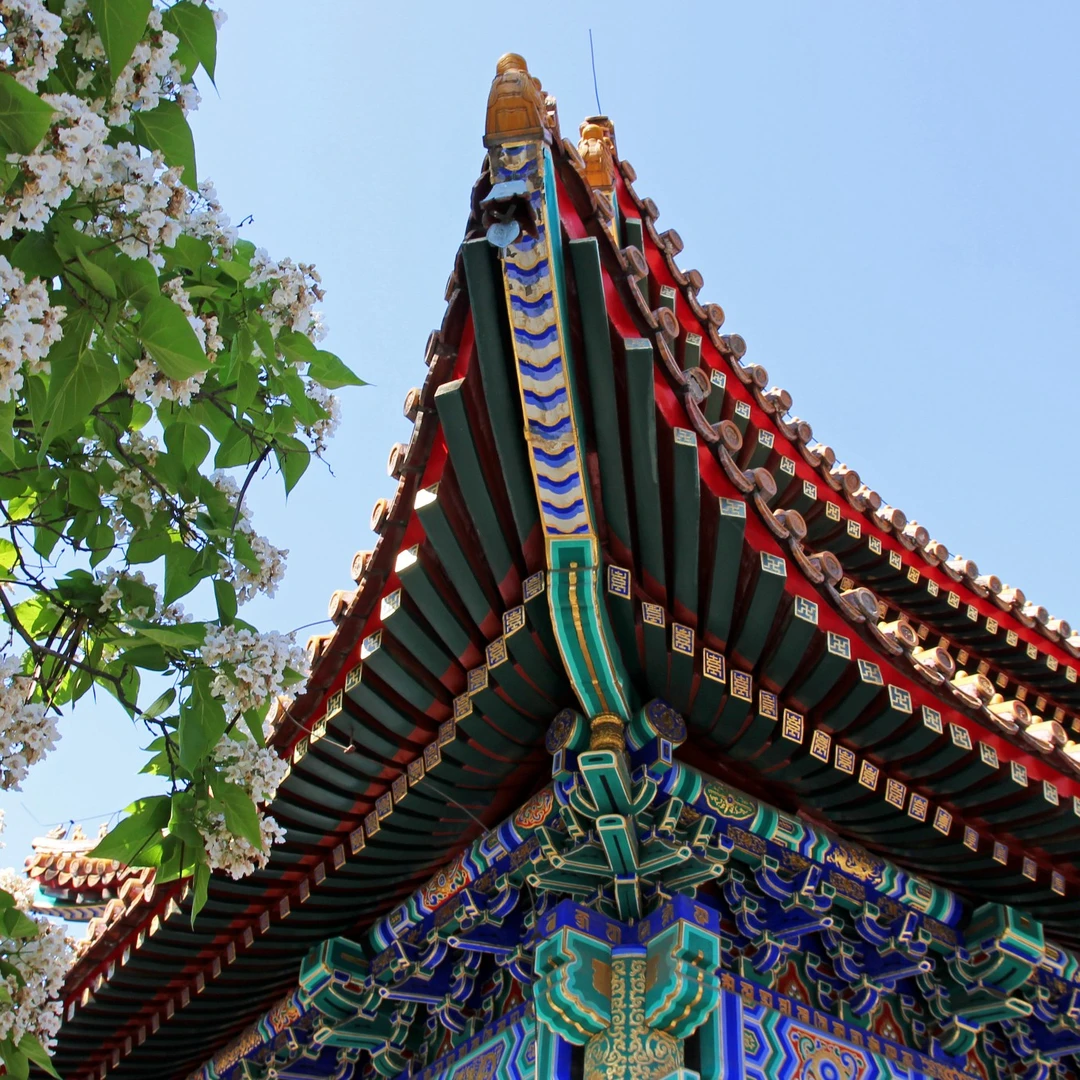
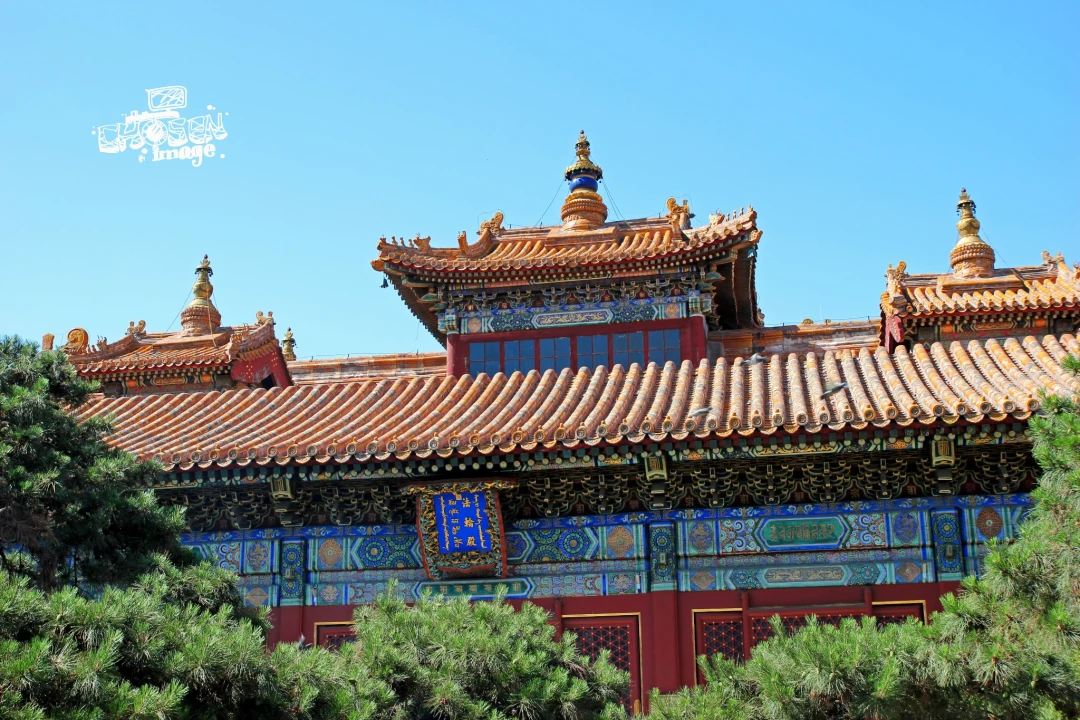
For 25 yuan, you get to see plaques inscribed in four scripts—Han Chinese, Manchu, Mongolian, and Tibetan—along with yellow glazed tiles and intricate dougong (interlocking wooden brackets). Don't forget to look up at the ridge beasts on the roof—the hierarchy of ancient architecture is written all over them. Most buildings have up to nine, but the Forbidden City's Hall of Supreme Harmony has ten, because it's the most sacred space in the imperial complex.
[Link: Complete guide to Beijing's imperial temples]
Second Stop: The Imperial College—The Ancient Supreme Academy
A five-minute walk from Yonghe Temple brings you to the Imperial College (Guozijian). It's so quiet here you'd hardly believe you're still in Beijing. At the Confucius Temple, the dragon carvings on the Danbi stone (a massive carved marble slab) are breathtakingly majestic. In the Piyong Hall, Emperor Qianlong's throne sits just an arm's length away—this is where the emperor himself once lectured, and the chance to see it up close is rare.
Third Stop: Wudaoying Hutong—A New Haven for the Artsy Crowd
Right next to the Imperial College, Wudaoying Hutong is hailed as "the next Nanluoguxiang." There are no cookie-cutter souvenir shops here; instead, it's filled with design-forward boutiques and independent cafes. Although it was under heavy construction when I visited, the artistic vibe was already palpable. This is a great spot for Instagram-worthy photos and unique souvenirs.
Dinner: Xiao Diao Li Tang—The Gentle Side of Beijing Cuisine
Near Olympic Park, Xiao Diao Li Tang is a favorite among both tourists and locals. Their hot pear soup is the signature dish—most comforting in winter, and at four yuan per small pot, cheaper than a can of soda. The pear-and-shrimp balls are the most popular item, but as someone who grew up by the sea, I'd recommend the pan-fried pork liver—tender, free of any off-flavor, and perfect with rice.
Night View: The Bird's Nest and the Water Cube
The Olympic Park夜景 is worth seeing. Though the Beijing Olympics were years ago, the Bird's Nest (National Stadium) and the Water Cube (National Aquatics Center) still exude modern architectural charm. They sit on the extension of Beijing's central axis, perfectly embodying the traditional concept of "round heaven and square earth." The illuminated structures at night are a photographer's dream.
[Link: Best night photography spots in Beijing]
DAY 2: Temple of Heaven at Dawn and the National Museum's Treasures
Early Morning: The Courage to Try Douzhi (Fermented Bean Drink)
The next morning, I went to the Ciqikou Douzhi shop outside the Temple of Heaven's north gate. To be honest, douzhi is really hard to swallow—it tastes like spoiled soy milk. Miancha (a savory millet porridge with sesame paste) was equally unappealing—a cornmeal mush with sesame paste and salted sesame seeds, the flavor defies description. But experiencing the locals' breakfast is part of the joy of travel. Consider it a rite of passage.
The Temple of Heaven: The Most Beautiful Ancient Building in China at Dawn
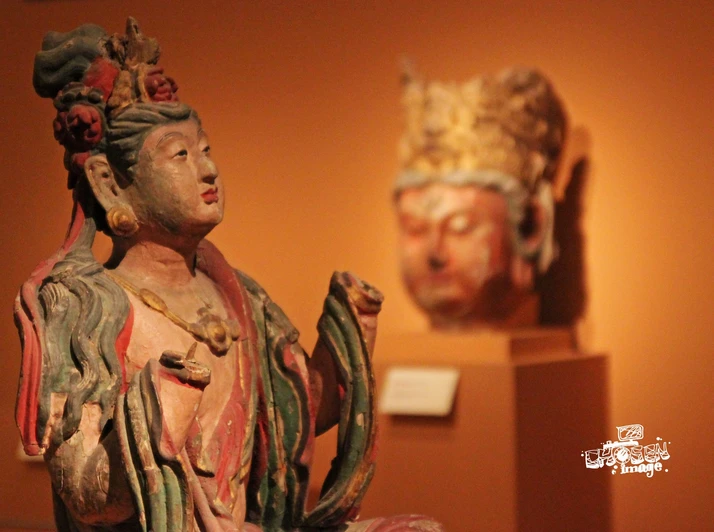
The park area of the Temple of Heaven opens at 6 a.m., serving as a morning exercise ground for Beijing's elderly. When the main structures open at 8 a.m., be sure to rush in first—that's how you get a photo of the Hall of Prayer for Good Harvests without the crowds. This hall, hailed as "China's most beautiful ancient building," glows with a sacred light in the morning sun. The acoustics of the Echo Wall and the Circular Mound Altar are also fascinating.
[Link: Temple of Heaven photography tips]
The National Museum of China: Stunning Exhibits, Disappointing Service
After the Temple of Heaven, I visited the National Museum of China. The exhibits truly live up to the "national" name, but the staff's attitude was deeply disappointing. In comparison, the Capital Museum is a better choice—rich collections, a quiet environment, and a chance to truly appreciate the beauty of national treasures without the crowds.
Dinner: Sijimin Fu Roast Duck—A Perfect Experience Outside Donghuamen
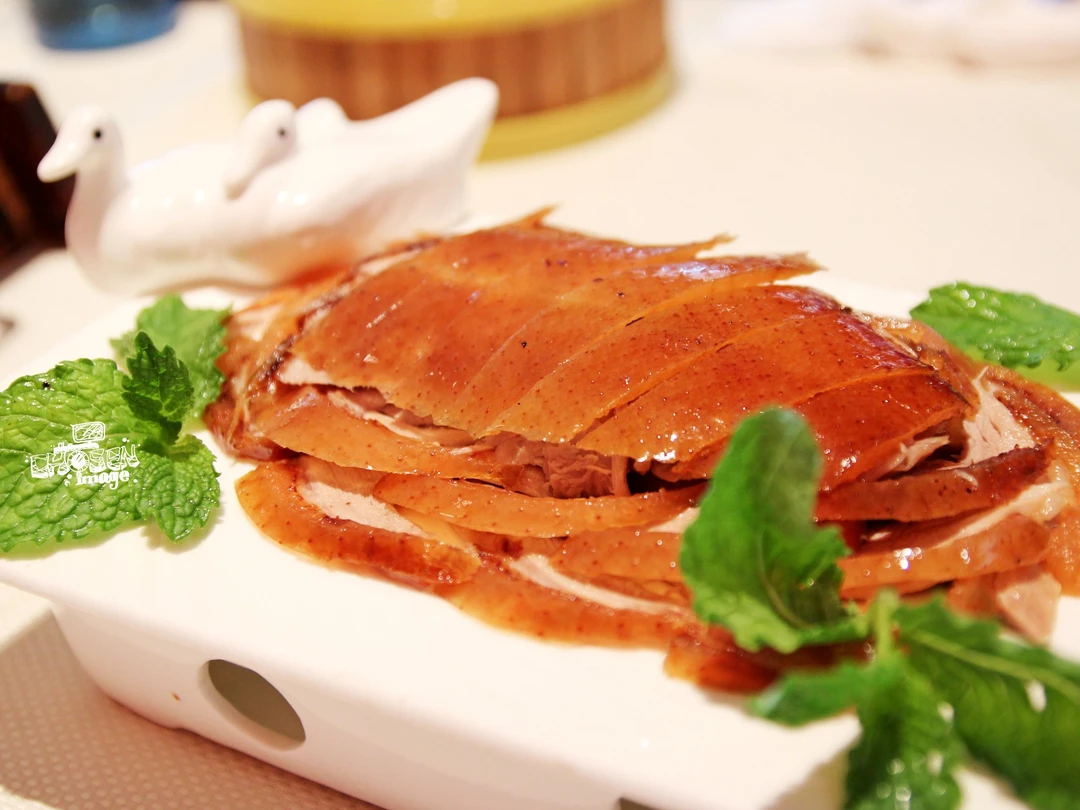
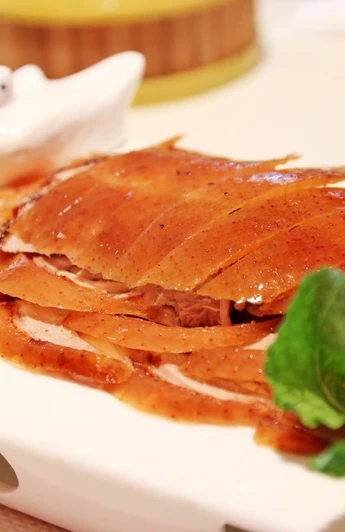
Forget Quanjude! Sijimin Fu roast duck outside Donghuamen (East Flowery Gate) is my top pick. Sitting in the restaurant, enjoying modern-style roast duck while watching the sunset over Donghuamen and the Forbidden City's corner towers—this is the ultimate dining experience. The crispy skin, tender meat, and perfectly thin pancakes make it a meal you'll remember forever.
[Link: Best roast duck restaurants in Beijing]
DAY 3: A Full Day in the Forbidden City—Secrets of the Purple Forbidden City
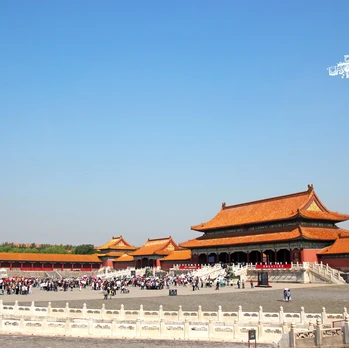
The Forbidden City's stories could fill more than a day. Wear comfortable shoes, arrive at the Meridian Gate as early as possible, plan your route carefully, and bring your own food (the on-site options are overpriced and underwhelming).
The Story of the Gate of Supreme Harmony Square
I stood at the site of the Left Flowery Gate, where the famous "Left Flowery Gate Incident" took place. When the Jiajing Emperor ascended the throne as a provincial prince, he wanted to recognize his biological father as his father. The ministers disagreed, and the standoff escalated. Eventually, over 200 officials knelt outside the Left Flowery Gate, wailing and protesting. In a rage, Jiajing ordered the Imperial Guard to arrest them all. This corner of history brings the Forbidden City to vivid life.
The Little Lion of Changchun Palace
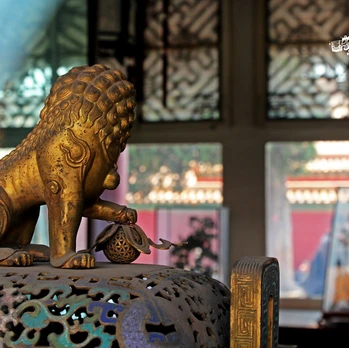
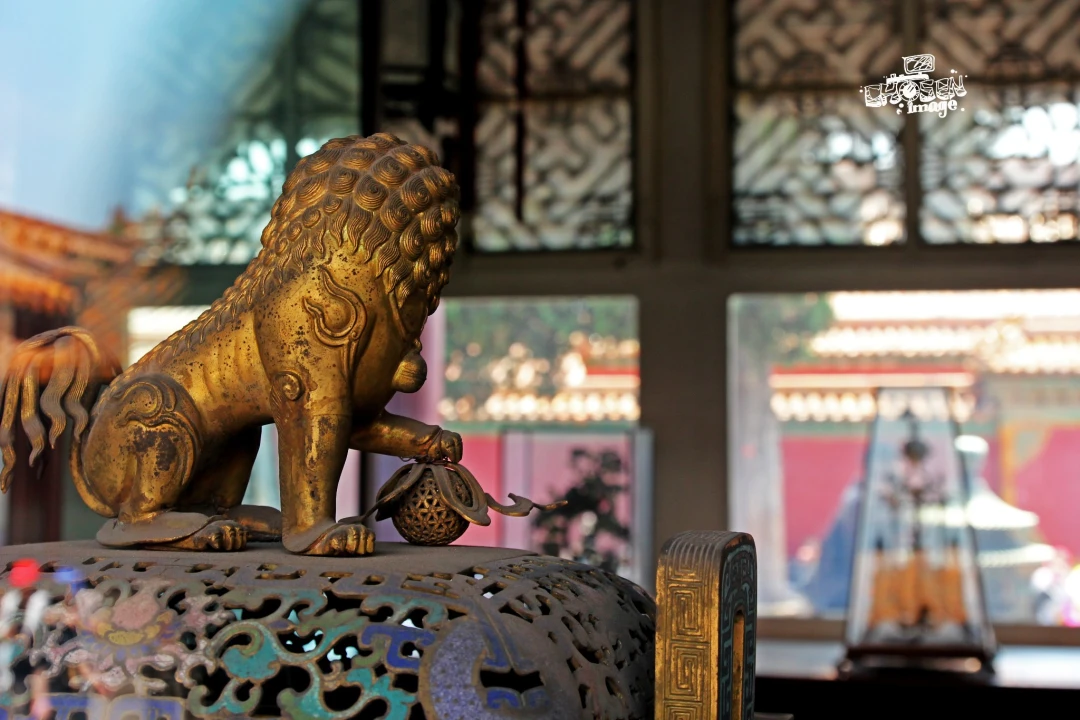
In the restored original furnishings of Changchun Palace, I spotted a little lion on a cloisonné piece. It was stepping on an embroidered ball, gazing out the window at the world beyond, as if impatient to go out and play. It reminded me that even in the most formal of imperial spaces, there's room for whimsy.
[Link: Forbidden City self-guided tour route]
FAQ: Your Beijing Travel Questions Answered
1. What is the best time of year to visit Beijing?
 Spring (April-May) and autumn (September-October) offer the most pleasant weather, with mild temperatures and clear skies. Summer can be hot and humid, while winter is cold but less crowded.
2. How many days do I need to see Beijing's main attractions?
 Five days is ideal for a balanced trip covering the Forbidden City, Temple of Heaven, Great Wall (day trip), and local food experiences. Three days is the minimum.
3. Is Beijing expensive for tourists?
Surprisingly affordable. Entry fees are low (Forbidden City: 60 yuan peak season), street food is cheap, and budget accommodation near Niujie starts at 200 yuan per night. High-end dining and Western-style hotels can be pricey.
4. How do I avoid crowds at the Forbidden City?
 Book tickets online in advance, arrive at 8:30 a.m. when gates open, and head straight to the inner palaces (like the Palace of Earthly Tranquility) before the crowds reach them. Weekdays are less crowded than weekends.
5. What should I eat in Beijing besides Peking duck?
Don't miss zhajiangmian (noodles with soybean paste), lvdagun (glutinous rice rolls with red bean paste), baozi (steamed buns), and yangrou chuan (lamb skewers). For adventurous eaters, try douzhi (fermented bean drink) as a cultural experience.
Conclusion: Your Beijing Adventure Awaits
Beijing isn't a city you visit—it's a city you experience. From the twilight glow over the Forbidden City's golden roofs to the smoky aroma of lamb skewers sizzling in a hutong alley, every moment here is a story waiting to be told. Whether you're a history buff, a food lover, or a casual traveler, this ancient capital offers something unforgettable.
Ready to plan your trip? Start by booking accommodation near Niujie, downloading a subway map, and making a list of the foods you want to try. Then, let Beijing surprise you.
[Link: Book your Beijing tour package] [Link: Download our Beijing food map PDF] [Link: Join our Beijing travel community on Facebook]
What's your favorite Beijing memory? Share it in the comments below!
You should also read:
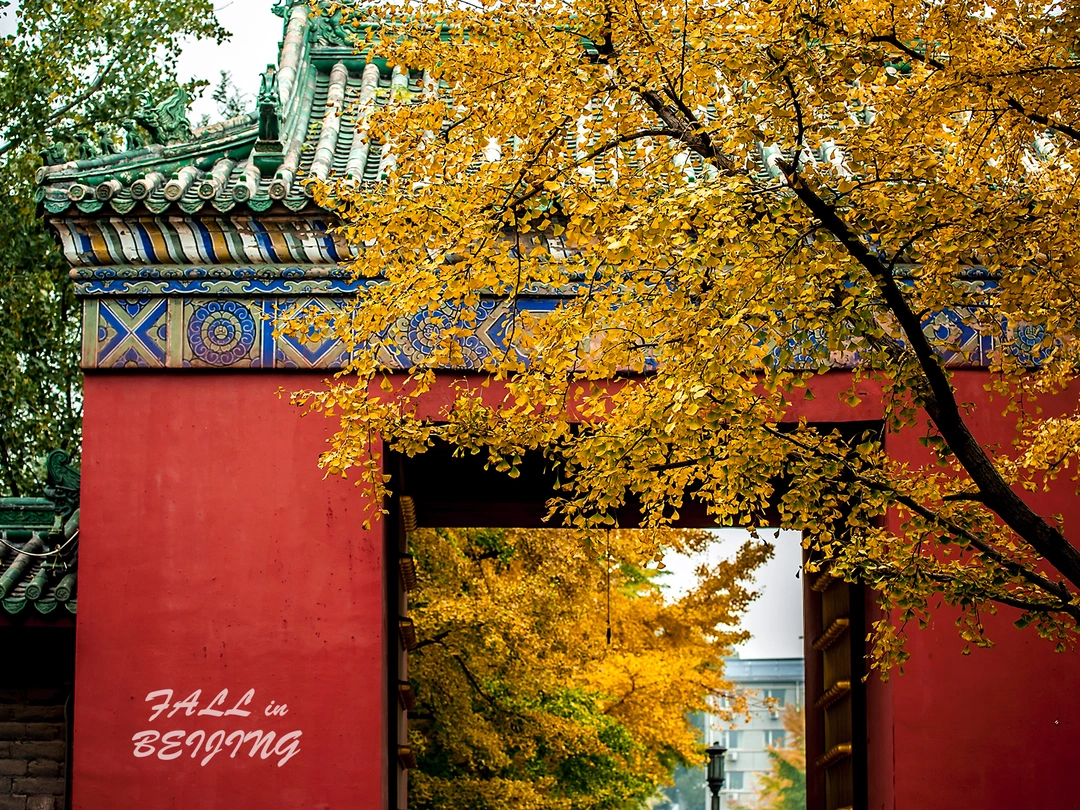
Living in Beijing: A Love Letter to Autumn – Why October Is the City's Best-Kept Secret
Meta Description: Discover why Beijing in autumn is pure magic. From golden ginkgo avenues to hidden hutong gems, this 2014 love letter captures the city's soul. Plan your fall visit now. There's a reason why old Beijing hands get misty-eyed when October rolls around. It's…
Continue reading...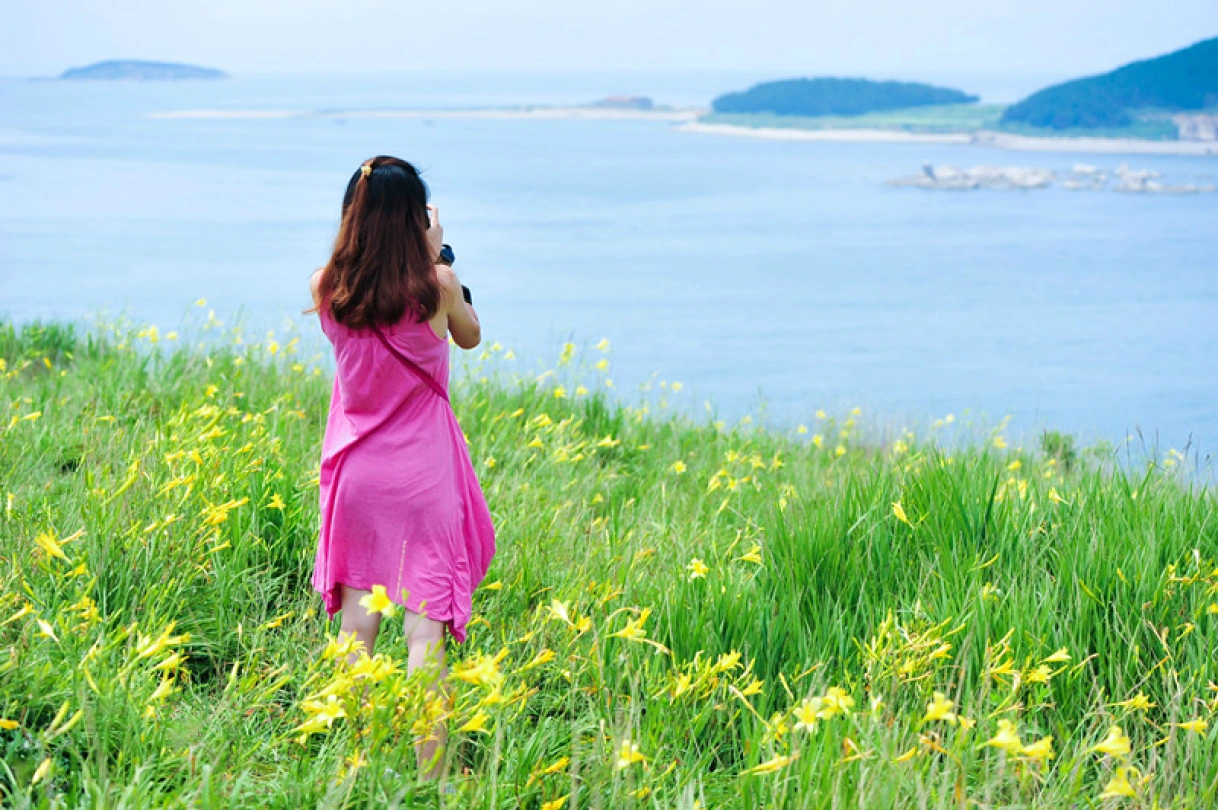
A Spontaneous Escape Through Tianjin, Beijing, and Shandong: An Unforgettable Solo Travel Adventure
Meta Description: Discover the raw beauty of a spontaneous solo journey through Tianjin, Beijing, and Shandong. From Quanjude roast duck to Tanggu night views, read this heartfelt travelogue of escape and self-discovery. The July wind carried restlessness and unease. After abruptly ending a ten-day job…
Continue reading...
A Passionate Journey Through Beijing & Tianjin: Beijing Complete Guide – JOJO's In-Depth Travel Notes
Meta Description: Explore Beijing & Tianjin in 5 days with this complete travel guide. From the Forbidden City to the Great Wall, discover insider tips, transportation hacks, and must-see attractions. Plan your perfect China trip today. Beijing is not just a city—it's a living museum…
Continue reading...