Impressions of Beijing: Mentougou Part Three — Lingshui Village, Searching for a World of the Past in the Depths of Time
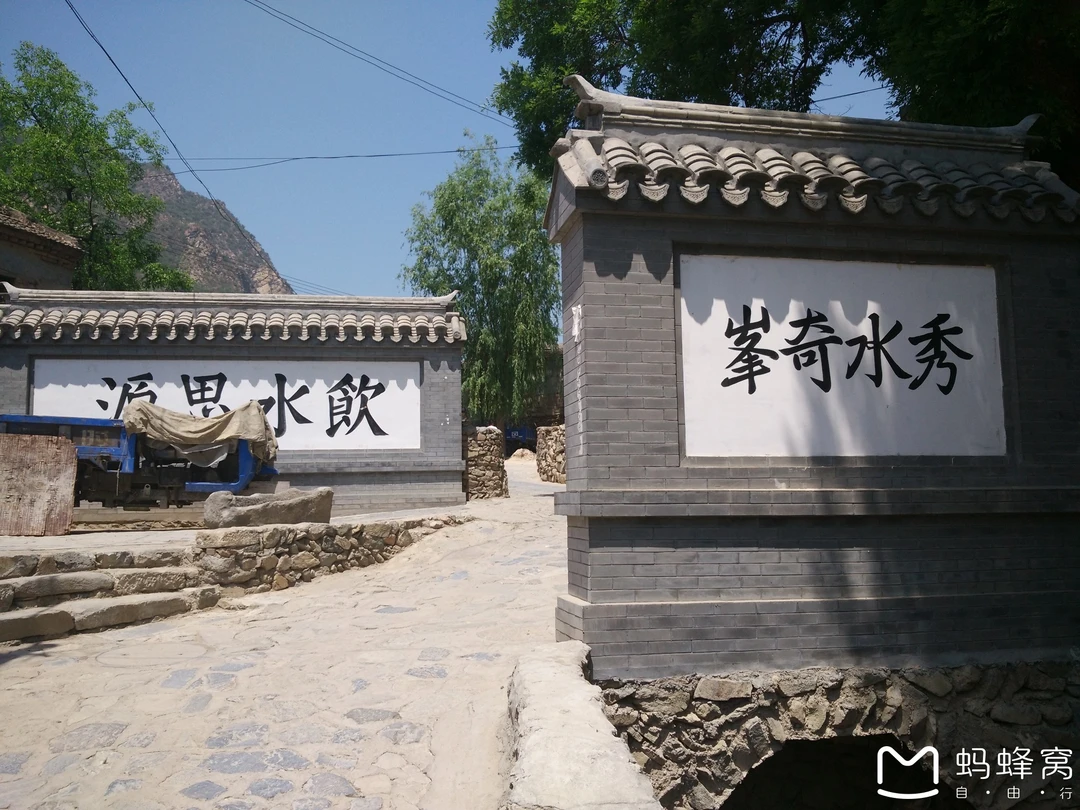
Meta Description: Discover Lingshui Village, Beijing's "Juren Village" in Mentougou District. Explore millennium-old courtyard houses, Ming-Qing scholar legacy, and practical travel tips. A journey into ancient Chinese culture awaits.
"Spring deep, my official duties are complete; day by day, my heart turns to the mountains."
— Bai Juyi, Seeing Off a Candidate for the Imperial Examinations
Preface: Why Visit Lingshui Village?
Dear reader, welcome once again as I take you into Lingshui Village in Beijing's Mentougou District. This time, I want to ask myself a question first: Why exactly have I come to Lingshui?
Is it to count how many juren (provincial graduates) and jinshi (metropolitan graduates) this ancient village has produced throughout history? Or is it to witness with my own eyes the fresh, new face of this mountain village after reform and opening-up? Perhaps it's a bit of both, or maybe neither. Deep down, what I truly long for is to touch the thousand-year-old Chinese culture polished by time and passed down through generations — the ancient villages themselves. "Ancient village" — these two words are my only reason for this journey. What do you think?
[Link: Best ancient villages near Beijing]
A Millennium-Old Lingshui: The "Juren Village" from the Han Dynasty

Lingshui Village, officially known as "Lingshui Juren Village," is a genuine ancient village with a history spanning a thousand years. As early as the Han Dynasty (206 BCE – 220 CE), people had already settled here. The Lingquan Chan Temple (Spirit Spring Zen Temple) in the village was built during the Han Dynasty, making it one of the earliest Buddhist temples in the Beijing area. Zhaichuan (the Zhaichuan River Valley) was once called "Linggui River" (Spirit Laurel River), named after the towering Mount Ling (Spirit Mountain) to the west and the flowing Lingshui (Spirit Water) to the east of the great canyon where Zhaichang Town sits.
According to historical records, Lingshui Village was originally called "Lengshui" (Cold Water) or "Lingshui" (Freezing Water), gradually evolving into its current name, "Lingshui" (Spirit Water). After enduring a thousand years of wind and rain, Lingshui Village has become a treasured "ancient village." In November 2005, the Ministry of Construction and the State Administration of Cultural Heritage listed it as one of the second batch of "Famous Chinese Historical and Cultural Villages."
Practical Information: Tickets and Transportation
| Item | Details |
|---|---|
| Admission | 20 yuan per person |
| Self-driving Route | From Fushi Road or Lianshi Road, enter Mentougou District. Follow National Highway 109 west, passing through Yanchi, Qinyukou, and Junxiang Town. When you reach Zhaichang Lodge, turn right at the gas station and drive another 4 kilometers to arrive. |
| Bus Route | Take Subway Line 1 to Pingguoyuan Station, exit from Gate A, then transfer to Bus No. 892. Get off at the "Lingshui Juren Village Intersection" stop, and walk 4 kilometers to the village. |
[Link: Mentougou self-driving travel guide]
Why Is It Called "Juren Village"? The Legacy of Scholarly Pursuit
Lingshui Village earned the name "Juren Village" because of its deeply rooted tradition of scholarly pursuit. Since the Ming and Qing Dynasties (1368–1912), the village has produced an unbroken line of men who achieved official rank. Several juren, including Liu Maoheng and Liu Zengguang, hailed from here. During the Daoguang reign of the Qing Dynasty (1820–1850), two jinshi also emerged. For this reason, Lingshui is known as the "Juren Village of Western Beijing."
The Wenchang Pavilion (Wenchang Ge) and Kuixing Tower (Kuixing Lou) in the northeastern part of the village stand as the most powerful testament to this flourishing literary culture. Wenchang Dijun (the God of Literature) presides over fame, fortune, and official rank, while Kuixing (the God of Examinations) is responsible for dotting the examination roll with his red brush, selecting the successful candidates. These two deities are extremely rare in mountain villages, which speaks volumes about Lingshui's reverence for education.
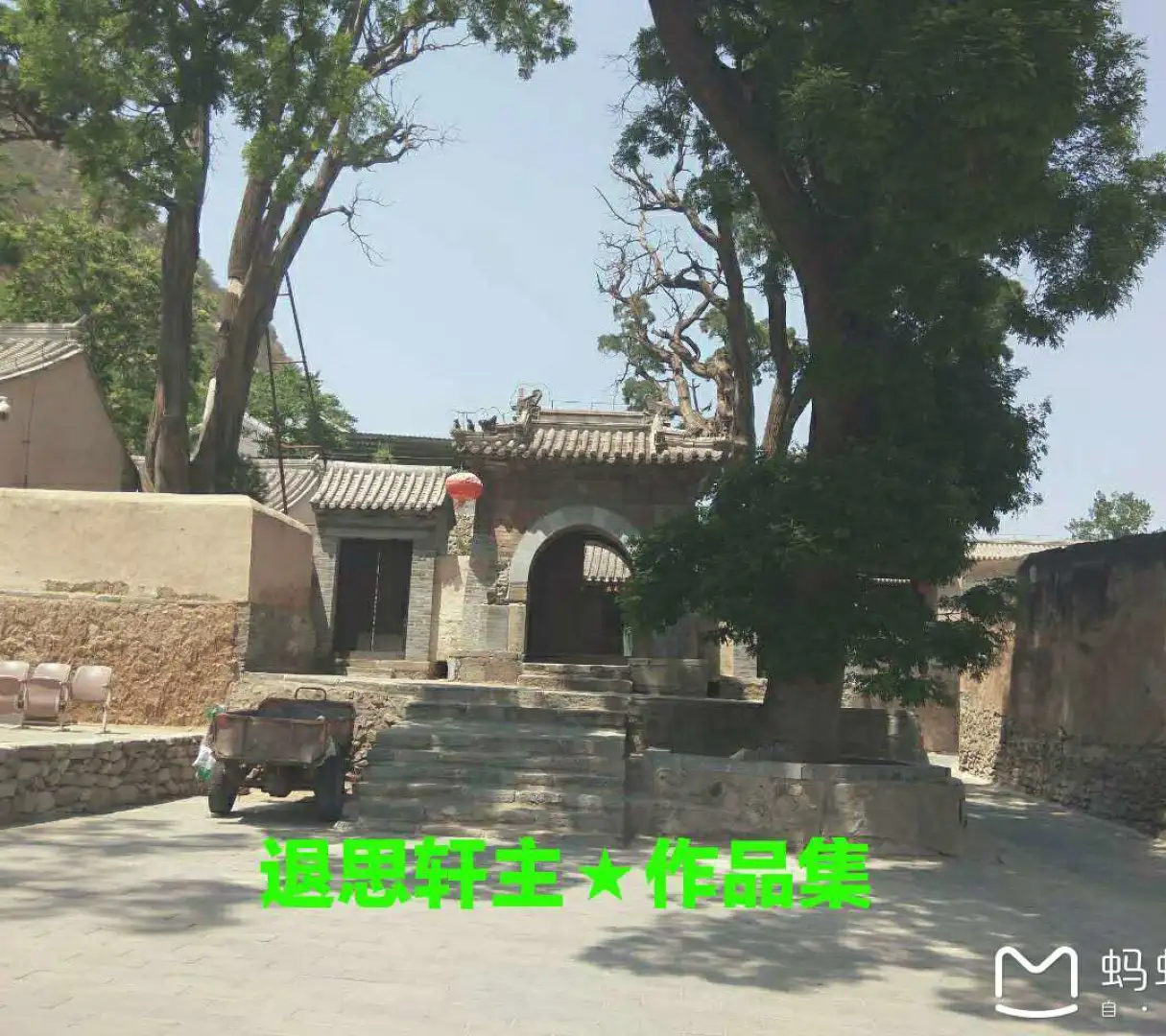
According to records, the village has produced a total of 22 juren and 2 jinshi (including Liu Zengguang and Liu Maoheng) in its history. In the early years of the Republic of China (1912–1949), another 6 villagers graduated from Yenching University.
The Liu family, the village's dominant clan, produced 5 juren from a single lineage. The Liu juren courtyard house is still preserved in the village today. The Liu and Tan families are the main surnames in Lingshui, and the Liu clan has already flourished here for 27 generations.
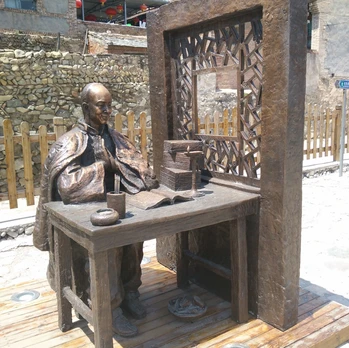
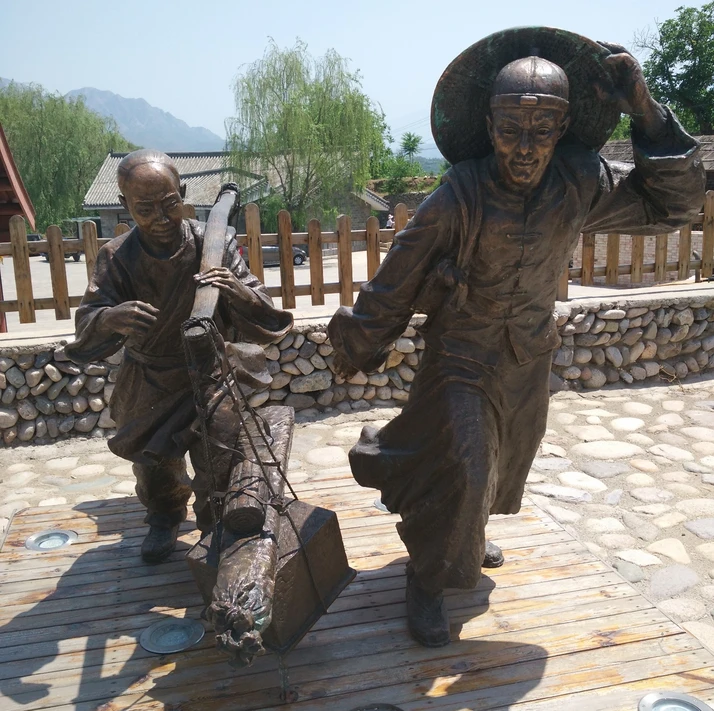
As you step into Lingshui Village's Cultural Square, the sculptures seem to transport you back to a bygone era. "At the beginning of life, human nature is good. Natures are similar, but habits diverge..." — the childish recitation of the Three Character Classic seems to echo softly across the centuries, lingering in your ears.
[Link: Ming and Qing dynasty architecture in Beijing]
Courtyard Houses: A Model of Northern Rural Dwellings
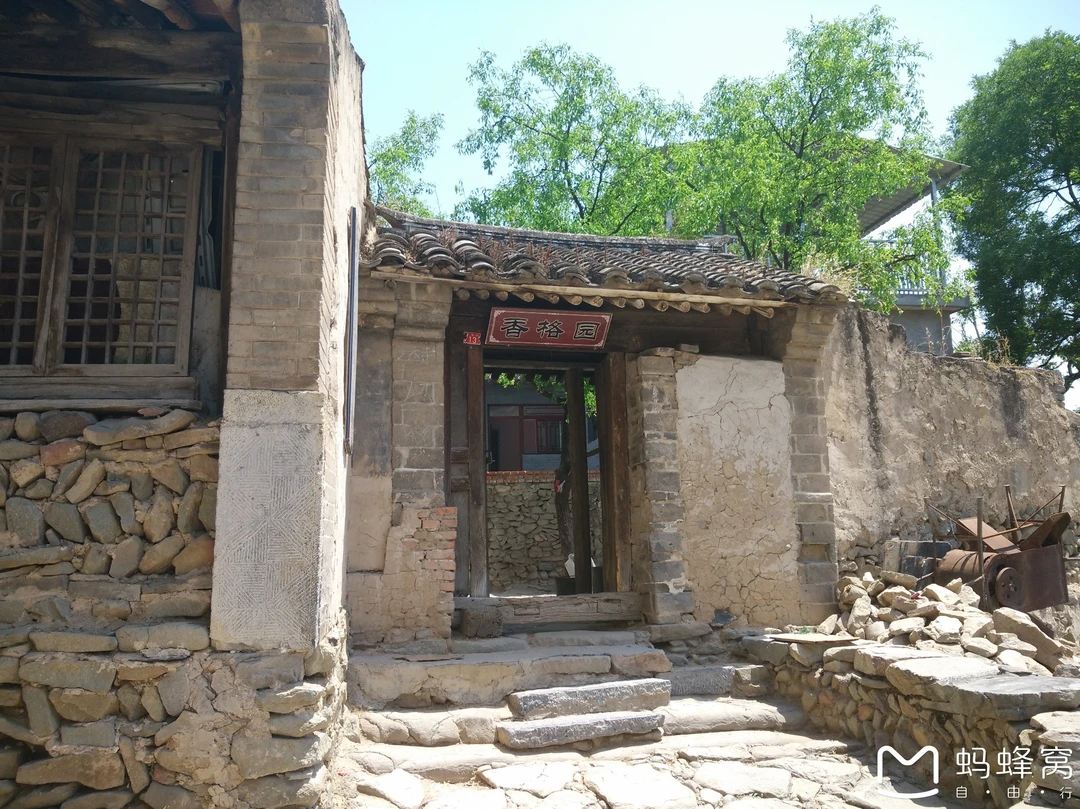
Lingshui Village still retains over a hundred old courtyard houses (siheyuan) from the Ming and Qing Dynasties. During the Japanese invasion of China, many ancient homes were burned down, leaving only ruins. But the surviving courtyard houses are built with strict adherence to traditional architectural principles. Among them, several five-courtyard compounds, complete with rear gardens and Buddhist shrines, are grand in scale and fully embody the lifestyle of feudal scholar-officials.
Experts have called Lingshui's ancient residences "a model of rural residential architecture in northern China during the Ming and Qing Dynasties." The residential clusters here are laid out with complete integrity, clear hierarchy, and well-defined order. As you walk up the ancient stone paths, you can feel the cultural characteristics of different historical periods.
Architectural Highlights You Shouldn't Miss
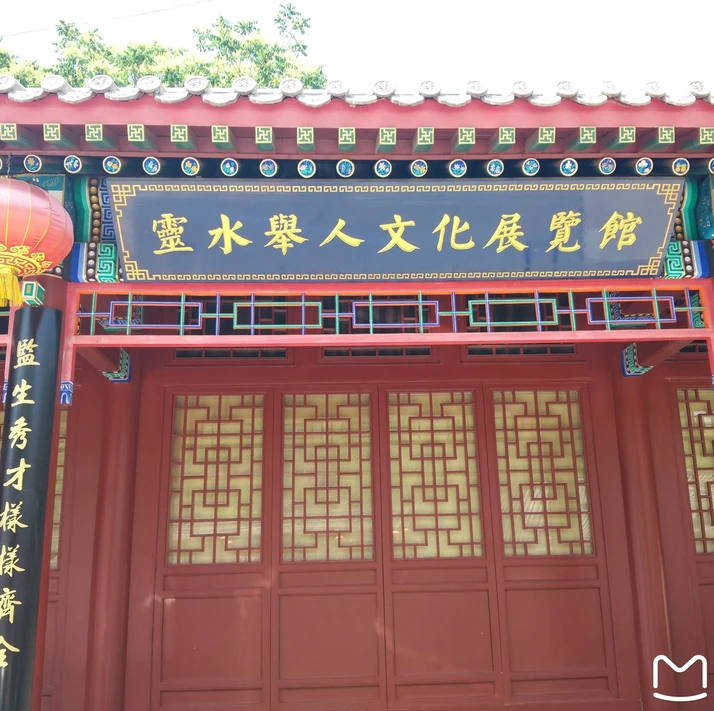
- Five-courtyard compounds – Rare in mountainous regions, these expansive homes include rear gardens and Buddhist shrines
- Stone paths – Ancient walkways that have witnessed centuries of footsteps
- Spirit walls (zhaobi) – Decorative screens at entrances, symbolizing protection and status
- Original wood carvings and brickwork – Intricate details that showcase Ming-Qing craftsmanship
Glimpses of the Juren: Entering the Liu Family Courtyard
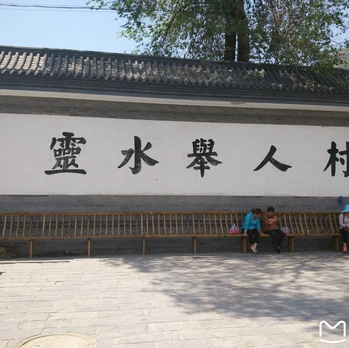
Although there are many juren courtyards in the village, very few are actually open to the public. Currently, the only one accessible is the Liu Family Courtyard.
Liu Zengguang's Courtyard
Liu Zengguang, courtesy name Xinzai, passed the provincial examination during the Guangxu reign of the Qing Dynasty (1875–1908) and entered officialdom. He served as magistrate of Zuoyun and Jingle counties in Shanxi Province, prefect of Jizhou, and a prefectural-level reserve official. In his later years, he retired to his hometown and opened the Demaotang (Hall of Flourishing Virtue) business. His courtyard features a spirit wall (zhaobi) in front of the main gate and a mountain-shaped spirit wall inside. The compound has three sections: the living quarters, the study, the Demaotang, and a rear garden.
The "Sanyuan Tang" Courtyard (Tan Tianyuan)
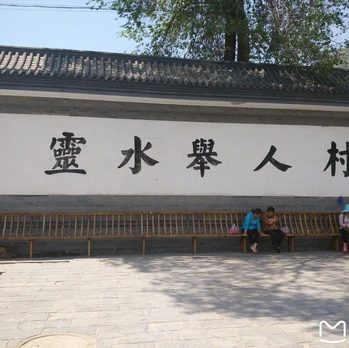
The "Sanyuan Tang" (Three Origins Hall) courtyard belonged to Tan Tianyuan. A graduate of Yenching University, he served as the head of District Eight. During the Battle of Zhujiashan (a conflict against the Japanese), he was appointed magistrate of Wanping County by General Wei Lihuang, making significant contributions to the resistance against the Japanese invaders.
Tan Tianyuan placed great emphasis on education. In 1920, while serving as district head, he founded Qingshui Primary School in Xiaqingshui, even including foreign language courses in the curriculum. Leveraging his exceptional abilities and extensive social connections, he established the Sanyuan Tang commercial firm and actively raised funds to purchase teaching equipment for the school, ensuring its smooth operation. Tan Tianyuan's courtyard is well-preserved and exemplifies the classic style of Qing Dynasty residential architecture.
Liu Maoheng's Courtyard: A Rare Five-Courtyard Compound
Liu Maoheng's courtyard was originally the mansion of Liu Zengkun, a wealthy gentry member of the Ming Dynasty. It is a rare five-courtyard compound in this mountainous region. After Liu Maoheng passed the provincial examination and became an official, serving as prefect of Shanxi, he purchased the property and renovated it. This residence pursued a "capital city flavor," with five north-south aligned courtyard houses connected in a row, totaling over 90 rooms. The main gate and rear gate of each courtyard are positioned to create a sense of depth and grandeur.
[Link: Traditional Chinese courtyard architecture]
FAQ: Everything You Need to Know About Lingshui Village
1. How long does it take to explore Lingshui Village?
Most visitors spend 2–3 hours exploring the main attractions, including the Liu Family Courtyard, Wenchang Pavilion, and the ancient stone paths. If you plan to visit the Lingquan Chan Temple and enjoy a leisurely meal at a local farmhouse restaurant, allocate half a day.
2. Is Lingshui Village suitable for family trips with children?
Absolutely! The village is pedestrian-friendly, and children will enjoy the open courtyards, sculptures in the Cultural Square, and the chance to see traditional rural life. The recitation of the Three Character Classic in the square is especially engaging for young visitors.
3. What is the best time of year to visit?
Spring (April–May) and autumn (September–October) offer the most pleasant weather for walking. Summer can be hot but the mountain location provides some relief. Winter visits are possible but many outdoor areas are cold; however, the empty courtyards have a serene, timeless quality.
4. Are there restaurants or places to eat in the village?
Yes, several farmhouse restaurants (nongjiale) serve local Mentougou specialties, including millet porridge, wild vegetables, and handmade noodles. Most are located near the village entrance and along the main walking paths.
5. Can I stay overnight in Lingshui Village?
While there are no large hotels, some guesthouses and homestays are available in the village and nearby Zhaichang Town. Staying overnight allows you to experience the village in the early morning mist — a truly magical time.
Conclusion: Your Journey into the Depths of Time
Lingshui Village is more than a tourist destination; it is a living museum of Chinese scholarly culture, Ming-Qing architecture, and rural resilience. Every stone path, every juren courtyard, and every ancient tree whispers stories of ambition, education, and tradition.
Whether you come to count the juren plaques, photograph the courtyard houses, or simply breathe the mountain air, Lingshui will reward you with a profound connection to the past. As Bai Juyi wrote, "Day by day, my heart turns to the mountains." Let your heart turn to Lingshui.
Plan your visit today. Pack comfortable walking shoes, bring a camera, and prepare to step into a world where time stands still. Share your experience with fellow travelers — tag your photos with #LingshuiVillage and inspire others to discover this hidden gem in Beijing's Mentougou District.
[Link: More ancient villages in Beijing to explore]
Have you visited Lingshui Village? What was your favorite part? Leave a comment below and share your story!
You should also read:
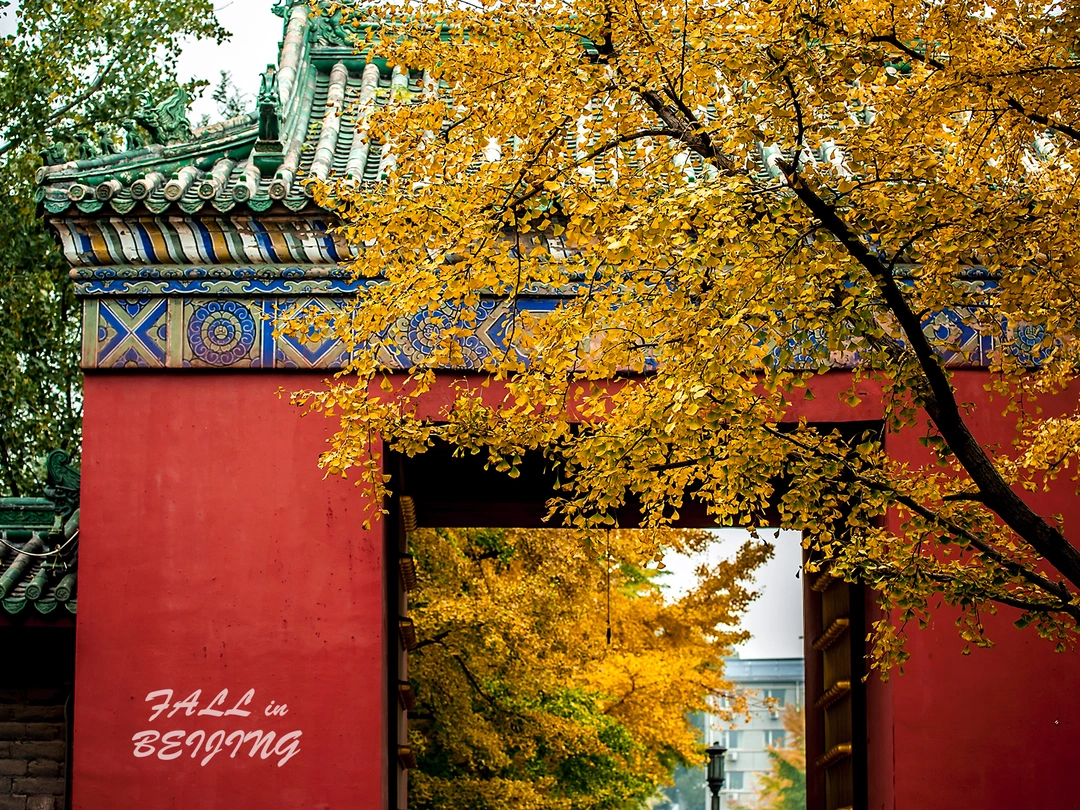
Living in Beijing: A Love Letter to Autumn – Why October Is the City's Best-Kept Secret
Meta Description: Discover why Beijing in autumn is pure magic. From golden ginkgo avenues to hidden hutong gems, this 2014 love letter captures the city's soul. Plan your fall visit now. There's a reason why old Beijing hands get misty-eyed when October rolls around. It's…
Continue reading...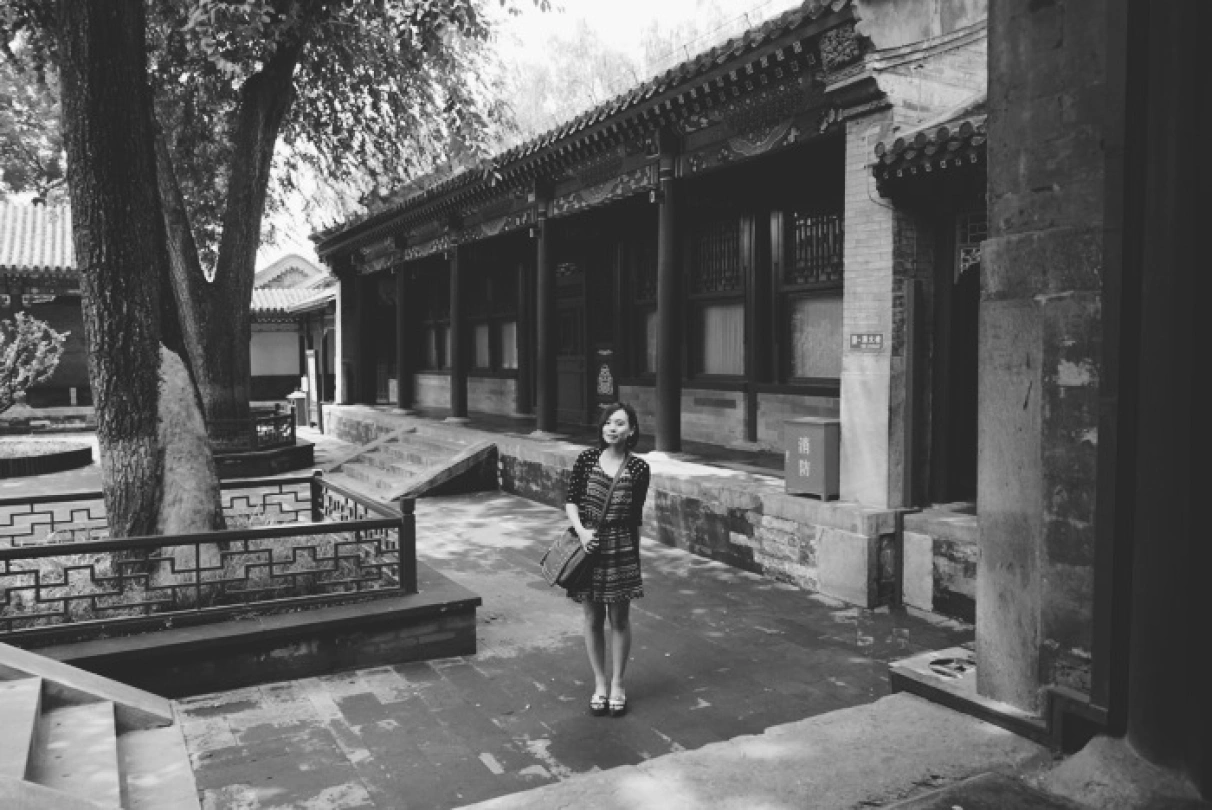
Solo in Beijing: Discovering Another Side of the Capital Amid Red Walls and Grey Tiles
Meta Description: Traveling solo in Beijing on a student budget? Discover hidden gems, practical tips for first-time solo travelers, and how to explore the capital's red walls and grey tiles without breaking the bank. When my friends asked why I chose to go to Beijing…
Continue reading...
A Love Letter to the Past: Take Me to See the Stars, Please
Here is the SEO-optimized rewrite of your article. It has been restructured for search visibility while preserving the emotional depth and narrative arc of the original piece. SEO Title: A Love Letter to the Past: Take Me to See the Stars & The Meteor Shower…
Continue reading...