In the Name of the Nation, Telling History | The Story of Chinese Civilization at the National Museum
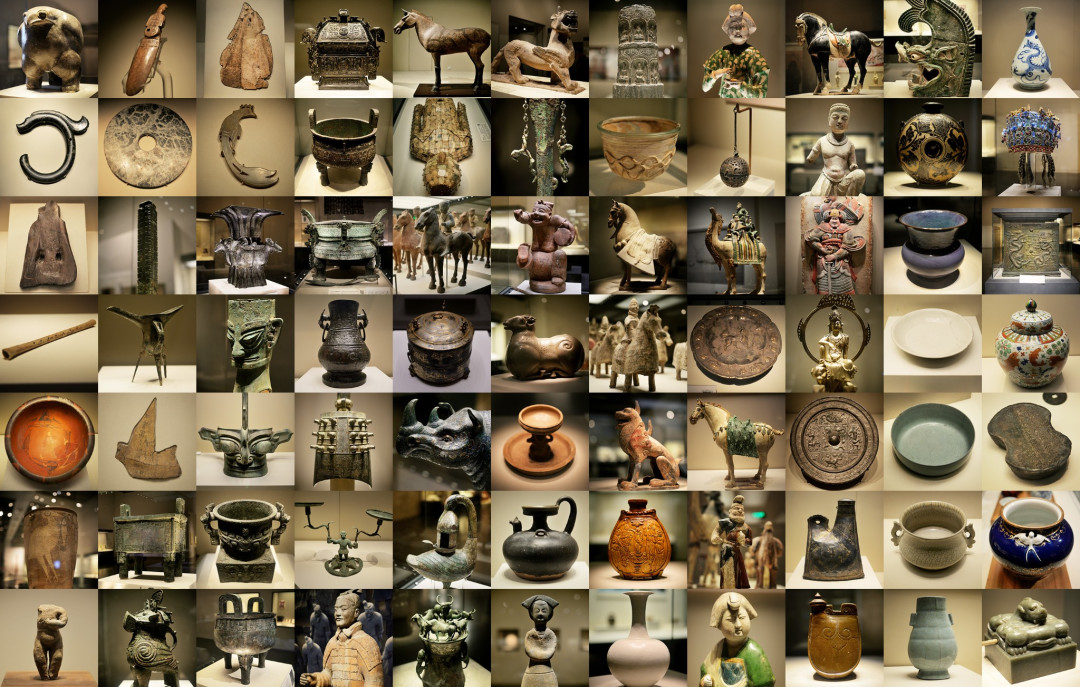
Meta Description: Explore the National Museum of China's Ancient China exhibition before its renovation. Discover 8,000-year-old artifacts, from Peking Man fire evidence to Neolithic pottery, in this SEO-optimized guide to Chinese civilization.
Introduction: Why the National Museum of China Holds Half of China’s History
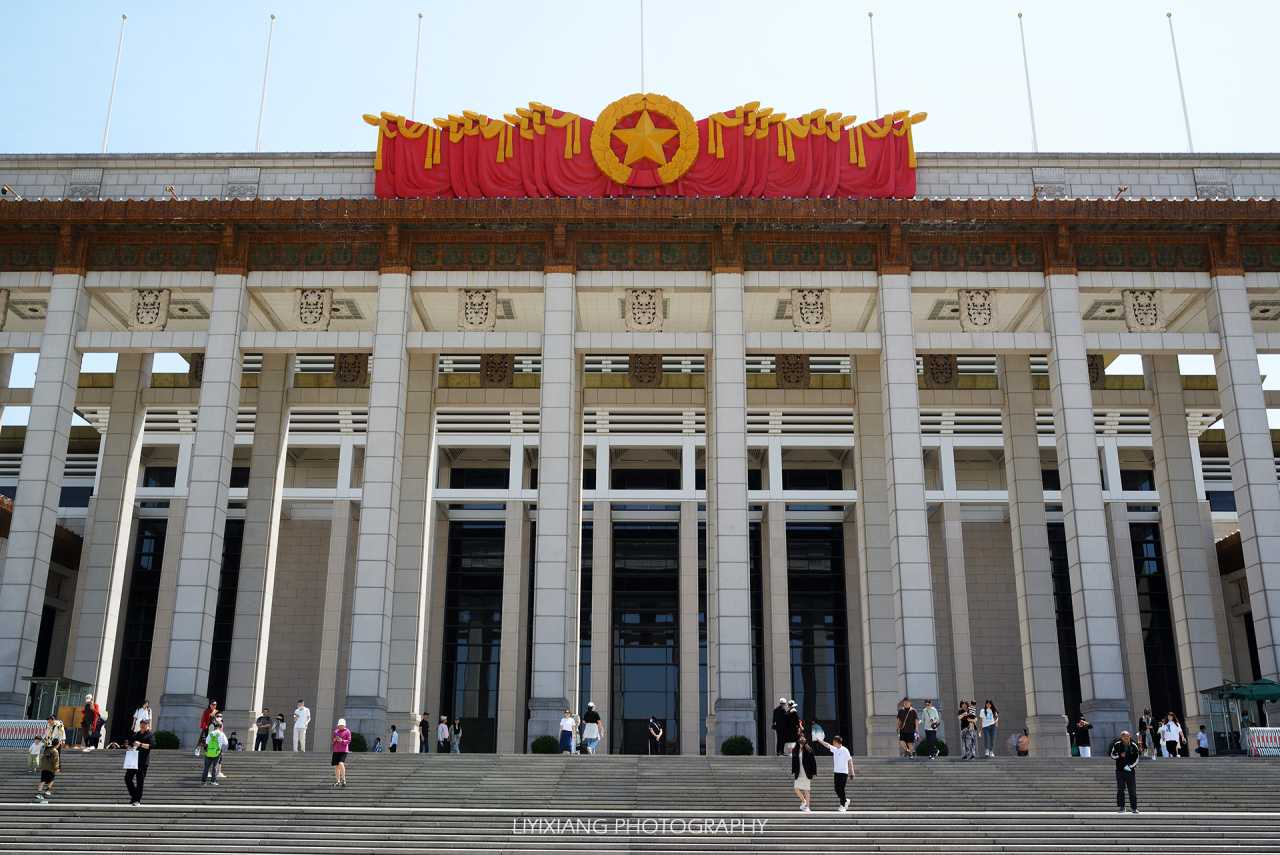
If history is a thick book, museums are its most vivid illustrations. To truly understand a city—or a civilization spanning five thousand years—the museum is the best place to begin. When you want to feel the pulse of Chinese civilization, the National Museum of China (NMC), standing majestically on the east side of Tiananmen Square in Beijing, is the irreplaceable answer.
Across China’s 9.6 million square kilometers, more than 7,000 museums hold over 100 million artifacts. These objects, carrying the breath and memories of ancestors, compose a stirring epic. And the National Museum is the core chapter of that epic. [Link: Best museums in Beijing for Chinese history]
The National Museum of China: From a Preparatory Office to a National Hall
A Century of Evolution
In 1912, the Republican government established a preparatory office for the National Historical Museum—the earliest prototype of today’s NMC. Over a century later, it has become the supreme hall for collecting, researching, and displaying representative evidence of Chinese culture.
After the founding of New China, the government built the Chinese Revolution Museum and the Chinese History Museum on the east side of Tiananmen Square. In February 2003, these two museums merged to formally establish the National Museum of China. In 2012, after extensive renovation and expansion, the museum reopened with a brand-new look.
What Makes the National Museum Unique?
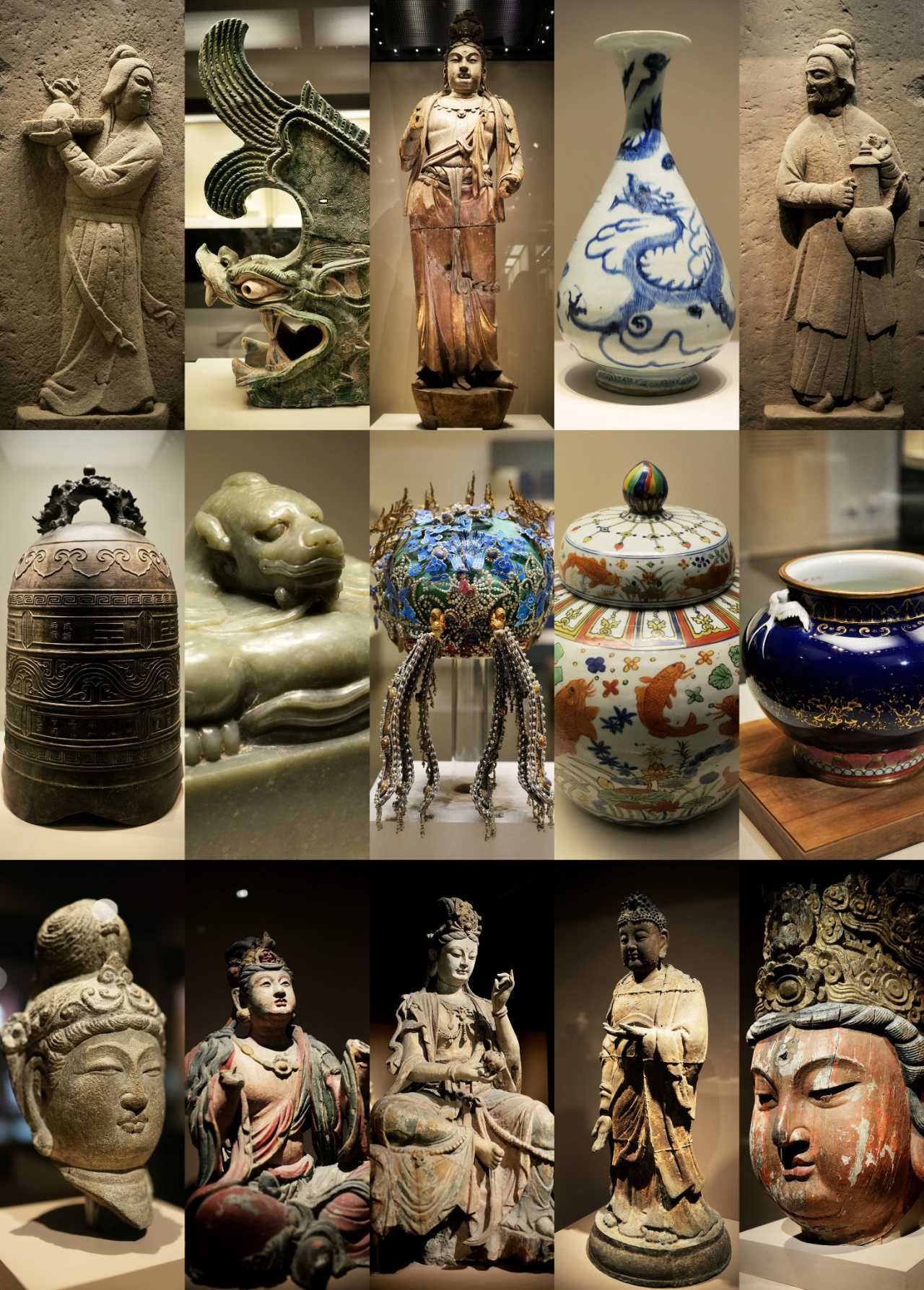
Today, the NMC holds over 1.43 million artifacts—a scale that is breathtaking. The museum features three permanent exhibitions: - Ancient China (basement level) - The Road to Rejuvenation - The Road to Rejuvenation: The New Era
Additionally, thematic exhibitions include Ancient Chinese Buddhist Sculptures, Ancient Chinese Jade Art, and Ancient Chinese Porcelain. Among these, the most central and captivating is the Ancient China exhibition. [Link: Top 10 must-see artifacts at National Museum of China]
Is Ancient China Closing? Don’t Miss Your Last Chance to See It
Renovation Rumors and a 120 Million Yuan Upgrade
If you haven’t visited the Ancient China exhibition at the National Museum, now might be your last opportunity. Since the second half of last year, rumors have circulated that this exhibition will undergo a major renovation and upgrade, with a budget as high as 120 million yuan (approximately $16.5 million USD). Although the exact start date has not been announced, official bidding documents confirm that the closure and renovation are a done deal.
What This Means for Visitors

This means that more than 2,000 national treasures—objects representing the essence of Chinese civilization—will be temporarily out of public view for at least a year or more. However, this is also an upgrade worth looking forward to: the future exhibition hall, both in hardware and software, will undergo a qualitative leap.
Before it closes, let us walk through Ancient China one last time. Following the river of time, from ancient times to the Ming and Qing dynasties, we experience this history of Chinese civilization written in artifacts. [Link: National Museum of China visiting hours and tickets]
The Ancient Period: From Sparks of Fire to the Spark of Civilization
The Paleolithic Age: Memories of Fire
The first section of Ancient China is the ancient period, divided into the Paleolithic and Neolithic ages.
Entering the exhibition hall, the first artifacts you see are seemingly insignificant: ash, burnt bones, and burnt stones. They were unearthed at Location 1 in Zhoukoudian, Fangshan District, Beijing, dating back between 2 million and 200,000 years ago. Today, using fire seems ordinary, but in ancient times, mastering fire allowed humans to leave behind a life of eating raw meat and drinking blood.
Since the 1930s, archaeologists have gradually discovered large amounts of evidence of fire use at the Peking Man site. These ashes and burnt bones show that Peking Man had already mastered the ability to manage fire. They likely used natural fire caused by lightning or organic decomposition to light campfires at cave entrances or inside caves, continuously adding fuel to keep flames alive.
The Late Paleolithic: Art and Religion Emerge
Walking further, you will see two decorative beads and a piece of hematite from the late Paleolithic period (about 50,000 to 10,000 years ago). They were unearthed in 1972 at Hutouliang, Yangyuan County, Hebei Province. During this period, human physique and intelligence had approached modern levels, and consciousness, religion, and art began to emerge.
Those perforated shells, flat beads made from ostrich eggshells, and bone beads made from bird bones might have been ornaments for ancient humans. The discovery of hematite powder reveals primitive religious beliefs—sprinkling bright red hematite powder around the deceased, symbolizing blood, embodied the hope that the dead would be resurrected in another world.
The Neolithic Age: Agriculture, Pottery, and the Sprouts of Art
Around ten thousand years ago, the Yellow River and Yangtze River basins entered the Neolithic Age. People learned to grind stone tools, make pottery, invent agriculture and animal husbandry, and formed distinctive regional cultures.
The Peiligang Culture: 8,000-Year-Old Farming Tools
A stone sickle unearthed at Shuiquan, Jia County, Henan Province, belongs to the Peiligang culture (circa 6100–5000 BCE). This sickle is arched and elongated, with fine serrations on the blade edge, a raised back end with a small notch for tying a rope to attach a wooden handle. After restoration, it is strikingly similar to the iron sickles still used in rural China today—the wisdom of over eight thousand years ago continues to endure.
The Jiahu Bone Flutes: The World’s Oldest Playable Instruments
Even more astonishing are the bone flutes unearthed in 1987 at the Jiahu site in Wuyang, Henan Province. Made from the ulna bones of red-crowned cranes, these flutes date back more than 8,000 years and come in five-hole, six-hole, seven-hole, and eight-hole varieties. Musicians from the Central National Orchestra have played these bone flutes to produce melodies—imagine that ethereal sound traveling through time, how stirring it must be! [Link: Ancient Chinese musical instruments at National Museum]
The Yangshao Culture: The Peak of Painted Pottery and Belief
The Yangshao culture (circa 5000–3000 BCE) represents the middle Neolithic period in China, with its core area in the Guanzhong region of Shaanxi, Henan, southern Shanxi, and southern Hebei. During this period, art and belief began to merge deeply.
The Eagle-Shaped Pottery Ding: A Masterpiece of Form and Function
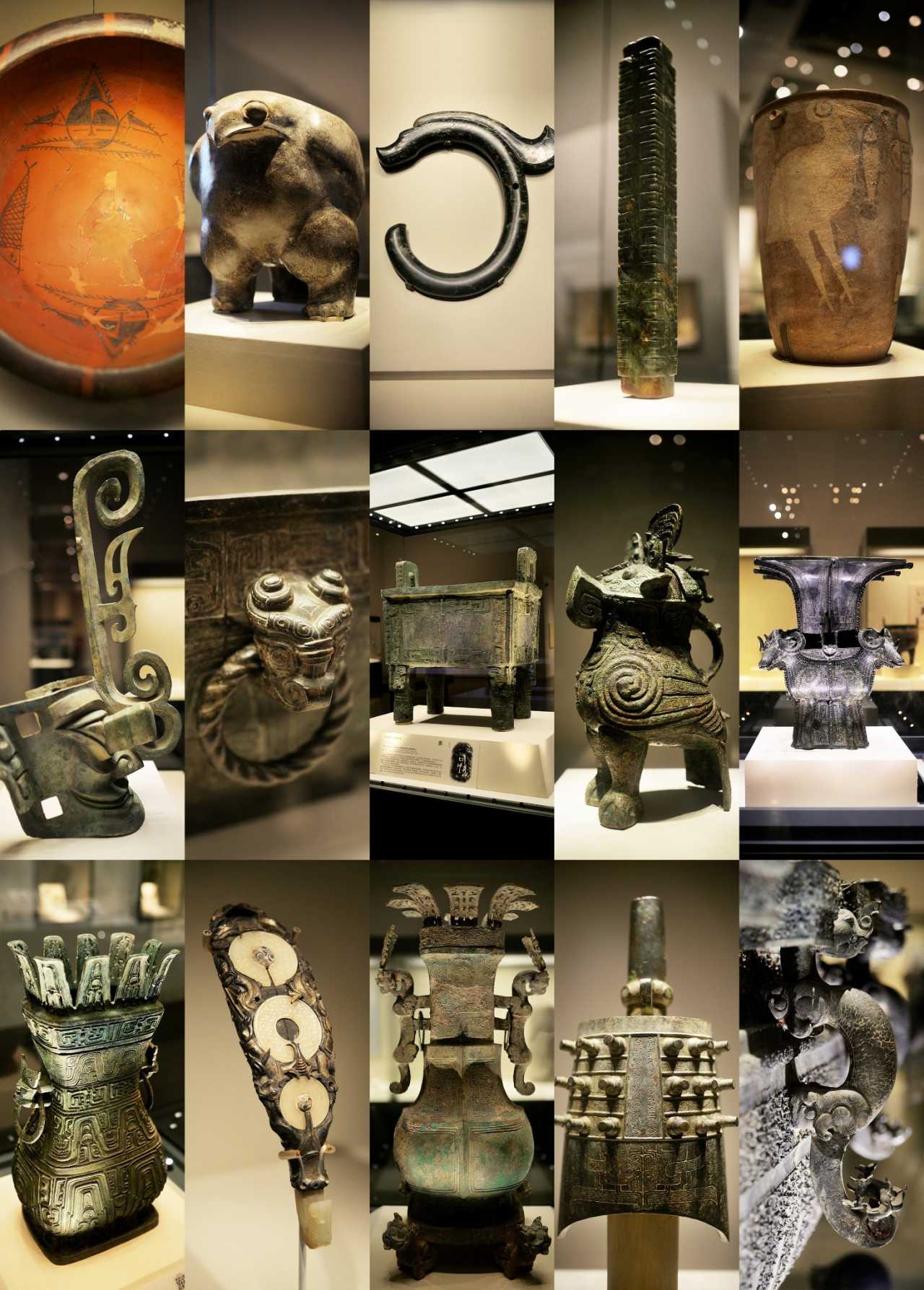
An eagle-shaped pottery ding (tripod) unearthed in 1958 at Taipingzhuang, Hua County, Shaanxi Province, is a masterpiece that perfectly combines artistry and functionality. It depicts a standing giant eagle, hollow inside, with an opening on its back serving as the vessel mouth. The eagle's legs form the tripod's feet, and its tail hangs down to touch the ground, cleverly creating a three-legged stand.
Look closely, and you'll see large eyes emphasizing the eagle's intense gaze on its prey, while the bulging muscles across its body convey the bird's strength and power. This eagle-shaped ding was a ritual vessel used for offerings to the gods—a characteristic of ancient Chinese religion was the use of animals to communicate with the divine. This tradition continued into the Shang and Zhou dynasties, as seen in the bronze owl-shaped zun (wine vessel) from the tomb of Fu Hao at Yinxu in Anyang, Henan, which follows the same lineage.
The Crane, Fish, and Stone Axe Painted Pottery Jar
Another unforgettable artifact is the painted pottery jar with a crane, fish, and stone axe design, unearthed in 1978 at Yancun, Linru, Henan Province. This jar, 47 centimeters tall, features a painted scene on its outer surface that has sparked scholarly debate for decades. The design depicts a crane holding a fish in its beak, standing beside a stone axe—possibly representing a clan emblem or a mythological narrative. [Link: Neolithic art in China: symbols and meanings]
Frequently Asked Questions (FAQ)
1. When will the Ancient China exhibition close for renovation?
The exact closure date has not been officially announced, but official bidding documents confirm that renovation is planned. The budget is 120 million yuan, and the exhibition is expected to be closed for at least one year. Visit as soon as possible to see the current layout.
2. What are the must-see artifacts in the Ancient China exhibition?
Key artifacts include: - Peking Man fire evidence (ashes and burnt bones from Zhoukoudian) - Jiahu bone flutes (8,000-year-old playable instruments) - Eagle-shaped pottery ding (Yangshao culture ritual vessel) - Painted pottery jar with crane, fish, and stone axe design
3. How many artifacts does the National Museum of China hold?
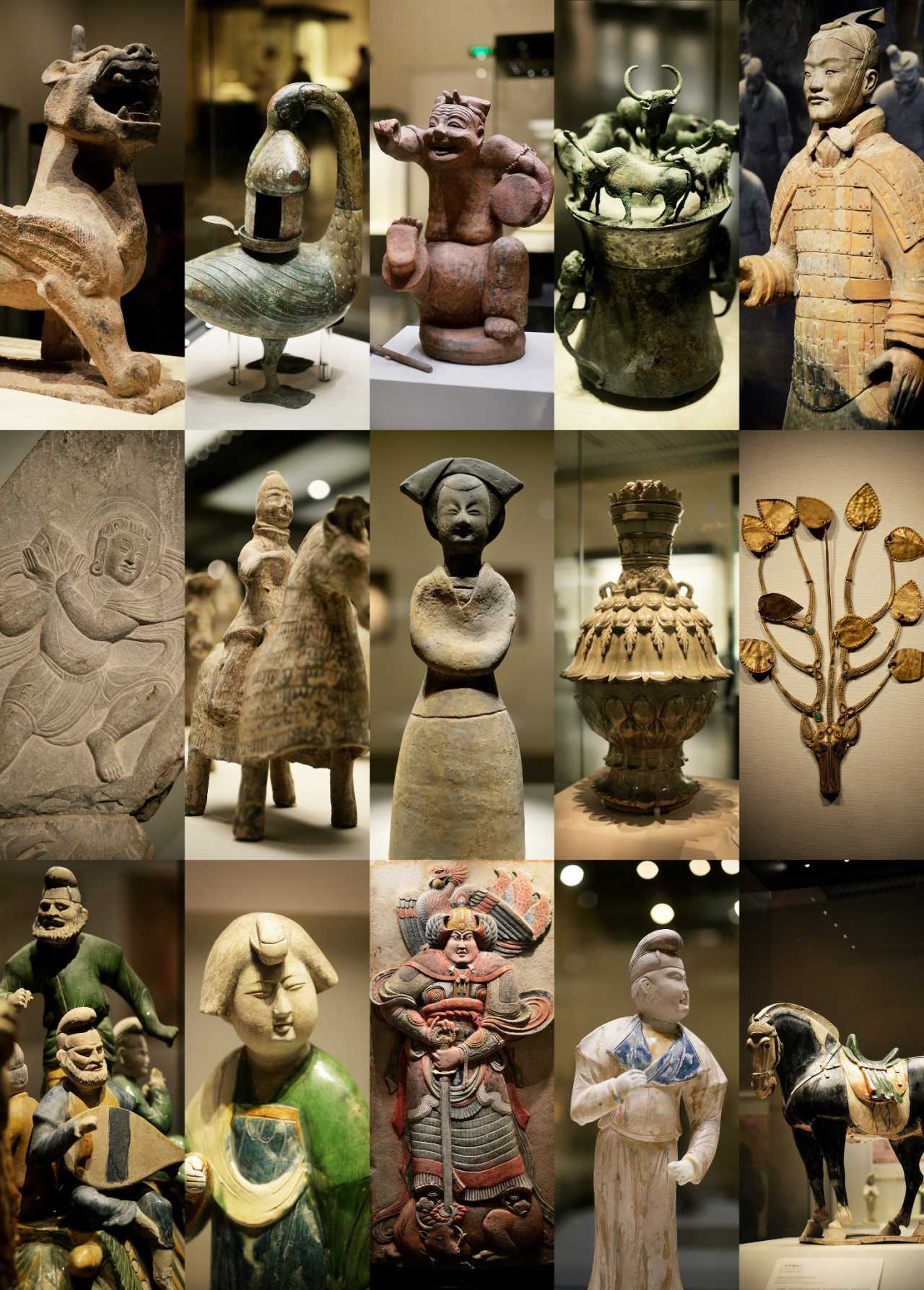
The NMC holds over 1.43 million artifacts, making it one of the largest museums in the world by collection size.
4. Can I still visit the Ancient China exhibition today?
Yes, the exhibition is currently open to the public. However, due to the upcoming renovation, it is recommended to check the official NMC website for the latest visiting hours and ticket availability.
5. What other exhibitions are worth seeing at the National Museum?
Besides Ancient China, the museum features: - The Road to Rejuvenation (modern Chinese history) - The Road to Rejuvenation: The New Era (contemporary China) - Ancient Chinese Buddhist Sculptures - Ancient Chinese Jade Art - Ancient Chinese Porcelain
Conclusion: Your Last Chance to Walk Through 8,000 Years of History
The National Museum of China’s Ancient China exhibition is more than a museum display—it is a time machine that transports you through eight millennia of human achievement. From the first sparks of fire at Zhoukoudian to the exquisite painted pottery of the Yangshao culture, every artifact tells a story of innovation, belief, and resilience.
But time is running out. With a 120 million yuan renovation looming, the current layout of Ancient China will soon be transformed. This is your last opportunity to see these 2,000 national treasures in their original arrangement—before they disappear from public view for at least a year.
Don’t wait. Plan your visit to the National Museum of China today. Book your tickets, clear your schedule, and prepare to witness the story of Chinese civilization as it has never been told before.
[CTA: Check the National Museum of China’s official website for current opening hours and book your tickets now.]
Internal Linking Suggestions: - [Link: Best time to visit National Museum of China] - [Link: Top 10 museums in Beijing for Chinese history] - [Link: How to get to Tiananmen Square and NMC] - [Link: Ancient Chinese bronze artifacts at NMC] - [Link: Yinxu and Fu Hao’s tomb artifacts]
You should also read:
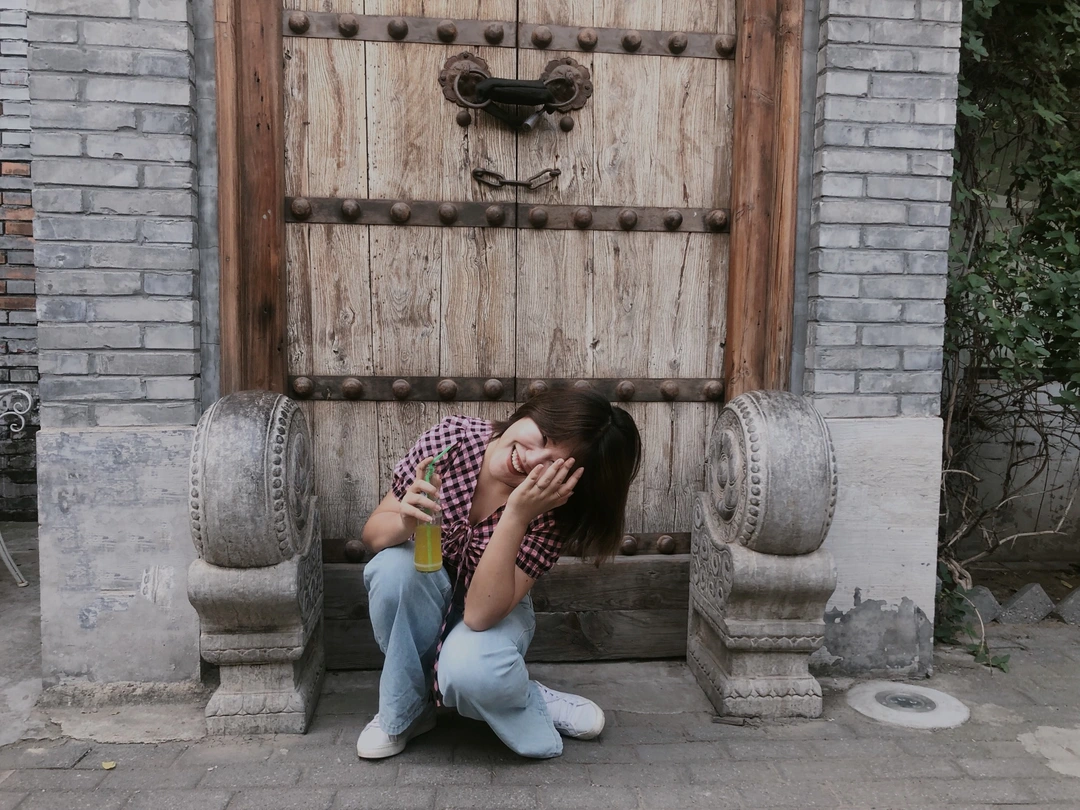
Seven Days of National Day: My Time as a "Private Tour Guide" in Beijing
Here is the SEO-optimized, rewritten article based on your source content. It has been expanded to approximately 1500 words, structured for search engines, and formatted in markdown. SEO Title: 7 Days in Beijing During National Day: The Ultimate "Private Tour Guide" Itinerary (Budget & Tips)…
Continue reading...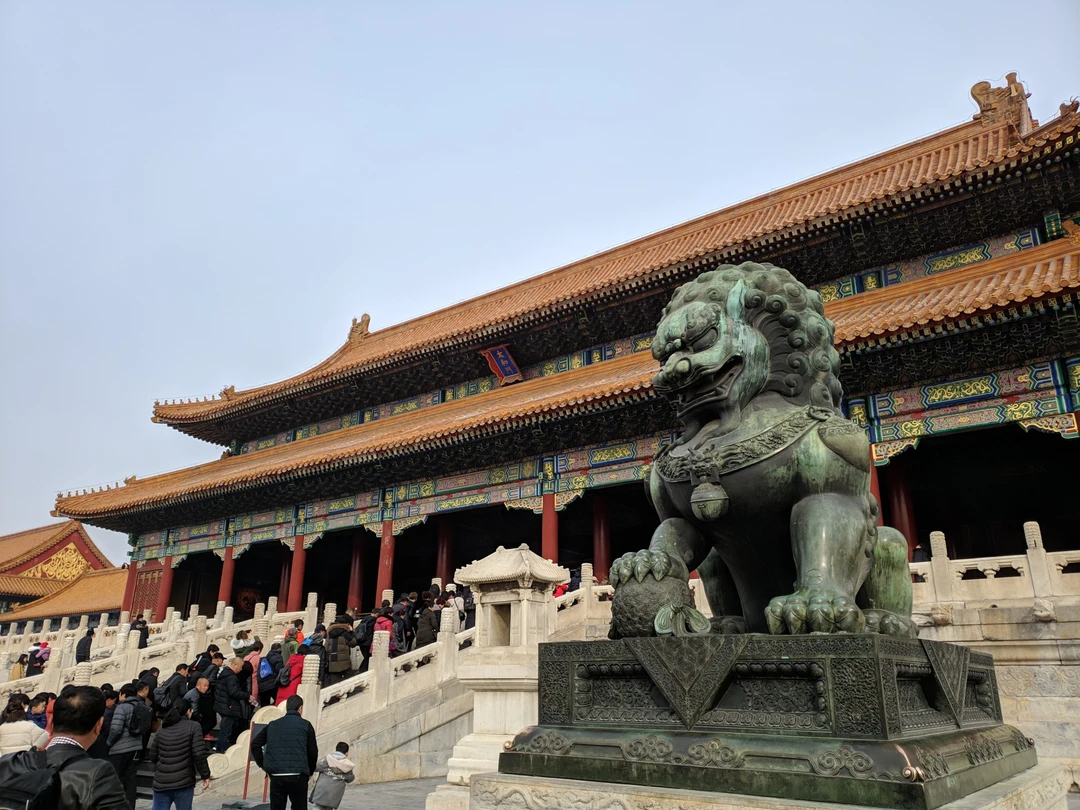
Revisiting Beijing: A Museum-Hopping Journey Through the Capital – An SEO-Optimized Guide
Meta Description: Explore Beijing through its world-class museums! From the Forbidden City to the National Museum, discover a curated 4-day itinerary for museum lovers. Plan your cultural adventure today. There's something magnetic about Beijing. Whether it's the ancient aura lingering in the air, the quiet…
Continue reading...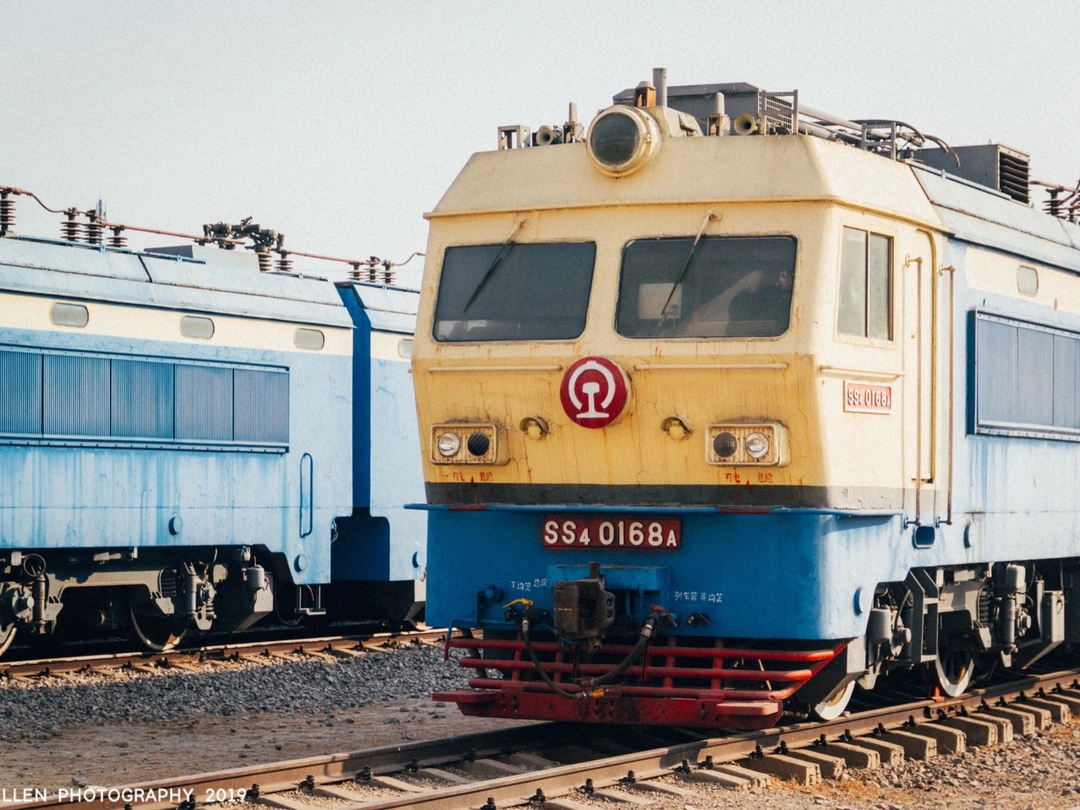
Beijing’s Hidden Gem: The Ultimate Guide to the China Railway Museum Eastern Suburb Branch for Family Fun & Vintage Vibes
Meta Description: Discover Beijing’s secret railway museum in Chaoyang District! Perfect for family weekends, train enthusiasts, and photographers. Free outdoor tracks, vintage locomotives, and 20 RMB admission. Your complete guide inside. Looking for a weekend escape in Beijing that checks every box—kid-friendly, photo-worthy, educational, and…
Continue reading...