Industrial Ruins on the Outskirts of Beijing: A Once-Glorious Pride, Now a Silent Witness
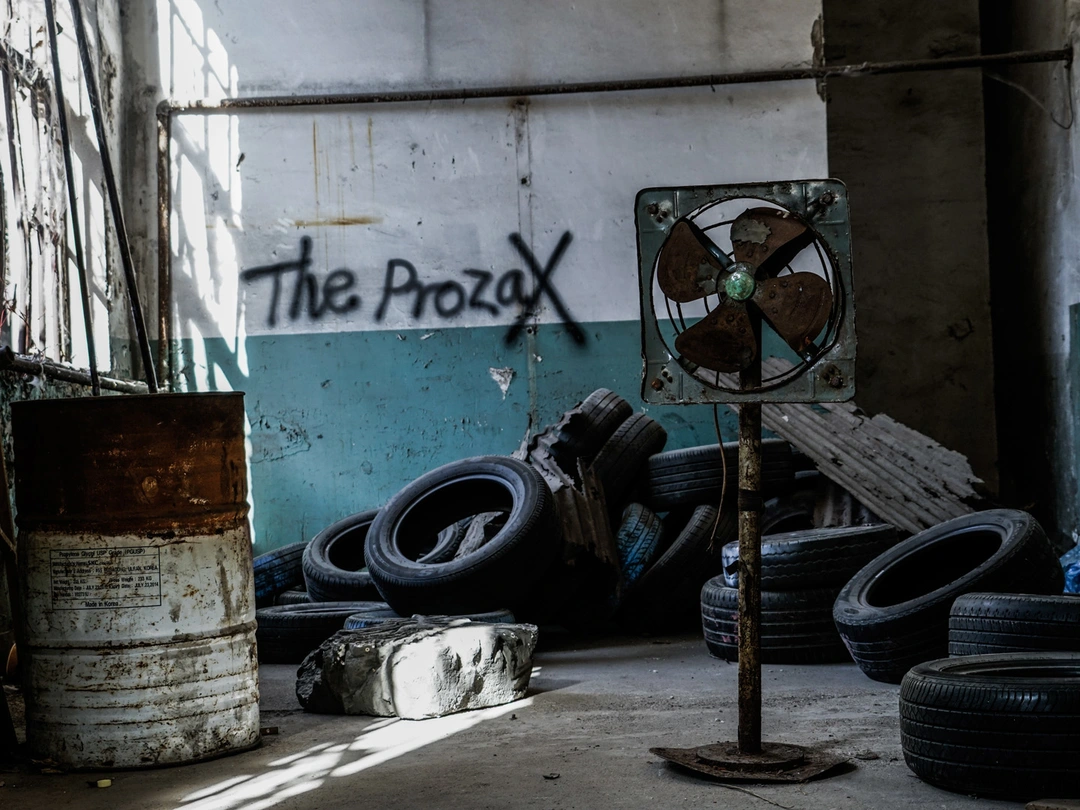
Here is the SEO-optimized rewrite of the article, structured for high search engine visibility while maintaining the original narrative and emotional depth.
SEO Title: Exploring Beijing Industrial Ruins: A Guide to the Forgotten Glass & Thermos Factories
Meta Description: Discover the haunting beauty of Beijing industrial ruins. Explore the abandoned Beijing Glass Factory and Deer Brand Thermos factory. A guide to urban exploration in Changping District.
Exploring Beijing Industrial Ruins: A Guide to the Forgotten Glass & Thermos Factories
I’ve never considered myself a particularly curious person. To be honest, that’s probably just a polite excuse for my laziness. Rather than trekking across mountains to explore the unknown, I’d much rather curl up on the sofa and let the hours slip by. But as the festive atmosphere of Chinese New Year fades each year—and with relatives asking those warm yet cringe-inducing questions about marriage—I suddenly realized I desperately needed an escape.
That’s when my friend called: "Come on, let’s go exploring."
Those two words, even for someone like me, felt like a pebble dropped into stagnant water. So, I agreed. This is my story of urban exploration in Beijing, visiting the industrial ruins on the outskirts of Beijing.
Destination: A Forgotten Factory in Changping
Our destination was Changping District, about 50 kilometers from central Beijing. During the Spring Festival holiday, traffic was unusually smooth. That stretch of road, which normally takes an hour or two, took us only half an hour.

Before us stood a factory abandoned for years. It was once the Beijing Glass Factory—a proud industrial emblem of the city. It was one of Beijing's top 100 key enterprises, a state-owned large-scale Type II company, and among the top 500 building material enterprises nationwide. It represented the "A-side" of the city: prosperity, vitality, and hope.
Yet, the brighter the former glory, the more glaring the current desolation. It had become the city's "B-side"—unmentioned, unnoticed, like a forgotten chess piece left in a corner. These abandoned factories in Beijing are silent witnesses to a bygone era.
Looking Up: A Crumbling Roof and the Unchanging Sky
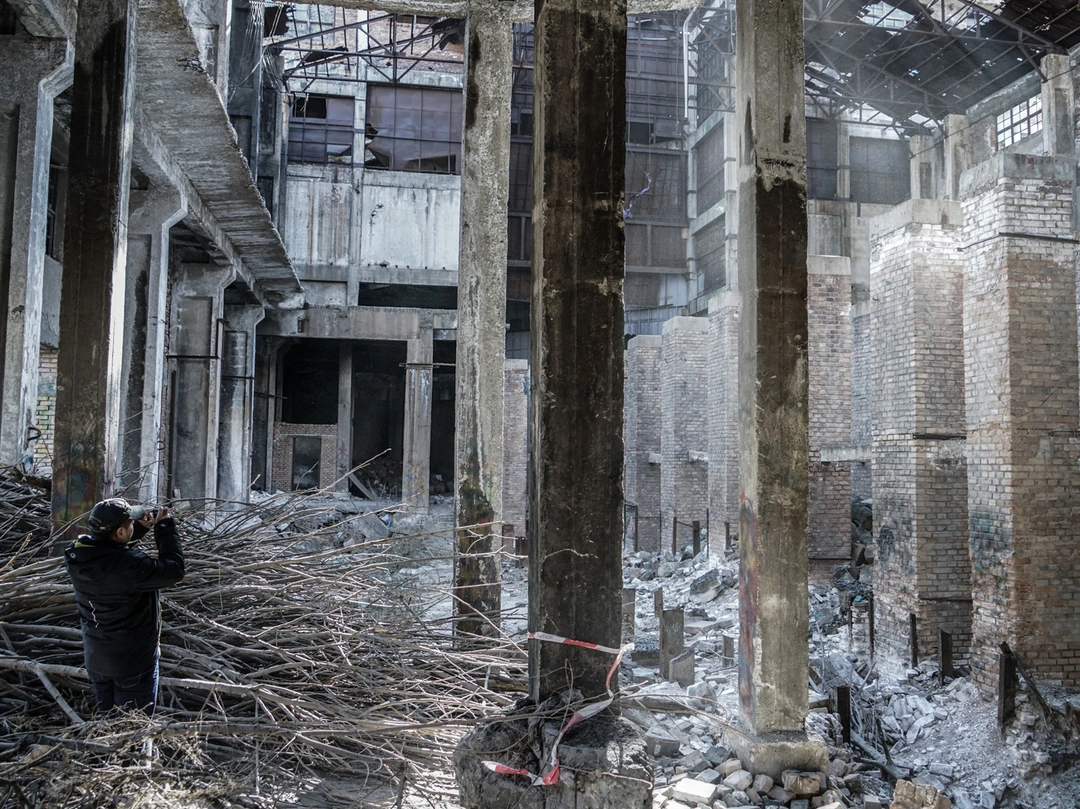
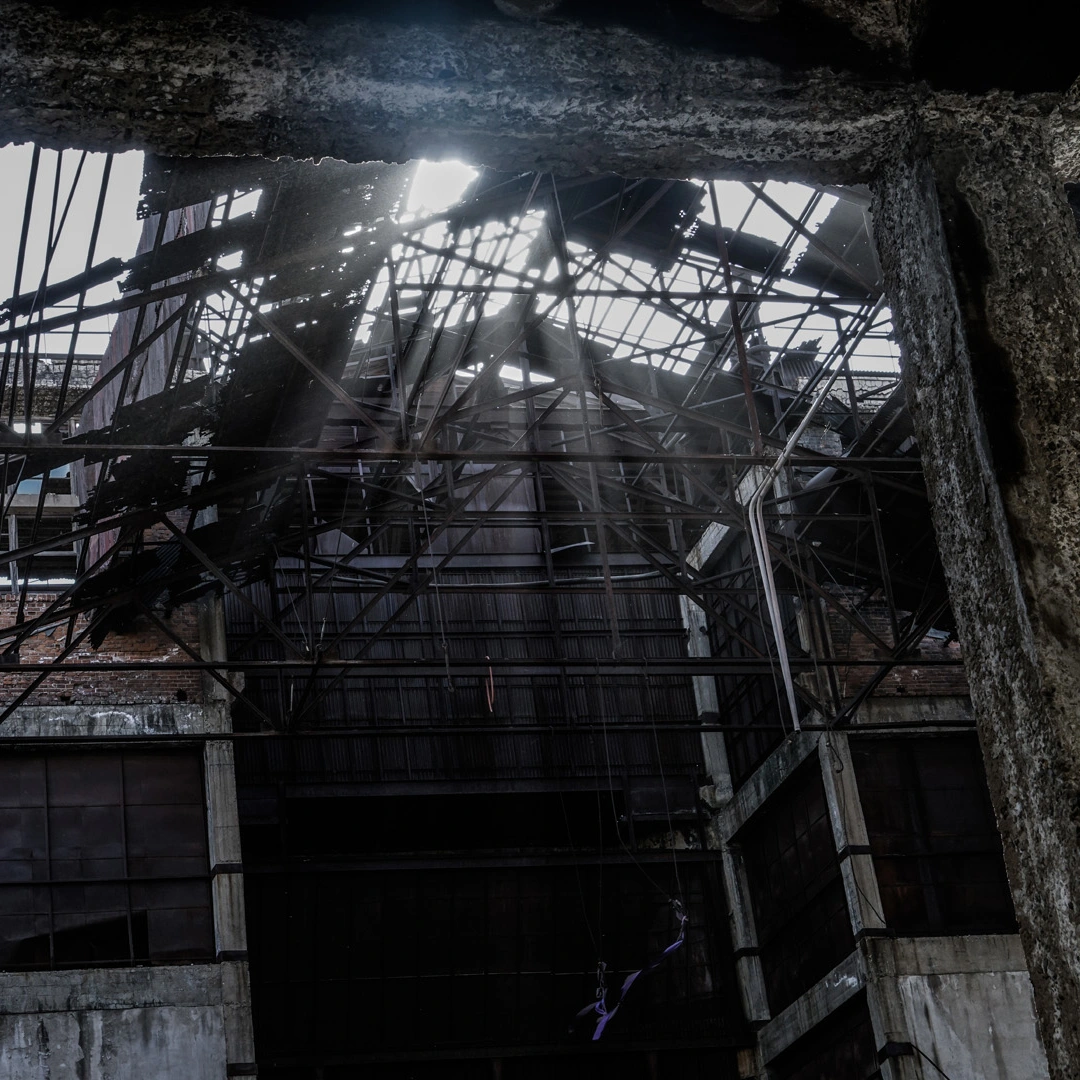
Stepping inside, the first thing that caught my eye were the towering workshops. The roofs were riddled with holes, but through those broken steel beams, I could still imagine their once-majestic form. Sunlight streamed through the cracks, casting dappled shadows on the ground. The blue sky remained the same as decades ago, but the land beneath it had changed beyond recognition.
Inside, only wild grass swaying in the wind and burnt remnants of garbage kept the place company. They were like the last grave keepers, silently witnessing the passage of time.
Through a broken window, I glimpsed an era. In that beautiful time, workers toiled with fervor, machines hummed, and the roaring sounds were the soundtrack of the age. It was kind, simple, and warm. But so much has been buried under the dust of time. The empty workshops, surrounded by steel barriers, resembled a trapped beast. In the corner, a forgotten cabinet might be one of the few witnesses to everything that happened here. This is the essence of industrial heritage tourism—finding stories in the silence.
The Deer Brand Thermos Factory: A Fallen "National Hit"
Less than 500 meters away, there is another factory equally abandoned: the Deer Brand Thermos Bottle Factory. Unlike the glass factory, this one still has its equipment, machinery, and raw materials intact, as if the workers had just stepped out temporarily. But in reality, the "people" vanished overnight.
For those born in the 1990s and 2000s, "Deer" brand thermos bottles might sound unfamiliar. But for earlier generations, it was an absolute "must-have." It was an essential item in a bride's dowry. It held over 95% of the Beijing market share and 25% nationwide. Almost every household owned at least one.
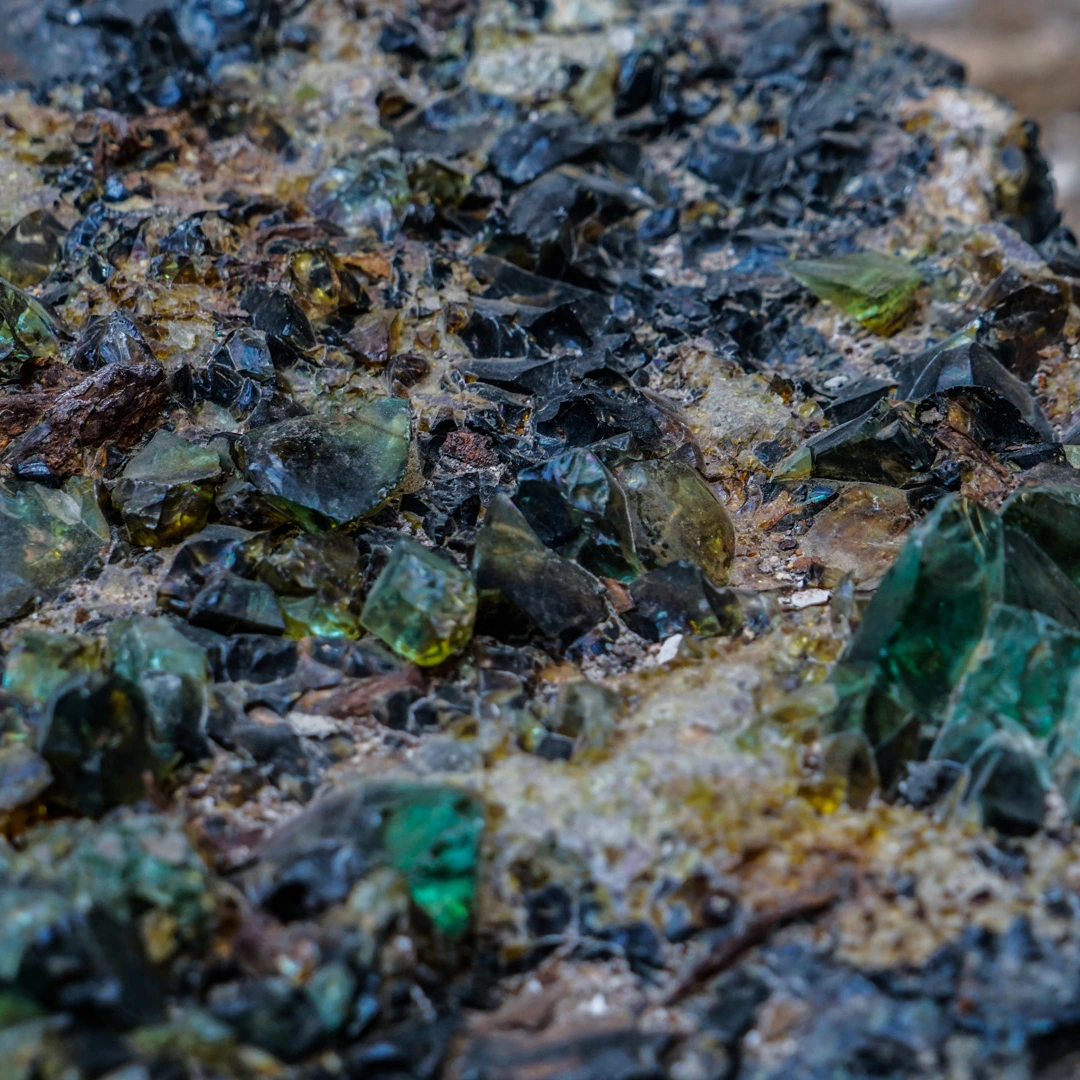
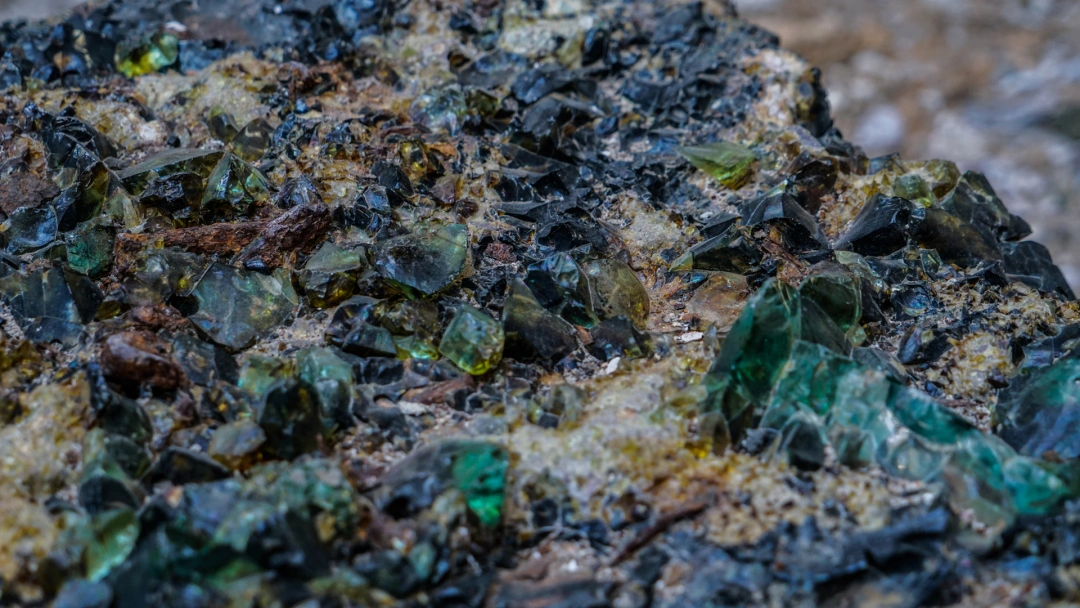
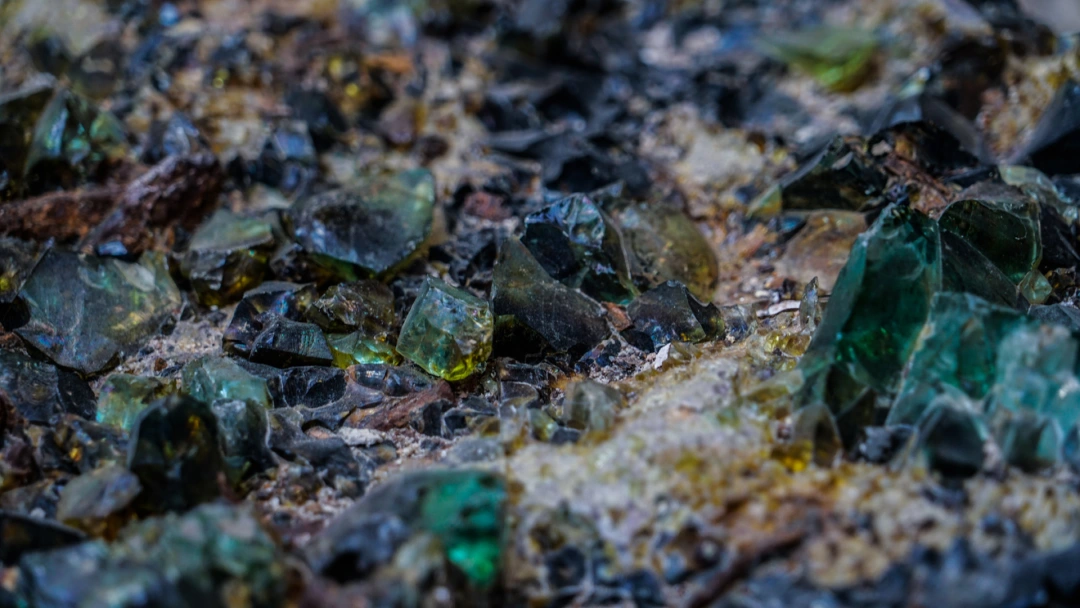
Walking into the production workshop, the bottle liners still lay neatly on the assembly line. But broken liners were scattered on the floor, destined to become nothing more than fragments of a generation's memory. This is one of the most poignant photography spots in Beijing ruins—a perfect contrast between order and decay.
I Watched Him Build a Mansion, I Watched His Mansion Collapse
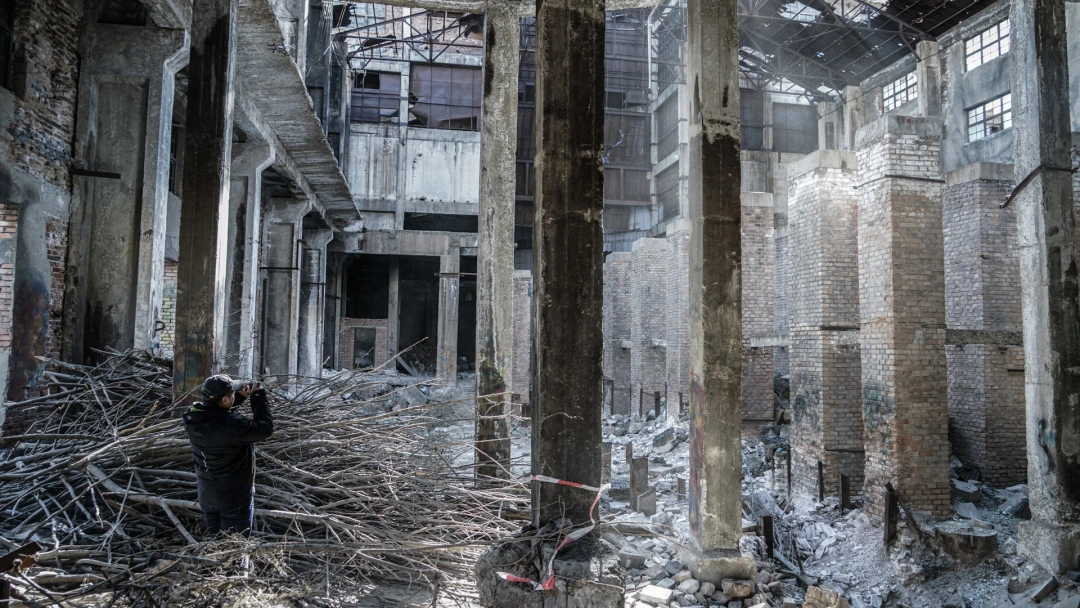
Standing there, I recalled the old saying: "I watched him build a mansion, I watched him feast with guests, I watched his mansion collapse." The times make the hero, but even heroes grow old. The Beijing Glass Factory and the Deer Brand Thermos factory are not alone. Across China, similar post-industrial landscapes are being rediscovered by urban explorers and historians.
Emerging from the Ruins: Nostalgia Without Regret
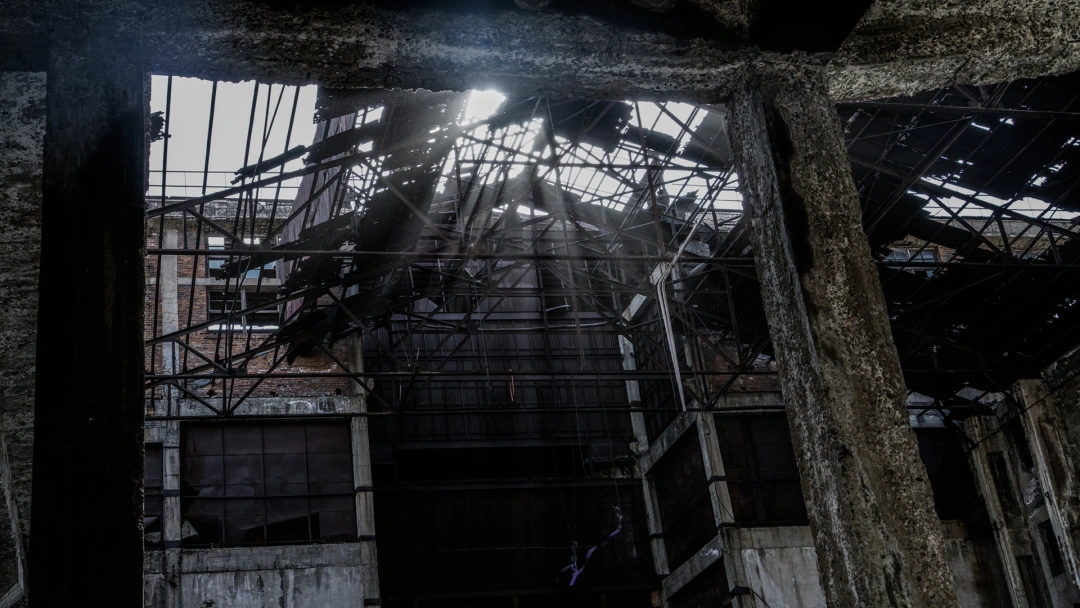
Stepping out of the factory, I felt as if I had returned from another world. That golden age is indeed worth remembering. But nostalgia doesn't mean standing still. On the contrary, it is precisely because of these imprints of the past that I cherish the present era even more. I look forward to embracing the next one with open arms.
FAQ: Visiting Industrial Ruins in Beijing
Q1: Are these abandoned factories in Beijing open to the public? A: Most are not officially open. They are abandoned and unguarded in parts, but access is at your own risk. Always check local regulations before visiting.
Q2: What is the best time to visit Beijing industrial ruins? A: Spring and autumn offer the best weather. The Spring Festival holiday is also great because the city is quiet and traffic is light.
Q3: What should I bring for urban exploration in Beijing? A: Sturdy shoes, a flashlight, a mask (for dust), water, and a camera. Do not wear open-toed shoes or sandals.
Q4: Is it safe to explore the Deer Brand Thermos factory? A: The structures are old. Watch for unstable floors, broken glass, and exposed nails. Never climb on machinery or roofs.
Q5: Can I take photos inside these abandoned factories? A: Yes, photography is a major draw. However, respect the space. Do not disturb anything, and avoid using flash if it might damage fragile items.
Final Thoughts & Practical Tips
This "adventure" showed me a different side of Beijing. This city is not just about the Forbidden City, the Great Wall, or Tiananmen Square. It also has these forgotten industrial relics. They are witnesses to an era, living fossils of history. They were once glorious, once proud, but now they stand silent in the wind and rain.
But silence does not mean oblivion. When we walk into these ruins, touch the mottled walls, and gaze at the broken machinery, we are having a conversation with history. The past glories and declines—the workers' sweat and laughter—all deserve to be remembered.
Finally, a few tips for your visit:
- Safety first: Watch your step. Structures may be unstable. [Link: Safety tips for urban exploration]
- Respect history: Do not damage or take anything. These items are witnesses to the past.
- Take photos: But keep quiet. Don't disturb the peace.
- Go with friends: It's safer and more fun to explore together. [Link: Best urban exploration groups in Beijing]
Ready to Explore?
If you want to do something different during your next holiday, why not visit these places? You don’t have to go far—just on the outskirts of Beijing. You’ll see that those forgotten corners actually hold the most authentic history.
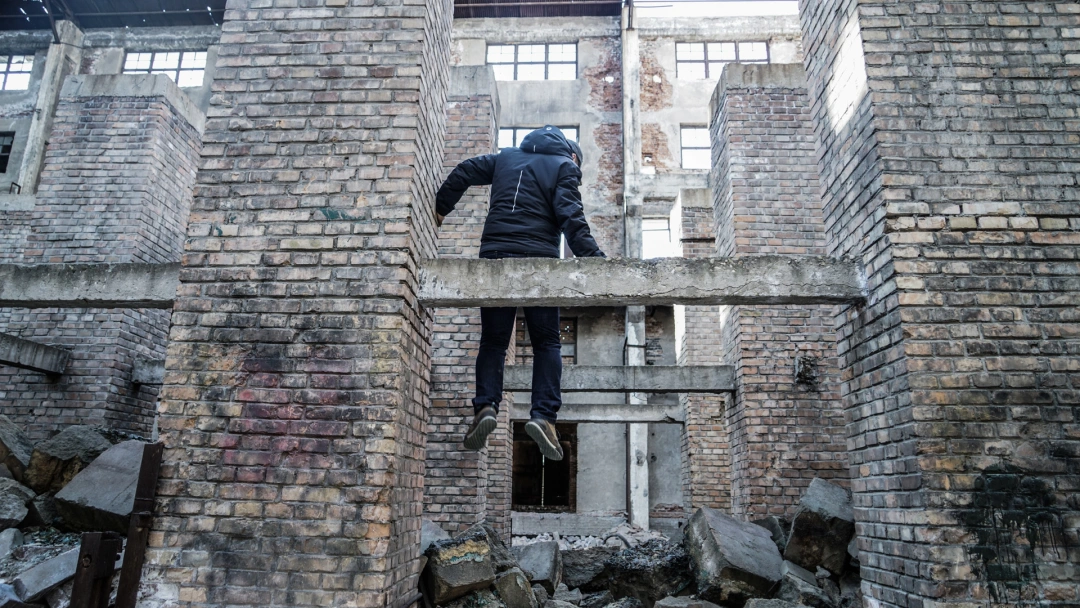
Trust me, this "adventure" will give you a whole new perspective on Beijing.
Plan your trip today. Pack your camera, grab a friend, and go see the silent witnesses of a once-glorious era.
[Link: How to get to Changping District from central Beijing] [Link: Other abandoned factories in northern China]
You should also read:
A Jiangnan Dream on Beijing's Outskirts: The Ultimate Gubei Water Town Travel Guide (November 2015)
Meta Description: Discover Gubei Water Town, Beijing's Jiangnan-inspired getaway at the foot of Simatai Great Wall. Read this detailed November 2015 travelogue with costs, tips, and must-see spots. The world is vast, yet life is fleeting. Sometimes, all it takes is a weekend—a spontaneous short…
Continue reading...
Seeking · Encountering · Autumn in Beijing: Your Ultimate Guide to Beijing’s Most Stunning Fall Scenery
Meta Description: Discover Beijing’s best autumn destinations beyond Fragrant Hills. From Tsinghua University’s golden ginkgo avenue to Dajue Temple’s millennium-old tree, plan your perfect fall escape with our expert guide. Autumn in Beijing is more than a season—it’s a grand farewell. When the summer heat…
Continue reading...
A Winter Journey in Beijing: Romance and Misery at Minus Five Degrees – An SEO-Optimized Travel Guide
Meta Description: Discover the romance and misery of a winter trip to Beijing at -5°C. Explore snowy Jingshan Park, historic hutongs, and budget-friendly tips for a 4-day Spring Festival adventure. Some say Beijing is a city you both love and hate. You love its profound…
Continue reading...