Innocence, Joy, Childhood: 2025, Our Year in Beijing – A Family Travel Guide to Rediscovering the Capital
Meta Description: Explore Beijing with kids in 2025! From hidden gems like Liuliqu Village to historic Wanping City, discover family-friendly offbeat attractions, seasonal tips, and local insights for an unforgettable Beijing year.
Introduction: A Year of Growing Together with Beijing
It’s the end of the year again. Scrolling through the dense crowd of photos on my phone, I realized just how many places our family of three had explored in 2025. From south to north, east to west—14 travelogues and 26 vlogs captured the excitement of every departure and the satisfaction of every return. Strangely enough, even though we’d thrown ourselves into exploring with all our might, when I checked my annual leave balance at year’s end, I found—it wasn’t even used up! That’s probably the sweetest kind of problem a working parent can have.
This year, our footsteps traced an irregular quadrilateral across China: the southernmost point was the sea breeze of Qinzhou, Guangxi; the northernmost, the grasslands of Guyuan, Zhangjiakou; the easternmost, the dawn over Yantai, Shandong; and the westernmost, the ancient Great Wall of Xinzhou and Shuozhou, Shanxi. The only small regret is that this winter felt a bit "restrained"—we didn’t plan a full-on snowy northern adventure. Watching the thick flakes falling outside the window, I couldn’t help feeling we’d wasted this unusually snowy season.
But never mind missing the tail end of winter; the Beginning of Spring is just around the corner. This travelogue marks our family’s last outing of the Lunar Year of the Snake. Today, I don’t want to talk about those faraway landscapes. Instead, I want to focus on our everyday "home turf"—Beijing. In 2025, our theme was simple: take the kid and his scooter, and rediscover the city we thought we already knew so well.
Why Rediscovering Beijing with Kids Matters

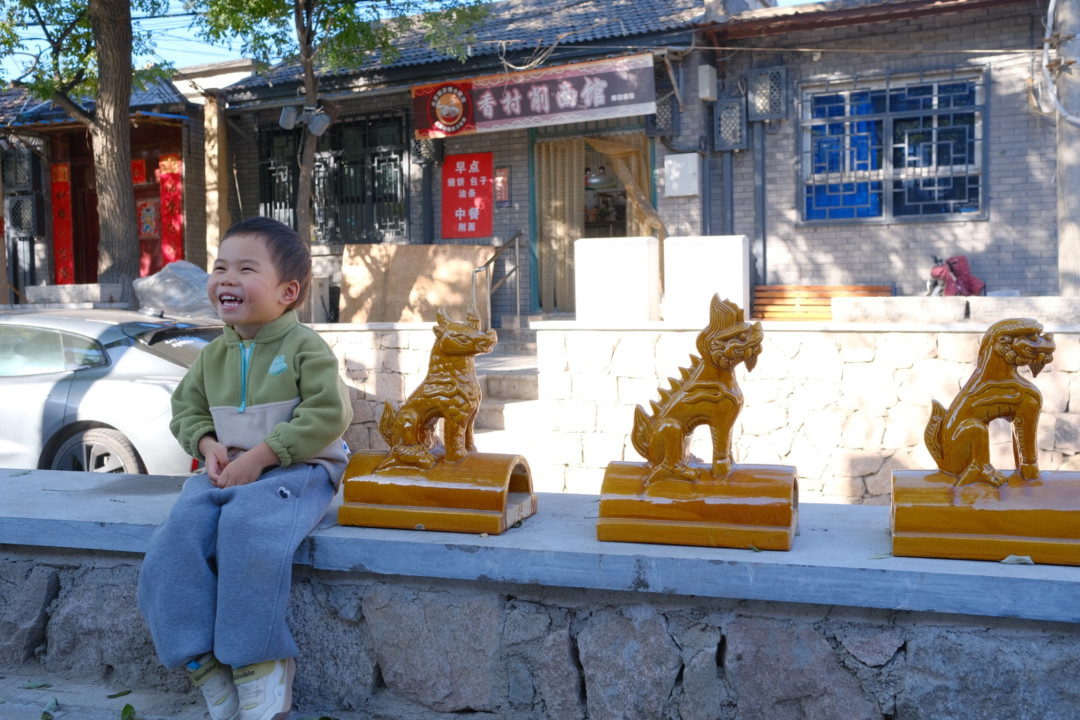
Beijing is a city of layers—ancient dynasties, modern skyscrapers, and hidden neighborhoods. For families, the magic isn’t in ticking off tourist boxes. It’s in watching your child’s eyes light up when they see a glazed tile archway for the first time, or when they run across a historic bridge that’s stood for centuries. Family travel in Beijing 2025 isn’t about exhaustion; it’s about connection.
1. Off the Beaten Path: Our 2025 Exploration Rules
This year’s Beijing explorations came with a self-imposed rule: avoid repeats as much as possible. Those Instagram-famous spots and tourist traps? Skip them if we could. As for places we’d visited before, I won’t dwell on them here—honestly, half the time I couldn’t be bothered to pull out my camera, or when I did, I couldn’t capture anything new.
If you’re curious about our 2024 Beijing adventures, feel free to jump to last year’s travelogue. [Link: 2024 Beijing family travel guide] This year, we’re changing things up: instead of organizing by seasons (spring, summer, autumn, winter), I’m listing attractions by district. But when I finished sorting everything, I was surprised to find—Haidian District had completely "disappeared"! That’s probably just life in Beijing: there are always places you think you know intimately but have never truly stepped into.
2. Mentougou: The "Golden Treasure" of Liuliqu Village
If you ask me for this year’s top recommendation for a lesser-known Beijing attraction, I’d say without hesitation: Liuliqu Village in Mentougou District.
The History Behind the Glazed Tiles
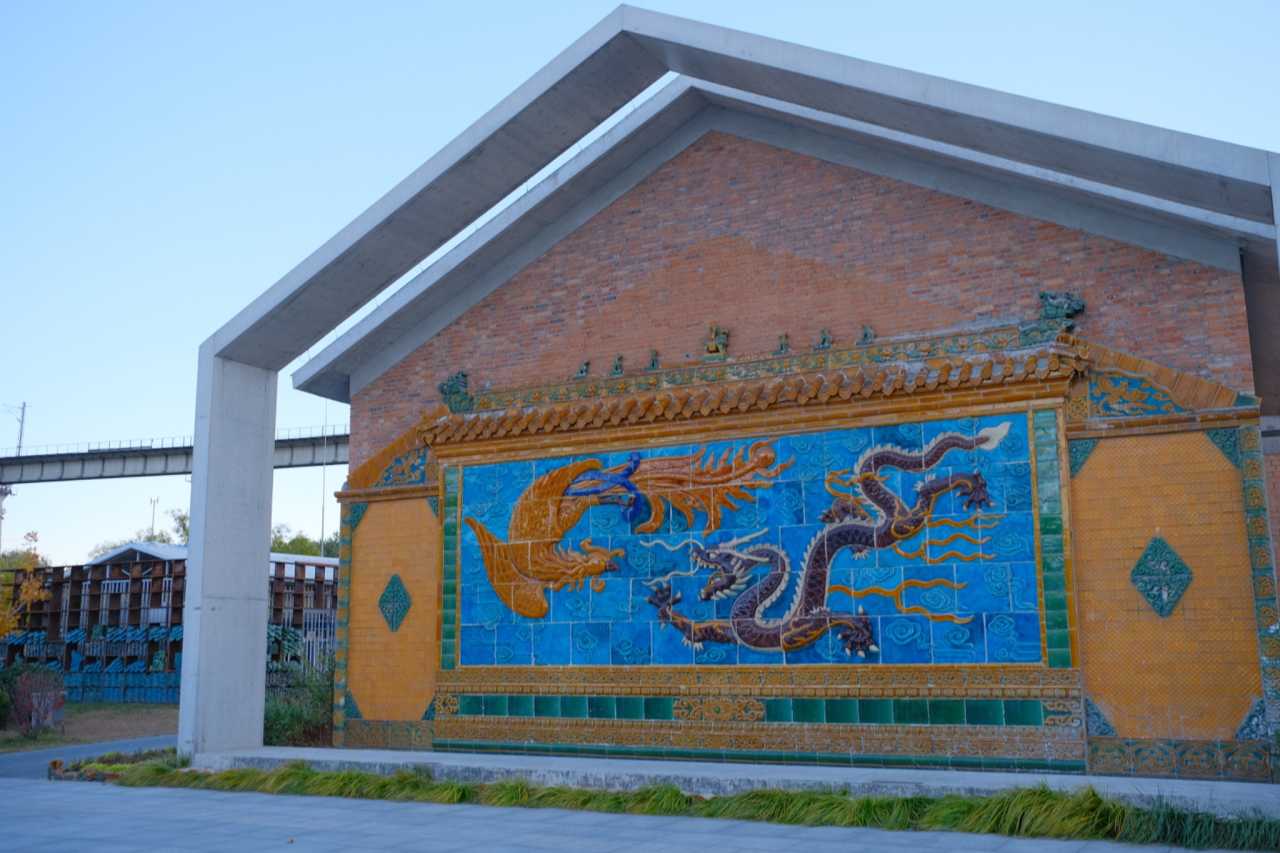
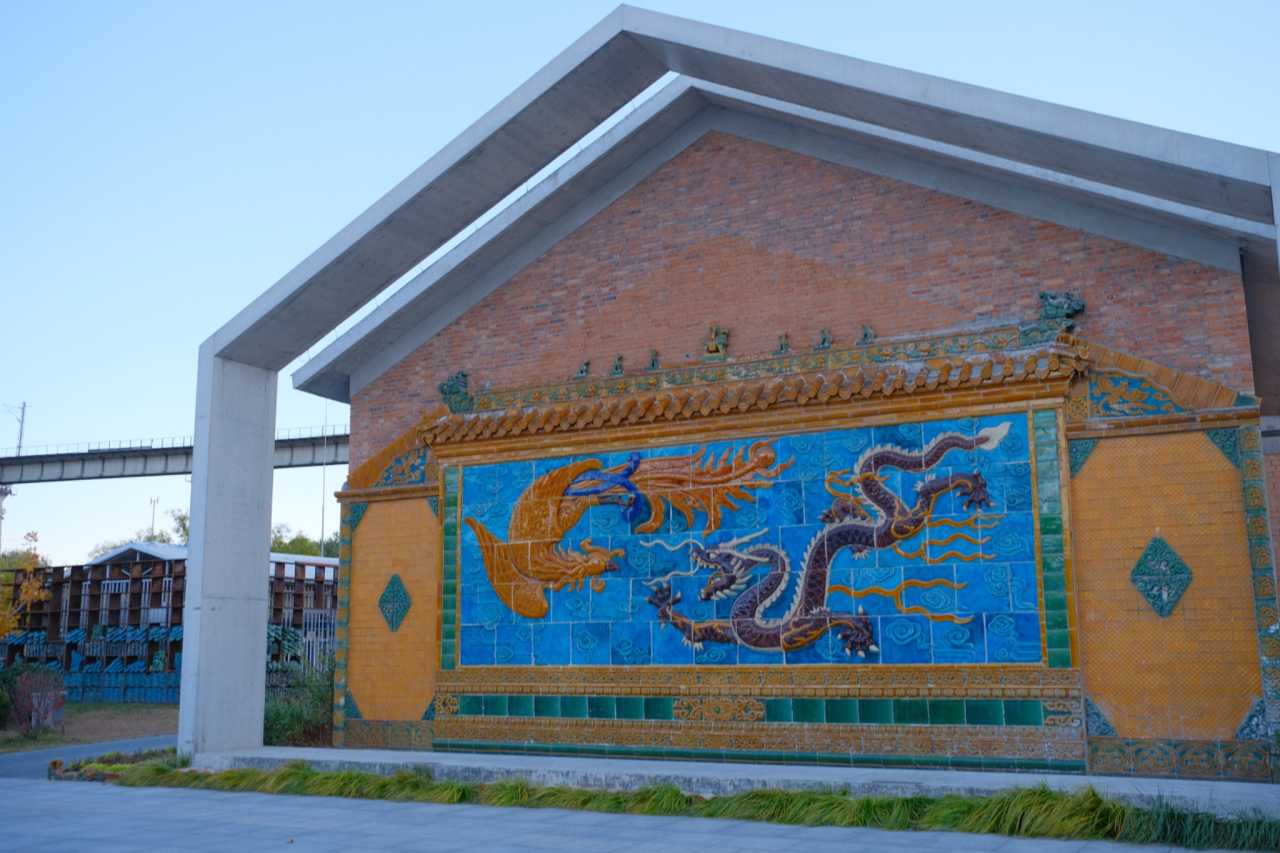
Many people know about "Liulichang" (琉璃厂) in downtown Beijing, but they might not realize that this kiln, originally established during the Yuan Dynasty, had its glazed tile production entirely relocated to the outskirts by the Kangxi reign of the Qing Dynasty—to what is now Liuliqu Village in Mentougou. The downtown Liulichang only kept the name, having transformed into a cultural district.
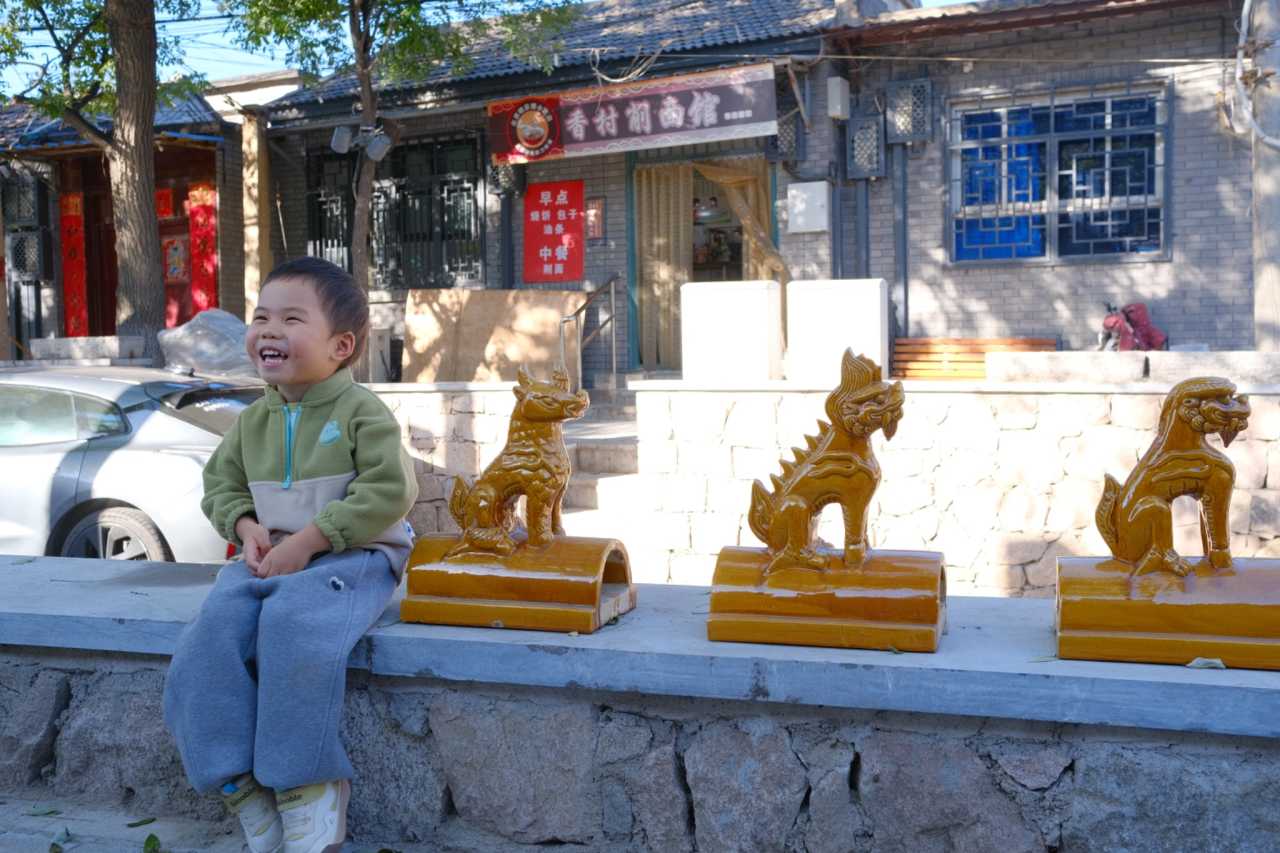
Liuliqu Village, however, is the true "Hometown of Glazed Tiles." According to research, the village took shape during the Sui and Tang Dynasties, and by the Liao and Yuan Dynasties, it was already producing glazed tiles. Later, it received official recognition, with the government stationing a "supervisory official" there, making it a model of public-private collaboration. From the major renovations and expansions of the Forbidden City in the early Qing Dynasty to the construction of Beijing’s "Ten Great Buildings" after the founding of the People’s Republic, those gleaming glazed tiles almost all came from this little village west of Beijing.
Why Families Love Liuliqu Village
For hiking enthusiasts, Liuliqu Village might have been known even earlier. Nestled against the Xishan ancient trail and facing the Yongding River, it became a key transportation hub west of Beijing thanks to the old road and ferry crossing. Today, it’s still one of the entry points for hikers heading into Miaofeng Mountain.
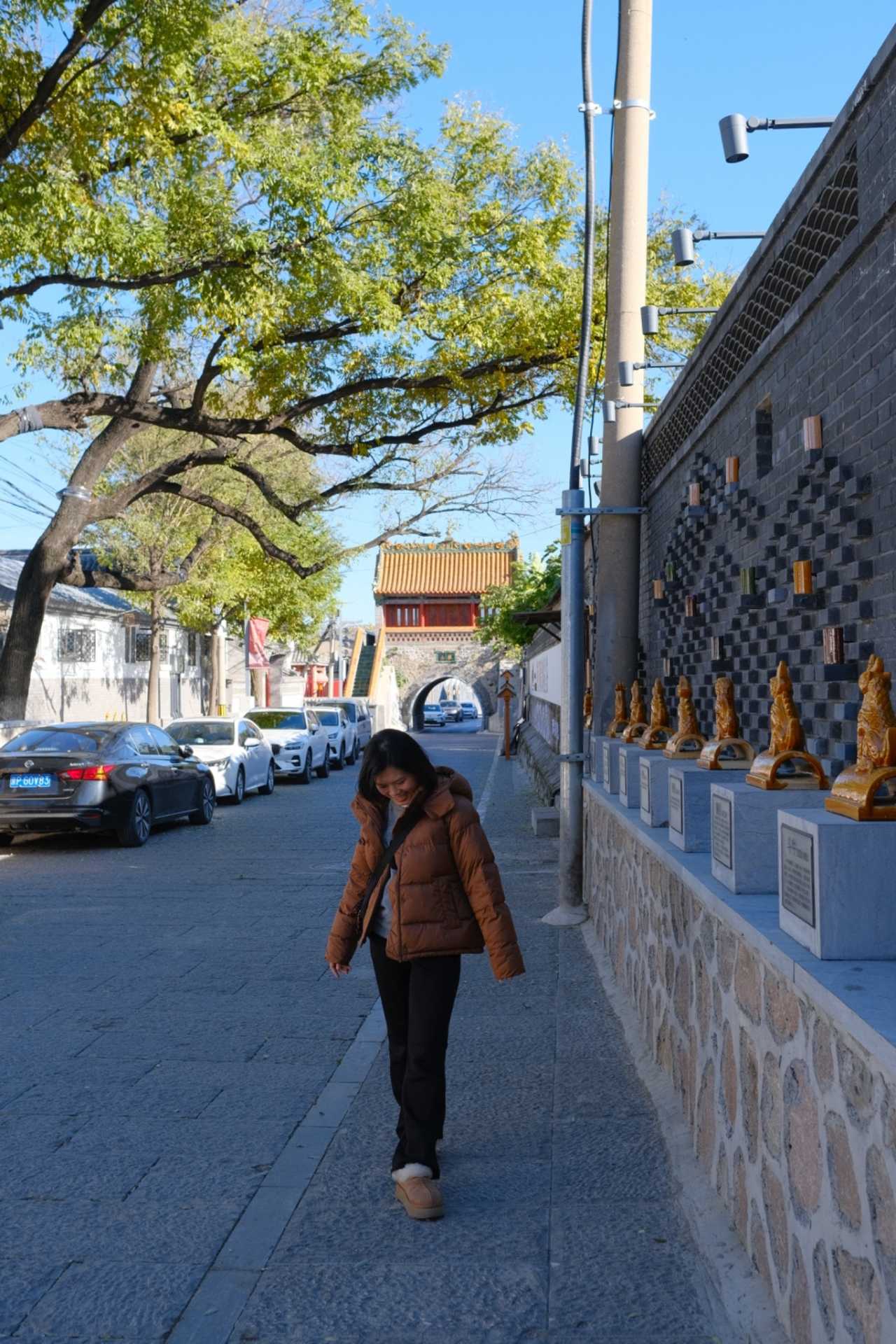
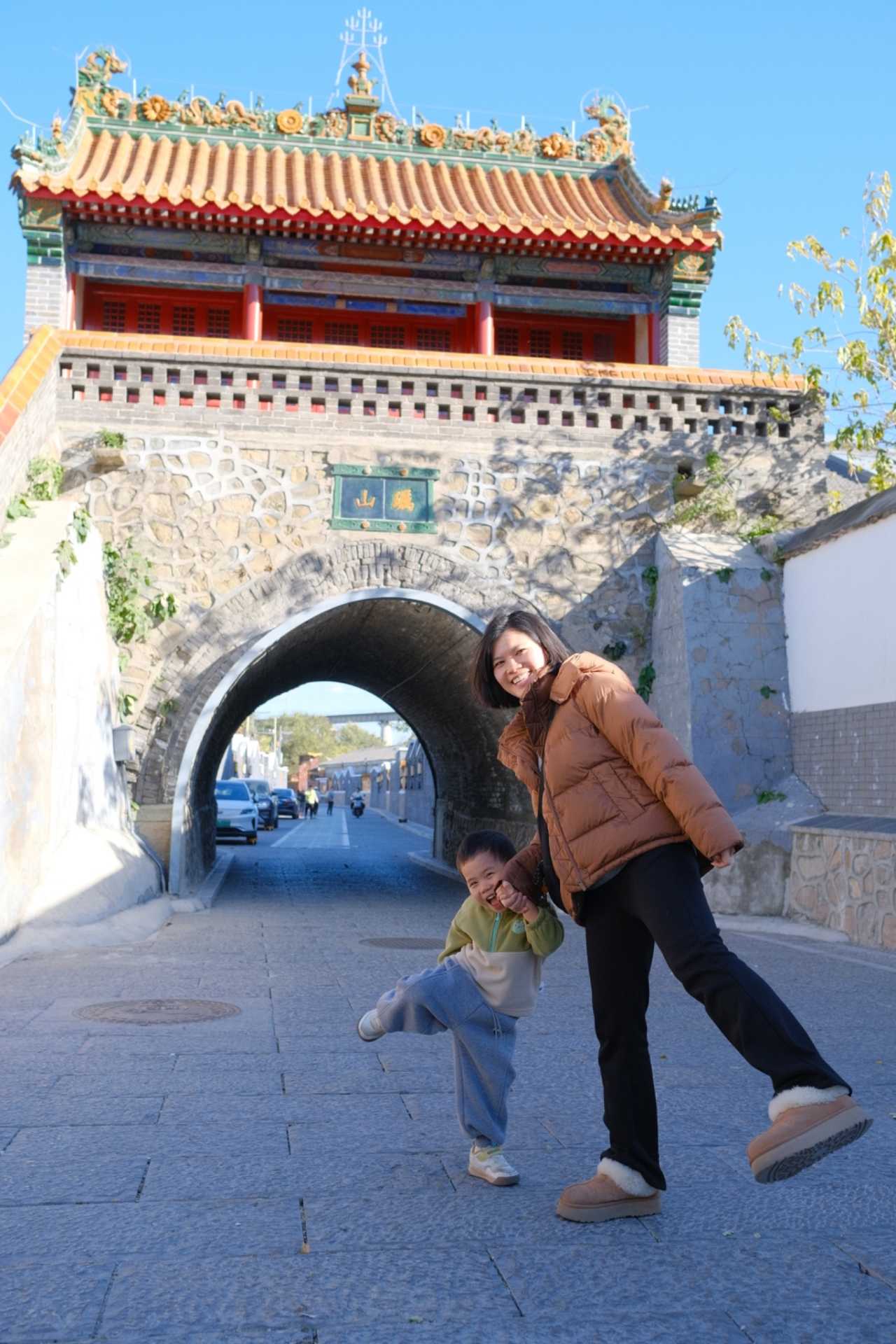
I first learned about Liuliqu Village because of its unique "Golden-Top Archway" (金顶过街楼)—first built during the Qianlong reign and rebuilt during the Guangxu reign of the Qing Dynasty, it’s the only surviving glazed-tile archway in China. Later, I discovered that the Jinyu Glazed Tile Factory (金隅琉璃厂) has a creative industry base there that combines production facilities with an exhibition hall—well worth a visit.
Practical Tips for Visiting Liuliqu Village
We went on November 1st. From home to Mentougou, we practically crossed the entire city of Beijing. Early departure, late return—honestly, staying overnight wouldn’t have been excessive. Mentougou’s urban area is basically squeezed into a narrow strip between the Yongding River and the Western Hills. Liuliqu Village is to the north, about a ten-minute drive from the city center, and on the map, it looks like a relatively isolated alluvial terrace at the foot of the mountains.
Worth noting: this terrain made Liuliqu Village suffer heavy losses during the massive floods of 2023. Fortunately, with reconstruction support from Xicheng District, the village has now been reborn. Walking through it, you can see newly paved roads, freshly painted walls, and those glazed tiles still shining with golden light—as if to say, no storm can wash away the craftsmanship and heritage here.
3. Fengtai: Wanping City and Lugou Bridge – Where History Meets Modernity
Wanping City, an ancient fortress west of Beijing on the banks of the Yongding River, has long been a key transportation link between the Western Hills and the city center. It was first built in the 13th year of the Chongzhen reign of the Ming Dynasty (1640), originally called "拱北城" (Gongbei City), renamed "拱极城" (Gongji City) during the Qing Dynasty, and finally changed to "Wanping City" in the 17th year of the Republic of China (1928). The most interesting feature is that it has only two gates—east and west—clearly marking its role as a east-west thoroughfare west of Beijing.
A Personal History with Lugou Bridge
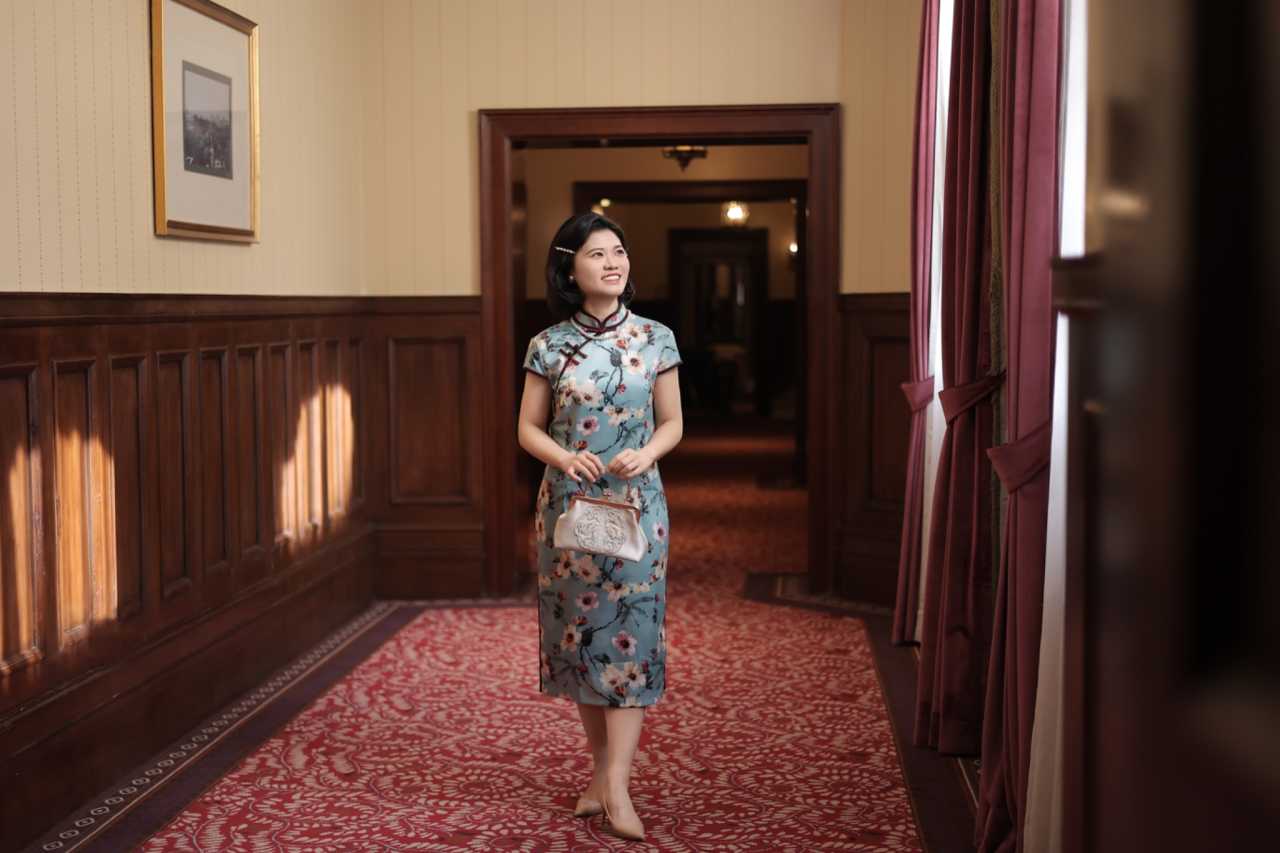
I visited Lugou Bridge once in my first year or two in Beijing. Back then, my impression was that Wanping City was completely abandoned—only the bridge and the Museum of the War of Chinese People’s Resistance Against Japanese Aggression were worth visiting. At the time, you had to pay to see Lugou Bridge, but if you timed it right and waited until the village guards went off duty, you could sneak in for free.
What’s New in 2025
In early November, amid deep autumn, we revisited Wanping City. By coincidence, I learned from research that in August 2025, the Wanping City historical and cultural district officially opened; on September 27th, the city walls themselves opened to the public. Our visit happened to coincide with its freshly renovated appearance.
Climbing the city wall cost 20 yuan per person. We walked about a quarter of the way around, caught a distant view of Lugou Bridge from the west gate, and then came down. Wanping’s walls aren’t particularly tall, but they stand out on the Yongding River plain, offering decent views—worth the money, I’d say. Inside the city, the cultural district has some trendy coffee shops, creative stores, and restaurants—fun to browse. But many shops are still in their early stages: some under renovation, some vacant, with most commerce concentrated on the main east-west road. For it to truly thrive, attracting businesses won’t be easy.
In contrast, the local community outside Wanping City’s east gate has a much more grassroots, vibrant commercial atmosphere. There are several long-standing Beijing-style restaurants offering good food at fair prices, so popular that they’re still packed even after peak meal hours. We picked one, ordered a few local dishes, and felt the pulse of real Beijing life.
Family-Friendly Highlights
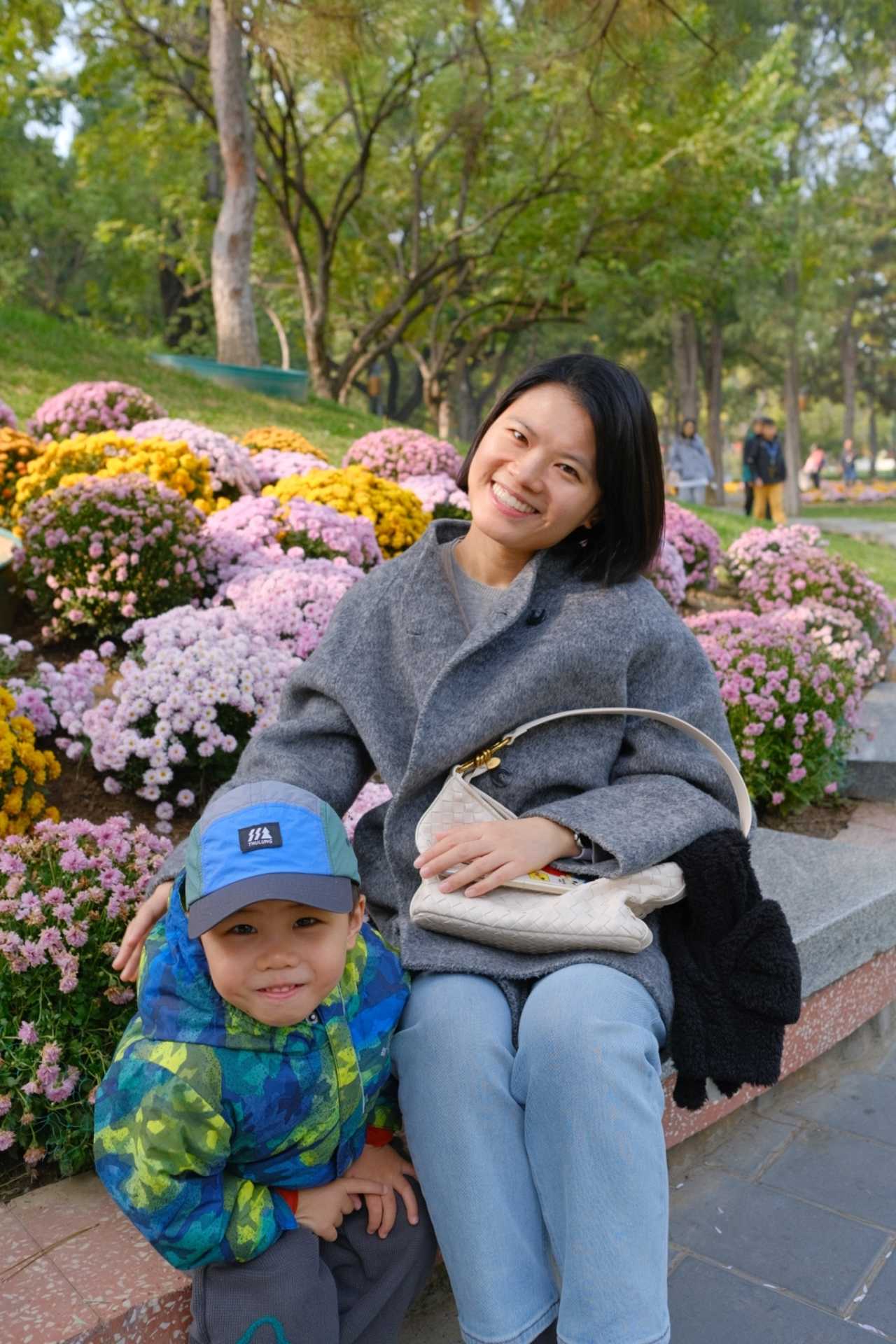
- City Wall Walk: Safe, easy, and educational for kids.
- Lugou Bridge View: A perfect photo opportunity.
- Local Eateries: Authentic Beijing flavors without the tourist markup.
4. Seasonal Travel Tips for Families in Beijing
| Season | Best Activities | Pro Tips |
|---|---|---|
| Spring (Mar-May) | Cherry blossom viewing, temple fairs | Pack layers; weather changes fast |
| Summer (Jun-Aug) | Hutong walks, indoor museums | Avoid midday heat; hydrate often |
| Autumn (Sep-Nov) | Great Wall hikes, leaf-peeping | Best season for outdoor adventures |
| Winter (Dec-Feb) | Ice skating, hot pot dining | Check weather for snow days |
5. Frequently Asked Questions (FAQ)
Q1: What are the best offbeat attractions in Beijing for families in 2025?
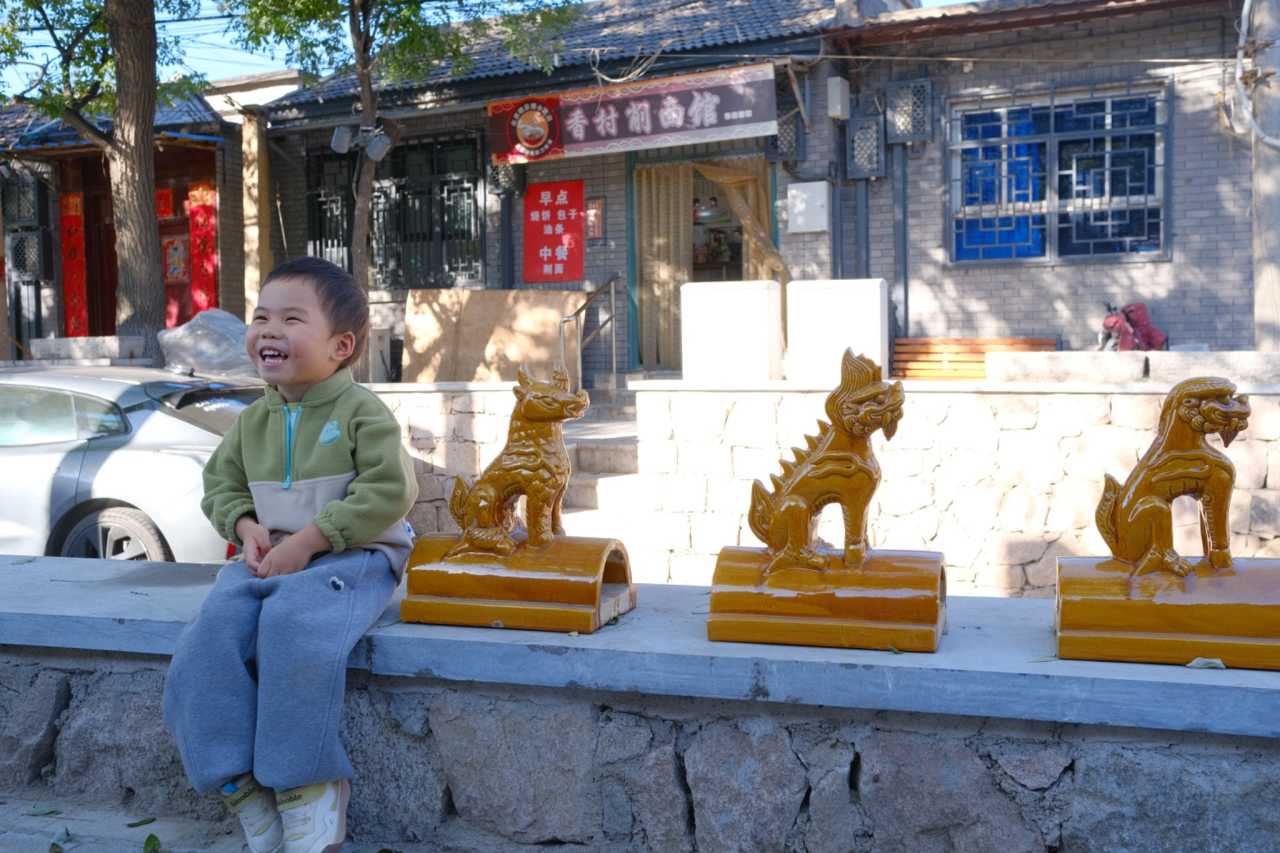 A: Liuliqu Village (Mentougou) for glazed tile history, Wanping City (Fengtai) for ancient walls and local food, and the Jinyu Glazed Tile Factory creative base. These spots offer unique experiences without the crowds.
Q2: Is Liuliqu Village suitable for young children?
A: Yes. The village is flat, walkable, and visually engaging with colorful tiles and archways. The factory tour is educational for kids aged 5+. Bring a scooter or stroller.
Q3: How do I get to Wanping City from central Beijing?
 A: Take Metro Line 16 to Wanping City Station (Exit C), then walk 10 minutes. Alternatively, drive via the West 4th Ring Road – about 40 minutes from central Beijing.
Q4: What’s the best time of year to visit Mentougou’s ancient villages?
 A: Autumn (September–November) offers mild weather and stunning fall foliage. Spring (April–May) is also lovely but can be windy.
Q5: Are there any kid-friendly restaurants near Lugou Bridge?
A: Yes. Outside Wanping City’s east gate, try the long-standing Beijing-style restaurants. They serve classics like zhajiangmian (noodles with soybean paste) and jianbing (savory crepes) at fair prices.
6. Internal Linking Suggestions
- [Link: Best family-friendly Hutong tours in Beijing]
- [Link: How to plan a Beijing weekend itinerary with kids]
- [Link: Top 10 lesser-known Beijing attractions for 2025]
- [Link: Beijing travel with toddlers – essential tips]
- [Link: Seasonal events in Beijing for families]
Conclusion: Your Beijing Year Starts Now
2025 taught us something precious: the best travel doesn’t always require a plane ticket. Sometimes, it’s right outside your door—in a village that survived floods, on a wall that witnessed history, or in a bowl of noodles shared with your child after a day of exploration.
Whether you’re a Beijing local looking to rediscover your city, or a visitor planning a family trip, let this year be your year of innocence, joy, and childhood. Grab your scooter, pack some snacks, and start exploring.
Ready to plan your own Beijing adventure? Bookmark this guide, share it with your travel buddies, and let us know in the comments: which hidden gem will you visit first?
Have you visited Liuliqu Village or Wanping City? Drop your tips and photos below – we’d love to see your family’s Beijing story!
You should also read:
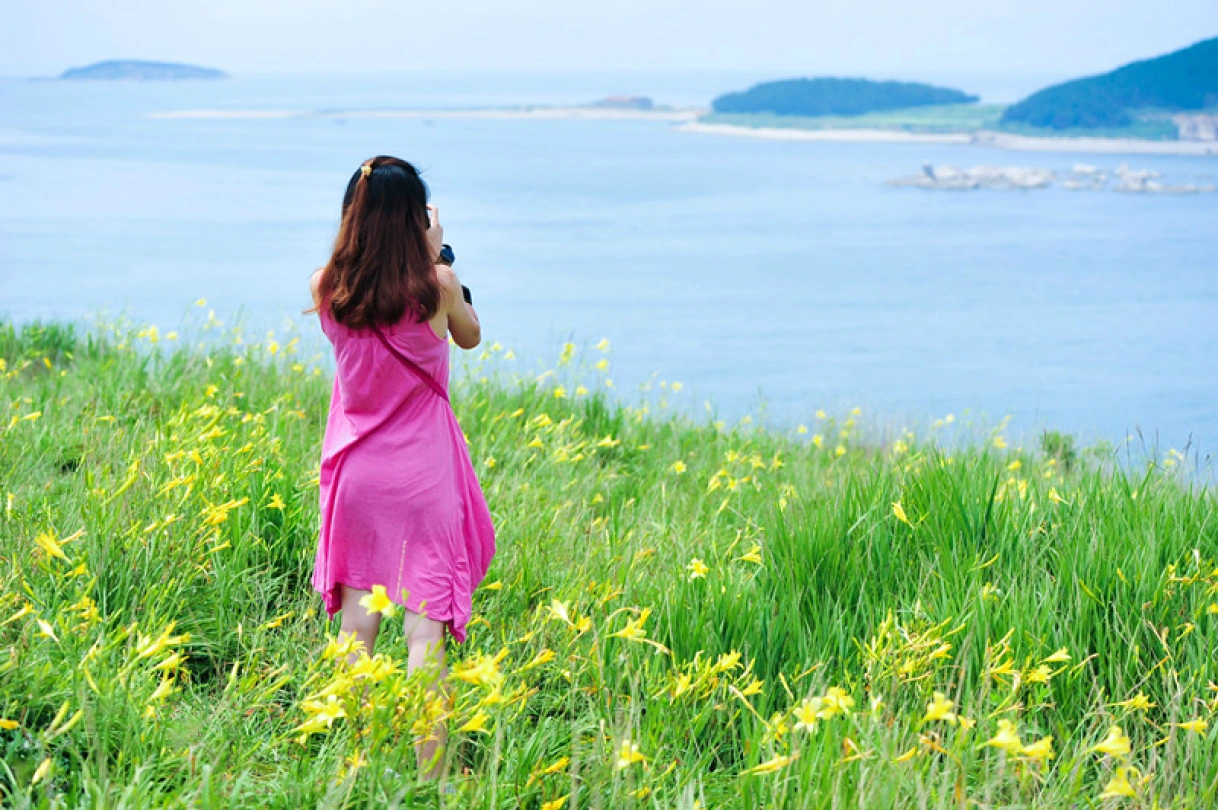
A Spontaneous Escape Through Tianjin, Beijing, and Shandong: An Unforgettable Solo Travel Adventure
Meta Description: Discover the raw beauty of a spontaneous solo journey through Tianjin, Beijing, and Shandong. From Quanjude roast duck to Tanggu night views, read this heartfelt travelogue of escape and self-discovery. The July wind carried restlessness and unease. After abruptly ending a ten-day job…
Continue reading...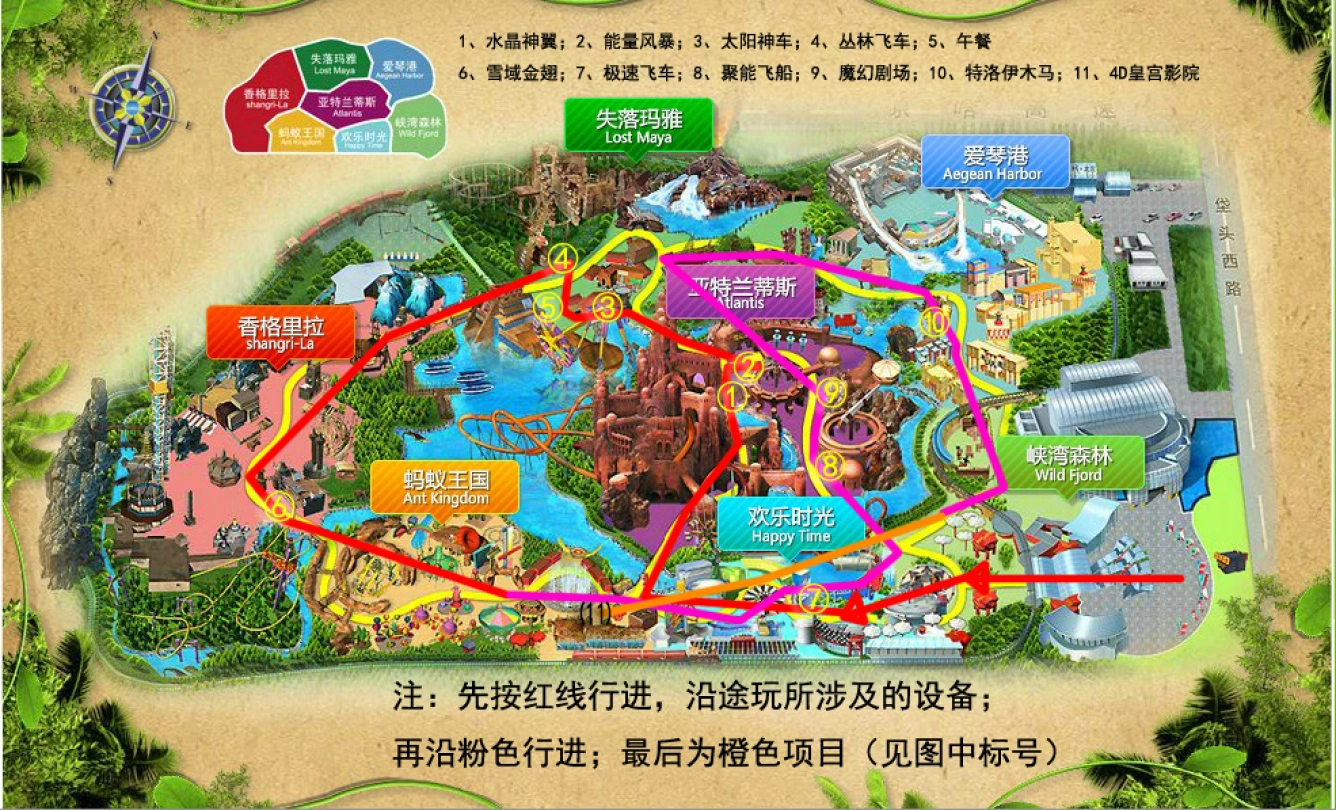
Beijing Happy Valley Ultimate Money-Saving Guide: Ride Everything, See Every Show in One Day
Here is the SEO-optimized, rewritten article based on the source material. It is structured for readability, keyword density, and user engagement, targeting approximately 1500 words. SEO Title: Beijing Happy Valley Ultimate Money-Saving Guide: Ride Everything & See Every Show in One Day Meta Description: Maximize…
Continue reading...
Hai Tuo Mountain Above the Sea of Clouds: A Skyward Feast on the Roof of Beijing
Meta Description: Discover Hai Tuo Mountain, Beijing's second-highest peak, where sea of clouds, starry nights, and alpine meadows await. Your ultimate guide to hiking, camping, and photography on the "Roof of Beijing." At the border of Beijing's Yanqing District and Hebei's Chicheng County lies a…
Continue reading...