Inside and Outside the Red Walls: Where Time Meets Splendor—This Is Beijing
Meta Description: Explore Beijing's timeless beauty through a personal journey from Jingshan Park to Nanluoguxiang. Discover iconic landmarks, local secrets, and photography tips in this SEO-optimized guide to China's capital.
Prologue: A Photographic Journey Through Beijing's Soul
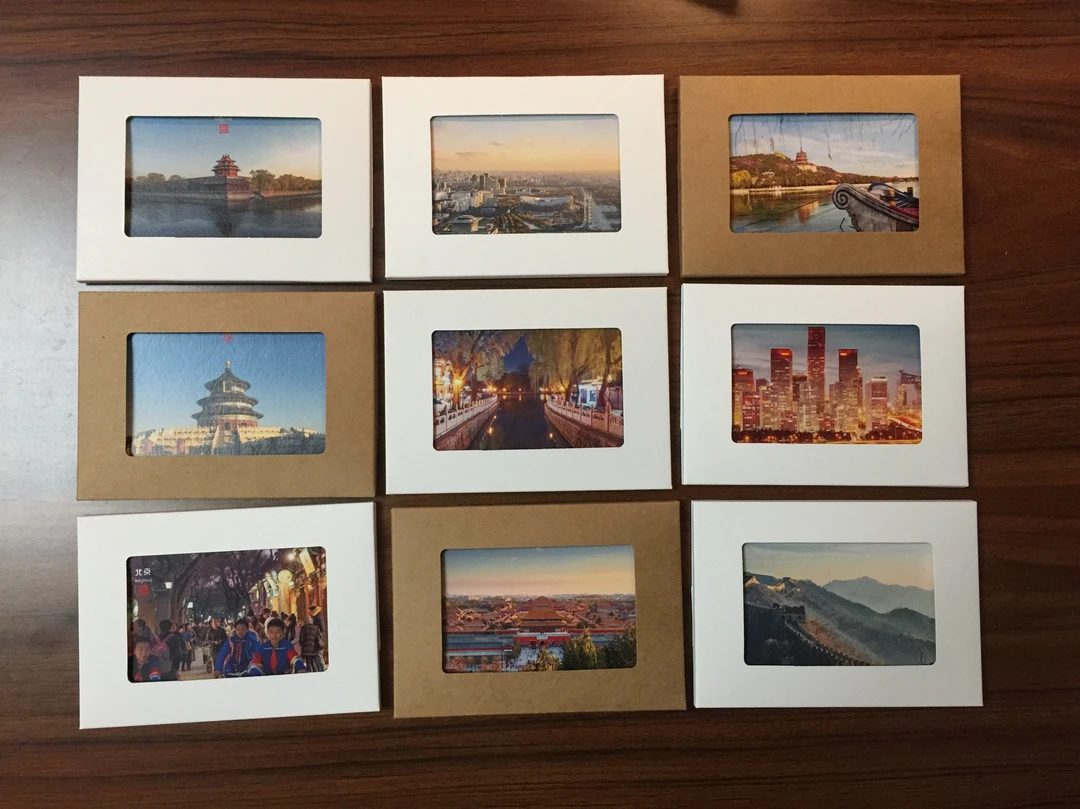
On Thanksgiving Day 2017, I returned to Beijing after four years abroad. A professor of architectural history had asked me to capture the city's essence through my lens—a request that sparked a mission: create a set of postcards that would let people across the world feel Beijing's pulse.
What followed was a journey through time, memory, and the city's most iconic landmarks. This guide will take you inside and outside Beijing's red walls, where ancient splendor meets everyday life.
Starting Point: Youthful Memories at the Foot of the Imperial City
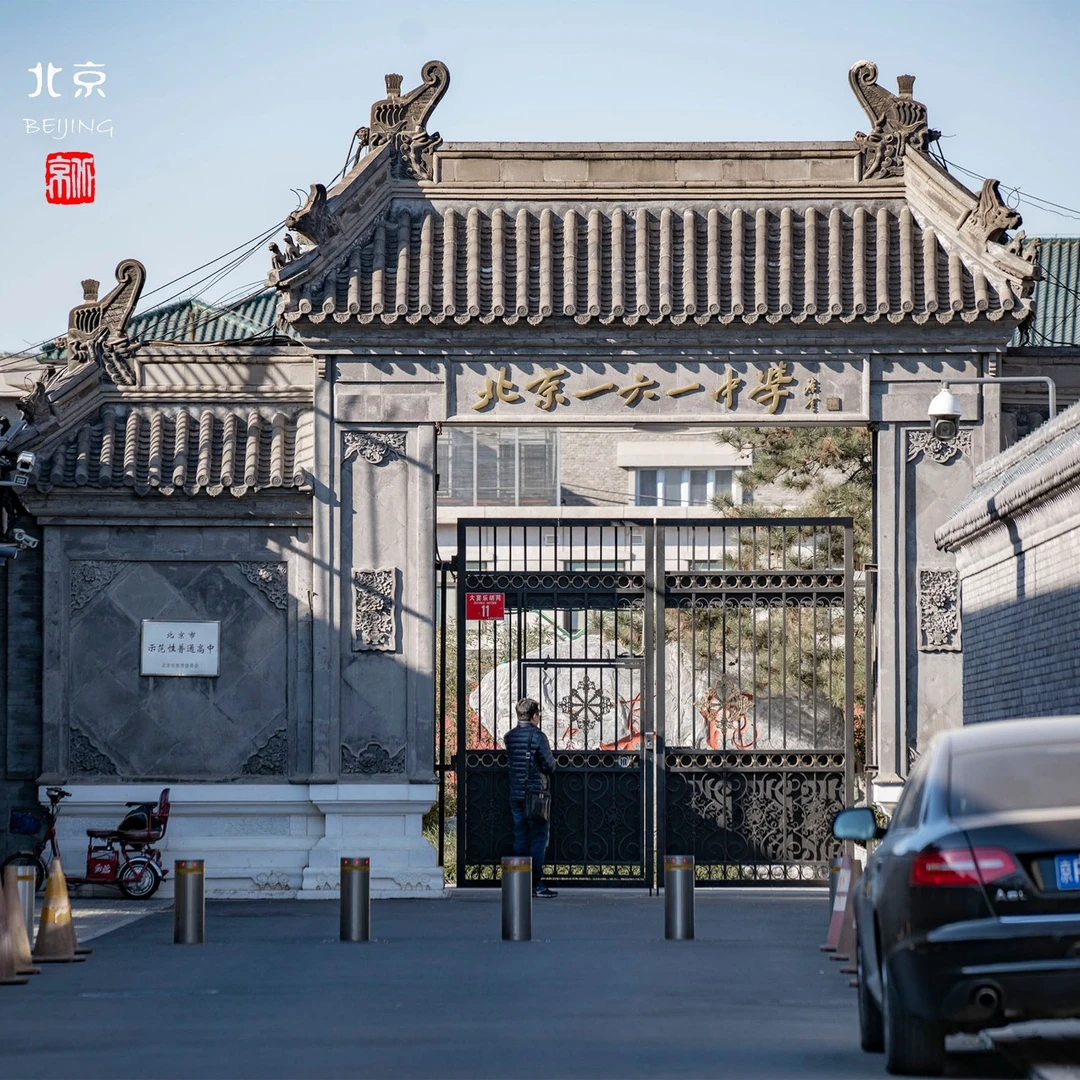
My journey began at Beijing No. 161 Middle School, nestled at the foot of the Imperial City. This school faces the Forbidden City across the moat, separated from the Great Hall of the People by one street and only a wall away from Zhongnanhai.

During high school, we ran along the moat at dawn and watched Chang'an Avenue's lights flicker at dusk. The White Pagoda, bathed in golden sunset, was our daily companion. Today, the campus has been incorporated into Zhongnanhai and is no longer open to the public—but the memories remain.
Pro Tip: Take the No. 5 bus from the school's former location. It runs through half the attractions around the Forbidden City: Qianmen, Tiananmen Square West, Zhongshan Park, Beihai, Gulou, and Deshengmen. If you're unsure where to start, hop on and explore stop by stop.
[Link: Forbidden City travel tips]
Atop the Imperial City: Jingshan Park Overlooking the Forbidden City
Ticket Info: 2 yuan/person; half price for student ID and senior citizen card.
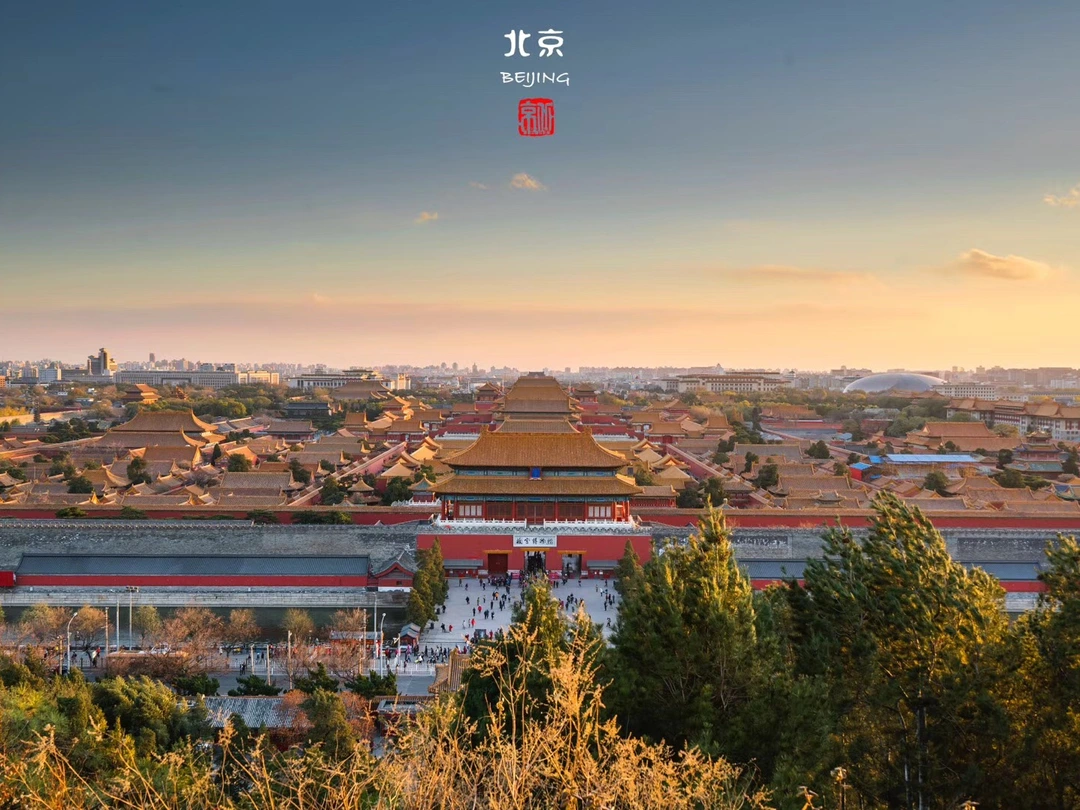
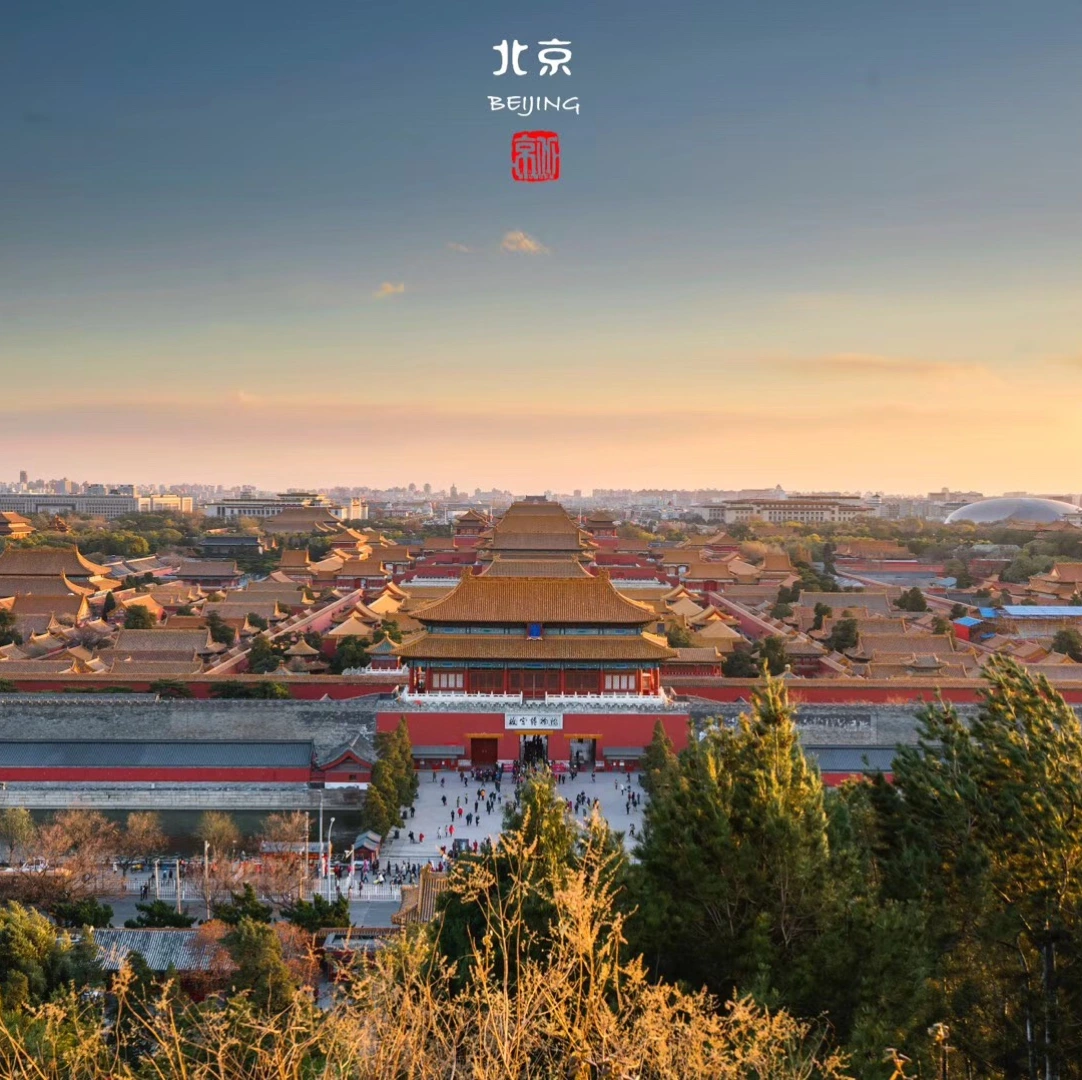
For a panoramic view of the Forbidden City, skip the Olympic Tower and head to Jingshan Park. Located on Beijing's central axis, Jingshan Hill is the highest point around the Imperial City—and for just two yuan, you get a breathtaking bird's-eye view.
The park is small, with two main types of visitors: elderly locals strolling and tourists climbing to the summit. Follow the crowd uphill for about ten minutes. Warning: The top is packed with photography enthusiasts wielding long lenses and tripods. The prime central spot is fiercely competitive, and the wind is strong—leave your tripod behind.
Best Time to Visit: Sunrise or sunset for the most dramatic light.
The Corner Towers: The Four Beauties of the Forbidden City
Ticket Info: Free
The corner towers at the four corners of the Forbidden City are most enchanting at sunrise and sunset. The northwest corner, with its golden dusk glow, is especially popular among photographers.
During Beijing's smoggy years, clear days would bring crowds of tripods and cameras. Want a perfectly centered shot? A local photographer once told me, "Stand on this brick, and you'll be dead center." I tried it—did it work?
These towers aren't paid attractions; they're part of the Forbidden City's moat. Whether you're heading to Jingshan, Beihai, or the Forbidden City itself, you'll pass by them. No need for a special trip—but you'll inevitably stop.
Photography Tip: Visit during golden hour (one hour before sunset) for the best light.
[Link: Beijing photography hotspots]
Nanluoguxiang: Old Beijing in the Haze of Everyday Life
Ticket Info: Free
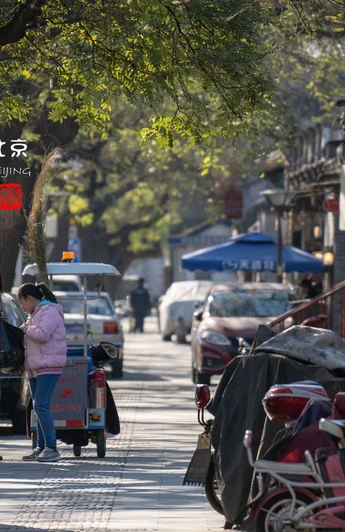
Nanluoguxiang is one of my favorite spots in Beijing. Despite claims of over-commercialization, it remains a beloved destination for locals and tourists alike.
In middle school, our group gatherings often took us here. We'd stroll down the alley, buy a large cup of lemon tea and takoyaki, browse small shops, and grab some Wen Yu cheese (a traditional Beijing dairy dessert) to take home.
Must-Try Food: "Zamo" restaurant serves a kung pao chicken pizza—a novelty so unique it's unforgettable.
Nanluoguxiang is a well-preserved old Beijing alley with several authentic hutongs running east-west. The food is tasty and affordable, and the souvenirs are tasteful. As Zhao Lei's song goes: "Inside Nanluoguxiang, in front of the Central Academy of Drama's gate"—this is a place worth visiting.
[Link: Best hutongs in Beijing]
Shichahai: Nothing Beats the Night at Houhai
Shichahai is the collective name for Beijing's three "seas": Qianhai, Houhai, and Xihai. In the capital, anywhere with water can be breathtakingly beautiful.
Daytime Activities: Boating on Houhai, rickshaw rides, ice skating in winter.
Nighttime Vibe: The bar street along Houhai lights up with drum kits, guitars, and electric keyboards. Amid the music, vendors hawk their wares and tourists laugh—it's one of the liveliest places in the world. Yet, when I look at Houhai's surface and the willow branches reflected in the water, I feel a quiet Beijing far from the noise and skyscrapers.
Best Time to Visit: Sunset for the transition from day to night.
[Link: Nightlife in Beijing]
Temple of Heaven: Good Morning, Hall of Prayer for Good Harvests
Ticket Info: The Temple of Heaven Park opens at 6 a.m., but the Hall of Prayer for Good Harvests doesn't open until 8 a.m.
To capture the Hall of Prayer for Good Harvests without crowds, arrive at the park at 6 a.m. You'll see locals practicing tai chi, playing badminton, and singing opera. By 8 a.m., when the hall opens, you'll have a clear shot of this iconic structure.
Photography Tip: Use a wide-angle lens to capture the hall's full grandeur against the sky.
[Link: Temple of Heaven history]
FAQ: Your Beijing Travel Questions Answered
1. What is the best time to visit Beijing for photography? Spring (April-May) and autumn (September-October) offer the best weather and light. Avoid winter for outdoor shoots, as it can be bitterly cold.
2. How much time should I spend at Jingshan Park? About 1-2 hours. The climb takes 10 minutes, and you'll want time to enjoy the panoramic view and take photos.
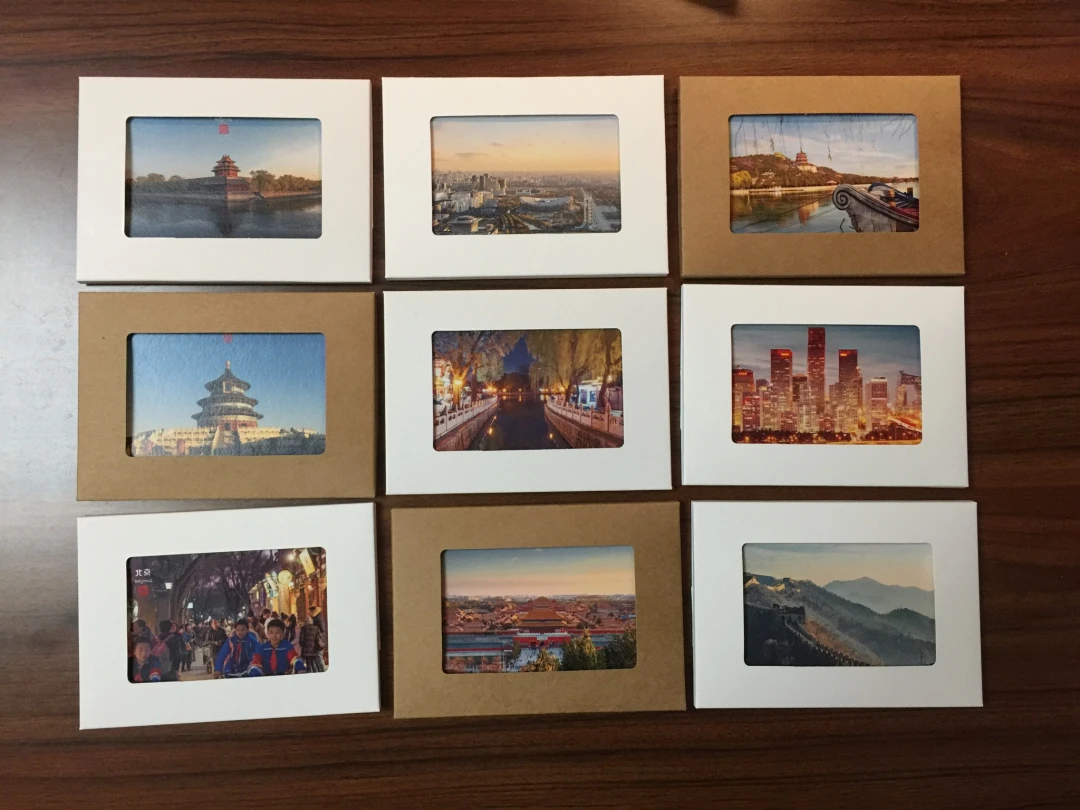
3. Is Nanluoguxiang worth visiting despite commercialization? Absolutely. It's a vibrant mix of old Beijing charm and modern culture. Visit early morning or late evening to avoid crowds.
4. Can I visit the Forbidden City corner towers for free? Yes. They're part of the moat and accessible without a ticket. The best views are from the northwest and northeast corners.
5. What's the best way to get around Beijing's historic sites? The No. 5 bus covers many attractions. Alternatively, use the subway (Tiananmen West station) or rent a bike for a more immersive experience.
Conclusion: Capture Your Own Beijing Story
Beijing is a city where time meets splendor—where ancient red walls stand alongside modern life. From Jingshan Park's panoramic views to Nanluoguxiang's bustling alleys, every corner tells a story.
Your Turn: Pack your camera, hop on the No. 5 bus, and create your own postcard-worthy memories. Start your journey today—Beijing is waiting.
[Link: Beijing travel guide]
You should also read:
A Spontaneous Escape Through Tianjin, Beijing, and Shandong: An Unforgettable Solo Travel Adventure
Meta Description: Discover the raw beauty of a spontaneous solo journey through Tianjin, Beijing, and Shandong. From Quanjude roast duck to Tanggu night views, read this heartfelt travelogue of escape and self-discovery. The July wind carried restlessness and unease. After abruptly ending a ten-day job…
Continue reading...
The Journey That Didn't Freeze Me to Death: Beijing – Six Days and Five Nights of Bone-Chilling Cold
Meta Description: Planning a winter trip to Beijing? Read this firsthand account of a spontaneous 6-day Beijing adventure—from ticket battles to 798 Art District, Sanlitun, and survival tips for bone-chilling cold. Perfect for budget travelers and first-timers. Some trips are long-planned romances; others are impulsive…
Continue reading...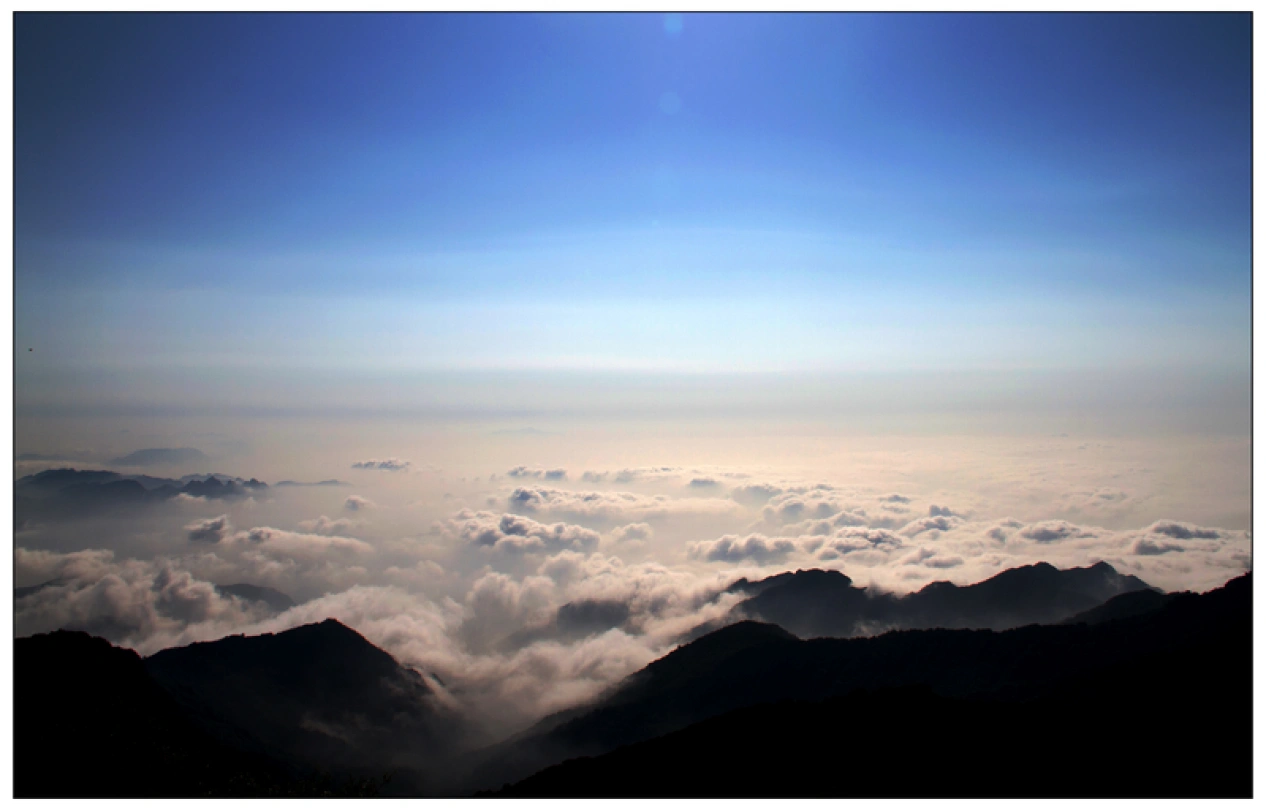
Hai Tuo Mountain Above the Sea of Clouds: A Skyward Feast on the Roof of Beijing
Meta Description: Discover Hai Tuo Mountain, Beijing's second-highest peak, where sea of clouds, starry nights, and alpine meadows await. Your ultimate guide to hiking, camping, and photography on the "Roof of Beijing." At the border of Beijing's Yanqing District and Hebei's Chicheng County lies a…
Continue reading...