Late Autumn 2025 Beijing & Tianjin Travel Guide: Reuniting with China's Most Familiar Stranger
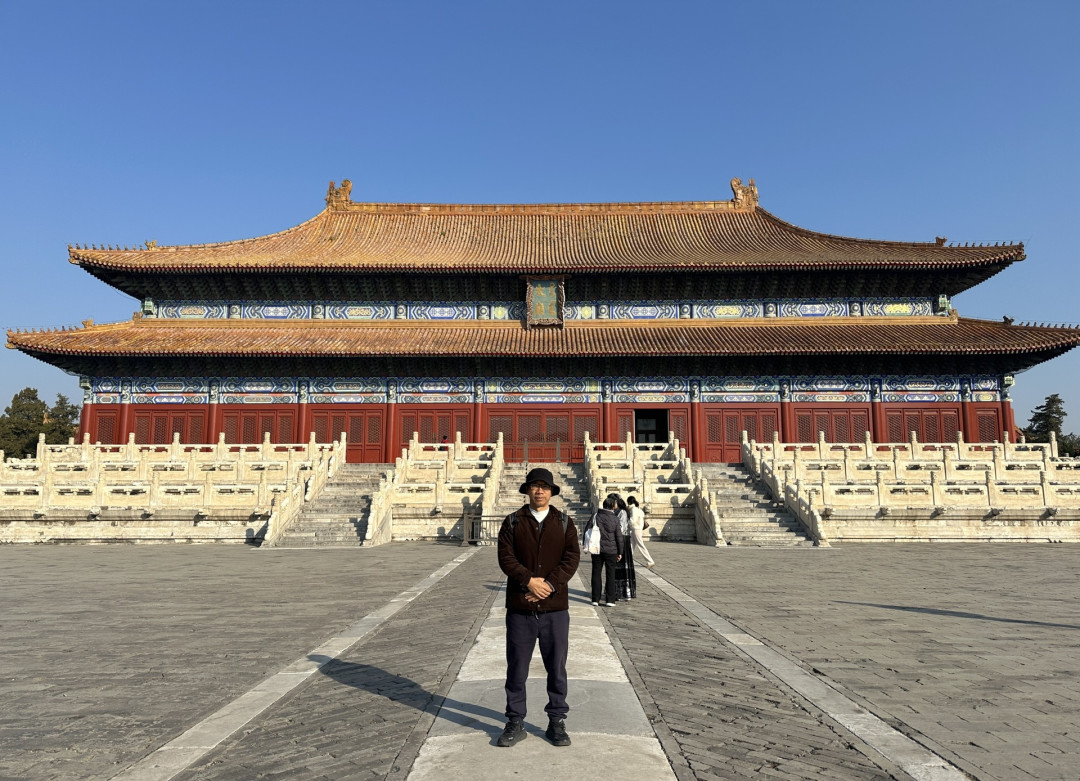
Meta Description: Discover Beijing & Tianjin in late autumn 2025. From Tianjin's hidden museums and crosstalk culture to Beijing's Forbidden City and Great Wall—a heartfelt travelogue and practical guide for your northern China adventure.
Introduction
For many Chinese, Beijing feels like a "most familiar stranger." We learn about Tiananmen in textbooks, hear the capital's news on the radio, and see its red walls on television. Yet when we finally stand before it, we realize how little we truly know. In late autumn 2025, I finally made the pilgrimage—not just to Beijing, but to its quieter neighbor, Tianjin. This is the story of that reunion, and a practical guide for anyone planning a similar journey.
Why Beijing & Tianjin in Late Autumn 2025?
Late autumn is arguably the best time to visit northern China. The summer heat fades, the winter chill hasn't arrived, and the skies often clear to brilliant blue. October and November offer comfortable temperatures for walking, fewer crowds than Golden Week, and stunning fall foliage in parks like the Summer Palace and Beihai.
For me, 2025 was finally the year to stop being a "near-miss" traveler. After years of rushed business trips and missed opportunities, I booked a dedicated vacation. And since I was heading north, adding Tianjin—a city with a completely different temperament from Beijing—made perfect sense.
Day 1: Kunming to Tianjin – From Spring City to Dock Town
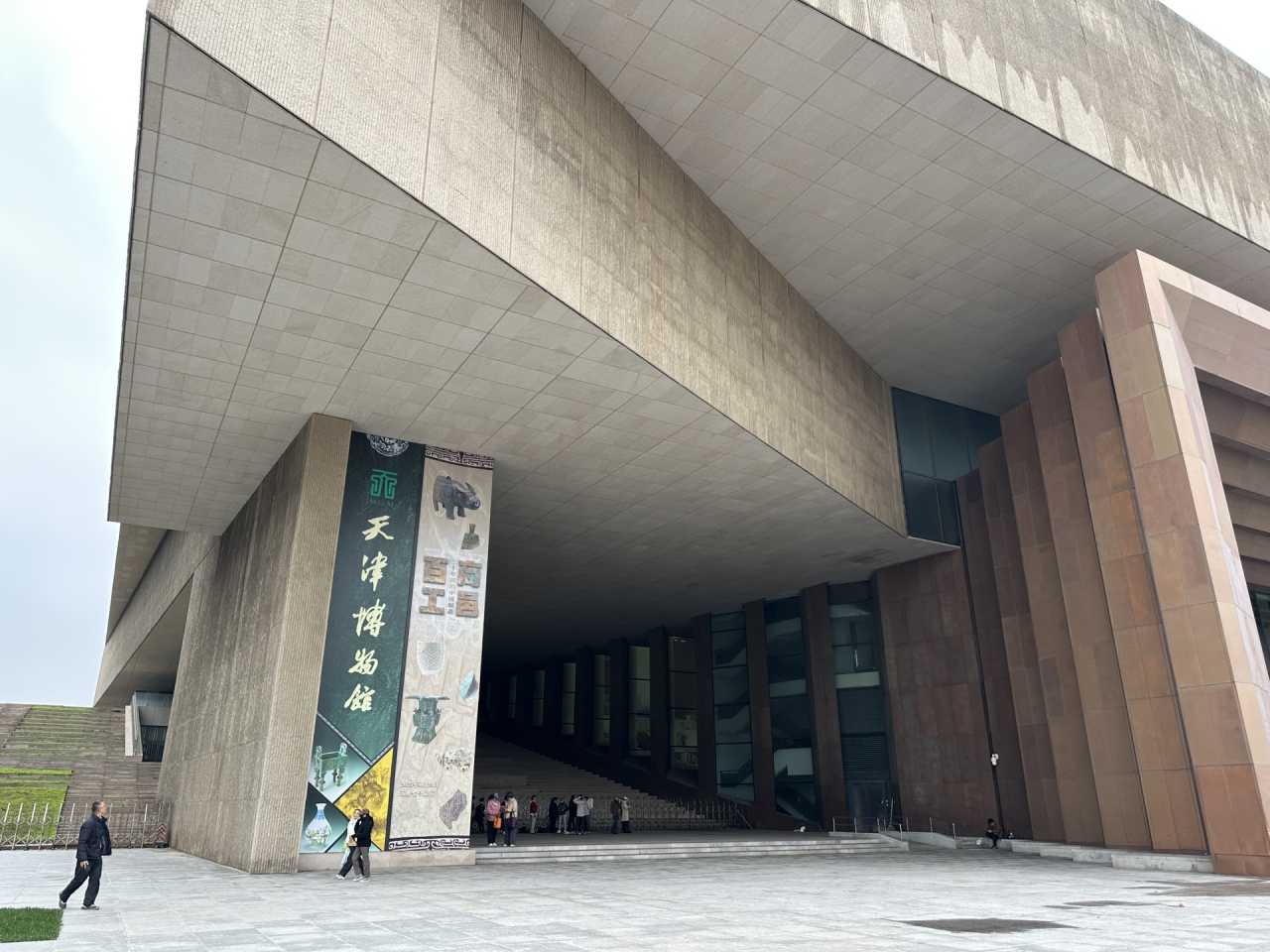
Arriving in Tianjin: First Impressions
Tianjin's name itself carries the flavor of a port city. Established during the Jin Dynasty as "Zhigu Village," it became a fortified garrison under Ming Emperor Yongle. With over 600 years of history, Tianjin was the birthplace of northern canal grain transport—silk and grain from the south arrived here via the Grand Canal.
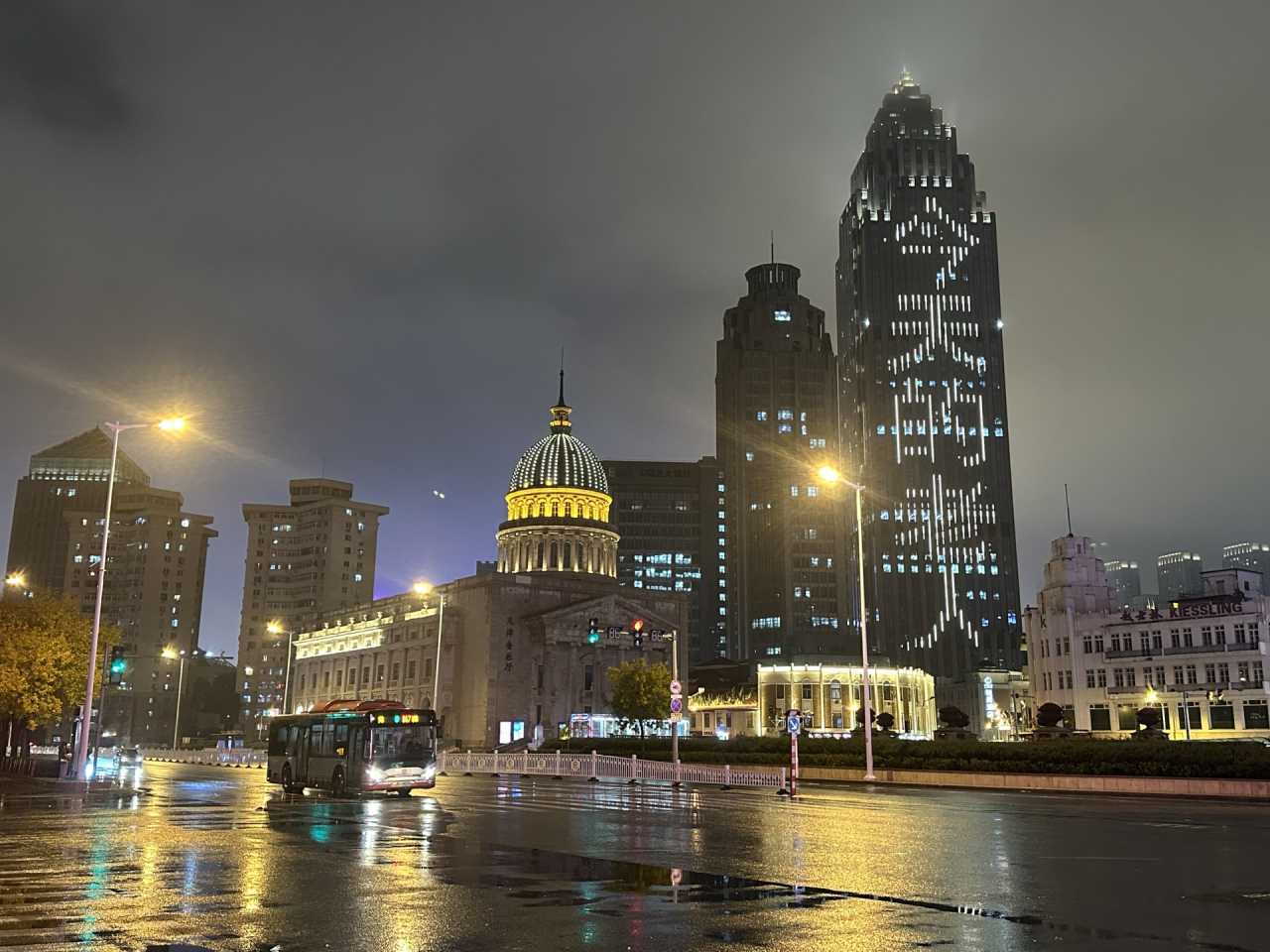
In modern times, Tianjin became a stronghold of the Westernization Movement. Foreign powers carved out concessions, built banks, and erected Western-style mansions. As locals say: "A single city of Tianjin holds half the history of modern China."
Where to Stay in Tianjin: Wudadao Area
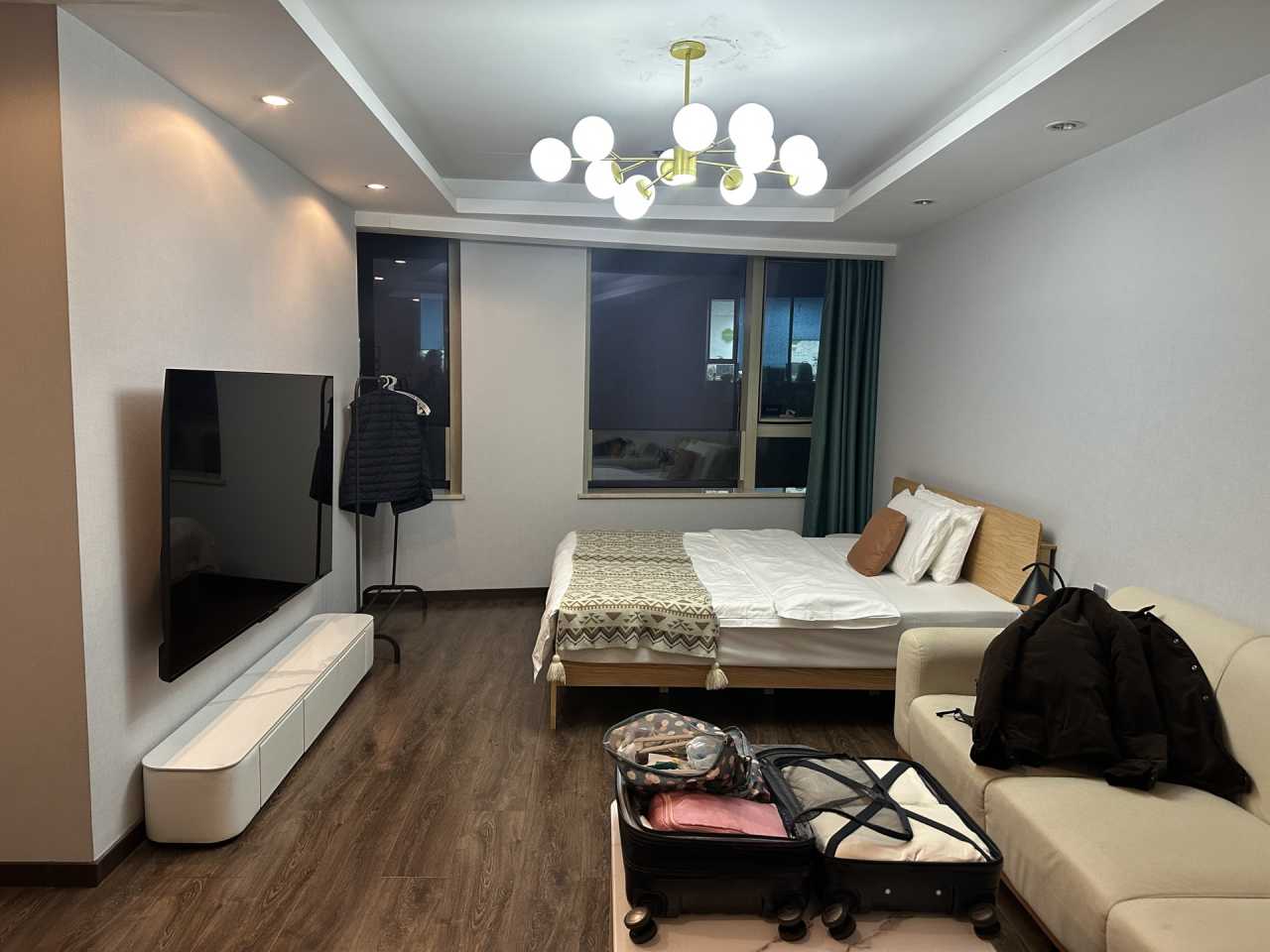
I checked into the Light Luxury Xiaozhu · Platinum House Boutique Apartment in the Five Great Avenues (Wudadao) area. The room was spacious and bright, with complete amenities and excellent value. Best of all, it sat directly above a metro station, with the Xiaobailou commercial district just outside.
Pro tip: Wudadao is the ideal base for exploring Tianjin. You're within walking distance of historic villas, cafes, and transport links.
Evening Dinner: Xiaocaiyuan New Anhui Cuisine
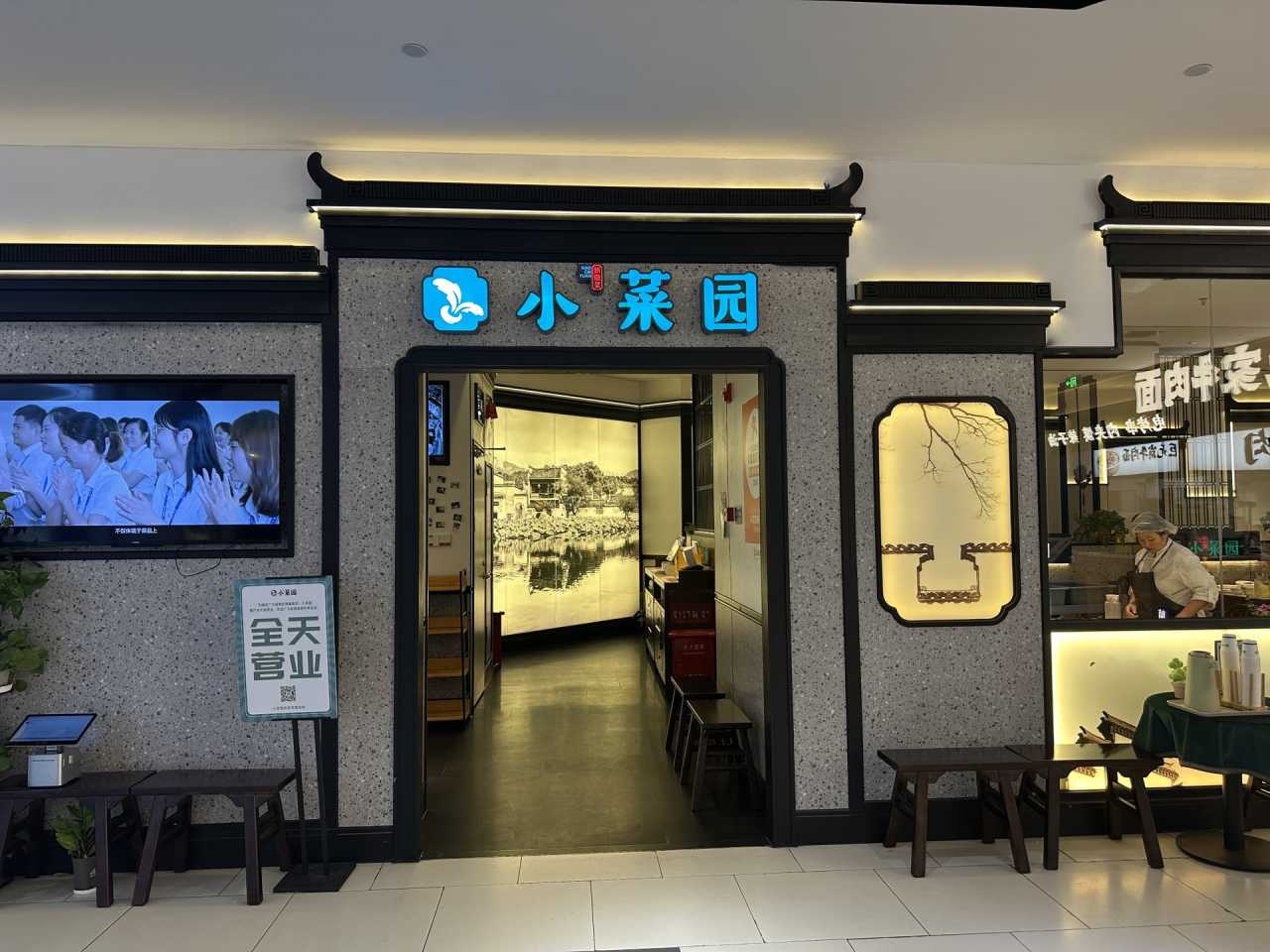
On the third floor of the International Trade Center, I enjoyed dinner at Xiaocaiyuan. The rain had just stopped, leaving the air fresh and damp. Leaning by the window, watching the dimly lit streets below, I silently prayed: Tomorrow, let it be good weather.
Day 2: Tianjin’s Museums, Mansions, and Crosstalk Culture
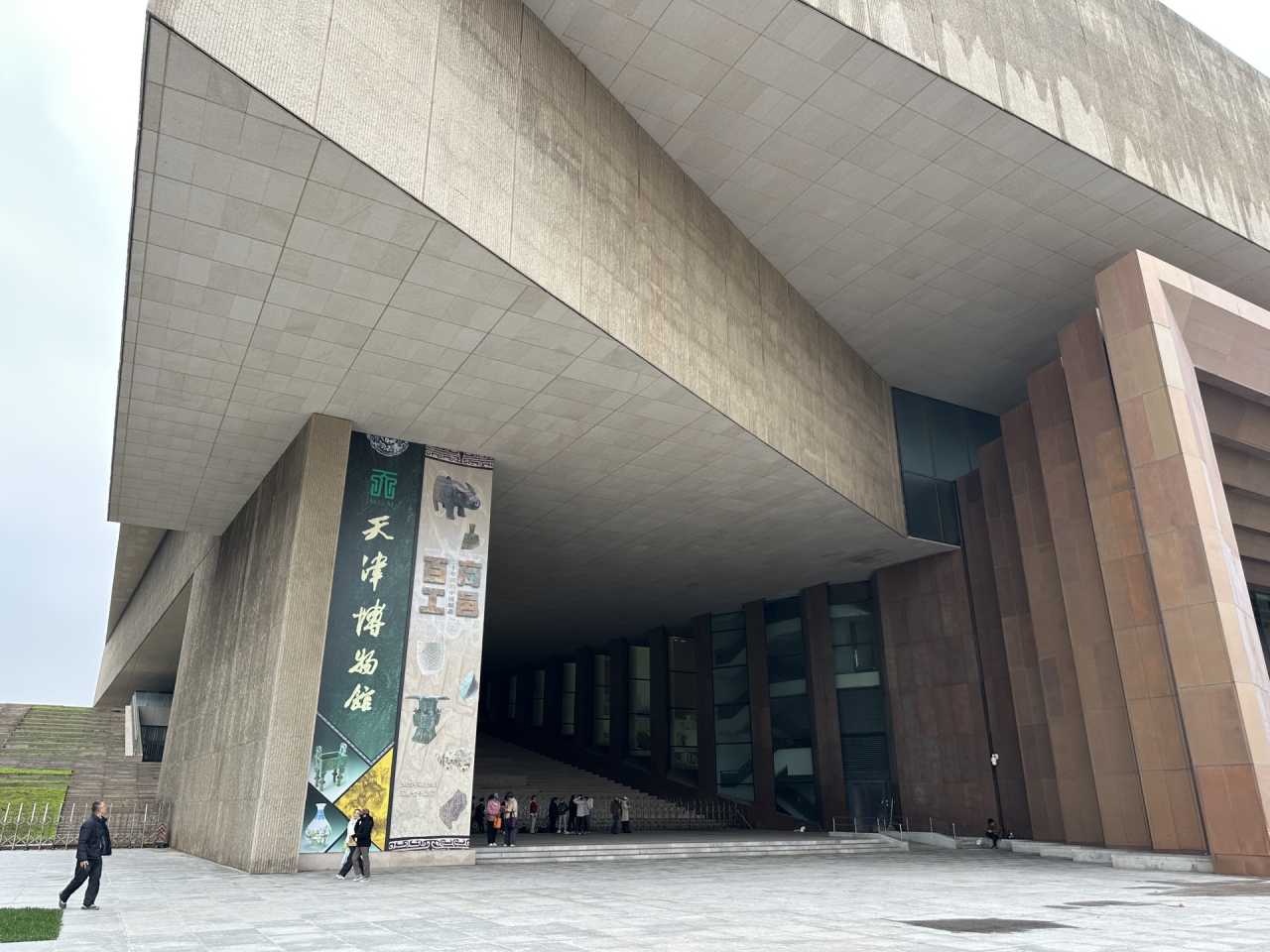
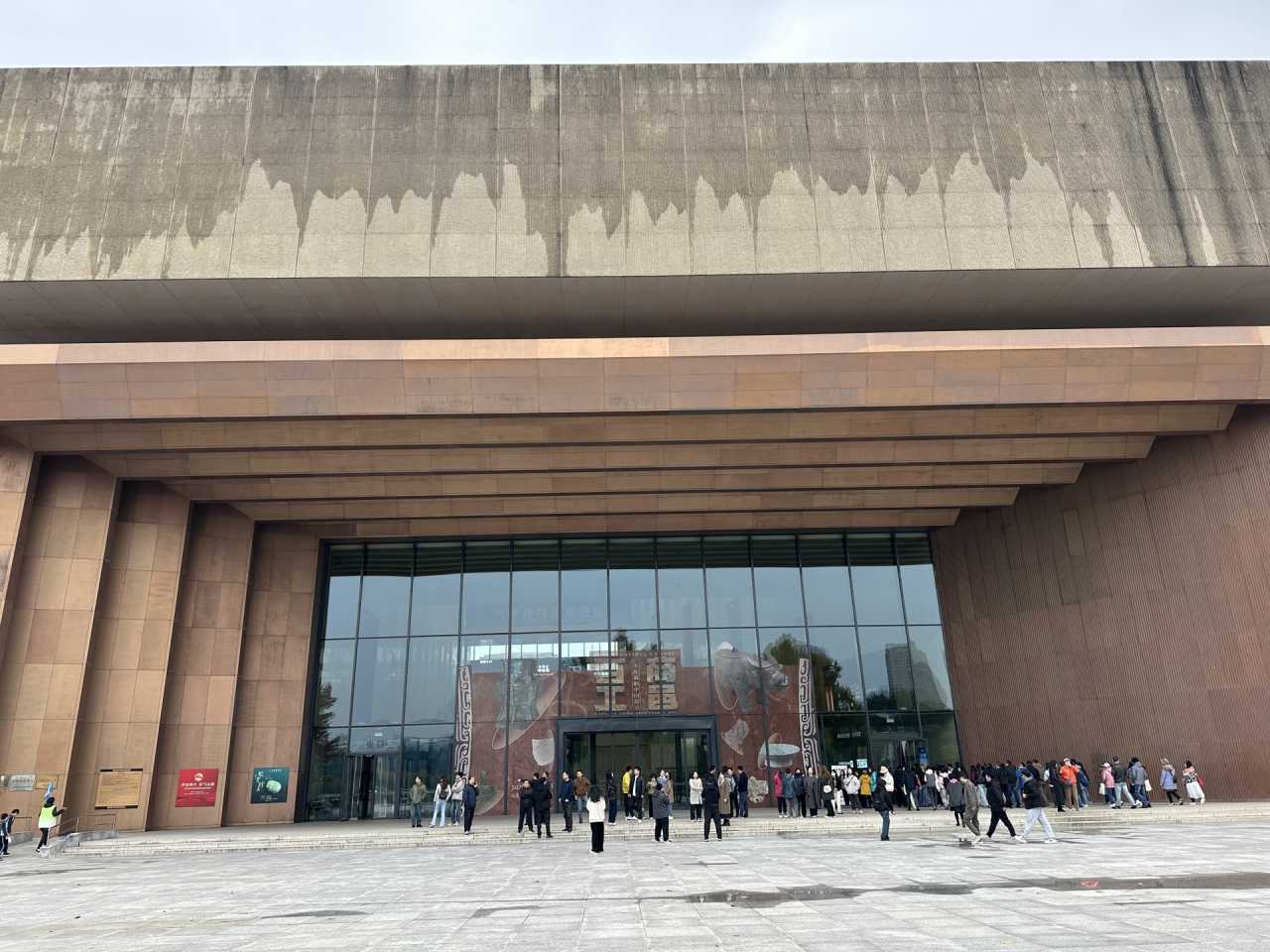
Morning: Tianjin Museum – A Low-Key Treasure Trove
The Tianjin Museum isn't famous, and it wasn't crowded. Getting a reservation was easy. But inside, I discovered genuine national treasures.
Must-See Artifacts at Tianjin Museum:
Jade Pig-Dragon (Hongshan Culture, Neolithic Age): A pig's head on a dragon's body—this spiritual totem is the largest and most exquisite example of its kind. The simple, mysterious style speaks to ancient beliefs.
Qing Dynasty Qianlong Emperor's Black Jade Gold-Inscribed Sutra Bowl: The inner wall bears the Heart Sutra in gold; the outer wall features seven Buddha figures and cloud-dragon patterns. A court treasure personally used by the Qianlong Emperor.
Song Dynasty Fan Kuan's "Snowy Landscape Scroll": The only surviving Fan Kuan work on the Chinese mainland. Amid vast snow, peaks rise like a screen. The composition is rigorous, the brushwork rich. Discover the faint inscription: "By Your Servant Fan Kuan."
Ming Dynasty Longquan Kiln Celadon Budai Monk Statue: A laughing Buddha, bare-chested and pot-bellied, holding a cloth bag. The unglazed face contrasts beautifully with celadon glaze—a masterpiece of Longquan ceramics.
[Link: Top 10 Museums in China You Must Visit]
Afternoon: Strolling the Five Great Avenues
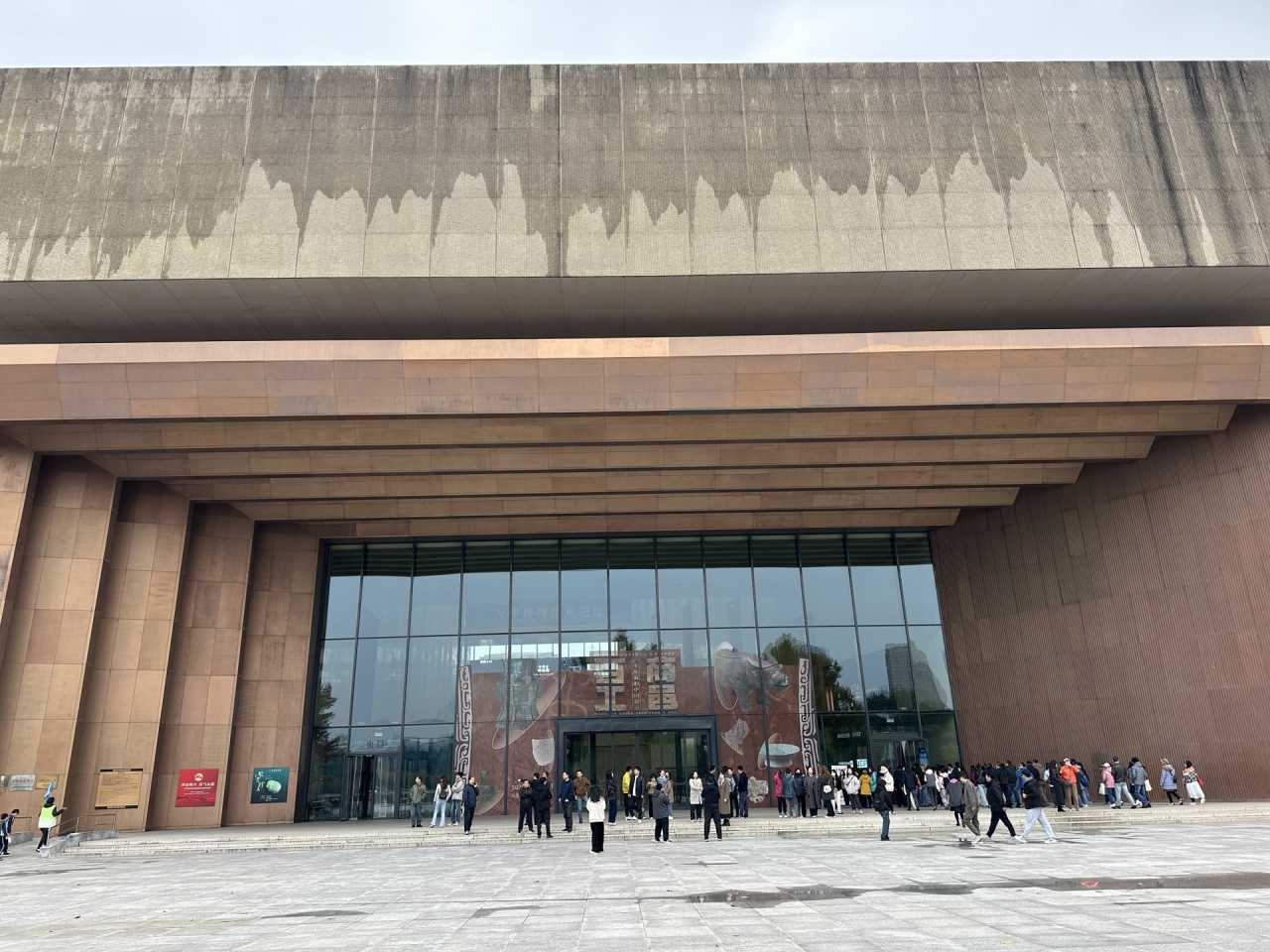
After the museum, I wandered through Wudadao—Tianjin's most elegant neighborhood. Rows of Western-style mansions from the Republican era line the streets. Each building tells a story: retired politicians, Qing loyalists, wealthy merchants who sought refuge in Tianjin's concessions during turbulent times.
Photo tip: The architecture here rivals Shanghai's Bund. Bring a camera and allow at least two hours for exploration.
Evening: Crosstalk at Baohexuan Teahouse
Tianjin is nicknamed "Gen'er Du" (City of Wit). The local dialect is lively and playful, and crosstalk (相声, xiangsheng) culture is everywhere. Names like Ma Sanli, Hou Baolin, and Guo Degang represent the pinnacle of Chinese comedy.
At Baohexuan Teahouse in the Ancient Culture Street, I settled in for an evening of laughter. The performers were sharp, the audience engaged, and the tea was endless. It was the perfect introduction to Tianjin's soul.
What to order: Traditional tea and snacks. The atmosphere is more important than the food.
Day 3: Tianjin to Beijing – Crossing the Modern Divide

Morning: Tianjin's Culinary Scene (and a Reality Check)
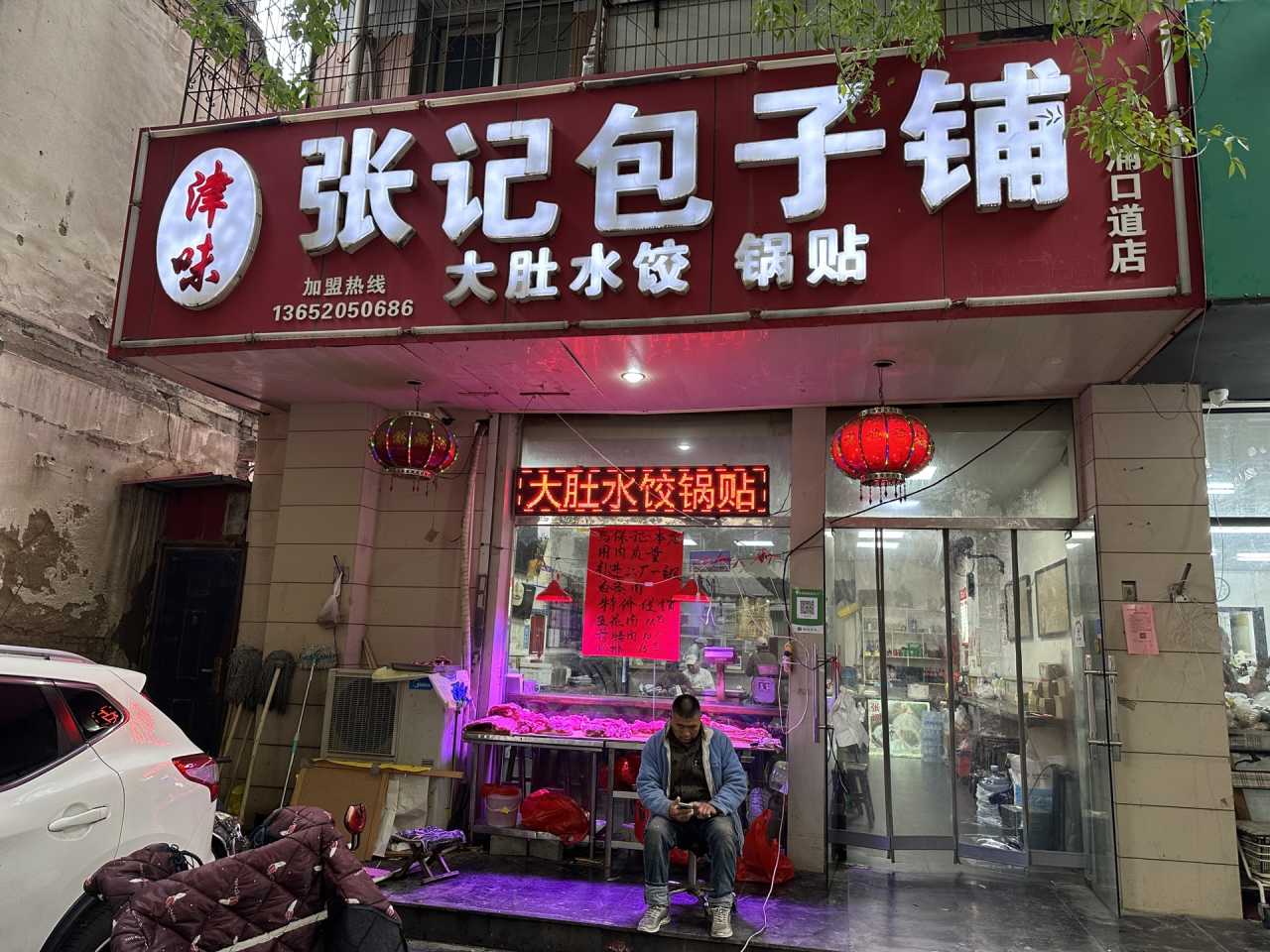
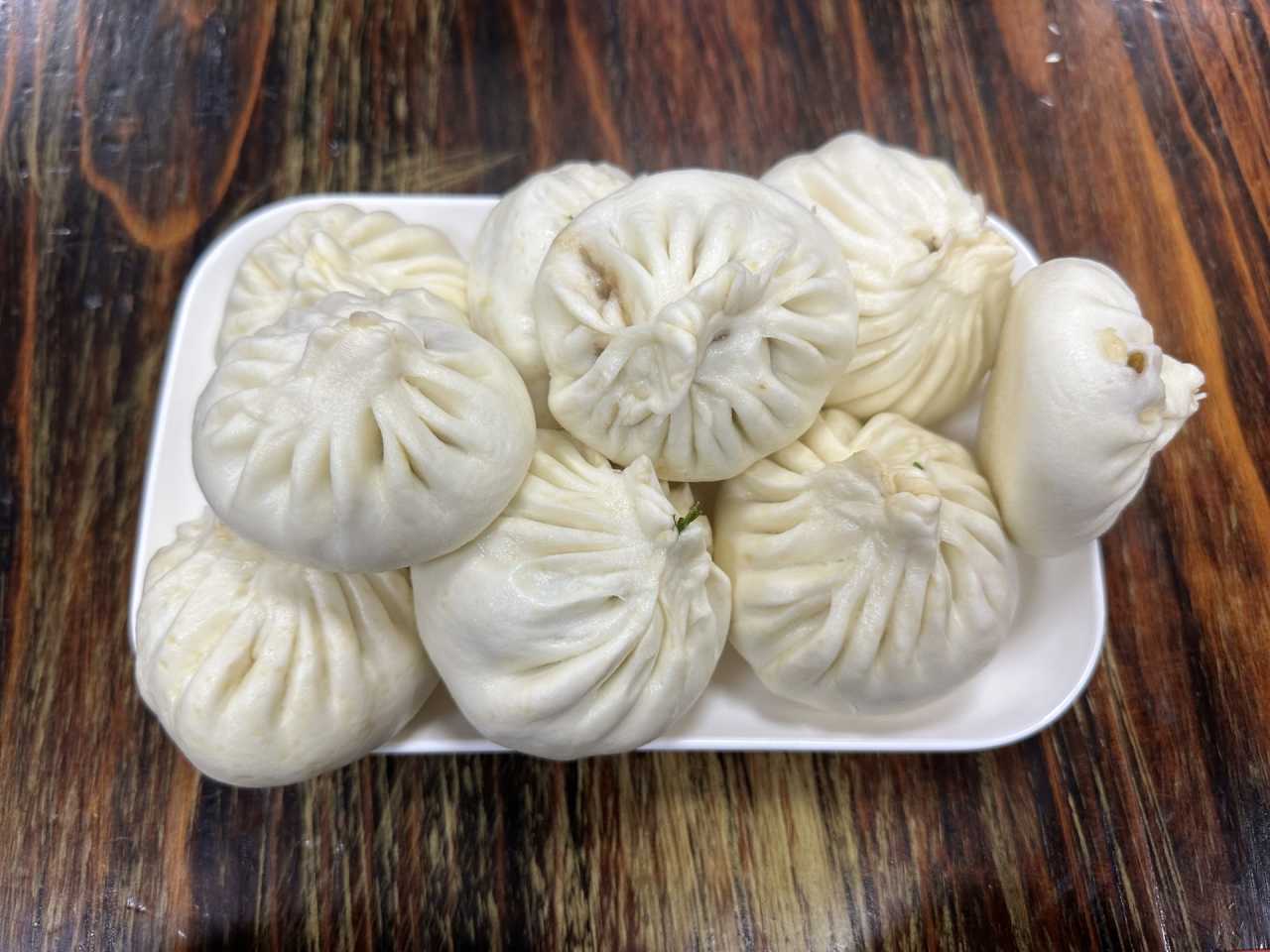
I started the day at a local steamed bun shop. You can't visit Tianjin without trying Goubuli steamed buns, I told myself. But honestly? They tasted much like what I could get in Kunming. The real Tianjin food highlights are elsewhere.
Tianjin must-try foods: - Shibajie twisted fried dough sticks – crispy, sweet, and addictive - Yangliuqing New Year woodblock prints – not food, but a cultural souvenir - Clay Figure Zhang's painted sculptures – exquisite folk art
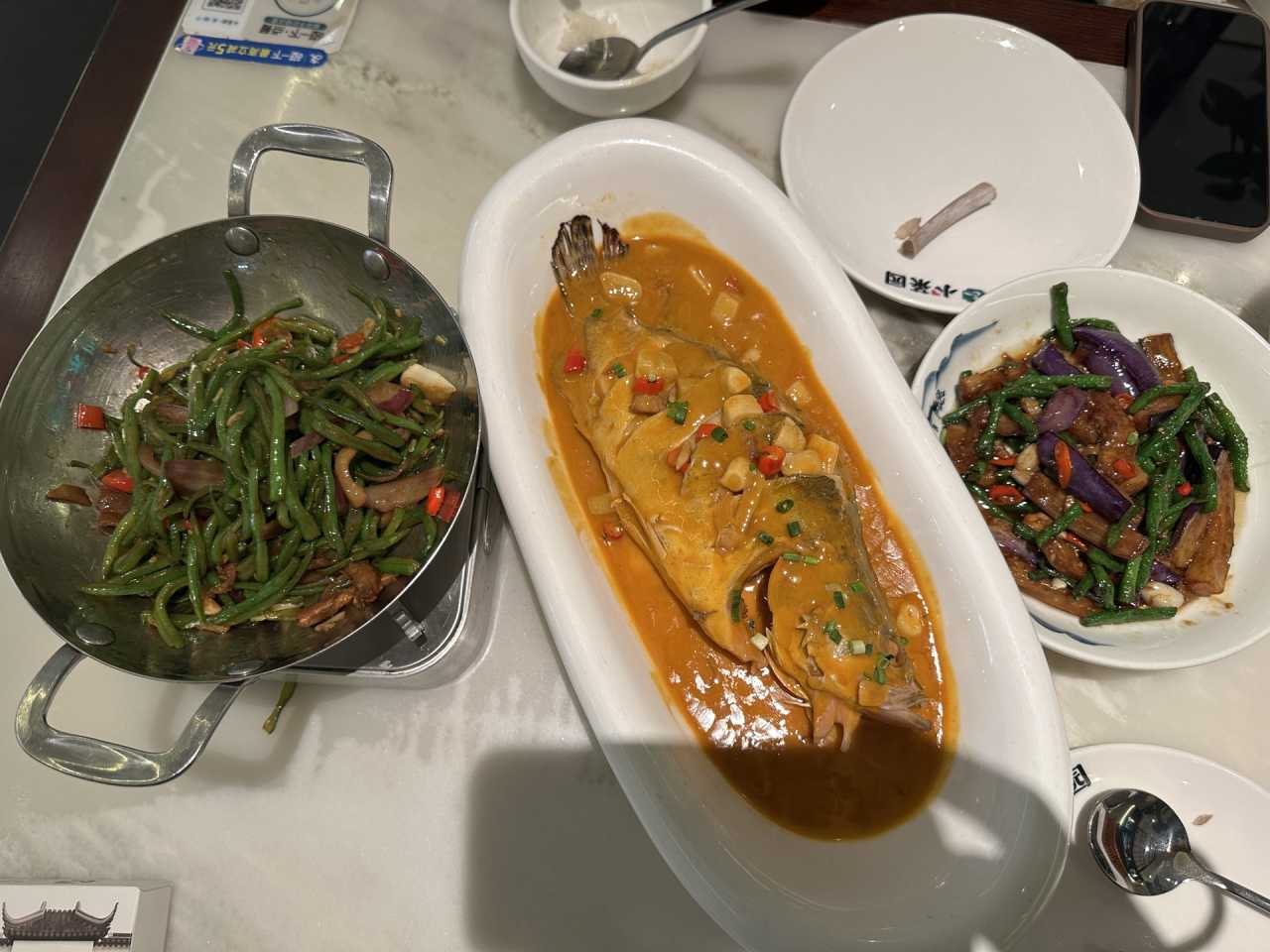
For lunch, I tried Heyuan Family Feast Restaurant on Heiniucheng Road, hoping for authentic Tianjin cuisine. I ordered Tofu with Eight Treasures and Mixed Fish in a Pot. The result? Too much oil, too much salt, sticky and gloopy. I made a mental note: Stick to street food and teahouse snacks.
Afternoon: High-Speed Rail to Beijing
The Beijing-Tianjin high-speed rail takes just 30 minutes. It's the fastest way to travel between the two cities, with trains departing every 15-20 minutes. The ride is smooth, comfortable, and offers glimpses of the North China Plain.
Ticket tip: Book in advance via 12306 or travel apps. Second-class seats are affordable and perfectly comfortable.
Day 4-5: Beijing – Finally Meeting the "Most Familiar Stranger"
Arriving in Beijing: First Real Impressions
Standing at Tiananmen Square, I felt a strange mix of familiarity and novelty. I had seen this place in textbooks, news broadcasts, and movies. But the scale, the energy, the sheer presence—it was overwhelming.
Beijing in late autumn: The air was crisp, the sky a brilliant blue. The Forbidden City's red walls glowed in the afternoon light. This is what I had been missing all those years.
Must-Visit Sites in Beijing (Late Autumn Edition)
- Forbidden City: Book tickets at least a week in advance. Arrive early to avoid crowds. Focus on the western palaces for fewer tourists.
Great Wall (Mutianyu section): Less crowded than Badaling, with stunning autumn foliage. Take the cable car up, toboggan down.
Summer Palace: The Kunming Lake reflects the autumn colors perfectly. Walk the Long Corridor and climb the Hill of Longevity.
Temple of Heaven: Visit early morning to see locals practicing tai chi and playing traditional instruments.
[Link: Ultimate Beijing Travel Guide – 5 Days]
Where to Eat in Beijing
Beijing's food scene is diverse. For authentic flavors:
- Zha Jiang Mian (noodles with soybean paste) – try at a local hutong restaurant
- Beijing Roast Duck – Quanjude or Dadong for classic versions
- Lamb Hotpot – Donglaishun for traditional Mongolian-style
Pro tip: Avoid tourist-trap restaurants near major attractions. Walk into hutongs to find family-run eateries.
Why This Trip Matters: Reconnecting with China's Soul
Beijing and Tianjin aren't just cities—they are living textbooks of modern Chinese history. Tianjin's concessions tell the story of foreign influence and resistance. Beijing's imperial sites speak to centuries of dynastic rule. Together, they offer a complete picture of China's transformation.
For me, this trip was about finally meeting that "most familiar stranger." I had heard Beijing's stories my whole life. Now I had walked its streets, tasted its food, and felt its pulse. And Tianjin? It surprised me with its humor, its hidden treasures, and its unique character.
FAQ: Planning Your Beijing & Tianjin Trip
1. When is the best time to visit Beijing and Tianjin?
Late autumn (October-November) is ideal. The weather is cool and dry, skies are clear, and autumn foliage is spectacular. Spring (April-May) is also good, but summer is hot and humid.
2. How many days do I need for Beijing and Tianjin?
A minimum of 5-7 days: 2-3 days for Tianjin, 3-4 days for Beijing. This allows for relaxed exploration without rushing.
3. Do I need to book museum tickets in advance?
Yes. Major museums like the National Museum of China, Forbidden City, and Tianjin Museum require advance reservations. Book 1-2 weeks ahead during peak seasons.
4. Is the high-speed rail between Beijing and Tianjin convenient?
Extremely. Trains depart every 15-20 minutes from Beijing South Station to Tianjin Station. The journey takes about 30 minutes. Tickets cost around ¥55 for second class.
5. What should I pack for late autumn in northern China?
Pack layers: a light jacket for daytime, a warm coat for evenings. Comfortable walking shoes are essential. Bring a reusable water bottle and sunscreen—the sun can be strong even in autumn.
Plan Your Own Reunion with Beijing & Tianjin
This trip transformed my relationship with two cities I thought I knew. Beijing is no longer a stranger—it's a friend I'm eager to visit again. Tianjin is no longer an afterthought—it's a destination with its own rich story.
Ready to plan your own journey? Start by booking your high-speed rail ticket and reserving museum slots. Then, explore our detailed guides for each city:
- [Link: Beijing 5-Day Itinerary – The Ultimate Guide]
- [Link: Tianjin Hidden Gems – Beyond the Tourist Trail]
- [Link: Best Late Autumn Destinations in China]
Don't wait for another "near-miss." The red walls, the autumn leaves, the crosstalk laughter—they're waiting for you. Book your trip today and finally meet your most familiar stranger.
Have you visited Beijing or Tianjin? Share your experiences in the comments below. What surprised you most about these cities?
You should also read:
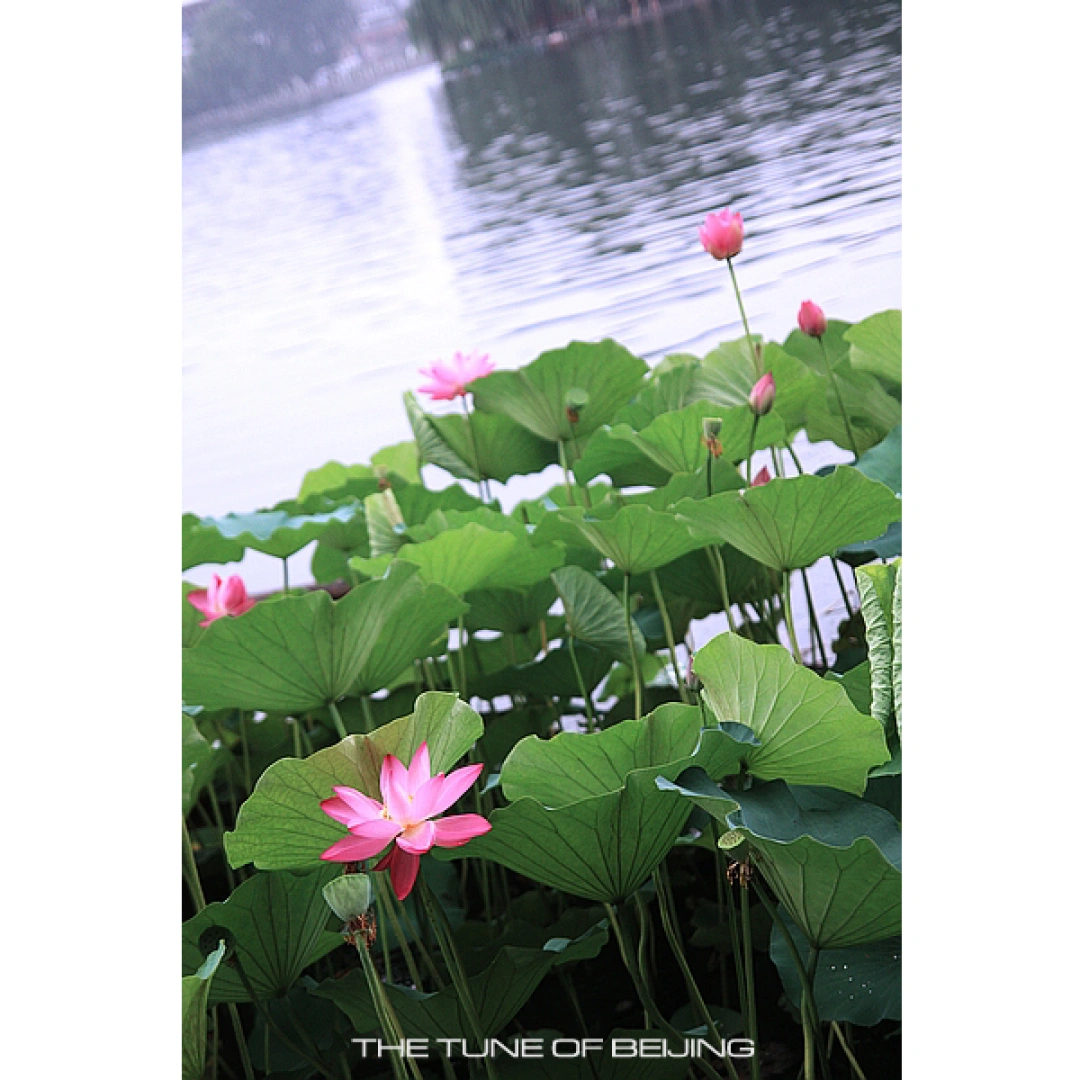
The Accent of Beijing: A Hutong Odyssey in a Downpour – Exploring Beijing's Hidden Charms
Meta Description: Discover Beijing's soul through a rain-soaked hutong odyssey. From Shichahai's melancholy to Mianhua Hutong's philosophy, experience the authentic "accent of Beijing" in this immersive travel story. I'm probably going to laze myself to death. I visited Beijing eight hundred years ago—took the high-speed…
Continue reading...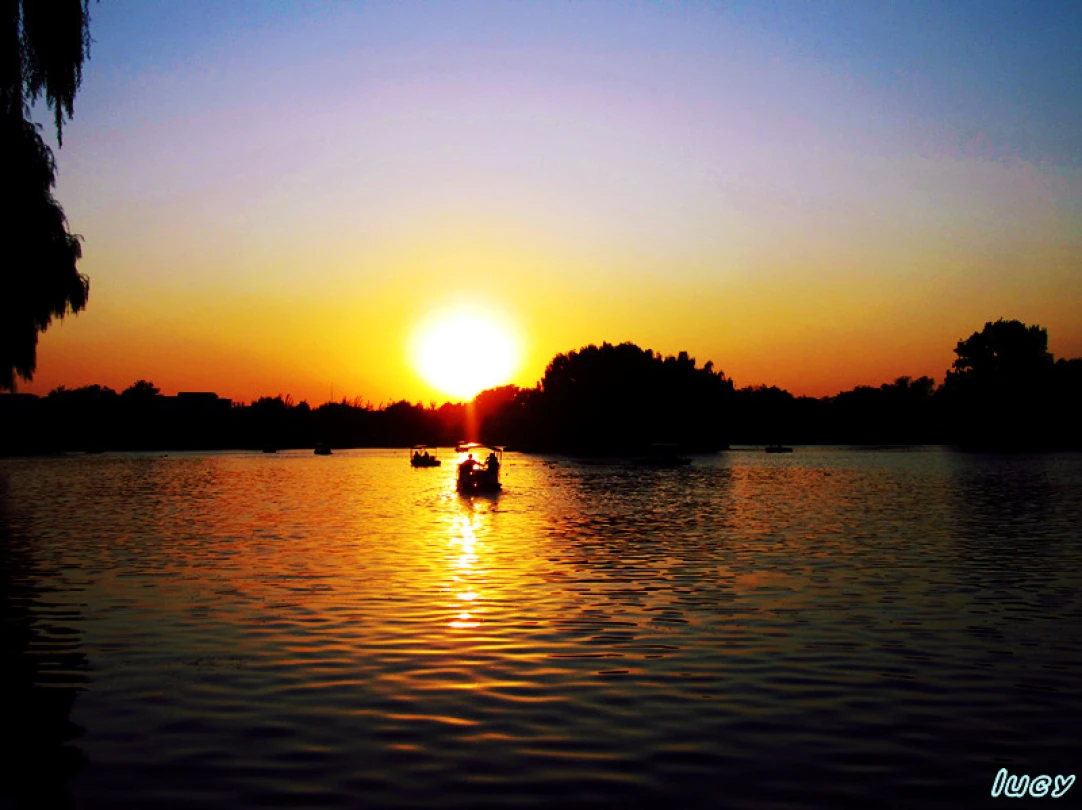
A Solo Journey Through Beijing: One Girl's Seven-Day Adventure
Here is the SEO-optimized, rewritten article based on your source material. It is structured for high readability, keyword density, and user engagement, targeting approximately 1500 words. SEO Title: Solo Travel in Beijing: One Girl’s 7-Day Budget Adventure (2,000 Yuan Itinerary) Meta Description: Discover the ultimate…
Continue reading...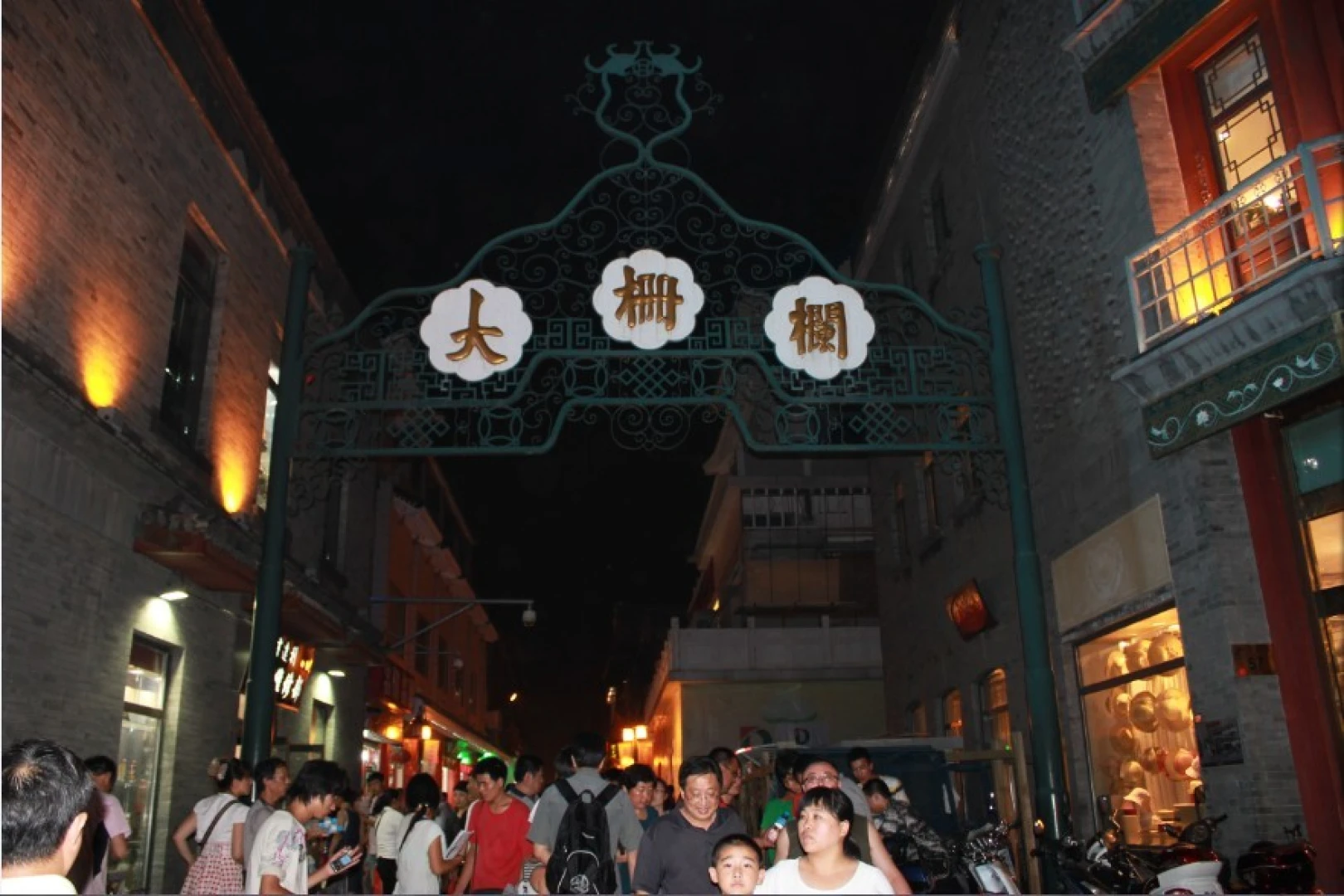
28 Hours Hard Seat to Beijing: A Poor Student's 16-Day Fantasy Journey Through the Capital
Meta Description: Discover how one budget traveler survived a 28-hour hard seat train ride from Nanning to Beijing for just 2,200 yuan. Explore Beijing on a shoestring with insider tips, hidden costs, and honest reviews of hostels, food, and attractions. "Are you out of your…
Continue reading...