Measuring Beijing on Foot: The Ultimate City Walk Guide to Rediscovering the Capital
Meta Description: Discover Beijing like never before with this comprehensive City Walk guide. Explore hidden gems like Zhihua Temple, wander hutongs, and experience the capital's warmth on foot. Perfect for slow travelers and return visitors.
Introduction: Why a Beijing City Walk Beats Rush-Hour Traffic
Some say Beijing is a city you both love and hate. You love its depth and inclusiveness, hate its rush and congestion. After living here, leaving, and returning a decade later, I've discovered the perfect antidote to Beijing's chaos: walking.
This isn't about ticking off tourist boxes or fighting crowds at the Forbidden City. It's about measuring Beijing on foot—one step at a time—through hidden temples, humming hutongs, and unexpected corners that even locals forget exist.
Over five days, I averaged 20,000 steps daily, covering seven distinct routes. Whether you're a first-time visitor or a former resident returning home, this Beijing walking tour guide will help you rediscover the capital's soul.
[Link: Best time to visit Beijing for walking tours]
What Is a City Walk? The Art of Aimless Exploration
After the rise of "commando-style tourism"—where travelers cram five attractions into one day—City Walk has emerged as its gentle counterpoint. Simply put, it's wandering without a destination.
The Rules Are Simple: - At each intersection, play rock-paper-scissors to choose direction - Walk on green lights, turn on red - Skip trendy Instagram spots intentionally - Record the city with your feet and camera
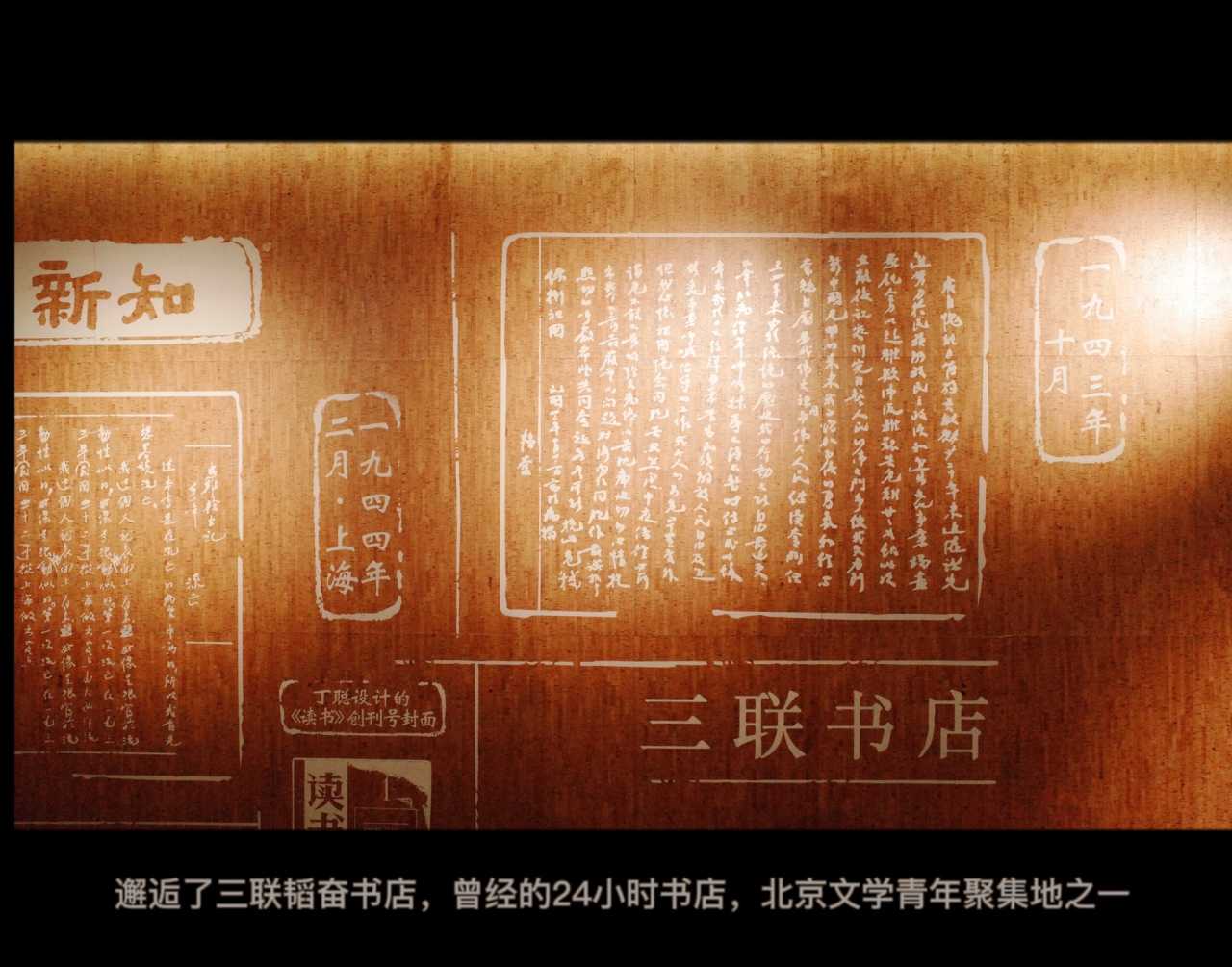
This philosophy aligns perfectly with my travel style: no advance planning, just a ticket and curiosity. You'll hit some duds, but you'll also stumble upon magic. If you can walk, never take a car. Weave through alleys and streets, bumping into delights at every turn.
Pro Tip: Plan loosely the night before. I'd casually search routes each evening, often walking the same hutongs twice—and loving it both times.
[Link: Essential packing list for Beijing walking tours]
Day 1: From Ming Dynasty Woodwork to Hutong Hustle
Zhihua Temple: A Ming Dynasty Gem Hidden in the Bustling City
Keywords: Ming Dynasty wooden architecture, Beijing music, hidden temples Beijing
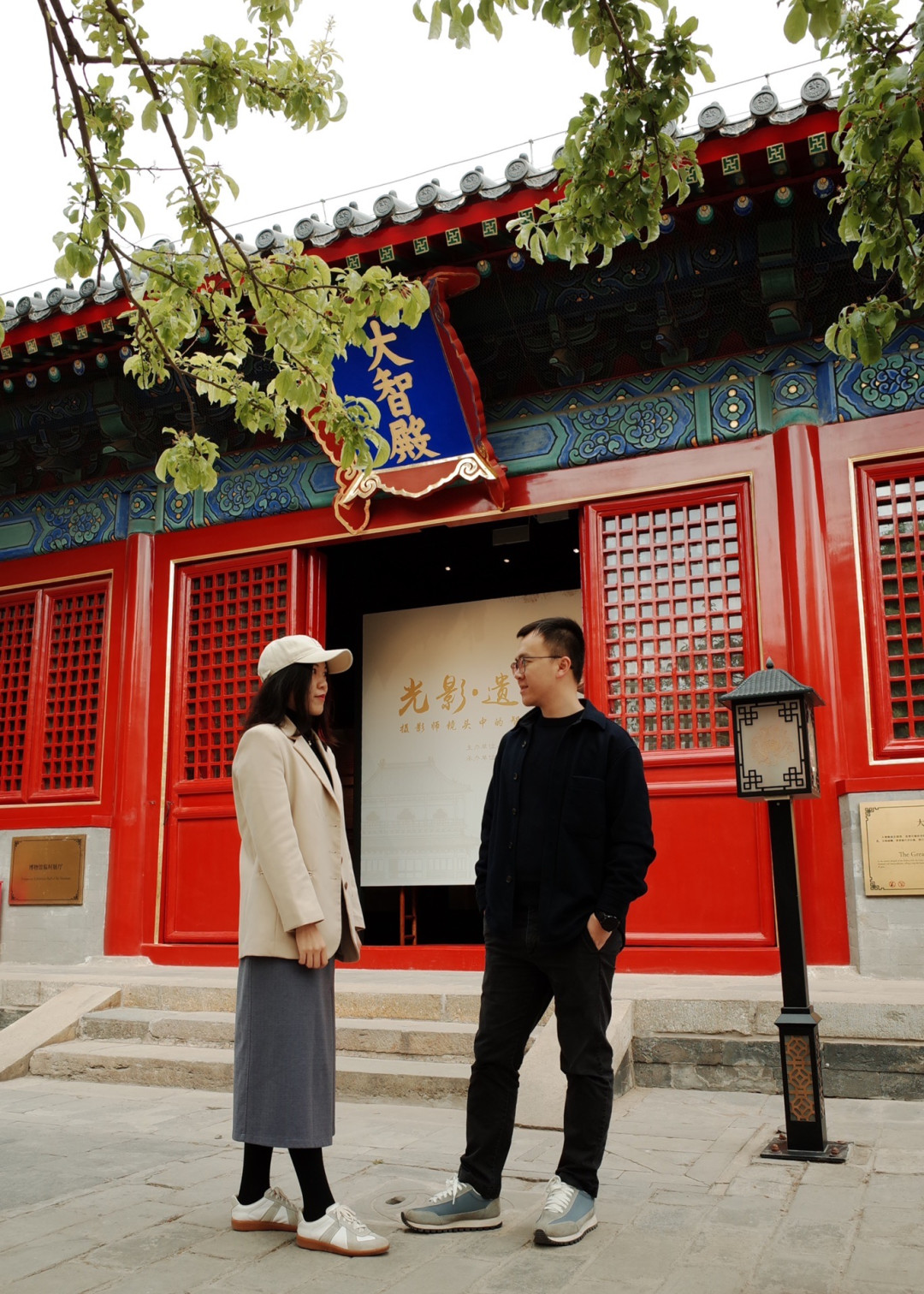
First stop: Zhihua Temple—a masterpiece of Ming Dynasty wooden architecture and home to living fossil Beijing music.
Quick Facts: - Tickets: 20 RMB (peak season: reserve via WeChat; off-season: buy at window) - Built: 1443 (8th year of Ming Zhengtong era) - Original patron: Powerful eunuch Wang Zhen - Current status: Museum (no longer an active temple)
The History Behind the Walls
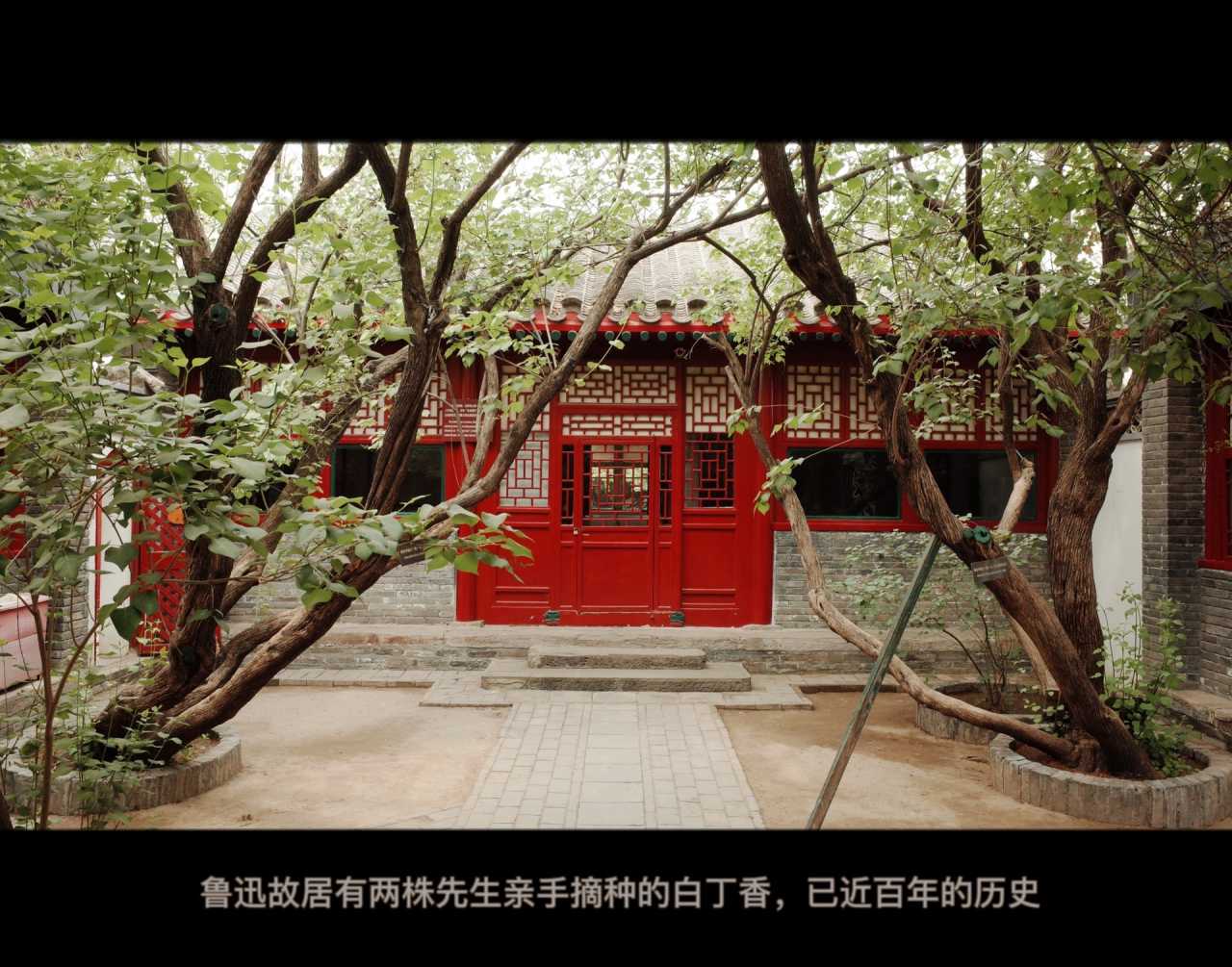
Wang Zhen built Zhihua Temple as his private temple to express gratitude for imperial favor. Emperor Yingzong named it "Baoen Zhihua Temple" (Temple of Gratitude and Wisdom). But Wang Zhen's story takes a dark turn—he persuaded Yingzong to lead a disastrous military campaign at Tumu Fortress, resulting in the emperor's capture and Wang Zhen's execution. Remarkably, the temple survived because it was built under imperial decree.
What to See Inside:
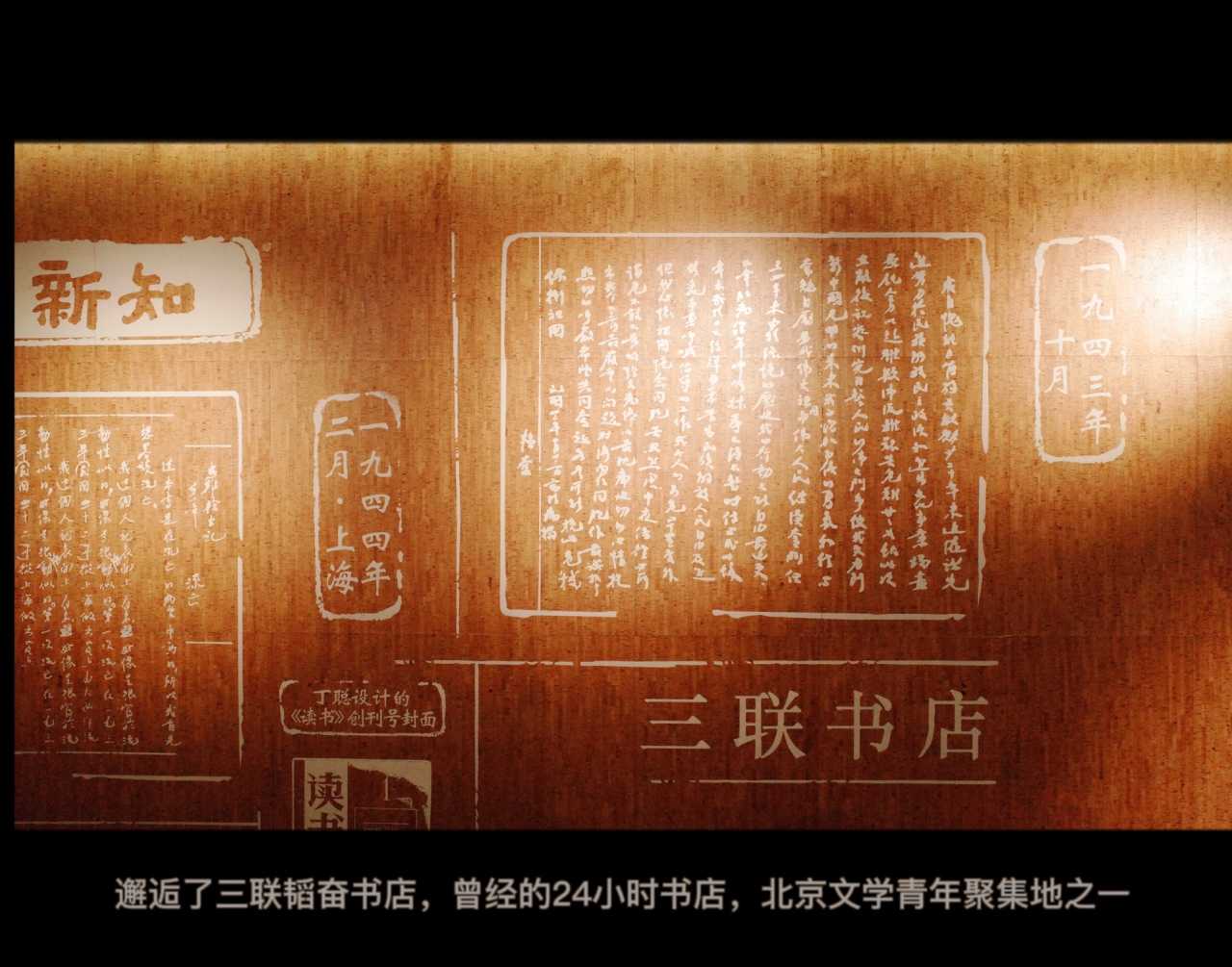
The Revolving Sutra Cabinet – Located in the Scripture Hall, this rotating cabinet stored Buddhist texts. From certain angles, you can glimpse the exquisite caisson ceiling above.
The Caisson Ceilings – Zhihua Temple's caissons represent the pinnacle of ancient wooden carving. Tragically, only one remains in the Scripture Hall. The others from the Ten Thousand Buddha Pavilion and Zhihua Hall were sold abroad in 1930—now residing in the Nelson-Atkins Museum of Art (USA) and Philadelphia Museum of Art.
The Three Ming Dynasty Buddha Statues – Shakyamuni, Maitreya, and Dipankara sit in the Zhihua Hall, their carving incredibly refined. Behind the Buddha niche lies a beautiful Ming Dynasty mural.
The Ten Thousand Buddha Pavilion – Walls covered with niches holding over 9,000 small gilded wooden Buddha statues. Inside, scripture cabinets have 660 drawers indexed using the Thousand Character Classic.
The Unmissable Experience: Beijing Music Performance at 3 PM
Beijing music is considered a living fossil of Chinese music. When Wang Zhen brought Ming Dynasty court music out of the palace walls into his private temple, the monk musicians passed down their art strictly through oral tradition for 579 years—no outside contact, no written scores.
The performers you'll hear are the 27th generation inheritors. The main instruments include: - Guanzi (double-reed pipe) – leads the melody - Sheng (mouth organ) – accompanies - Di (bamboo flute) – weaves freely - Yunluo (cloud gongs) – rings out clearly - Gu (drum) – rises and falls rhythmically
Instruments chase each other in flowing melody, earning the name "Chinese symphony." Monk musicians once traveled to Europe with Central Conservatory of Music professors and were hailed as "musical bombs."
Even without musical training, I got goosebumps.
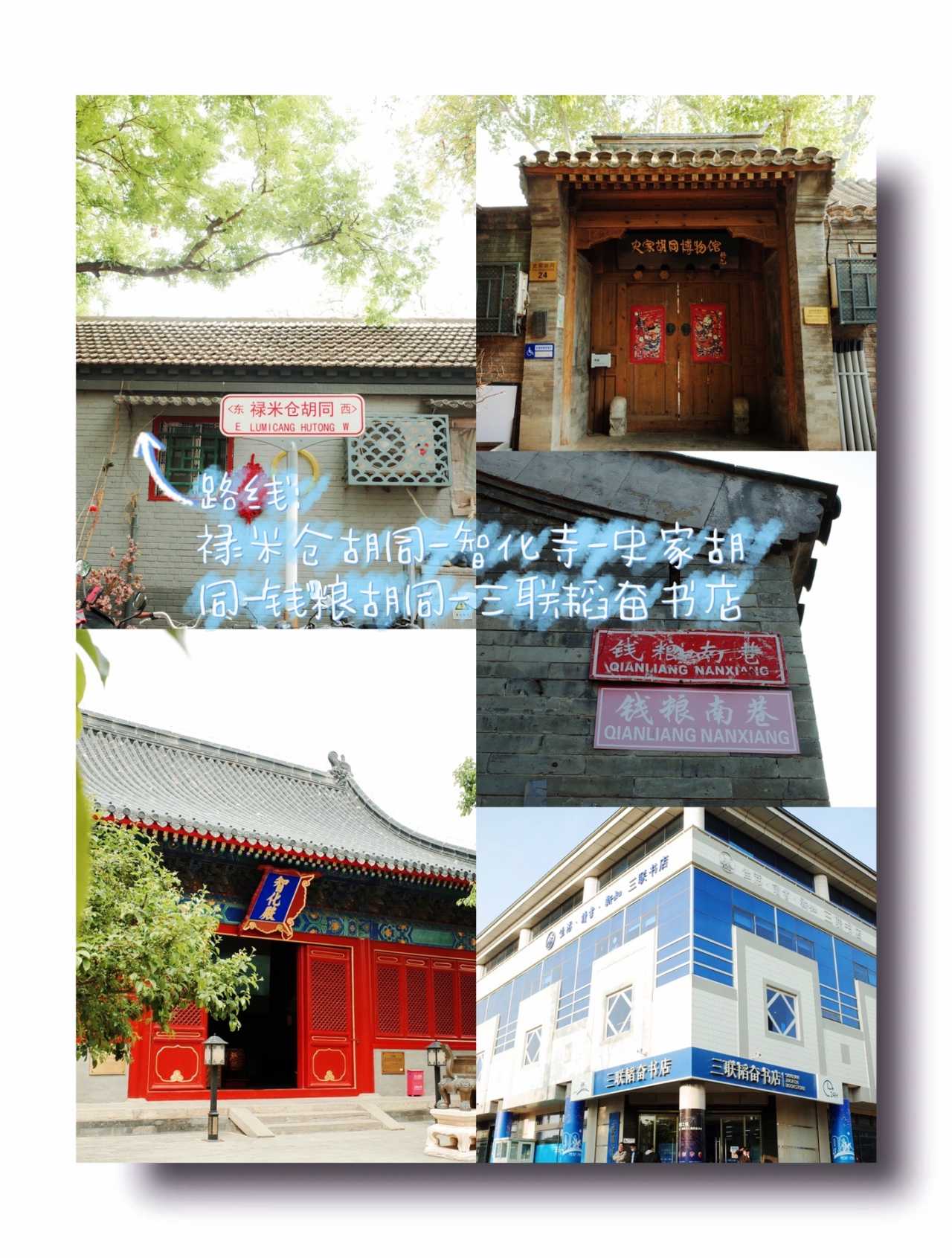
Lumicang Hutong → Shijia Hutong → Qianliang Hutong
Keywords: Beijing hutong walking route, hidden gems Beijing
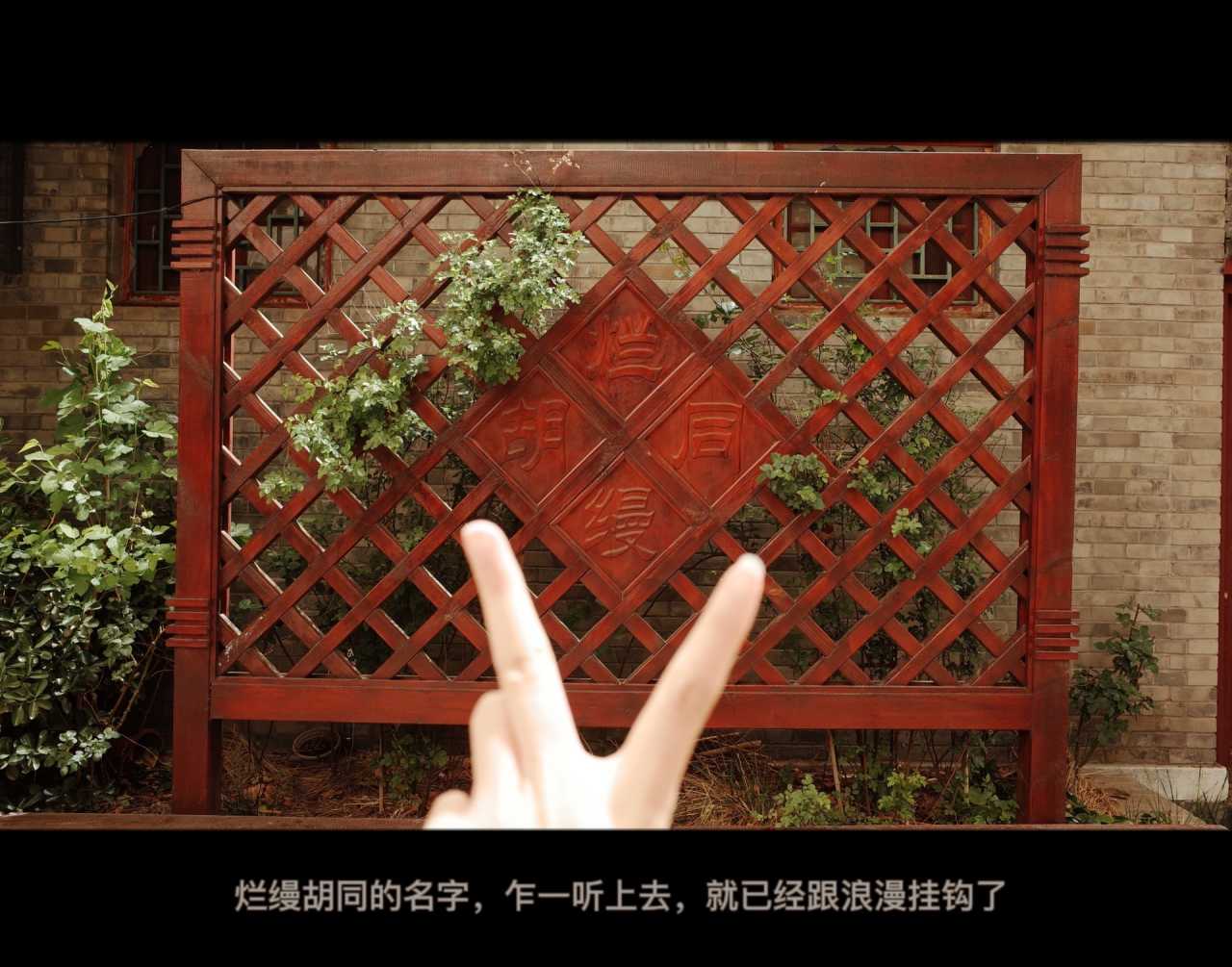
Leaving Zhihua Temple, head west along Lumicang Hutong. This area perfectly captures old Beijing's rhythm—narrow lanes, bicycle bells, and the smell of home-cooked meals drifting through courtyard doors.
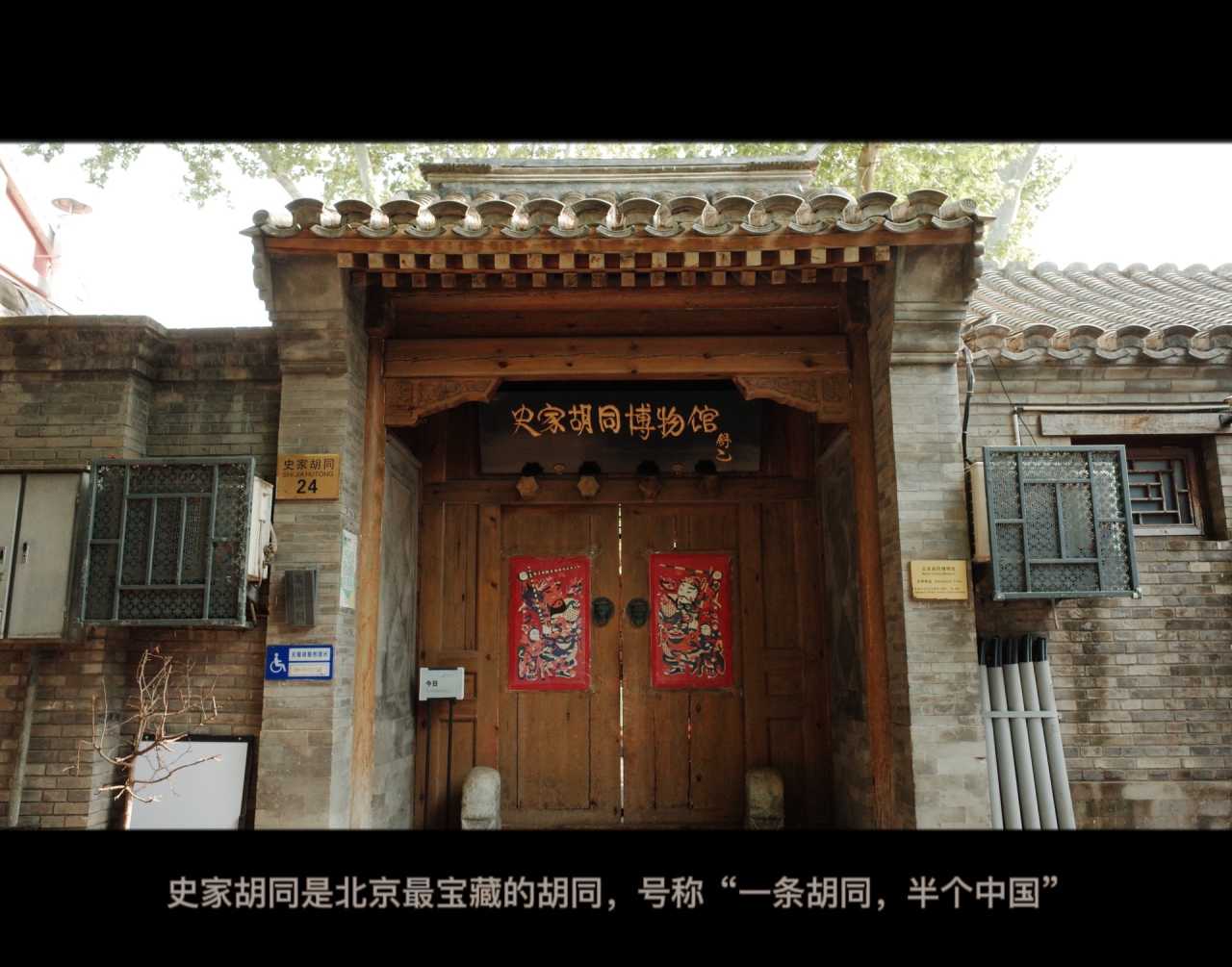
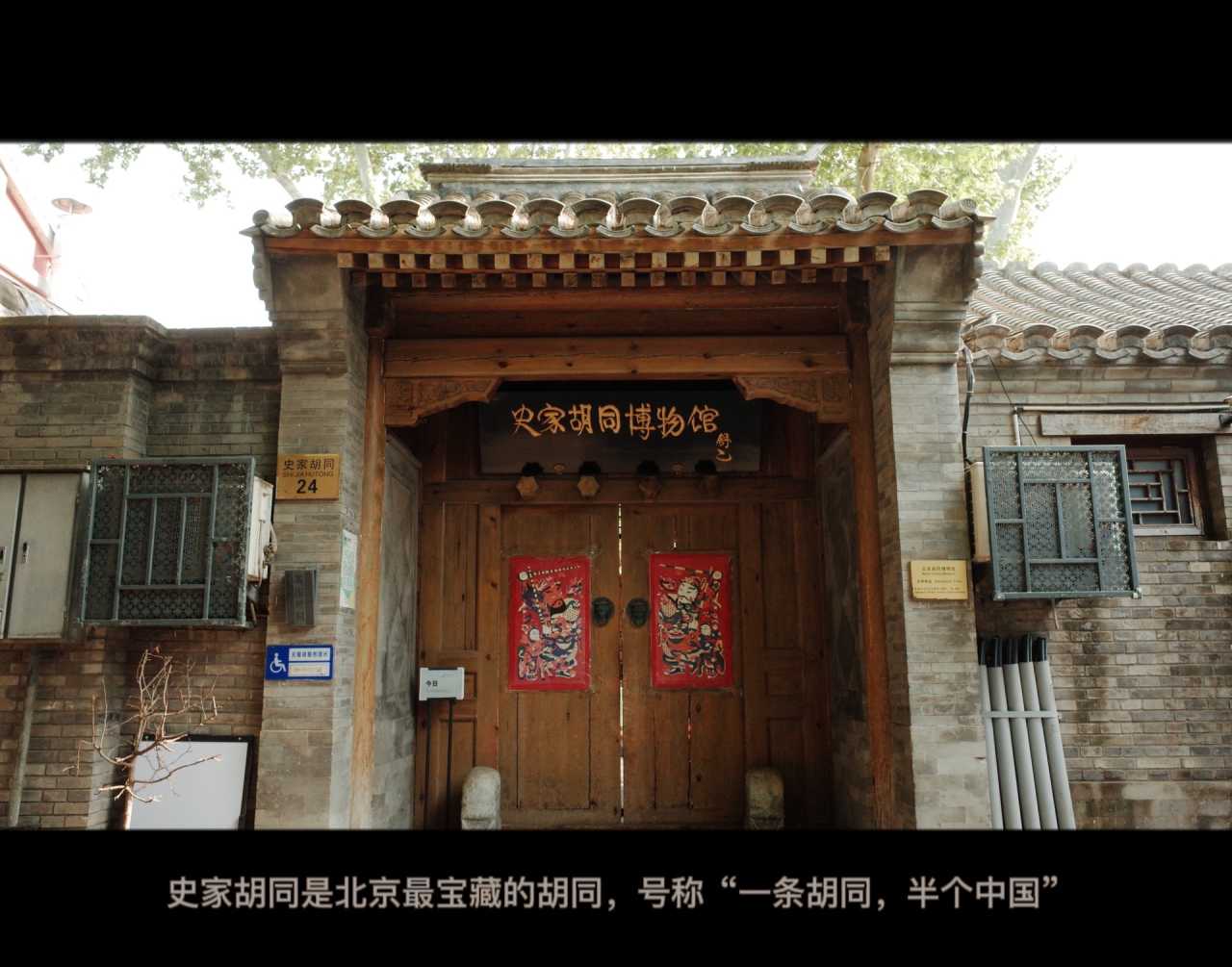
Shijia Hutong offers a glimpse into traditional courtyard life, while Qianliang Hutong rewards wanderers with unexpected street art and tiny shops selling everything from antique coins to handmade dumplings.
Walking Tip: Don't follow Google Maps religiously. If a lane looks inviting, take it. The best discoveries happen when you're lost.
[Link: Top 10 hutongs for Beijing walking tours]
Days 2-7: Six More Routes to Measure Beijing on Foot
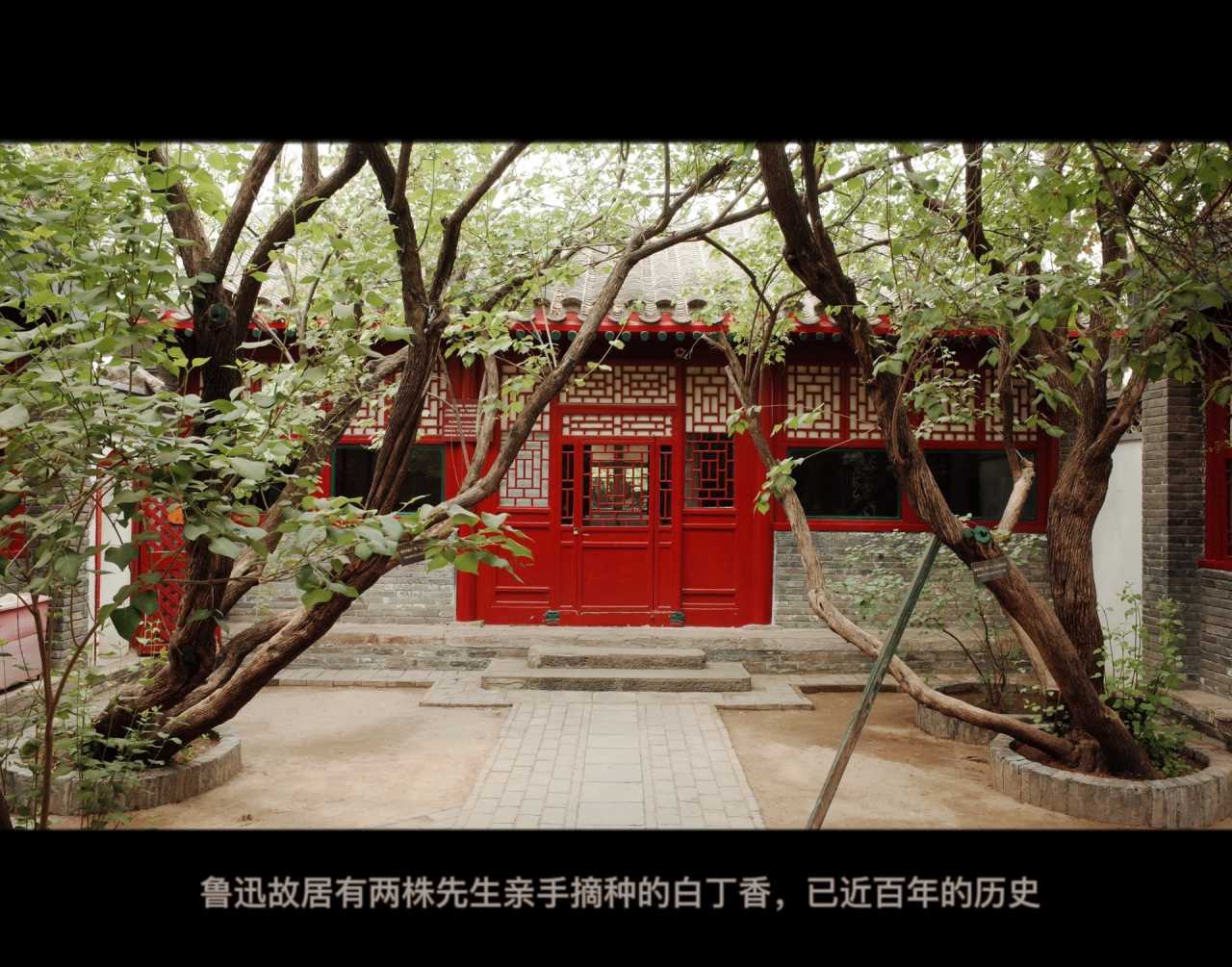
Route 2: The White Pagoda Temple Circuit
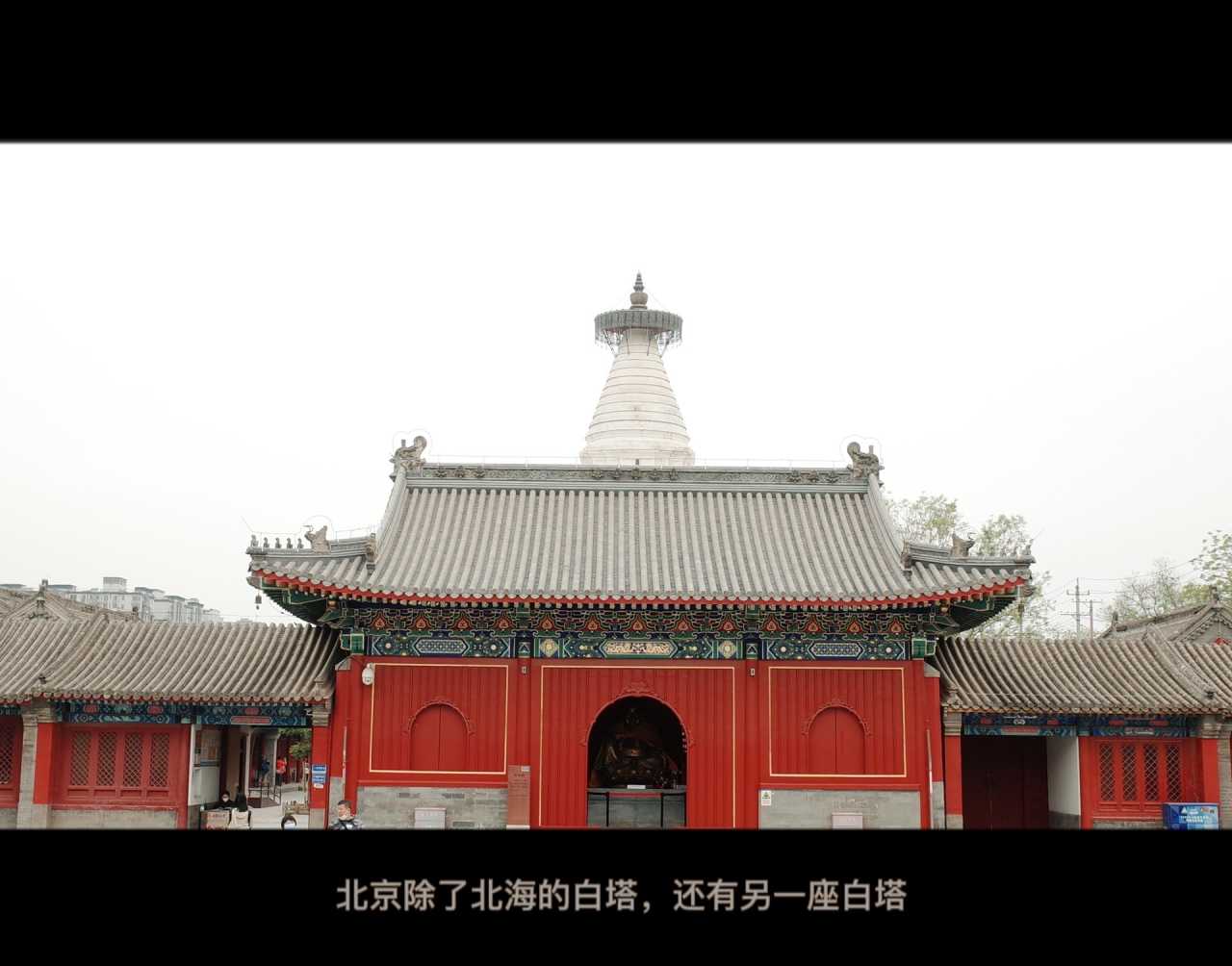
Keywords: White Pagoda Temple Beijing, Miaoying Temple
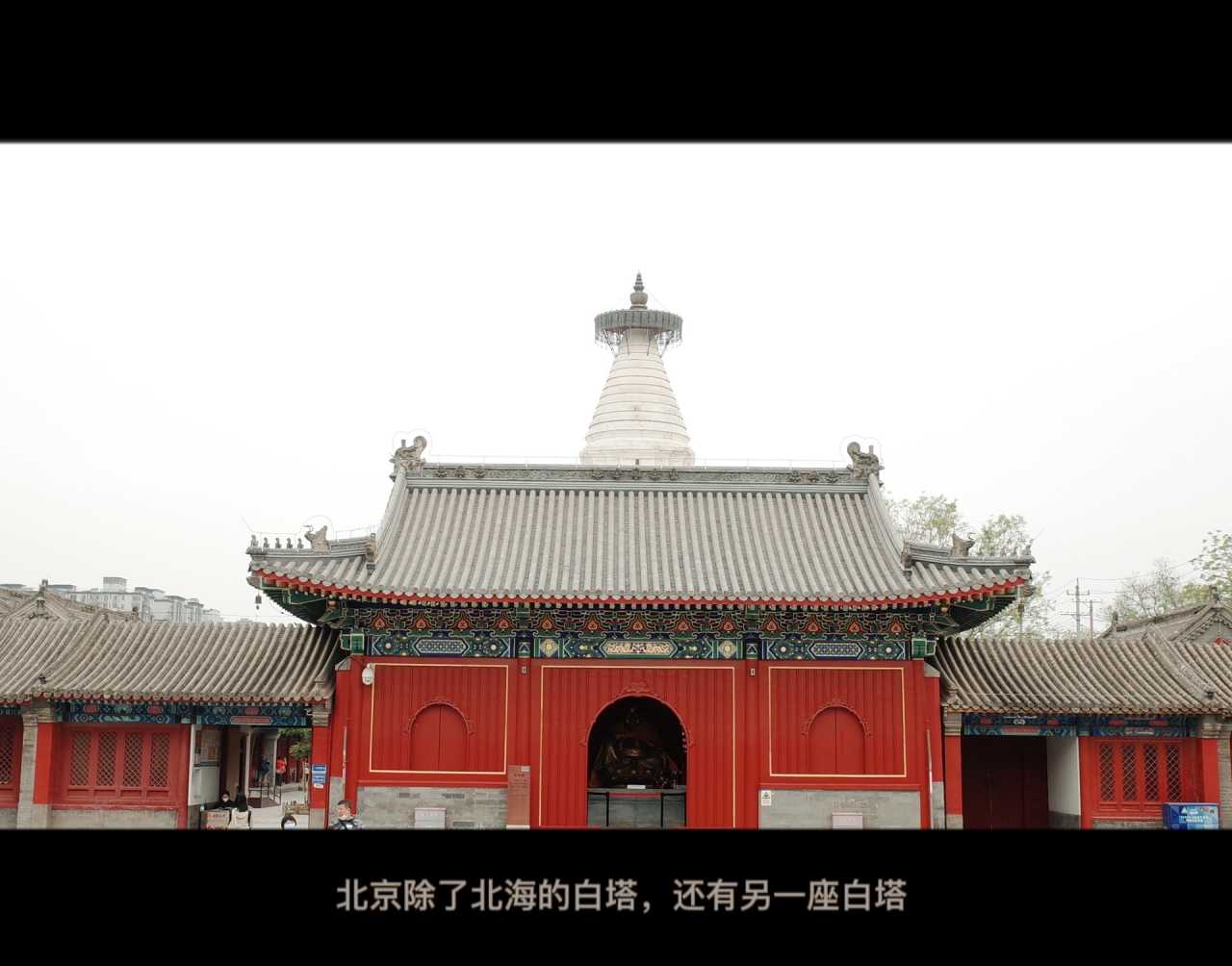
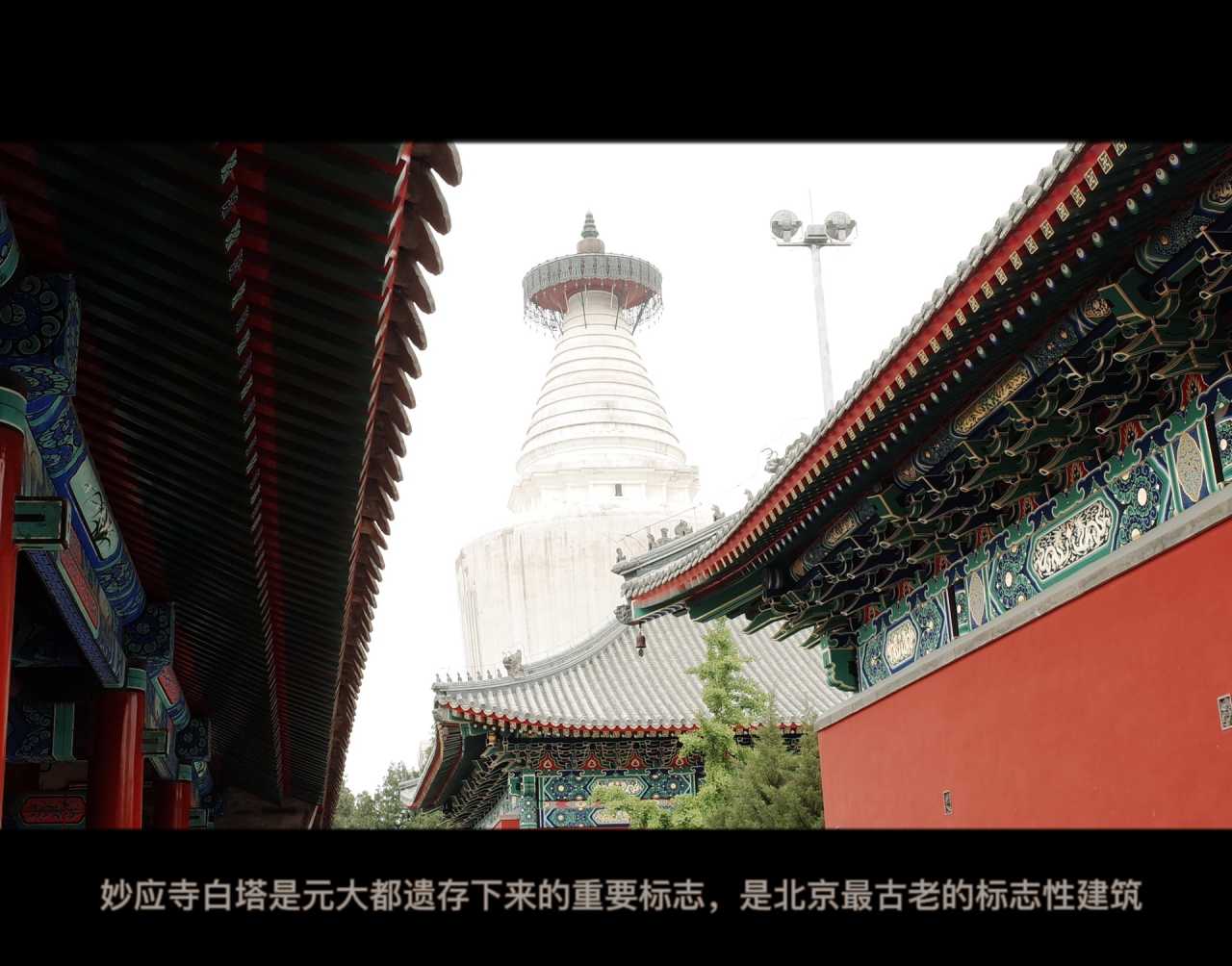
The second hidden gem Brother Chen mentioned was White Pagoda Temple (Miaoying Temple) . This Tibetan Buddhist temple houses one of Beijing's few white pagodas, built during the Yuan Dynasty. The contrast between the white stupa and blue sky is unforgettable.
Route: White Pagoda Temple → Fuchengmen Nei Street → Gongyuan Hutong
Route 3: Sanlitun to Dongsi
Keywords: Sanlitun walking route, Dongsi hutong tour
Start in Sanlitun's trendy bars, then walk west through quieter hutongs. Dongsi area offers some of Beijing's best-preserved courtyard homes and independent bookstores.
Route 4: The Drum Tower and Bell Tower Area

Keywords: Drum Tower Beijing, Bell Tower walking tour
Climb both towers for panoramic views, then wander south through Nanluoguxiang and its maze of side alleys. Skip the main tourist strip—the real magic is one block over.
Route 5: The Temple of Heaven Park Walk
Keywords: Temple of Heaven walking route, Beijing park walks
Arrive at 6 AM to see locals practicing tai chi, playing mahjong, and flying kites. The park's 267 hectares offer endless walking paths through ancient cypress trees.
Route 6: The Canal and Dashilan
Keywords: Dashilan walking tour, Beijing canal walk
Walk along the historic canal from Qianmen to Dashilan, where old Beijing commerce meets modern street food. Try the zhajiangmian (noodles with fried sauce) at a local joint.
Route 7: The Summer Palace Perimeter
Keywords: Summer Palace walking route, Beijing lake walk
Circle Kunming Lake (about 6 km) for stunning views of the Long Corridor and Seventeen-Arch Bridge. Go on a weekday to avoid crowds.
FAQ: Your Beijing City Walk Questions Answered
1. How many steps should I expect per day?
Plan for 15,000-25,000 steps (10-16 km). Wear comfortable shoes—your feet will thank you. Break up long walks with tea house stops.
2. What's the best season for a Beijing walking tour?
Spring (April-May) and Autumn (September-October) offer mild temperatures and clear skies. Summer is hot and humid; winter can be bitterly cold but less crowded.
3. Is it safe to walk Beijing's hutongs at night?
Yes, hutongs are generally safe. Stick to well-lit areas, and keep valuables out of sight. Many hutongs feel more alive after dark with locals eating and socializing.
4. Do I need to book Zhihua Temple tickets in advance?
During peak season (April-October), yes—reserve through the official WeChat account. Off-season, buying at the window is fine. The Beijing music performance at 3 PM is included with entry.
5. Can I combine multiple routes in one day?
If you're fit, you can combine 2-3 shorter routes. But I recommend one route per day to truly absorb each area. Quality over quantity applies to walking tours too.
Practical Tips for Your Beijing Walking Adventure
What to Bring: - Comfortable walking shoes (non-negotiable) - Reusable water bottle (many hutongs have free water stations) - Portable charger (you'll use maps and camera heavily) - Light jacket (Beijing weather changes fast)
Where to Stay: - Qiuguo Hotel, Sanlitun – Where I stayed; central location, clean rooms - Dongsi area – Quieter, more authentic hutong experience - Near Zhihua Temple – Perfect for Day 1 route
Best Apps to Download: - Gaode Maps (better for walking than Google Maps) - WeChat (for temple reservations and payments) - Dianping (for finding local restaurants)
[Link: Where to eat near Beijing walking routes]
Conclusion: Your Turn to Measure Beijing on Foot
Beijing isn't a city you see—it's a city you feel. And the best way to feel it is through the soles of your feet.
From the Ming Dynasty echoes of Zhihua Temple to the living rhythm of hutong life, every step reveals a layer you'd miss from a taxi window. The Buddhist music that gives you goosebumps. The elderly man practicing calligraphy with water on the pavement. The unexpected courtyard garden behind an unmarked door.
This isn't just a walking guide—it's an invitation to slow down. To get lost. To rediscover why Beijing captures hearts even as it frustrates souls.
Ready to start measuring? Book your flight, pack your walking shoes, and let the city guide your steps. No plan needed—just curiosity and comfortable soles.
Your first mission: Head to Zhihua Temple tomorrow at 2:30 PM. Explore the halls. Listen to the music. Then choose a direction at random and walk until you find something that makes you stop.
That's the City Walk way.
Have you explored Beijing on foot? Share your favorite hidden route in the comments below!
You should also read:
A Passionate Journey Through Beijing & Tianjin: Beijing Complete Guide – JOJO's In-Depth Travel Notes
Meta Description: Explore Beijing & Tianjin in 5 days with this complete travel guide. From the Forbidden City to the Great Wall, discover insider tips, transportation hacks, and must-see attractions. Plan your perfect China trip today. Beijing is not just a city—it's a living museum…
Continue reading...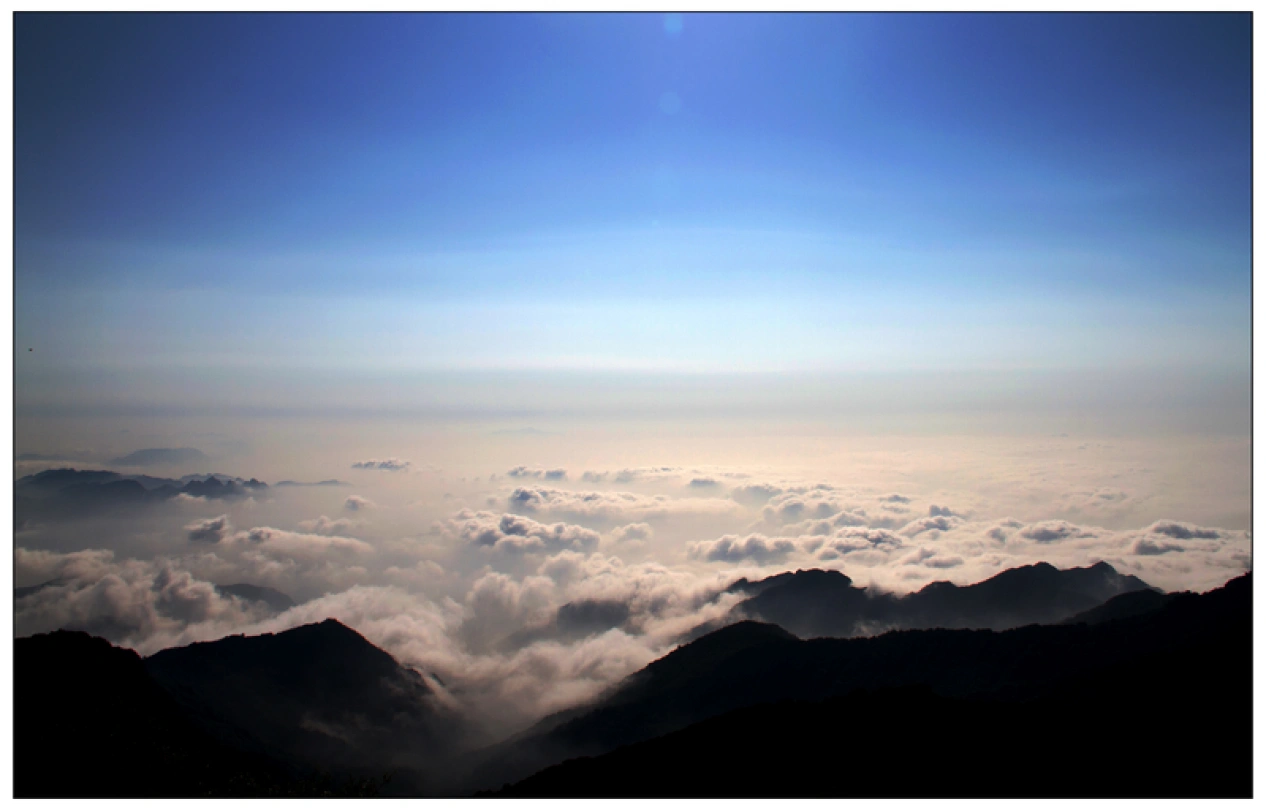
Hai Tuo Mountain Above the Sea of Clouds: A Skyward Feast on the Roof of Beijing
Meta Description: Discover Hai Tuo Mountain, Beijing's second-highest peak, where sea of clouds, starry nights, and alpine meadows await. Your ultimate guide to hiking, camping, and photography on the "Roof of Beijing." At the border of Beijing's Yanqing District and Hebei's Chicheng County lies a…
Continue reading...
Peking: A Seven-Day Journey Between Old Dreams and New Realities – An SEO-Optimized Travel Guide
Meta Description: Explore Beijing in 7 days: from 798 Art District and Summer Palace to Houhai nightlife and Panjiayuan market. Discover hidden gems, local eats, and travel tips in this SEO-optimized itinerary. Some cities you never set foot in, yet you have painted them in…
Continue reading...