Measuring Ming and Qing History Step by Step: The Ultimate Forbidden City Spring Guide 2019
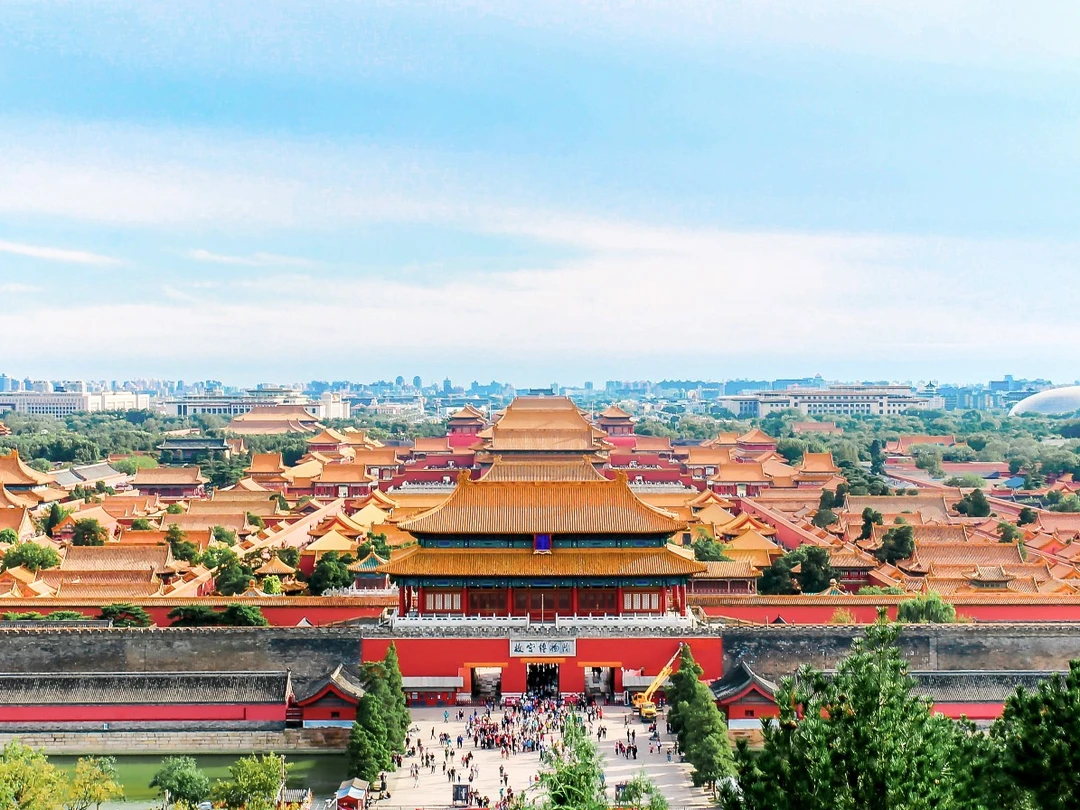
Meta Description: Explore the Forbidden City in spring 2019 with this expert SEO-optimized guide. Discover Ming and Qing history, insider tips, and a perfect one-day route. Your pilgrimage to imperial China starts here.
A Conversation Across Six Centuries: Why This Forbidden City Guide Matters
There's a certain kind of person in Beijing who grows up beneath red walls, wanders through hutongs, and yet never truly understands the city they call home. I, however, happen to be the exception.
As a native Beijinger, I never had the typical experience of being dragged through the Forbidden City once as a child by my parents and never returning. Instead, I've developed an almost obsessive love for this majestic palace complex. Every weathered brick, every locked palace gate feels like a whisper from history, telling tales of six hundred years of Ming and Qing glory and decline. That's why, almost every spring, I schedule my own "pilgrimage to the palace" — a journey to touch those turbulent dynasties with my own hands.
This year was no exception. In the spring of 2019, I once again packed my camera, brought my curiosity, and prepared to measure the world's largest palace complex with my own two feet. If you want to avoid detours and wasted money, follow me as I push open the door to history.
[Link: Forbidden City opening hours and ticket prices 2024]
Pre-Trip Preparation: One Map, One Day for Your Forbidden City Spring Visit
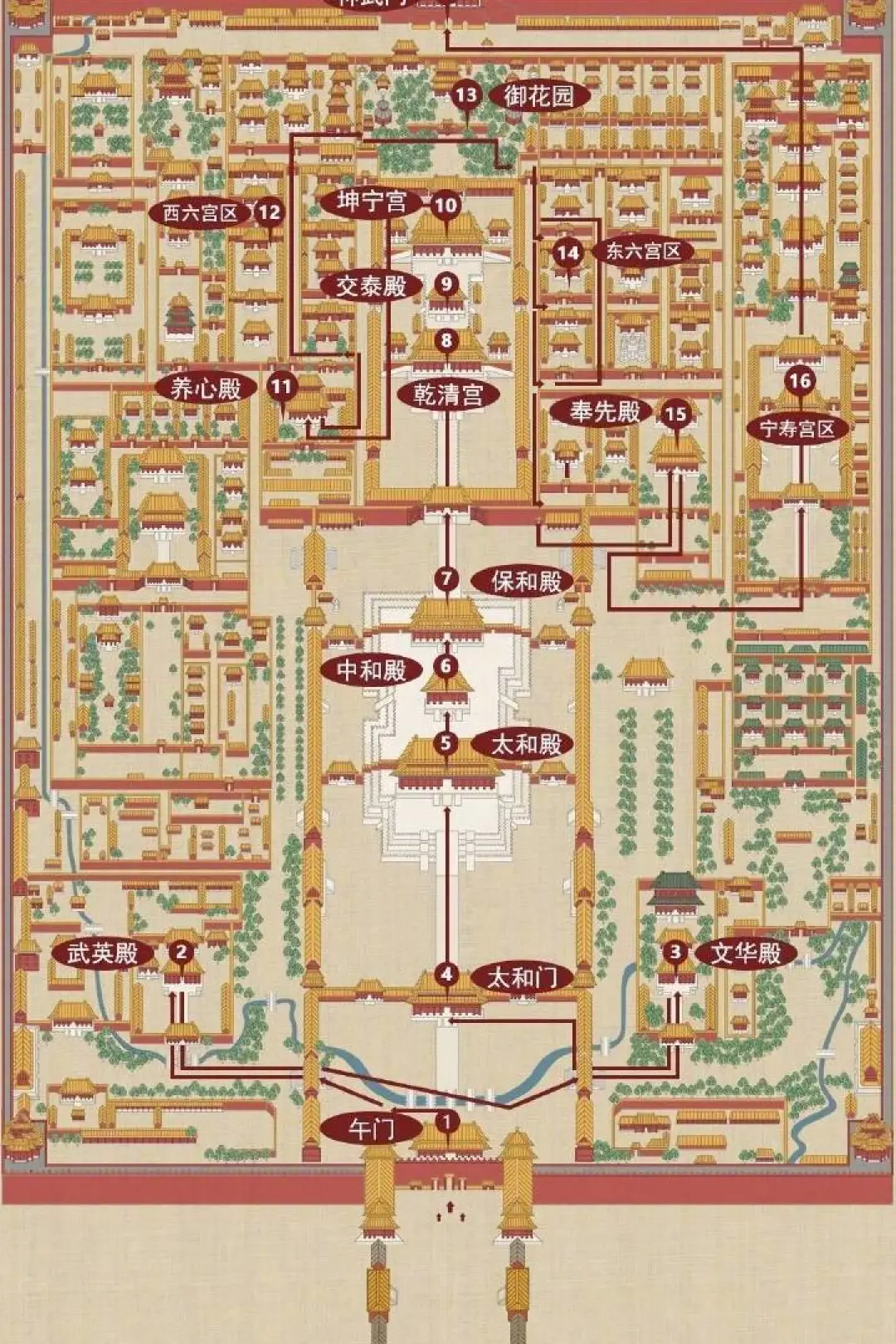
Don't rush to buy a guide map or spend dozens of yuan renting an audio guide. I'll give you something far more valuable — a one-day Forbidden City route map that is the fruit of years of palace exploration. Follow it, and you'll not only see all the highlights but also avoid the crowds.

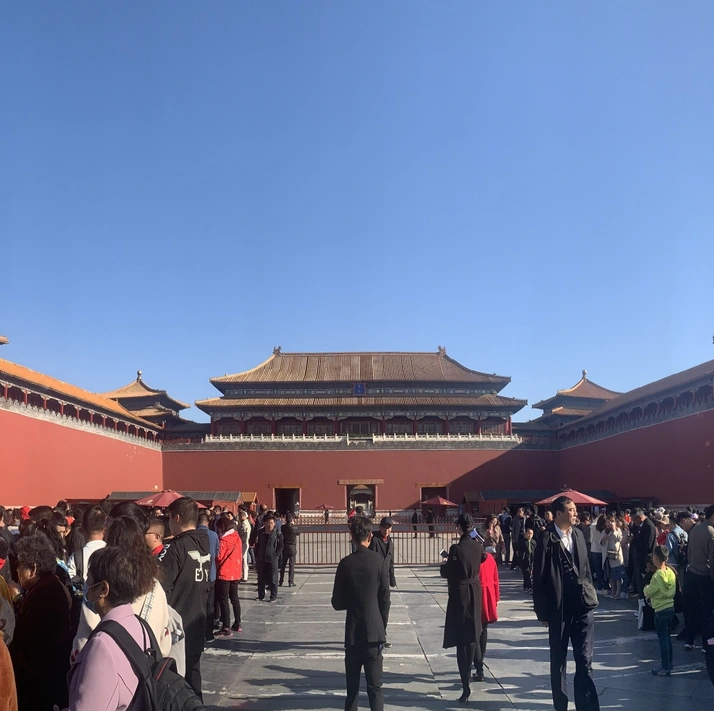
Pro tip: Enter through the Meridian Gate (Wu Men) , exit through the Gate of Divine Might (Shenwu Men) — this is the classic route.
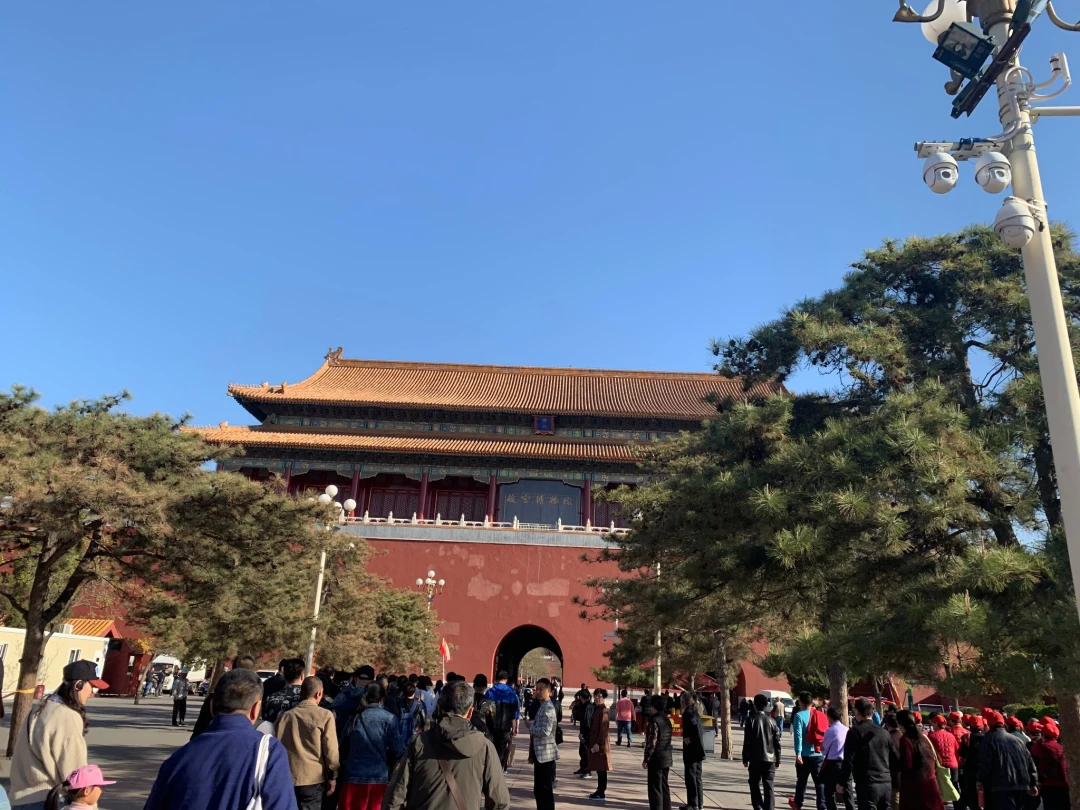
The Forbidden City opens at 8:30 AM. When I arrived at the Meridian Gate at 8:15, the square was already packed with eager tourists. But don't worry — with a well-planned route, you can still experience a peaceful Forbidden City.
[Link: Best time to visit Forbidden City to avoid crowds]
The Meridian Gate (Wu Men): The First Threshold of Imperial Power
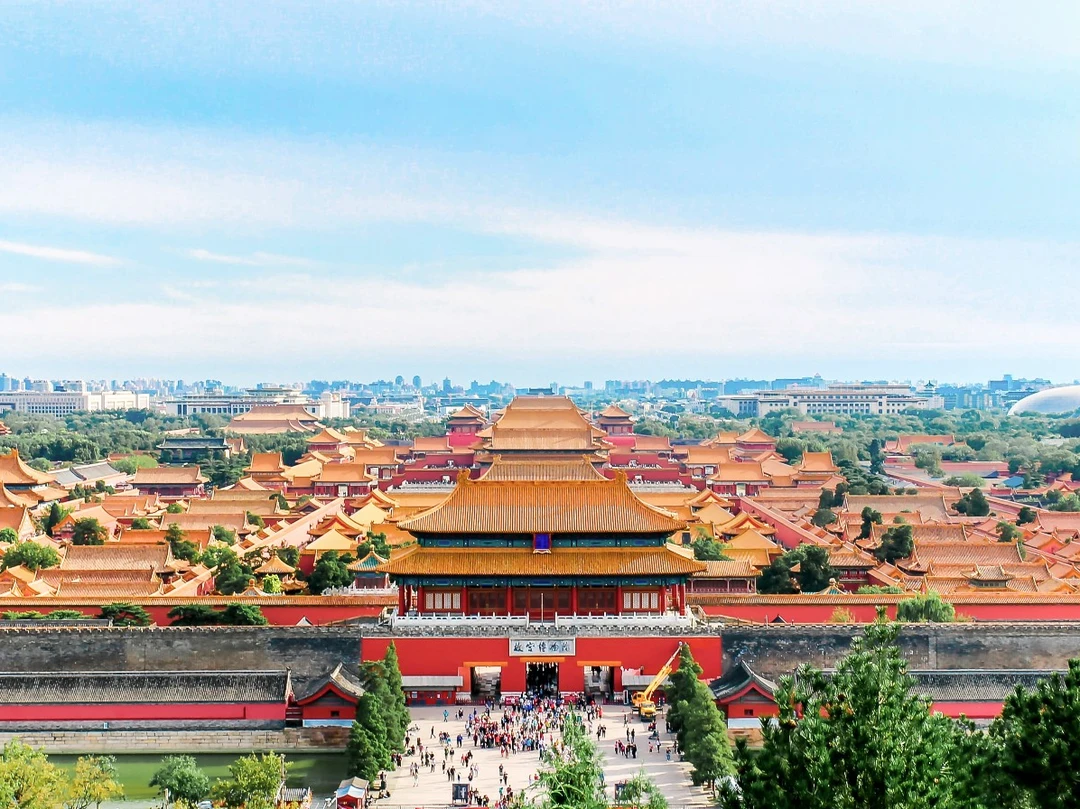
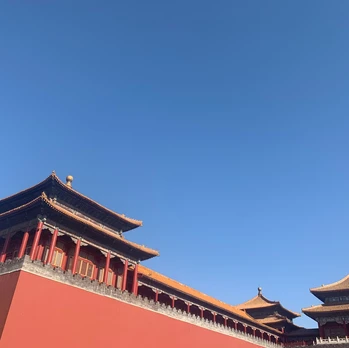
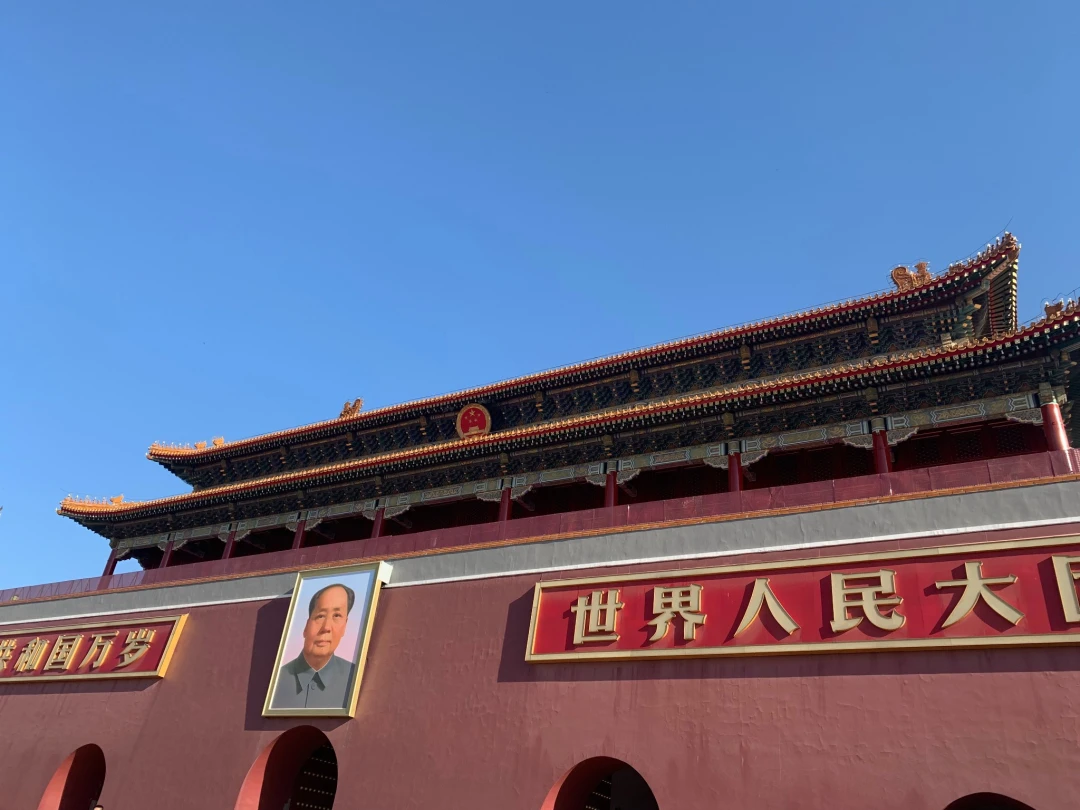
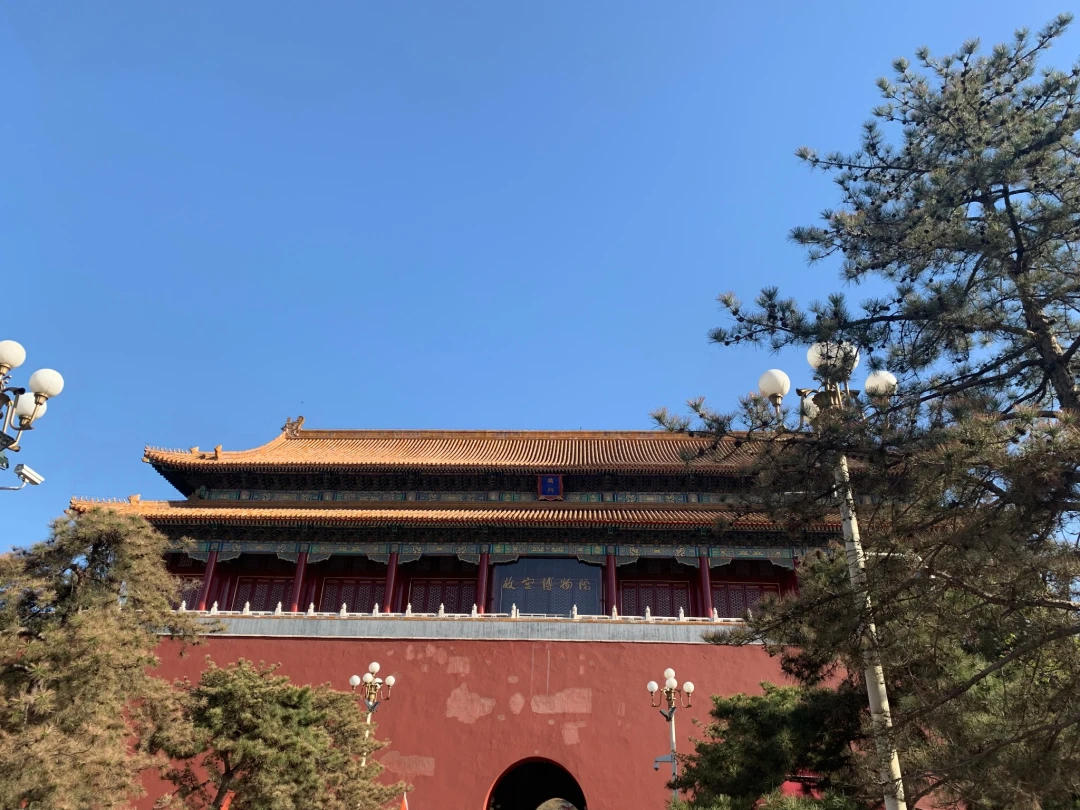
Passing through Tiananmen Tower and crossing the open square in front of Duan Men (the Upright Gate), the Meridian Gate suddenly looms before you. It gets its name because it "faces south toward the sun and sits at the meridian line." As the main entrance to the Forbidden City, it marks the southernmost point of the central north-south axis.
First built in the 18th year of the Yongle Emperor's reign in the Ming Dynasty (1420) , this magnificent structure underwent renovations in the 4th year of the Shunzhi Emperor's reign in the Qing Dynasty (1647) and again in the 6th year of the Jiaqing Emperor's reign (1801). It still stands today in all its majestic authority.
Myth vs. Reality: Meridian Gate Beheadings
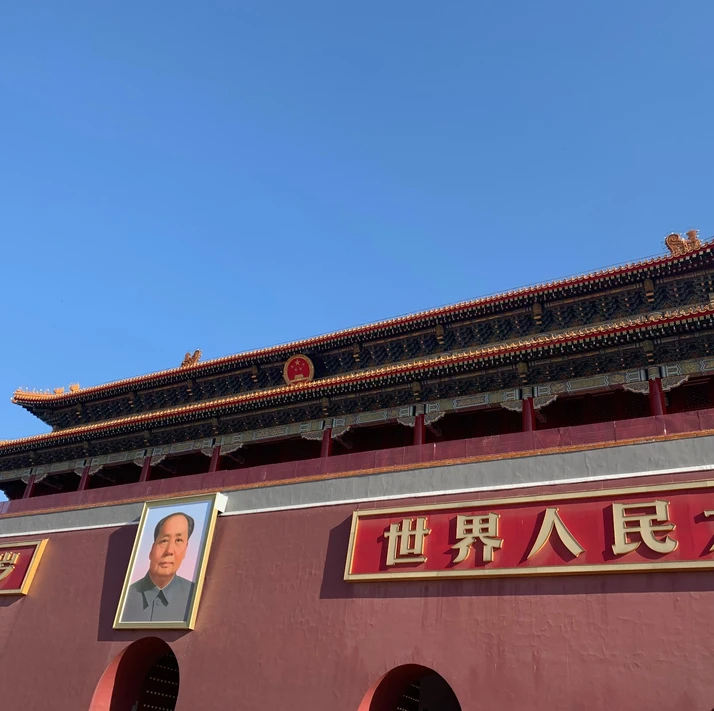
You might have heard TV dramas say, "Take him to the Meridian Gate for beheading!" But that's pure artistic fiction. The Meridian Gate was actually used for grand ceremonies:
- On the first day of the twelfth lunar month each year, the emperor would issue the coming year's calendar here
- When the army returned victorious, a ceremony for presenting captives was held here
- During the Ming Dynasty, "court beatings" (ting zhang) of ministers were carried out here — though deaths were extremely rare
The Five Gateways: Who Walked Where?
The five gateways of the Meridian Gate each had their own rules:
| Gate | Who Could Use It |
|---|---|
| Central Gate | Only the emperor |
| Central Gate (special) | Empress on her wedding day |
| Central Gate (special) | Top three scholars in imperial exams |
| Eastern Side Gate | Civil and military officials |
| Western Side Gate | Imperial clan members and princes |
So next time you pass through, think about which gate you'd be allowed to use.
The Three Great Halls of the Outer Court: The Empire's Power Center
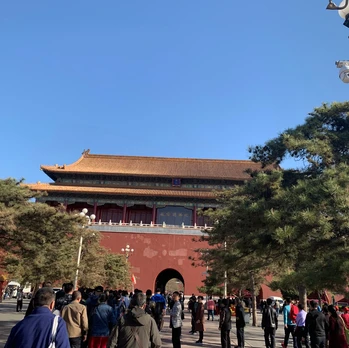
Hall of Martial Valor (Wu Ying Dian) and Hall of Literary Glory (Wen Hua Dian): A Symmetrical Political Stage
After entering the Meridian Gate, the Hall of Martial Valor and the Hall of Literary Glory stand on the left and right, respectively.
- Hall of Martial Valor (Ming Dynasty): Where the emperor observed fasting periods and summoned ministers
- Hall of Martial Valor (Early Qing): Prince Regent Dorgon used it as his administrative office
- Hall of Literary Glory: Held "classics lectures" (jing yan) where the emperor listened to Confucian scholars
- Hall of Literary Glory (Qing): The position of Grand Secretary evolved into the de facto prime minister
Gate of Supreme Harmony (Tai He Men): The Largest Palace Gate, the Smallest Court Session
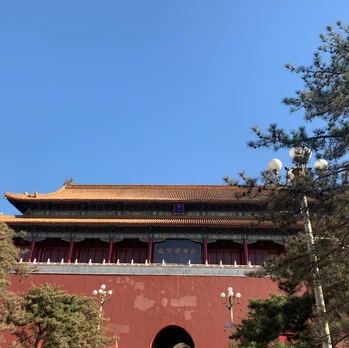
The Gate of Supreme Harmony is the largest gate within the Forbidden City and serves as the main entrance to the Outer Court. During the Ming Dynasty, emperors held "morning court sessions" (yu men ting zheng) here, receiving tributes and issuing decrees. The early Qing Dynasty continued this practice until the Shunzhi Emperor moved it to the Gate of Heavenly Purity (Qian Qing Men).
Don't forget: After entering the Gate of Supreme Harmony, pick up a free guide map at the visitor service counter. You can also buy a "Forbidden City Passport" here, which you can stamp with commemorative seals at various palaces — a popular activity for many visitors.
Hall of Supreme Harmony (Tai He Dian): The Glory and Vicissitudes of the Golden Throne Hall
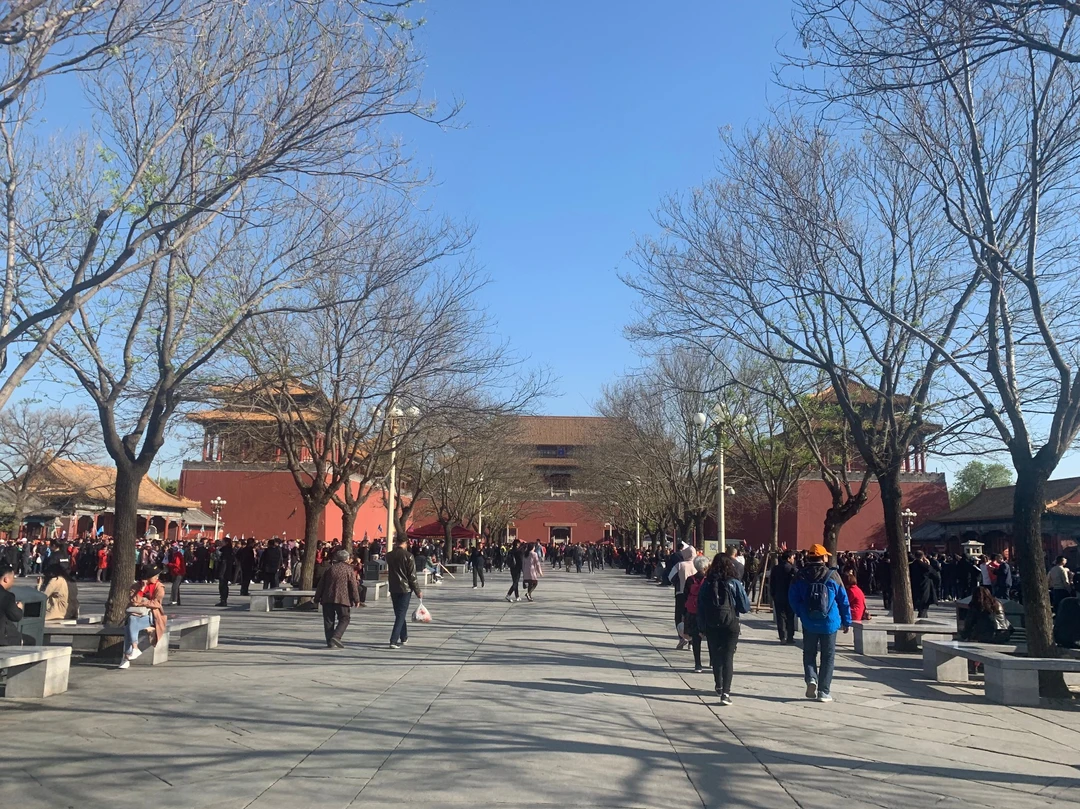
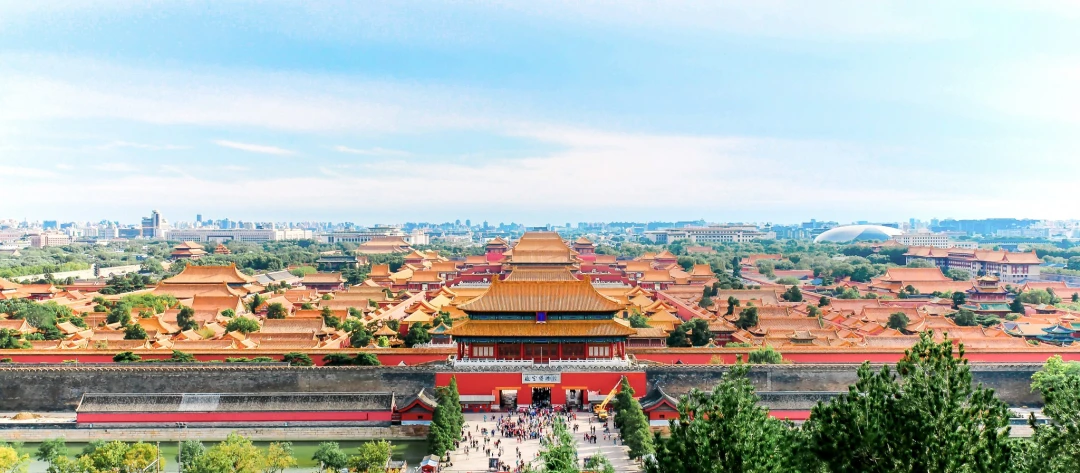
The "Golden Throne Hall" — the Hall of Supreme Harmony — is the brightest jewel of the Forbidden City. It sits at the most prominent position on the central axis. Since its construction, it has been destroyed by fire multiple times. What we see today is the structure rebuilt in the 34th year of the Kangxi Emperor's reign in the Qing Dynasty (1695) .
Throughout the Ming and Qing dynasties, 24 emperors held grand ceremonies here, including coronations, imperial weddings, and the installation of empresses.
Hall of Central Harmony (Zhong He Dian) and Hall of Preserving Harmony (Bao He Dian): A Rest Before the Ceremony and the Imperial Examination Hall
The Hall of Central Harmony sits between the Hall of Supreme Harmony and the Hall of Preserving Harmony. Before grand ceremonies, the emperor would rest here and receive the obeisance of the attending officials.
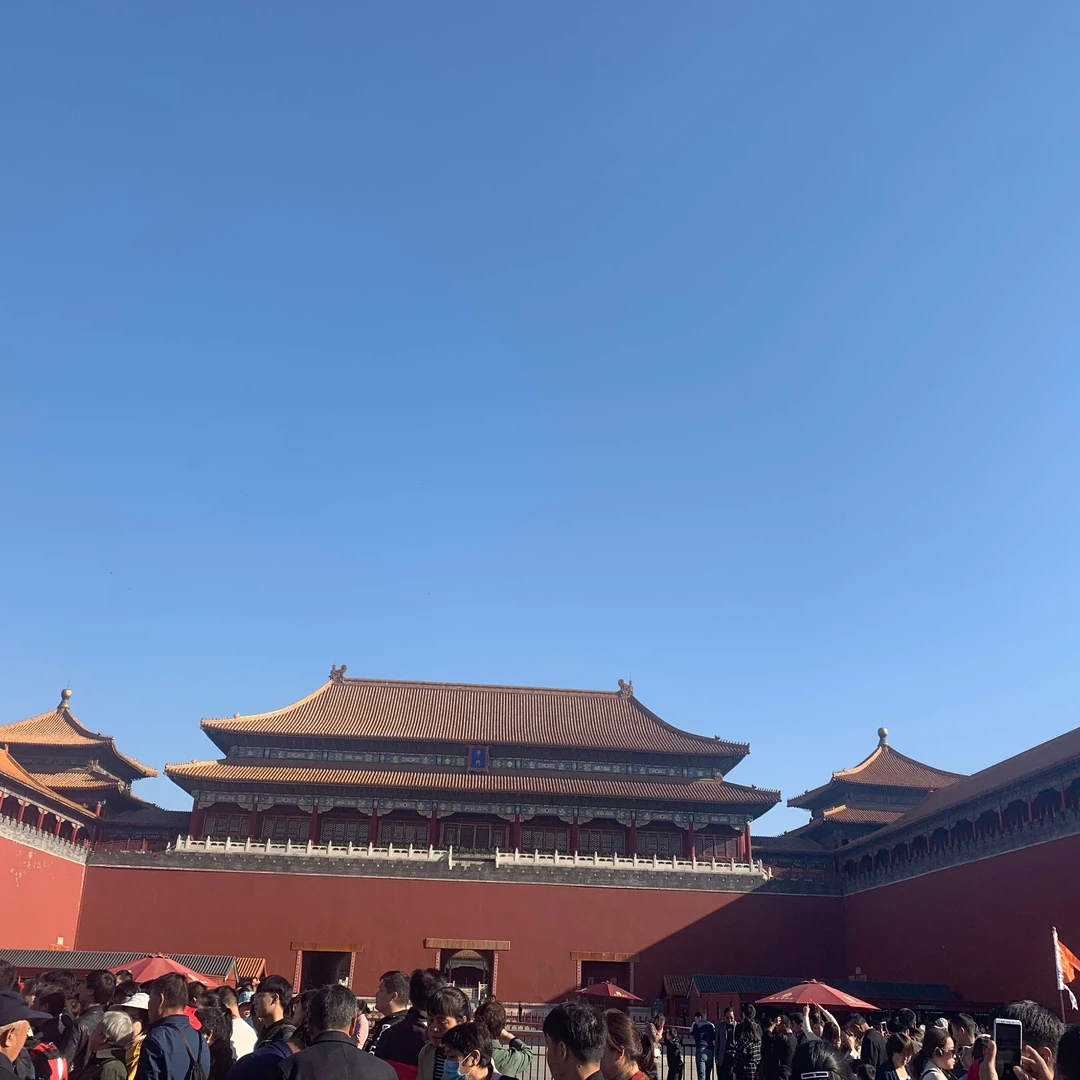
The Hall of Preserving Harmony had completely different uses in the Ming and Qing dynasties: - Ming Dynasty: Emperors often changed clothes here - Qing Dynasty: Used for New Year's Eve banquets and the imperial examination
Starting from the Qianlong Emperor's reign, the final stage of the imperial civil service examination — the palace examination (dian shi) — was held here. Imagine the scene: scholars who had studied for years in cold, harsh conditions, determining their fate with a single piece of paper in this very hall.
Exploring the Inner Palace: From the Grand Council to the Palace of Compassion and Tranquility
The Grand Council (Jun Ji Chu): The Empire's Decision-Making Center
After passing the Hall of Preserving Harmony, I still had time. Since the clock demonstration at the Clock and Watch Gallery wasn't until 11:00 AM, I decided to head west first to visit the Grand Council, the Palace of Compassion and Tranquility Garden (Ci Ning Gong Hua Yuan) , and the Palace of Longevity and Health (Shou Kang Gong) .
The Grand Council may be unassuming, but it was the birthplace of Qing Dynasty policy — the emperor would direct his most trusted ministers here, shaping the fate of the empire.
[Link: Forbidden City inner palace highlights you can't miss]
FAQ: Your Forbidden City Spring Visit Questions Answered
Q1: What is the best time to visit the Forbidden City in spring?
 A: Spring (March to May) is ideal, with mild temperatures and blooming flowers. Weekdays are less crowded than weekends. Arrive by 8:15 AM to beat the rush.
Q2: How long does it take to explore the Forbidden City?
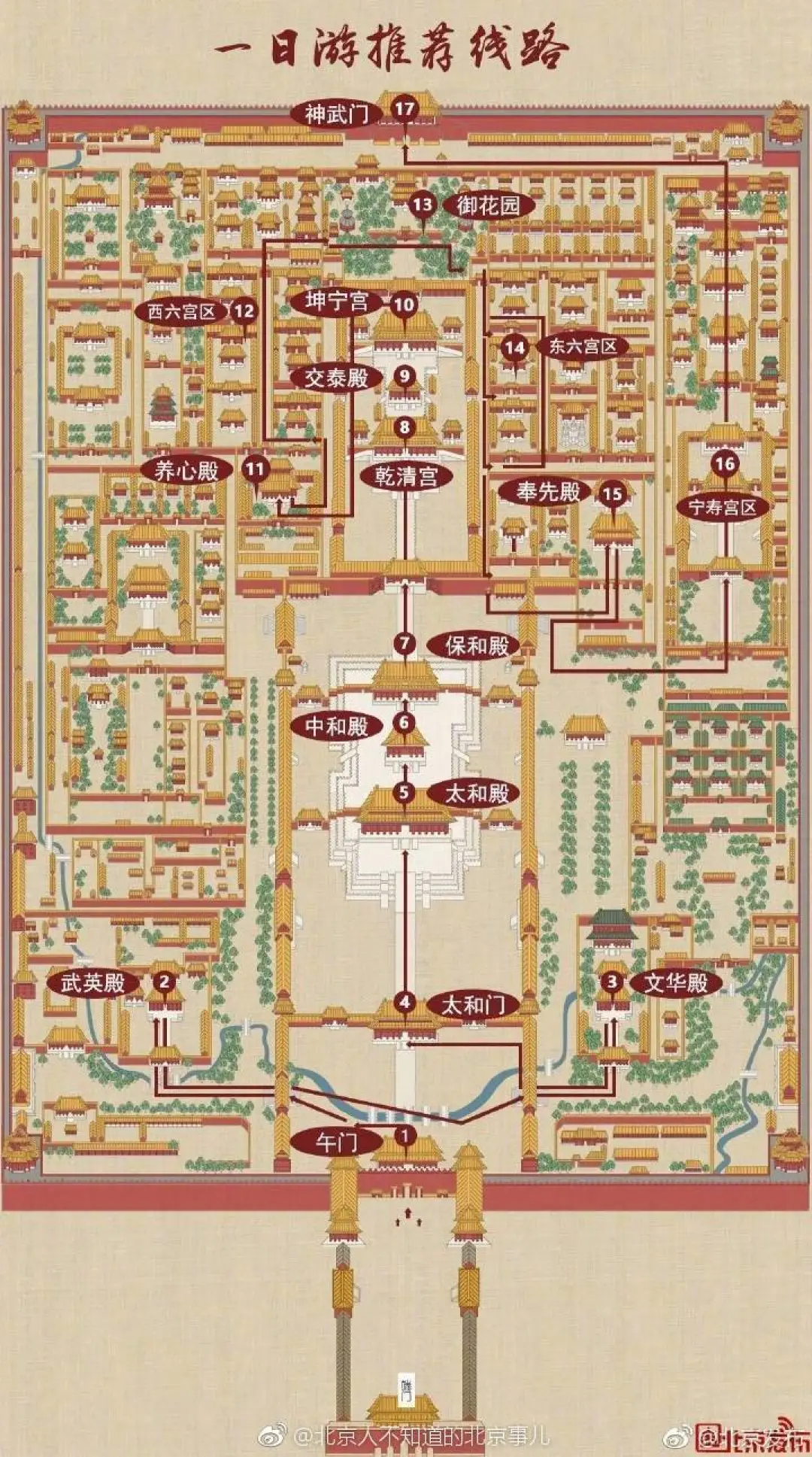 A: A thorough visit takes 4-6 hours. Our one-day route covers all highlights without rushing.
Q3: Can I buy tickets on the day?
 A: No. Pre-book online at least 1-2 weeks in advance, especially during spring and holidays. Tickets sell out fast.
Q4: What should I bring for my Forbidden City spring visit?
 A: Comfortable walking shoes (you'll walk 8-10 km), water, sunscreen, a camera, and your pre-booked ticket QR code. An audio guide or guidebook enhances the experience.
Q5: Is the Forbidden City accessible for visitors with mobility issues?
A: Partially. Wheelchair ramps are available at main gates, but some areas have steps. Rent a wheelchair at the Meridian Gate for free with a deposit.
Conclusion: Your Forbidden City Spring Pilgrimage Awaits
Measuring Ming and Qing history step by step is more than a tourist activity — it's a conversation across six centuries. Every brick, every gate, every hall whispers stories of emperors and scholars, triumphs and tragedies.
This spring, don't just visit the Forbidden City. Walk where emperors walked. Stand where scholars dreamed. Touch history with your own hands.
Plan your spring 2019 Forbidden City adventure today. Pre-book your tickets, pack your curiosity, and follow this guide for an unforgettable journey through imperial China.
Ready to measure history? Start planning your Forbidden City spring visit now!
[Link: Book Forbidden City tickets online] [Link: Best spring festivals in Beijing 2024] [Link: Top 10 Forbidden City photo spots]
Follow us for more insider guides to Beijing's hidden gems and imperial history.
You should also read:
Beneath the Surface: Discovering Beijing’s Hidden Colors Through Its Metro – An SEO-Optimized Guide
Meta Description: Explore Beijing’s hidden colors through its metro art. From Yuanmingyuan murals to Xidan reliefs, discover the city’s soul underground. Plan your cultural subway tour now. Most travelers judge Beijing by its skyline, street food, or famous landmarks. But if you truly want to…
Continue reading...
The Imperial College (Guozijian): Beijing's Ancient "Central University" & Confucius Temple Guide
Meta Description: Discover the Beijing Imperial College (Guozijian) and Confucius Temple – ancient China's highest learning institution. Explore 700-year-old stelae, the Treachery-Exposing Cypress, and Qianlong Stone Classics. Plan your cultural pilgrimage with our complete guide. Beijing has always been more than a capital – it's…
Continue reading...
First Visit to Beijing: Living in a Century-Old Courtyard, Being the Forbidden City's Neighbor
Meta Description: Experience Beijing like a local with this first-timer's guide. Stay in a century-old siheyuan near the Forbidden City, explore hutongs, climb the Great Wall, and avoid common tourist pitfalls. Your ultimate Beijing itinerary awaits. I've always believed that the best kind of travel…
Continue reading...