Mid-Autumn Festival in Quanzhou: A Food Lover’s Guide to the City Marinated by Time
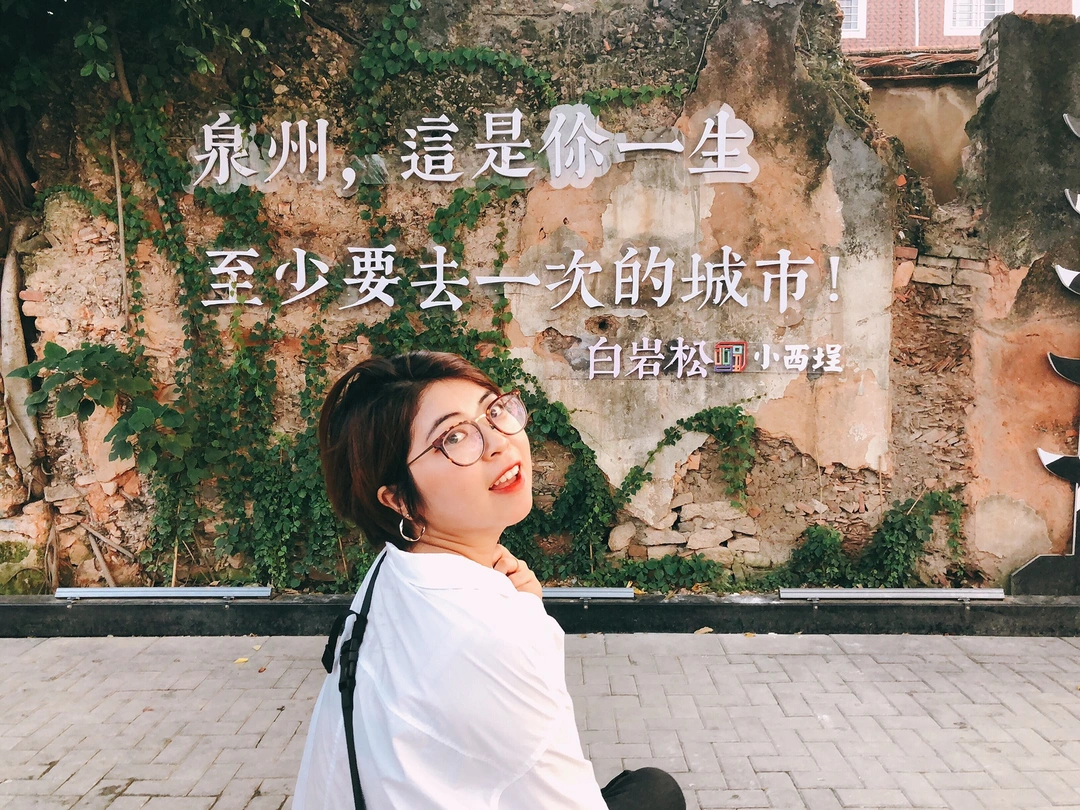
Meta Description: Discover Quanzhou’s “old-timey” flavors this Mid-Autumn Festival. From West Street snacks to puppet shows, explore a city where street food and history blend into one unforgettable taste journey.
Introduction: Why Quanzhou Deserves a Spot on Your Food Travel List
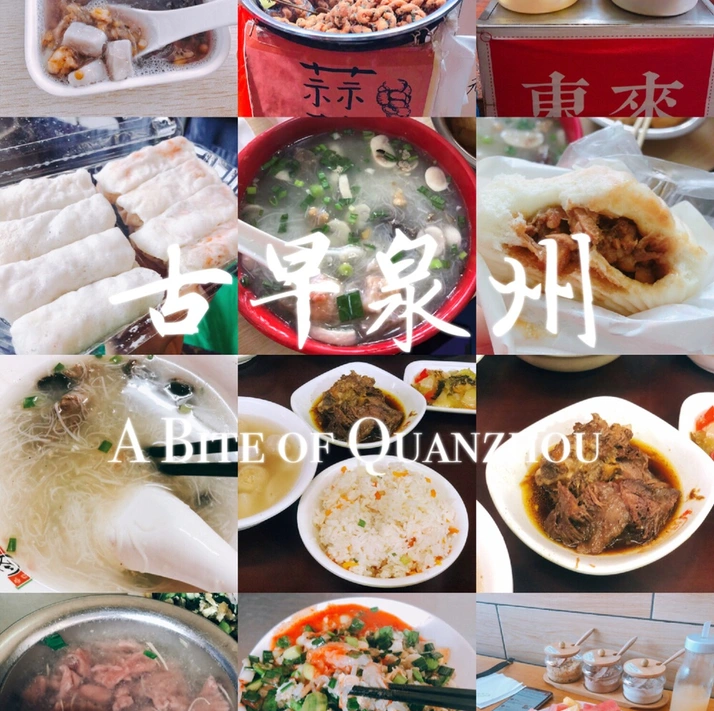
If you’ve ever watched A Bite of China late at night and felt your stomach growl, you already know the pull of Quanzhou. Director Chen Xiaoqing once said, “No other place in China has such a rich variety of street food as Quanzhou.” And he wasn’t exaggerating.
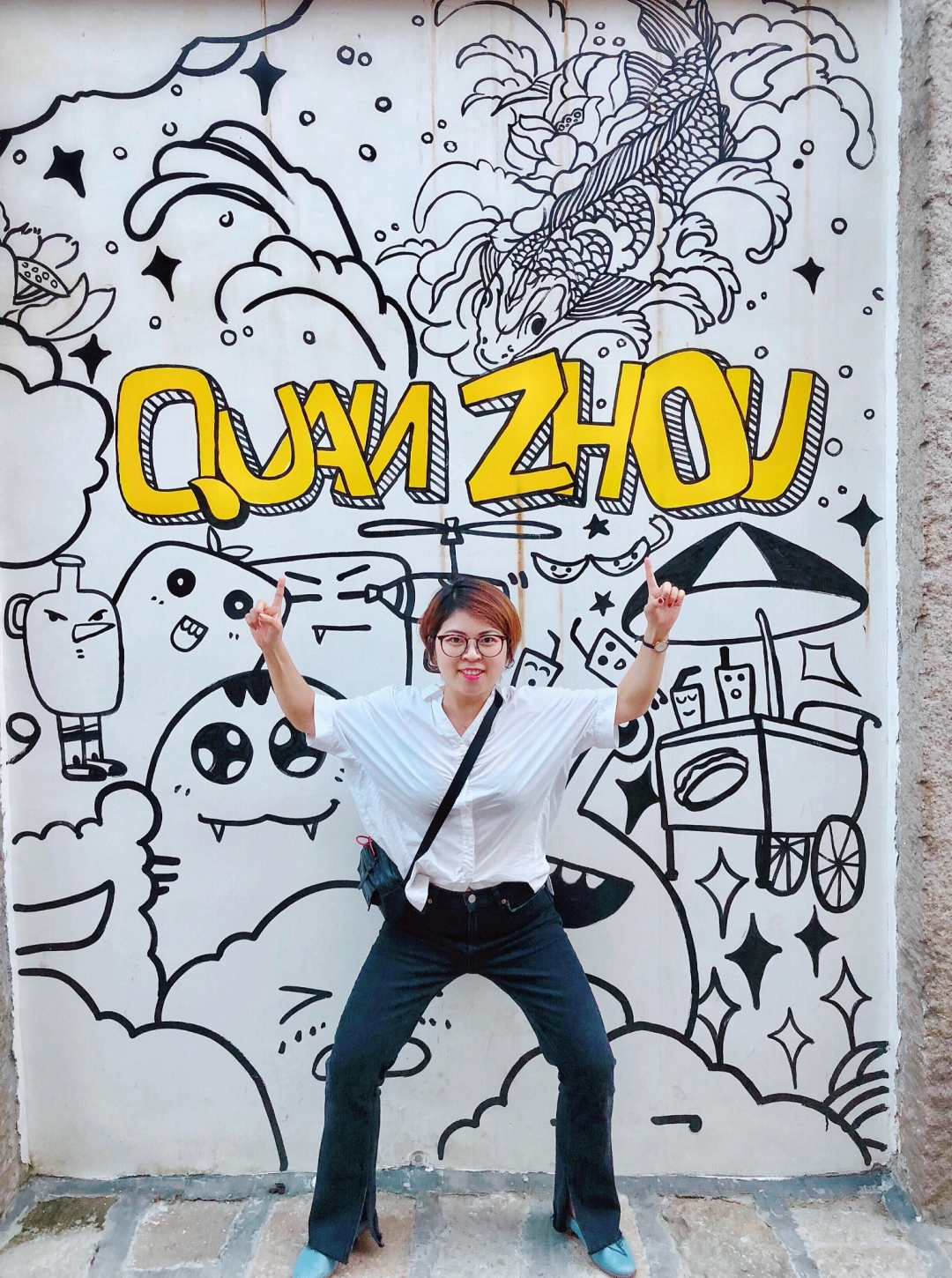
Known as “Carp City” (鲤城) for its fish-shaped layout, Quanzhou is a living museum of Minnan culture. Its stone-paved streets, ancient pagodas, and century-old snack shops create an atmosphere that feels like stepping into a Song Dynasty painting—only with better food. Whether you’re planning a Mid-Autumn Festival getaway or simply craving authentic Chinese street food, Quanzhou offers a sensory overload that’s equal parts history and flavor.
This article will guide you through Quanzhou’s must-try dishes, hidden alleys, and cultural gems—all while keeping your taste buds (and your travel budget) happy.
H2: How to Get to Quanzhou & Navigate the Old Town

H3: Transportation Tips for First-Time Visitors
Getting There by High-Speed Rail If you’re coming from Quzhou (衢州), the high-speed train is your best bet. The outbound trip departs at 10:10 AM and arrives in Quanzhou at 2:00 PM—just four hours of travel time. The return trip leaves at 4:48 PM and arrives back at 8:27 PM. Perfect for a weekend escape.
Getting Around: Cash Is King Quanzhou’s public transport system is efficient but old-school. City buses only accept cash—no mobile payments, no QR codes. Bring plenty of coins (1–2 yuan per ride). For real-time routes, search for the “Quanzhou Bus” mini-program on WeChat.
One of the city’s quirkiest transport options is the mini-bus (小巴). These compact, semi-open vehicles run from 6:00 AM to 10:00 PM. Drivers can weave through narrow alleys, and if your destination matches their route, they might even drop you off at the alley entrance. Fare: 2 yuan, cash only, no change given.
Pro Tip: For pedestrian streets like West Street, you’ll also find rickshaws. Negotiate the price before hopping on.
[Link: Best time to visit Quanzhou for food festivals]
H2: Where to Stay in Quanzhou’s Old Town
H3: A Guesthouse That Feels Like Home
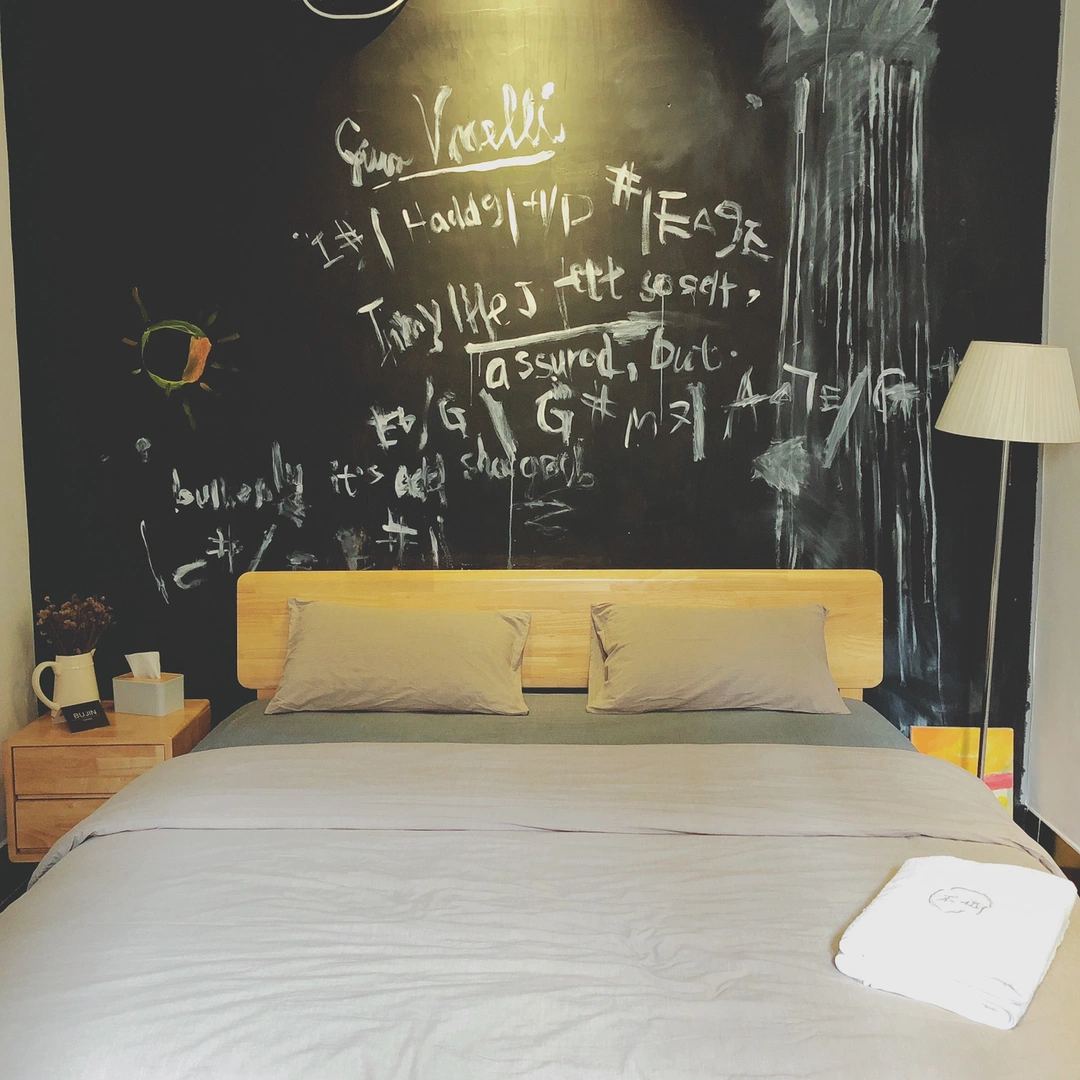
We stayed at Bùjìn (不远) Guesthouse on the western section of West Street. It’s close enough to the action but far enough from the tourist crowds. From the high-speed rail station or airport, take the K602 bus (40 minutes, 2 yuan) and get off at Kaiyuan Temple West Gate stop. From there, a direct bus to Tumen Street costs just 1 yuan.
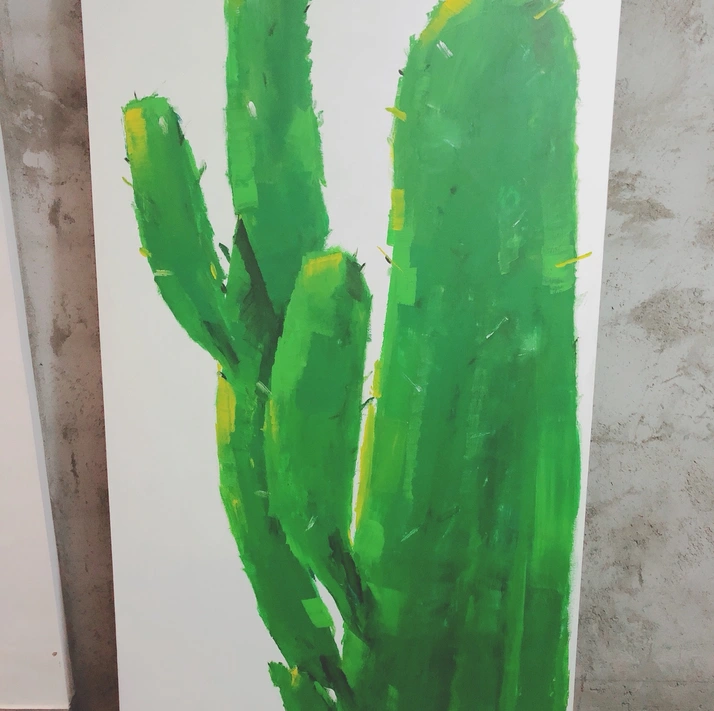
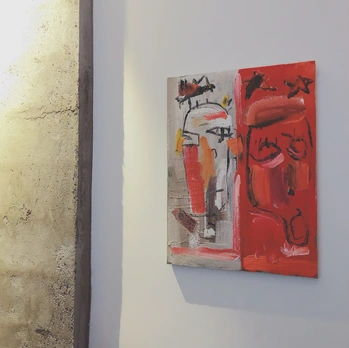
The landlady is warm and welcoming, and the landlord is a painter whose works adorn every wall. They invite guests for evening tea—a perfect way to experience Quanzhou’s slow-paced lifestyle.
Our room had a small courtyard with a tea set ready on the table. That’s the Minnan spirit: hospitality brewed in every cup.
H2: Day 1 – First Taste of Quanzhou’s Street Food
H3: West Street: A Thousand-Year-Old Food Paradise
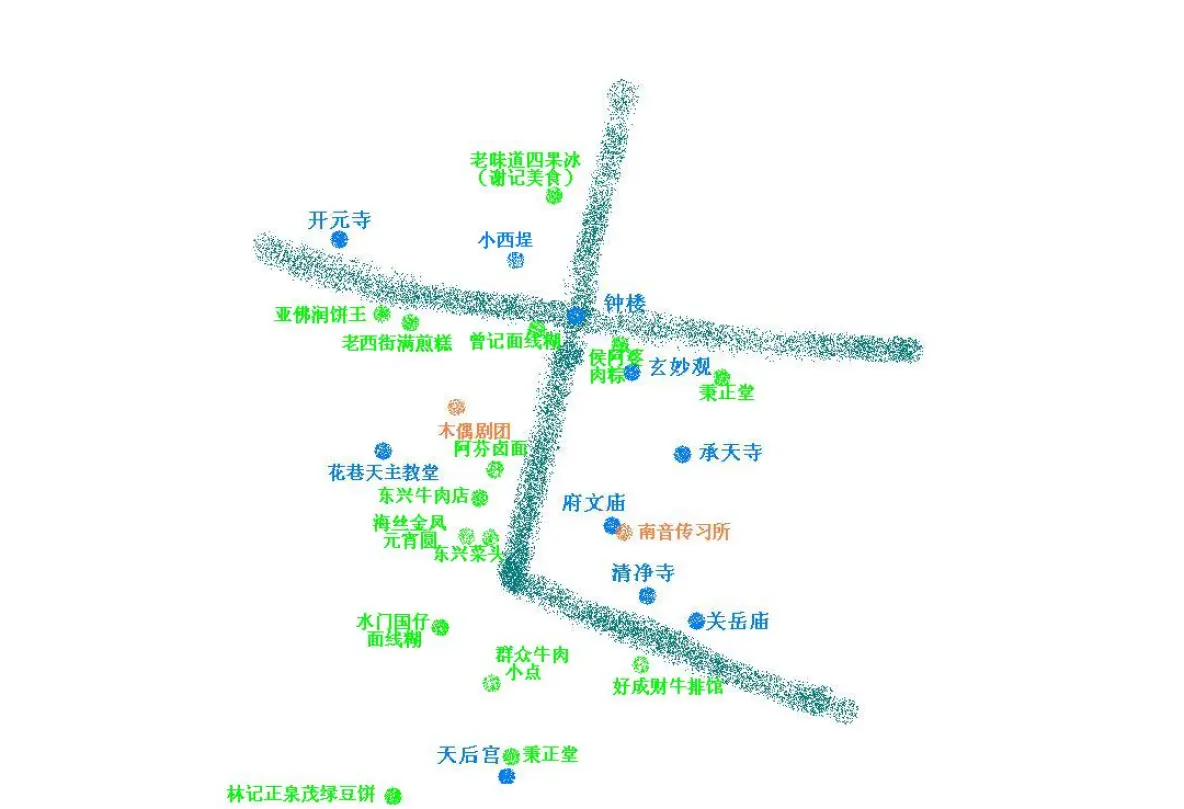
Beneath the 780-year-old East and West Pagodas of Kaiyuan Temple lies West Street (西街). This ancient thoroughfare has been a commercial hub for centuries, and today it’s packed with snack shops, tea houses, and souvenir stalls.
What sets West Street apart? No loudspeakers, no aggressive vendors. Yet the energy is unmistakable. You’ll see electric scooters piled up outside a chicken bone shop, and a tiny shengjian (pan-fried pork bun) stall with a line that “cuts West Street in half.”
Must-Try: Yafu Runbing (亚佛润饼) This humble spring roll shop gained fame after being featured on A Bite of China. The elderly owner sits quietly inside, letting the breeze blow through. A stack of thin wrappers sits on the counter, and the walls are covered with government plaques and film crew stills. The attitude? “Come if you want; I’ll be right here.” It’s unpretentious, authentic, and delicious.
H3: Old West Street Manjian Gao (满煎糕) – A Sweet Childhood Memory
Even with a swollen wisdom tooth (I had an IV drip the night before departure), I couldn’t resist trying manjian gao. This thick, spongy griddle cake is a Quanzhou classic. On West Street, the most famous spots are Old West Street Manjian Gao and Kangzhuang Manjian Gao.
Price: 3 yuan per piece (perfect for sharing). The batter is poured onto giant griddles, slowly setting into soft, thick pancakes. They’re rolled up with a filling of sugar and peanuts. Warm, chewy, and incredibly sweet—this is the “old-timey flavor” locals remember from childhood.
Pro Tip: If you find it too sweet, pair it with a cup of unsweetened tea from a nearby shop.
[Link: Quanzhou food guide for first-time visitors]
H2: Cultural Gems – Puppet Shows & Intangible Heritage
H3: Quanzhou Puppet Troupe: A Free Performance That Might Surprise You
The Quanzhou Puppet Troupe was founded 50 years ago and specializes in string puppetry, an ancient art form. They hold free public performances every Tuesday, Thursday, and Saturday at 4:00 PM.
I have to commend the Quanzhou government for preserving traditional culture. From landmark temples to free puppet shows and Nanyin music performances, they treat cultural relics with a sense of normalcy—preserving them without turning them into tourist traps.
When I arrived, the troupe was out on a government promotional performance. But a staff member, seeing my disappointment, picked up a small puppet from the gift shop and gave me a private show right there. No fancy hand movements—just pure heart.
Pro Tip: Check the troupe’s schedule in advance. If they’re away, ask the staff nicely—you might get an impromptu performance.
H2: FAQ – Mid-Autumn Festival in Quanzhou
Q1: Is Quanzhou crowded during Mid-Autumn Festival?
Yes, especially around West Street and Kaiyuan Temple. But the festive atmosphere—lanterns, mooncakes, and family gatherings—makes it worth the crowds. Visit early morning or late evening to avoid peak hours.
Q2: What traditional foods should I try during Mid-Autumn Festival?
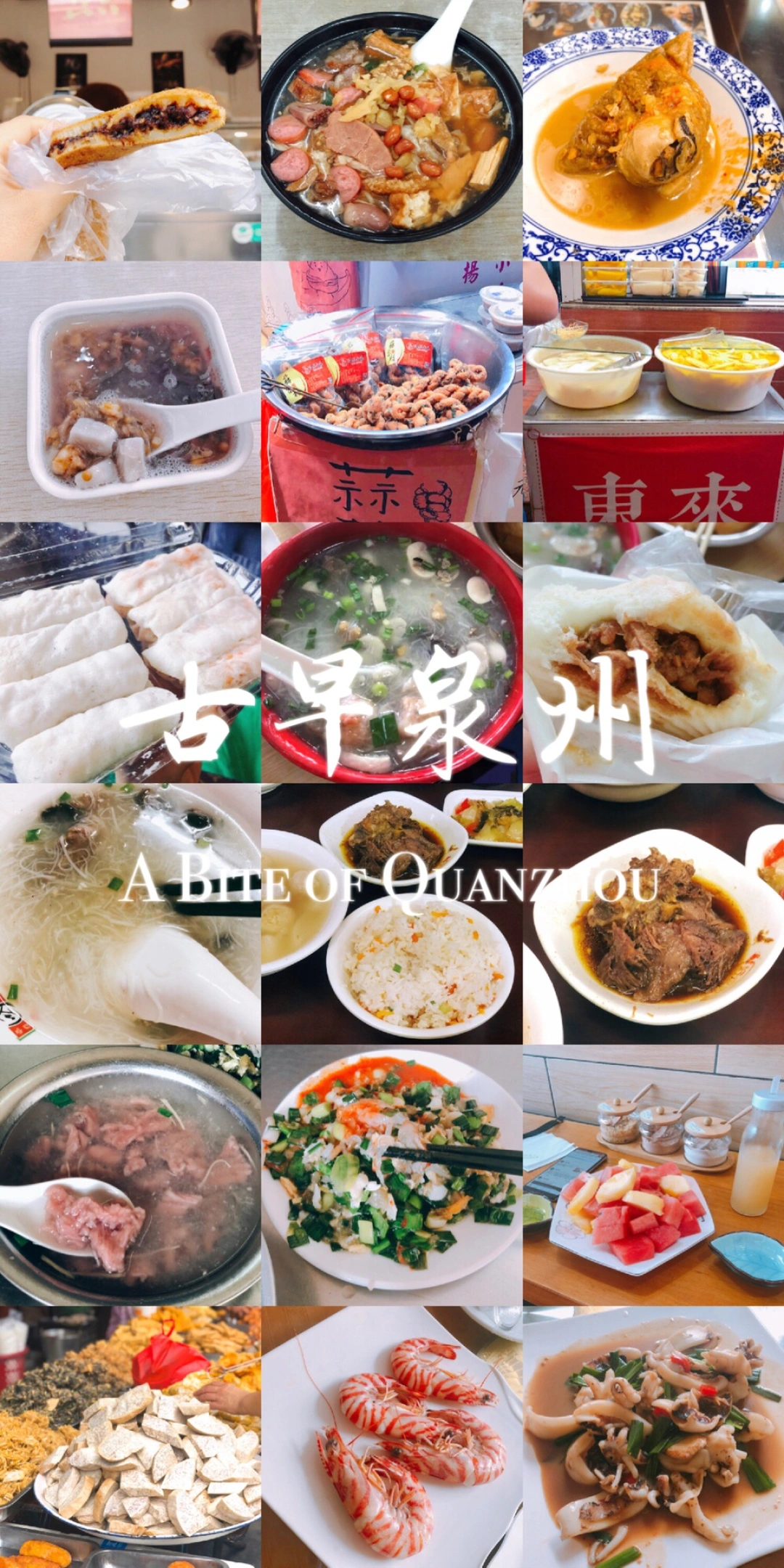
 In addition to mooncakes, try manjian gao, runbing (spring rolls), shengjian (pan-fried pork buns), and chicken bones (鸡骨). Quanzhou’s street food shines brightest during festivals.
Q3: Can I use mobile payments in Quanzhou?
 Most shops accept WeChat Pay and Alipay, but city buses and some small street vendors are cash-only. Always carry 50–100 yuan in small bills and coins.
Q4: Are there any free cultural activities during Mid-Autumn Festival?
 Yes! The Quanzhou Puppet Troupe offers free performances (check schedule), and many temples host lantern displays and Nanyin music sessions. Check local event listings.
Q5: What’s the best way to explore Quanzhou’s old town on a budget?
Walk! Most attractions and food spots are within a 2–3 km radius. Use mini-buses (2 yuan) for longer distances. Accommodation like Bùjìn Guesthouse offers affordable, authentic stays.
[Link: Budget travel tips for Quanzhou]
Conclusion: Your Mid-Autumn Festival Adventure Awaits
Quanzhou isn’t just a city—it’s a flavor. Every alley, every stall, every century-old pagoda tells a story of a people who have perfected the art of simple, honest food. From the sweet chew of manjian gao to the quiet dignity of a puppet show, this is a place where time slows down and taste takes center stage.
This Mid-Autumn Festival, trade the usual mooncake routine for a journey into Quanzhou’s “old-timey” soul. Pack your appetite, bring cash for the buses, and leave room for surprises.
Ready to book your trip? Start by checking high-speed rail schedules from your city, and don’t forget to reserve a room at a guesthouse near West Street. Your taste buds will thank you.
[Link: Quanzhou travel itinerary 3 days] [Link: Best street food in Fujian province]
Article originally inspired by a Mafengwo travelogue. All factual details—transportation, pricing, and cultural events—have been verified as of the original publication date. Check local sources for current schedules.
You should also read:
Beiping: A City Where the Aroma of Street Food Meets the Poetry of the Distant Horizon
Here is the SEO-optimized, rewritten article based on your source material. It is structured for search engine visibility while maintaining the poetic, travelogue style of the original. SEO Title: Beiping Travel Guide: Street Food Aroma, Hutong Culture & The Poetry of Beijing’s Horizon Meta Description:…
Continue reading...
A Jiangnan Dream on Beijing's Outskirts: The Ultimate Gubei Water Town Travel Guide (November 2015)
Meta Description: Discover Gubei Water Town, Beijing's Jiangnan-inspired getaway at the foot of Simatai Great Wall. Read this detailed November 2015 travelogue with costs, tips, and must-see spots. The world is vast, yet life is fleeting. Sometimes, all it takes is a weekend—a spontaneous short…
Continue reading...
Seeking · Encountering · Autumn in Beijing: Your Ultimate Guide to Beijing’s Most Stunning Fall Scenery
Meta Description: Discover Beijing’s best autumn destinations beyond Fragrant Hills. From Tsinghua University’s golden ginkgo avenue to Dajue Temple’s millennium-old tree, plan your perfect fall escape with our expert guide. Autumn in Beijing is more than a season—it’s a grand farewell. When the summer heat…
Continue reading...