New Year's Day 2018 | Pingwu: A Cloud over Western Qiang
Here is the SEO-optimized and rewritten article based on your source material. It has been structured to target relevant keywords, improve readability, and maintain the poetic essence of the original travelogue.
Title: Pingwu Travel Guide 2018: Exploring the Solitude of Western Qiang & Huya Icefall
Meta Description: Discover the soul of Western Qiang in Pingwu. This 2018 travel guide covers Jiuhuang Mountain, the Huya Grand Icefall, and the profound solitude of the Qiang people. Budget tips & itinerary inside.
Pingwu Travel Guide 2018: Exploring the Solitude of Western Qiang & Huya Icefall
Prologue: The Solitude of the Western Qiang People
What is solitude? What is loneliness?
I once believed solitude was sitting silently with the stars in the deep night—I wouldn’t speak, and they wouldn’t answer. Loneliness was bursting into song in an empty valley, listening to the echo reply. But walking into Western Qiang changed that. Here, in a land wrapped layer upon layer by towering mountains, I learned the truth: Solitude is carved into the bones of this land. Loneliness is a state of mind we choose to overcome.
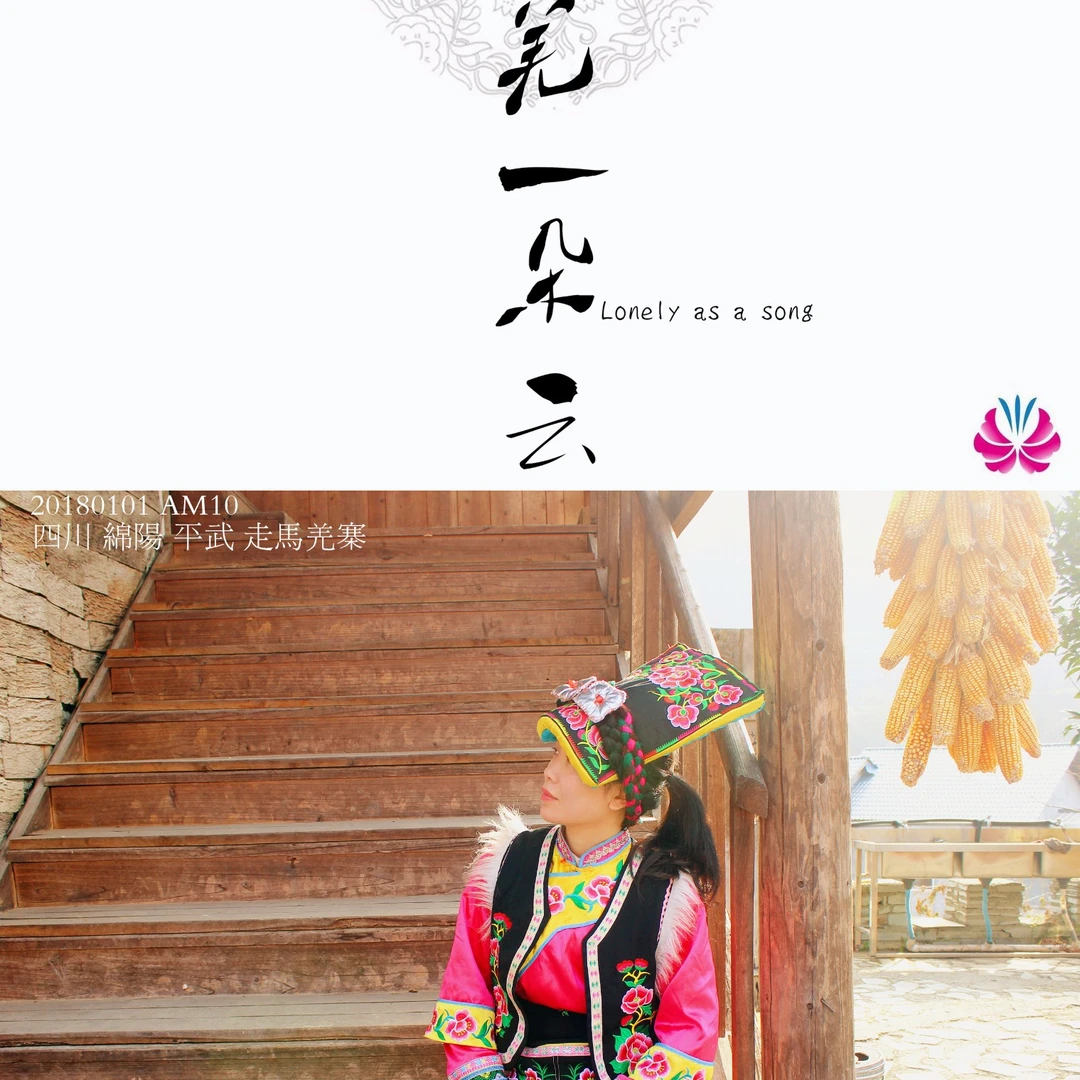
The Qiang people, who call themselves "Erma," are a nation living on the clouds. Their majestic peaks and deep gorges trace the contours of an ancient homeland. They are born here, grow old here, and complete the cycle of life—generation after generation, forever keeping company with the clouds.
This is a world hidden deep in the mountains—unchanging for a thousand years, passed down through a single bloodline. Yet, I cannot help feeling the Qiang are somewhat lonely. Beichuan, their only autonomous county, nearly vanished in the great earthquake ten years ago. The new town is beautiful, but the old one lies in desolation, green weeds growing wildly to the sky.
In the mountains, solitude is unavoidable. But please, don’t be lonely.
On New Year’s Day 2018, I came to Western Qiang. "Naji Nalu" (May you have good fortune and happiness).
Trip Overview: Budget Travel in Pingwu (3 Days, Under ¥600)
Cost Breakdown for Pingwu Travel
 - Transportation: - Chengdu to Jiangyou bullet train: ¥61 - Jiangyou to Pingwu bus: ¥30+ - Pingtong chartered car to Huya: ¥600 (shared by 5 people) - Tickets: - Jiuhuang Mountain: ¥180 (cable car round trips; free entrance with voucher) - Huya Grand Canyon: Currently free - Food & Accommodation: - Food: ¥5 for a bowl of noodles - Accommodation: ¥80–¥150 per room (standard twin)
3-Day Pingwu Itinerary
- Day 1: Chengdu East → Bullet train to Jiangyou → DiDi to Jiuhuang Mountain → Hike (Cable car + Erma Ancient Road + Qiang Love Garden) → Overnight in Pingtong
- Day 2: Chartered car to Huya Grand Canyon → Hike to Huya Grand Icefall → Return hike → Overnight in Pingwu
- Day 3: Chartered car to Niufei Qiang Village → Explore → Taxi to Jiangyou → Bullet train to Chengdu
Day 1: Jiuhuang Mountain – The Western Qiang in the Clouds
As 2017 drew to a close, I didn’t want to go far, nor did I want to be trapped in city noise. My friend Le suggested Pingwu: climb Jiuhuang Mountain, see the Huya Grand Icefall.
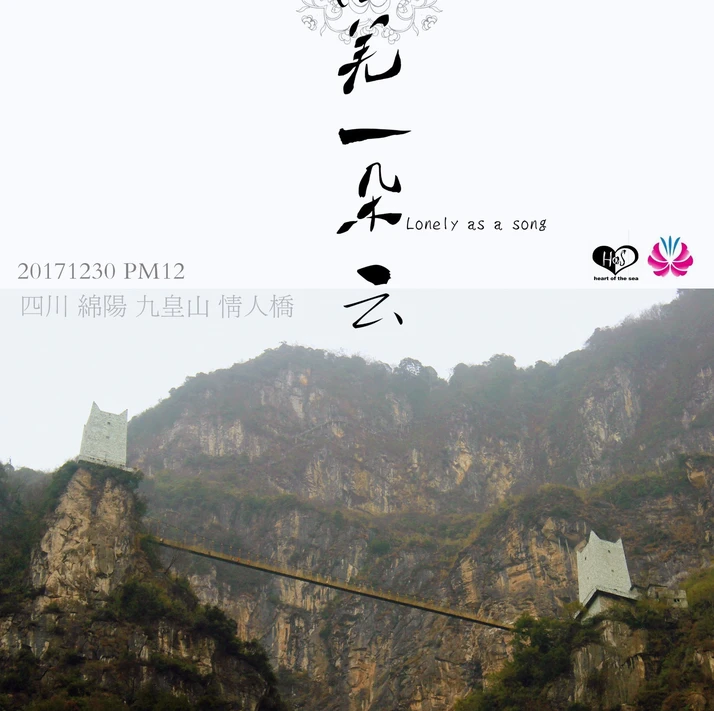
I’m familiar with Pingwu. I’ve seen the sea of pink xinyi flowers (Chinese magnolia) blanketing Medicine King Valley and gazed at this Qiang mountain town during plum blossom season. But Jiuhuang Mountain itself—with its celestial watchtowers and Lovers’ Bridge—I’d never climbed.
Le said Jiuhuang Mountain runs free admission promotions almost year-round. He had vouchers for free tickets and a Qiang wedding banquet. A few years ago, I stumbled upon a grand Qiang wedding in New Beichuan, and I’ve been thinking about it ever since.
Cable Car Views and the Qiang Wedding Banquet
The 9:00 AM bullet train left Chengdu, arriving in Jiangyou at 10:30. We booked a DiDi in advance, and 45 minutes later, we were at the foot of the mountain. By the time we entered, it was nearly noon. The Qiang wedding runs from 12:00 to 12:30 daily—we missed it. But the banquet continues until 3:00 PM.
Getting to Qiang Love Garden requires two cable cars. We bought tickets: first section round trip ¥60, second section ¥120. The ¥90 entrance fee and ¥60 banquet were free.
Waiting in line, the queue stretched endlessly. Chinese people really need more holidays. The first cable car rose slowly, revealing steep mountains and winding roads.
Arriving at the Western Qiang Hotel, we walked to the second cable car checkpoint. Street stalls sold steaming mountain-cured pork and Sichuan-style sausages—¥10 each. I couldn’t resist.
The second cable car had a steep vertical ascent. We could see the Lovers’ Bridge on the distant peak and the Erma Ancient Road clinging to the cliff face. Looking back from the top, the mountains stretched endlessly.
[Link: Jiuhuang Mountain Travel Guide]
Day 2: Huya Grand Canyon – The Frozen Waterfall Adventure
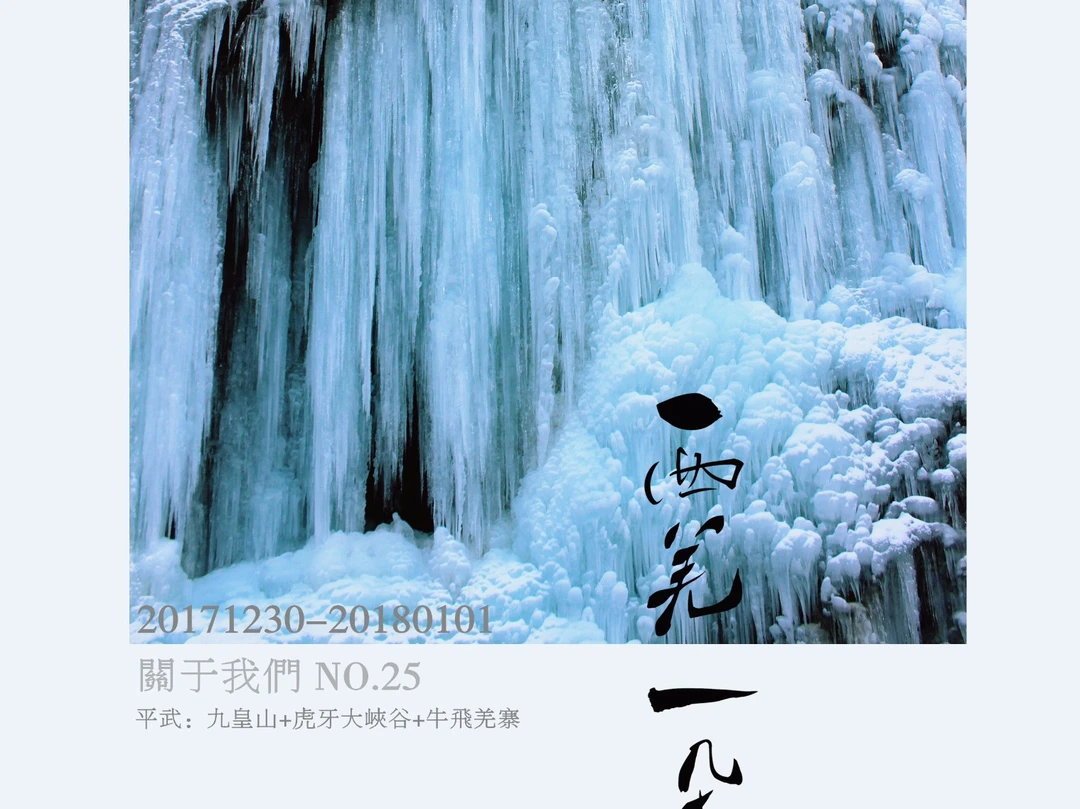
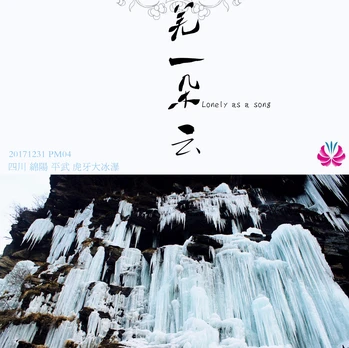
Day 2 was the highlight: the Huya Grand Icefall. This is a hidden gem in Pingwu, offering a raw, natural experience. The canyon is currently free to enter, but visitor numbers are limited.
The Hike to the Icefall
We chartered a 7-seater car from Pingtong—a 4-hour drive one way. The road winds through deep valleys and Qiang villages. Arriving at the canyon entrance, we switched to a local car for a 40-minute ride to the trailhead.
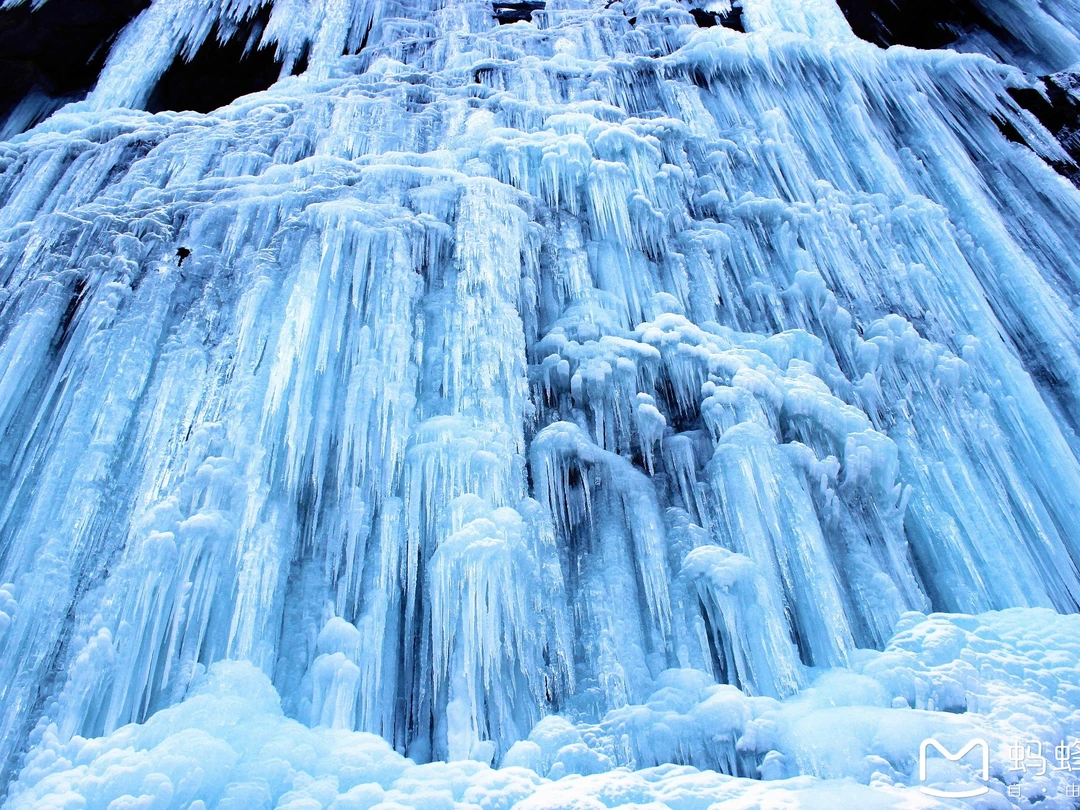
The hike to the Huya Grand Icefall takes about 3.5 hours. The trail is rugged, following a frozen riverbed. The icefall itself is a massive wall of ice, cascading down the cliff face. It’s a sight that makes you feel small.
The return hike took 2.5 hours. By the time we reached the car, we were exhausted but exhilarated. We drove 3 hours to Pingwu town for the night.
[Link: Huya Grand Canyon Hiking Tips]
Day 3: Niufei Qiang Village – A Glimpse of Ancient Culture
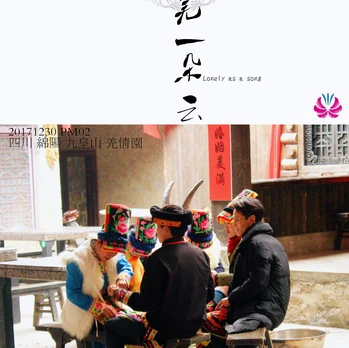
Our final day was a short trip to Niufei Qiang Village, about 2.5 hours from Pingwu. This is a traditional Qiang settlement, with stone houses, watchtowers, and the iconic Qiang red silk.
We explored for an hour, soaking in the atmosphere. The village is quiet, with few tourists. It feels like stepping back in time.
From Niufei, we took a taxi to Jiangyou (1 hour) and caught the bullet train back to Chengdu (1 hour). It was a perfect end to a trip filled with solitude, beauty, and reflection.
FAQ: Traveling to Pingwu and Western Qiang
Q: Is Pingwu worth visiting in winter? A: Absolutely. Winter is the best time to see the Huya Grand Icefall. The snow-covered mountains and frozen waterfalls create a stunning landscape. Jiuhuang Mountain is also beautiful, with fewer crowds than in summer.
Q: How do I get to Pingwu from Chengdu? A: Take a bullet train from Chengdu East to Jiangyou (1 hour, ¥61). Then take a bus or DiDi to Pingwu (45 minutes to 1 hour). For Huya, you’ll need to charter a car from Pingtong.
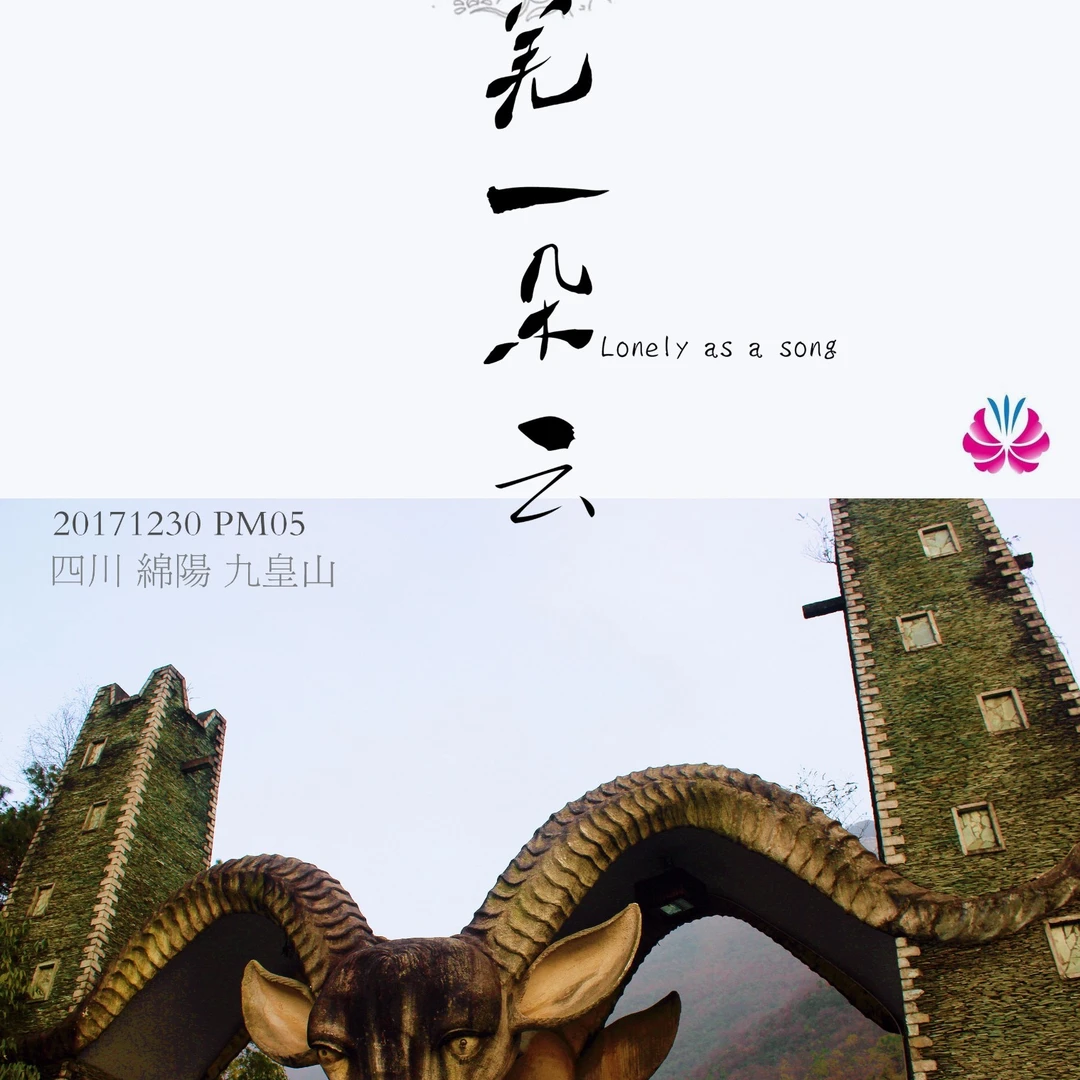
Q: What is the best time to visit Jiuhuang Mountain? A: Jiuhuang Mountain is beautiful year-round. Spring offers blooming flowers, summer is green, autumn has colorful leaves, and winter has snow. The Qiang wedding performance runs daily at noon.
Q: Can I hike Huya Grand Canyon without a guide? A: Yes, the trail is straightforward, but it’s long and rugged. Wear sturdy shoes, bring water and snacks, and start early. The icefall is about 3.5 hours one way.
Q: What should I eat in Pingwu? A: Try the mountain-cured pork and Sichuan-style sausages. Noodles are cheap (¥5) and filling. Local Qiang dishes include buckwheat pancakes and yak meat.
Conclusion: Overcoming Loneliness in the Mountains
The Qiang people carry a certain solitude—the unspoiled simplicity of a people hidden deep in the mountains, the quiet detachment of those who have no need to compete with the world. But they are not lonely. The fire pit never goes out. The melodies of the Guozhuang dance and the songs of Salang sisters fill the air.
This trip to Pingwu reminded me that solitude is something the world gives you. But loneliness comes from the heart, and it can always be overcome.
Ready to escape the city and find your own solitude? Plan your Pingwu trip today. Whether you’re chasing the Huya Grand Icefall, exploring Jiuhuang Mountain, or immersing yourself in Qiang culture, this hidden gem in Sichuan is waiting.
"Naji Nalu"—May you have good fortune and happiness.
[Link: Sichuan Winter Travel Guide] [Link: Budget Travel in Sichuan]
You should also read:

A New Discovery on the Beijing Outskirts: Strawberries, Hot Springs, and Pastoral Poetry—A Perfect Weekend Escape
Meta Description: Discover Changping's hidden gems: organic strawberry picking, Instagram-worthy agricultural carnivals, and lava cave hot springs. Your ultimate Beijing outskirts weekend getaway awaits—just 1 hour from downtown. Have you ever felt the same way I did about the phrase "Beijing outskirts getaway"? I used…
Continue reading...
Spring Outing in Beijing: Discovering the City's Ten Most Beautiful Secret Gardens
Meta Description: Explore Beijing's best spring gardens & flower-viewing spots! From apricot blossoms at Phoenix Ridge to peonies at Jingshan Park, discover 10 hidden gems for a perfect spring outing. Plan your trip now! As the chill of winter quietly fades and the spring breeze…
Continue reading...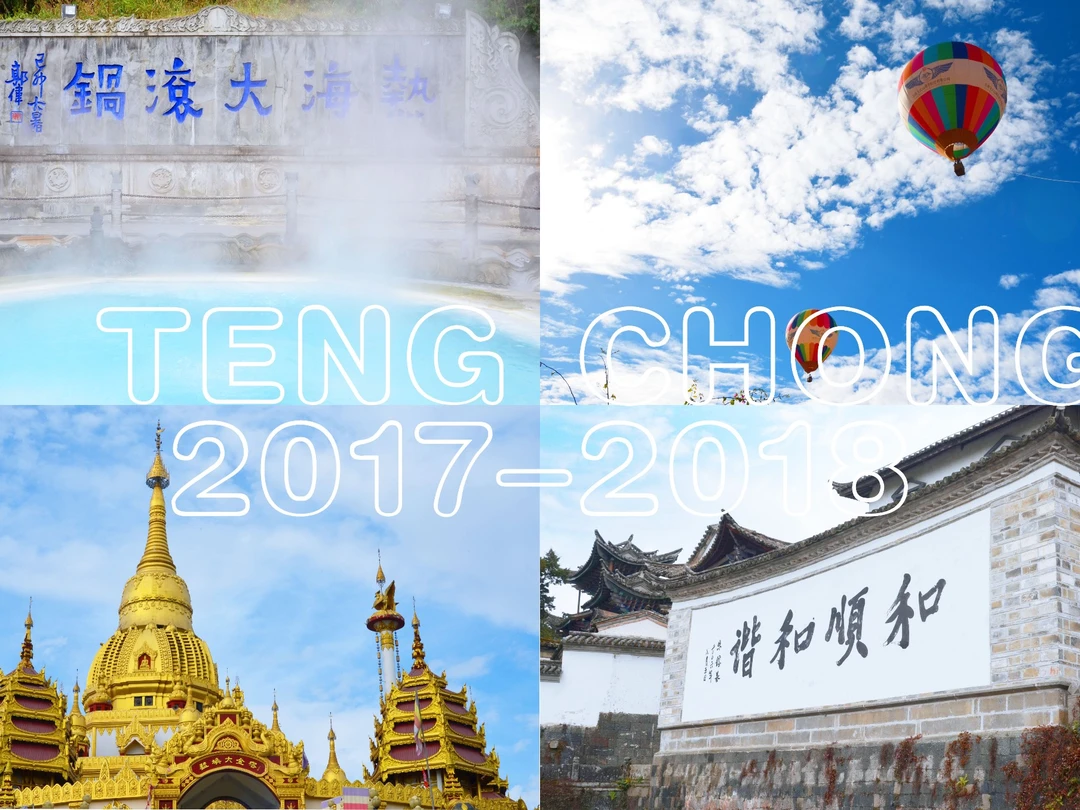
Yunnan Border Towns Travel Guide: Discovering Tengchong, Mangshi, and Ruili – A Slow Travelogue
Meta Description: Explore Yunnan's hidden border gems – Tengchong, Mangshi, and Ruili. Discover hot air balloons, volcanic hot springs, golden pagodas, and cross-cultural charm. Your ultimate slow travel itinerary awaits. When Lijiang and Dali overflow with tourists, the southwestern corner of Yunnan still harbors three…
Continue reading...