Nordic Summer: A Magical Journey Through Human Nature and Culture Without Driving
Meta Description: Explore Scandinavia in summer without a car—18 days through Denmark, Netherlands, Iceland, and Norway. Discover slow living, fjords, windmills, and cultural secrets in this epic Nordic summer itinerary.
Why Summer Is the Best Time to Visit Scandinavia Without a Car
When words like aurora, glaciers, and fairytale castles intertwine in the mind, the Nordic countries become a dream that beckons irresistibly. Many say you should visit Scandinavia twice in your lifetime—once for the winter aurora and snowy nights, and once for the dazzling, sleepless summer. I happened to set foot on this land during that season when daylight stretches endlessly.

In late May 2017, a group of four friends and I spent 18 days traveling through Denmark, the Netherlands, Iceland, and Norway—without a car. No designated driver, no rental vehicle—just a passionate heart and a meticulously crafted itinerary. The total cost per person was about 24,000 RMB (approximately $3,300 USD), and in return, we gained a summer adventure that still burns brightly in our memories.
This guide will show you exactly how to plan a Nordic summer trip without driving, covering everything from Copenhagen's slow charm to Amsterdam's artistic canals and Norway's breathtaking fjords. [Link: Ultimate Scandinavia Travel Guide]
How This Nordic Summer Adventure Began
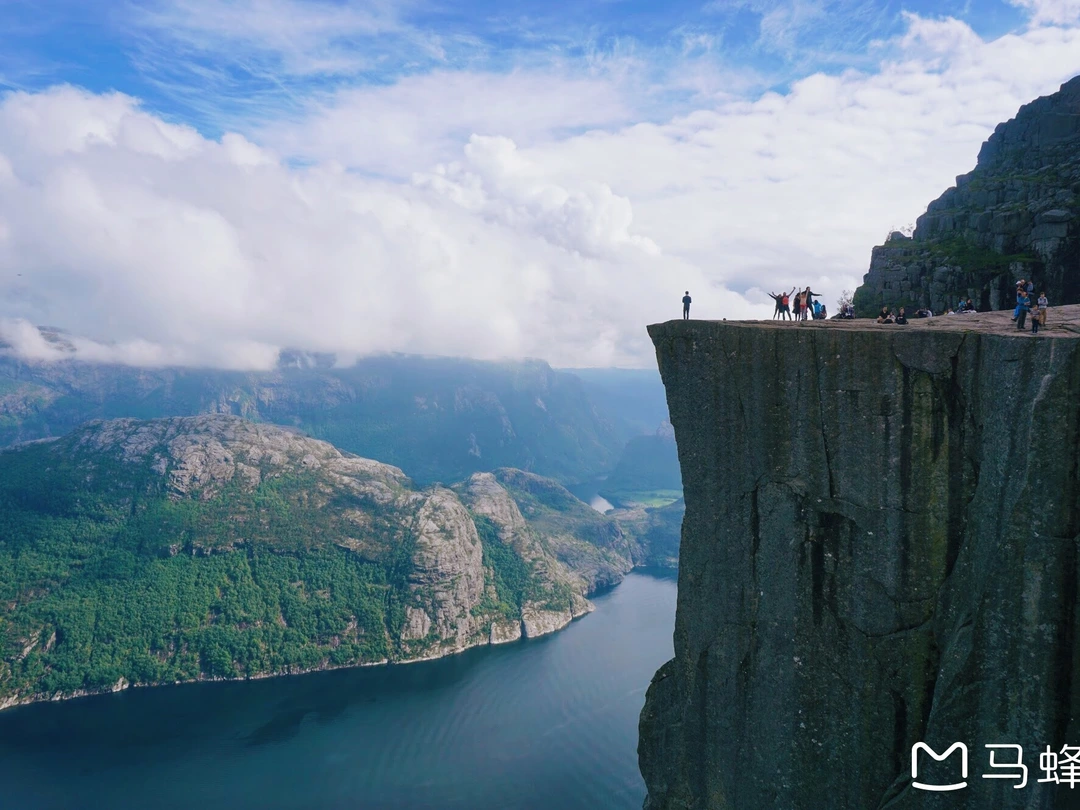
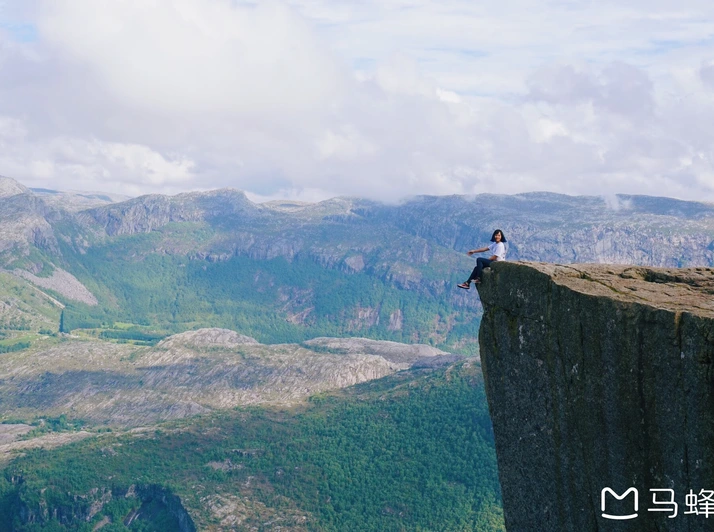
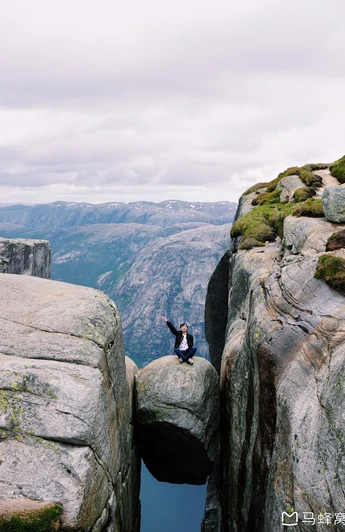
Interestingly enough, the seed for this Nordic trip was planted unintentionally on Weibo, China's Twitter-like platform. I stumbled upon a post titled "The World's 9 Most Thrilling Attractions," and four of them were in Norway. As someone who can't resist high-altitude challenges, Norway instantly became an obsession. As I researched further, the neighboring countries—Denmark's fairy tales, the Netherlands' freedom, Iceland's cold wonderland—drew me in like magnets, pulling me step by step toward this distant land.
A year later, as I finally put these memories into words, those extended days and the moments of uninhibited laughter on foreign streets still flood back like a tide. This article is both a tribute to that summer and a heartfelt recommendation—if you too long for Scandinavia, follow my footsteps and venture forth.
Denmark: Slow Living in the Fairytale Kingdom
First Impressions of Copenhagen: A Colorful City and Unexpected Slow Pace
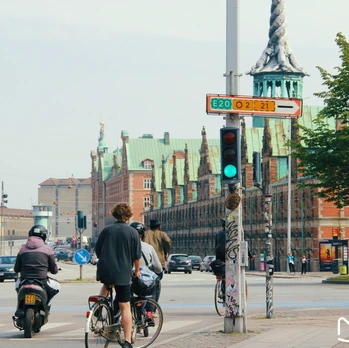
For many, Denmark is the starting point of Nordic fantasies. As the hometown of Hans Christian Andersen, this city naturally carries a fairytale filter—vibrantly colored houses, quiet streets, and teenagers cycling by all feel simple and beautiful.
However, my initial planning for Denmark was a bit off. I thought three days would be enough to explore Copenhagen thoroughly, but in reality, the city center is quite small—you can cover the main sights in half a day. Fortunately, the exhaustion from our long flight helped me embrace the city's rhythm: cooking a bowl of noodles in our Airbnb, sleeping soundly, and slowing down like the locals. It turned out to be a charm in its own way.
For travelers seeking a car-free Scandinavian summer itinerary, Copenhagen is the perfect starting point. Its compact layout makes walking and cycling the best ways to explore. [Link: How to Travel Scandinavia Without a Car]
Nyhavn: The Secret to Danish Happiness
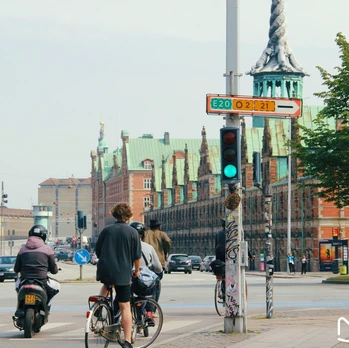
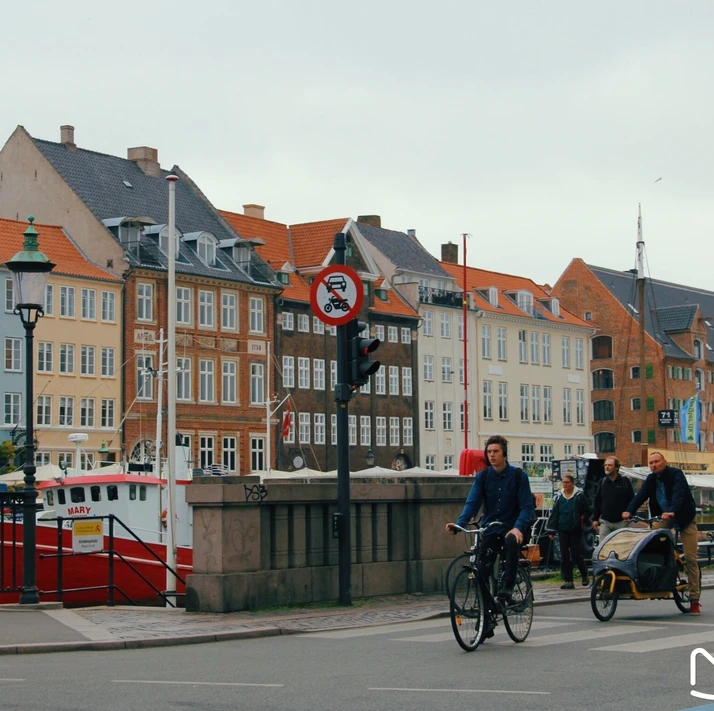
Danes say, "If you haven't seen Nyhavn, you haven't seen Copenhagen." And it's true. Along the canal in Nyhavn, wooden boats rest quietly, and the colorful little houses on both sides look like they've stepped out of a storybook. Hans Christian Andersen once lived here, but today those houses are private residences and can't be visited.
In summer, the most delightful thing to do in Nyhavn is to buy a can of beer at the dock, listen to the light music drifting from nearby shops, and watch pigeons land and take off around you. Locals and tourists sit together, chatting about everything and nothing, as if time itself has slowed down. In that moment, I seemed to understand the secret to Danish happiness—they know how to be gentle with friends, with sunshine, and with life itself.
The Little Mermaid and Amalienborg Palace: A Rainy, Artistic Day
The next morning, we headed straight for the Little Mermaid statue. Unfortunately, the weather didn't cooperate—a steady drizzle followed us as we walked along the canal. When we reached the Gefion Fountain and St. Alban's Church, the rain intensified, so we ducked into the church for shelter.
The legend of Gefion goes like this: she asked the Swedish king for a piece of land, and he replied, "You can have as much land as you can plow in one day and one night." So Gefion turned her four sons into oxen and plowed for a full day and night, then threw the plowed land into the sea outside Sweden—that land became what is now Copenhagen. Since then, she has been regarded as Denmark's guardian goddess.
The Little Mermaid statue sits quietly by the harbor, gazing into the distance. It was commissioned in 1909 by Carl Jacobsen, founder of Carlsberg Brewery, who was inspired by a ballet adaptation of Andersen's fairy tale. He asked sculptor Edvard Eriksen to create it. Interestingly, the model for the mermaid's face was ballerina Ellen Price, but she refused to pose nude, so the body was modeled after the sculptor's wife. Today, the original statue is held by the sculptor's descendants, and the replica at the harbor—which has suffered repeated vandalism and theft attempts—turned out to be a wise precaution.
On our way back, we visited Amalienborg Palace, the current residence of the Queen. Four Rococo-style buildings surround a central square dominated by a bronze statue of King Frederick V. On one side of the square stands the Marble Church (Frederik's Church), solemn and majestic.
Desserts and Slow Living: Our Last Day in Copenhagen
At La Glace, Copenhagen's oldest dessert shop, we sampled Danish cakes. The signature dessert, Sportscake, is a mound of almond cream puff cake, originally created for a stage opera and later gaining popularity. We also ordered a macaron blueberry cake—its sweetness was so intense it felt almost sinful.
On the third day, we fully surrendered to the Danish slow-living vibe: we went out for a bit of exploring and eating, returned to our Airbnb to watch TV, and then waited for our flight to the Netherlands. Looking back, there are many more places worth exploring in Copenhagen: museums, Andersen's former home, Tivoli Gardens, and even the nearby Frederiksborg Castle in Hillerød. But perhaps this spontaneous, unhurried pace is the truest reflection of Denmark.
The Netherlands: A Symphony of Freedom and Poetry
Amsterdam: An Orange City Under the Sunset
We chose the Netherlands because we wanted to avoid Sweden and Finland in summer. By early June, the tulip season was over, and I was initially disappointed. But the Netherlands, with its urban charm and rural beauty, proved me wrong: it was absolutely worth it.
From the airport to our Airbnb, we took a Tesla taxi—sleek and practical, it somehow fit all four of our suitcases. For the rest of our trip, we relied on an OV-chipkaart (Dutch public transport card) lent by our host. It worked for buses, trains, and trams—just remember to tap in and out to avoid overcharging. For route planning, we used the app "9292."
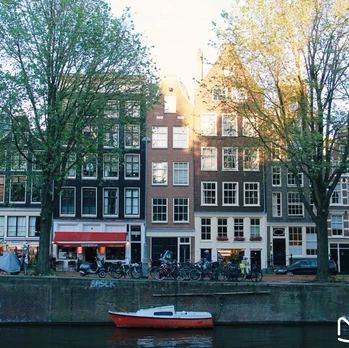
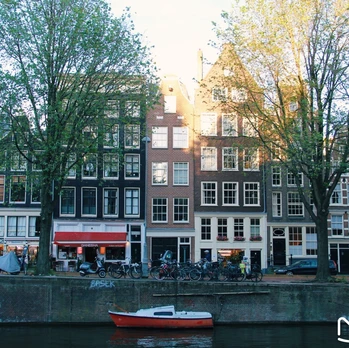
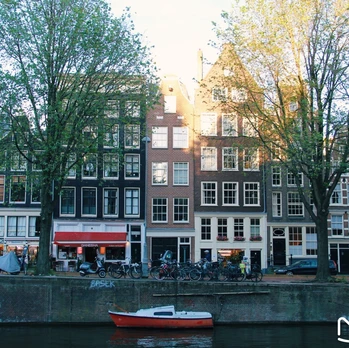
After dropping off our luggage, we took a bus to Central Station and followed the canal toward Chinatown. Amsterdam at sunset looked like a painting—glittering yet incredibly gentle. Endless canal bridges, an unbroken stream of bicycles, and airplanes tracing arcs across the sky—the city exuded an artistic atmosphere, yet under the golden twilight, it radiated an orange vitality.
Amsterdam is a place where water-town poetry meets bustling urban life. On the canals, people lounged, enjoying the last warmth of the setting sun. On the streets, a camel inexplicably appeared, defecating freely on the bike path, making the police laugh and its owner shake his head in resignation. This is a city without constraints, free in a way that makes you envious.
At night, Amsterdam looks serene and beautiful. Walking along the canals, the air is thick with hormones and a sense of freedom, making you think: living here must be pure bliss.
Kinderdijk: The Netherlands' Pastoral Poem
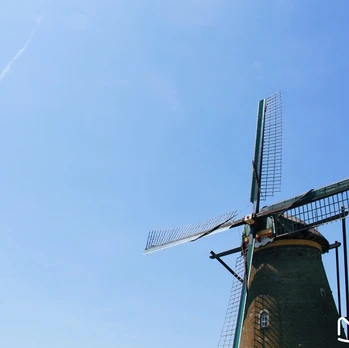
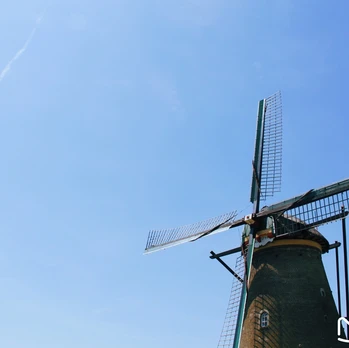
If you can only see one windmill site in the Netherlands, make it Kinderdijk. This group of windmills is the only one in the country designated as a UNESCO World Heritage site. Compared to the Zaanse Schans Windmill Village near Amsterdam, Kinderdijk has more windmills, and they are older.
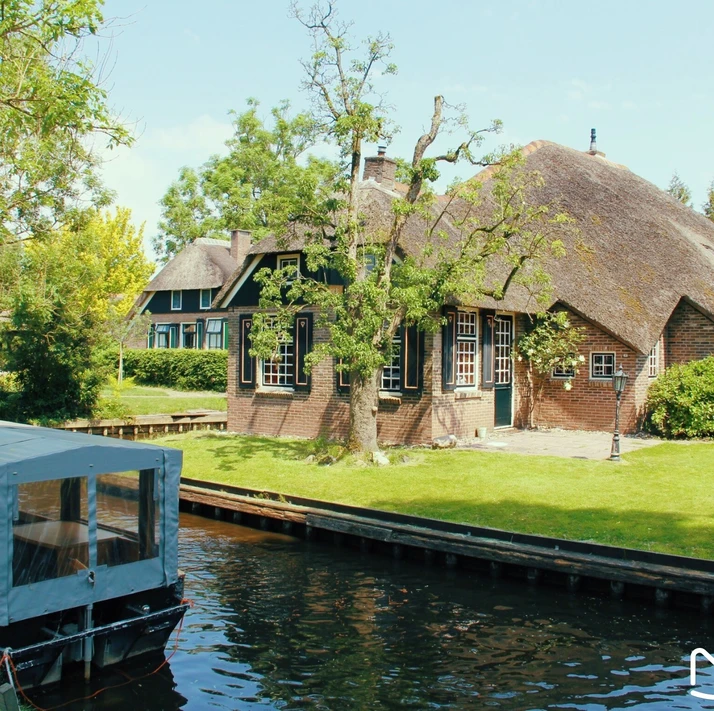
The name has a touching legend: a little boy noticed a small leak in a dike. He plugged it with his finger and stayed there all night until villagers arrived to repair it, saving the town from flooding. Today, 19 windmills stand along the canals, built around 1740 to drain the polder. They still function, now operated by a foundation and a volunteer association.
Getting to Kinderdijk from Amsterdam is easy by public transport: take a train to Rotterdam, then bus 90 or 190. Alternatively, take the Waterbus from Rotterdam's Erasmus Bridge—a scenic 30-minute ride. [Link: Top Public Transport Tips for Scandinavia]
FAQ: Nordic Summer Travel Without a Car
1. Is it possible to visit multiple Nordic countries without a car?
 Absolutely. All Nordic countries have excellent public transport networks. Trains connect major cities, ferries link islands, and buses reach remote areas. For our 18-day trip, we used flights for long distances (Copenhagen to Amsterdam, Amsterdam to Iceland) and trains/buses for shorter hops.
2. What is the best time for a Nordic summer trip?
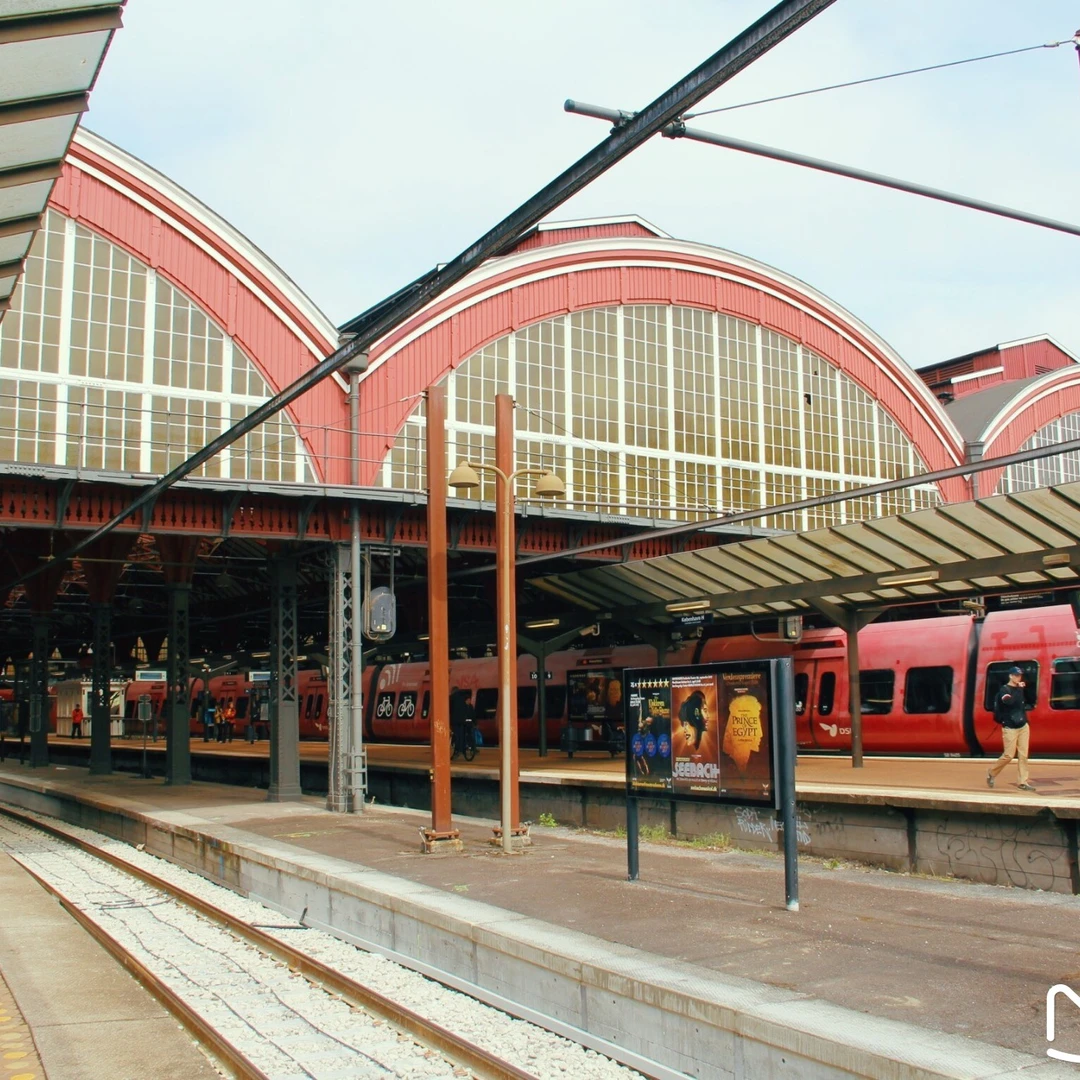 Late May to early August offers the longest daylight hours, mild temperatures, and the famous midnight sun in northern regions. However, June is peak season, so book accommodations early. Late May provides fewer crowds while still enjoying extended daylight.
3. How much does a 2-week Nordic trip cost?
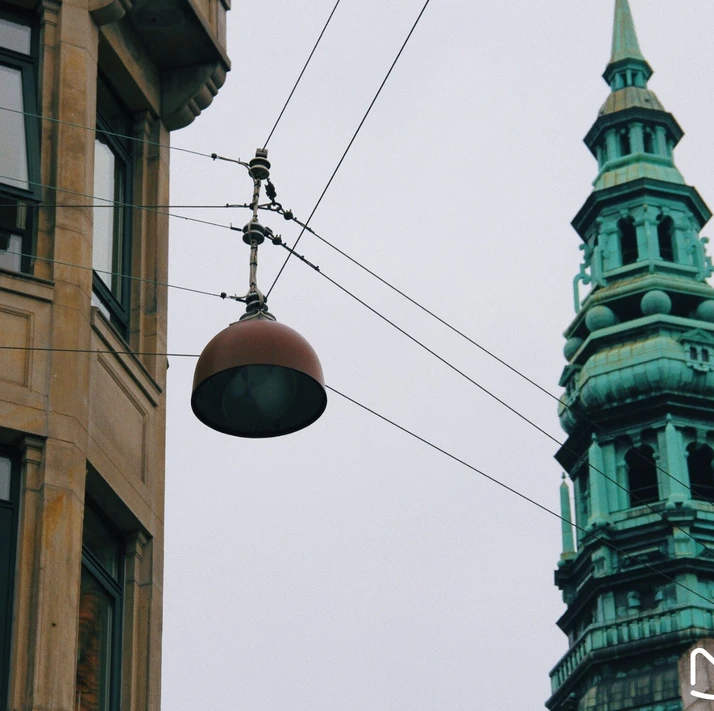 Our 18-day trip cost approximately 24,000 RMB ($3,300 USD) per person, including flights, accommodation, food, and activities. Budget-conscious travelers can reduce costs by using hostels, cooking meals, and booking flights early.
4. What are the must-see attractions for a car-free Nordic itinerary?
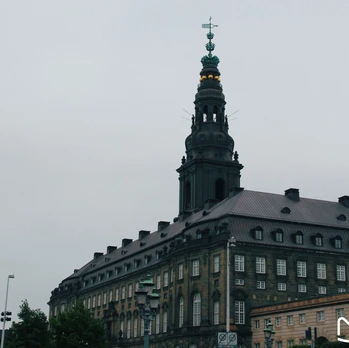 Top picks include: Copenhagen's Nyhavn and Tivoli Gardens, Amsterdam's canals and Kinderdijk windmills, Iceland's Golden Circle (accessible by bus tours), and Norway's fjords via the Norway in a Nutshell tour. Each is reachable by public transport or organized tours.
5. Do I need to speak local languages?
English is widely spoken across Scandinavia and the Netherlands. Most signs, menus, and transport information are in English. Learning a few basic phrases (like "tak" for thank you in Danish) is appreciated but not necessary.
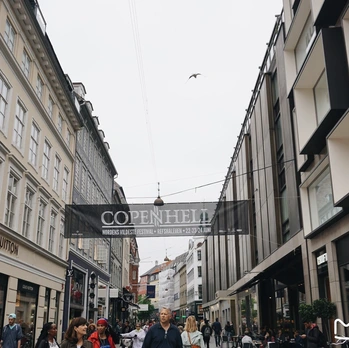
Conclusion: Your Nordic Summer Adventure Awaits
This Nordic summer journey without a car proved that you don't need a driver's license to explore some of the world's most breathtaking landscapes. From Copenhagen's colorful canals to Amsterdam's artistic freedom, from Iceland's raw nature to Norway's majestic fjords, every destination offered unique experiences that public transport made accessible.
The total cost of 24,000 RMB per person for 18 days might seem significant, but the memories—watching the sunset over Amsterdam's canals, tasting Danish desserts in a 150-year-old shop, standing before the Little Mermaid in the rain—are priceless. Whether you're a solo traveler or part of a group, a car-free Nordic summer itinerary is not only possible but deeply rewarding.
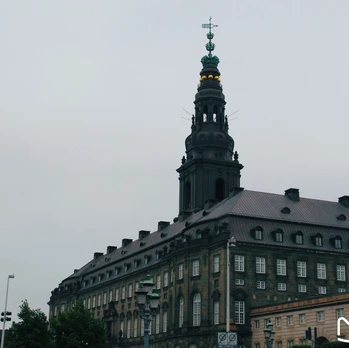
So pack your bags, download a few transport apps, and let the trains, buses, and ferries carry you through the magic of Scandinavia. Your summer adventure is waiting.
Ready to plan your own Nordic summer trip? [Link: Book Your Scandinavia Train Pass] or [Link: Find Budget Accommodation in Copenhagen]
Have you traveled through Scandinavia without a car? Share your experiences in the comments below!
You should also read:
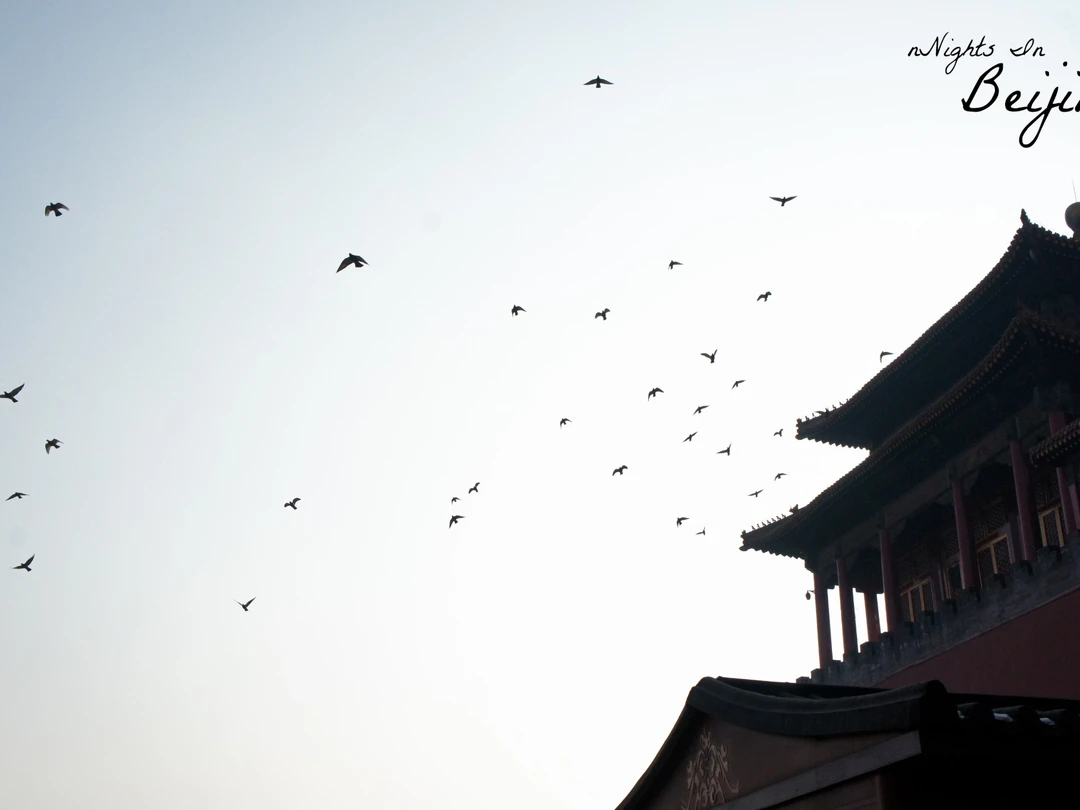
Beijing Travel Guide: A Personal Journey Through Smog, History, and Hidden Stories
Meta Description: Discover Beijing beyond the tourist traps. This personal travel story explores hutong culture, historical sites, and local secrets—from Jingshan Park to Yuanmingyuan. Perfect for travelers seeking authentic experiences. Beijing. The name alone conjures images of smog-shrouded skylines, the majestic Forbidden City, labyrinthine hutong…
Continue reading...
Lost in Beijing for Seven Days: A Solo National Day Journey Through the Capital
Meta Description: Discover how to survive—and thrive—during China's Golden Week in our SEO-optimized Beijing travel guide. From hidden hutongs to imperial palaces, this 7-day solo itinerary reveals crowd-avoidance secrets, budget tips, and must-visit attractions. Some say traveling during National Day is asking for trouble. But…
Continue reading...
The Beijing Adventures of "Dunderhead" and "Grumpy": A Heartwarming Journey Through Time and Childlike Wonder
Meta Description: Discover Beijing through the eyes of two playful travelers—"Dunderhead" and "Grumpy." From the Great Wall to the Forbidden City, this SEO-optimized guide blends nostalgia, history, and practical tips for an unforgettable trip. In June, Beijing's sky hung gray, the air thick with an…
Continue reading...